
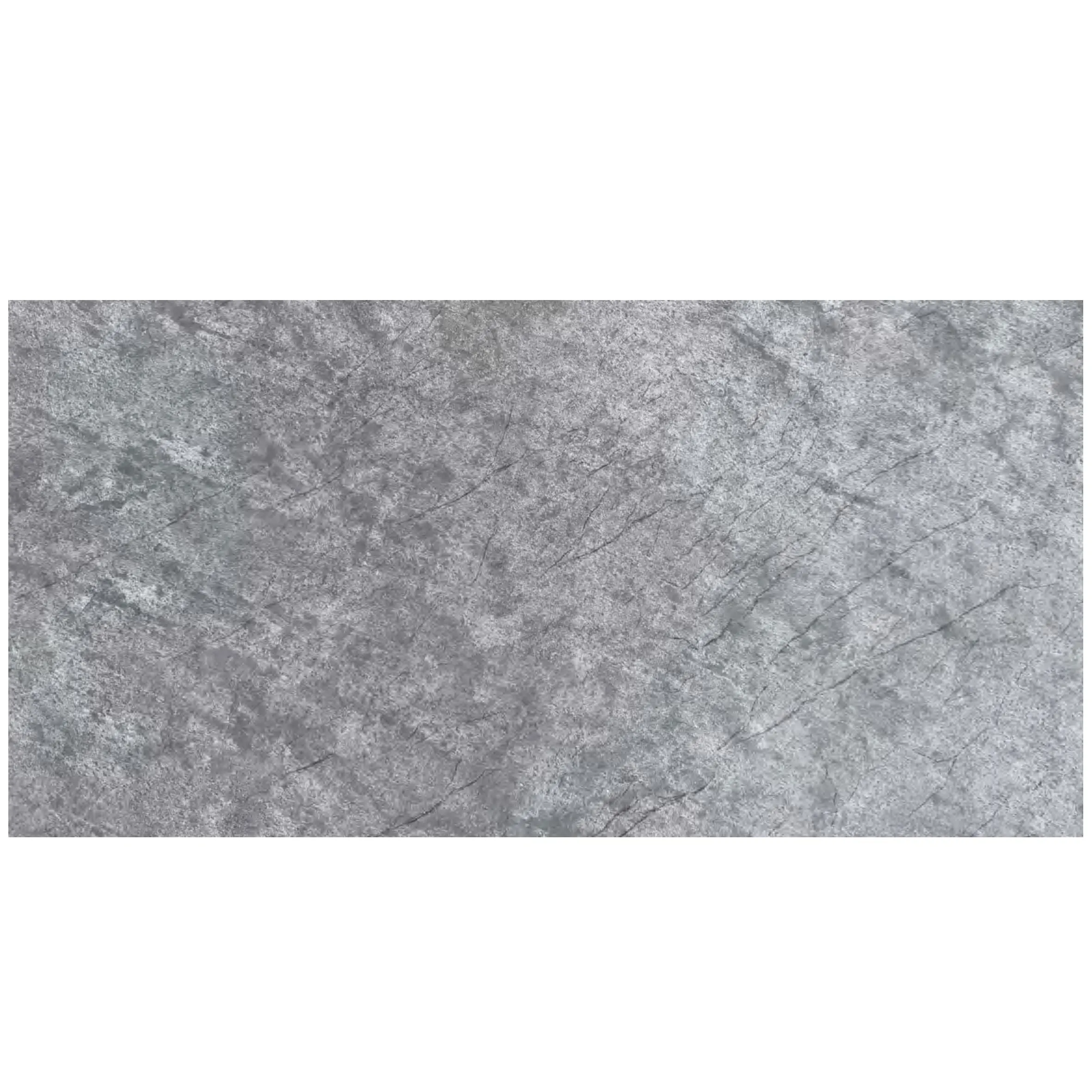
Every building tells a story—one written not just in its layout or purpose, but in the materials that clothe its walls, floors, and facades. For architects and designers, choosing between materials is like selecting the right words for a sentence: each option carries its own weight, texture, and tone, shaping how the world experiences the space. Today, we're diving into two standout contenders in the modern building materials arena: Glacial Slate and Concrete Panels. Both have earned their place in contemporary design, but when it comes to balancing practicality (think weight) and beauty (think aesthetics), their differences are as striking as they are significant. Let's unpack what makes each unique, and how materials like MCM Flexible Stone, Travertine (Starry Blue), and Lunar Peak Silvery play into the bigger picture of crafting memorable spaces.
If you've ever watched a construction crew hoist a heavy panel into place, you know weight isn't just a number—it's a daily challenge. From transportation to installation, the heft of building materials ripples through every stage of a project, affecting timelines, labor costs, and even the structural demands of the building itself. Let's start with the elephant in the room: Concrete Panels, particularly the raw, unpolished Fair-faced Concrete variant, are known for their sturdiness. But that strength comes with a price: traditional concrete panels can weigh upwards of 150 kg per square meter. Imagine the logistics of moving those across a construction site, or the strain they put on a building's foundation. For high-rise projects or structures with limited load-bearing capacity, that weight becomes a critical limitation.
Enter Glacial Slate—a material that redefines what it means to be "heavy-duty." Unlike its concrete counterpart, Glacial Slate leverages modern manufacturing techniques (think advanced composite layers) to mimic the look of natural stone while slashing weight. On average, it clocks in at just 35–45 kg per square meter—less than a third of the weight of standard concrete panels. That's a game-changer. Suddenly, installation crews aren't relying on cranes for every panel; smaller teams can handle the work, cutting down on labor hours and equipment rental costs. Transportation becomes simpler too: a single truck can carry three times as much Glacial Slate as Concrete Panels, reducing carbon emissions from fewer trips.
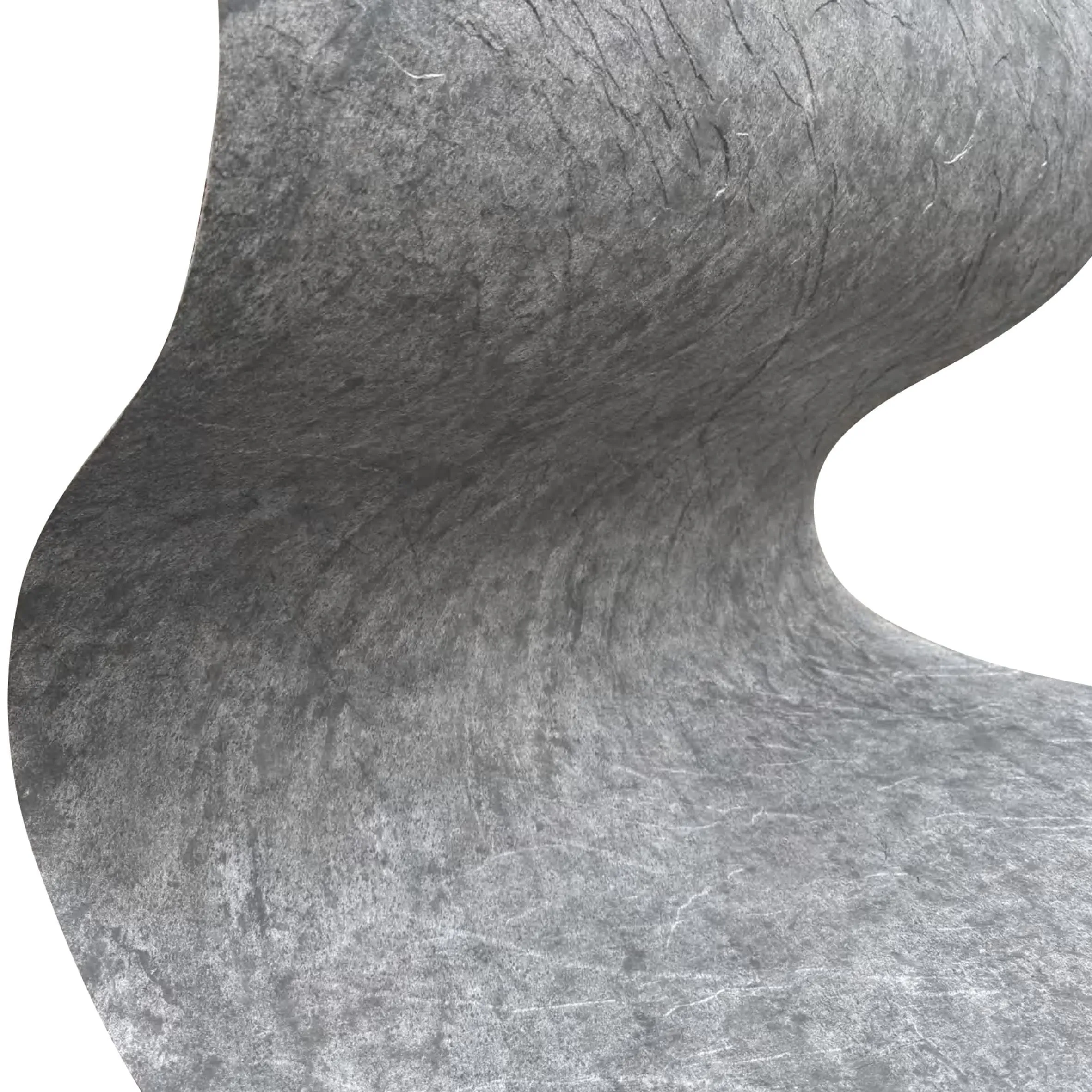
But Glacial Slate isn't the only lightweight hero here. MCM Flexible Stone, a star in the building materials world, takes this concept even further. Designed to be bendable and ultra-light (as low as 20 kg per square meter), it's ideal for curved surfaces or projects where weight is non-negotiable—like retrofitting historic buildings that can't handle heavy loads. What's fascinating is how these materials maintain durability despite their lightness. Glacial Slate, for example, resists cracking and weathering, making it suitable for both interior and exterior use. It's a reminder that "lightweight" doesn't have to mean "flimsy"—a lesson Concrete Panels, for all their strength, sometimes struggle to teach.
| Material | Average Weight (kg/m²) | Key Weight-Related Advantage |
|---|---|---|
| Glacial Slate | 35–45 | Reduces structural load; eases transportation and installation |
| Fair-faced Concrete Panels | 120–150 | High structural integrity for heavy-duty applications |
| MCM Flexible Stone | 20–30 | Bendable; ideal for curved surfaces and retrofits |
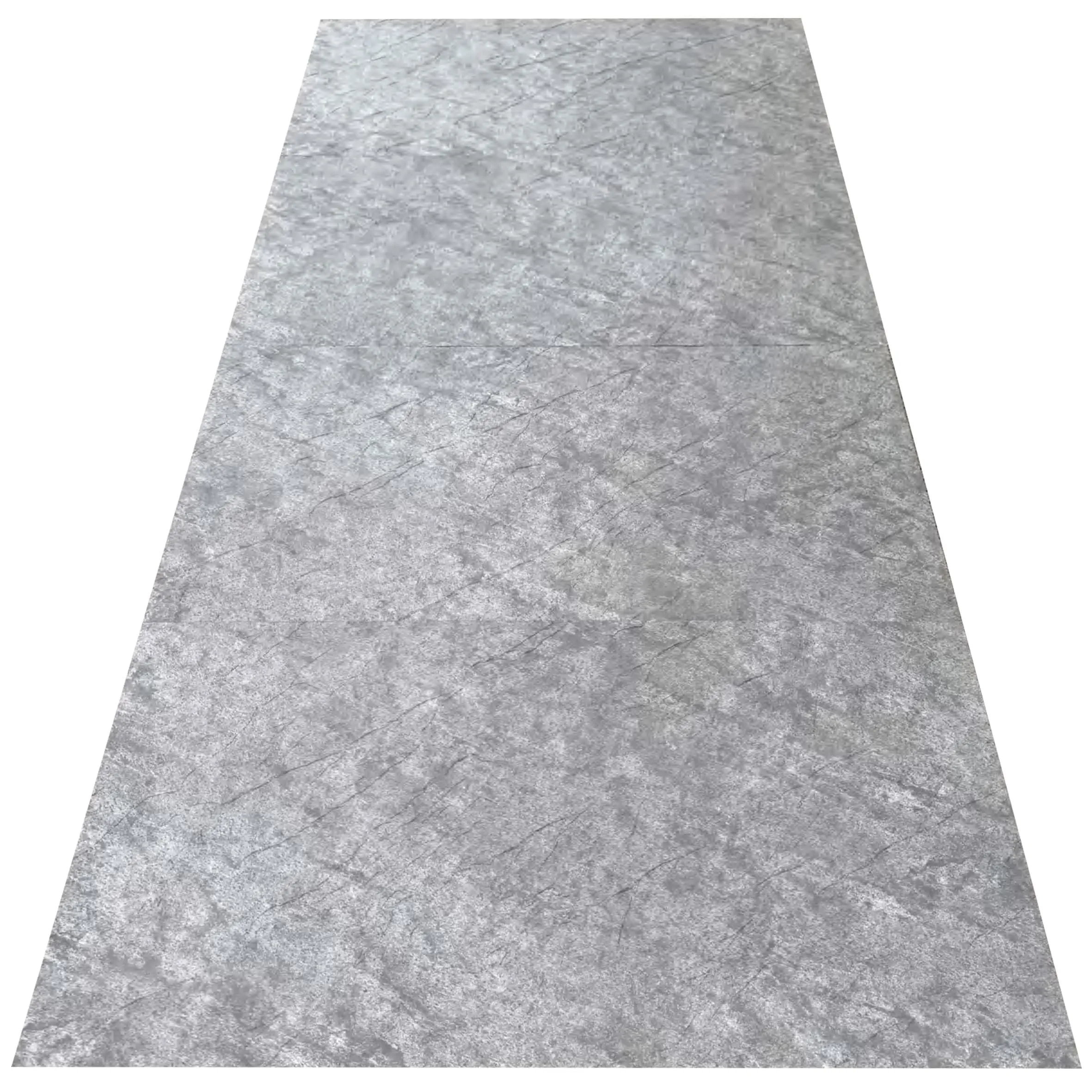
Weight is critical, but let's be honest—we don't just build spaces to stand; we build them to feel. Aesthetic is where materials truly come alive, turning walls into narratives and facades into first impressions. Here, Glacial Slate and Concrete Panels couldn't be more different, yet both have a unique way of speaking to design intent.
Let's start with Glacial Slate. True to its name, it draws inspiration from the raw, untamed beauty of glacial landscapes. Run your hand over its surface, and you'll feel the subtle ridges and valleys—echoes of ice carving through stone over millennia. The color palette is equally evocative: soft silvery grays that shift with the light, streaks of pale blue reminiscent of glacial meltwater, and hints of charcoal that ground the design. It's a material that feels alive, like bringing a piece of the natural world into built environments. Compare that to Travertine (Starry Blue), another stone-like material that captures the night sky in its surface—tiny flecks of blue and silver that sparkle when hit by light. Together, Glacial Slate and Travertine (Starry Blue) create a sense of wonder, turning exteriors into canvases that change with the time of day.
Concrete Panels, on the other hand, embrace minimalism with a raw, unapologetic edge. Fair-faced Concrete, in particular, celebrates the material's natural state—no paint, no polish, just the honest texture of poured concrete. Its color is a neutral gray, but don't mistake simplicity for dullness. The beauty lies in its imperfections: tiny air bubbles, slight variations in tone, and the way light plays across its matte surface. It's industrial chic at its finest, perfect for spaces that aim to feel modern, edgy, and intentionally "unfinished." Think art galleries, tech offices, or urban lofts where the goal is to let the architecture speak without frills.
What if you want the best of both worlds? That's where complementary materials like Lunar Peak Silvery come in. With its metallic sheen and smooth finish, Lunar Peak Silvery acts as a bridge between Glacial Slate's organic texture and Concrete's sleekness. Imagine a facade where Glacial Slate forms the main body, accented by Lunar Peak Silvery strips that catch the sun, and a section of Fair-faced Concrete to anchor the design. It's a harmonious blend of nature and industry, warmth and coolness, old and new. That's the magic of modern material selection—there's no need to choose one aesthetic when you can weave them together.
To truly understand the impact of these materials, let's step into a few hypothetical projects—scenarios where the choice between Glacial Slate and Concrete Panels wasn't just about specs, but about realizing a vision.
The Mountain Retreat: A boutique hotel nestled in the Swiss Alps wanted its exterior to blend with the surrounding landscape. The architects initially considered Fair-faced Concrete for its durability, but quickly realized the weight would be a problem—trucking heavy panels up narrow mountain roads was logistically nightmare, and the building's wooden frame couldn't support the load. Enter Glacial Slate. Its lightweight nature made transportation feasible, and its silvery-gray tones with blue undertones mirrored the nearby glaciers. The result? A hotel that feels like it's grown from the mountainside, with a facade that changes color with the seasons—warm gray in summer, frosty silver in winter. Guests often comment on how "cozy" the exterior feels, a stark contrast to the coldness often associated with concrete.
The Urban Art Hub: In downtown Chicago, a developer wanted to convert an old warehouse into a mixed-use space with art studios and cafes. The goal was to preserve the building's industrial heritage while updating it for modern use. Here, Fair-faced Concrete Panels were the obvious choice. The raw, unpolished surface complemented the warehouse's exposed brick and steel beams, creating a cohesive industrial aesthetic. The weight was less of an issue since the building's original concrete structure could handle the load, and the panels added a layer of soundproofing—ideal for artists working in shared spaces. To soften the look, the designers added accents of MCM Flexible Stone in a warm beige, creating a balance between rough and refined.
The Coastal Home: A family building a home on the California coast needed materials that could withstand salt air, strong winds, and the occasional earthquake. They also wanted the house to feel like a "beach retreat," not a fortress. Glacial Slate checked both boxes: its durability made it resistant to corrosion, and its lightweight design reduced strain on the foundation during seismic activity. The color—soft grays with hints of Travertine (Starry Blue) flecks—echoed the ocean and sky, turning the exterior into a reflection of its surroundings. Inside, they paired it with Lunar Peak Silvery countertops, creating a seamless flow from outside in.
A material's job isn't done once it's installed—it needs to stand the test of time. Both Glacial Slate and Concrete Panels excel here, but for different reasons. Concrete, as we know, is a workhorse. It's resistant to fire, pests, and most weather conditions, making it a staple in high-traffic or harsh environments. With proper sealing, Fair-faced Concrete can last for decades with minimal maintenance—just an occasional power wash to keep it looking fresh.
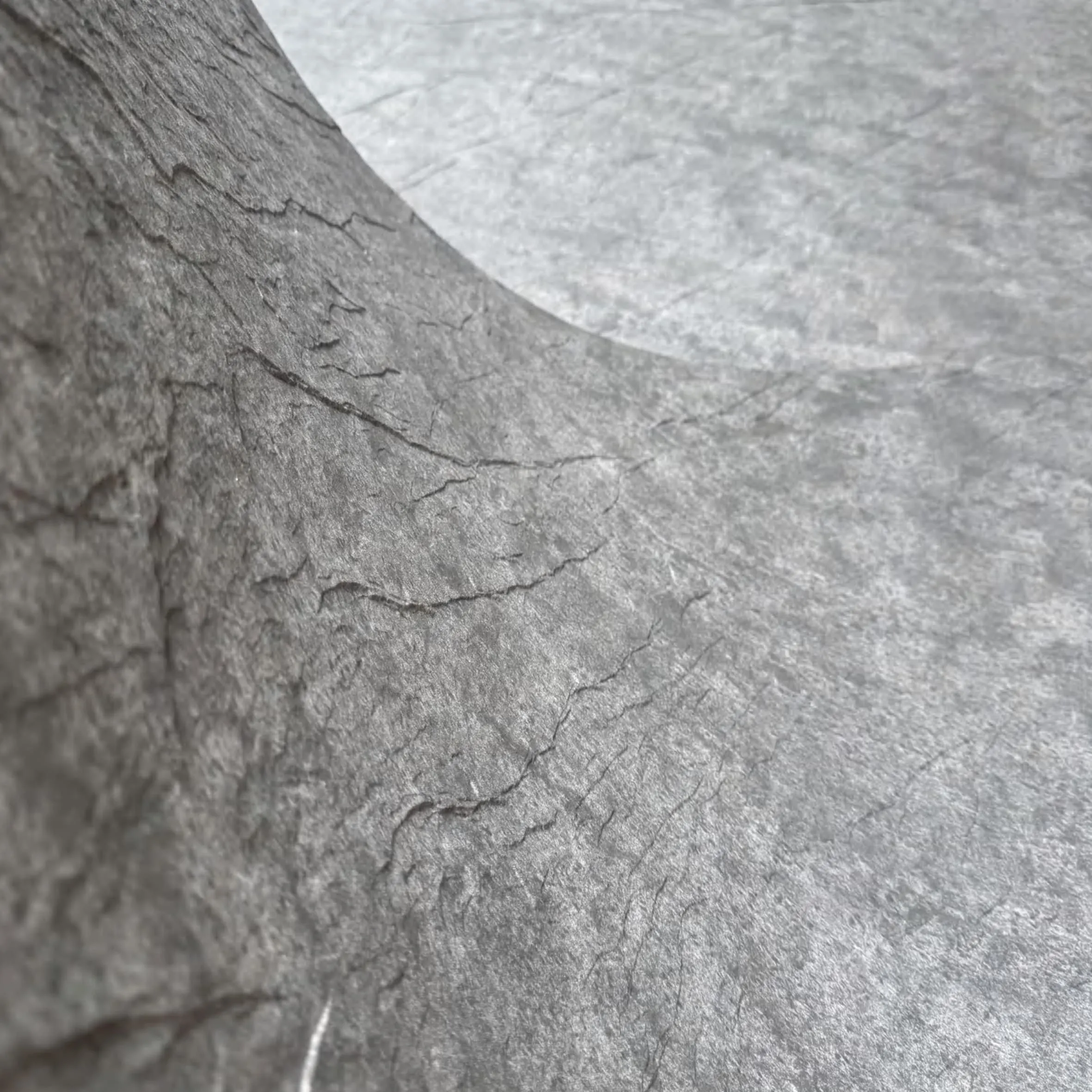
Glacial Slate, despite its lightweight build, is no slouch in durability. Its composite structure is engineered to resist fading, cracking, and moisture absorption. In fact, in coastal areas, it often outperforms natural stone because it doesn't absorb saltwater, which can cause discoloration or weakening over time. And because it's lighter, there's less stress on the building's structure, which can extend the overall lifespan of the project.
Sustainability is another key factor. Concrete production is notoriously carbon-intensive, though innovations like low-carbon concrete are helping. Glacial Slate, on the other hand, uses recycled materials in its composite layers, and its lightweight nature reduces transportation emissions—a double win for eco-conscious projects. MCM Flexible Stone takes this a step further, with manufacturing processes that use 30% less energy than traditional stone cutting. For architects and developers aiming for LEED certification or other green building standards, these details matter.
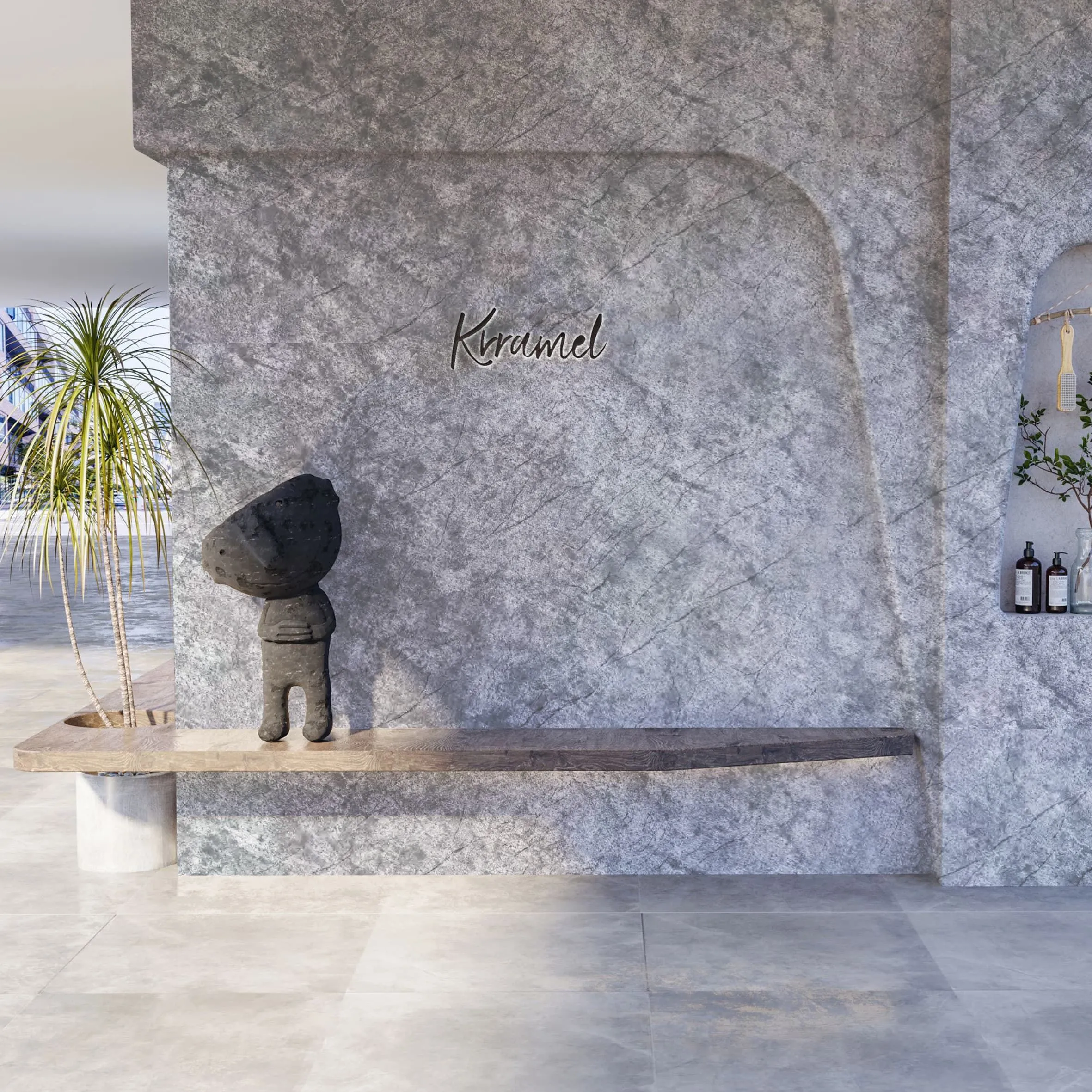
So, which is better: Glacial Slate or Concrete Panels? The answer, as with most design questions, is "it depends." If your project prioritizes lightweight practicality, organic aesthetics, and sustainability, Glacial Slate is the clear front-runner. It's a material that brings the outdoors in, tells a story of natural beauty, and makes construction easier from start to finish. Pair it with Travertine (Starry Blue) for a touch of whimsy or Lunar Peak Silvery for modern flair, and you've got a design that's both functional and unforgettable.
If, however, you're drawn to industrial minimalism, raw strength, and a "less is more" philosophy, Fair-faced Concrete Panels won't let you down. They're a testament to the beauty of simplicity, perfect for spaces that aim to be bold, unapologetic, and timeless. And when combined with materials like MCM Flexible Stone, they can soften their edge without losing their core identity.
At the end of the day, the best building materials are the ones that align with your project's unique story. Whether you're building a mountain retreat, an urban art hub, or a coastal home, the choice between Glacial Slate and Concrete Panels isn't just about weight or looks—it's about creating spaces that feel true to their purpose. And with options like MCM Flexible Stone, Travertine (Starry Blue), and Lunar Peak Silvery in your toolkit, the possibilities are endless. After all, great architecture isn't just about building walls—it's about building experiences.
Recommend Products












