
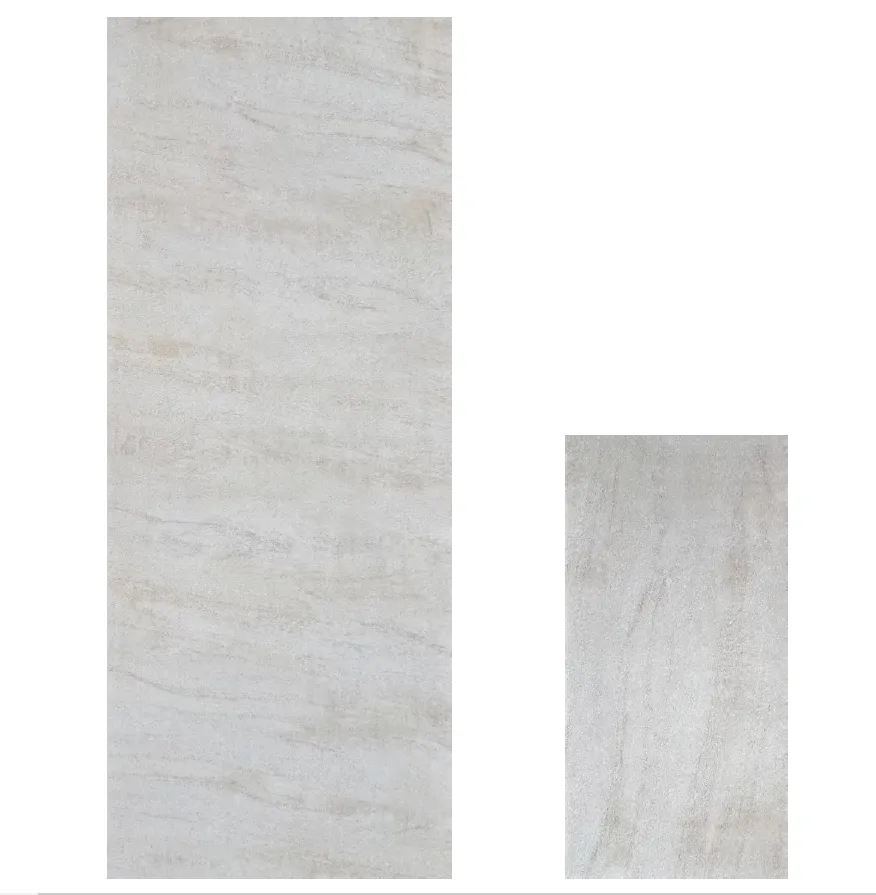
Choosing the right material for your home or project isn't just about checking boxes on a list—it's about finding something that feels like it belongs. It's the difference between a space that's "nice" and one that makes you pause, smile, and think, "This is *me*." Today, we're diving into two heavyweights in the world of interior design: Marble Stream Stone and Quartz. One is a product of nature's slow, artful craftsmanship; the other, a modern marvel of engineering. Both have their fans, but which one deserves a spot in your story? Let's break it down, no jargon—just honest talk about what matters most when you're building a space that matters.
Let's start with the obvious: how they make you feel when you walk into a room. Marble Stream Stone is like a poem written in stone. Its name says it all—those soft, flowing veins that twist and turn across the surface? They're not just patterns; they're echoes of rivers that carved through rock over millennia. No two slabs are the same. One might have a gentle, cloud-like swirl of gray and white, while another could have deeper, richer tones that look like storm clouds meeting sunlight. It's organic, unpredictable, and full of character—like a vintage book with margin notes that tell a story all their own.
Quartz, on the other hand, is more like a well-composed song. Engineered from ground quartz crystals and resin, it's designed to be consistent. That doesn't mean it's boring, though. You can find quartz in just about every shade—from crisp whites that feel like fresh linen to warm beiges that mimic sand, or even bold blacks with subtle flecks that add depth. The veins here are more controlled, more uniform, which can be a relief if you're craving balance in a space. Think of it as choosing between a hand-painted mural (Marble Stream Stone) and a perfectly framed print (Quartz)—both beautiful, but one feels more "alive" in its imperfection.
If you're drawn to natural materials but want something a little softer than marble, you might have considered options like Travertine (Beige) —its porous, honeycomb texture adds warmth, but it lacks the dramatic veining of Marble Stream Stone. For now, though, let's keep our focus on the two stars of the show: one that wears nature's chaos like a badge of honor, and one that turns chaos into harmony.
Here's the thing about beauty—if it can't keep up with your life, it might start to feel like a chore. Let's talk durability. Marble Stream Stone is stunning, but it's also a bit of a softie. On the Mohs scale (which measures mineral hardness), marble sits around a 3-4, while quartz clocks in at a 7. What does that mean for you? Well, if you've got a toddler who thinks the coffee table is a canvas for their toy cars, or a golden retriever with a penchant for leaning against walls, marble might show scratches faster than you'd like. It's also sensitive to acids—spill a glass of lemon juice or a splash of vinegar, and you could end up with a dull "etch mark" if you don't wipe it up immediately. Think of it as a delicate watercolor painting: beautiful, but not meant for a rainstorm.
Quartz, though? It's the tough cousin who laughs at rainstorms. That resin binding makes it resistant to scratches, stains, and even heat (though we still don't recommend placing a hot pan directly on it—no material is invincible). It's non-porous, too, which means liquids can't seep in and cause discoloration. If you're the type who hosts weekend brunches with mimosas and pancake syrup, or if your kitchen sees more action than a busy restaurant, quartz will probably outlast marble in the "wear and tear" department. It's like comparing a wool sweater (marble) to a performance fleece (quartz)—both cozy, but one can handle a lot more roughhousing.
For context, materials like Polish Concrete are even more durable, with a hardness that rivals industrial spaces, but they lack the warmth of marble or the versatility of quartz. So if durability is your top priority, quartz is a solid middle ground—strong enough for daily life, but still beautiful enough to feel special.
Let's get real: no one wants to spend their weekends babying a wall or countertop. Maintenance matters, and here's where the two materials really start to diverge. Marble Stream Stone needs a little extra TLC. Because it's porous, it absorbs liquids easily—so you'll need to seal it every 6-12 months to keep stains at bay. And when you clean it? Forget harsh chemicals or abrasive sponges. Stick to mild soap and water, or a marble-specific cleaner, to avoid dulling that signature shine. It's not hard work, but it is consistent work—like tending to a garden. You can't just plant it and forget it; you've got to water it, prune it, and give it attention to keep it thriving.
Quartz, by contrast, is the low-maintenance friend we all need. No sealing required, ever. Spill wine? Wipe it up with a damp cloth. Got a smudge of olive oil? Soap and water will do the trick. It's the kind of material that lets you focus on living, not maintaining. Think of it as a houseplant that only needs sunlight—no green thumb required. That said, it's not entirely "set it and forget it": avoid using abrasive cleaners (they can dull the finish), and if you do get a scratch, it's harder to repair than marble (which can sometimes be polished out by a pro). But for most people, the trade-off is worth it: less time cleaning, more time enjoying.
Let's talk numbers—because even the most beautiful material won't work if it doesn't fit your budget. Marble Stream Stone is generally on the higher end of the spectrum. Prices can range from $80 to $150 per square foot, depending on the slab's rarity and the complexity of installation. Why the cost? It's simple: nature takes millions of years to make marble, and quarrying, cutting, and transporting those massive slabs isn't cheap. It's an investment, plain and simple—like buying a piece of art that also happens to cover your walls or countertops.
Quartz is more mid-range, typically costing between $50 and $120 per square foot. Since it's engineered, production is more controlled, which helps keep prices steady. You're paying for consistency and durability here, not the "one-of-a-kind" factor. For those who love the look of natural stone but can't swing marble's price tag, options like Fair-Faced Concrete offer an industrial, budget-friendly vibe, but they lack the elegance of either marble or quartz. So if you're balancing cost and beauty, quartz often hits that sweet spot.
It's also worth thinking about long-term value. Marble can add a luxury cachet to a home, which might boost resale value for some buyers. Quartz, being popular and versatile, is also a safe bet—most homebuyers appreciate its durability and low maintenance. At the end of the day, it's about what feels like a "worth it" splurge for *you*. If seeing that unique marble vein every morning makes you happy, the extra cost might be justified. If you'd rather save money for a weekend getaway, quartz lets you have a beautiful space without the premium price tag.
Not all materials work everywhere, and that's okay—part of the fun is matching the material to the mood of the room. Let's start with Marble Stream Stone: it's a showstopper, so it deserves a spot where it can be admired. Think statement walls in a living room, a backsplash in a formal dining area, or a vanity top in a master bathroom (just be sure to seal it regularly!). It pairs beautifully with warm woods and soft lighting, creating a space that feels elegant but not stuffy. Avoid high-traffic areas like kitchens or mudrooms, though—those are better left to tougher materials.
Quartz, on the other hand, is a chameleon. It works in kitchens (hello, durable countertops!), bathrooms (no fear of moisture), laundry rooms (spills happen here, and that's okay), and even accent walls in busy family rooms. It comes in so many colors and patterns that it can adapt to any style: modern, traditional, bohemian, you name it. Want a sleek, minimalist kitchen? Go for white quartz with subtle gray veining. Craving a cozy, rustic vibe? Warm beige quartz pairs perfectly with wood cabinets. It's the ultimate team player—supporting your design vision without stealing the spotlight (unless you want it to).
| Feature | Marble Stream Stone | Quartz |
|---|---|---|
| Appearance | Organic veining, unique patterns, natural depth (think riverbeds and cloud swirls) | Consistent, controlled patterns, wide range of colors (from crisp whites to bold blacks) |
| Durability | Softer (Mohs 3-4), prone to scratches and etching from acids | Harder (Mohs 7), resistant to scratches, stains, and heat (with caution) |
| Maintenance | Requires sealing every 6-12 months; gentle cleaning only | No sealing needed; easy to clean with soap and water |
| Cost | Higher ($80-$150/sq ft) | Mid-range ($50-$120/sq ft) |
| Best For | Statement walls, low-traffic bathrooms, formal spaces | Kitchens, high-traffic areas, busy family homes |
At the end of the day, there's no "better" material—only the one that fits *your* life. If you crave the kind of beauty that's unapologetically natural, with all the quirks and uniqueness that come from millions of years of formation, Marble Stream Stone is calling your name. It's for the dreamers, the ones who see a slab of stone and imagine the rivers that shaped it, the earth that nurtured it, and the stories it will tell in your home. Just be ready to give it a little love in return.
If you want something that's as tough as it is beautiful, that lets you live loudly without worrying about stains or scratches, Quartz is your match. It's for the doers, the ones who host dinner parties, chase kids around, and don't have time to fuss over maintenance. It's reliable, versatile, and ready to keep up with whatever life throws at it.
And if neither feels quite right? There are endless options out there—from the warm texture of Wood Grain Board to the industrial edge of Fair-Faced Concrete. The key is to choose something that makes you excited to walk through your door every day. After all, your space should tell your story—and whatever material you pick, as long as it feels like *you*, it's the perfect choice.
Recommend Products












