
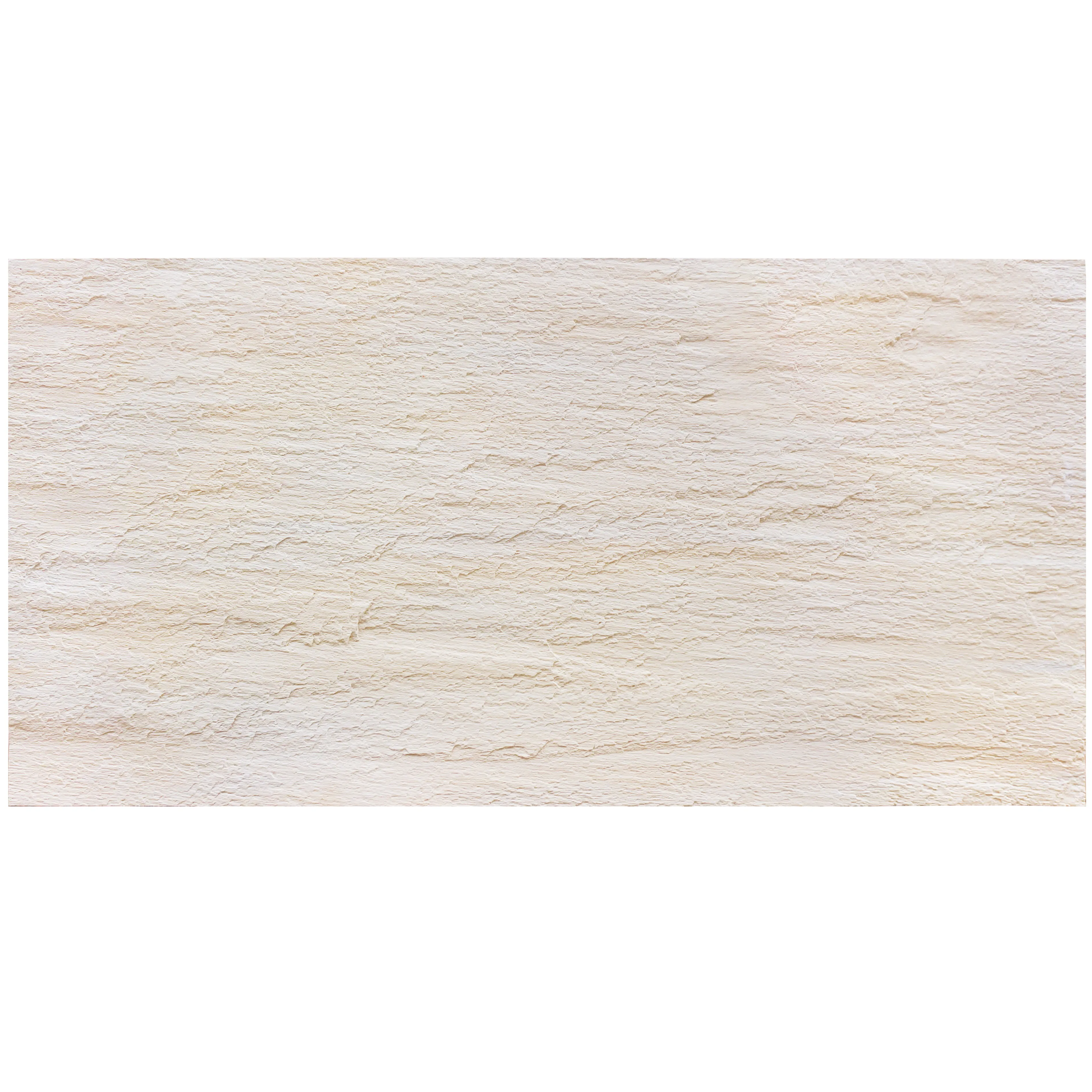
Walk down any street, and you'll notice that buildings don't just stand—they speak . Their exteriors tell stories of design intent, climate adaptation, and even the personalities of those who built them. For homeowners, architects, and developers, choosing the right exterior wall material isn't just about aesthetics; it's about balancing durability, functionality, and that intangible "wow" factor that makes a structure memorable. Today, we're diving into two popular contenders: Oasis Stone Foge , a rising star in the world of modern cladding, and the tried-and-true ceramic tiles . Let's break down how they stack up, so you can decide which one deserves a spot on your next project's exterior.
Before we jump into pros and cons, let's get clear on what each material is. Ceramic tiles have been around for centuries—think of the terracotta roofs of Mediterranean villages or the glossy subway tiles in your kitchen, scaled up for exterior use. They're made from clay, fired at high temperatures to harden, and come in endless colors, textures, and finishes. Reliable? Absolutely. But as (architecture) evolves, so do the materials designed to meet modern demands.
Enter Oasis Stone Foge . Part of the broader MCM flexible stone family (MCM stands for Modified Composite Material), this isn't your average stone cladding. MCM flexible stones are engineered to mimic the look and feel of natural stone but with a twist: they're lightweight, bendable, and often crafted from eco-friendly, recycled materials. Oasis Stone Foge, in particular, draws inspiration from arid landscapes—think the warm, weathered textures of desert rock, with subtle variations that evoke the serenity of an oasis in the sand. It's designed to blend durability with a soft, organic aesthetic that feels both timeless and contemporary.
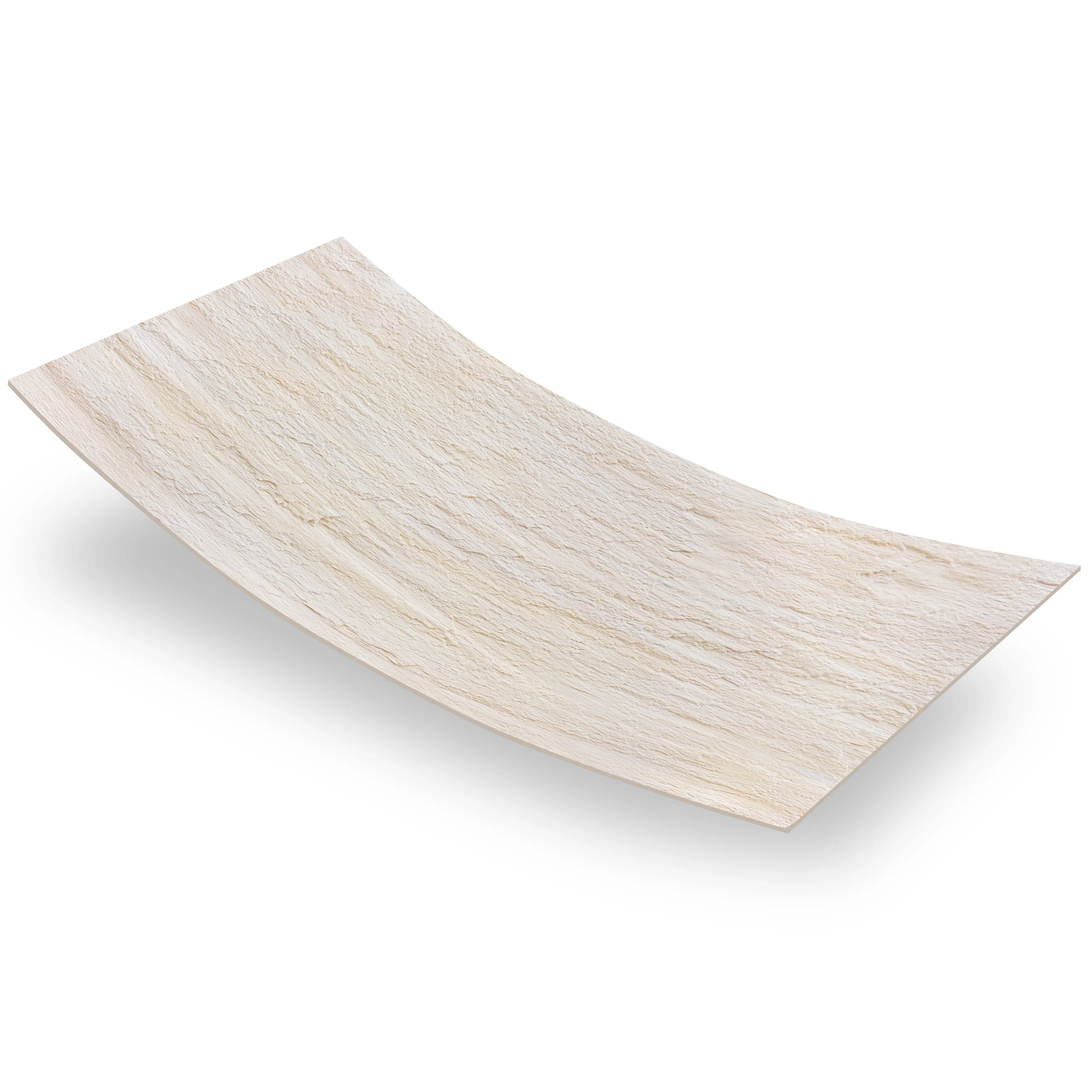
Let's start with the newcomer. Oasis Stone Foge isn't just a pretty face—it's built to perform in real-world conditions. Here's what makes it stand out:
One of the first things contractors notice about MCM flexible stone is its weight—or lack thereof. Traditional natural stone can weigh 20-30 kg per square meter, but Oasis Stone Foge clocks in at just 4-6 kg/m². That might sound like a small detail, but for high-rise buildings or structures with weight restrictions, it's a game-changer. Lighter materials reduce stress on foundations and structural frames, lowering the risk of long-term damage. And don't let the "flexible" label fool you—this stuff is tough. It resists cracks from thermal expansion (a common issue in areas with extreme temperature swings) and can handle impacts better than rigid materials like ceramic tiles, which tend to shatter when struck.
In an era where sustainability isn't just a buzzword but a requirement, Oasis Stone Foge shines. Most MCM flexible stones, including this variant, are made from recycled aggregates, natural minerals, and low-VOC binders. Unlike ceramic tiles, which require energy-intensive kiln firing (reaching temperatures of 1,200°C or more), Oasis Stone Foge is produced using cold-press technology, cutting down on carbon emissions. For green-building projects aiming for LEED or BREEAM certifications, this eco-cred counts—and it feels good to know your exterior isn't costing the planet.
Ceramic tiles offer variety, but Oasis Stone Foge takes it a step further. Its texture mimics the organic, sun-baked look of desert stone, with subtle color gradients and surface irregularities that feel alive. Unlike the uniform finish of many ceramic tiles, each panel has unique variations—no two pieces are exactly alike. This "imperfection" is part of its charm; it gives buildings a handcrafted, artisanal vibe that's hard to replicate with mass-produced tiles. And because it's flexible, it adapts to curved walls, arches, and even custom 3D designs, opening up possibilities for architects who want to push beyond flat, boxy exteriors. Imagine a home with a gently curved facade clad in Oasis Stone Foge, catching the light differently at dawn and dusk—it's the kind of detail that turns a house into a landmark.
Let's talk about upkeep. Anyone who's owned ceramic tile exteriors knows the drill: grout lines collect dirt, tiles crack from frost or impact, and repainting or retiling becomes a periodic hassle. Oasis Stone Foge simplifies things. Its non-porous surface resists stains, mold, and mildew—rain, salt spray, or even the occasional bird droppings wipe off with a hose or soft brush. No grout means no hidden gunk, and its color is embedded throughout the material, so scratches or chips are far less noticeable than on ceramic tiles, which often have a thin glaze that wears off over time. For busy homeowners or commercial properties where maintenance downtime is costly, this is a huge win.
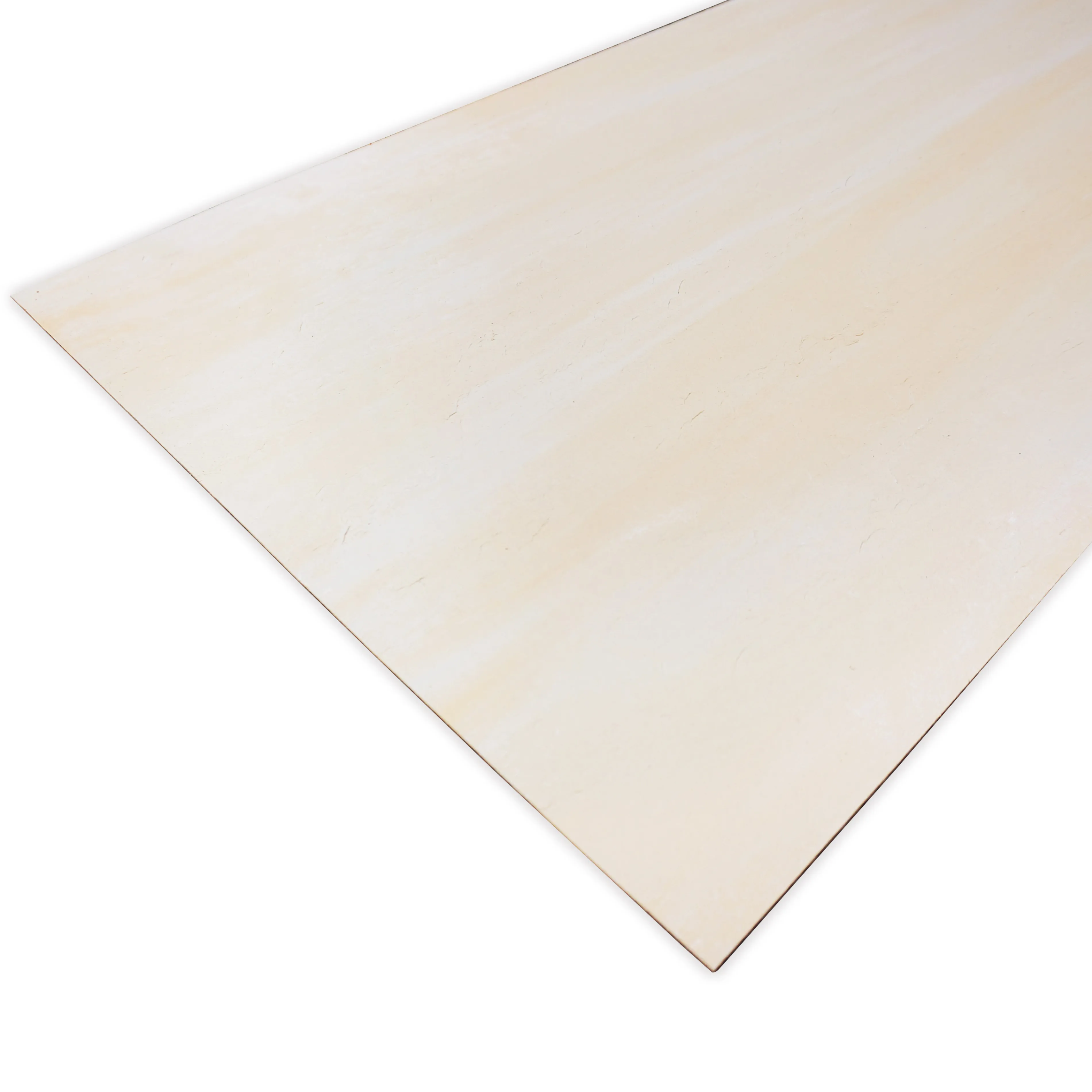
Ceramic tiles have earned their reputation over decades—and for good reason. Let's acknowledge why they're still a go-to for many:
If cost is a top priority, ceramic tiles often come out ahead. They're mass-produced, widely available at home improvement stores, and their installation is familiar to most contractors. For small projects or tight budgets, this accessibility is hard to beat. Basic ceramic tiles can cost as little as $10-15 per square meter, compared to Oasis Stone Foge's $30-45/m² (though prices vary by brand and finish). For homeowners who want a clean, polished look without breaking the bank, ceramic tiles deliver.
Ceramic tiles are inherently waterproof, thanks to their dense, fired clay core. In damp climates or areas prone to heavy rain, this is a plus—moisture won't seep into walls and cause rot. And when they're new, they're a breeze to clean: a quick wipe with soap and water removes most dirt. For low-traffic areas or mild climates, this simplicity makes them appealing.
There's a reason ceramic tiles grace historic buildings and modern homes alike—they're versatile. From glossy whites to earthy terracottas, from bold patterns to subtle textures, there's a ceramic tile for every design vision. They work well with traditional architecture, adding a sense of warmth, and can even lean contemporary with sleek, large-format tiles. For projects aiming for a classic, no-fuss look, ceramic tiles feel like a safe, reliable choice.
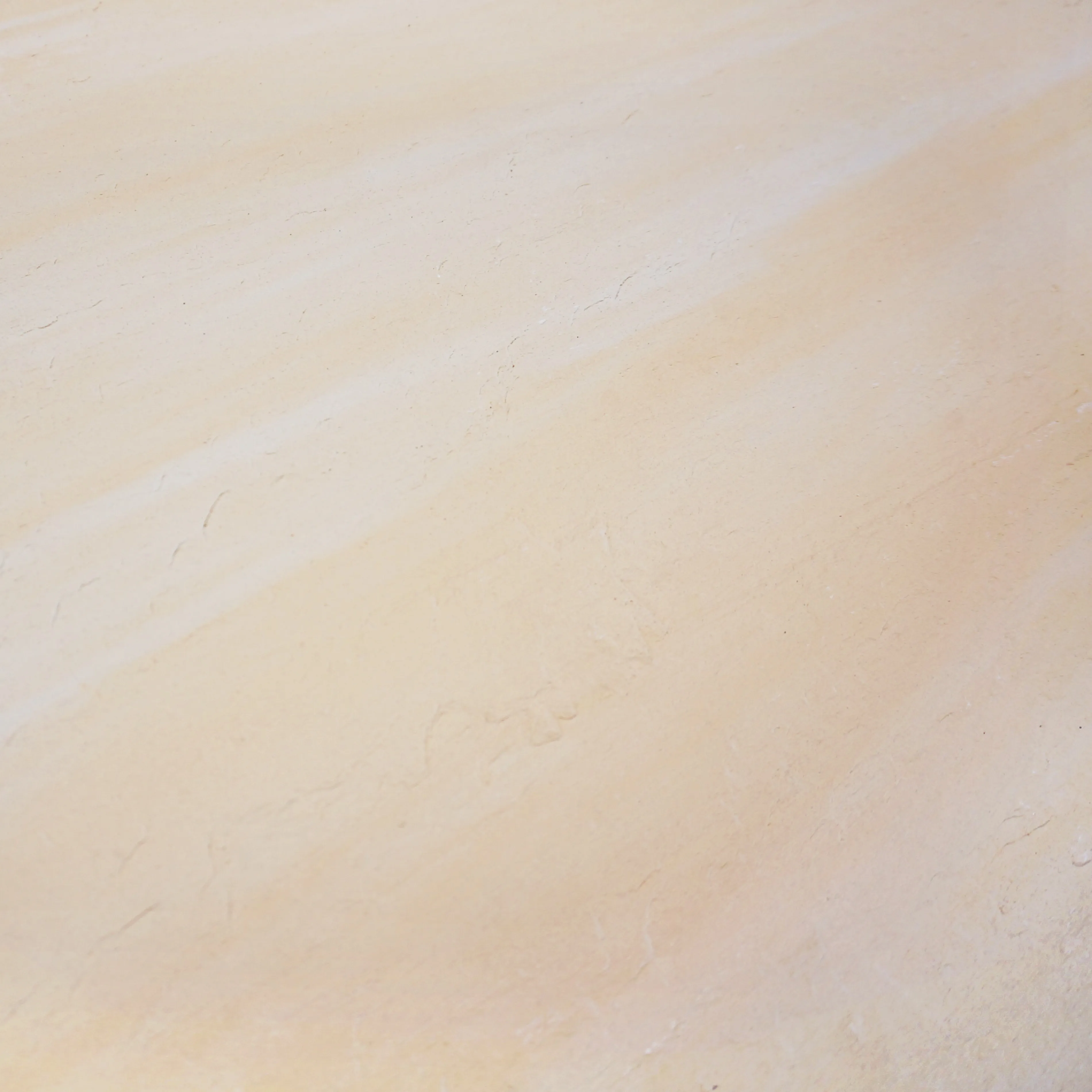
To make this tangible, let's put Oasis Stone Foge and ceramic tiles side by side in the categories that matter most:
| Feature | Oasis Stone Foge (MCM Flexible Stone) | Ceramic Tiles |
|---|---|---|
| Weight | 4-6 kg/m² (lightweight, reduces structural load) | 15-20 kg/m² (heavier, requires stronger support) |
| Durability | Resists cracks, thermal expansion, and impacts; lifespan of 30+ years | Prone to chipping/cracking; glaze wears over time; lifespan of 15-20 years (with good maintenance) |
| Installation | Flexible, cuts easily, installed with adhesive; suitable for curved surfaces; 30% faster install time | Rigid, requires mortar bed; limited to flat surfaces; longer install due to grouting |
| Maintenance | Stain-resistant, no grout lines; occasional hose-down suffices | Grout lines trap dirt; prone to staining; may need regrouting every 5-7 years |
| Eco-Friendliness | Recycled materials, low-VOC, cold-press production (low energy use) | High-temperature firing (energy-intensive); limited recycled content |
| Aesthetic Range | Organic, natural textures with unique variations; adapts to custom designs | Uniform finishes, wide color/pattern options but less depth in texture |
| Cost (Material + Install) | Higher upfront ($30-45/m² + labor); lower long-term maintenance costs | Lower upfront ($10-20/m² + labor); higher long-term upkeep costs |
Numbers tell part of the story, but real projects bring it to life. Let's look at two scenarios where these materials made all the difference:
A small café owner in Miami wanted an exterior that could withstand salt spray, humidity, and the occasional hurricane. They initially considered ceramic tiles for their affordability but worried about maintenance—grout lines would trap salt and mold, requiring constant cleaning. After consulting with a contractor, they opted for Oasis Stone Foge . Five years later, the exterior still looks fresh: no cracks from wind gusts, no salt discoloration, and a texture that has only grown more charming with time. "We rarely even pressure-wash it anymore," the owner notes. "A quick hose-down and it's good as new."
A family building their first home in a mild-climate suburb prioritized cost. They chose ceramic tiles in a warm beige tone, matching their neighborhood's traditional aesthetic. For the first few years, the tiles held up well—no extreme weather to test their limits. But after a harsh winter with freeze-thaw cycles, a few tiles cracked, and the grout lines turned gray with mildew. "We're already budgeting for repairs," the homeowner says. "If we'd known about the long-term costs, we might have saved up for something more durable."
An architect designing a boutique hotel in Scottsdale wanted a facade that curved gently, mimicking desert dunes. Ceramic tiles were out of the question—they can't bend. Enter Oasis Stone Foge . Its flexibility allowed the design to come to life, with the stone's earthy tones blending seamlessly with the desert landscape. Guests often comment on how the building "feels like part of the environment," the architect shares. "Oasis Stone Foge didn't just solve a technical problem; it made the design possible ."
There's no one-size-fits-all answer, but here's a quick guide to help you decide:
At the end of the day, exterior walls are an investment—not just in your building's appearance, but in its longevity and performance. Ceramic tiles have their place, especially for budget-conscious projects in calm climates. But Oasis Stone Foge represents the future of exterior cladding: a material that marries durability, sustainability, and beauty in a way that feels both innovative and timeless. It's not just about choosing a "better" material—it's about choosing the one that aligns with your project's goals, climate, and the story you want your building to tell.
So, whether you're building a home that feels like a desert oasis or a commercial space that stands out for all the right reasons, remember: the best exterior material isn't just the one that looks good today—it's the one that will still look good, and perform well, decades from now. For many, that's Oasis Stone Foge.
Recommend Products












