
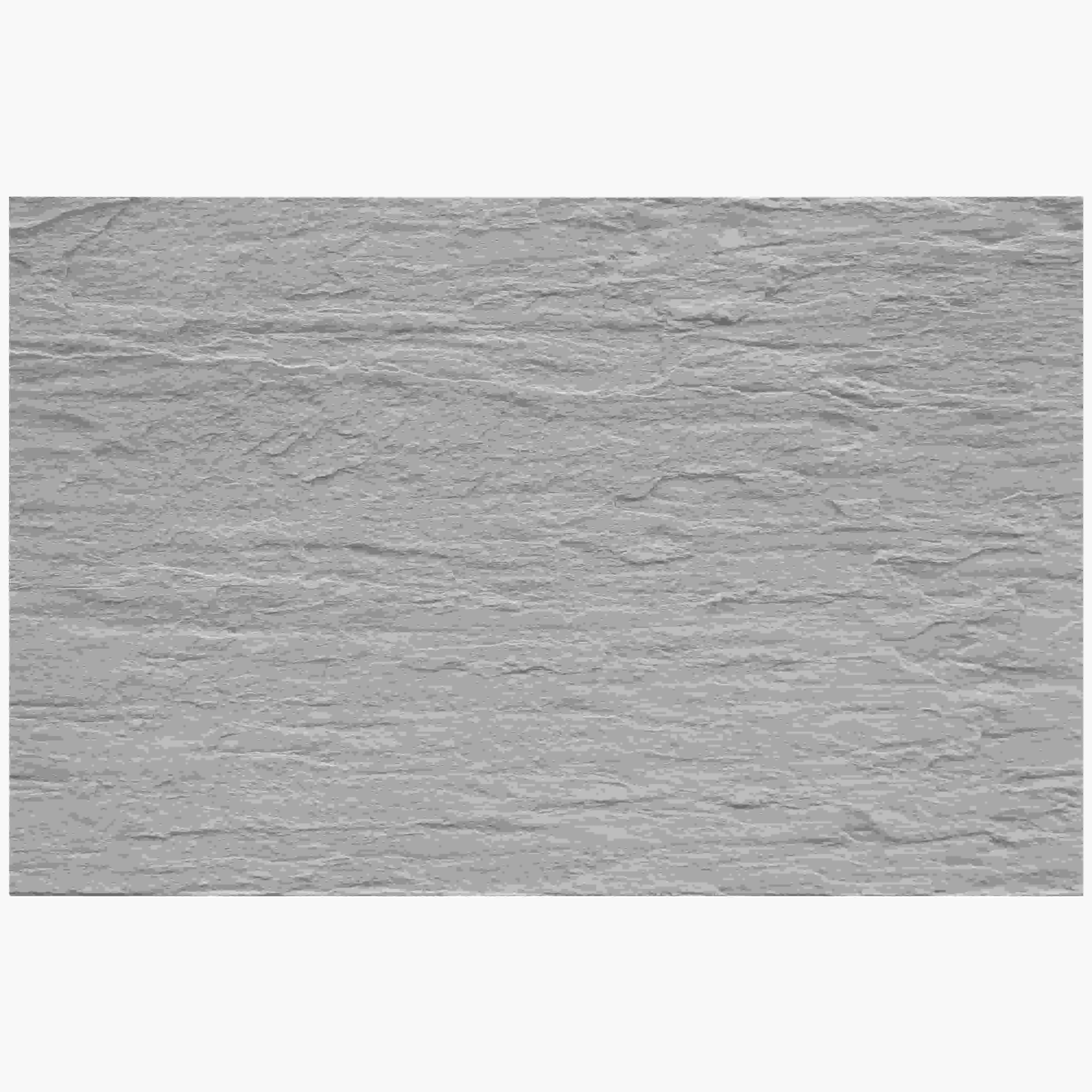
Choosing the right cladding or flooring material is like picking the perfect frame for a painting—it can elevate the entire space, setting the tone for comfort, style, and functionality. For decades, ceramic tiles have been the go-to for homeowners and designers alike, praised for their affordability and versatility. But in recent years, newer materials like Oasis Stone Regular have emerged, promising the beauty of natural stone with added durability and flexibility. If you're torn between these two options, you're not alone. Both have their strengths, but they shine in different scenarios. Let's dive into a detailed comparison to help you decide which one deserves a spot in your next project.
Oasis Stone Regular is part of the innovative Modified Composite Material (MCM) product line, a family of building materials designed to mimic the look and feel of natural stone while addressing its traditional drawbacks—weight, brittleness, and high installation costs. Think of MCM products as the "smart cousin" of natural stone: they blend natural minerals (like marble dust, quartz, and sand) with polymer resins to create a material that's lightweight, flexible, and surprisingly tough. Oasis Stone Regular, in particular, is celebrated for its warm, earthy aesthetic, often drawing inspiration from textures found in desert landscapes or aged stone paths—think the soft, weathered look of historical pathfinders stone or the warm neutrality of lime stone(beige) .
Unlike solid stone slabs, Oasis Stone Regular is thin (typically 3-5mm thick) and flexible, which means it can bend slightly without cracking—a feature that sets it apart from rigid materials like ceramic or natural stone. This flexibility makes it ideal for curved surfaces, accent walls, or installations where weight is a concern, such as high-rise buildings or renovation projects where structural load limits are tight. Visually, it boasts a depth that's hard to replicate with printed ceramic tiles: subtle color variations, tiny pits, and natural veining that give each panel a one-of-a-kind look, as if it was quarried straight from the earth.
Ceramic tiles are the old reliable of the building world, with a history dating back thousands of years to ancient civilizations like the Egyptians and Babylonians. Made from clay, sand, and water, these tiles are shaped, dried, and then fired in kilns at temperatures exceeding 1,000°C, transforming the soft clay into a hard, durable material. Today, they come in two main types: glazed and unglazed. Glazed tiles have a protective coating that adds color, pattern, and resistance to stains, while unglazed tiles (like quarry tiles) are denser and more slip-resistant, often used in high-traffic areas.
Ceramic tiles owe their popularity to their versatility. You'll find them in kitchens, bathrooms, entryways, and even outdoor patios, thanks to their water resistance and wide range of designs. From bold geometric patterns to subtle stone imitations, ceramic tiles can mimic just about any look—though, as we'll explore later, the "imitation" part is where they sometimes fall short compared to materials like Oasis Stone Regular.

When it comes to durability, both materials hold their own, but they face different challenges. Ceramic tiles are hard—really hard. On the Mohs scale of mineral hardness, they typically rank around 6-7, which means they're resistant to scratches from everyday items like keys or furniture legs. However, that hardness comes with brittleness. drop a heavy pot on a ceramic tile, and there's a good chance it will chip or crack, especially if the tile is thin (3-6mm, common in residential grades). Once cracked, ceramic tiles are difficult to repair; you usually have to replace the entire tile, which can be a hassle if the pattern has been discontinued.
Oasis Stone Regular, on the other hand, leverages the flexibility of mcm flexible stone technology. While it's not as hard as ceramic (ranking around 5-6 on the Mohs scale), its flexibility acts as a shock absorber. A heavy impact might leave a small dent instead of a full-blown crack, and in many cases, the damage is less noticeable due to the material's textured surface. This makes it a better choice for spaces with kids, pets, or heavy foot traffic—think family rooms, hallways, or commercial lobbies where accidents are more likely.
Both materials are water-resistant, but their performance differs in wet environments like bathrooms or kitchens. Ceramic tiles, especially glazed ones, are non-porous, so water beads up and wipes away easily. However, the Achilles' heel of ceramic tile installations is the grout lines. Grout is porous by nature, and over time, it can absorb water, soap scum, or mold, leading to discoloration or mildew growth. Sealing the grout helps, but it needs to be redone every 1-2 years, adding to maintenance efforts.
Oasis Stone Regular, being a composite material, is inherently non-porous, so water doesn't seep into the panels themselves. What's more, since it's installed in larger sheets (often 3x5 feet or more), there are far fewer seams compared to ceramic tiles. Fewer seams mean fewer opportunities for water to sneak through, making it a more low-maintenance option for wet areas. Imagine a shower wall clad in large Oasis Stone panels: no grout lines to scrub, just a smooth, continuous surface that stays clean and mold-free with minimal effort.
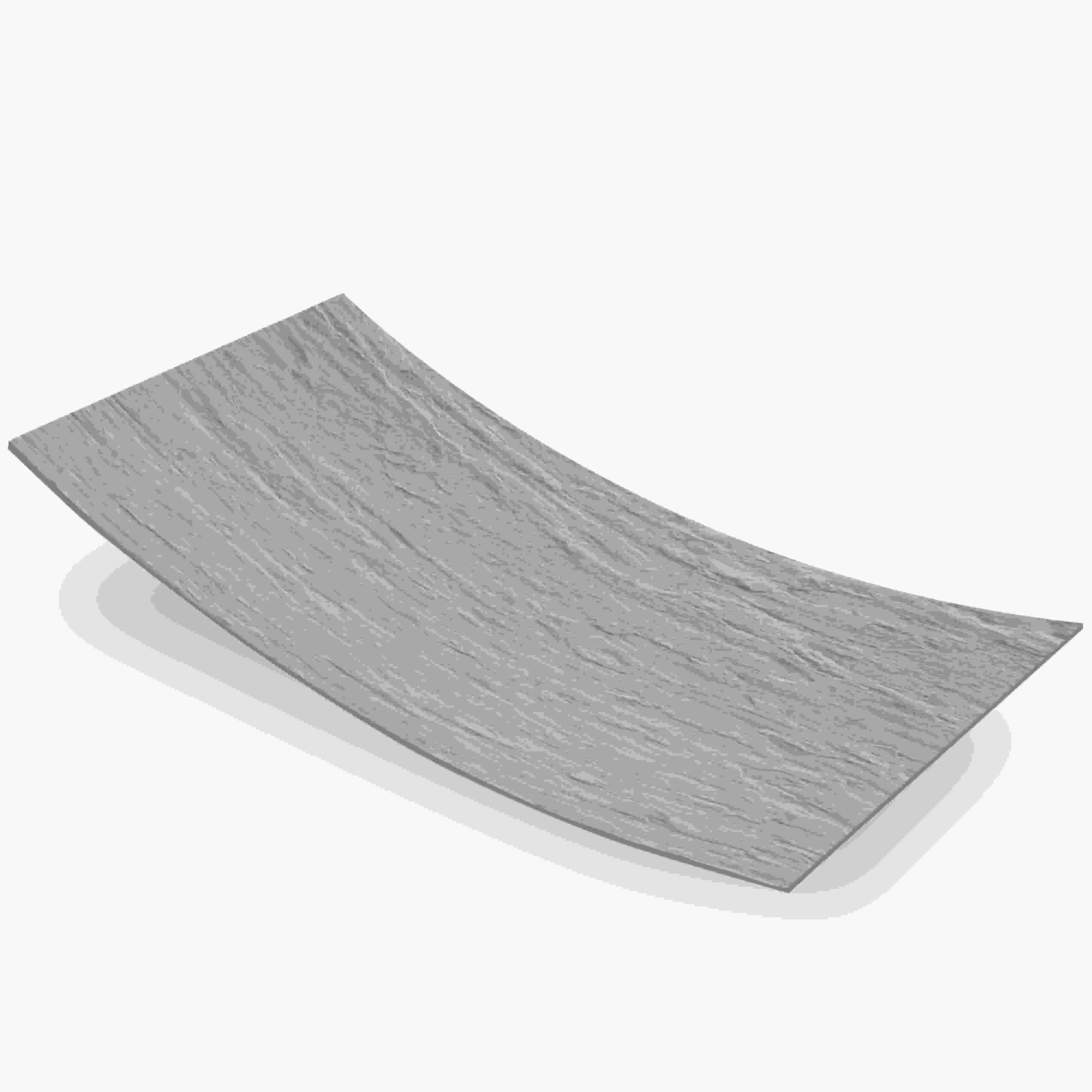
At the end of the day, aesthetics often play the biggest role in material selection. Ceramic tiles have come a long way in mimicking natural stone, wood, or even concrete, with digital printing technology creating incredibly detailed patterns. You can find ceramic tiles that look like marble, travertine, or even hardwood, complete with veining and grain. However, there's a subtle difference: printed ceramic tiles can sometimes feel "flat" or repetitive, especially when viewed up close. The patterns, while detailed, lack the organic variation that makes natural stone so (charming). In large spaces, this repetition can create a monotonous look, like a wallpaper with a too-predictable motif.
Oasis Stone Regular, by contrast, is designed to capture the essence of natural stone's randomness. Each panel has unique color variations, tiny pits, and texture depth that mimic the way stone forms over millennia. For example, some variants of Oasis Stone Regular feature the warm, golden hues of lime stone(beige) , with subtle veining that looks like it was painted by nature itself. Others have the rough, pitted surface of historical pathfinders stone , evoking the feel of ancient pathways trodden by generations. These variations mean no two panels are identical, creating a space that feels alive and authentic—like bringing a piece of the outdoors inside.
Color options are another area where Oasis Stone Regular shines. While ceramic tiles offer bold, bright colors, Oasis Stone leans into earthy, natural tones that complement a wide range of design styles—from modern minimalism to rustic farmhouse. Think soft beiges, warm terracottas, muted grays, and deep umbers—colors that age gracefully and don't clash with changing decor trends. Ceramic tiles can feel trendy, but Oasis Stone feels timeless.

Installing ceramic tiles is a labor-intensive process that requires precision and patience. First, the subfloor must be perfectly level and clean; any bumps or debris can cause tiles to crack later. Then, each tile is laid individually, with spacers to ensure even grout lines. Cutting tiles to fit around corners or fixtures often requires a wet saw, which can be messy and time-consuming. Once the tiles are set, the grout is applied, left to dry, and then sealed. For a medium-sized bathroom, this process can take 2-3 days, and that's with an experienced installer.
Oasis Stone Regular, on the other hand, is a installer's dream. Thanks to its lightweight design (weighing just 3-5 kg per square meter, compared to 15-20 kg for ceramic tiles), it's easier to transport and handle. There's no need for heavy equipment or structural reinforcements, even for wall installations. The panels are installed using a strong adhesive, which bonds directly to the substrate—no mortar, no spacers, no grout (unless you want small accent seams). Cutting Oasis Stone is simpler too; a utility knife or jigsaw with a fine blade works, reducing dust and noise. A similar medium-sized bathroom could be completed in a day, saving on labor costs and minimizing disruption to your routine.
Another advantage of Oasis Stone's installation is its versatility. Its flexibility allows it to conform to curved surfaces, like archways or rounded walls, which would be nearly impossible with rigid ceramic tiles. This opens up creative possibilities for designers, from curved kitchen backsplashes to statement walls with organic shapes.
Let's be honest: no one wants to spend weekends scrubbing floors or walls. When it comes to maintenance, both materials are relatively low-effort, but there are key differences. Ceramic tiles are easy to clean with a damp mop or cloth and mild detergent—spills wipe up quickly, and most stains don't penetrate the glazed surface. The problem, as mentioned earlier, is the grout. Even with regular sealing, grout lines can discolor, especially in high-moisture areas. Scrubbing grout with a toothbrush and baking soda might become a monthly chore, and over time, the grout can crack or crumble, requiring regrouting.
Oasis Stone Regular simplifies maintenance. Since there are few to no grout lines, cleaning is a breeze—just wipe with a damp cloth or mop, and you're done. The material's non-porous surface resists stains, so even coffee or wine spills won't leave a mark if cleaned promptly. Unlike natural stone, it doesn't require sealing, saving you time and money on maintenance products. For busy homeowners or commercial spaces where time is money, this low-maintenance factor is a game-changer.
In an era where sustainability is a top priority, the environmental impact of building materials can't be ignored. Ceramic tile production involves mining clay, which can disrupt ecosystems, and firing the tiles at high temperatures consumes large amounts of energy, releasing CO2 into the atmosphere. While ceramic tiles are durable and long-lasting (reducing the need for frequent replacements), their manufacturing process leaves a significant carbon footprint.
Oasis Stone Regular, as part of the MCM family, is designed with sustainability in mind. The production process uses recycled stone dust and minimal energy compared to ceramic tile firing. Additionally, its lightweight nature reduces transportation emissions—trucks can carry more panels per trip, lowering fuel consumption. Since it's made from composite materials, it also reduces the demand for quarried natural stone, helping to preserve natural landscapes. For eco-conscious builders or homeowners aiming for green certifications like LEED, Oasis Stone Regular is a more sustainable choice.
Let's talk numbers. Ceramic tiles have a clear advantage when it comes to upfront costs. Basic ceramic tiles start at around $2-5 per square foot, making them one of the most affordable flooring options. However, the total cost of a ceramic tile installation includes more than just the tiles themselves: you'll need mortar, grout, spacers, sealant, and labor. Professional installation can add $3-8 per square foot, bringing the total to $5-13 per square foot. Over time, you'll also incur costs for grout sealing, repairs, or replacements, which can add up.
Oasis Stone Regular has a higher upfront material cost, typically ranging from $8-15 per square foot. But here's the catch: installation costs are lower, averaging $2-4 per square foot, thanks to the simpler process and fewer materials needed. When you add it up, the total installation cost for Oasis Stone Regular is often comparable to mid-to-high-end ceramic tiles ($10-19 per square foot). And since it requires less maintenance and has a longer lifespan (up to 30 years, compared to 15-20 for ceramic tiles), the long-term value often makes it the more cost-effective choice.
To put this all into perspective, let's look at two real-world scenarios:
Scenario 1: A Budget-Friendly Kitchen Reno Sarah, a homeowner on a tight budget, wants to update her kitchen floors. She prioritizes affordability and doesn't mind occasional grout cleaning. Ceramic tiles are the perfect fit here. She can opt for a $3-per-square-foot glazed ceramic tile that mimics subway stone, keeping total costs around $800 for a 100-square-foot kitchen. The tiles will stand up to spills and foot traffic, and if a tile cracks in a few years, she can replace it without breaking the bank.
Scenario 2: A High-End Boutique Hotel Lobby A hotel designer wants to create a luxurious, welcoming lobby that feels like a natural stone retreat but needs something lightweight for the second-floor mezzanine. Oasis Stone Regular is ideal. The designer chooses a variant with the warm tones of lime stone(beige) and the texture of historical pathfinders stone , installing large panels on the walls and floors. The lack of grout lines creates a seamless, elegant look, and the material's durability ensures it will withstand thousands of guests' footsteps for years to come. The higher upfront cost is offset by lower maintenance and a premium aesthetic that justifies higher room rates.
There's no one-size-fits-all answer, but here's a quick guide to help you decide:
At the end of the day, both ceramic tiles and Oasis Stone Regular are excellent choices—they just cater to different needs. Ceramic tiles are the practical, budget-friendly workhorse, while Oasis Stone Regular is the innovative, high-performance material that brings natural beauty to life. Whichever you choose, you can't go wrong—just let your space, budget, and style goals be your guide.
Recommend Products












