
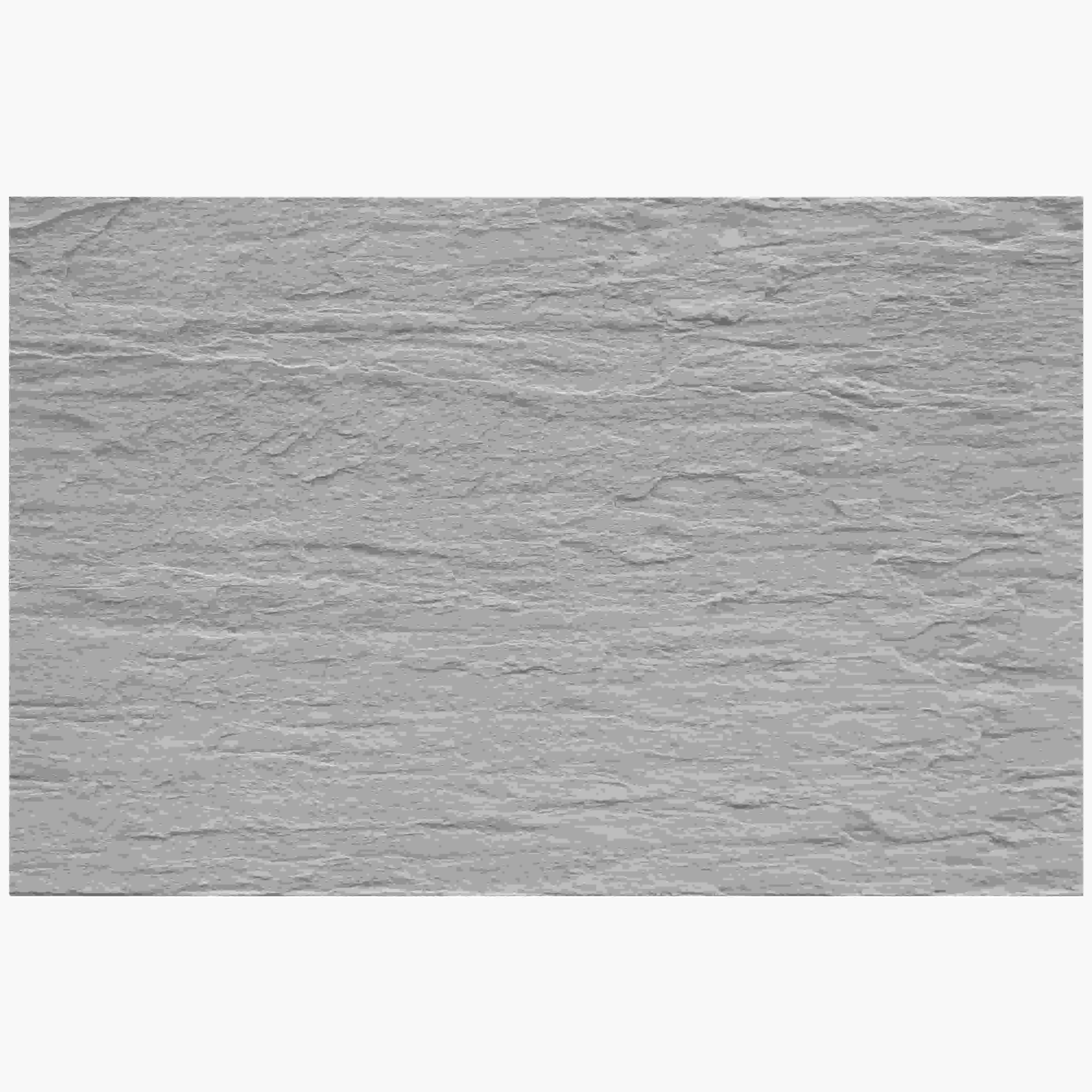
Walk into any well-designed space—a boutique hotel lobby, a cozy home office, or a bustling restaurant—and you'll notice something quietly powerful: the materials that shape it. They don't just fill a room; they set the mood, tell a story, and even influence how we feel. Today, we're diving into two materials that have been turning heads in architecture and interior design: Oasis Stone Regular and engineered stone slabs. One draws inspiration from the earth's ancient landscapes, while the other is a product of modern innovation. Let's explore their personalities, strengths, and how they might just be the missing piece in your next project.
Imagine a material that feels like it was plucked straight from a sun-baked canyon, yet carries the polish of a contemporary masterpiece. That's Oasis Stone Regular in a nutshell. Part of the broader family of mcm flexible stone —a category celebrated for its lightweight, adaptable nature—Oasis Stone Regular stands out for its unapologetic nod to natural landscapes. Think of it as a love letter to the desert: warm, textured, and rich with the kind of depth that makes you want to reach out and touch it.
Oasis Stone Regular isn't just "stone-colored." It's a palette of stories. Picture soft beiges that evoke wind-swept sand dunes, rusty reds reminiscent of desert sunsets, and cloud-dragon patterns that mimic the way rain carves paths through rock over centuries. Unlike some synthetic materials that feel flat or "too perfect," Oasis Stone Regular imperfection. Its surface is dotted with tiny pits, subtle veining, and variations in tone—details that make a wall or countertop feel alive, like it has a history.
It's easy to see why designers gravitate toward it for spaces meant to feel grounded. A café wrapped in Oasis Stone Regular walls doesn't just serve coffee; it becomes a retreat, a place where you can almost hear the whisper of distant sandstorms (in the best way). Compare that to the sleek uniformity of, say, fair-faced concrete , and you'll understand: Oasis Stone Regular is for those who want warmth, not just cool sophistication.
What makes Oasis Stone Regular more than just a pretty face? Its versatility. It's flexible enough to wrap around curves (thanks to that mcm flexible stone DNA), lightweight enough to reduce installation hassle, and durable enough to stand up to high-traffic areas. But beyond that, it taps into a growing desire for spaces that feel "authentic." In a world of mass-produced everything, there's something reassuring about a material that looks like it was shaped by time, not a factory line.

If Oasis Stone Regular is the free-spirited poet of building materials, engineered stone slabs are the meticulous scientists. These slabs are crafted by blending natural stone aggregates (like crushed marble, granite, or travertine ) with resins, polymers, and pigments, then pressing and curing the mixture under high heat and pressure. The result? A material that marries the beauty of natural stone with the consistency and durability of modern technology.
One of the biggest draws of engineered stone slabs is their range. They're not a one-size-fits-all solution—they're a wardrobe. Want the look of travertine but with zero porosity? There's an engineered version for that. Dreaming of a countertop that shimmers like moonlight on water? Enter lunar peak silvery , a sleek, metallic-hued slab that feels straight out of a sci-fi film. And let's not forget workhorses like polish concrete or marble concrete board —options that prioritize function without skimping on style.
These slabs are chameleons. They can mimic the veining of rare marble, the grain of wood grain board , or even the rough texture of bamboo mat board —all while offering a level of uniformity that natural stone can't always guarantee. No two slabs of natural travertine are identical (which is part of its charm), but if you need 50 identical panels for a hotel lobby, engineered stone delivers that consistency without breaking a sweat.
Engineered stone slabs aren't just about looks—they're built to perform. Most are non-porous, meaning they resist stains, scratches, and moisture better than many natural stones. Spill coffee on a marble concrete board ? Wipe it up, and it's like it never happened. Drag a heavy pot across a polished engineered countertop? No problem. This durability makes them a favorite for high-traffic areas: kitchens, bathrooms, commercial lobbies, even outdoor patios (with the right sealant).

Now that we've met both contenders, let's put them side by side. The table below breaks down their key traits, but we'll dig deeper into what these differences really mean for your project.
| Feature | Oasis Stone Regular | Engineered Stone Slabs |
|---|---|---|
| Aesthetic Vibe | Organic, earthy, "lived-in" charm; think desert canyons and ancient paths. | Sleek, consistent, and versatile; mimics natural materials with modern polish. |
| Durability | Durable but porous; may need sealing to resist stains and moisture. | Non-porous (most varieties); highly resistant to stains, scratches, and moisture. |
| Best For | Rustic interiors, heritage buildings, accent walls, outdoor patios (with sealing). | Modern kitchens, bathrooms, commercial spaces, high-traffic areas, countertops. |
| Sustainability | Often made with natural materials; lower carbon footprint than some engineered options. | Depends on the type; some use recycled aggregates, but resins may be synthetic. |
| Maintenance | Requires periodic sealing; gentle cleaning with mild soap. | Low-maintenance; wipe clean with soap and water; no sealing needed (usually). |
| Cost | Mid-range; more affordable than rare natural stones but pricier than basic concrete. | Wide range; budget-friendly options (like fair-faced concrete ) to high-end (like marble concrete board ). |
The biggest divide between these two materials is in their "vibe." Oasis Stone Regular is all about character . Its texture is tactile—you can run your hand over it and feel the story of erosion, the weight of time. It pairs beautifully with warm woods, bamboo mat board , or even lunar peak golden accents for a contrast of earth and sky. It's the material you choose when you want a space to feel "lived-in," like it's been part of the landscape for decades.
Engineered stone slabs, on the other hand, excel at precision . If you're after a minimalist kitchen with seamless countertops that look like they were carved from a single block of travertine (vintage silver) , engineered stone delivers. It's perfect for modern, industrial, or contemporary spaces where clean lines and uniformity are king. Want a wall that looks like it's made of lunar peak black but doesn't weigh a ton? Engineered slabs make it possible.
Oasis Stone Regular, like many natural-inspired materials, has a porous surface. That's part of what gives it character—it breathes, and over time, it develops a unique patina. But that porosity means it needs a little TLC. A yearly sealant application will keep moisture and stains at bay, making it suitable for indoor walls or covered outdoor areas. However, if you're installing it in a bathroom with constant steam or a kitchen backsplash prone to oil splatters, you'll need to stay on top of maintenance.
Engineered stone slabs, by contrast, are the low-maintenance stars. Most are non-porous, so liquids (and even bacteria) can't seep in. This makes them a no-brainer for high-moisture areas like showers or busy restaurant kitchens. The tradeoff? Some people find them "too perfect"—lacking the subtle variations that make natural materials feel alive. It's a classic "form vs. function" debate, and there's no right answer—just what matters most for your space.
These days, "green" building isn't just a trend—it's a priority. Oasis Stone Regular, as part of the mcm flexible stone family, often scores points here. Many manufacturers use natural minerals and recycled materials in its production, and its lightweight nature reduces transportation emissions during installation. Plus, its durability means it won't need to be replaced every few years, cutting down on waste.
Engineered stone slabs, though, are a mixed bag. Some brands prioritize sustainability by using recycled stone aggregates or low-VOC resins, while others rely on more synthetic ingredients. If eco-friendliness is top of mind, look for options like fair-faced concrete (which uses minimal additives) or slabs made with post-consumer recycled content. The key is to ask manufacturers about their sourcing and production practices—transparency is everything here.
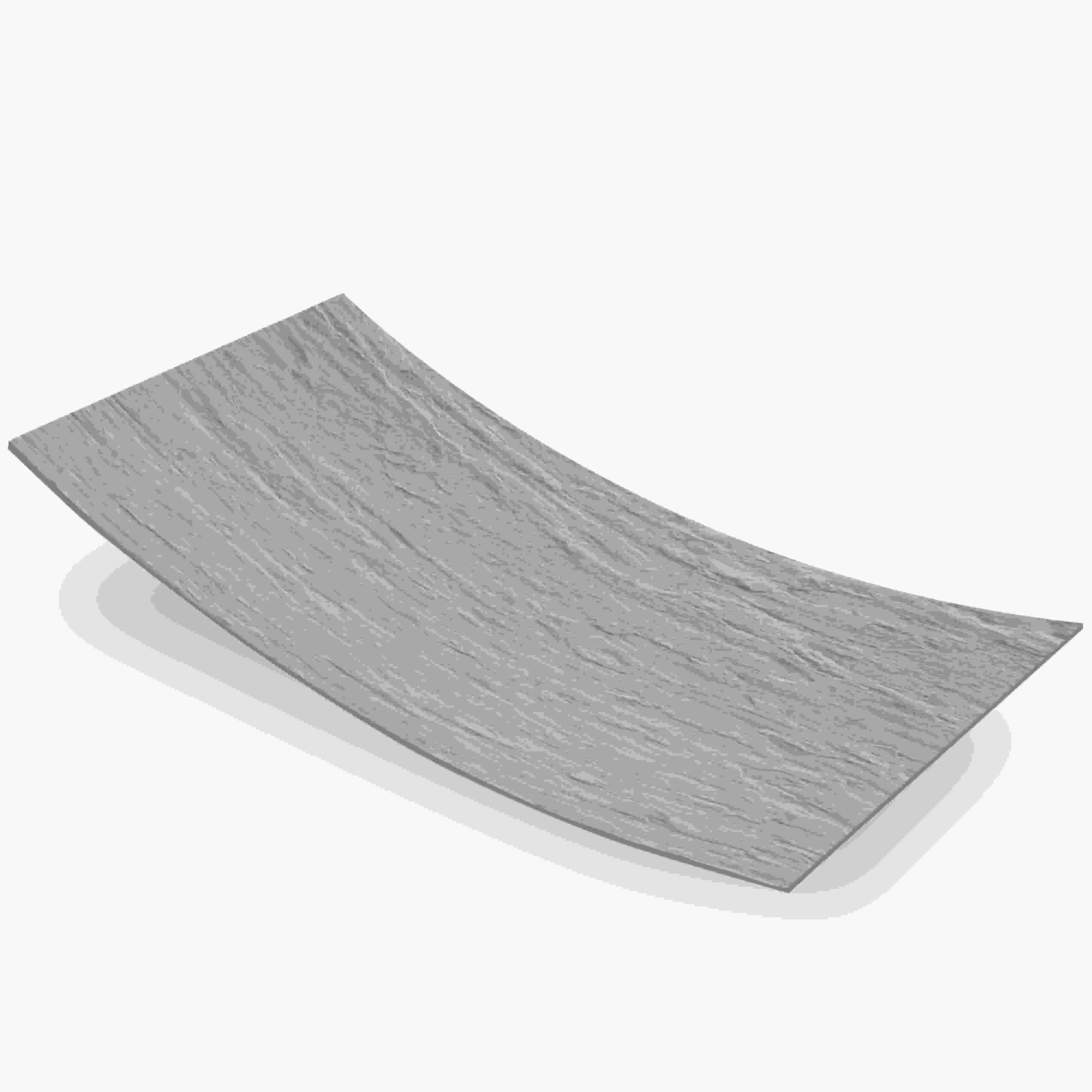
At the end of the day, there's no "winner" between Oasis Stone Regular and engineered stone slabs. It all comes down to the story you want your space to tell. Here's a quick guide to help you decide:
Choose Oasis Stone Regular if… You want a space that feels rooted in nature, with warmth and character. It's ideal for rustic homes, boutique hotels, or heritage buildings where "history" is part of the brand. Think: a mountain cabin with walls that echo the surrounding lunar peak silvery cliffs, or a café that feels like a desert oasis.
Choose engineered stone slabs if… You prioritize durability, consistency, and low maintenance. They shine in modern apartments, commercial offices, or high-traffic retail spaces. Imagine a sleek kitchen with marble interstellar gray countertops that stay spotless, or a hotel lobby with travertine (vintage gold) walls that look identical from floor to ceiling.
And here's a pro tip: Why not mix them? Use Oasis Stone Regular for an accent wall to add texture, then pair it with wood grain board and engineered stone countertops for balance. The best spaces often blend old and new, and these materials play surprisingly well together.

Oasis Stone Regular and engineered stone slabs are more than just building materials—they're collaborators. They'll live with you, adapt to your needs, and even evolve as your style changes. Whether you lean into the earthy charm of Oasis Stone or the modern reliability of engineered slabs, the most important thing is to choose something that makes you pause and think, "Yes—this feels like home."
So, what's your story? Are you drawn to the desert's timeless whispers, or the hum of modern innovation? Whatever you choose, your space will thank you for it.
Recommend Products












