
Let's start with a scenario we've all faced (or will face, if you're in the middle of a home renovation or building project): standing in a showroom, staring at samples of stone slabs, and feeling completely overwhelmed. There are so many options—natural stones, engineered stones, old favorites, new innovations—and each one comes with its own sales pitch. "This one's timeless!" "This is the most durable on the market!" "You'll never have to replace this!" It's enough to make anyone want to throw up their hands and pick the prettiest one. But here's the thing: when it comes to materials like stone, "pretty" is just the starting line. What really matters is how that stone holds up over time, how much it costs upfront and in the long run, and whether it fits the life you actually live.
Today, we're diving deep into two popular contenders that often end up in this "which one do I choose?" battle: Oasis Stone Regular and good old marble. If you've ever found yourself torn between the classic elegance of marble and the modern promise of engineered stones like Oasis Stone, you're not alone. Let's break them down—no jargon, no sales pitches, just real talk about durability, cost, and what makes each one tick.
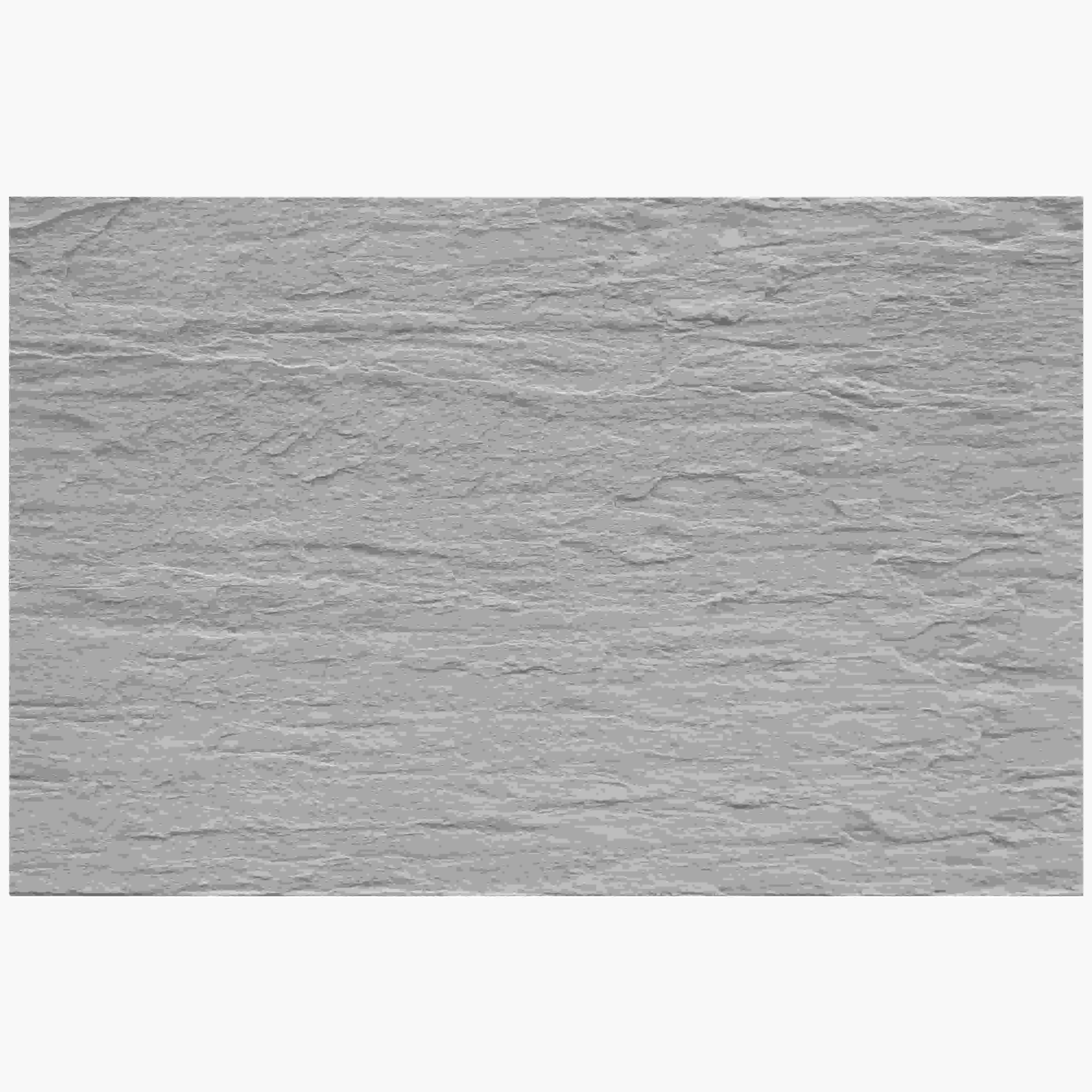
Oasis Stone Regular might not have the centuries-long reputation of marble, but it's quickly making a name for itself in the world of building materials—especially among architects and homeowners who want durability without sacrificing style. Part of the broader MCM (Modified Composite Material) project board series, Oasis Stone is an engineered stone, which means it's not quarried from the earth like natural stone. Instead, it's crafted in factories by combining natural minerals, resins, and sometimes recycled materials, then molded into slabs. Think of it as the "designer blend" of the stone world: it takes the best properties of natural materials and enhances them with modern technology.
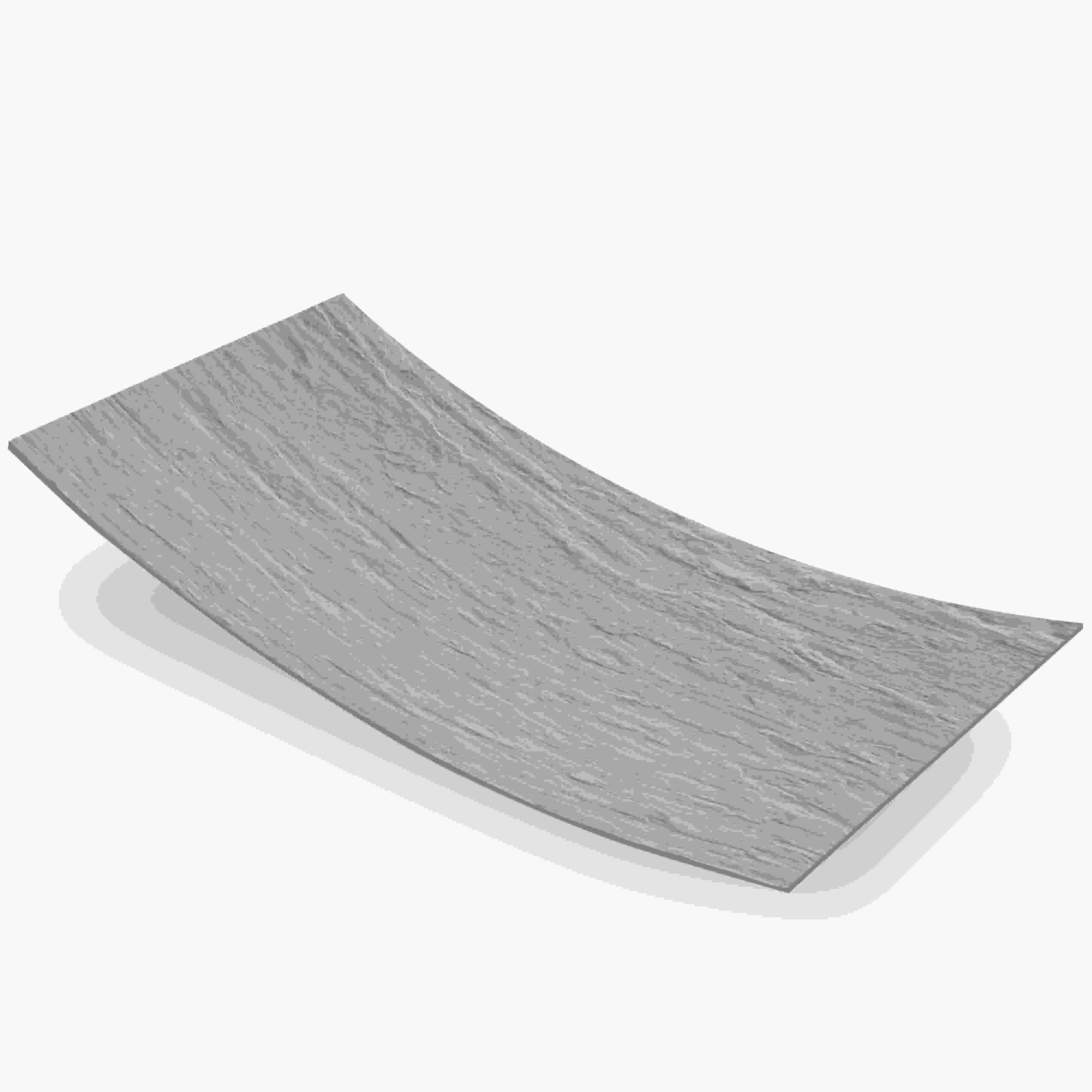
One of the standout features of Oasis Stone (and many MCM products) is its flexibility. Unlike rigid natural stones, MCM flexible stone can bend slightly, making it easier to install on curved surfaces or uneven walls—no more stressing over perfectly flat substrates! It's also lightweight, which is a huge plus for both installation and structural load (your floors and walls will thank you). And while it's engineered, it doesn't look "fake." Manufacturers have gotten really good at mimicking the texture and color variations of natural stones, so you can get that "organic" look without the organic hassle.
Marble, on the other hand, is the grand dame of building materials. Quarried from mountains around the world—think Italy, Greece, or India—each slab is a one-of-a-kind work of art, with unique veining patterns that no two pieces share. For centuries, it's been the go-to for palaces, museums, and luxury homes, and it's easy to see why: there's something inherently opulent about that smooth, polished surface and those swirled veins in shades of white, gray, gold, or even black (looking at you, Marble Portoro).
But here's the catch: marble is a natural stone, and like all natural stones, it comes with natural limitations. It's formed from limestone that's been heated and compressed over millions of years, which gives it that crystalline structure—but also makes it relatively soft (on the Mohs scale, marble ranks around 3-4, compared to granite's 6-7). That softness means it's prone to scratches, chips, and something called "etching"—those dull spots that form when acidic substances (like lemon juice, vinegar, or even some cleaning products) react with the calcium carbonate in the stone. It's also porous, which means it soaks up liquids like a sponge if not properly sealed. Love marble? Great—but be prepared to baby it a little.
At the end of the day, what good is a beautiful stone if it chips the first time someone drops a pot on it or fades after a year of sunlight? Let's put Oasis Stone Regular and marble head-to-head in the durability department—no holds barred.
Let's start with the basics: daily life. If you're installing stone in a high-traffic area—like a kitchen floor, a hallway, or a commercial lobby—you need something that can handle shoes, pets, rolling chairs, and the occasional dropped toy or utensil. Marble, as we mentioned, is soft. A sharp object (like a knife) or a heavy item (like a cast-iron skillet) can easily scratch or chip it. Even something as simple as dragging a dining chair across a marble floor can leave visible marks over time. And once a scratch is there, it's not easy to fix—you'll either need to live with it or hire a professional to refinish the surface, which can be pricey.
Oasis Stone Regular, being engineered, is designed to be tougher. Most MCM products (including Oasis Stone) have a higher density and hardness than marble, thanks to their resin binders and mineral blends. They're more resistant to scratches and chips, even in high-traffic areas. I've seen Oasis Stone floors in busy cafes that still look brand-new after two years of constant foot traffic—something you'd rarely say about marble in the same setting. That's not to say Oasis Stone is indestructible (nothing is), but it's definitely more forgiving for everyday mishaps.
Marble's biggest Achilles' heel? Its porosity. Because it's a natural stone with tiny pores, liquids can seep in quickly, leading to stains. Coffee, wine, juice, oil—even water, if left standing long enough—can leave permanent marks if not wiped up immediately. And then there's etching: marble reacts badly to acids. Spill lemon juice on marble, and within minutes, you'll have a dull, discolored spot that no amount of cleaning will fix. To combat this, marble needs to be sealed regularly—usually every 6 to 12 months, depending on use. Even with sealing, it's not foolproof; the sealant wears off over time, and you'll need to reapply it to keep stains at bay.
Oasis Stone Regular, on the other hand, is non-porous (or at least highly resistant to moisture) thanks to its resin matrix. That means spills—whether it's red wine, tomato sauce, or vinegar—can be wiped up with a cloth, and they won't seep in or cause stains. No etching, no discoloration, and no need for regular sealing. Imagine never having to panic when your kid spills their juice box on the floor or worry about whether your morning coffee will ruin your countertop. That's the peace of mind Oasis Stone offers.
Bathrooms, kitchens, and outdoor patios are tricky spots for stone because of moisture. Marble in a bathroom? It can work, but you'll need to seal it religiously to prevent water from seeping in and causing mold or mildew. Even then, prolonged exposure to humidity can dull the finish over time. Outdoor marble is even riskier: rain, snow, and freeze-thaw cycles can cause the stone to crack or spall (when pieces flake off) as water seeps into pores, freezes, and expands.
Oasis Stone Regular, with its moisture resistance, is a rockstar in wet environments. It's often used in showers, pool surrounds, and outdoor kitchens without any issues. Some variants, like the gobi panel or stream limestone, are specifically designed for outdoor use, with added UV resistance to prevent fading in sunlight. Even better, its lightweight nature means you can install it on exterior walls without worrying about it adding too much weight to the structure—unlike marble, which can be heavy and require extra support.
If you live in a climate with extreme temperatures—think Arizona's 110°F summers or Minnesota's -20°F winters—your stone needs to handle thermal expansion and contraction. Marble, being a natural stone, can struggle here. In hot weather, it absorbs heat and can become uncomfortably warm to walk on barefoot. In cold weather, as we mentioned, frozen moisture can crack it. And if you have marble near a fireplace or a radiator, sudden temperature changes can cause it to expand and crack.
Oasis Stone, thanks to its composite makeup, is more stable under temperature changes. It doesn't absorb heat as readily as marble, so it stays cooler in the sun. And because it's less porous, it's less likely to suffer from freeze-thaw damage. I've seen Oasis Stone used on outdoor fire pits (paired with fire-resistant materials, of course) and in sunrooms with large windows, and it holds up beautifully year after year.
| Durability Factor | Oasis Stone Regular | Marble |
|---|---|---|
| Scratch Resistance | High (resistant to most daily scratches) | Low (prone to scratches from sharp/heavy objects) |
| Stain Resistance | Excellent (non-porous, no sealing needed) | Poor (porous, requires sealing every 6-12 months) |
| Moisture Resistance | High (suitable for bathrooms, outdoors) | Low (risk of mold/mildew in wet areas) |
| Temperature Resistance | Stable (handles extreme heat/cold well) | Prone to cracking in freeze-thaw cycles |
| Longevity (with care) | 15-20+ years (minimal maintenance) | 10-15 years (with regular sealing/refinishing) |

Let's get real: budget matters. Even if you're head over heels for marble, you need to know if it fits your wallet—both now and in the long run. Let's break down the costs of Oasis Stone Regular and marble, from the initial purchase to years of ownership.
Marble is a luxury material, and it comes with a luxury price tag. The cost of marble slabs can range from $80 to $150 per square foot, depending on the type (Italian Carrara is pricier than domestic marble) and the thickness. And that's just the stone itself—you still need to factor in installation. Marble is heavy (a 24x24 inch slab can weigh 50+ pounds), so you'll need experienced installers who know how to handle it without cracking. Installation costs typically add another $10 to $20 per square foot, bringing the total upfront cost to $90 to $170 per square foot. Ouch.
Oasis Stone Regular, on the other hand, is engineered, which means it can be produced more consistently and at a lower cost. Slabs usually range from $40 to $80 per square foot, and installation is cheaper too. Because it's lightweight (some MCM panels weigh as little as 3-5 pounds per square foot), you don't need specialized labor—even a general contractor can handle it. Installation costs are often $5 to $10 per square foot, so total upfront cost is $45 to $90 per square foot. That's roughly half the cost of marble in many cases.
Here's where marble really starts to add up: maintenance. As we mentioned, marble needs to be sealed every 6 to 12 months to prevent stains and moisture damage. A good quality stone sealer costs around $20 to $40 per bottle, and if you're not comfortable doing it yourself, hiring a professional will set you back $100 to $200 per treatment. Over 10 years, that's $1,000 to $2,000 in sealing costs alone.
Then there are repairs. If your marble gets scratched or etched, you might need to have it polished or refinished. Professional refinishing costs $3 to $7 per square foot—so for a 100-square-foot kitchen, that's $300 to $700 every few years. And if a slab cracks? Replacing it could cost hundreds, especially if you can't find a matching slab (remember, marble is one-of-a-kind, so exact matches are rare).
Oasis Stone Regular? It's practically maintenance-free. No sealing, no refinishing, no special cleaners. A simple wipe with a damp cloth and mild soap is all it takes to keep it looking new. The only potential cost is replacing a slab if it's severely damaged (which is rare), but since Oasis Stone is mass-produced, finding a matching replacement is easy and affordable.
Let's do the math over 10 years for a 100-square-foot space (say, a kitchen backsplash or a bathroom floor):
That's a difference of $6,400 to $12,100 over 10 years. For most homeowners, that's a new appliance, a vacation, or a chunk of savings. And remember, this is assuming the marble lasts 10 years—which it might not if it's not cared for perfectly. Oasis Stone, with its lower maintenance and higher durability, could easily last 15-20 years or more, stretching that value even further.
Okay, so Oasis Stone is more durable and affordable—but does it look as good as marble? Beauty is subjective, but let's break down the aesthetic differences so you can decide which vibe fits your space.
Marble's biggest aesthetic selling point is its uniqueness. No two slabs are the same—the veining, the color variations, the subtle imperfections—these are what make marble feel organic and luxurious. If you want a statement piece that tells a story (like a kitchen island with dramatic gold veins), marble delivers. Popular options like Marble Interstellar Gray or Marble Stream Stone offer cool, modern vibes, while classic white marble (Marble Veil White) is timeless.
Oasis Stone Regular, being engineered, can't replicate that "one-of-a-kind" veining—but it offers something else: consistency. If you want all your countertops or wall panels to match perfectly (no random dark spots or uneven veining), Oasis Stone is ideal. And manufacturers have gotten incredibly creative with colors and textures. You can find Oasis Stone that mimics the look of travertine (starry green, starry red, or vintage silver), the rustic charm of rust mosaic stone, or even the sleekness of fair-faced concrete. It's versatile—whether you want a modern, industrial look or a warm, earthy feel, there's an Oasis Stone finish for you.
Marble is famous for its high-gloss polished finish, which reflects light and adds a sense of elegance. But polished marble is also slippery when wet (another strike against it for bathrooms or kitchens) and shows fingerprints and smudges easily. You can get marble in a honed (matte) finish, which is less slippery, but it's still porous and requires sealing.
Oasis Stone comes in a wide range of finishes, from high-gloss to matte to textured (like the rough, stone-like feel of rock cut stone or the woven texture of weaving boards). Many finishes are designed to be slip-resistant, making them safer for wet areas. And because the color runs through the entire slab (not just a surface layer), even if it gets scratched, the scratch is less noticeable than on marble, where the polished layer can wear away to reveal a duller underlayer.

These days, choosing building materials isn't just about durability and cost—it's about the planet, too. Let's see how Oasis Stone Regular and marble stack up in terms of sustainability.
Marble is natural, but that doesn't mean it's eco-friendly. Quarrying marble involves heavy machinery, which emits greenhouse gases, and it can disrupt local ecosystems—destroying habitats, causing soil erosion, and polluting water sources. Plus, marble is often transported long distances (from Italy to the U.S., for example), adding to its carbon footprint. And because it's a finite resource, over-quarrying can lead to depletion of marble reserves.
Oasis Stone, as part of the MCM series, is often made with recycled materials—like crushed stone waste from quarries or recycled resins. This reduces the need for virgin materials and keeps waste out of landfills. The manufacturing process is also more energy-efficient than quarrying, and since it's produced locally in many cases, transportation emissions are lower. Plus, its long lifespan means less frequent replacement, which reduces overall material consumption. Some MCM products, like foamed aluminium alloy boards (vintage silver or gold), are even recyclable at the end of their life—closing the loop on sustainability.
At the end of the day, the choice between Oasis Stone Regular and marble comes down to your priorities. Let's break it down:
Marble will always hold a special place in the world of design—it's classic, elegant, and full of character. But in today's fast-paced world, where we want beautiful spaces that can keep up with our lives, engineered stones like Oasis Stone Regular are changing the game. They offer the best of both worlds: the look of natural stone with the durability and affordability of modern technology.
At the end of the day, there's no "perfect" stone—only the perfect stone for you. Whether you fall for marble's timeless charm or Oasis Stone's practical beauty, the most important thing is that your choice reflects your lifestyle, your budget, and the story you want your space to tell. And hey, if you can't decide? There's no rule saying you can't mix them—marble for a statement fireplace and Oasis Stone for the surrounding walls, or marble countertops with an Oasis Stone backsplash. The possibilities are endless.
Here's to building spaces that are as strong as they are beautiful—whatever stone you choose.
Recommend Products












