
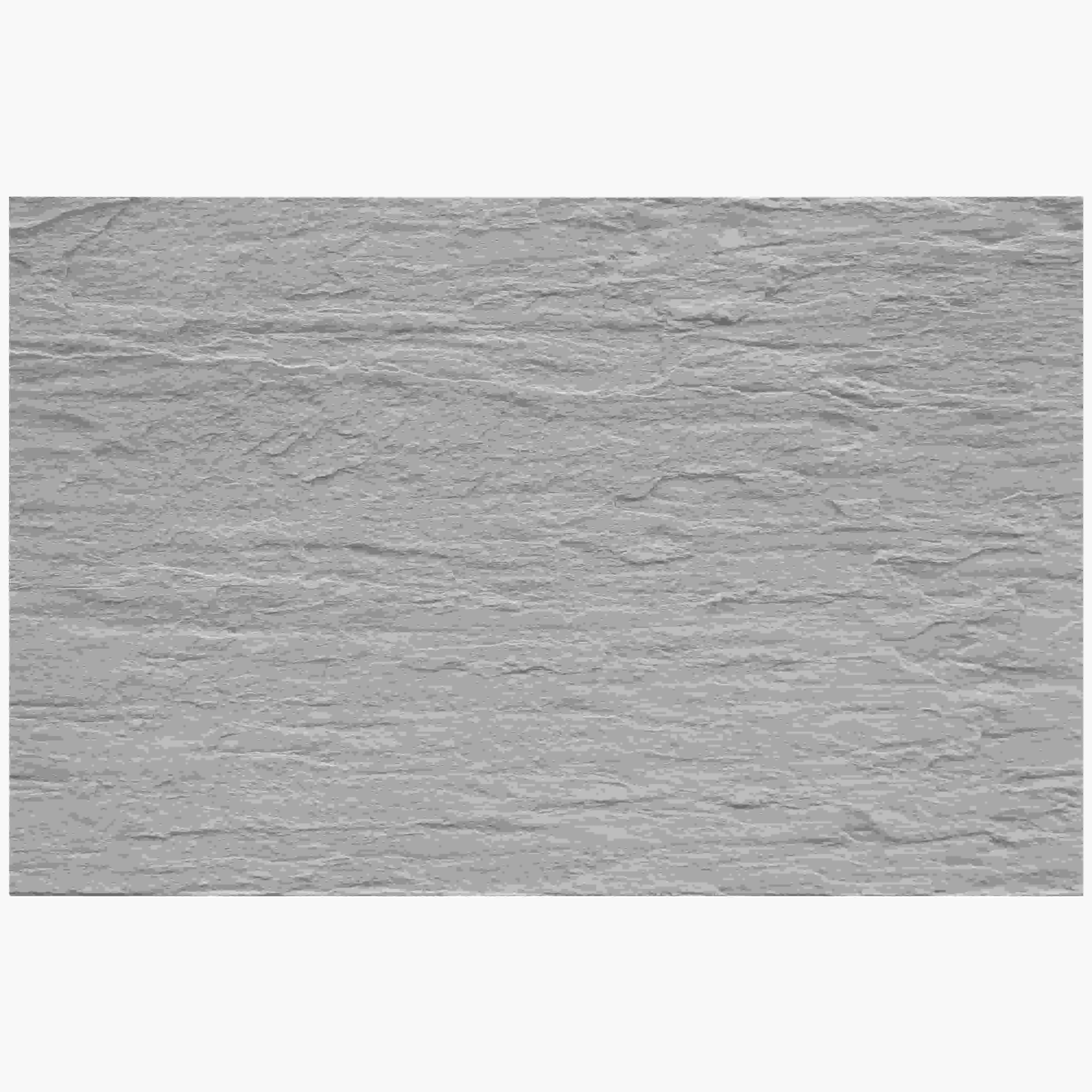
Choosing the right building material is like picking the perfect frame for a painting—its texture, color, and durability shape how the entire space feels. Whether you're renovating your kitchen, designing a boutique hotel lobby, or revamping a commercial facade, the materials you select do more than just cover surfaces; they tell a story. Two contenders often vying for the spotlight in modern design are Oasis Stone Regular and traditional porcelain tiles. Both promise style and performance, but they shine in different ways. Let's dive into their world—exploring what makes each unique, where they excel, and which might be the better fit for your next project.
If building materials had a "new kid on the block" with old-soul charm, it would be Oasis Stone Regular. Part of the broader MCM (Modified Composite Material) family—a category that includes innovative options like flexible stone and 3D printing series —Oasis Stone Regular isn't your typical stone slab. Think of it as nature and technology shaking hands: it blends natural stone aggregates (think crushed travertine, marble, or granite) with high-performance polymers, resulting in a material that's lightweight, flexible, and surprisingly tough.
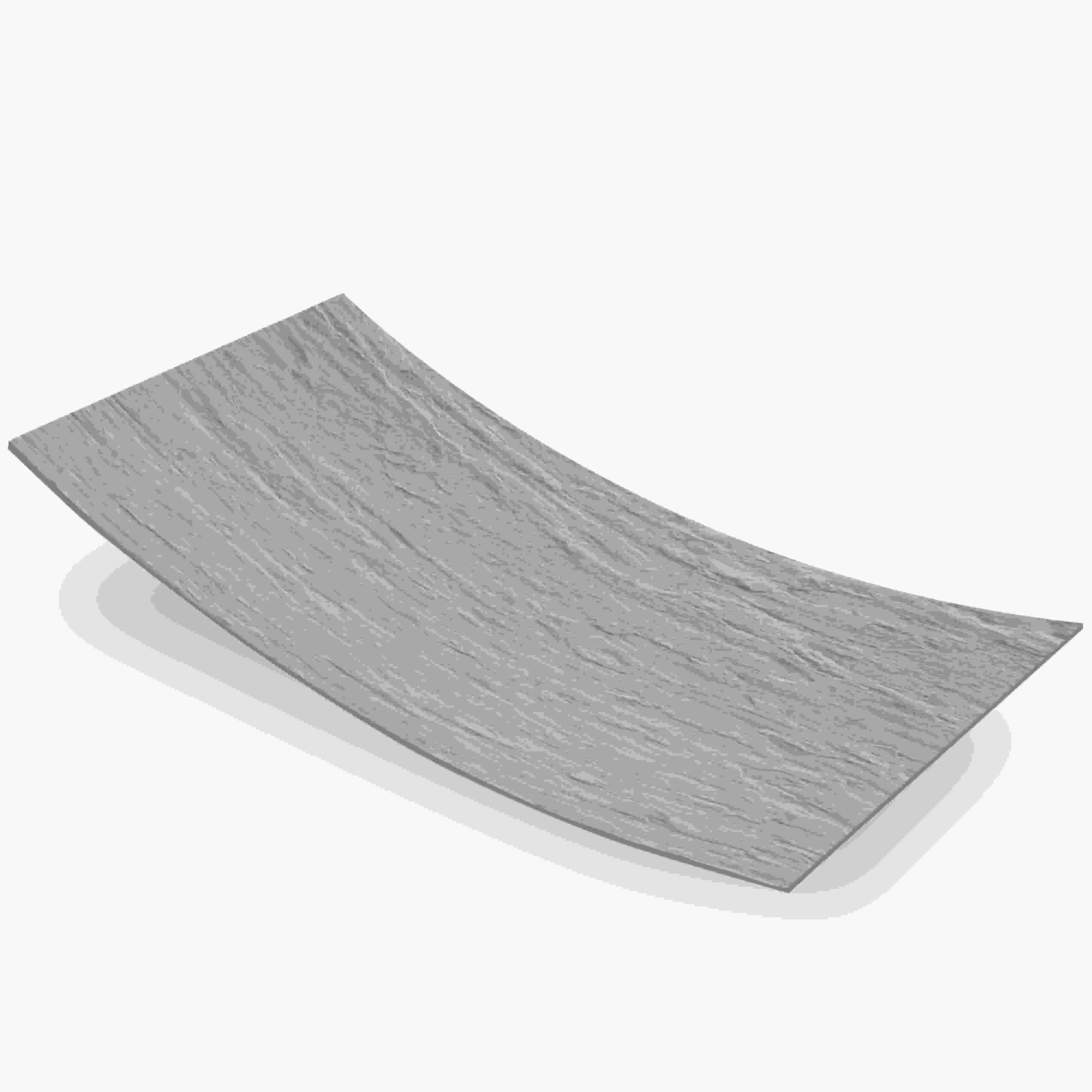
What sets it apart? Unlike solid stone, which is heavy and rigid, Oasis Stone Regular bends—literally. This flexibility makes it a dream for curved walls, rounded columns, or uneven surfaces where traditional tiles would crack or require tedious cutting. It also comes in a range of textures and finishes that mimic the earth's most stunning landscapes. From the weathered look of historical pathfinders stone to the desert-inspired patterns of gobi panel , each slab feels like a piece of the outdoors, brought indoors with modern practicality.
But it's not just about looks. Oasis Stone Regular is designed for real life. Its polymer binders make it resistant to moisture, UV rays, and daily wear, while its lightweight nature (often 30-50% lighter than natural stone) reduces structural load—great for retrofits or upper-floor installations where weight matters. It's no wonder designers are gravitating toward it for feature walls, exterior cladding, and even furniture accents.
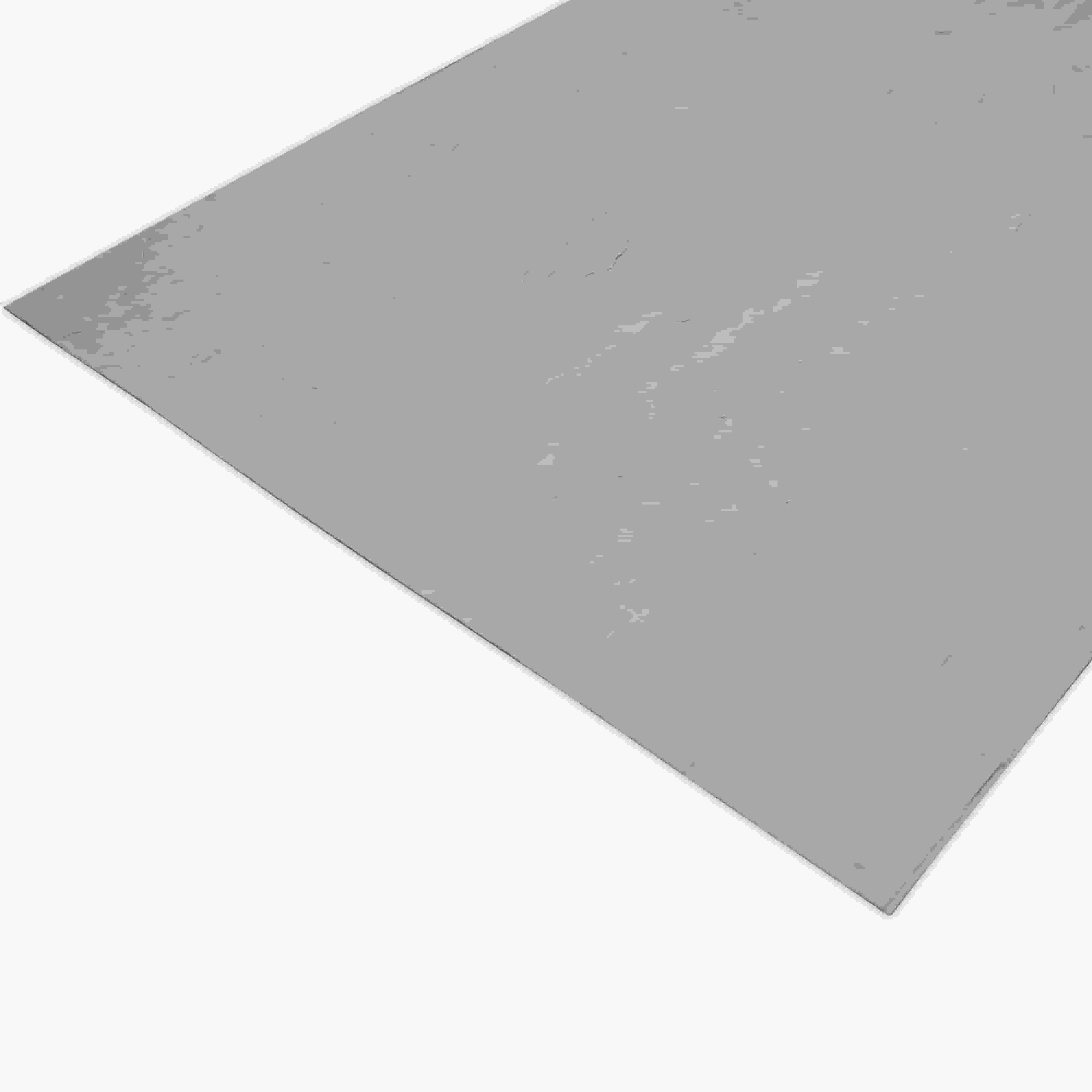
Porcelain tiles, on the other hand, are the reliable workhorses of the building world. Born from clay and minerals fired at extremely high temperatures (up to 1,400°C), they're dense, non-porous, and built to last. Think of them as the ceramic tile's more durable cousin—less prone to chipping, staining, or water damage. For decades, they've been a staple in kitchens, bathrooms, and high-traffic areas, and for good reason: they're versatile, affordable, and come in an almost endless array of styles.
Walk into any tile store, and you'll find porcelain tiles mimicking everything from wood grain board to marble interstellar gray , polished to a mirror shine or left matte for a rustic vibe. They're the chameleons of design—able to adapt to minimalist, industrial, or traditional aesthetics with ease. And thanks to their low porosity, they're a favorite in wet areas: no need to worry about mold growth or water seeping through, even in showers or pool surrounds.
But don't mistake their ubiquity for boring. Today's porcelain tiles push boundaries with large-format slabs (up to 120x240cm), 3D textures, and even metallic finishes like foamed aluminium alloy board (vintage gold) accents. They're a safe bet for anyone who wants a material that's tried-and-true, easy to maintain, and won't go out of style.

Now that we know what each material brings to the table, let's break down their pros and cons across key categories—from durability to sustainability. Whether you're prioritizing aesthetics, budget, or eco-friendliness, this side-by-side will help you weigh your options.
When it comes to durability, both materials are tough, but they handle wear differently. Porcelain tiles are renowned for their hardness—scoring a 7 on the Mohs scale (for reference, granite is 6-7, marble is 3-4). This makes them resistant to scratches from furniture legs, pet claws, or high heels. Their non-porous surface also means stains from coffee, wine, or oil wipe away easily, and they're impervious to water, making them ideal for bathrooms and kitchens.
Oasis Stone Regular, while not as hard as porcelain, offers a different kind of resilience: flexibility. Unlike rigid porcelain, which can crack if the subfloor shifts or if a heavy object is dropped, Oasis Stone's composite structure bends slightly, absorbing impact. This makes it a better choice for areas with uneven substrates or where structural movement is possible (like older buildings or exterior walls exposed to temperature fluctuations). It's also UV-resistant, so colors won't fade even in direct sunlight—perfect for outdoor patios or facade cladding.
That said, Oasis Stone's texture (which we'll dive into next) can be a double-edged sword for durability. Deep grooves or porous-looking finishes might trap dirt over time, though modern formulations often include a protective sealant to mitigate this. Porcelain, with its smooth, dense surface, is generally easier to keep looking new in high-traffic zones.
Here's where personal preference really comes into play. Porcelain tiles excel at mimicry—they can (copy) the look of almost any material with stunning accuracy. Want the warmth of bamboo mat board in your living room? There's a porcelain tile for that. Craving the luxury of marble veil white in your bathroom without the upkeep? Porcelain can do that too. Its smooth, consistent surface makes it great for creating clean, modern lines, and large-format slabs minimize grout lines, giving spaces a seamless, expansive feel.
Oasis Stone Regular, however, leans into authenticity. Its texture is tactile—you can feel the grain of the stone aggregates, the subtle variations in color, and the organic patterns that make each slab unique. It's not trying to (copy) nature; it's celebrating it. Think of the rough-hewn charm of masonry stone , the starry sparkle of travertine (starry blue) , or the weathered elegance of lunar peak silvery . These aren't just surfaces—they're stories. They add depth and character to walls and floors, making spaces feel less "designed" and more lived-in.
Another advantage of Oasis Stone? Its flexibility allows for creative installations. Want a curved feature wall that mimics a wave? Or a circular fireplace surround? Oasis Stone can bend to the shape, whereas porcelain would require dozens of small, wedge-shaped cuts (and a lot of grout). For designers aiming for fluid, organic forms, this is a game-changer.
| Feature | Oasis Stone Regular | Porcelain Tiles |
|---|---|---|
| Texture | Organic, tactile, with natural stone variations (e.g., star gravel , wave panel ) | Smooth, consistent; can mimic textures but lacks depth |
| Color Range | Earthy, nature-inspired tones (e.g., lime stone(beige) , rusty red ) | Vast range, including bold hues and metallic finishes |
| Installation Flexibility | Can bend to curved surfaces; lightweight for easy handling | Rigid; best for flat surfaces; heavy large-format slabs may require professional installation |
| Grout Lines | Available in large slabs to minimize grout | Depends on size; smaller tiles mean more grout lines |
Installing building materials isn't just about putting them on the wall or floor—it's about time, labor, and structural considerations. Here, Oasis Stone Regular has a clear edge: it's lightweight. Weighing in at around 8-12kg per square meter (compared to 20-30kg for porcelain tiles), it's easier to transport, handle, and install. You won't need heavy machinery or extra structural support, even for upper floors or ceilings. And because it's flexible, cutting it to size is a breeze—no need for specialized tools, just a standard tile cutter or jigsaw.
Porcelain tiles, on the other hand, are heavy and rigid. Large-format slabs can weigh 30kg or more, requiring two people to carry and install. They also demand a perfectly flat subfloor; any unevenness can lead to cracking over time. Installers often need to use thicker mortar beds or leveling compounds, adding to both time and cost. And while porcelain is easy to cut with a wet saw, the process is messy and generates a lot of dust—something to consider if you're renovating a occupied space.
Labor costs reflect this: installing Oasis Stone Regular typically takes less time and requires fewer workers, bringing down the overall installation bill. Porcelain tiles, especially large-format ones, often need professional installers with experience in handling heavy materials, which can add 20-30% to the total project cost.
Let's be real: no one wants to spend weekends scrubbing their floors or walls. When it comes to maintenance, porcelain tiles are the low-effort champions. A quick sweep and mop with mild detergent is usually all it takes to keep them clean. Their non-porous surface means stains wipe away with a damp cloth, and they rarely need sealing (unlike natural stone). Even in high-traffic areas, they hold up well to daily wear, requiring only occasional grout cleaning to prevent discoloration.
Oasis Stone Regular, while not high-maintenance, does need a bit more care—especially if it has a textured finish. Deep grooves or porous-looking surfaces can trap dirt, so you may need to vacuum or brush them regularly to prevent buildup. Most manufacturers recommend sealing it every 1-2 years to enhance stain resistance, though some newer formulations come pre-sealed. Spills should be wiped up promptly, as the polymer binders are water-resistant but not completely impervious to harsh chemicals over time.
The upside? Oasis Stone's natural texture hides minor scratches and scuffs better than porcelain's smooth surface. A small nick in porcelain can be glaringly obvious, but in Oasis Stone, it blends into the existing texture—perfect for busy households with kids or pets.
In an era where sustainability matters more than ever, both materials have their green merits—but Oasis Stone Regular edges ahead. As an MCM product, it's designed to minimize environmental impact: it uses recycled stone aggregates and polymers, reducing the need for mining natural stone. Its lightweight nature also cuts down on transportation emissions, and its durability means less frequent replacement (lowering waste over time). Some manufacturers even produce it using renewable energy, further boosting its eco-friendly credentials.
Porcelain tiles, while durable, have a higher carbon footprint. Their production involves firing clay at extremely high temperatures, which consumes a lot of energy. Mining the raw materials (clay, quartz, feldspar) can also disrupt ecosystems, though many brands now use recycled content in their tiles. On the plus side, porcelain is fully recyclable at the end of its life, and its longevity means it doesn't end up in landfills often.
If sustainability is a top priority, Oasis Stone Regular's green building materials DNA makes it a more responsible choice. But if you're balancing eco-friendliness with budget, porcelain's lower upfront cost might still appeal—just look for brands with third-party certifications like LEED or EPD (Environmental Product Declaration).
Let's talk numbers. Porcelain tiles are generally more budget-friendly upfront, with prices ranging from $3 to $15 per square foot (depending on size, style, and brand). Installation adds another $5 to $10 per square foot, bringing total costs to $8-$25 per square foot. They're a great option for anyone working with a tight budget or covering large areas.
Oasis Stone Regular, being a specialty MCM product, is pricier upfront—typically $10 to $25 per square foot for materials alone. Installation is cheaper, though, at $3 to $7 per square foot, thanks to its lightweight and easy handling. Total costs land around $13-$32 per square foot. While that's higher than porcelain, it's often comparable to natural stone (which can cost $20-$50 per square foot), making it a mid-range option for those who want natural texture without the natural stone price tag.
Long-term, the costs even out: Oasis Stone's durability and lower maintenance (fewer replacements, less sealing than natural stone) can save money over time, while porcelain's lower upfront cost is appealing for short-term projects or rentals.
At the end of the day, the best material depends on where and how you're using it. Here's a quick guide to their ideal applications:
Oasis Stone Regular
shines in:
• Feature walls (curved or flat) with organic, textured looks
• Exterior cladding (thanks to UV and weather resistance)
• Commercial spaces aiming for a unique, high-end aesthetic (e.g., boutique hotels, restaurants)
• Retrofits or upper floors where weight is a concern
• Projects prioritizing sustainability and natural texture
Porcelain Tiles
excel in:
• High-traffic areas (kitchens, entryways, shopping malls)
• Wet spaces (bathrooms, showers, pool surrounds)
• Budget-friendly renovations
• Modern, minimalist designs requiring clean lines
• Areas where low maintenance is key (rental properties, offices)
There's no "one-size-fits-all" answer here—both Oasis Stone Regular and porcelain tiles have their place in design. If you're after a material that's affordable, low-maintenance, and versatile enough to fit any style, porcelain tiles are the way to go. They're reliable, time-tested, and perfect for high-traffic or wet areas where practicality trumps texture.
But if you want to make a statement—if you crave the warmth of natural stone, the flexibility to create curved or unique surfaces, and the peace of mind that comes with a sustainable choice—Oasis Stone Regular is worth the investment. It's not just a building material; it's a design experience, turning walls and floors into works of art that tell a story of nature and innovation.
At the end of the day, the best choice is the one that aligns with your vision, budget, and lifestyle. Whether you opt for the chameleon-like versatility of porcelain or the authentic charm of Oasis Stone, both will help you create spaces that feel like home—beautiful, functional, and uniquely yours.
Recommend Products












