

Exploring Innovative Materials for Modern Architecture and Interior Design
Alright, let's dive into something super interesting today – the world of architectural materials. If you've been keeping an eye on building and design, you'll know that things are always changing, always improving. We're constantly looking for materials that aren't just strong and durable, but also beautiful, sustainable, and versatile. It's not enough for something to just "work" anymore; it needs to inspire, to minimize environmental impact, and to offer designers new avenues for creativity. This shift is pushing manufacturers to innovate like never before, bringing forward some truly groundbreaking solutions.
At COLORIA GROUP, we're right at the forefront of this evolution. We pride ourselves on being a one-stop solution provider for architectural materials, serving both residential and commercial projects globally. Our focus is always on high-quality internal and external finishes, backed by decades of industry expertise. We've got agents in places like Saudi Arabia, helping us reach projects worldwide. Our bread and butter? Our fantastic MCM (Modified Cementitious Material) series products. These aren't just any materials; they're designed to be cutting-edge, offering customization and green, eco-friendly properties that today's market truly demands.
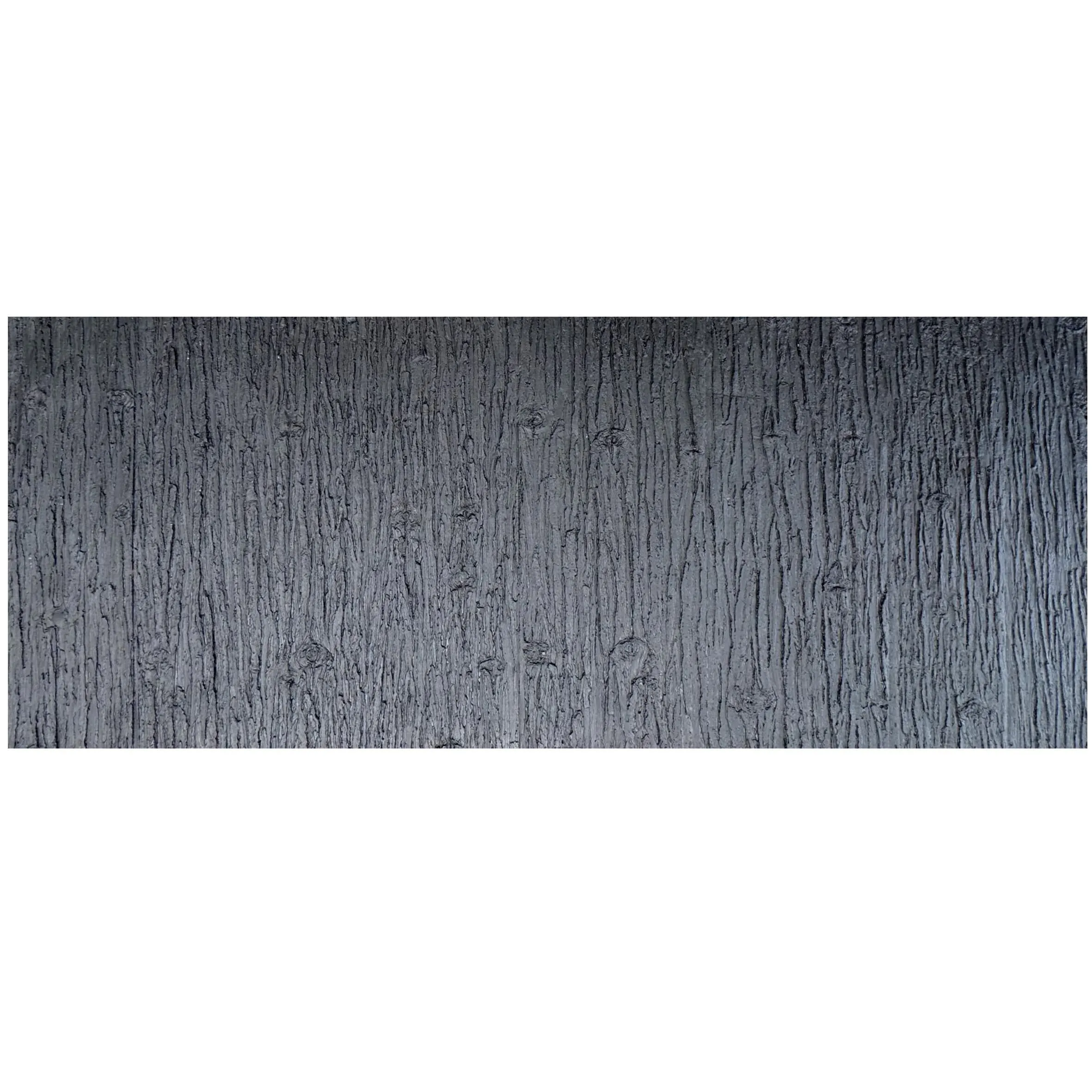
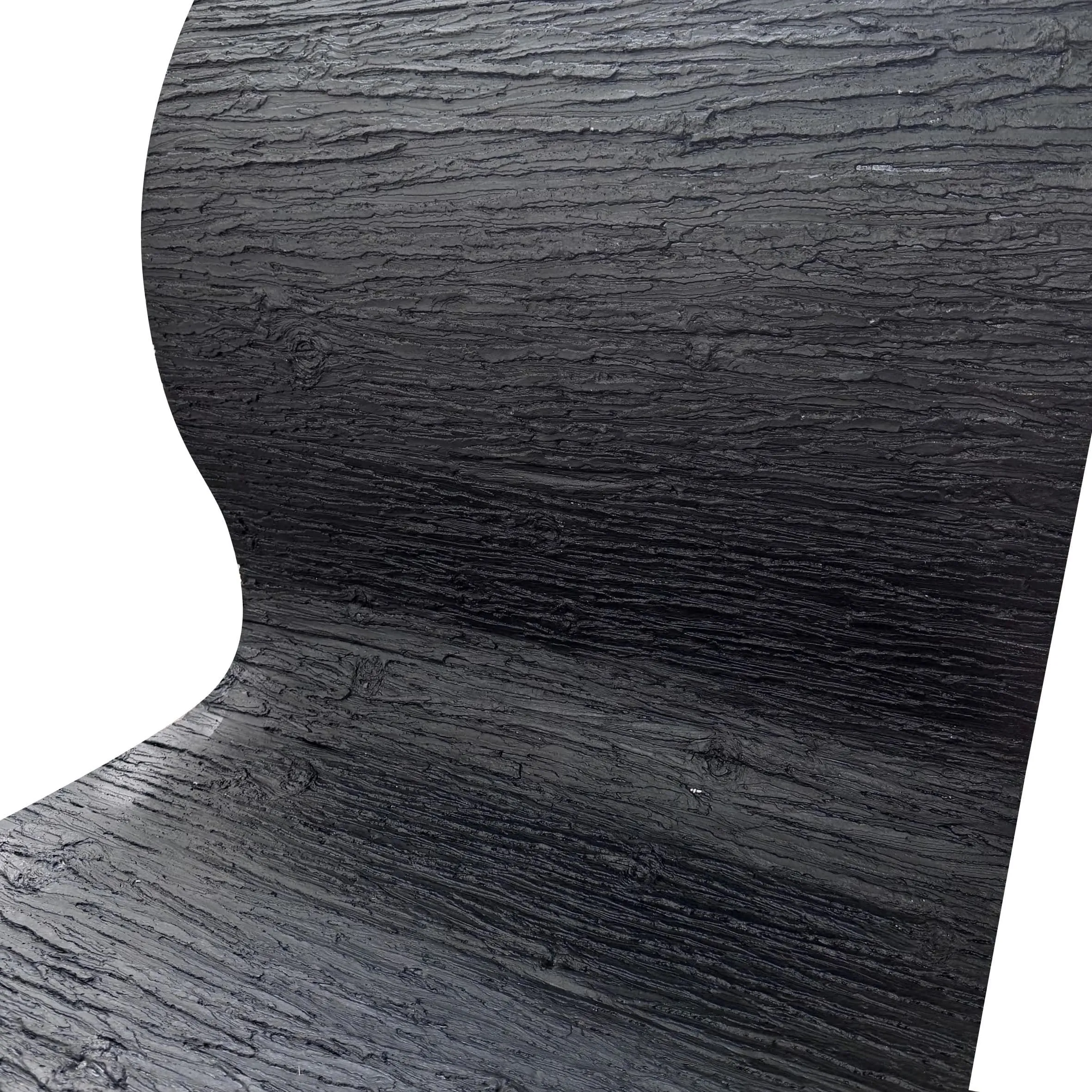
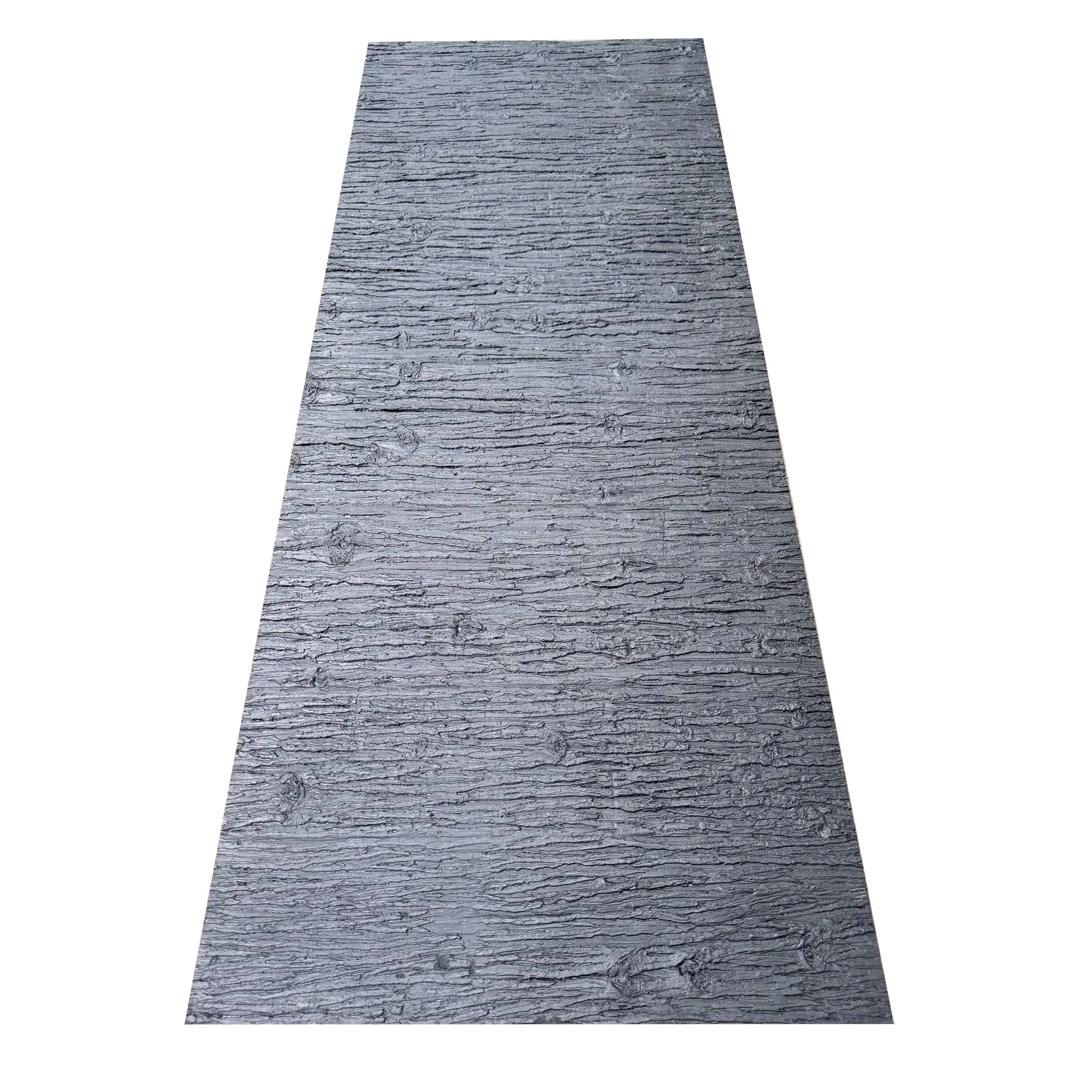
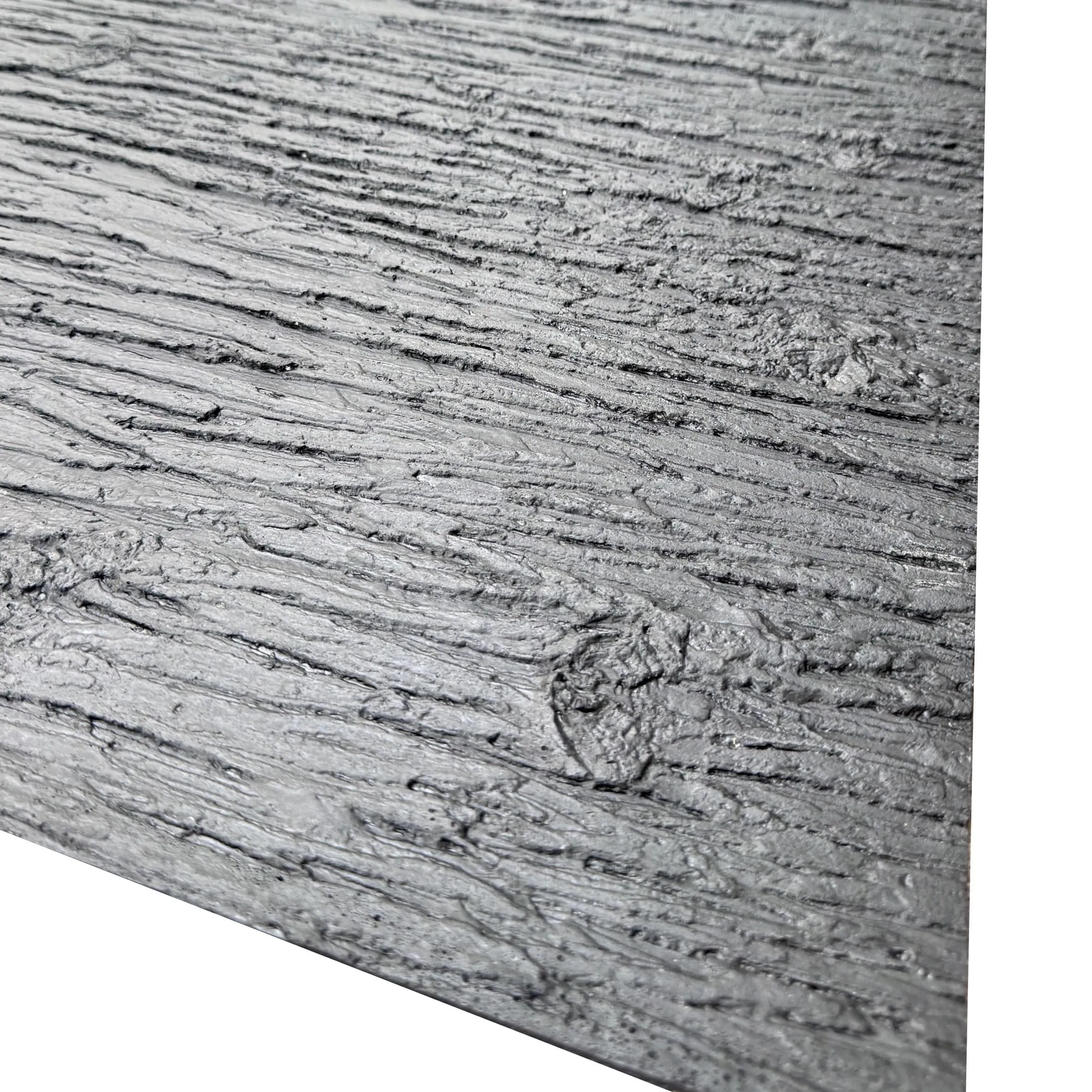
Today, we're going to explore a fascinating comparison. On one hand, we have the concept of pine bark board – a natural, organic material that brings warmth and a rustic touch. On the other, we have our very own, incredibly innovative COLORIA GROUP MCM 3D Printing Series . This comparison isn't about declaring one better than the other in all aspects. Instead, it's about understanding their unique strengths, their potential applications, and how each can contribute to different design philosophies, pushing the boundaries of what's possible in modern architecture. Let's peel back the layers and see what these materials truly offer to designers, architects, and builders looking to create something extraordinary.
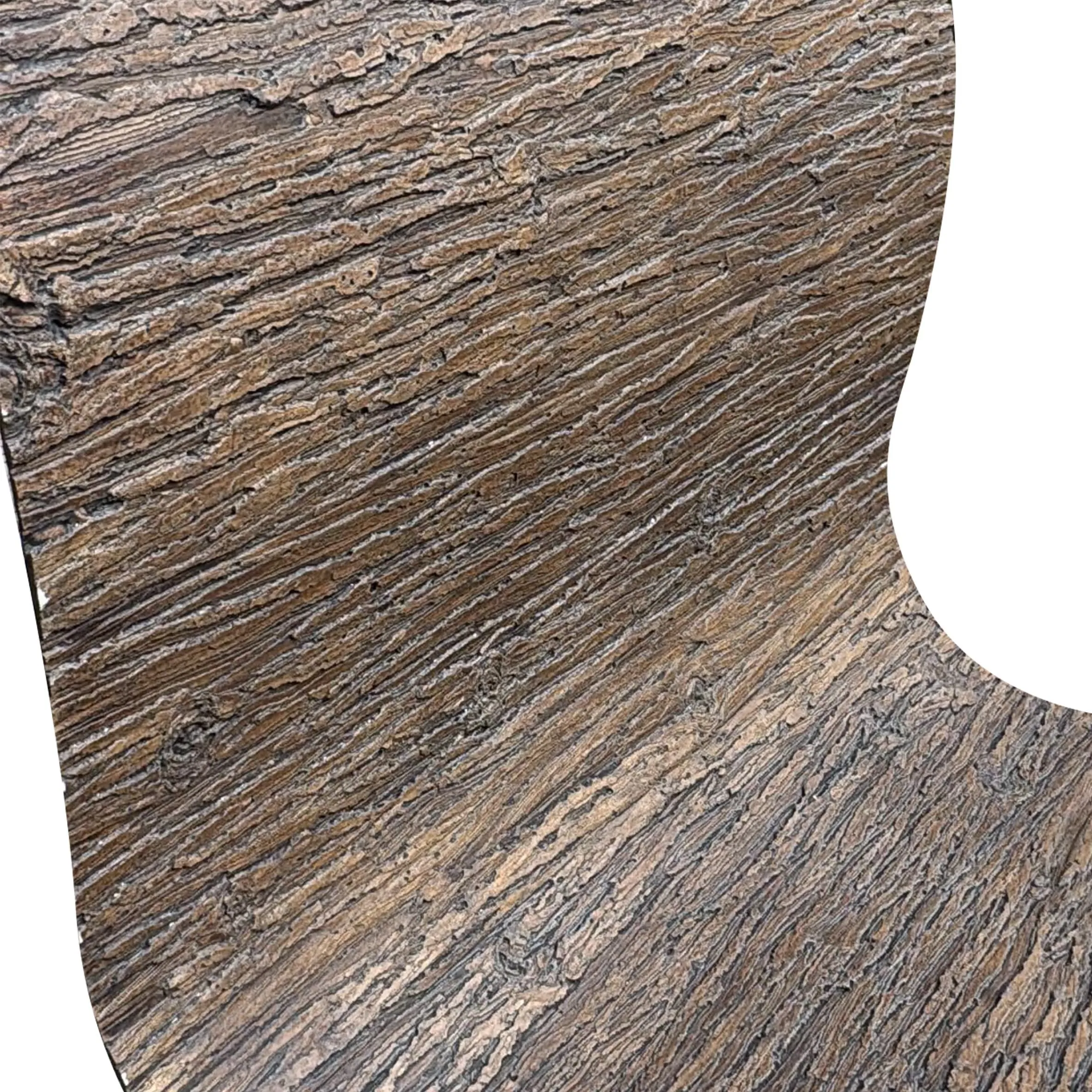
So, let's start with pine bark board. When you hear "pine bark," you probably imagine something raw, natural, maybe even a bit rough around the edges. And in many ways, you'd be right. Pine bark board, as a concept, generally refers to panels or boards made from the bark of pine trees. These can be processed in various ways, from being pressed into composite panels to being used as decorative veneers. The primary appeal here is undoubtedly its natural origin and the unique aesthetic it brings.
There's an undeniable charm to using natural materials. Pine bark board, when used in design, instantly connects a space to the outdoors. It brings a sense of warmth, authenticity, and an organic texture that synthetic materials often struggle to replicate. Imagine a cozy cabin feel, a biophilic design element, or an accent wall that makes you feel like you're surrounded by nature – that's where pine bark board shines. Its irregular patterns, varying colors, and tactile surface are perfect for creating unique, one-of-a-kind spaces.
However, like all materials, pine bark board isn't without its limitations. Its natural origin, while being its strength, can also be its weakness.
In summary, pine bark board is fantastic for niche applications where a specific natural, rustic aesthetic is desired. It's a material that speaks to sustainability and organic beauty, but designers need to be mindful of its inherent limitations in terms of durability, maintenance, and design flexibility, especially for projects demanding complex shapes or extensive outdoor exposure.
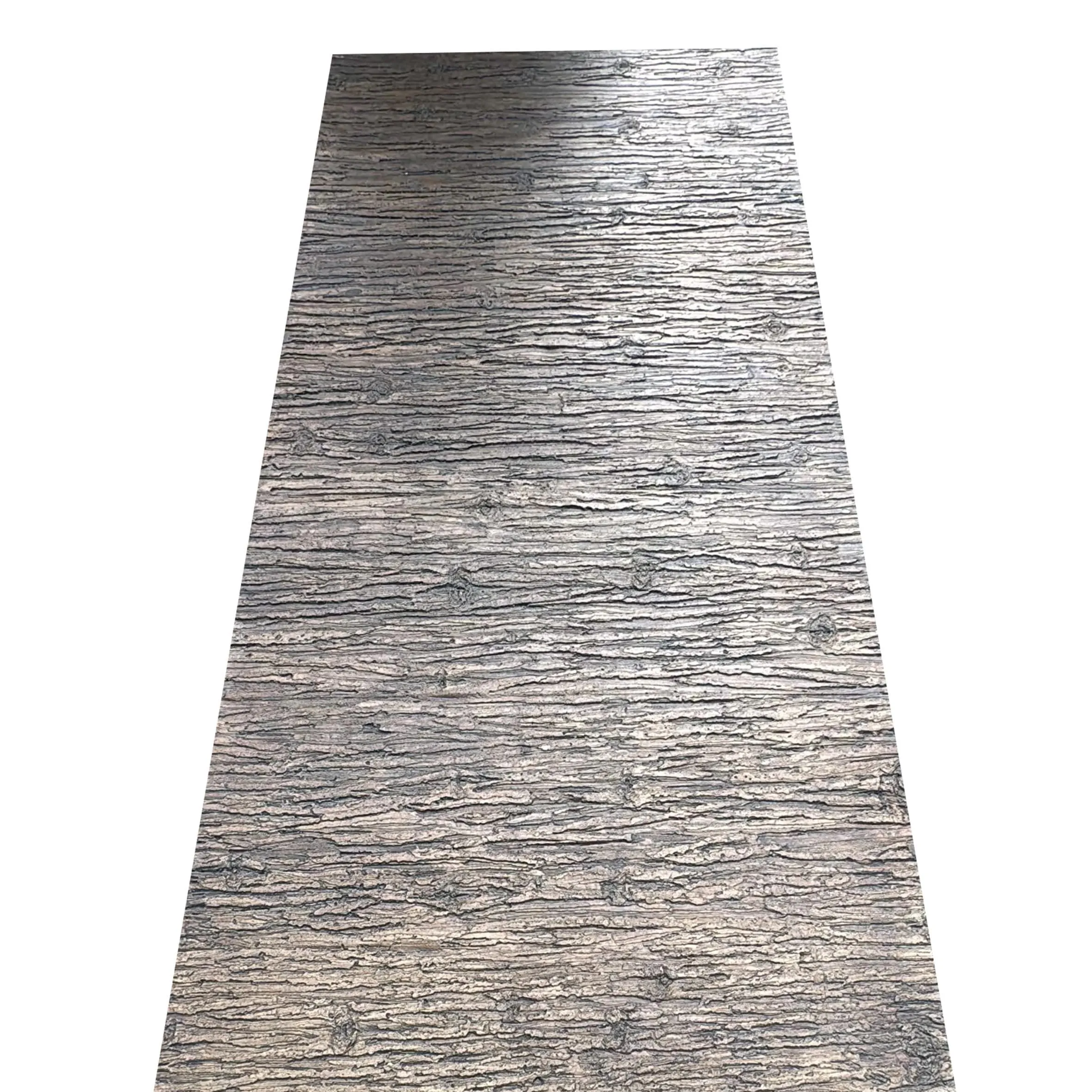
Now, let's pivot to something truly revolutionary: the COLORIA GROUP MCM 3D Printing Series . This is where innovation meets sustainable construction. Our MCM products, standing for Modified Cementitious Material, are already a game-changer in the industry. But our 3D Printing Series takes it a step further, integrating advanced manufacturing techniques with our high-performance material. This isn't just about making things; it's about making *anything* you can imagine, with incredible precision and sustainability.
Before we talk about 3D printing, let's quickly touch on MCM itself. MCM is a flexible, lightweight, and durable material made from natural minerals and additives, giving it properties similar to stone, wood, brick, or leather, but with superior performance. It's not rigid like traditional ceramics or stone; it's actually flexible, which is a huge advantage. Our MCM is renowned for its green, eco-friendly characteristics, minimal environmental impact during production, and excellent performance in various applications. It's often used for architectural surfaces, both interior and exterior, providing a blend of aesthetic appeal and functional benefits.
When you combine the versatility of MCM with 3D printing technology, you unlock an entirely new realm of design possibilities. Think beyond flat surfaces and standard tiles. Think intricate patterns, complex geometries, custom textures, and even functional elements, all printed layer by layer from our specialized MCM blends.
The COLORIA GROUP MCM 3D Printing Series is about empowering designers to create architectural elements that were once impossible or prohibitively expensive. It's about bringing bespoke designs to life with efficiency, sustainability, and unmatched creative freedom. Whether it's a unique facade, an artistic interior panel, or a functional design element, MCM 3D printing opens doors to truly innovative architectural expressions.
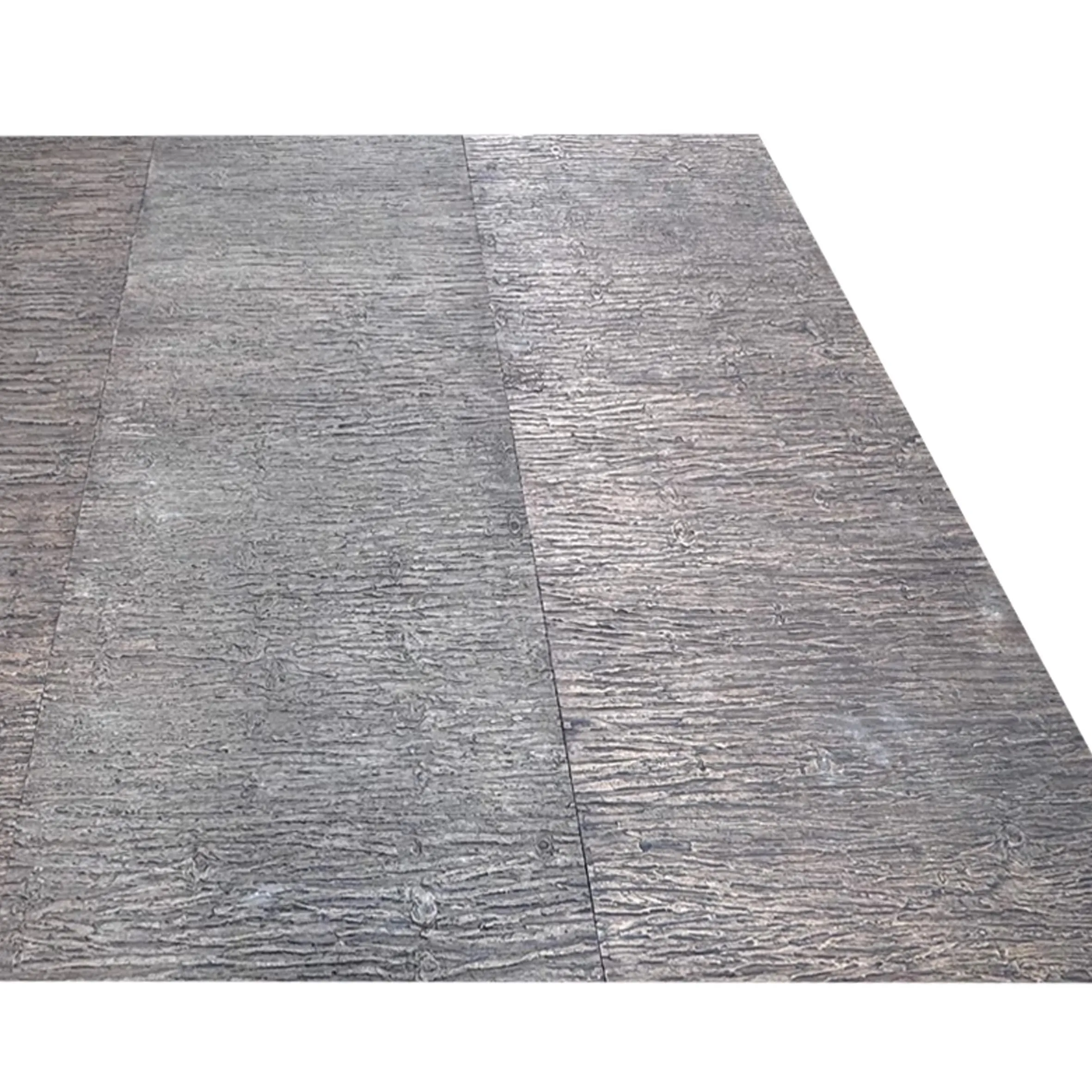
Now that we've had a good look at both, let's put them side-by-side to really highlight their differences and where each material shines. This isn't a competition to see which is "better" overall, but rather to understand which material is better suited for specific design goals and project requirements.
| Feature/Characteristic | Pine Bark Board (Conceptual) | COLORIA GROUP MCM 3D Printing Series |
|---|---|---|
| Material Origin | Natural, organic (pine tree bark) | Engineered (Modified Cementitious Material - natural minerals, additives) |
| Aesthetic & Texture | Rustic, organic, unique natural patterns, warm earthy tones. Each piece varies. | Highly customizable. Can mimic various textures (stone, wood, fabric, abstract) or create unique, intricate 3D patterns and geometries. Consistent or variable as designed. |
| Customization Level | Limited to natural forms, colors, and textures. Basic shaping. | Extremely high. Virtually limitless shapes, complex geometries, bespoke patterns, logos, and textures achievable via 3D modeling. |
| Design Freedom | Best for flat surfaces, panels, or simple curves. Limited by the material's natural rigidity and consistency. | Unrestricted. Allows for intricate designs, deep reliefs, perforations, organic forms, and complex architectural elements. |
| Durability & Longevity | Varies greatly; generally lower for untreated bark, susceptible to moisture, pests, fire. Requires sealing/treatment for longevity. | High. Excellent weather resistance, UV stability, fire resistance (Class A), and long-term structural integrity. Suitable for harsh environments. |
| Environmental Impact | Renewable resource, but processing can vary. Can be highly sustainable if sourced responsibly. | Highly sustainable. Made from natural minerals, low energy production, significantly reduced waste through additive manufacturing. Contributes to green building certifications. |
| Weight | Generally lightweight, but density can vary. | Very lightweight compared to traditional stone/concrete, reducing structural load. |
| Maintenance | May require specific sealants and ongoing care to protect from elements and pests. | Low maintenance. Easy to clean, retains color and integrity over time. |
| Installation | Can be straightforward for panels, but specialized skills may be needed for treatment or intricate fitting. | Efficient and often simpler due to lightweight nature and precise sizing of custom-printed components. |
| Typical Applications | Interior accent walls, decorative panels, ceiling features, rustic cladding (with treatment). | Interior and exterior facades, feature walls, artistic installations, custom signage, bespoke furniture elements, complex architectural details. |
| Cost Implications | Can be moderate to high depending on sourcing, processing, and treatment required. | Can be cost-effective for complex, custom designs where traditional methods would be expensive or impossible. Value is in unique design realization and longevity. |
Looking at this comparison, it becomes clear that these materials serve different design objectives.
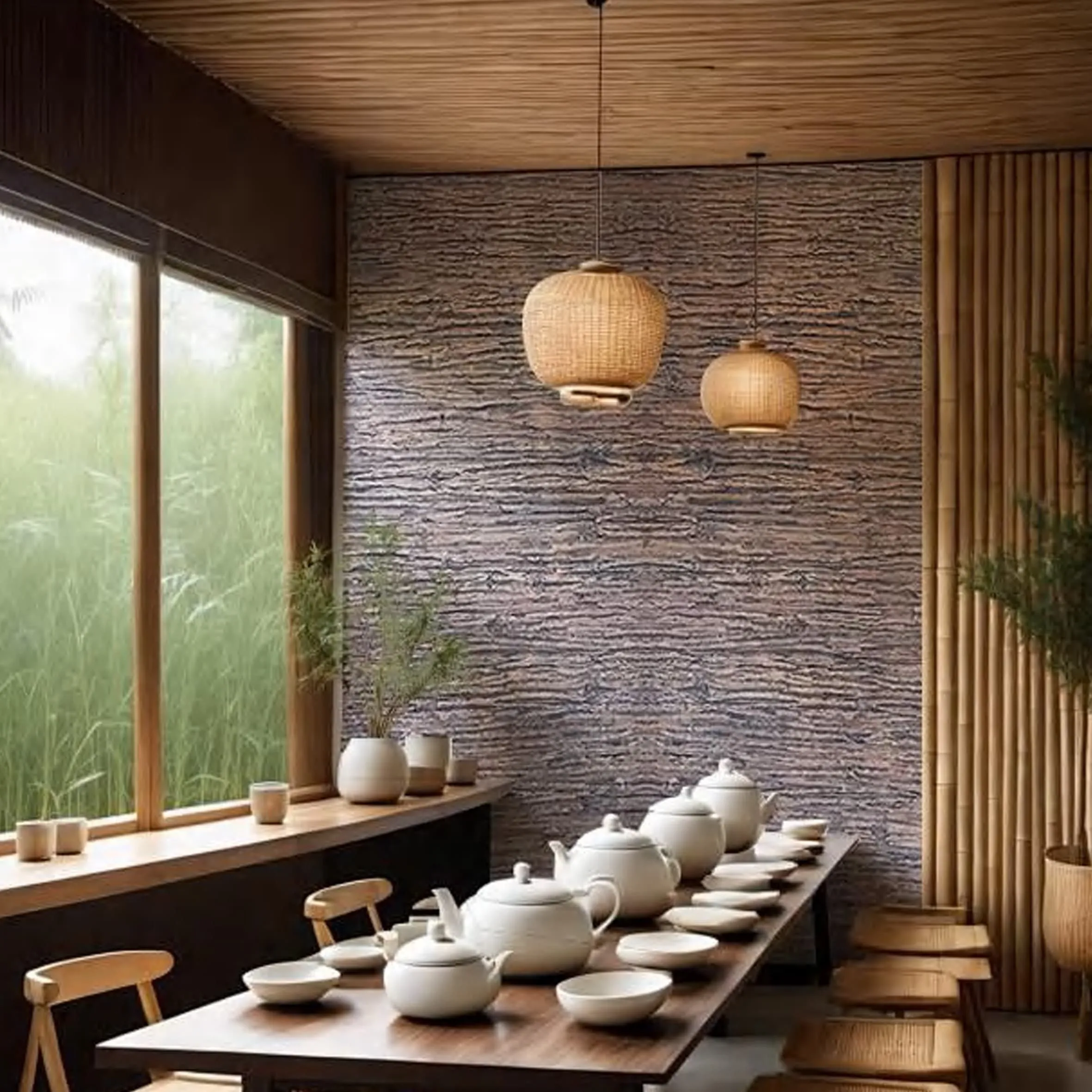
Let's really zoom in on what the COLORIA GROUP MCM 3D Printing Series means for design possibilities. It's more than just a material; it's a design tool that empowers architects and designers in unprecedented ways. When you're dreaming up a project, sometimes the limits aren't your imagination, but the materials available and the methods to shape them. MCM 3D printing shatters those conventional limits.
Imagine a building facade that ripples like water, or an interior wall that mimics the intricate patterns of a coral reef, or even a custom-designed logo seamlessly integrated into the very texture of the material. With MCM 3D printing, these aren't just concepts on paper; they become tangible realities.
"The beauty of MCM 3D Printing lies in its ability to translate the abstract into the architectural, creating surfaces that are not just decorative, but truly expressive."
The essence of the COLORIA GROUP MCM 3D Printing Series is its capacity to turn digital designs into physical architectural elements with astonishing fidelity and efficiency. It's about custom solutions, not compromises. It's about creating spaces that are not just functional but are also works of art, reflecting the unique vision of the designer and the identity of the project.
In today's world, no discussion about building materials is complete without a deep dive into sustainability and environmental impact. Both pine bark board and our MCM products have their claims to fame here, but they approach it from different angles. At COLORIA GROUP, our commitment to green, eco-friendly practices is fundamental to our identity as a one-stop solution provider.
Pine bark board, being a natural product, often scores high on the sustainability front. It's derived from a renewable resource (pine trees), and if sourced from sustainably managed forests, it can have a relatively low carbon footprint. Using bark, which is often a byproduct of the timber industry, can also be seen as upcycling waste, reducing the amount sent to landfills.
However, it's important to consider the entire lifecycle: the energy used in processing, transportation, and any chemical treatments applied to enhance its durability (like fire retardants or anti-pest treatments). These factors can sometimes diminish its overall "green" score.
Our MCM products, including the MCM 3D Printing Series , are designed from the ground up with sustainability in mind. We're talking about a sophisticated material that balances performance with planetary responsibility.
COLORIA GROUP's commitment extends beyond just the product. We aim to be a one-stop solution provider that not only offers high-quality materials but also provides comprehensive services that consider the environmental impact throughout the project lifecycle. This includes guiding clients on sustainable design choices and material selection.
Let's move from theory to practical application. Where would you actually see these materials making a difference? Both pine bark board and COLORIA GROUP MCM 3D Printing Series have distinct roles, but it's the latter that truly pushes the boundaries of what's achievable in complex, large-scale projects.
You'd typically find pine bark board in projects aiming for a very specific design narrative:
The keyword here is 'aesthetic appeal' within specific, often interior, contexts where its natural limitations are less critical.
The scope for our MCM 3D Printing Series is vast and ever-expanding. It's perfect for projects that demand high impact, unique identity, and superior performance. As a one-stop solution provider, COLORIA GROUP sees this series as central to our offerings for visionary architects and developers.
The beauty of our MCM materials, especially the 3D Printing Series, is that they offer the look and feel of premium materials like natural stone or concrete, but with added benefits: flexibility, lighter weight, ease of installation, and environmental advantages. This makes them ideal for large-scale **residential and commercial projects** where both aesthetics and performance are paramount. We're talking about projects that not only need to look good but need to last, perform under various conditions (especially critical in regions like Saudi Arabia where we have a strong presence), and contribute positively to sustainable building practices.
As we wrap up our detailed comparison, it's crucial to reiterate COLORIA GROUP's position in this exciting landscape of architectural materials. We're not just selling products; we're providing a comprehensive service as a **one-stop solution provider**. This means we're with you from concept to completion, helping you navigate the choices, understand the technicalities, and ensure your project achieves its full potential.
Our decades of industry experience, coupled with our global reach and local presence (like our agencies in Saudi Arabia), equip us to handle diverse project requirements. We understand the nuances of various climates, architectural styles, and regulatory environments. When you partner with COLORIA GROUP, you're not just getting a material; you're gaining access to expertise, innovation, and a commitment to quality that underpins every product in our MCM series.
Whether you're an architect pushing the boundaries of design, a developer seeking durable and beautiful materials, or a homeowner aspiring for a truly unique space, COLORIA GROUP is here to turn your vision into a stunning reality. We invite you to explore the vast potential of our **MCM series products**, especially the revolutionary MCM 3D Printing Series, and discover how we can help you build the future, today.
In conclusion, while pine bark board offers a charming, natural appeal for specific design niches, the COLORIA GROUP MCM 3D Printing Series represents the cutting edge of architectural material innovation. It's a material that liberates designers from traditional constraints, offering unparalleled **customization** and **design freedom** without compromising on performance or environmental responsibility.
As the demand for unique, sustainable, and high-performance materials continues to grow in both **residential and commercial projects**, the choice becomes clear for those looking to make a significant impact. With our MCM 3D Printing Series, you're not just choosing a building material; you're choosing a partner in innovation, a commitment to sustainability, and the power to bring truly extraordinary architectural visions to life. We believe in building not just structures, but legacies, and our MCM 3D Printing Series is designed to do just that – offering enduring beauty and functionality for generations to come.
Recommend Products











