
Walk into any well-designed space—whether it's a cozy café with warm, wood-look walls or a sleek office with industrial-chic cladding—and you'll notice something fundamental: the building materials chosen aren't just structural. They tell a story, set a mood, and bridge the gap between function and beauty. In today's market, two materials stand out for their ability to balance durability with design versatility: poly wood board and fiber cement. Both have earned their place in architects' and homeowners' toolkits, but how do they stack up when it comes to strength, flexibility, and real-world application? Let's dive in.
First, let's talk about poly wood board—a material that feels like a love letter to natural wood, minus the headaches of traditional timber. If you've ever admired a deck that looks like it's made of aged oak but hasn't warped after a rainy season, or a kitchen backsplash with the warmth of pine that resists stains from tomato sauce, chances are you've encountered poly wood. But what exactly is it?
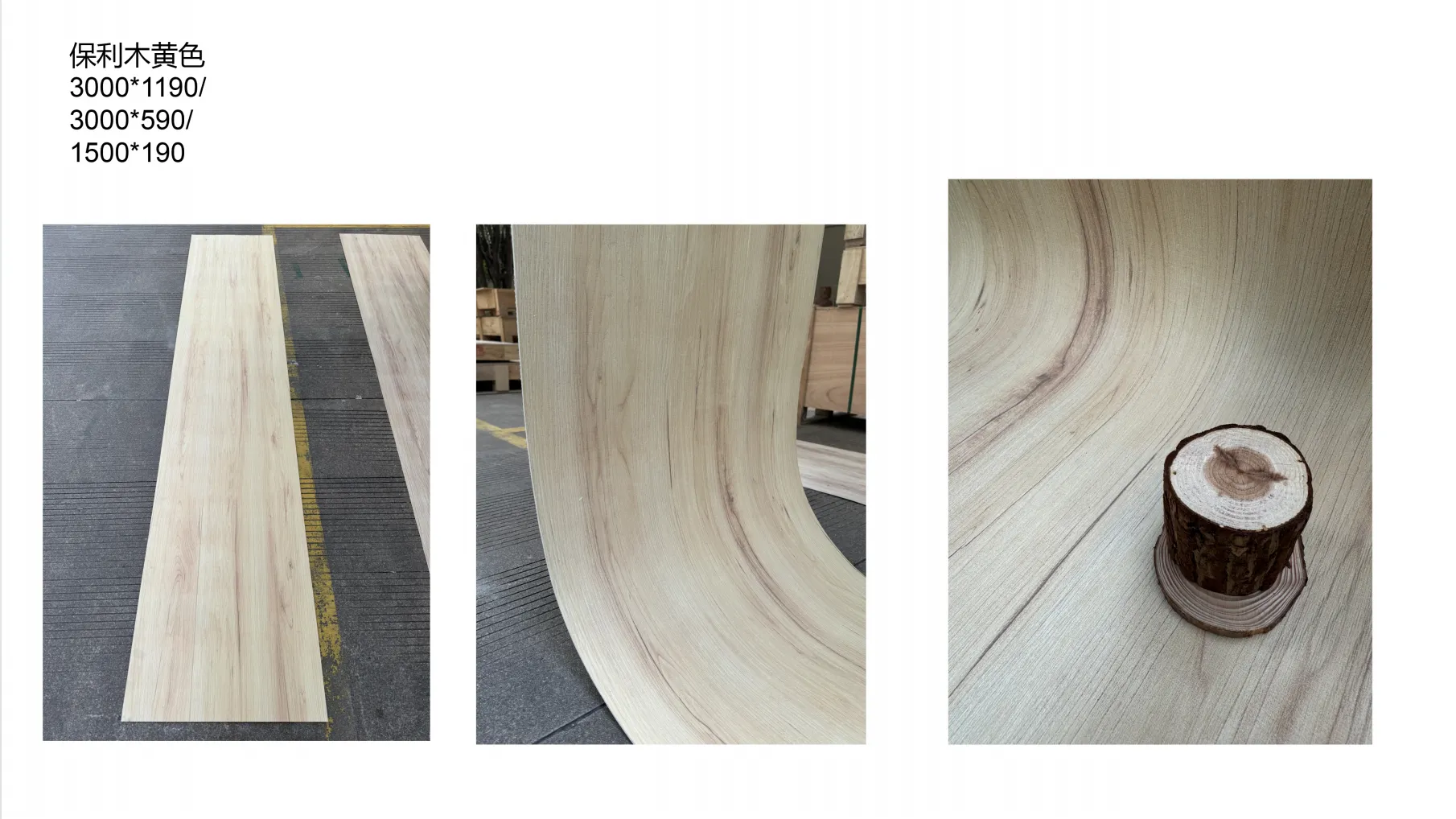
Poly wood board is a composite material, typically blending recycled wood fibers, plastic polymers, and additives that boost performance. Think of it as wood's more resilient cousin: it takes the visual charm of wood grain board —those subtle knots, grains, and textures that make wood feel alive—and wraps it in a shell of durability. This composition gives it a unique set of strengths that make it a standout in both indoor and outdoor settings.
When we say "strength," we're not just talking about how much weight a board can hold (though it does that well). We're talking about longevity. Traditional wood is prone to rot, termites, and fading; poly wood laughs in the face of those issues. Leave a poly wood board outside for a decade, and it won't splinter from freeze-thaw cycles or turn gray from UV exposure. It's moisture-resistant, so bathrooms, pool areas, and coastal homes—places where humidity is a constant battle—are ideal for it. Even in commercial spaces like restaurants, where spills and heavy foot traffic are daily occurrences, poly wood holds up without needing constant refinishing.
Another unsung strength? Low maintenance. Unlike real wood, which demands annual sealing or staining, poly wood just needs an occasional wipe-down with soap and water. No sanding, no repainting, no worrying about mold growth in damp corners. For busy homeowners or facility managers, that's a game-changer.
Flexibility in building materials isn't just about physical bendability (though poly wood does have some give, making it easier to install around curves). It's about design freedom. Poly wood board comes in a range of colors, textures, and profiles—from smooth planks that mimic polished teak to rough-sawn styles that evoke a rustic cabin. Want to clad a curved wall? Poly wood can be bent to fit, thanks to its composite makeup, without cracking. Need a custom color to match a brand's palette? Manufacturers can tint it to order, something natural wood struggles with without compromising its integrity.
This flexibility extends to applications, too. It's not just for decks or siding. Poly wood board shines as furniture—think outdoor dining sets that stay looking new for years—or as accent walls in living rooms, adding warmth without the fire risk of real wood. Some designers even use it for ceiling panels, creating depth and texture in spaces that might otherwise feel flat. It's a material that adapts to the vision, not the other way around.
If poly wood board is the creative chameleon, fiber cement is the reliable workhorse. You've probably seen it without realizing it: the siding on a suburban home that's survived a wildfire, the trim on a hospital that resists mold, or the exterior of a school that looks crisp even after years of harsh winters. Fiber cement is (understated) but mighty, and its reputation is built on one thing: resilience.
Composed of cement, sand, cellulose fibers, and water, fiber cement is a mix of old-world materials (cement) and modern engineering (cellulose fibers add tensile strength). It's dense, rigid, and built to handle the kind of abuse that would make other materials crumble. But don't let its tough exterior fool you—there's more to it than just brute force.
Fire resistance is where fiber cement truly shines. Unlike wood (or even some composites), it doesn't burn. In fact, it's often used in fire-prone areas as a protective barrier, giving homeowners peace of mind. Moisture resistance is another superpower. Bathrooms, basements, and coastal regions? Fiber cement laughs off humidity, preventing the rot and mildew that plague other materials. It's also termite-proof—no need for toxic treatments here. And when it comes to weather, it's a trooper: hailstorms, high winds, and extreme temperature swings barely leave a mark. If you want a material that outlives the house itself, fiber cement is a strong contender.
Now, flexibility might not be the first word that comes to mind with fiber cement. It's stiffer than poly wood, which means it's not great for curved surfaces. But that rigidity is a strength in its own right. It provides a flat, stable base for cladding, siding, or flooring, making it ideal for large, uniform surfaces. And while it might not bend, it's surprisingly versatile in terms of aesthetics. Manufacturers can emboss it to look like wood, stone, or even fair-faced concrete —that raw, industrial look that's so popular in modern design. You can paint it any color, and unlike wood, the paint adheres for years without peeling. So while it's not as malleable as poly wood, it offers a different kind of flexibility: the ability to mimic high-end materials at a fraction of the cost and maintenance.
Take, for example, a commercial building aiming for the sleek, minimalist vibe of fair-faced concrete . Fiber cement panels can replicate that smooth, gray finish without the weight and cost of real concrete. Or a home that wants the charm of redwood siding but needs fire resistance—fiber cement can mimic the wood grain, minus the fire risk. It's a shape-shifter in terms of style, even if it's not a shape-shifter in terms of physical form.
To really see how these two stack up, let's put them head-to-head. The table below compares key factors like durability, design options, maintenance, and ideal uses—so you can get a clear picture of which material might be right for your project.
| Feature | Poly Wood Board | Fiber Cement |
|---|---|---|
| Composition | Recycled wood fibers + plastic polymers | Cement + sand + cellulose fibers |
| Durability | Resists rot, pests, UV fading; lasts 20-30 years | Fire-resistant, moisture-proof, termite-proof; lasts 50+ years |
| Flexibility (Physical) | Bendable for curved surfaces; lightweight | Rigid; best for flat, straight applications |
| Aesthetic Options | Mimics wood grain board ; wide range of colors/textures | Embossed to look like wood, stone, or fair-faced concrete ; paintable |
| Maintenance | Low: occasional soap-and-water cleaning | Moderate: repainting every 10-15 years |
| Weight | Lightweight (easy to install) | Heavy (requires sturdy support) |
| Ideal Uses | Decks, furniture, accent walls, outdoor cladding | Siding, roofing, fire-rated walls, high-moisture areas |
Of course, building materials rarely work alone. The magic often happens when they're paired with others—like flexible stone , fair-faced concrete , or even natural stone—to create layered, dynamic spaces. Let's explore how poly wood board and fiber cement complement these materials, expanding their design potential.
Flexible stone is a marvel in its own right—thin, lightweight, and able to conform to curved surfaces, making it perfect for accent walls or backsplashes. When paired with poly wood board, the result is a space that feels both organic and modern. Imagine a kitchen where the lower cabinets are wrapped in poly wood (mimicking oak) and the backsplash is flexible stone in a soft travertine finish. The wood adds warmth, the stone adds texture, and together they create a balance of cozy and refined. Or an outdoor patio: poly wood decking underfoot, flexible stone cladding on the outdoor kitchen island. The poly wood stands up to rain and foot traffic, while the flexible stone adds a touch of luxury without the weight of real stone.
Fair-faced concrete is all about raw, unpolished beauty—the kind of material that makes a warehouse conversion feel like a high-end loft. When combined with fiber cement, it amplifies that industrial vibe while adding practicality. Picture a commercial lobby with fair-faced concrete floors and fiber cement walls embossed to look like weathered concrete. The fiber cement adds texture (those subtle lines and grains) that flat concrete can't match, and it's easier to install on walls than real concrete. Or a home exterior: fiber cement siding in a deep gray, paired with fair-faced concrete accents around the entryway. The fiber cement resists the elements, while the concrete adds a bold, sculptural element. Together, they're a match made in modern design heaven.
At the end of the day, there's no "better" material—only the right material for the job. Here's a quick guide to help you decide:
And remember: there's no rule that says you have to pick one! Many projects thrive on mixing materials. A restaurant might use poly wood for the bar top (warm, easy to clean) and fiber cement for the walls (fire-resistant, industrial-chic). A home could have fiber cement siding for durability and poly wood accents on the porch railings for warmth. The key is to balance function and aesthetics, letting each material shine where it does best.
Poly wood board and fiber cement are more than just building materials—they're tools that let us create spaces that feel intentional. Whether you're drawn to the warm, wood-like charm of poly wood or the rugged reliability of fiber cement, both materials prove that you don't have to sacrifice beauty for durability. And when paired with complementary materials like wood grain board , fair-faced concrete , or flexible stone , they open up a world of design possibilities.
So the next time you're planning a project—whether it's a tiny backyard upgrade or a large commercial build—take a moment to consider not just what the material is, but what it can do. Because the best spaces aren't just built with materials; they're built with intention. And with poly wood board and fiber cement in your toolkit, you've got everything you need to build something that lasts—both in strength and in style.
Recommend Products












