
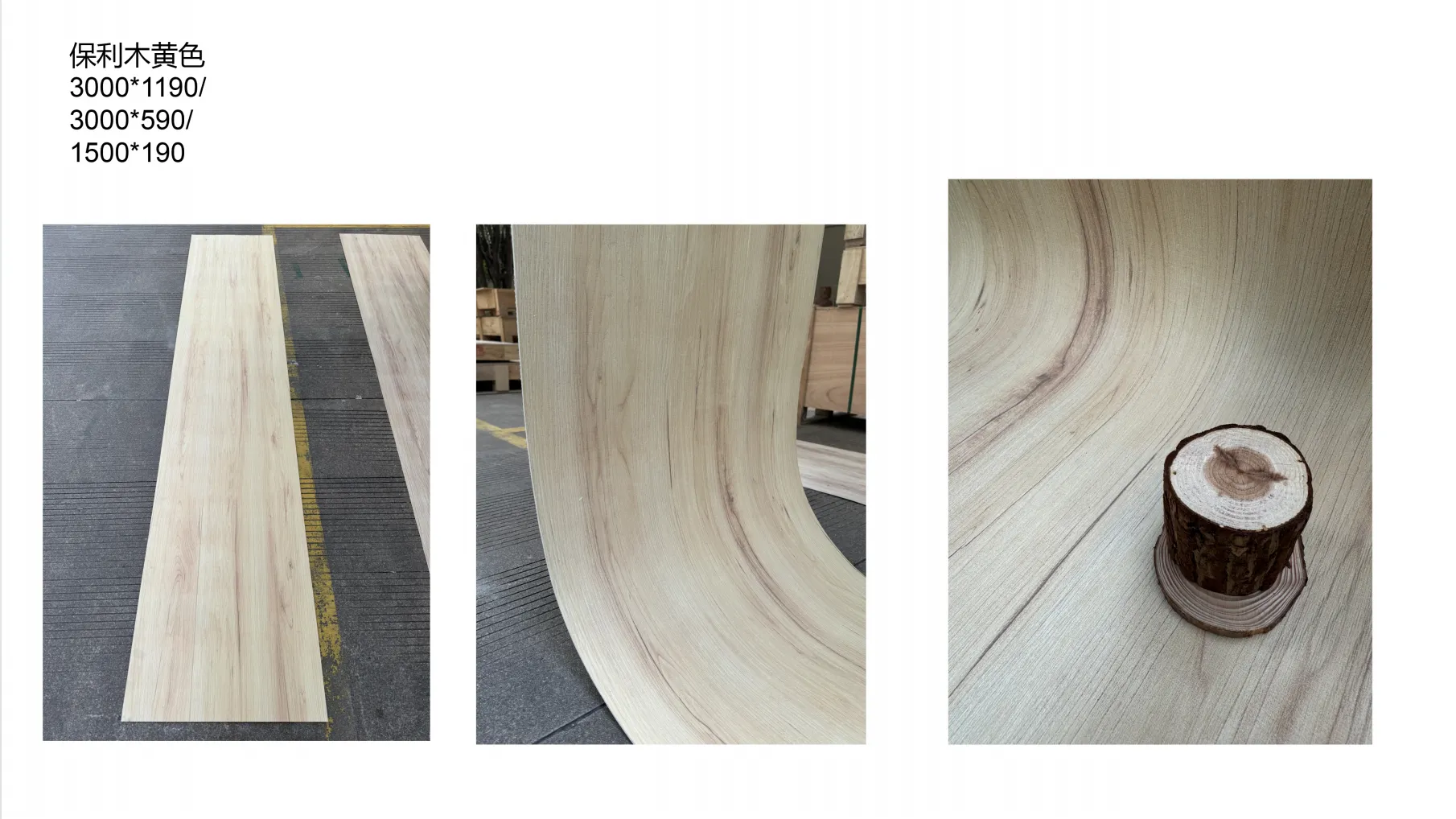
When you're knee-deep in planning a construction or renovation project, the phrase "sticking to the budget" can feel like a moving target. Between labor costs, permits, and unexpected hiccups, every decision—especially about materials—carries weight. If you've started researching durable, low-maintenance options, you've probably stumbled across poly wood board. It's praised for its resilience and eco-friendly edge, but how does it actually fit into your budget? Let's break down the numbers, compare it to similar materials like wood concrete board and fair-faced concrete, and help you make a choice that balances quality and cost.
First things first: Let's get clear on what poly wood board is. Unlike traditional lumber, it's a composite material made by blending recycled plastic (think milk jugs, soda bottles) with wood fibers or sawdust. The result? A material that borrows the best of both worlds— the look and feel of wood, with the weather resistance and longevity of plastic. Contractors and DIYers love it for decks, fencing, outdoor furniture, and even accent walls, thanks to perks like:
But here's the question that matters for your budget: All these benefits sound great, but does poly wood board come with a premium price tag? Let's dig in.
To really understand poly wood board's value, we need to compare it to other materials you might be considering. Let's pit it against two popular alternatives: wood concrete board and fair-faced concrete. Both are known for durability, but their costs and use cases vary—so knowing the differences can save you from overspending on features you don't need.
Wood concrete board (or wood-cement board) is a mix of wood fibers, cement, and additives. It's dense, strong, and often used for structural applications like flooring, wall sheathing, or siding. Its biggest draws are fire resistance and thermal insulation—handy for regions with extreme temperatures. But there's a catch: it's heavy. Installing it usually requires extra labor (and muscle), which can bump up project costs. Plus, while it's tough, it's not as flexible as poly wood, making it less ideal for curved designs or intricate details.
Fair-faced concrete (also called "architectural concrete") is exactly what it sounds like: concrete left exposed as the finished surface, prized for its raw, modern look. It's incredibly durable—think skyscrapers and bridges—but it's also a high-skill material. To get that smooth, uniform finish, contractors need specialized tools and expertise, which drives up labor costs. It's also prone to staining if not sealed properly, adding long-term maintenance expenses that poly wood board avoids.
Key Takeaway: Poly wood board sits in a sweet spot between these two. It's lighter and easier to install than wood concrete board, and more low-maintenance than fair-faced concrete—making it a budget-friendly pick for projects where labor and upkeep costs could otherwise spiral.
Like any material, poly wood board prices aren't one-size-fits-all. Several factors influence how much you'll pay, and knowing them can help you shop smarter. Let's break down the biggest variables:
Not all poly wood boards are created equal. Cheaper options might use lower-grade plastic (think brittle, quick-to-fade resins) or less wood fiber, leading to a product that cracks or discolors in a few years. Higher-quality boards, on the other hand, use UV-stabilized plastic and a balanced fiber-to-plastic ratio, which boosts longevity. You'll pay more upfront—sometimes 20-30% more—but you'll avoid replacing warped or faded boards down the line.
Poly wood boards come in standard sizes (4x8 feet is common) and thicknesses ranging from ½ inch to 2 inches. Thicker boards cost more—for example, a 1-inch thick 4x8 board might run $45-$60, while a ½-inch board could be $25-$35. Why? Thicker boards require more material and are often used for structural roles (like decking joists), where strength is non-negotiable. If you're using poly wood for a non-load-bearing project (say, a garden fence or accent wall), a thinner board could cut costs without sacrificing performance.
Big-name brands with a reputation for quality (think Trex or TimberTech) often charge a premium—sometimes 15-40% more than generic or local brands. Is the extra cost worth it? In many cases, yes: reputable brands back their products with longer warranties (20-25 years vs. 5-10 for budget brands) and consistent quality control. That said, local suppliers might offer better deals on bulk orders or custom cuts, so it pays to shop around.
Want your poly wood board in a specific color (navy blue, anyone?) or with a wood-grain texture? Customization adds cost. Standard colors (natural wood tones like cedar or oak) are usually the cheapest, while specialty hues or finishes (matte, high-gloss) can add $5-$15 per board. Embossed textures (like bamboo or weathered barnwood) also up the price, as they require specialized manufacturing processes.
To make this tangible, let's put poly wood board side-by-side with wood concrete board and fair-faced concrete. Prices below are average ranges for 4x8-foot boards (as of 2025) and are based on retail and wholesale quotes from suppliers in the U.S. and Europe.
| Material | Average Cost per 4x8 Board | Key Use Cases | Long-Term Maintenance Cost |
|---|---|---|---|
| Poly Wood Board (mid-grade) | $35 – $75 | Decks, fencing, outdoor furniture, accent walls | Low: Occasional cleaning; no staining/sealing |
| Wood Concrete Board | $40 – $85 | Flooring, wall sheathing, structural siding | Moderate: Sealing every 3-5 years to prevent moisture damage |
| Fair-Faced Concrete (prefabricated panels) | $80 – $150 | Exterior cladding, feature walls, high-end interiors | High: Sealing every 1-2 years; prone to staining |
Note: Prices exclude installation, which can add $2-$5 per square foot for poly wood board, $3-$7 for wood concrete board (due to weight), and $8-$15 for fair-faced concrete (due to specialized labor).
At a glance, poly wood board is more affordable than fair-faced concrete and competitive with wood concrete board—with the added bonus of lower maintenance costs. For budget-focused projects where long-term durability matters, it's hard to beat.
Now that you know what drives poly wood board prices, let's talk strategy. Here's how to stretch your budget without cutting corners:
Measure your project area twice, and add 10-15% extra to account for cuts, waste, or mistakes. Running short mid-project means rush shipping fees or last-minute supplier markups—both budget killers. For example, if your deck needs 200 square feet of poly wood, buy 220-230 square feet upfront.
Suppliers often discount bulk orders—think 5% off for 50+ boards, or 10% for 100+. If you're not in a hurry, shop in winter. Demand for outdoor materials drops, and suppliers may offer end-of-year sales to clear inventory. Just make sure you have a dry, covered space to store the boards until spring.
You don't have to use poly wood board everywhere. For example, use it for high-traffic areas (deck flooring) where durability is key, and pair it with cheaper materials (like pressure-treated pine for railings) in low-wear spots. This "hybrid" approach can slash costs without compromising on the parts that matter most.
Stick to standard colors and textures unless the custom look is critical to your project. A standard cedar-toned poly wood board will cost far less than a custom "ocean blue" one, and chances are, it will age better too (trendy colors fade; classic tones last).
Even with careful planning, it's easy to overspend. Watch out for these pitfalls:
At the end of the day, poly wood board isn't the cheapest material on the market—but it's one of the smartest. Its upfront cost is balanced by decades of low maintenance, durability, and versatility. When compared to wood concrete board (heavier, pricier installation) or fair-faced concrete (sky-high labor and upkeep costs), it's a clear winner for projects where budget and longevity go hand in hand.
Remember: The goal isn't just to save money today, but to avoid costly replacements tomorrow. By understanding what drives poly wood board prices, comparing it to alternatives, and planning carefully, you'll build a project that looks great, lasts long, and keeps your budget intact. Now go grab that tape measure—and happy building!
Recommend Products












