
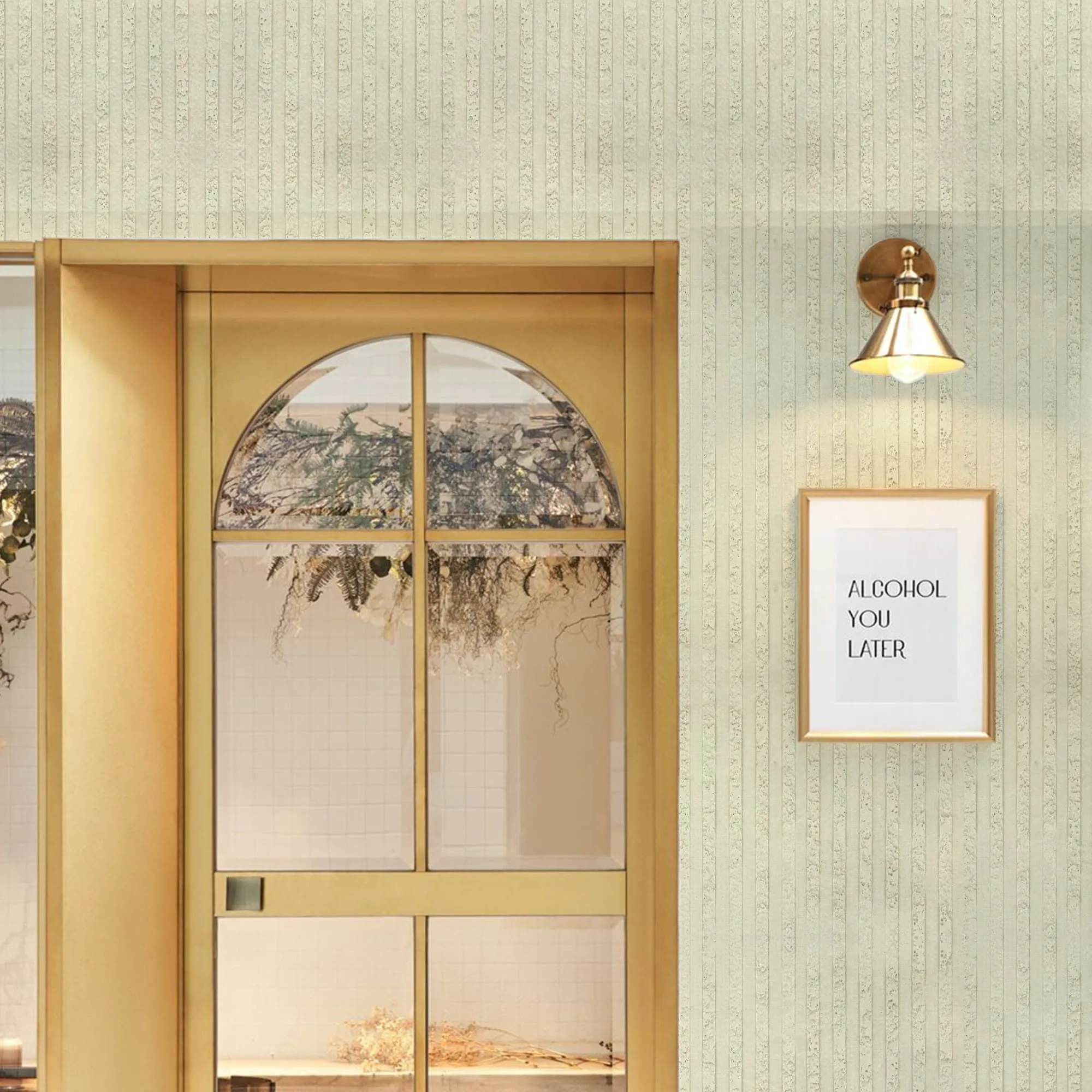
Ever stood admiring an ancient structure, marveled at its enduring beauty, yet noticed the subtle marks of time – a weathered facade, a stained surface, or cracks whispering tales of centuries of exposure? That's the story of natural stone, our historical pathfinder in construction. For millennia, it's been the go-to material, celebrated for its grandeur and unique character. But in our modern quest for more sustainable, durable, and less maintenance-intensive building solutions, we're constantly pushing boundaries. And that's exactly where COLORIA GROUP steps in, revolutionizing the field with innovative materials like our flagship product, the MCM Big Slab Board .
Today, we're going to dive deep into a crucial aspect that often dictates a material's longevity, aesthetics, and maintenance demands: porosity. We'll be putting the age-old charm of natural stone head-to-head with the cutting-edge performance of COLORIA's MCM Big Slab Board. It's not just about what looks good on day one, but what stands the test of time, weather, and daily wear and tear.
Before we pit these materials against each other, let's get a handle on what porosity actually means for a building material. Simply put, porosity refers to the amount of empty space, or pores, within a material. Think of a sponge – it's full of tiny holes that can absorb water. Building materials, even seemingly solid ones, are much the same, albeit with pores typically much smaller and less visible.
Why does this matter? Well, these tiny voids aren't just empty space; they're gateways. They allow liquids (like water, oil, cleaning solutions, or even pollutants) and gases to penetrate the material's surface, often reaching deep within its structure. The extent of this penetration, and its consequences, hinges on several factors:
High porosity, especially high open porosity, can lead to a host of headaches for building owners and maintenance teams. These include:
So, when we talk about porosity, we're not just discussing a scientific curiosity; we're talking about the very fabric of a building's performance, appearance, and the long-term investment it represents.
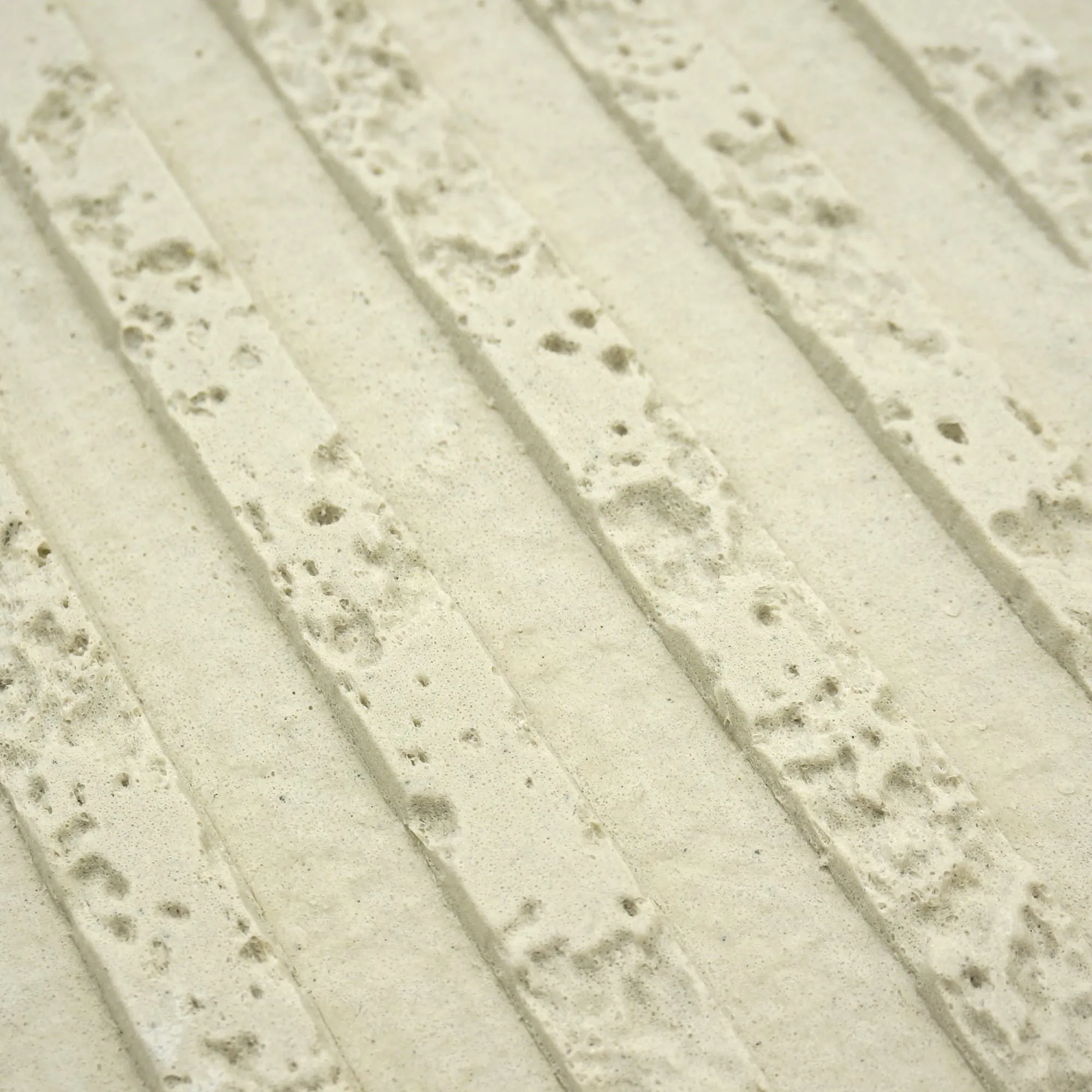
Natural stone, in all its majestic glory, has been humanity's foundational building material since time immemorial. From the Pyramids of Giza to the Roman Colosseum, from intricate Gothic cathedrals to stately modern mansions, stone evokes a sense of permanence, luxury, and unparalleled beauty. Each slab is a unique piece of art, showcasing patterns and colors forged over millions of years by geological forces. This inherent uniqueness, the tactile quality, and the sheer prestige associated with materials like marble, granite, travertine, and sandstone are undeniably powerful.
However, this natural wonder comes with an Achilles' heel: its inherent porosity. Natural stone is formed through various geological processes – intense heat, pressure, and chemical reactions. These processes, while creating stunning aesthetics, don't necessarily result in perfectly uniform, non-porous structures. Instead, most natural stones possess a network of pores and capillaries.
The inherent porosity of natural stone directly translates into significant challenges for homeowners and commercial project managers alike.
So, while we deeply respect the historical pathfinders for their contribution to architecture and their undeniable aesthetic appeal, we must also acknowledge their inherent limitations, particularly concerning porosity and its long-term implications for durability and maintenance. The quest for materials that offer similar aesthetic grandeur but with superior performance attributes has been a continuous journey.
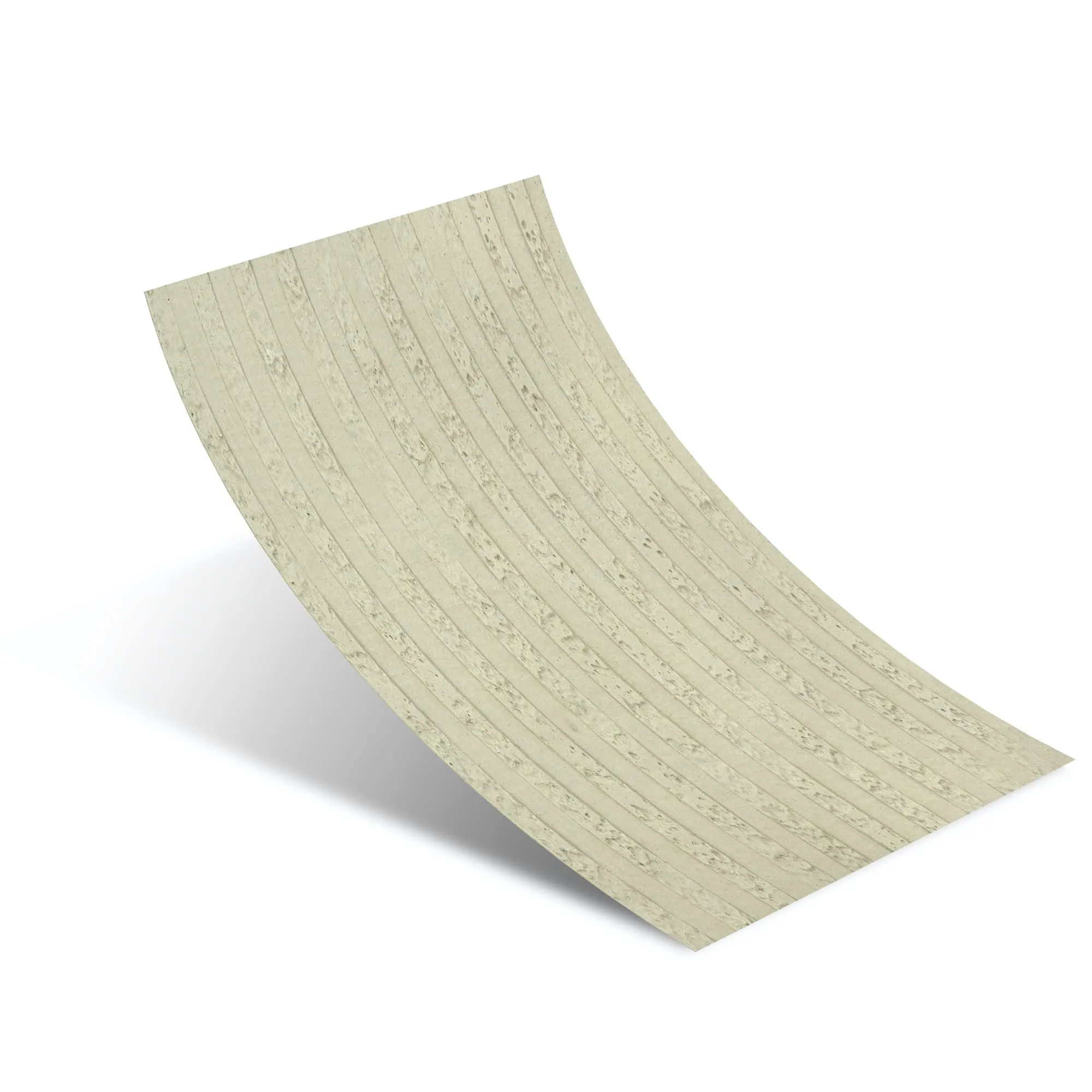
This brings us to the future: the COLORIA MCM Big Slab Board . As a leading one-stop solution provider in architectural materials, COLORIA GROUP has meticulously engineered this product to overcome the very challenges that have plagued natural stone for centuries, all while retaining and even enhancing its aesthetic versatility. Our MCM (Modified Cementitious Material) series, including the Big Slab Board, represents a paradigm shift in what's possible for both residential and commercial projects globally, especially with our strong presence and decades of experience, including in markets like Saudi Arabia.
The secret sauce is in the "MCM" – Modified Cementitious Material. Unlike natural stone, which is a product of geological chance, MCM is a triumph of materials science. It's a composite material primarily made from inorganic minerals, clay, quartz sand, and other raw materials, often sourced sustainably. These components are then combined with advanced polymer modifiers and other additives, undergoing a precise manufacturing process that includes high-pressure molding and low-temperature curing.
This sophisticated process is key to controlling the microstructure of the material. By carefully selecting particle sizes, optimizing binder ratios, and applying specific curing techniques, COLORIA GROUP is able to create a material with an exceptionally dense and homogeneous structure. The result? A drastically reduced pore volume and, critically, very low open porosity. This means fewer pathways for liquids and gases to penetrate, leading to superior performance characteristics.
When you choose the COLORIA MCM Big Slab Board , you're not just getting a beautiful surface; you're investing in unparalleled resilience and ease of living. Here's how its engineered low porosity translates into tangible benefits:
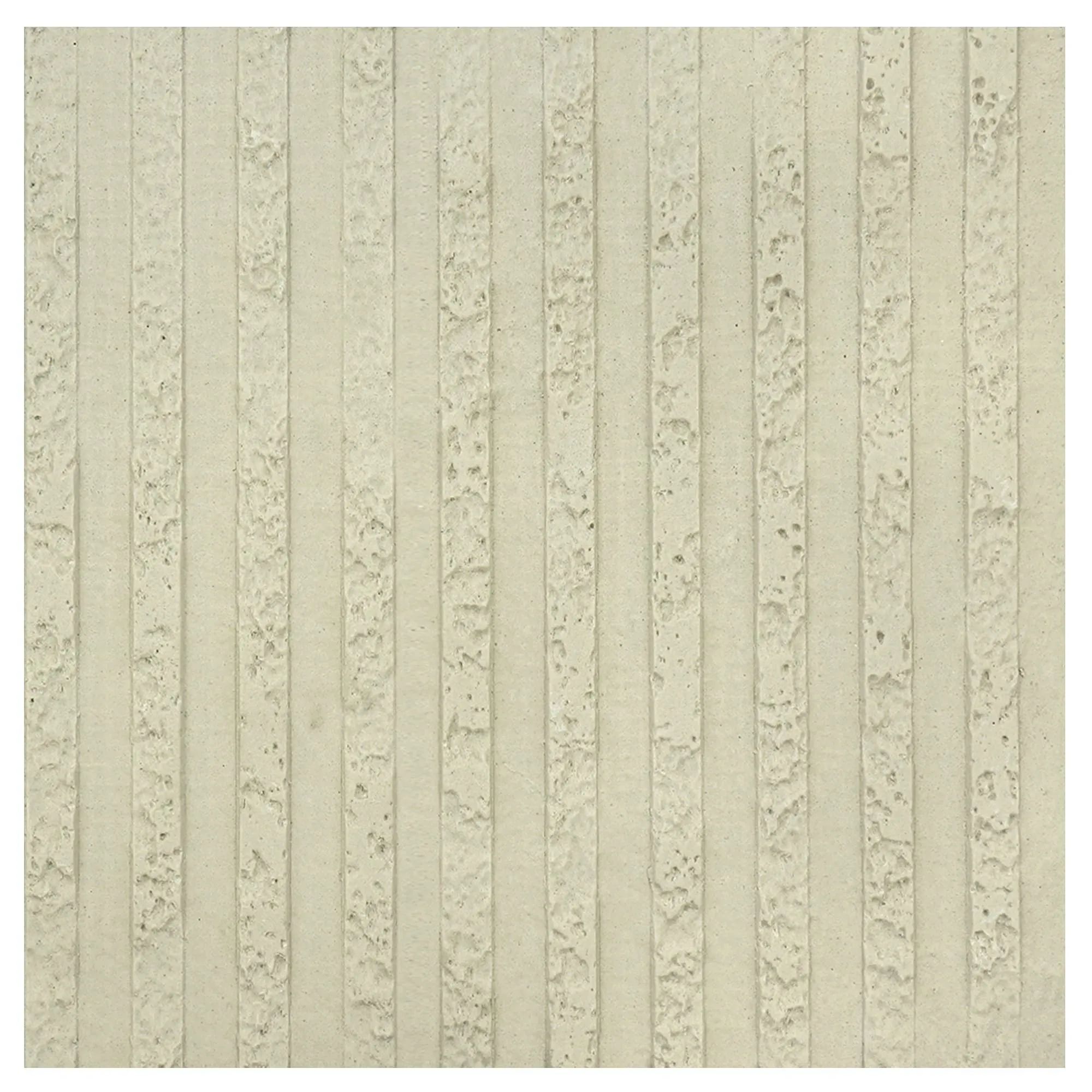
To truly grasp the significance of COLORIA MCM Big Slab Board's low porosity, let's look at a direct comparison with typical natural stones. Keep in mind that natural stone porosity varies wildly by type and even within different samples of the same type, making it inherently unpredictable. MCM, on the other hand, offers consistent, engineered performance.
| Feature/Characteristic | Historical Pathfinders Stone (e.g., Marble, Travertine, Sandstone) | COLORIA MCM Big Slab Board |
|---|---|---|
| Porosity Level | Highly variable, often high to very high (0.5% to 15%+ water absorption by weight for many types). Open, interconnected pores are common. (Granite generally lower, but still present) | Extremely low (typically < 0.2% water absorption by weight). Engineered for dense, homogeneous structure with minimal open porosity. |
| Stain Resistance | Poor to moderate. Highly susceptible to staining from oils, acids, pigments. Requires regular sealing. Stains often penetrate deep. | Excellent. Liquids bead on the surface; rarely stains. No sealing required. Easy wipe-clean maintenance. |
| Water Resistance | Moderate to poor. Absorbs water, leading to discoloration, efflorescence, and fostering mold/mildew. | Exceptional. Highly resistant to water absorption, making it ideal for wet areas and exterior applications. |
| Freeze-Thaw Resistance | Poor to moderate, especially for high-porosity types. Absorbed water can freeze, expand, and cause cracking, spalling, and degradation. Limited suitability in cold climates without extensive treatment. | Outstanding. Negligible water absorption prevents internal ice formation, rendering it impervious to freeze-thaw damage. Suitable for all climates. |
| Maintenance Requirements | High. Requires regular sealing, specialized cleaning products, and careful handling to prevent damage and maintain appearance. | Very Low. No sealing, simple cleaning with water and mild detergent. Resistant to most common household chemicals. |
| Hygienic Properties | Challenging. Pores can harbor bacteria, mold, and mildew, making thorough sanitation difficult in sensitive environments. | Superior. Non-porous surface inhibits microbial growth, contributing to a healthier and cleaner environment. |
| Chemical Resistance | Variable, often poor (especially for acidic substances on calcium-based stones). Can etch, corrode, or discolor. | High. Robust resistance to a wide range of chemicals, preserving surface integrity and color. |
| Long-term Appearance | Subject to weathering, staining, and erosion, which can alter original appearance significantly over time, especially outdoors. | Highly stable. Retains original color, texture, and structural integrity for decades, even in challenging environments. |
| Consistency & Predictability | Low. Natural variations in porosity, strength, and appearance. | High. Engineered for consistent performance and aesthetic quality across all batches. |
This table clearly illustrates why the COLORIA MCM Big Slab Board stands out as the superior choice for modern construction. While natural stone carries a certain historical charm, its inherent porosity presents ongoing challenges and liabilities. MCM, on the other hand, leverages advanced material science to deliver a product that not only rivals the beauty of natural stone but far surpasses it in terms of practical performance, durability, and ease of maintenance.
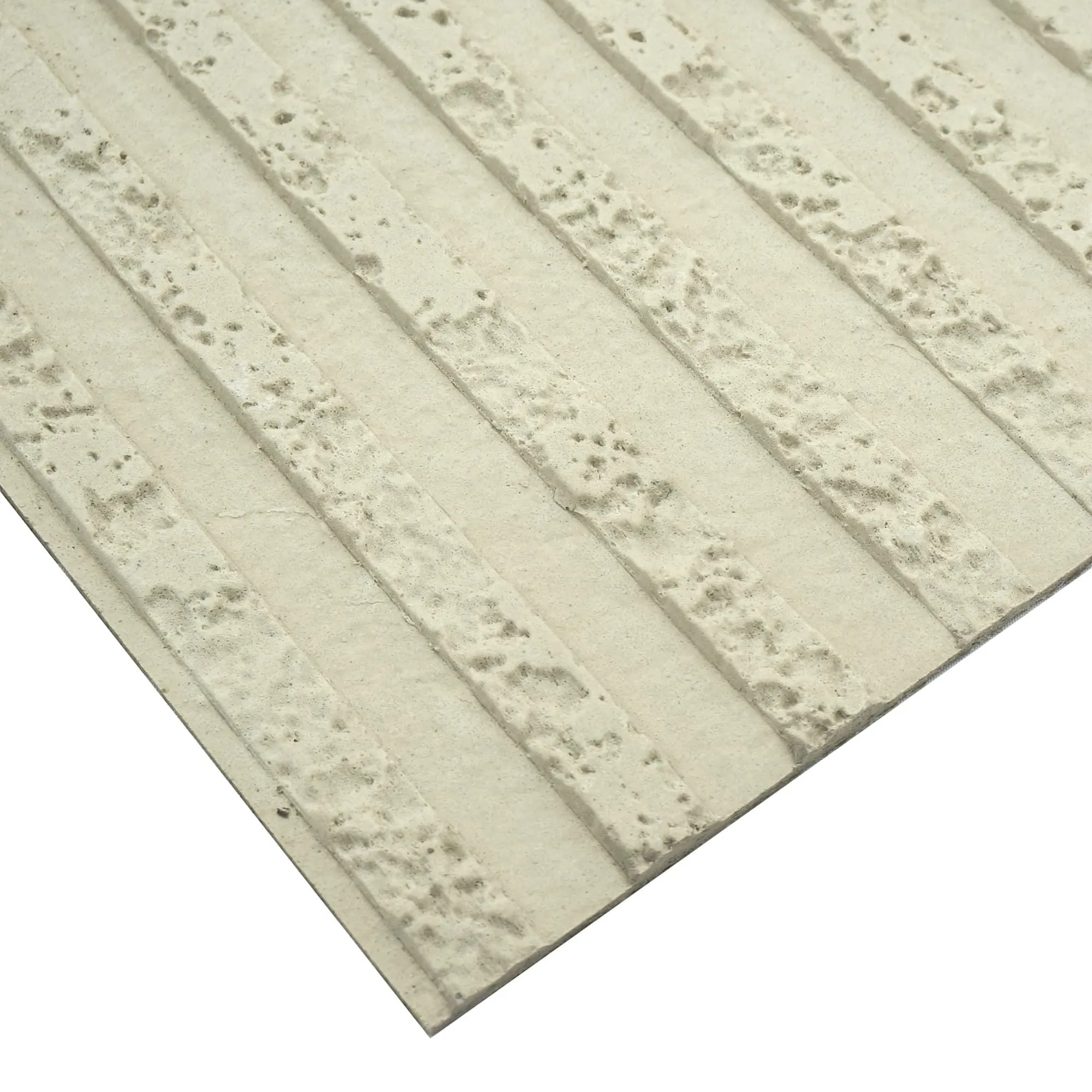
While porosity is a critical factor, the advantages of COLORIA MCM Big Slab Board extend far beyond just being non-absorbent. As a comprehensive one-stop solution provider , COLORIA GROUP aims to deliver holistic value.
One of the most exciting aspects of MCM technology is its incredible design flexibility. Unlike natural stone, which offers limited variations based on geological formations, MCM can be engineered to achieve virtually any aesthetic.
This versatility makes our MCM Big Slab Board an invaluable asset for architects and interior designers, enabling them to bring the most ambitious visions to life with confidence.
In today's world, the environmental impact of building materials is a paramount concern. The COLORIA MCM Big Slab Board is inherently an environmentally friendly choice.
Choosing COLORIA MCM Big Slab Board means making a responsible choice for the planet, without compromising on quality or aesthetics.
While the initial cost of some natural stones might seem comparable, the long-term cost of ownership for COLORIA MCM Big Slab Board proves to be significantly lower.
At COLORIA GROUP, we pride ourselves on being more than just a material supplier. We are a dedicated one-stop solution provider for high-quality interior and exterior decoration materials . Our extensive experience, particularly in global markets like Saudi Arabia, means we understand the diverse needs of residential and commercial projects.
From the initial design consultation to material selection, customization, and after-sales support, our team is committed to ensuring your project's success. We believe in building lasting relationships with our clients by offering not just products, but comprehensive expertise and unwavering support. When you choose COLORIA, you're choosing a partner dedicated to innovation, quality, and your project's long-term success.
In the grand narrative of architectural materials, natural stone will forever hold its revered place as a historical pathfinder. Its beauty and legacy are undeniable. However, as our understanding of material science advances and our demands for performance, sustainability, and ease of maintenance grow, the limitations imposed by its inherent porosity become increasingly apparent.
The COLORIA MCM Big Slab Board doesn't merely emulate natural stone; it evolves it. By meticulously engineering a material with drastically reduced porosity, we have not only overcome the age-old challenges of staining, water absorption, and weathering but have also unlocked a new realm of design possibilities, sustainability, and long-term value. For architects, developers, and homeowners seeking materials that combine breathtaking aesthetics with uncompromising performance and genuine environmentally friendly credentials, the choice is clear.
Step into the future of building materials with COLORIA GROUP. Experience the confidence that comes from choosing a product that is not just beautiful, but intelligent – engineered to last, designed to inspire, and built for a better tomorrow.
Whether you're planning a residential renovation, a large-scale commercial development, or an ambitious architectural masterpiece, our MCM Big Slab Board offers the resilience, versatility, and elegance that your project deserves. Explore the difference that truly engineered quality can make.
Recommend Products












