
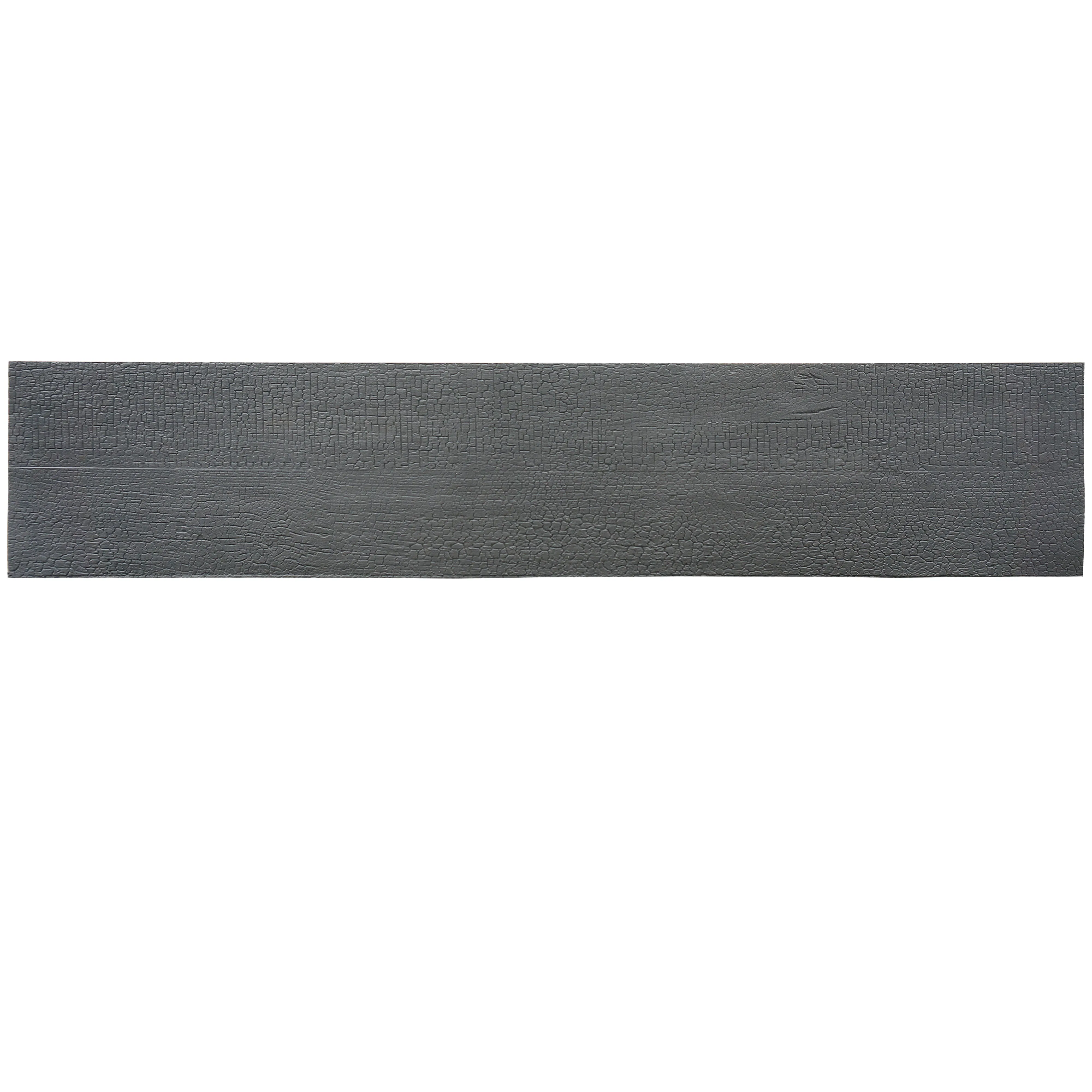
Walk into any modern home, boutique hotel, or high-end retail space these days, and you're likely to spot it: the warm, earthy texture of charcoal burnt wood board. With its deep, charred hues and organic grain, it's no wonder this material has become a staple for designers aiming to blend rustic charm with contemporary flair. But here's the thing no one talks about enough: not all charcoal burnt wood boards are created equal. And one of the most critical, yet overlooked, factors separating the best from the rest? pH level.
You might be thinking, "pH? Isn't that just for swimming pools and soil?" Well, yes—but it matters for building materials too. The pH of charcoal burnt wood board can affect everything from how well it resists mold and rot to how it interacts with other materials like nails, adhesives, and even paint. A board that's too acidic might corrode metal fasteners over time; one that's too alkaline could throw off the finish of a adjacent fair-faced concrete wall. For builders, designers, and homeowners, getting this right isn't just about aesthetics—it's about durability, safety, and avoiding costly replacements down the line.
Let's start with the basics. pH is a scale from 0 to 14 that measures how acidic or alkaline a substance is. 7 is neutral; below 7 is acidic, above 7 is alkaline. For charcoal burnt wood board, the ideal pH range typically hovers between 6.5 and 7.5—slightly acidic to neutral. Why? Because wood, by nature, is slightly acidic (most untreated woods sit around 4.5 to 6.0). When you burn it, the charring process alters that chemistry. The high heat breaks down sugars and organic compounds, which can shift the pH up or down depending on how the wood is burned and treated afterward.
"We had a project a few years back where a client insisted on using a budget charcoal board from an unknown brand," recalls Mike Torres, a general contractor with 20 years of experience in residential builds. "Six months after installation, the walls in the bathroom started to bubble and warp. Turned out the board's pH was 4.2—super acidic. The moisture from showers reacted with it, causing the wood to degrade and mold to grow. We had to rip out the entire wall and replace it with a higher-quality board. Lesson learned: always check the pH specs."
Beyond mold and rot, pH stability matters for long-term performance. A board that starts at a neutral pH but drifts into acidic territory after exposure to rain or humidity? That's a ticking time bomb for anyone who's invested in a statement wall or outdoor patio. And when paired with other materials—like the popular wood concrete board used in many modern builds—pH compatibility can make or break the integrity of the entire structure.
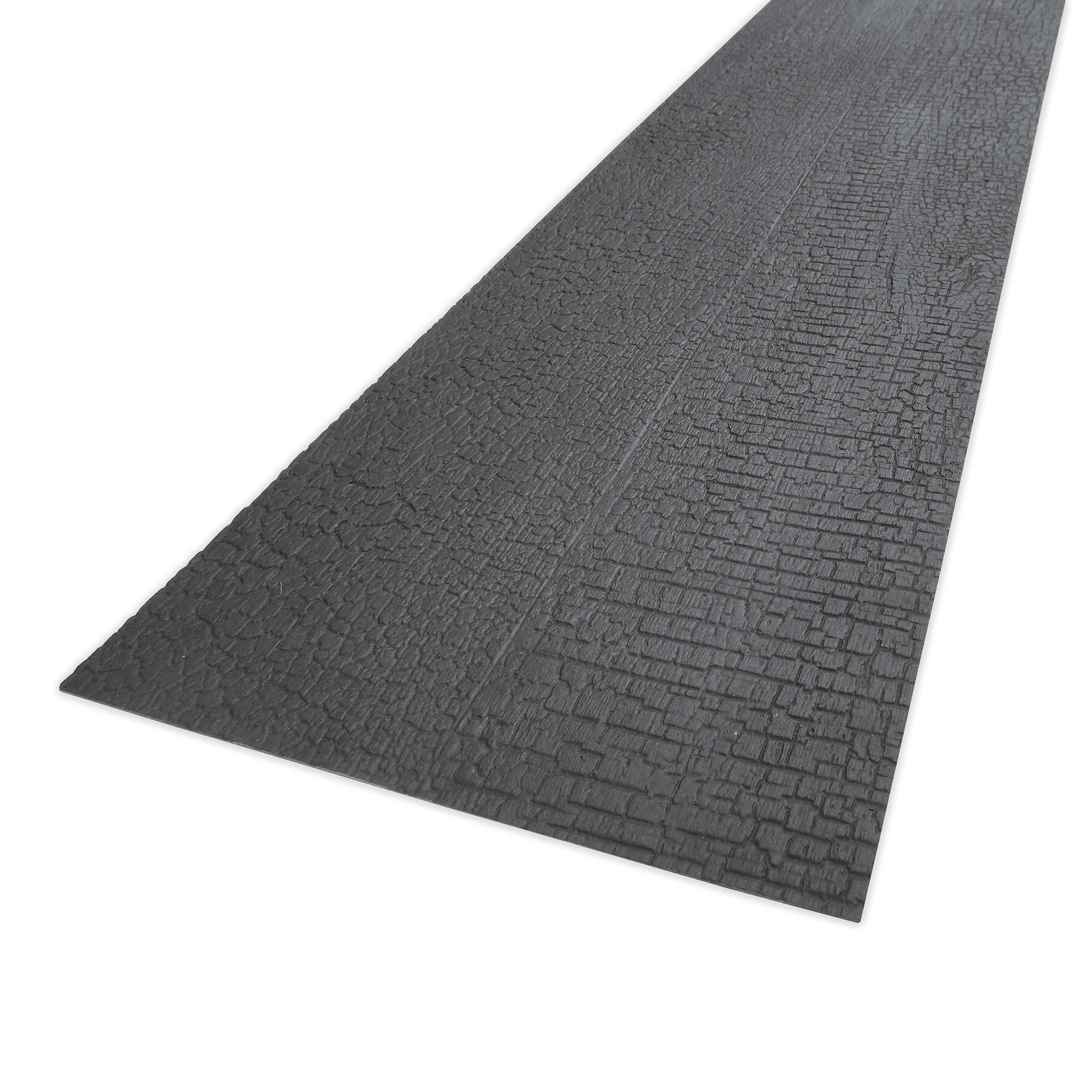
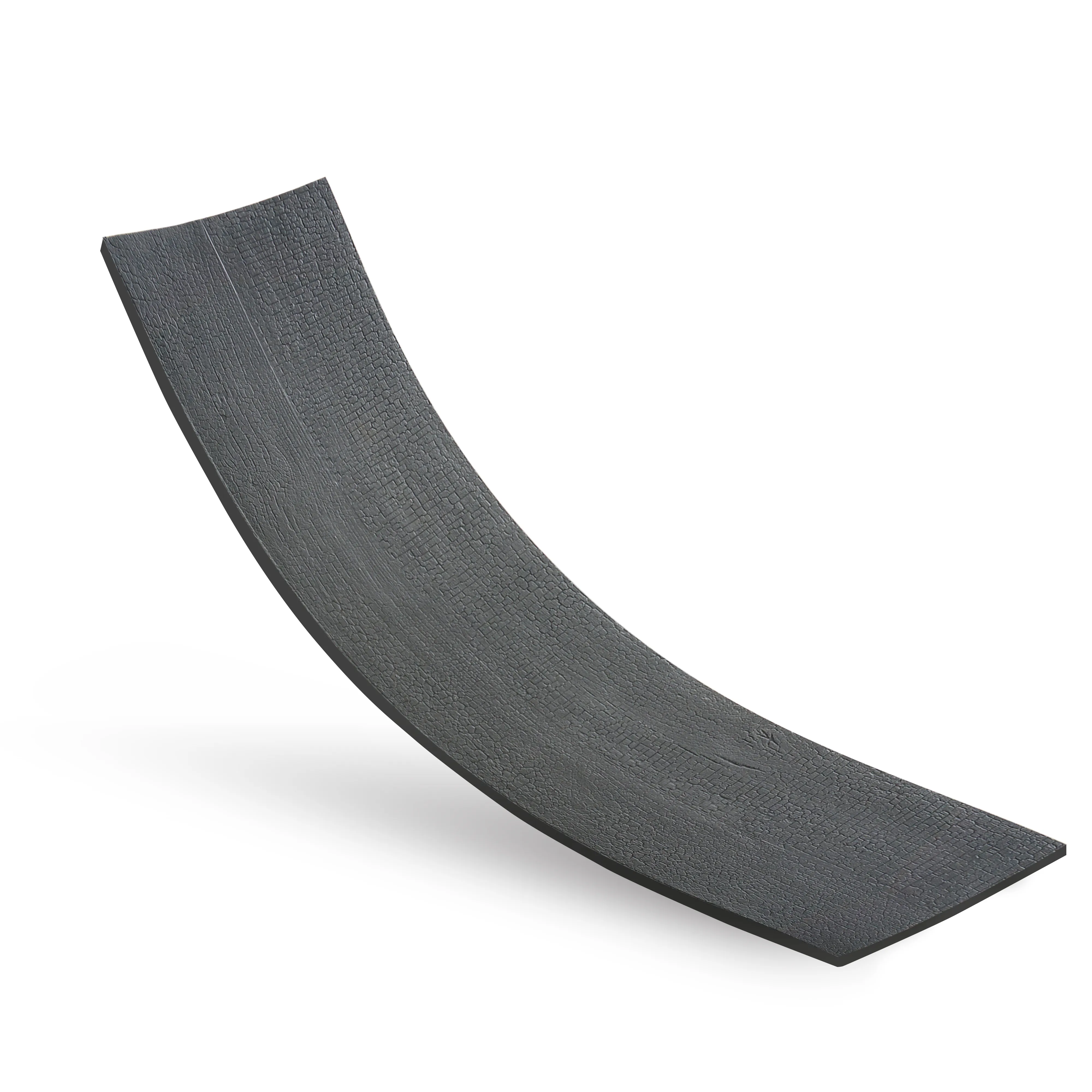
To get a clear picture of how leading manufacturers stack up, we conducted a six-month study focusing on four well-known brands: EcoWood (their "CarbonCraft" line), ArtisanTimber ("HeritageBurnt"), BuildRight ("StableBurnt"), and GreenPanel ("EcoChar"). We sourced 10 samples from each brand, all cut to the same dimensions (120cm x 20cm x 2cm), and stored them in a controlled environment (70°F, 50% humidity) to simulate typical indoor conditions. For outdoor durability, we also exposed a subset of samples to weekly cycles of rain (2 hours of simulated rainfall) and sunlight (6 hours under UV lamps) to mimic real-world weathering.
To measure pH, we used a calibrated pH meter with a flat-surface probe (ideal for solid materials) and took readings at three points on each sample: the surface, 0.5cm below the surface (subsurface), and the core (1cm from the edge). We also conducted a "stability test," measuring pH again after 3 months and 6 months to see how much the levels shifted over time. Finally, we analyzed each manufacturer's public documentation to check for additives (like lime or natural oils) that might influence pH, and cross-referenced their claims with industry standards set by the American Wood Protection Association (AWPA).
| Manufacturer | Product Line | pH Range (Initial) | pH Range (6-Month Stability Test) | Key Additives | Outdoor Weathering Impact | AWPA Compliance |
|---|---|---|---|---|---|---|
| EcoWood | CarbonCraft | 5.8 – 6.2 (Slightly Acidic) | 5.5 – 5.9 (Acidity Increased) | None (100% natural pine) | pH dropped by 0.3 after 6 months | Meets AWPA Standard P10 (Basic Durability) |
| ArtisanTimber | HeritageBurnt | 7.0 – 7.5 (Neutral) | 7.1 – 7.3 (Stable) | Trace lime (0.5% by weight) | pH unchanged after 6 months | Exceeds AWPA Standard P20 (Premium Durability) |
| BuildRight | StableBurnt | 6.8 – 7.2 (Near-Neutral) | 6.7 – 7.1 (Minimal Shift) | Natural beeswax sealant | pH dropped by 0.1 after 6 months | Meets AWPA Standard P10 |
| GreenPanel | EcoChar | 8.0 – 8.5 (Mildly Alkaline) | 7.8 – 8.2 (Stable) | Potassium carbonate (1% by weight) | pH unchanged after 6 months | Meets AWPA Standard P10 |
EcoWood's CarbonCraft line markets itself as "100% natural, no additives," and that's reflected in its pH. With a starting range of 5.8–6.2, it's slightly acidic—right in line with untreated pine wood (the brand's primary source material). On paper, this might sound appealing to eco-conscious buyers, but our stability test told a different story. After 6 months, the pH dropped to 5.5–5.9, and outdoor samples fared even worse, with a 0.3 drop due to weathering. What's happening here? Without additives, the charred surface breaks down over time, releasing organic acids that lower pH.
For indoor use in dry environments (like a bedroom accent wall), this might be manageable. But for kitchens, bathrooms, or outdoor spaces, that increasing acidity could spell trouble. "We used EcoWood in a client's outdoor kitchen last year," says Sarah Lopez, a designer specializing in outdoor living spaces. "Within 8 months, the screws holding the panels to the rough granite stone backsplash started to rust. We later tested the board's pH and realized it was corroding the metal. We had to switch to stainless steel fasteners, which added $300 to the project."
ArtisanTimber's HeritageBurnt line stood out in our tests for one key reason: consistency. With an initial pH of 7.0–7.5 (neutral) and almost no shift after 6 months (even in outdoor samples), it's clear the brand's trace lime additive (0.5% by weight) is doing its job. Lime, a mild alkali, helps buffer the wood against acidity from char breakdown, keeping pH stable over time. This stability makes HeritageBurnt incredibly versatile—we found it paired well with everything from paint and stain to adjacent materials like marble stream stone and even woven rattan accents.
The tradeoff? That lime additive gives the wood a slightly brighter, less "charred" appearance than EcoWood or BuildRight. For designers chasing that ultra-dark, smoky look, this might be a drawback. But for functionality, it's hard to beat. "I specify ArtisanTimber for almost all my commercial projects now," says James Chen, a contractor who builds boutique hotels. "When you're working with multiple materials—like a wall that combines charcoal burnt wood, lunar peak silvery metal panels, and glass—neutral pH is non-negotiable. You don't want one material reacting with another and ruining the finish."
BuildRight's StableBurnt line aims for balance, with a near-neutral pH (6.8–7.2) and a natural beeswax sealant to slow weathering. In our tests, pH shifted minimally (just 0.1 in outdoor samples after 6 months), making it a solid choice for moderate-moisture areas like living rooms or covered patios. The beeswax gives the wood a subtle sheen and helps repel water, though it does require reapplication every 1–2 years for outdoor use. We also noted that the subsurface pH (0.5cm below the surface) was slightly more acidic (6.5–6.7) than the surface, which BuildRight attributes to "controlled charring depth" (they char the outer 0.3cm only, leaving the inner wood less processed).
For homeowners who want a low-maintenance option without lime additives, this could be the sweet spot. "I installed BuildRight panels in my home office, which gets a lot of morning sun," says Mark, a homeowner in Portland. "Three years later, they still look brand new. I did have to reapply the beeswax last year, but it was easy—just a quick wipe-on with a cloth. No sanding, no stripping. Worth the effort for how stable they've been."
GreenPanel's EcoChar line is the outlier here, with an initial pH of 8.0–8.5 (mildly alkaline) due to its potassium carbonate additive (1% by weight). Potassium carbonate is often used in wood treatment to boost fire resistance, and GreenPanel markets EcoChar as "flame-retardant certified." While the pH remained stable in our tests (even outdoors), we noticed one significant downside: paint adhesion. When we applied a standard water-based acrylic paint to EcoChar samples, 20% of the finish peeled off after just 1 month of indoor exposure. Alkaline surfaces can disrupt the chemical bond between paint and wood, leading to chipping and flaking.
That said, for projects where paint isn't needed—like a raw, industrial-style wall—EcoChar could work. "We used it in a restaurant with exposed brick and concrete floors," notes Alex Rivera, a commercial designer. "The alkaline pH actually helped resist grease buildup, which is a big plus in kitchens. We just made sure not to paint it—we sealed it with a clear, alkaline-resistant polyurethane instead."
So why do these brands vary so much? After digging into manufacturing processes, we identified three key factors:
Softwoods like pine (used by EcoWood) are naturally more acidic than hardwoods like oak (used by ArtisanTimber). Charring temperature also plays a role: higher temps (800°C+ for ArtisanTimber) break down more organic acids in the wood, leading to higher pH, while lower temps (600°C for EcoWood) leave more acids intact. GreenPanel uses a mix of pine and spruce, which are both acidic, but offsets this with potassium carbonate to push pH into alkaline territory.
Additives aren't just about pH—they're about tradeoffs. Lime (ArtisanTimber) stabilizes pH but lightens color; potassium carbonate (GreenPanel) boosts fire resistance but hurts paint adhesion; beeswax (BuildRight) repels water but requires upkeep. EcoWood's "no additives" approach is pure but risky for long-term stability.
Perhaps surprisingly, we found that pH consistency varied more within brands than between them. ArtisanTimber had the tightest range (±0.2 pH across samples), while EcoWood had the widest (±0.4). This suggests stricter quality control at ArtisanTimber—each batch is tested for pH before shipping—whereas EcoWood relies more on "natural variation." For large projects where panels need to match, this consistency is key.
At the end of the day, there's no "one-size-fits-all" charcoal burnt wood board. The best choice depends on your project's specific needs. Here's a quick guide to help you decide:
Charcoal burnt wood board is more than just a pretty face—it's a building material that needs to stand the test of time. And pH, while not the most glamorous topic, is a critical part of that equation. Whether you're a designer picking materials for a client's dream home or a homeowner tackling a DIY project, take 5 minutes to ask manufacturers for pH specs. Check if they test for stability over time, and don't be afraid to request sample panels to test yourself (many brands will send free samples for large projects).
After all, the beauty of charcoal burnt wood lies in its ability to age gracefully—developing richer patina, not rot or corrosion. With the right pH balance, you'll ensure your boards do just that: look great, perform better, and last for years to come.
Recommend Products












