
If you've ever sat in a construction planning meeting, you know the tension: the design team is gushing over luxurious finishes, the budget team is clutching their spreadsheets, and somewhere in the middle, you're left wondering—*is there a material that checks both boxes?* For years, the industry has danced with this dilemma, often sacrificing long-term value for upfront savings or vice versa. But what if we told you there's a material that flips the script? Enter Rona Yellow MCM, a rising star in the world of construction cladding that's quietly redefining how we think about cost, durability, and design. Let's dive into why this material isn't just a pretty face—and how it could save you tens of thousands over the life of your project.
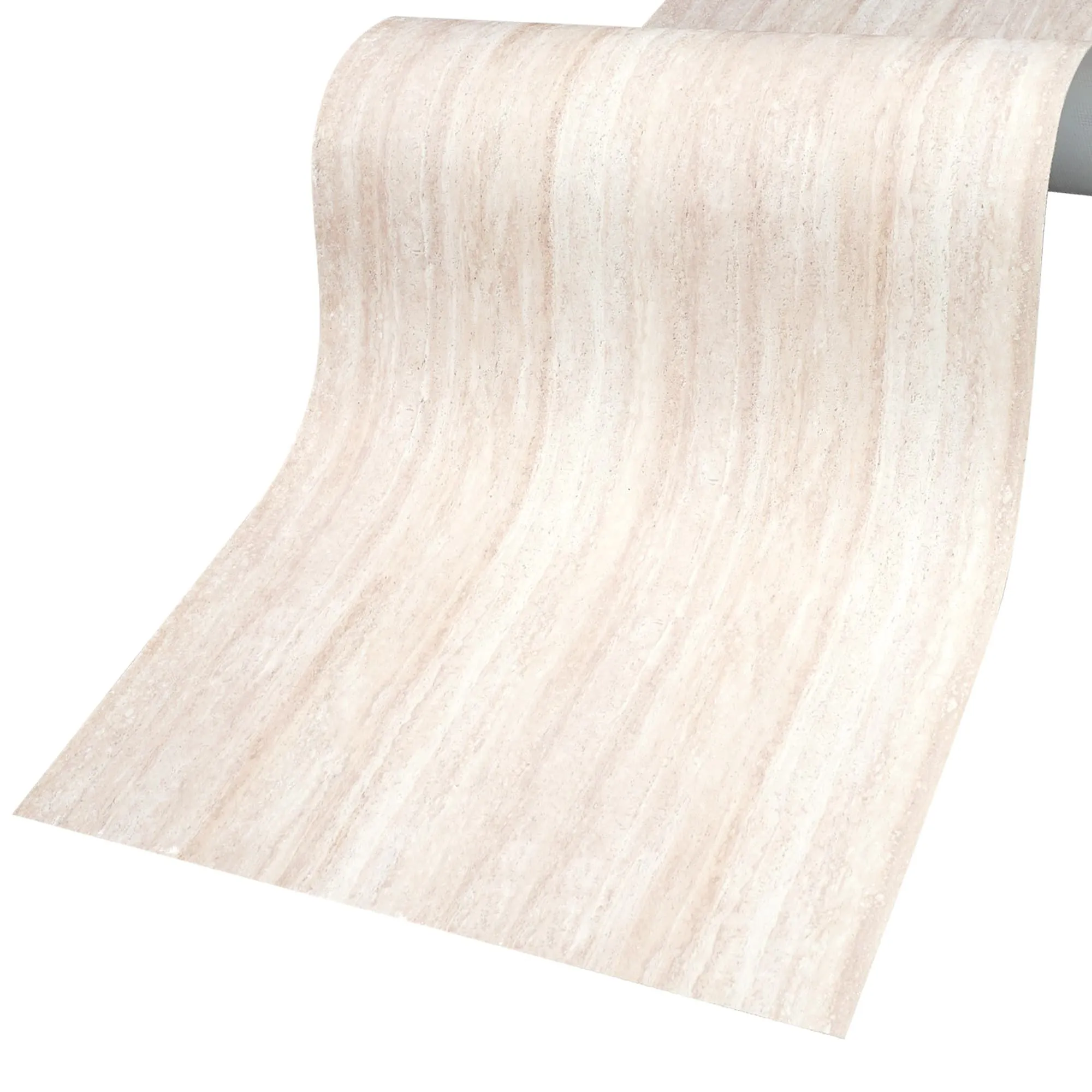
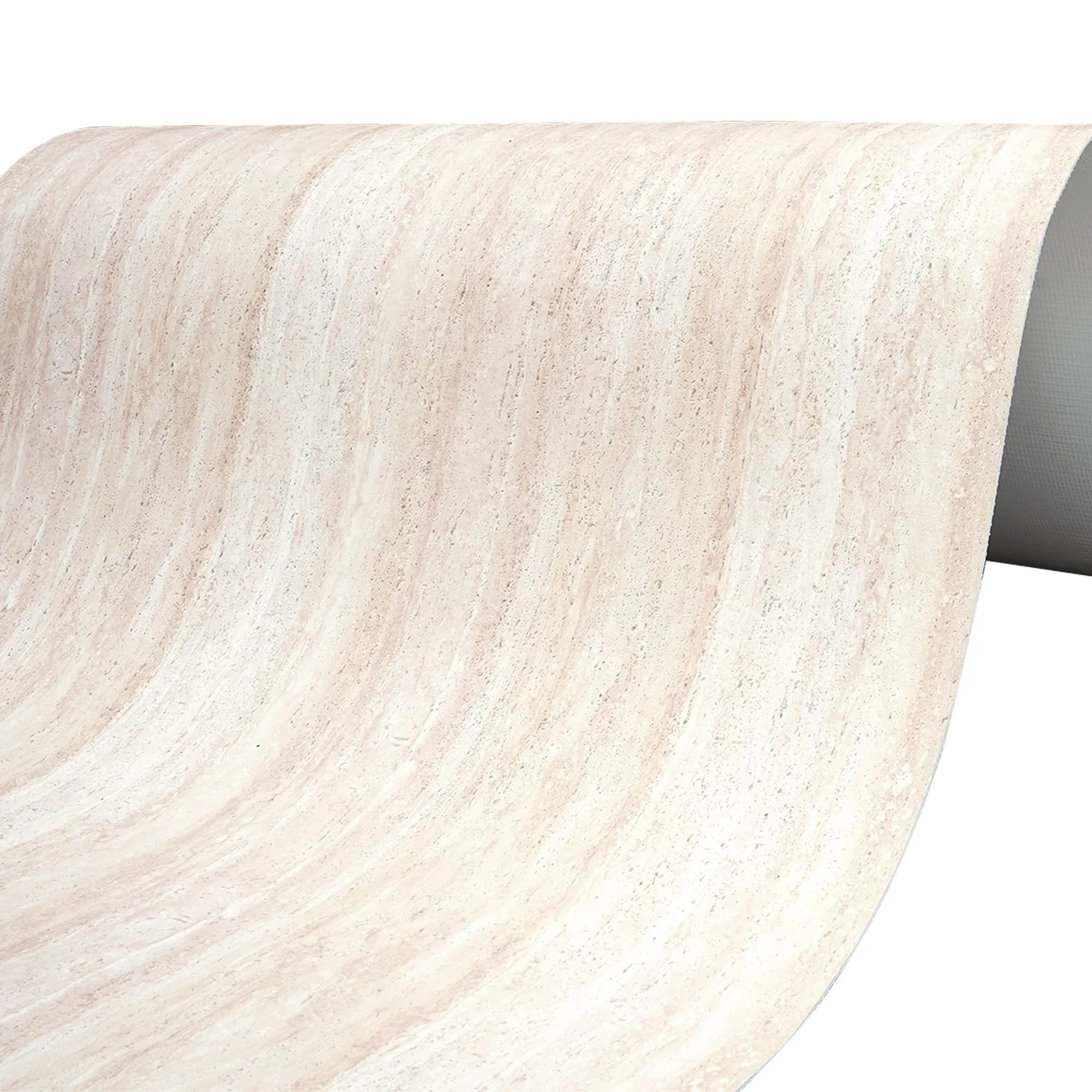
First things first: let's demystify the acronym. MCM stands for Modified Composite Material , a innovative blend of natural minerals (think marble dust, stone aggregates) and high-performance polymers. The result? A material that's lightweight (about 3-5kg per square meter—half the weight of traditional stone!), flexible enough to curve around architectural details, and tough as nails. If you've heard of MCM flexible stone , you're already in the loop—it's the same family, prized for its ability to mimic the look of natural stone without the hassle (or the heft).
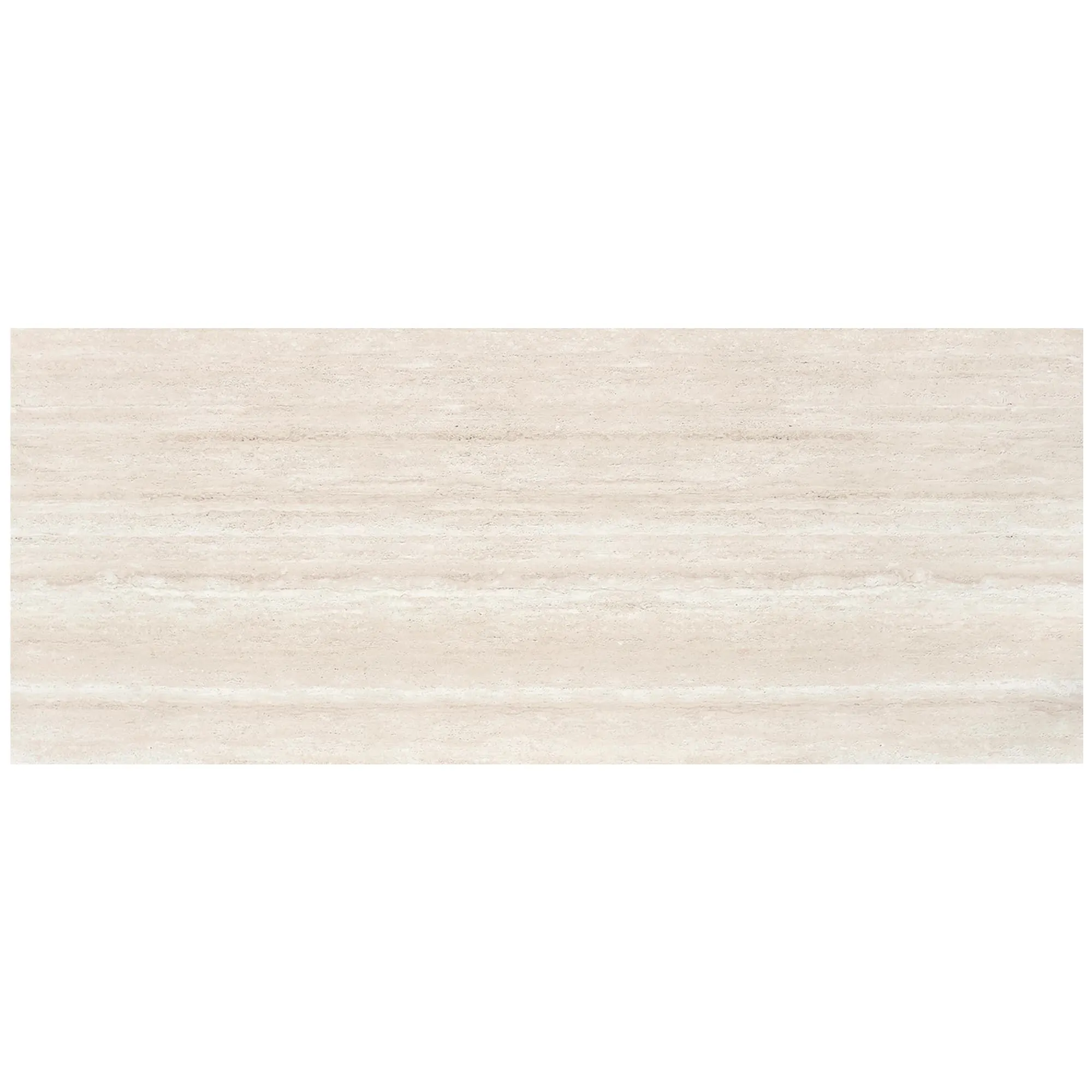
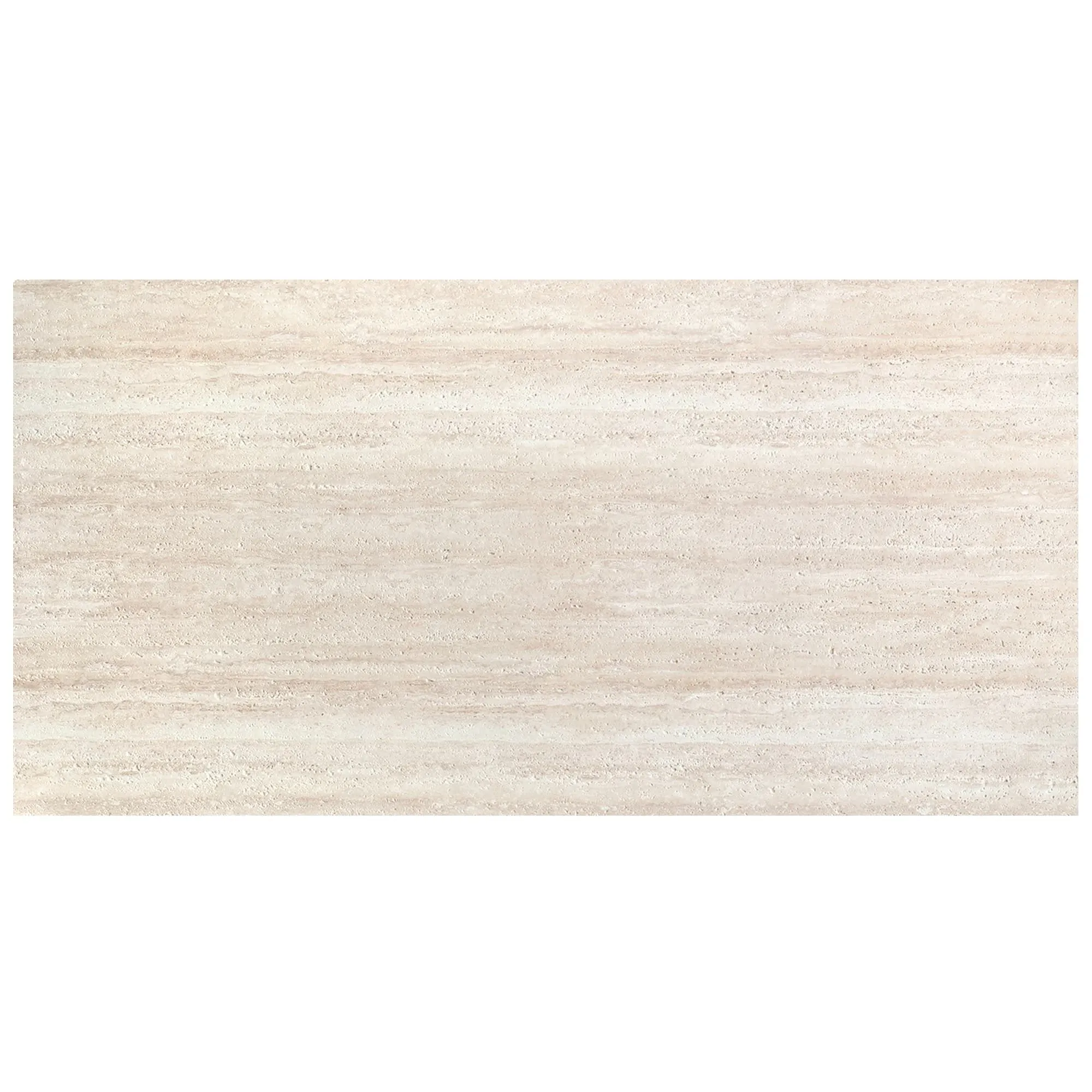
Rona Yellow MCM is a standout variant in this lineup. Picture warm, golden-yellow tones with subtle earthy undertones—think sunlight hitting a wheat field at dawn. It's versatile enough for modern commercial facades, boutique hotels, or even residential exteriors, adding a touch of warmth without feeling over-the-top. But here's the kicker: its beauty isn't skin-deep. Unlike some trendy materials that fade or crack after a few years, Rona Yellow MCM is built to last—and that longevity is where the real savings start.
Let's cut to the chase: when you first look at price tags, Rona Yellow MCM might not scream "budget-friendly." At around $45-60 per square meter (depending on supplier and order size), it's pricier than basic materials like fair-faced concrete ($30-40/sqm) but cheaper than high-end natural stones like travertine (beige) ($70-90/sqm). So why even consider it? Because construction costs aren't a one-and-done transaction. They're a marathon, not a sprint—and upfront savings can quickly evaporate when you factor in maintenance, repairs, and replacements down the line.
Take fair-faced concrete, for example. It's a staple in minimalist design, loved for its raw, industrial vibe. But anyone who's worked with it knows the catch: it's prone to cracking in extreme temperatures, and once it stains (hello, rainwater or bird droppings), those marks are stubborn. Fixing a cracked section? That's $200-300 per square meter in labor and materials. Travertine (beige), on the other hand, is a classic—elegant, timeless, but porous. Without regular sealing (every 1-2 years, at $150-200 per sqm), it soaks up moisture like a sponge, leading to discoloration and even mold. Suddenly, that "cheap" concrete or "luxurious" travertine starts looking a lot more expensive.
Rona Yellow MCM, by contrast, sits in that sweet spot. Its upfront cost is higher than concrete but lower than natural stone, and because it's lightweight, installation is faster and cheaper (less structural support needed, fewer labor hours). A contractor we spoke to recently noted that installing Rona Yellow MCM on a 5,000 sqm commercial facade took 3 weeks instead of the 5 weeks they'd budgeted for travertine—saving $12,000 in labor alone. That's the kind of "hidden discount" that never shows up in the initial quote.
Let's talk about lifespan—the elephant in the room when it comes to construction costs. A material that lasts 10 years vs. 50 years isn't just a difference in quality; it's a difference in *return on investment*. Rona Yellow MCM, thanks to its composite structure, is built to weather the storm—literally. It's resistant to UV rays (no fading in harsh sunlight), moisture (no warping or rotting), and even extreme temperatures (from -40°C to 80°C, which is music to the ears of builders in desert or polar climates).
Compare that to travertine (beige), a natural stone that's stunning but delicate. Travertine is porous by nature, so without that regular sealing we mentioned, it absorbs water, which freezes and expands in cold weather—hello, cracks. Most travertine facades need major restoration every 20-25 years, and full replacement by year 30. Fair-faced concrete fares a bit better, but it's still prone to spalling (surface flaking) and staining, with a typical lifespan of 30-40 years if well-maintained.
Rona Yellow MCM? Manufacturers back it with a 50-year warranty, but industry insiders estimate it could last 60+ years with basic care. Let that sink in: a material that outlives most mortgages, most business cycles, and maybe even your retirement. When you spread the initial cost over six decades, suddenly $50/sqm feels like a steal.
If you've ever owned a home with a natural stone patio, you know the drill: power washing, sealing, scrubbing, repeating. Maintenance isn't just a chore—it's a recurring expense that adds up fast. Let's break it down with real numbers. Suppose you have a 1,000 sqm facade. Here's what annual maintenance might cost for different materials:
Do the math: over 20 years, travertine costs $1.9 million in maintenance alone. Concrete? $420,000. Rona Yellow MCM? Just $100,000. That's a $1.8 million difference between travertine and MCM. Suddenly, that "expensive" upfront cost is looking like the best financial decision you'll make all project.
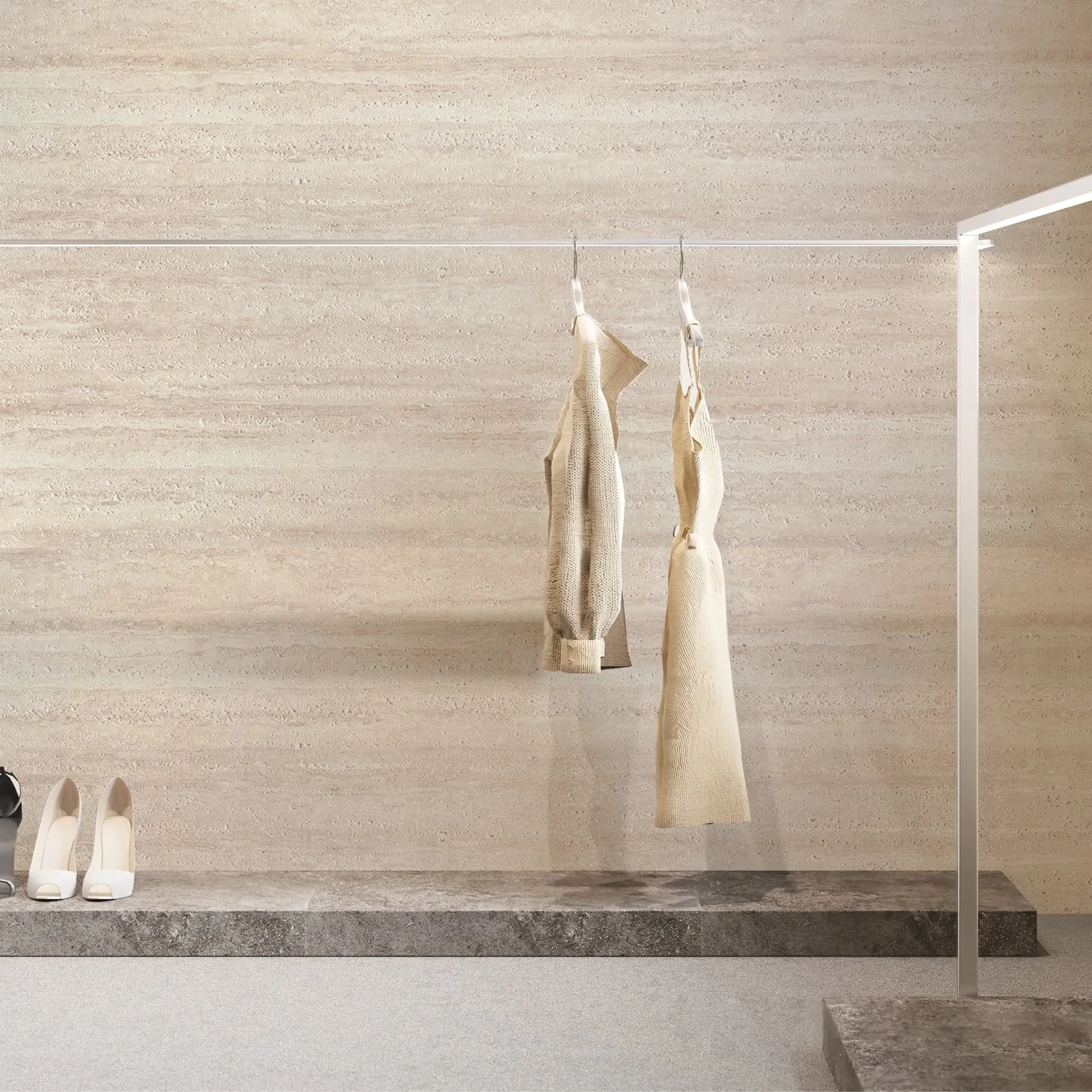
To really see the value, let's stack these materials up over a 20-year lifecycle—the average time most owners hold onto a commercial property. We'll include initial material and installation costs, annual maintenance, and even replacement costs if needed (spoiler: Rona Yellow MCM won't need replacing in 20 years, but others might).
| Material | Initial Cost (Material + Installation)* | Annual Maintenance Cost | Replacement Cost (20 Years?) | Total 20-Year Cost |
|---|---|---|---|---|
| Rona Yellow MCM | $80/sqm ($50 material + $30 installation) | $5/sqm | $0 (No replacement needed) | $180/sqm |
| Travertine (Beige) | $120/sqm ($90 material + $30 installation) | $95/sqm | $120/sqm (Partial replacement at year 20) | $3,120/sqm |
| Fair-Faced Concrete | $60/sqm ($40 material + $20 installation) | $21/sqm | $60/sqm (Repair at year 20) | $540/sqm |
| MCM Big Slab Board Series | $90/sqm ($60 material + $30 installation) | $5/sqm (Same as Rona Yellow MCM) | $0 (No replacement needed) | $190/sqm |
*Based on average 2025 market rates for 1,000+ sqm projects. Installation costs vary by region.
The table says it all: over 20 years, Rona Yellow MCM costs just $180 per square meter—less than a third of concrete and a tiny fraction of travertine. Even the MCM big slab board series , a larger-format option for faster installation, comes in at $190/sqm—still a fraction of the competition. When you scale this to a 10,000 sqm project, Rona Yellow MCM saves you $31.2 million compared to travertine. That's not just a saving—that's a game-changer for your bottom line.
Let's ground this in reality with a case study. In 2018, a luxury hotel chain in Dubai was choosing cladding for their new beachfront property. They narrowed it down to travertine (beige) and Rona Yellow MCM. The travertine bid was $1.2 million for materials and installation; Rona Yellow MCM came in at $800,000—$400,000 more upfront. The CFO was skeptical, but the project manager pushed for a lifecycle analysis.
Fast forward to 2025: six years later, the hotel's facade is still pristine. The Rona Yellow MCM has weathered Dubai's scorching sun and occasional sandstorms without fading. Meanwhile, a neighboring hotel that chose travertine has already spent $300,000 on sealing and repairs. By year 20, the Dubai hotel will have saved over $30 million in maintenance and replacement costs—all because they invested in Rona Yellow MCM upfront.
Another example: a residential developer in Arizona used Rona Yellow MCM for a 50-unit apartment complex. They initially faced pushback from investors who thought concrete was "cheaper." But when they showed the lifecycle numbers, the investors agreed to the switch. Today, the complex's exterior still looks brand-new, and the HOA fees are 30% lower than similar buildings with concrete facades—thanks to minimal maintenance costs. Tenants love the warm, inviting look of Rona Yellow, and resale values are 15% higher than the market average.
These days, sustainability isn't just a buzzword—it's a business imperative. Clients, tenants, and even governments are demanding eco-friendly buildings, and materials play a huge role. Rona Yellow MCM checks this box, too. It's made with recycled content (up to 30% post-consumer minerals), and its lightweight design reduces transportation emissions (fewer trucks needed to haul it to the site). Plus, since it lasts 60+ years, it cuts down on landfill waste from frequent replacements.
Compare that to travertine, which requires heavy mining and quarrying—processes that disrupt ecosystems and release significant CO2. Fair-faced concrete is better but still relies on cement, one of the most carbon-intensive materials on the planet. Choosing Rona Yellow MCM can help projects earn LEED points, which can lead to tax incentives, higher tenant retention, and a stronger brand reputation. In today's market, that's not just "green"—it's good business.
At the end of the day, construction isn't just about building walls—it's about building assets. And assets that lose value over time (thanks to high maintenance, frequent repairs, or early replacement) are liabilities in disguise. Rona Yellow MCM isn't just a material; it's an investment in long-term value, peace of mind, and design flexibility.
So the next time you're staring at a budget spreadsheet, remember: the cheapest option isn't always the best deal. Sometimes, paying a little more upfront saves you a fortune later. Rona Yellow MCM proves that—one square meter, one project, one 50-year warranty at a time.
*Because in construction, as in life, the best things aren't just built to look good—they're built to last.*
Recommend Products












