
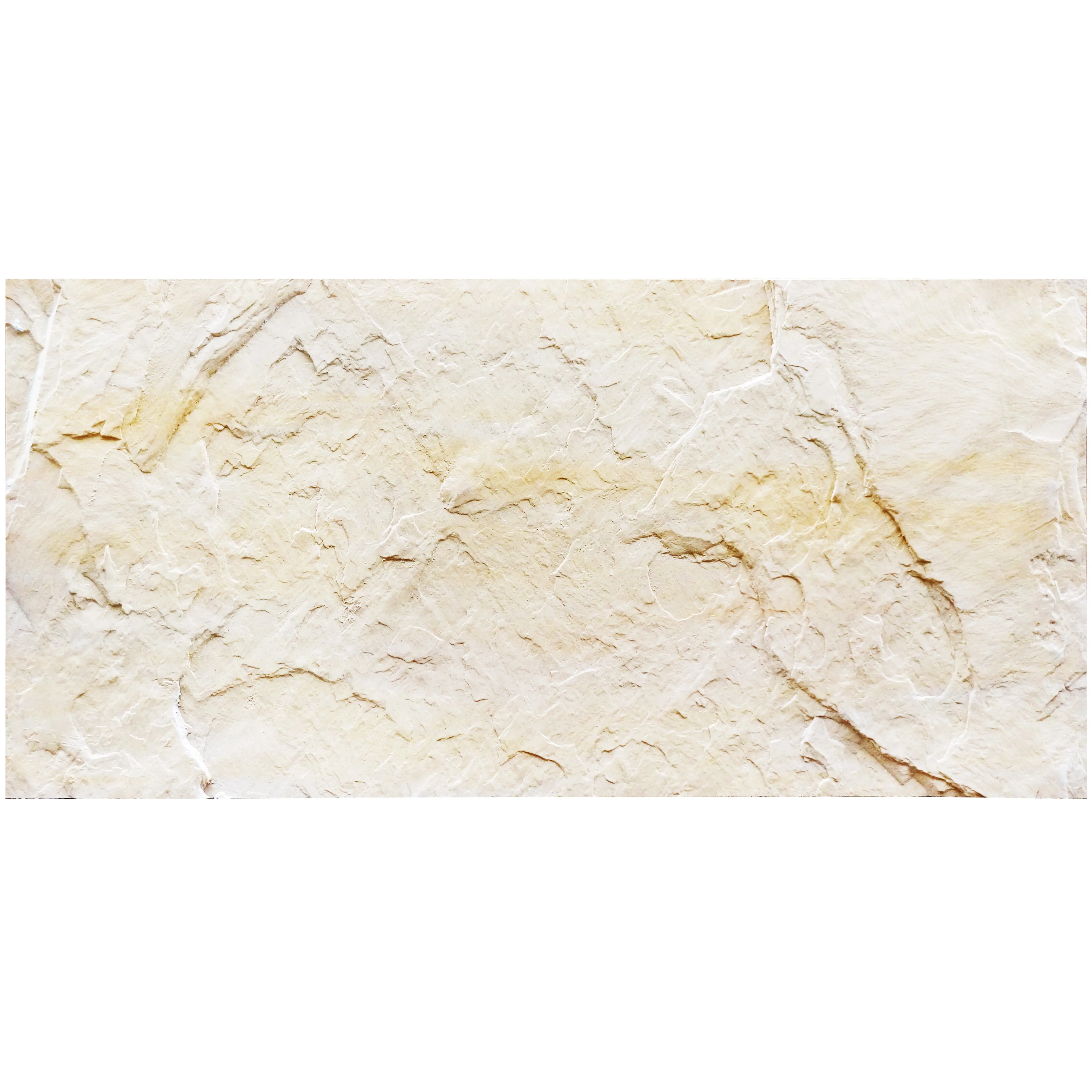
When it comes to building or renovating, choosing the right materials isn't just about looks—it's about making a decision that feels smart, sustainable, and kind to your wallet over time. We've all been there: staring at samples in a showroom, weighing the glossy brochures, and wondering if that pricier option today will actually save you money down the line. That's where Slate Sunnye comes in. You might have heard the name tossed around by contractors or seen it in design magazines, but let's cut through the noise. Is it really worth the hype? And how does it stack up against tried-and-true materials like fair-faced concrete or travertine (beige)? Let's dive in—no jargon, just real talk about costs, durability, and why your future self might thank you for choosing wisely.
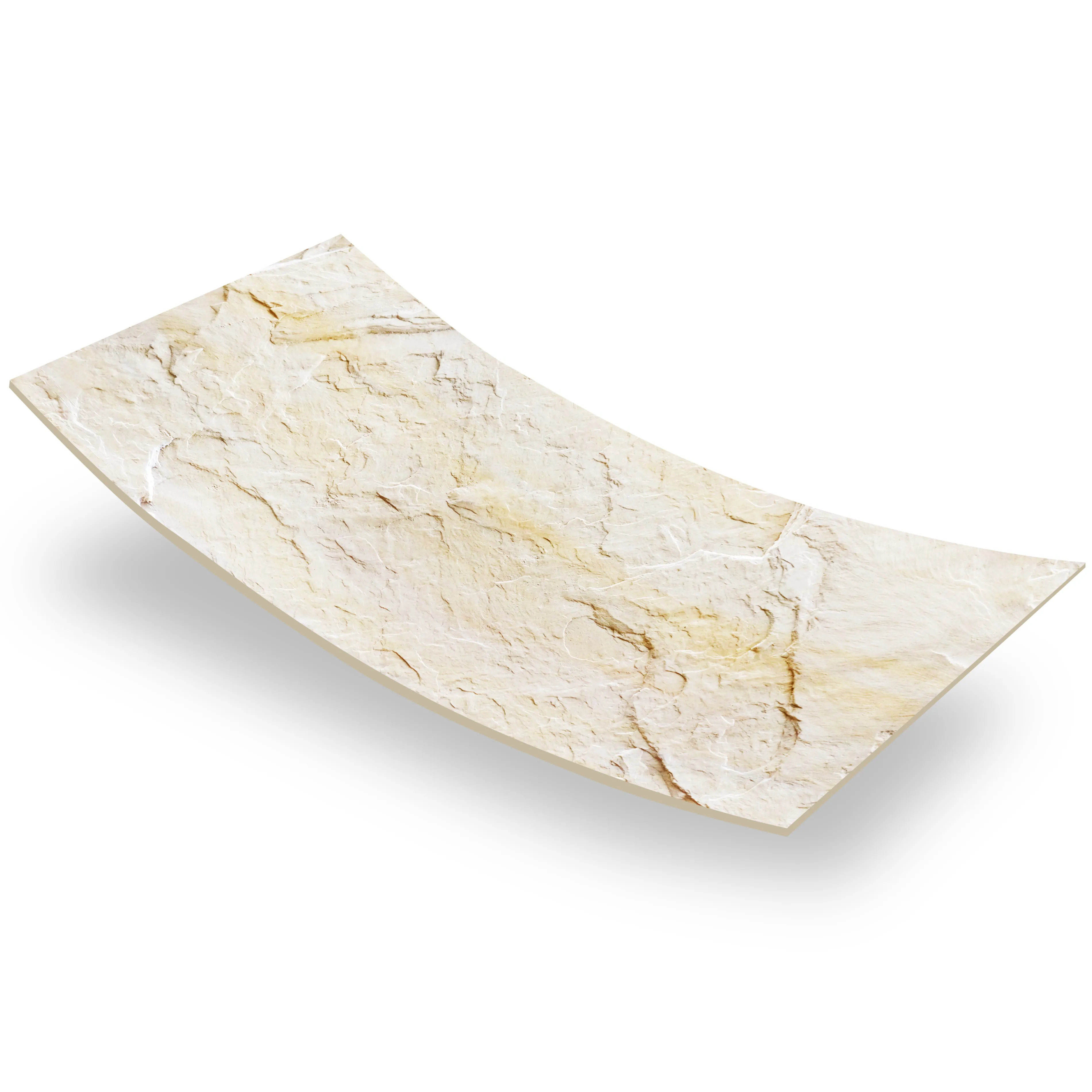
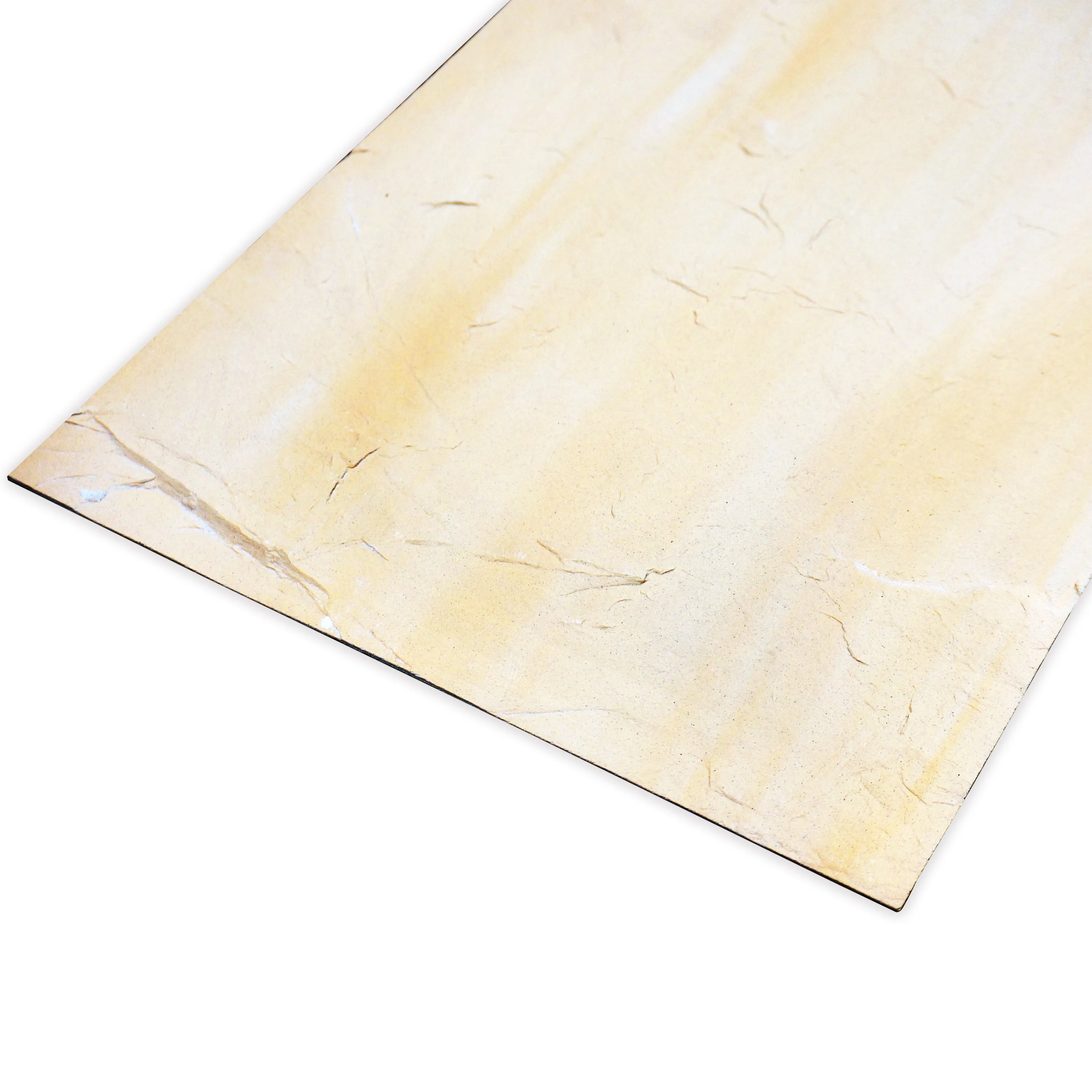
Before we start crunching numbers, let's get to know Slate Sunnye a little better. It's not your average stone, and that's by design. Picture a material that borrows the earthy warmth of natural slate but with a modern twist—engineered to stand up to the chaos of daily life without losing its charm. Think of it as the reliable friend who shows up to every backyard BBQ, never complains about the rain, and still looks good after years of use. Slate Sunnye is quarried from select deposits, then treated with a proprietary process that enhances its density and resistance to elements like moisture, UV rays, and even the occasional rogue patio chair scrape. It comes in soft, sunlit hues—warm grays, subtle beiges, and hints of terracotta—that blend seamlessly with both contemporary and classic designs. But here's the kicker: while it feels and looks like high-end natural stone, its engineered composition means it's more consistent, less porous, and (spoiler alert) often easier on the long-term budget than you might expect.
Now, let's be clear: this isn't just another "trendy" material. Slate Sunnye has been quietly gaining traction among architects and homeowners who prioritize both aesthetics and practicality. It's the kind of choice that doesn't just check the "pretty" box but also the "I don't want to replace this in 10 years" box. And in a world where home improvement projects can feel like endless money pits, that's a big deal.
Before we pit Slate Sunnye against the competition, let's revisit the materials most of us default to. There's fair-faced concrete, the no-nonsense workhorse of patios and walkways. It's affordable upfront, right? Then there's travertine (beige), the go-to for that timeless, Mediterranean vibe—think sunlit courtyards and rustic villas. And of course, there's MCM flexible stone, the newer kid on the block that's marketed as lightweight and versatile. Each has its pros, but let's be real: none are perfect. Let's break down why, and how Slate Sunnye measures up.
Fair-faced concrete sounds great on paper. It's durable, easy to pour, and the initial cost is hard to beat. If you're building a large patio on a tight budget, it's the first option many contractors suggest. But here's the catch: that "budget-friendly" label fades fast. Over time, concrete cracks—especially in areas with freeze-thaw cycles or heavy foot traffic. Those cracks don't just look bad; they let in water, which leads to more damage. Then there's staining: oil spills, leaf tannins, even rainwater can leave permanent marks. To keep it looking decent, you'll need to seal it every 1-2 years, and that's not cheap. And let's not forget about color: plain gray can feel cold, and while stamped or colored concrete exists, it fades unevenly in the sun, leaving you with a patchy, worn-out look long before its time.
Travertine (beige) is beautiful—there's no denying that. Its porous, pitted surface gives it character, and that warm beige tone complements just about any outdoor space. But that porosity? It's a double-edged sword. Those little holes trap dirt, mold, and mildew, which means constant cleaning. You'll need to seal it at least once a year, maybe more if you live in a humid climate. And if you have kids or pets? Forget about it. Scratches show easily, and replacing a single cracked tile is a nightmare because travertine is often sold in batches with slight color variations. Over time, the edges chip, the color fades, and what once looked elegant starts to feel tired. It's the material equivalent of a high-maintenance pet—loving, but a lot of work.
MCM flexible stone has been making waves for its thin, lightweight design. It's easy to install, which can cut down on labor costs, and it comes in a variety of styles. But "flexible" can also mean "less durable." It's not as strong as natural stone, so it's prone to denting or cracking under heavy weight—think patio furniture legs or falling branches. It also has a shorter lifespan than traditional stone, often needing replacement after 10-15 years. And while the initial cost is moderate, the long-term investment might not pay off if you're looking for something that lasts decades.
Numbers tell the story best. Let's compare Slate Sunnye with these traditional materials side by side. We'll look at initial costs, annual maintenance, lifespan, and total cost over 20 years—enough time to see how each material holds up. All figures are based on average market rates and homeowner surveys, so they're realistic for most regions.
| Material | Initial Cost per sq ft | Annual Maintenance Cost | Expected Lifespan (Years) | Total Cost Over 20 Years* |
|---|---|---|---|---|
| Slate Sunnye | $12–$15 | $5–$8 | 30–40 | $130–$190 |
| Fair-Faced Concrete | $4–$6 | $15–$20 | 15–20 | $340–$460 |
| Travertine (Beige) | $8–$12 | $20–$25 | 15–25 | $480–$620 |
| MCM Flexible Stone | $7–$10 | $10–$15 | 10–15 | $270–$400 |
*Total cost includes initial installation, annual maintenance, and replacement costs if needed within 20 years. Assumes 200 sq ft project.
Let that sink in. Even though Slate Sunnye has a higher initial cost than fair-faced concrete or MCM flexible stone, its total cost over 20 years is less than half of travertine (beige) and a fraction of concrete. Why? Because it lasts longer, needs minimal maintenance, and rarely needs replacement. That's the power of long-term thinking—investing a little more now saves you a lot later.
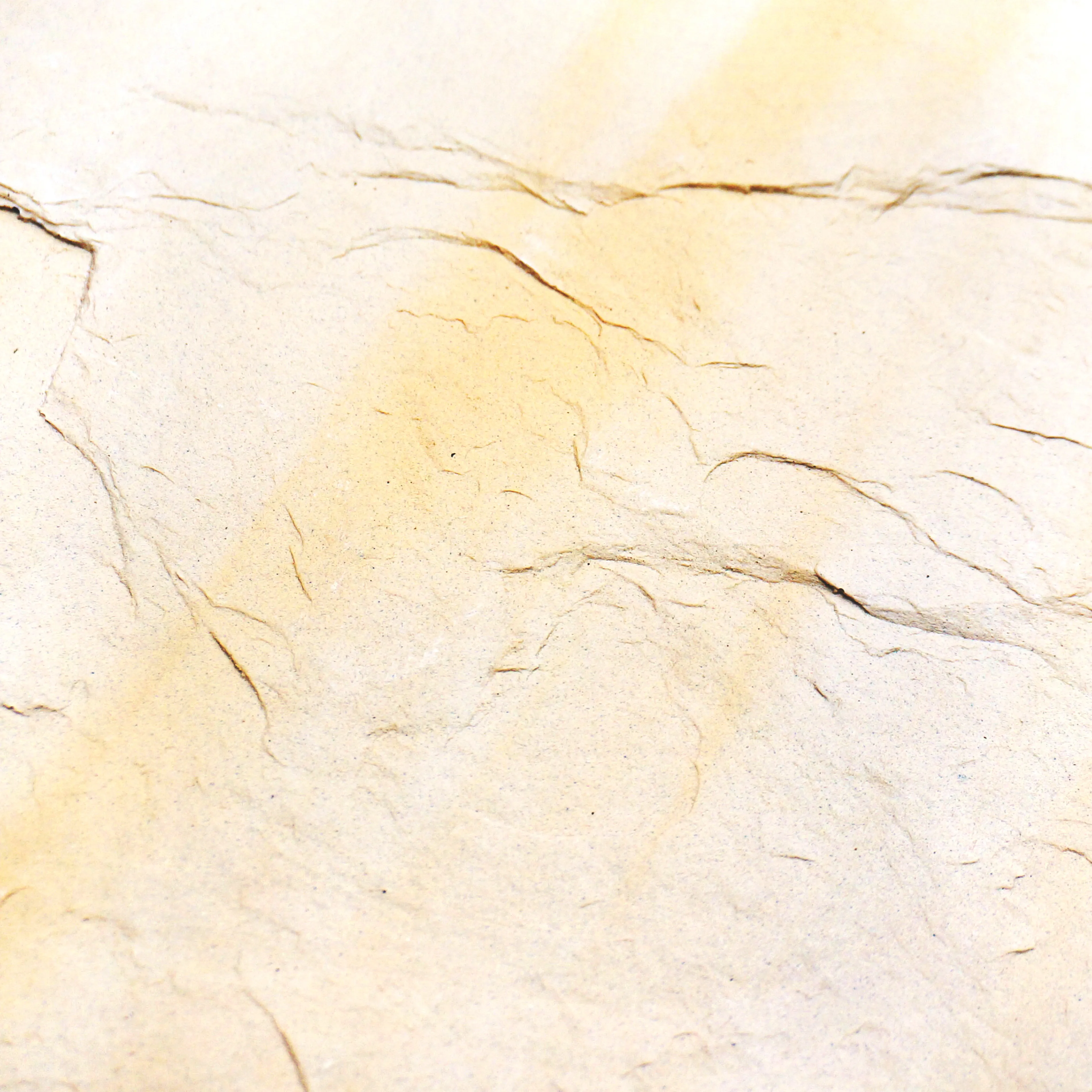
Numbers are one thing, but real-world performance is another. Let's talk about why Slate Sunnye lasts so much longer. It starts with the stone itself: quarried from dense, high-quality slate deposits, it's naturally resistant to cracking and chipping. The proprietary treatment process adds an extra layer of protection, making it impervious to water, stains, and UV rays. Unlike travertine, it's non-porous, so mold and mildew can't take hold. And unlike concrete, it flexes slightly with temperature changes, reducing the risk of cracking in freeze-thaw conditions.
I spoke with a homeowner in upstate New York who installed Slate Sunnye on her patio 12 years ago. "We get harsh winters—below zero, lots of snow—and hot, humid summers," she told me. "That patio looks the same as the day it was installed. No cracks, no stains, and the color hasn't faded a bit. My neighbor replaced her concrete patio twice in that time. I've never sealed it, just hosed it off once in a while. Best home improvement decision I ever made."
Another example: a restaurant in Arizona with a Slate Sunnye outdoor dining area. The desert sun is brutal, but after 8 years, the stone still has its warm, golden hue. "We were worried about fading, but it's held up better than the travertine we had before," the owner said. "And with all the spills—ketchup, wine, grease—we clean it with soap and water, and it's good as new. No stains, no etching. It's like it repels everything."
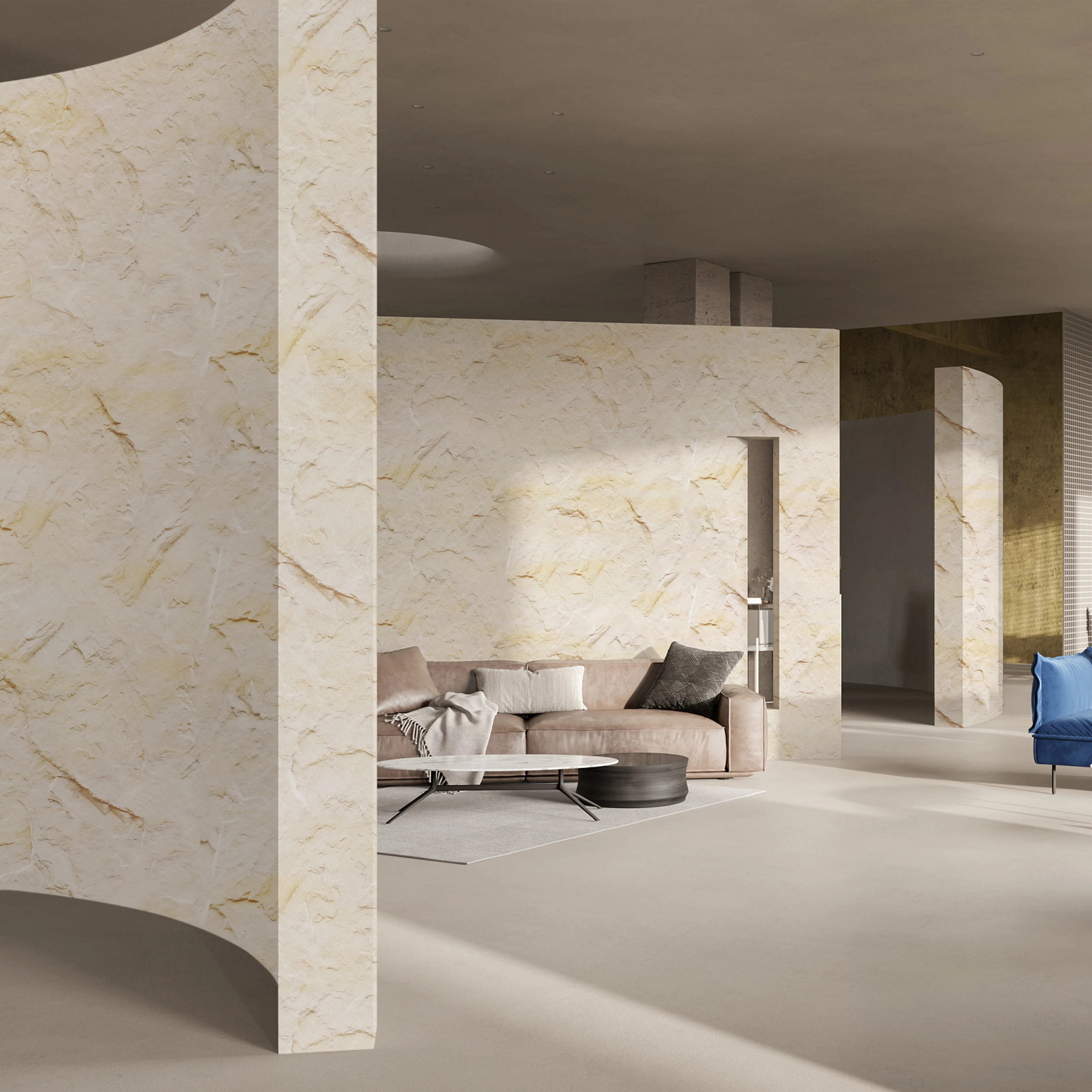
Let's be honest: no one wants to spend weekends maintaining their outdoor space. We want to relax, host barbecues, and let the kids run wild—not scrub stone or apply sealant. Slate Sunnye gets this. Its low-maintenance nature is one of its biggest selling points.
Unlike travertine (beige), which needs annual sealing, Slate Sunnye only requires sealing every 5-7 years—and even that's optional if you don't mind a slightly weathered look. Most homeowners just hose it off occasionally to remove dirt and debris. Stains? They're rare. Thanks to its dense surface, oil, wine, and food spills wipe away with a damp cloth. Even harsh chemicals like pool chlorine or fertilizer don't damage it. For busy families or anyone who values their free time, this is a game-changer.
Compare that to fair-faced concrete, which needs sealing every 1-2 years and often requires pressure washing to remove embedded stains. Or travertine, which demands regular scrubbing with specialized cleaners to prevent mold. With Slate Sunnye, maintenance is an afterthought, not a chore. It's the material for people who want beauty without the hassle.
You might assume that a high-quality stone like Slate Sunnye is hard to install, but that's not the case. While it's denser than MCM flexible stone, it's lighter than natural granite or marble, which means less structural support is needed. Contractors familiar with stone installation can handle it with standard tools, and the uniform thickness makes for a smooth, even surface.
Installation costs vary by region, but on average, you'll pay $5–$8 per square foot for labor, which is comparable to travertine or concrete. And because it's so durable, there's less risk of breakage during installation—unlike travertine, which is fragile and often has a high waste rate. That means fewer extra materials and lower labor time overall.
A contractor I spoke with in Texas put it this way: "Slate Sunnye is a dream to work with. It cuts cleanly, fits together tightly, and we rarely have to replace broken pieces. On a 500 sq ft patio, we save about a day of labor compared to travertine. Homeowners love that—faster installation means less disruption, and lower labor costs mean more money in their pocket."
When we talk about "savings," we usually think about dollars and cents, but Slate Sunnye offers intangible benefits too. Let's break it down:
Time is money, right? If you're not spending weekends sealing concrete or scrubbing travertine, you're free to do the things you love. Over 20 years, that adds up to hundreds of hours—time spent with family, traveling, or pursuing hobbies. That's priceless.
There's something calming about knowing your outdoor space will look great for decades. No worrying about cracks, stains, or replacement costs. It's one less thing to stress about, and in today's busy world, that's a big deal.
Homes with high-quality, low-maintenance outdoor features sell faster and for more money. Slate Sunnye is a selling point—potential buyers see it and think, "I won't have to replace this anytime soon." Real estate agents often note that unique, durable materials like Slate Sunnye can increase a home's resale value by 3-5% compared to homes with concrete or worn travertine.
Sustainability matters, and Slate Sunnye is a responsible choice. Its long lifespan means less quarrying and less waste from replacement materials. The quarrying process is also eco-friendly, with minimal disruption to local ecosystems. Compare that to concrete, which has a high carbon footprint, or travertine, which is often imported from far away, adding to transportation emissions. Choosing Slate Sunnye is good for your wallet and good for the planet.
At the end of the day, the best material depends on your needs, budget, and priorities. If you're planning to sell your home in the next 5 years and don't mind a temporary fix, fair-faced concrete might work. If you're obsessed with traditional travertine's look and have the time to maintain it, go for it. But if you want something that looks beautiful, lasts decades, and saves you time and money in the long run? Slate Sunnye is hard to beat.
Think about it this way: your outdoor space is an extension of your home. It's where you make memories—birthdays, holidays, quiet mornings with coffee. You deserve a material that can keep up with those memories, not one that fades or breaks as the years go by. Slate Sunnye isn't just a stone; it's an investment in those moments. It's the kind of choice you'll look back on and say, "I'm glad I did that."
We've covered a lot: initial costs, maintenance, durability, installation, and long-term savings. The numbers speak for themselves: Slate Sunnye costs more upfront than concrete but saves you hundreds (even thousands) over time. It's more durable than travertine and MCM flexible stone, with a fraction of the maintenance. It's easy to install, eco-friendly, and adds value to your home.
But beyond the numbers, Slate Sunnye offers peace of mind. It's the material that lets you enjoy your outdoor space without worry, knowing it will look as good in 20 years as it does today. In a world where so many products are designed to be replaced, it's refreshing to find something built to last.
So, if you're ready to stop chasing the cheapest option and start investing in something that will pay off—for your wallet, your time, and your happiness—Slate Sunnye is worth every penny. Your future self (and your weekends) will thank you.
Recommend Products












