
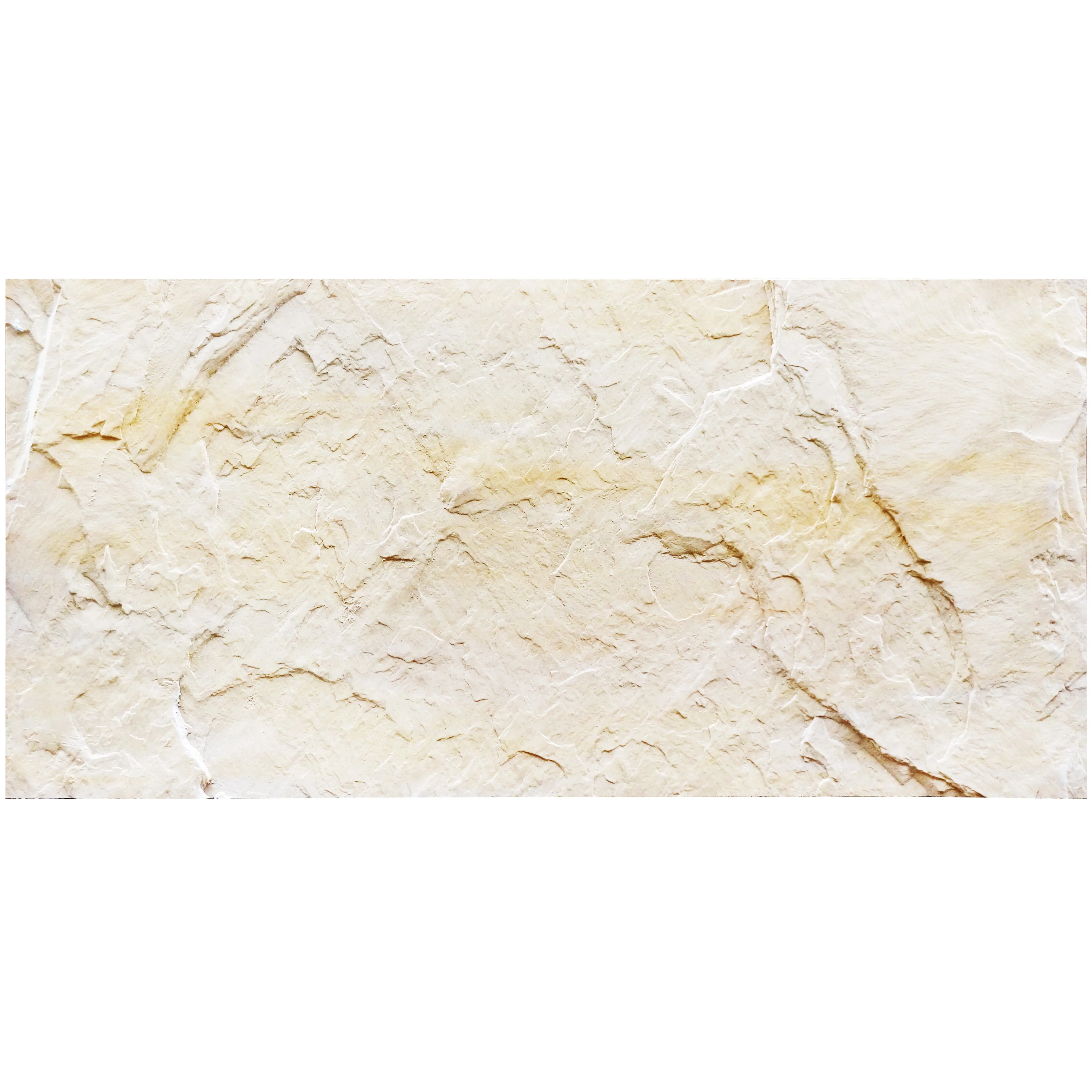
Choosing the right cladding material for a building is more than just a design decision—it's a commitment to long-term performance, budget management, and daily livability. For decades, traditional stone cladding has been the gold standard, admired for its timeless beauty and natural elegance. But in recent years, innovative alternatives like Slate Sunnye have emerged, blending aesthetic appeal with engineered practicality. In this article, we'll dive into the critical factors that matter most to homeowners, architects, and builders: cost, durability, and maintenance. By the end, you'll have a clearer picture of whether Slate Sunnye or traditional stone cladding aligns better with your project's needs.
Cost is often the first consideration in any construction project, and cladding is no exception. Traditional stone cladding—think granite, marble, or limestone—has a reputation for being pricey, but just how does it stack up against Slate Sunnye? Let's break it down.
Traditional Stone Cladding: The High Upfront Cost of "Natural Luxury"
Traditional stones are quarried from the earth, a process that involves heavy machinery, labor, and transportation of large, dense blocks. For example, granite or marble must be extracted, cut into slabs, and transported to the job site—all of which drive up costs. A square foot of high-quality traditional stone cladding can range from $25 to $80, depending on the rarity of the stone (like imported marble) and the complexity of cutting. Installation adds another layer: traditional stone is heavy, requiring reinforced structural support and skilled masons to set each piece. Labor costs here can jump to $15–$30 per square foot, making the total initial investment anywhere from $40 to $110 per square foot.
Slate Sunnye: Engineered Efficiency for Smarter Spending
Slate Sunnye, by contrast, is an engineered stone product, designed to mimic the look of natural slate with a fraction of the weight and cost. Its manufacturing process involves blending natural stone aggregates with polymers, creating a lightweight panel that's easier to produce and transport. Material costs for Slate Sunnye typically range from $12 to $35 per square foot—nearly half the price of high-end traditional stones. Installation is also more affordable: because the panels are lightweight, they don't require extra structural support, and they can be installed by general contractors rather than specialized masons. Labor costs drop to $8–$15 per square foot, bringing the total initial investment to $20–$50 per square foot—roughly 50% less than traditional stone in many cases.
Long-Term Cost: The Hidden Savings of Slate Sunnye
While traditional stone may seem like a "forever" investment, its long-term costs can add up. Many natural stones are porous, requiring annual sealing ($2–$5 per square foot) to prevent staining and water damage. Repairs are also costly: if a single slab cracks, matching the exact color and veining of natural stone is challenging, often leading to expensive replacements. Slate Sunnye, on the other hand, is non-porous and resistant to staining, eliminating the need for regular sealing. Its uniform color and pattern also make repairs simple—damaged panels can be swapped out with minimal hassle, keeping long-term maintenance costs low.
| Cost Factor | Slate Sunnye | Traditional Stone Cladding (Granite/Marble) |
|---|---|---|
| Material Cost (per sq. ft.) | $12–$35 | $25–$80 |
| Installation Labor (per sq. ft.) | $8–$15 | $15–$30 |
| Annual Maintenance Cost (per sq. ft.) | $0.50–$1 (minimal cleaning) | $2–$5 (sealing, specialized cleaning) |
| Estimated Lifespan | 30–50 years | 50–100 years (with proper maintenance) |
*Note: Costs vary by location, stone rarity, and project size. Traditional stone lifespans assume regular sealing and repairs.
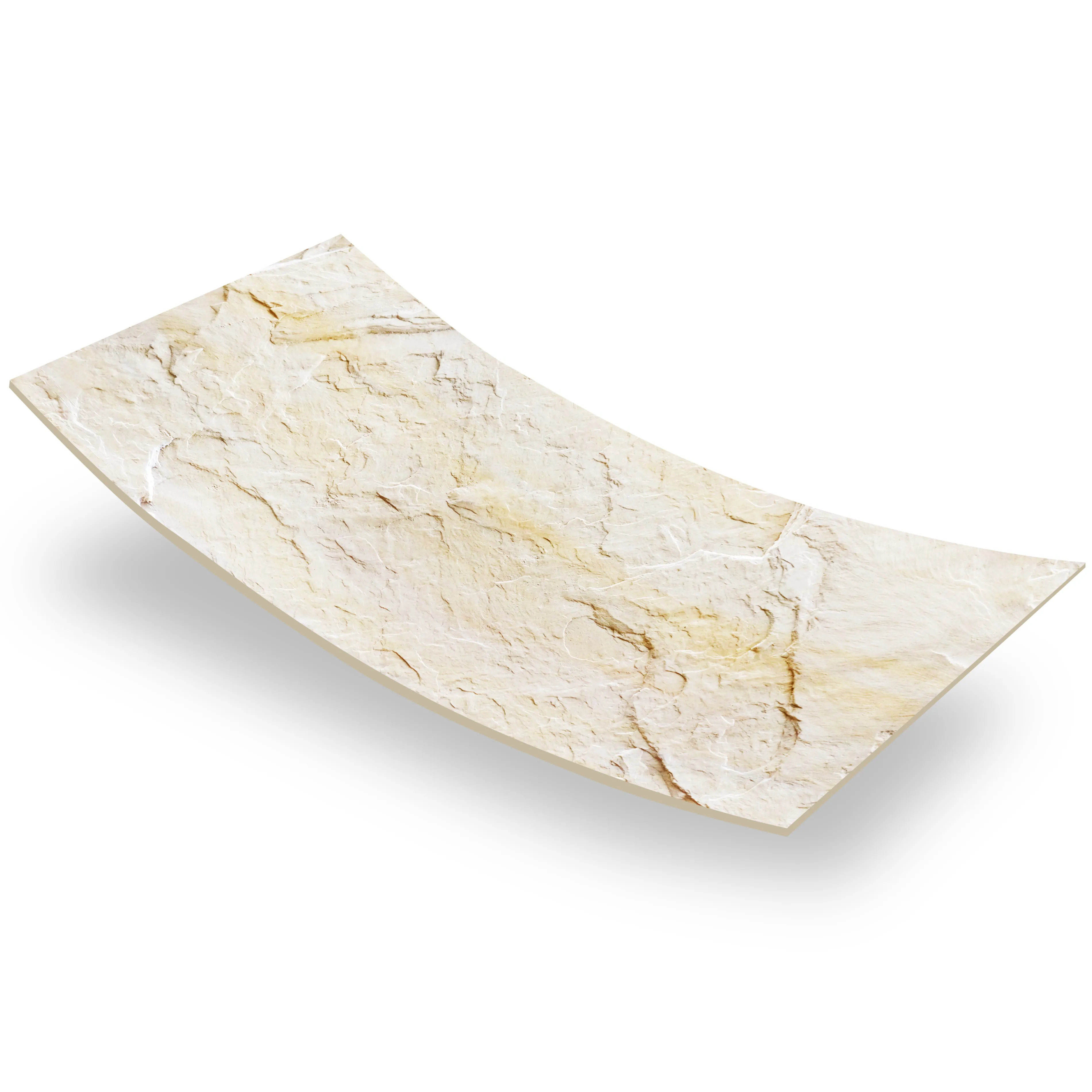
A cladding material's true value is revealed not just in its beauty, but in how it holds up against the elements—rain, wind, UV rays, and even the occasional stray baseball. Here's how Slate Sunnye and traditional stone cladding compare in the durability department.
Traditional Stone: Strong but Vulnerable to Nature's Whims
Traditional stones like granite are renowned for their hardness—granite scores a 6–7 on the Mohs scale, making it resistant to scratches. However, their natural porosity is a Achilles' heel. Marble, for example, is highly porous and susceptible to staining from oil, wine, or even rainwater that carries dirt. In cold climates, water can seep into tiny cracks in traditional stone, freeze, and expand, causing spalling (flaking) over time. UV rays can also fade the color of some stones, like limestone, turning vibrant hues into dull shades after a decade of sun exposure. While durable, traditional stone requires careful maintenance to avoid these issues.
Slate Sunnye: Engineered to Outlast the Elements
Slate Sunnye is designed with durability in mind. Its polymer-reinforced composition makes it non-porous, so water, stains, and chemicals can't penetrate the surface. Unlike traditional stone, it won't absorb moisture, making it resistant to freeze-thaw damage—a game-changer for homes in snowy or rainy regions. The panels are also UV-stabilized, meaning their color won't fade even after years of direct sunlight. In impact tests, Slate Sunnye has shown impressive resilience: it can withstand minor impacts (like a falling branch) without cracking, thanks to its flexible core. This combination of features makes it ideal for high-traffic areas, coastal homes (resistant to salt spray), and regions with extreme temperature swings.
A Note on MCM Flexible Stone: A Kindred Spirit to Slate Sunnye
While we're focusing on Slate Sunnye, it's worth mentioning MCM flexible stone—another engineered option that shares similar durability traits. MCM (Modified Composite Material) panels are lightweight, flexible, and resistant to weathering, much like Slate Sunnye. Both represent a shift away from the "heavy and fragile" reputation of traditional stone, proving that engineered materials can match (and sometimes exceed) natural stone's durability without the drawbacks.
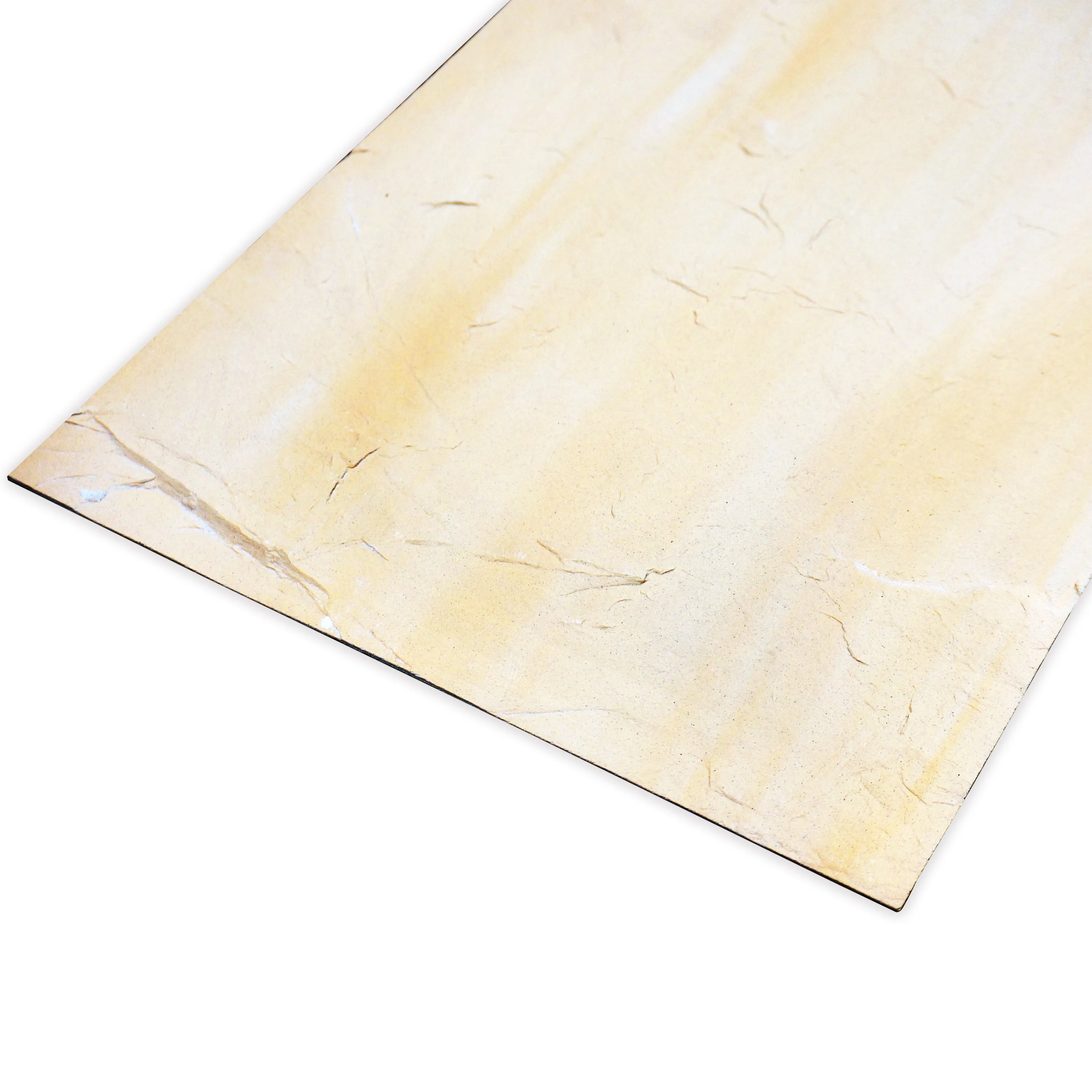
For busy homeowners or commercial property managers, maintenance is often the make-or-break factor. No one wants to spend weekends scrubbing stains or hiring professionals for annual sealing. Let's compare the upkeep required for Slate Sunnye and traditional stone cladding.
Traditional Stone: High Maintenance for High Beauty
Traditional stone cladding demands attention. Porous stones like marble or limestone need to be sealed every 1–3 years to prevent staining—a process that involves cleaning the surface, applying a sealant, and waiting for it to dry, often costing $500–$1,500 for an average home. Regular cleaning is also a chore: harsh chemicals can damage the stone, so you'll need specialized, pH-neutral cleaners. Even then, oil or wine spills can leave permanent marks if not treated immediately. For example, a red wine spill on unsealed marble will likely stain within minutes, requiring professional polishing to fix—a service that can cost $200–$500 per incident.
Slate Sunnye: Low Maintenance, High Rewards
Slate Sunnye simplifies life. Its non-porous surface means stains wipe away with a damp cloth and mild soap—no special cleaners needed. Spills can sit for hours (yes, even red wine!) without leaving a mark, making it perfect for families with kids or busy commercial spaces like restaurants. There's no need for sealing, and routine cleaning takes minutes, not hours. A quick hose-down with water is usually enough to remove dirt and grime, and the color stays vibrant without touch-ups. For homeowners who value their weekends, this low-maintenance aspect alone can be worth the switch from traditional stone.
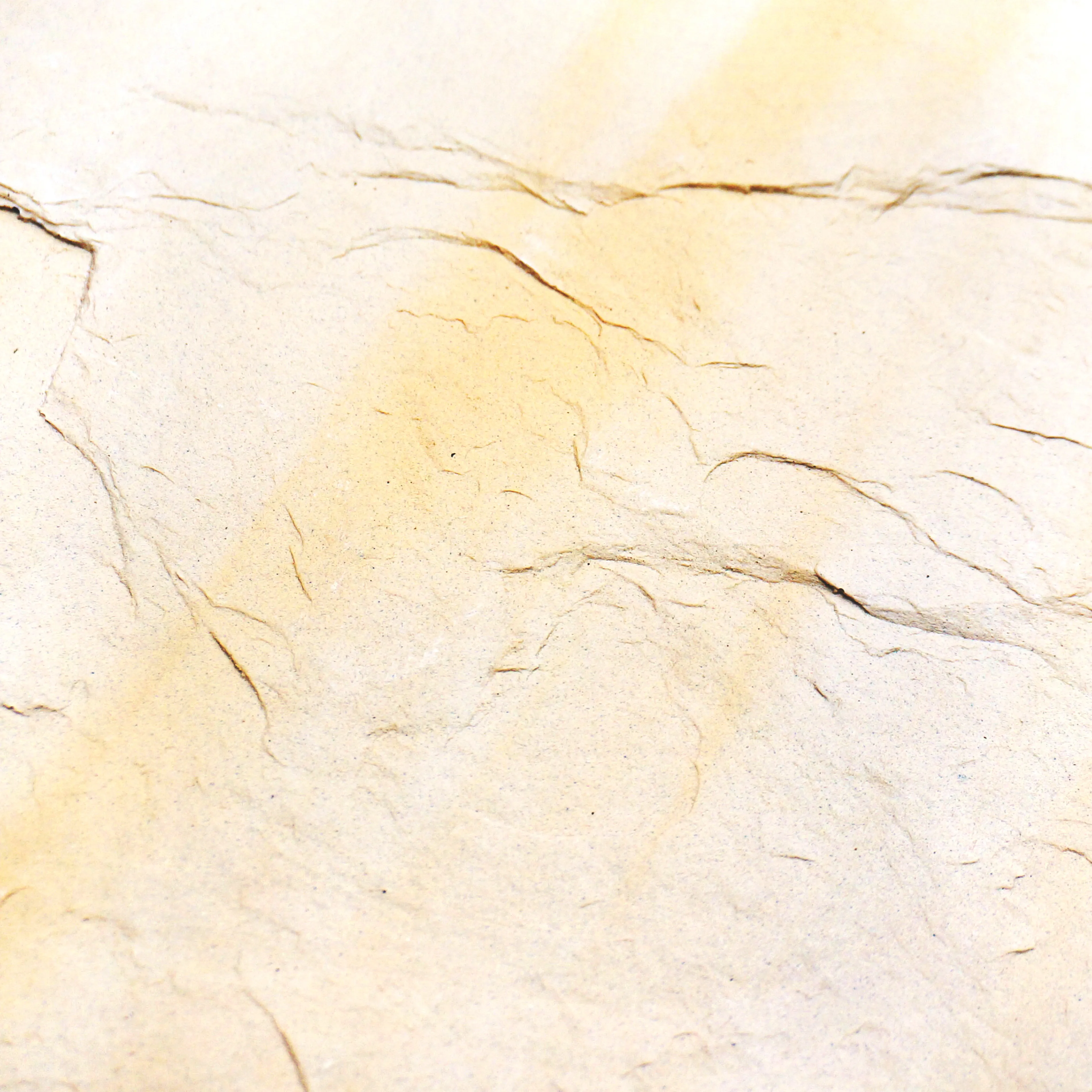
At the end of the day, the choice between Slate Sunnye and traditional stone cladding depends on your priorities. If you're drawn to the authenticity of natural stone and don't mind the higher upfront cost and ongoing maintenance, traditional cladding may still be the way to go. It's a classic choice that adds timeless value to historic homes or luxury properties where "natural" is non-negotiable.
But if you want practicality without sacrificing style —lower costs, better durability, and minimal maintenance—Slate Sunnye is hard to beat. It's ideal for modern homes, commercial buildings, or anyone who wants the look of stone without the hassle. For example, a family building a new home in a rainy climate would benefit from Slate Sunnye's freeze-thaw resistance and easy cleaning, while a restaurant owner could save thousands annually on maintenance costs compared to traditional marble cladding.
Innovative materials like Slate Sunnye and MCM flexible stone are redefining what's possible in cladding design. They prove that you don't have to choose between beauty and practicality—you can have both. So whether you're planning a small renovation or a large commercial project, consider the long-term impact of your cladding choice: your budget, your schedule, and your future self will thank you.
Recommend Products












