
Why the right cladding choice today shapes tomorrow's budget, beauty, and peace of mind
Stand in front of a construction site, and you'll hear the hum of saws, the clink of hammers, and the quiet debate that haunts every project: "Is this material worth it?" It's a question that lingers long after the last brick is laid. A material isn't just a surface—it's a silent partner in your space, weathering storms, foot traffic, and the test of time. For designers, builders, and homeowners eyeing Slate Veil White MCM, that question becomes even more pressing. It's not just about the cost to buy it today, but the cost to live with it for decades. Let's unpack that partnership, starting with what makes Slate Veil White MCM more than just another pretty face in the world of cladding.
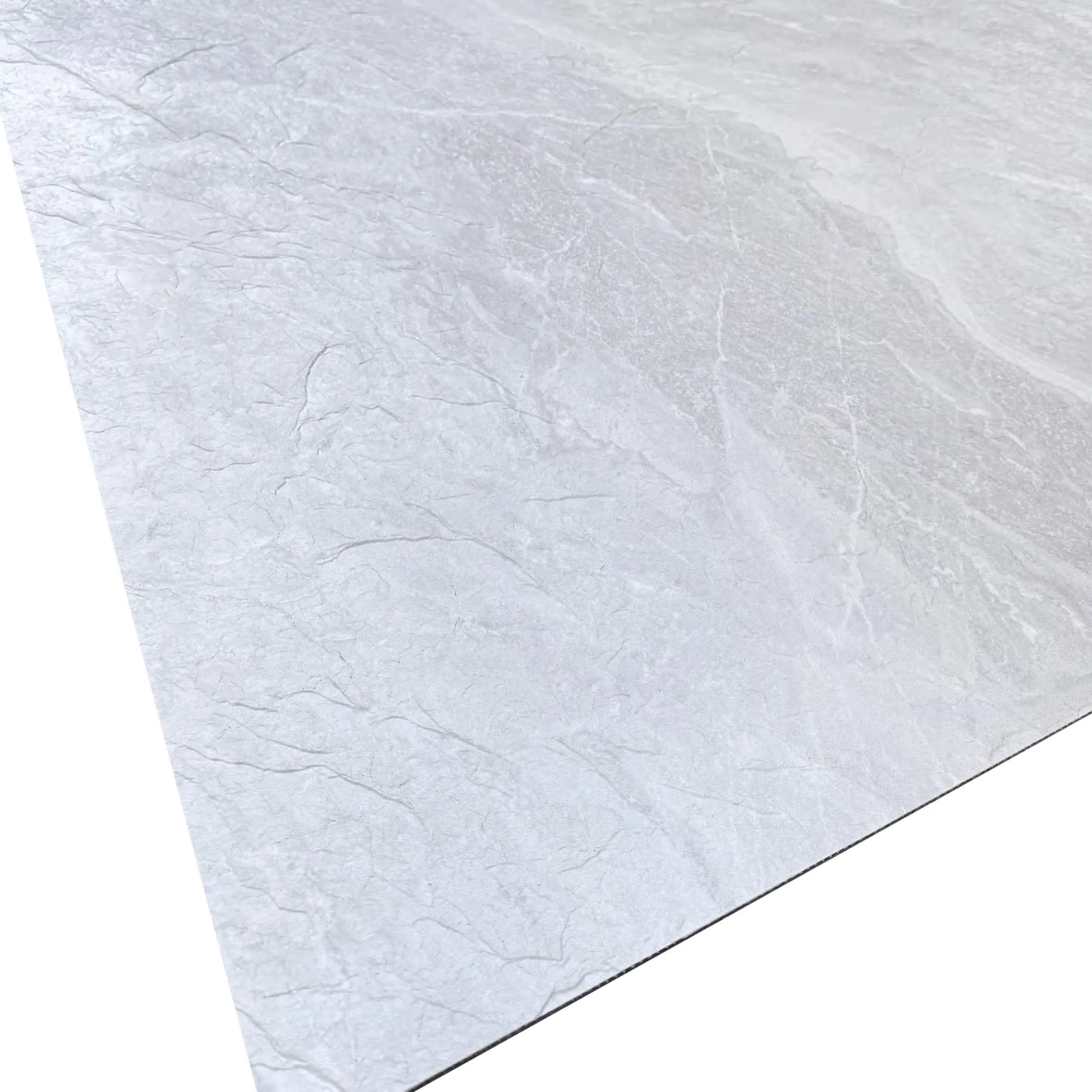
First, let's get to know the star of the show. Slate Veil White MCM isn't your grandma's stone cladding. It's part of the MCM flexible stone family—a modern marvel that marries the look of natural stone with the practicality of engineered materials. MCM, or Modified Composite Material, starts with real stone aggregates (think crushed slate, marble, or travertine) mixed with polymers and fibers, then pressed into thin, flexible panels. The result? A material that's lightweight (about 1/5 the weight of natural stone), bendable (it can curve around corners or archways), and surprisingly tough.
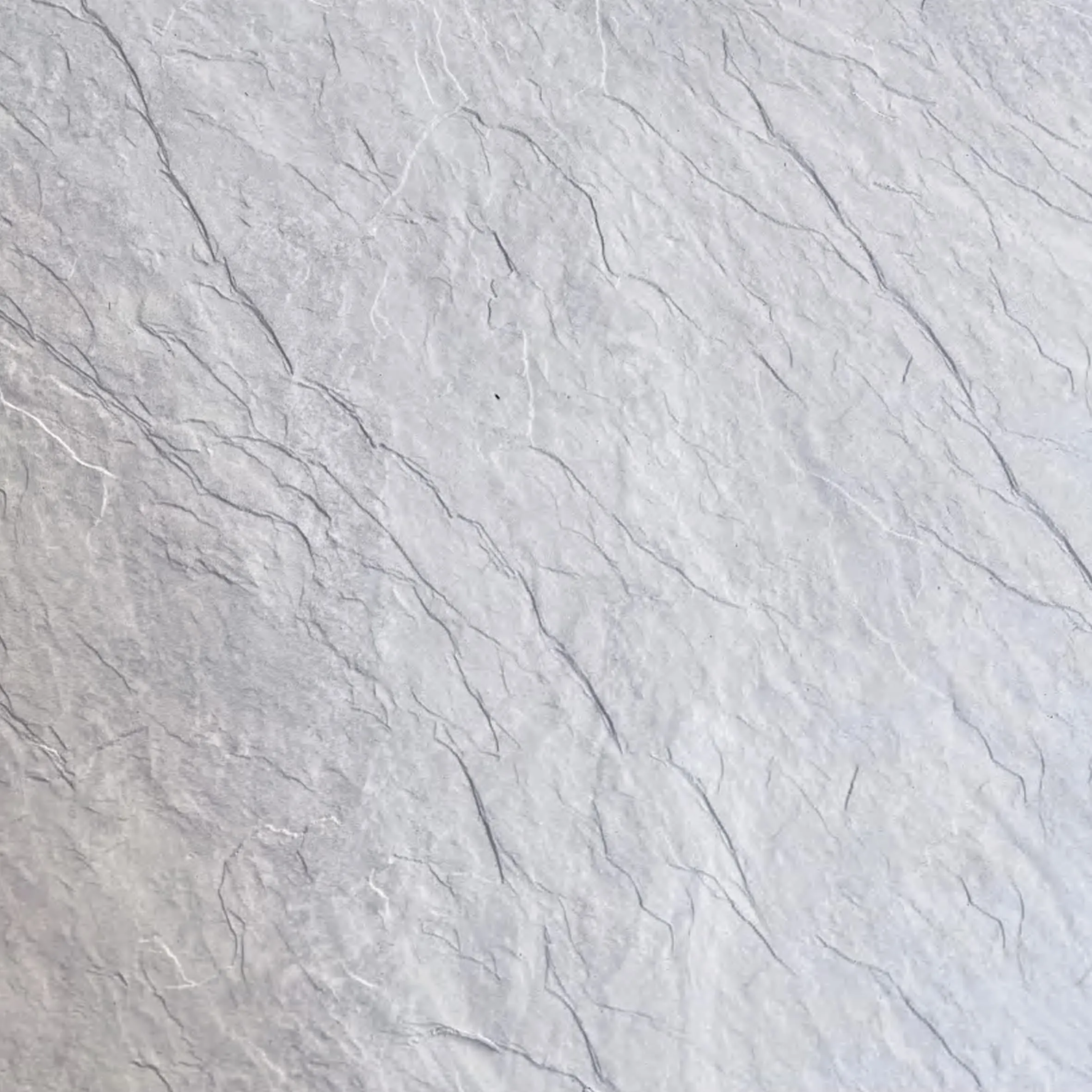
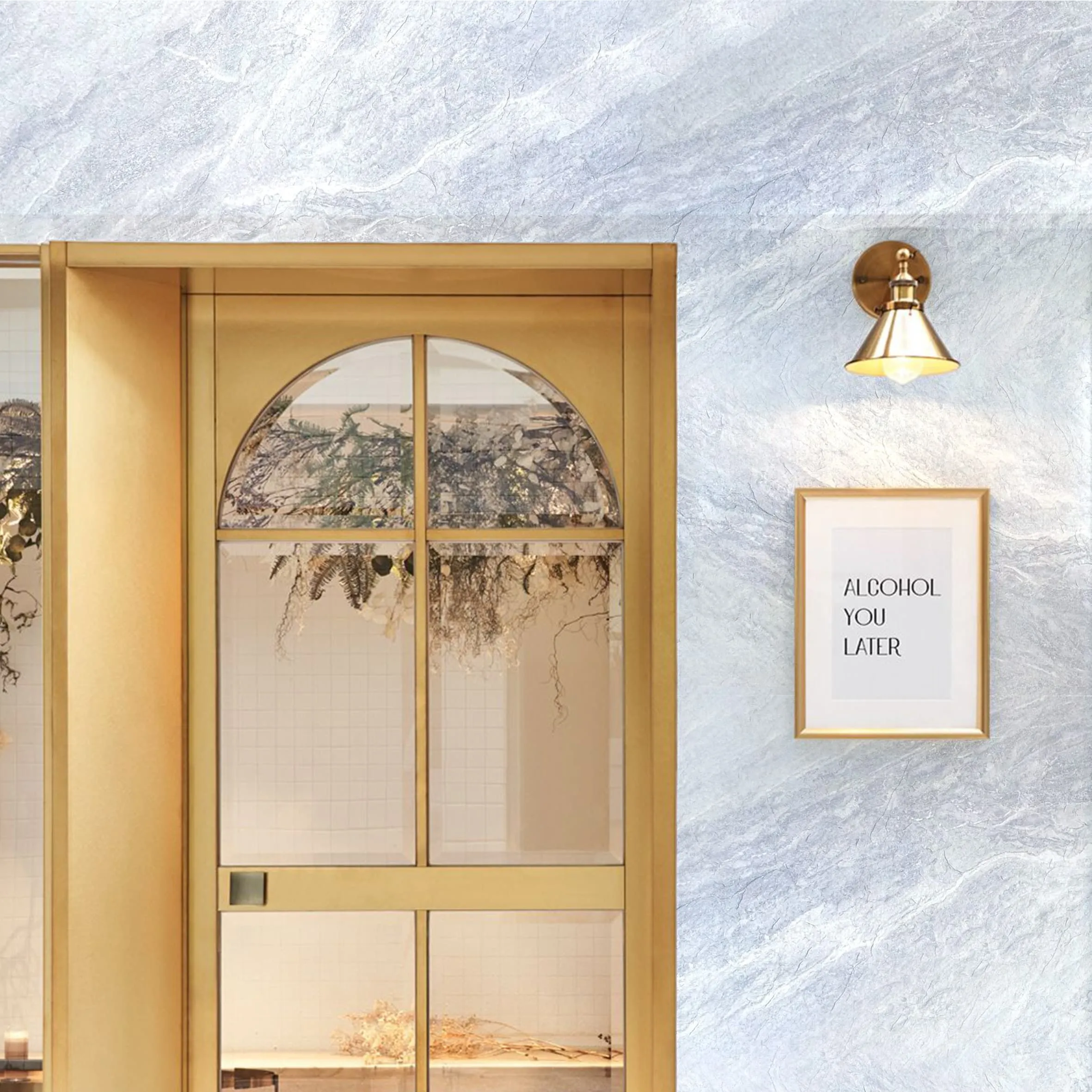
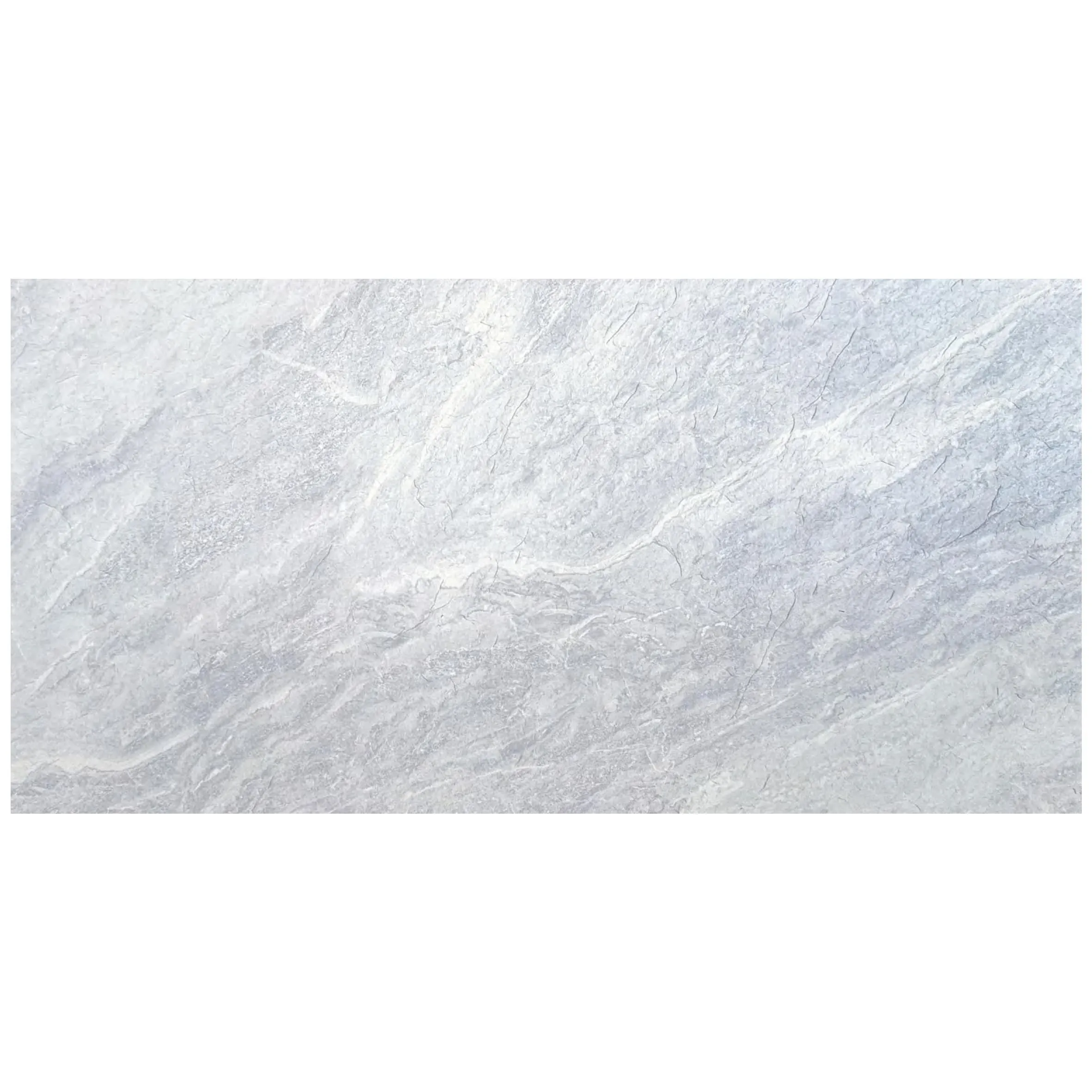
Slate Veil White, in particular, is a study in understated elegance. Its base is a soft, creamy white, swirled with delicate gray veining that mimics the look of hand-draped slate veils—hence the name. It's not stark or clinical; the veining adds depth, like a watercolor painting where the brushstrokes are subtle but intentional. This makes it chameleon-like: at home on a minimalist beach house, a cozy mountain cabin, or a sleek urban office. Unlike some bold materials (we're looking at you, travertine (starry green) with its vibrant speckles), Slate Veil White plays well with others, letting furniture, art, or landscaping take center stage when needed.
But here's where it gets interesting: that flexibility and lightness aren't just about looks. They translate to real-world benefits—starting with how much it costs to get it from the factory to your wall.
Let's cut to the chase: Slate Veil White MCM isn't the cheapest option on the shelf. If you're comparing it to, say, fair-faced concrete (that raw, industrial look), you'll likely see a higher initial cost. But "expensive" is a loaded word—especially when you break down what you're actually paying for.
When contractors quote a material, they're not just talking about the panels themselves. They're including three big buckets: material cost, labor, and logistics. Let's break down Slate Veil White MCM vs. a few common alternatives:
So, is Slate Veil White MCM "expensive" upfront? It's pricier than concrete but cheaper than natural stone or high-end metals. But initial cost is just the first chapter of the story. To judge its true value, we need to flip to the pages labeled "20 years from now."
Imagine buying a couch: You could splurge on a well-made leather one that lasts 15 years, or grab a budget fabric model for half the price that starts fraying in 3. Which is the "better deal"? The same logic applies to cladding. Let's measure Slate Veil White MCM by the metrics that matter over decades: durability, maintenance, and aesthetic longevity.
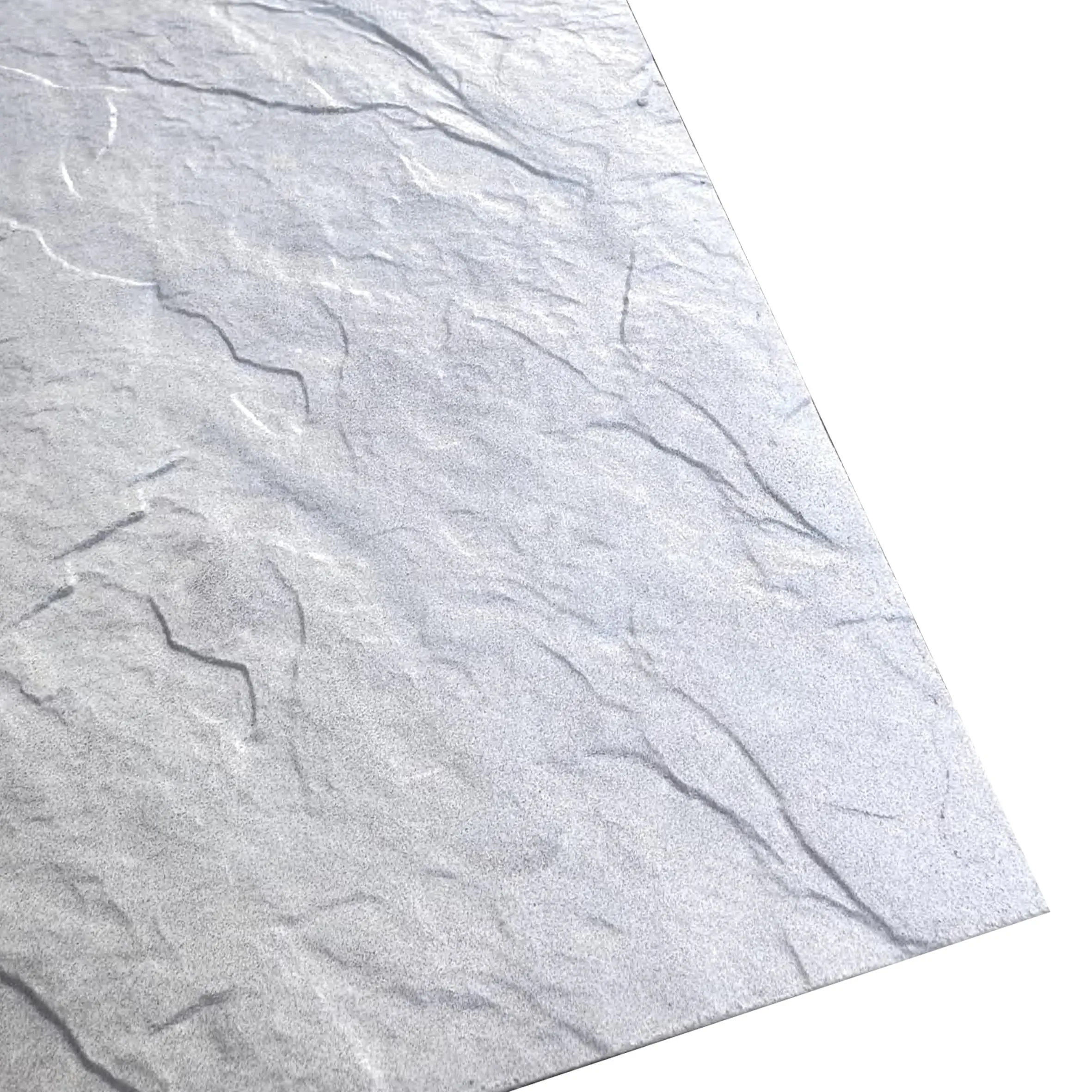
Slate Veil White MCM is built to outlast trends. Its polymer binder resists water absorption (unlike porous travertine, which soaks up rain and stains), so it won't crack in freezes or warp in humidity. UV rays? They bounce off its surface, so that creamy white won't fade to yellow or gray. Even scratches from errant lawnmowers or delivery trucks are less likely—MCM scores an 8/10 on the Mohs hardness scale, beating fair-faced concrete (6/10, prone to cracking) and matching the durability of many granites.
Real-world test: A restaurant in Chicago installed Slate Veil White MCM on its exterior in 2010. It's endured harsh winters (subzero temps, road salt spray) and sweltering summers (90°F+ with humidity). Today, the panels still look new—no cracks, no discoloration, just that same soft veining. The owner estimates they'll need to replace the awning and repaint the trim before the MCM needs a second thought.
Let's talk about the silent budget killer: upkeep. Natural travertine needs annual sealing to prevent stains. Foamed aluminium alloy board (vintage silver) can tarnish, requiring polishing or coating every 3–5 years. Fair-faced concrete ? It's low-maintenance until it cracks—and when it does, patching is tricky (the new concrete never quite matches the old). Slate Veil White MCM? Wipe it down with soap and water once a year, and you're done. No sealing, no polishing, no special cleaners. For a 1,000 sq ft wall, that's $0 in annual maintenance vs. $200–$500 for natural stone or metal.
Manufacturers rate Slate Veil White MCM for 30+ years of exterior use. That's with zero replacement, just routine cleaning. Compare that to fair-faced concrete (15–20 years before cracks or fading become unsightly), natural stone (20–25 years with meticulous care), or even wood-based claddings (10–15 years before rot sets in). Over 30 years, you'd replace concrete twice, natural stone once, and MCM? Not at all. Suddenly, that upfront cost feels less like a splurge and more like a one-time payment for three decades of peace.
To really see the value, let's crunch the numbers for a 1,000 sq ft project. We'll include initial material + labor, annual maintenance, and replacement costs (if needed). All figures are estimates, but they paint a clear picture:
| Material | Initial Installed Cost | Annual Maintenance | Replacement at Year... | Total 30-Year Cost |
|---|---|---|---|---|
| Slate Veil White MCM | $22,500 ($22.50/sq ft) | $100 (soap + water) | Not needed (30+ lifespan) | $25,500 |
| Fair-Faced Concrete | $15,000 ($15/sq ft) | $300 (cleaning + minor patching) | Year 15 ($15k) + Year 30 ($15k) | $49,500 |
| Travertine (Starry Green) | $35,000 ($35/sq ft installed) | $500 (annual sealing + cleaning) | Year 25 ($35k) | $70,000 |
| Foamed Aluminium Alloy (Vintage Silver) | $28,000 ($28/sq ft installed) | $400 (polishing + coating every 3–5 years) | Year 20 ($28k) | $60,000 |
*Estimates based on average material/labor costs, maintenance frequency, and lifespan. Actual costs vary by location, supplier, and upkeep.
Cost isn't just about dollars—it's about how a material makes you feel every time you walk through the door. Slate Veil White MCM's timeless look doesn't just hold up; it ages well . That soft white with gray veining won't go out of style, unlike trendy colors or textures that feel dated in a decade. For businesses, that means consistent curb appeal that draws customers in year after year. For homeowners, it's the peace of not cringing when guests comment on faded or cracked walls.
Then there's versatility. Remember that MCM is flexible? That means it can wrap around columns, curve over archways, or even be used as a backsplash indoors. A designer friend once told me, "With Slate Veil White, I didn't have to compromise on the curved entryway I dreamed of. Natural stone would've cracked; concrete would've looked clunky. MCM bent to the design, not the other way around." That kind of creative freedom? Priceless.
When you choose Slate Veil White MCM, you're not just buying a wall covering. You're buying 30 years of weekends not spent resealing stone, 30 years of not worrying about storm damage, and 30 years of a space that still feels fresh and intentional. The initial cost might make you pause, but the long view? It's clear. This isn't a splurge—it's an investment in the kind of durability and beauty that outlasts trends, repairs, and even the occasional mishap.
So the next time you stand in front of that blank wall, think beyond the price tag. Think about the years ahead, the memories that will unfold in that space, and whether your material choice will be a silent burden or a quiet source of pride. For Slate Veil White MCM, the answer is clear: It's not just worth the cost—it's worth every year that follows.
Recommend Products












