
Walk into any modern architectural marvel, and you'll likely notice the little details that make it stand out—the way light plays on a facade, the texture under your fingertips, the subtle patterns that tie a building's design together. But here's a secret: some of the most impactful details are the ones you might not even consciously register. Take thread depth in MCM panels, for example. That tiny measurement—the depth of the grooves, ridges, or "threads" etched into the surface of modified composite material panels—wields enormous power over both how a building looks and how well it functions. Whether you're an architect drafting plans, a designer curating a space, or a homeowner picking materials for a renovation, understanding thread depth isn't just about checking a box on a spec sheet. It's about unlocking the full potential of flexible stone cladding panels and other MCM products to create spaces that are as beautiful as they are built to last.
In this article, we're diving deep into the world of thread depths—what they are, how they shape the aesthetics of MCM panels like the MCM big slab board series and flexible stone cladding panels, and why they matter just as much for grip, safety, and durability. By the end, you'll see why this small detail deserves a spot at the top of your material selection checklist.
First things first: let's get clear on terminology. MCM panels, or modified composite material panels, are a game-changer in modern construction. Made by blending natural minerals, polymers, and reinforcing fibers, they mimic the look of natural stone, wood, or metal but with added benefits—flexibility, lightweight durability, and resistance to weather and wear. And within this family of materials, "thread depth" refers to the vertical distance from the highest point of the panel's surface to the lowest point of its grooves or textured patterns. Think of it like the difference between a smooth sheet of paper and one with embossed letters: the embossing's depth changes how it feels and looks.
Manufacturers control thread depth during production, often using precision tools or even 3D printing (hello, MCM 3D printing series!) to create consistent patterns. Shallow threads might measure just 0.5mm deep—barely noticeable to the eye but adding a hint of texture—while ultra-deep threads can reach 3mm or more, creating bold, almost sculptural ridges. And here's the kicker: this depth isn't just for show. It's engineered into the panel's DNA, affecting everything from how it interacts with light to how securely it adheres to a wall during installation.
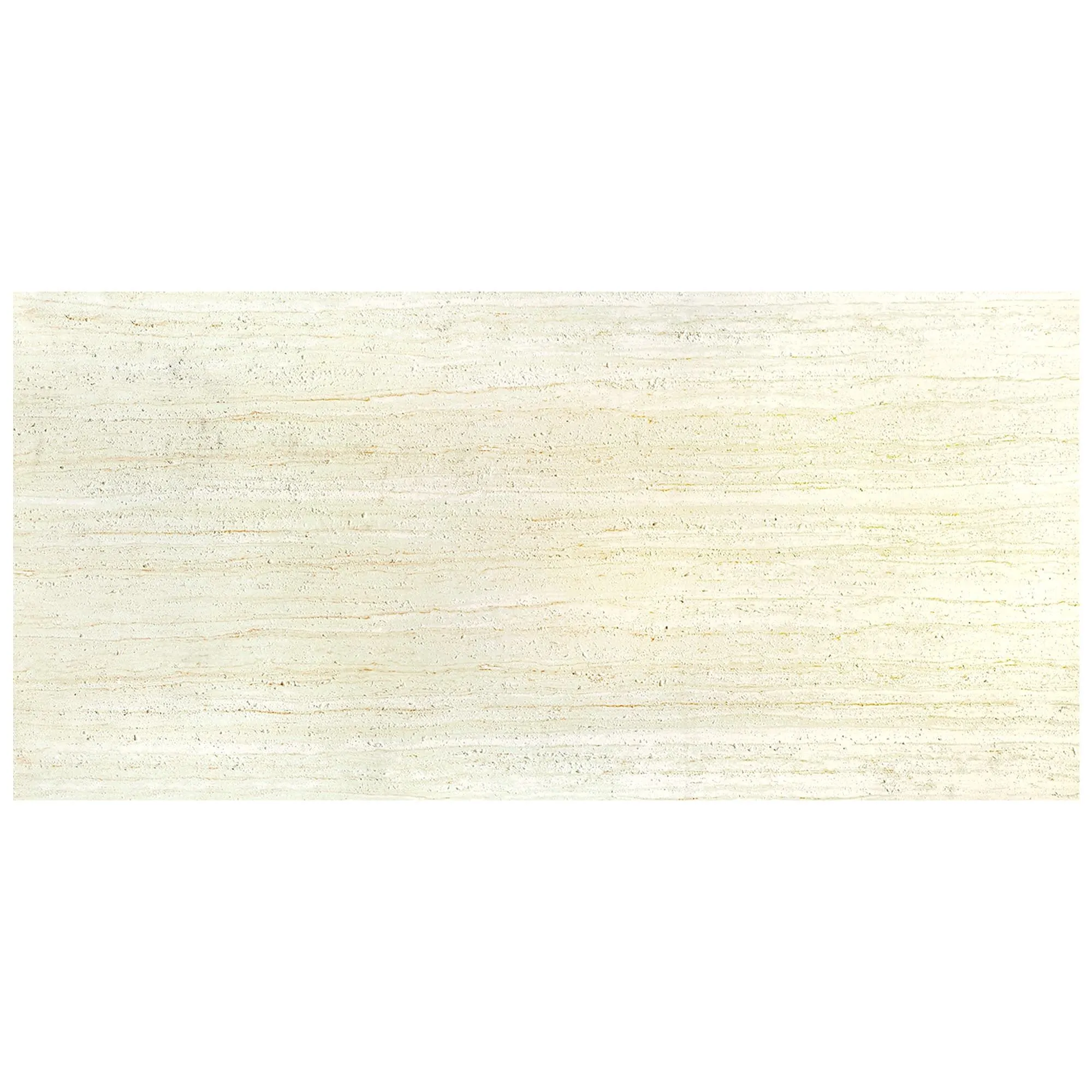
Let's start with the fun part: aesthetics. Thread depth is like a painter's brushstroke for architects—it sets the mood of a space. A shallow thread depth (think 0.5–1mm) might sound unremarkable, but in reality, it's the secret behind some of the sleekest, most modern designs out there. Take flexible stone cladding panels with a shallow thread depth, for example. The texture is so subtle that from a distance, the panels read as smooth, almost monolithic, but up close, they reveal a soft, diffused grain that catches light gently. This is perfect for minimalist interiors or contemporary exteriors where "less is more" is the mantra. Imagine a boutique hotel lobby clad in modified composite material panels with shallow threads in "lunar peak silvery"—the threads add warmth without overwhelming the space, letting other design elements (like art or furniture) take center stage.
Step up to a medium thread depth (1–2mm), and you're entering the realm of versatility. These threads strike a balance between subtlety and personality, making them a go-to for projects that need to adapt to different styles. A medium thread might look like fine sandblasted stone or the gentle grain of weathered wood, adding enough texture to create visual interest without dominating the design. The MCM big slab board series often uses medium threads in colors like "travertine (starry blue)"—the depth is just enough to make the blue hue feel dynamic, as light hits the ridges and valleys, creating a sense of movement across large surfaces like a commercial building's facade.
Then there's deep thread depth (2–3mm)—the bold, unapologetic choice for designs that crave character. These threads are impossible to ignore: they create pronounced ridges, shadow lines, and a tactile quality that invites touch. Think of a rustic restaurant exterior wrapped in flexible stone cladding panels with deep threads in "rust board granite"—the depth mimics the rough-hewn texture of natural stone, evoking a cozy, earthy vibe that makes guests want to linger. Deep threads also excel at hiding minor wear and tear, which is why they're a favorite for high-traffic areas like retail storefronts or outdoor plazas. The grooves catch dirt less visibly than shallow threads, keeping the panels looking fresh even after years of use.
And let's not forget ultra-deep threads (3mm+), the rebels of the bunch. These are statement-makers, often used in artistic installations or industrial-chic designs where texture is the star. The MCM 3D printing series, with its ability to create intricate, custom patterns, is a master of ultra-deep threads. Imagine a museum's feature wall clad in 3D-printed modified composite material panels with ultra-deep, geometric threads—each ridge casts sharp shadows, turning the wall into a three-dimensional canvas. It's bold, it's dramatic, and it's a testament to how thread depth can transform a panel from a building material into a work of art.
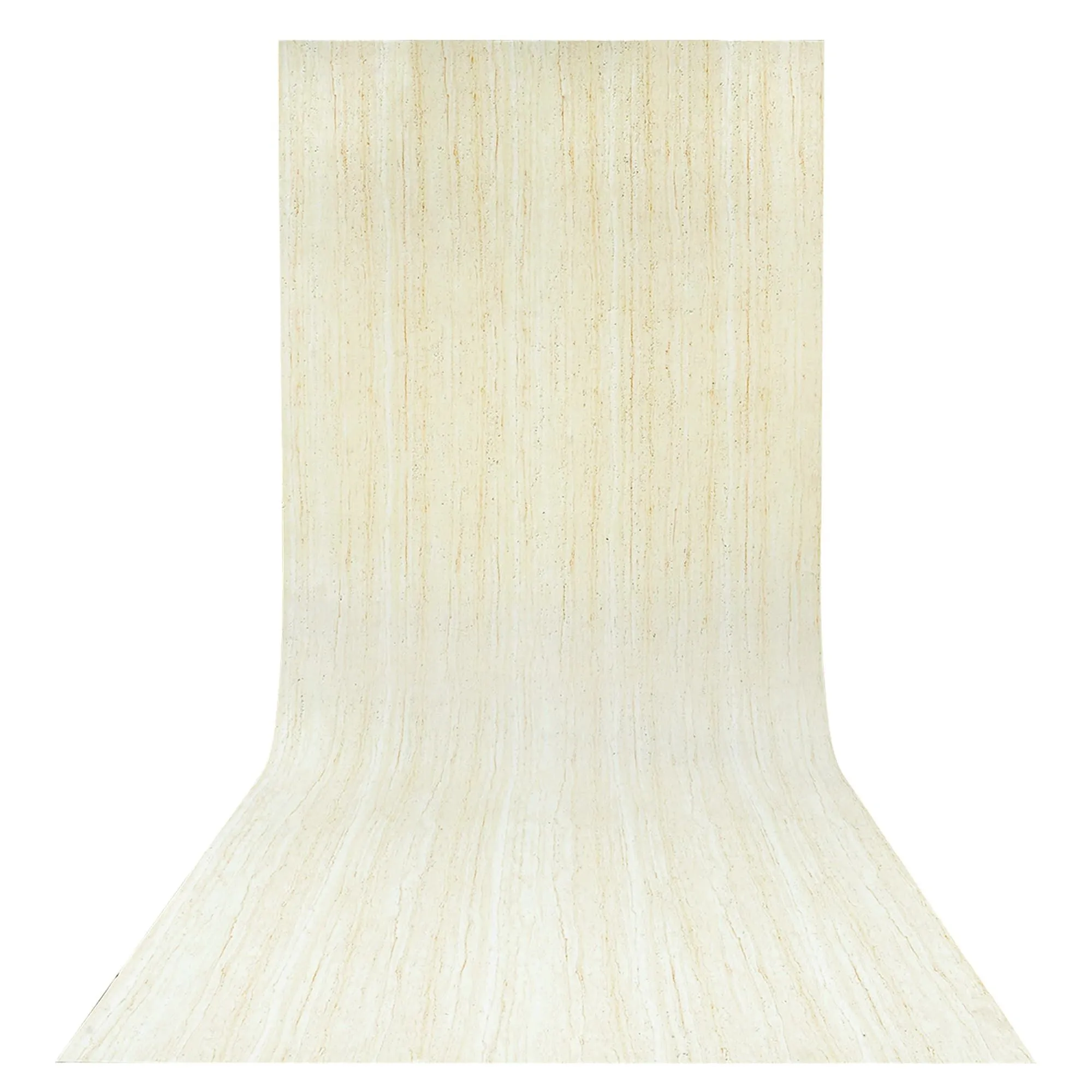
If aesthetics are the "face" of thread depth, grip is its "backbone"—the functional side that ensures MCM panels don't just look good, but perform well, too. Let's start with installation: when you're attaching flexible stone cladding panels to a wall or floor, the thread depth directly affects how well the adhesive or mortar bonds to the panel. Shallow threads, with their smooth surface, can be trickier to install because there's less surface area for the bonding agent to grip. Contractors often have to be extra precise with shallow-thread panels to avoid slippage during curing, which can lead to uneven finishes or even loose panels over time.
Medium threads, on the other hand, are like a happy medium (pun intended) for installation. The grooves provide just enough texture for mortar or adhesive to "lock in," creating a secure bond without requiring specialized tools or techniques. This is why medium-thread panels are a favorite for both pros and DIYers—they balance performance and ease of use, making them reliable for everything from kitchen backsplashes to outdoor patios.
Deep threads take grip to the next level. The deep valleys in these panels act like tiny anchors, allowing bonding agents to seep in and create a mechanical lock (not just a surface bond). This is a game-changer for high-stress applications, like exterior walls in hurricane-prone areas or floors in busy transit hubs. Imagine a subway station using modified composite material panels with deep threads in "rusty red"—the threads ensure the panels stay firmly attached even with constant foot traffic and vibrations, reducing the risk of cracks or detachment over time.
But grip isn't just about installation—it's also about safety. Think about outdoor spaces: a rainy day can turn a smooth surface into a slip hazard, but panels with the right thread depth can mitigate that risk. Deep threads, for example, channel water away from the surface, while their texture provides friction underfoot. This is why flexible stone cladding panels with deep threads are a staple in pool decks, outdoor walkways, and commercial kitchens—they keep people safe by reducing slips and falls.
Durability is another key factor. Shallow threads, while beautiful, can show scratches and wear more easily—since the surface is mostly smooth, any scuff or mark is front and center. Deep threads, by contrast, hide minor imperfections in their valleys, making the panels look newer for longer. This is especially important for high-traffic areas or spaces where maintenance is limited, like public parks or school playgrounds clad in MCM panels.
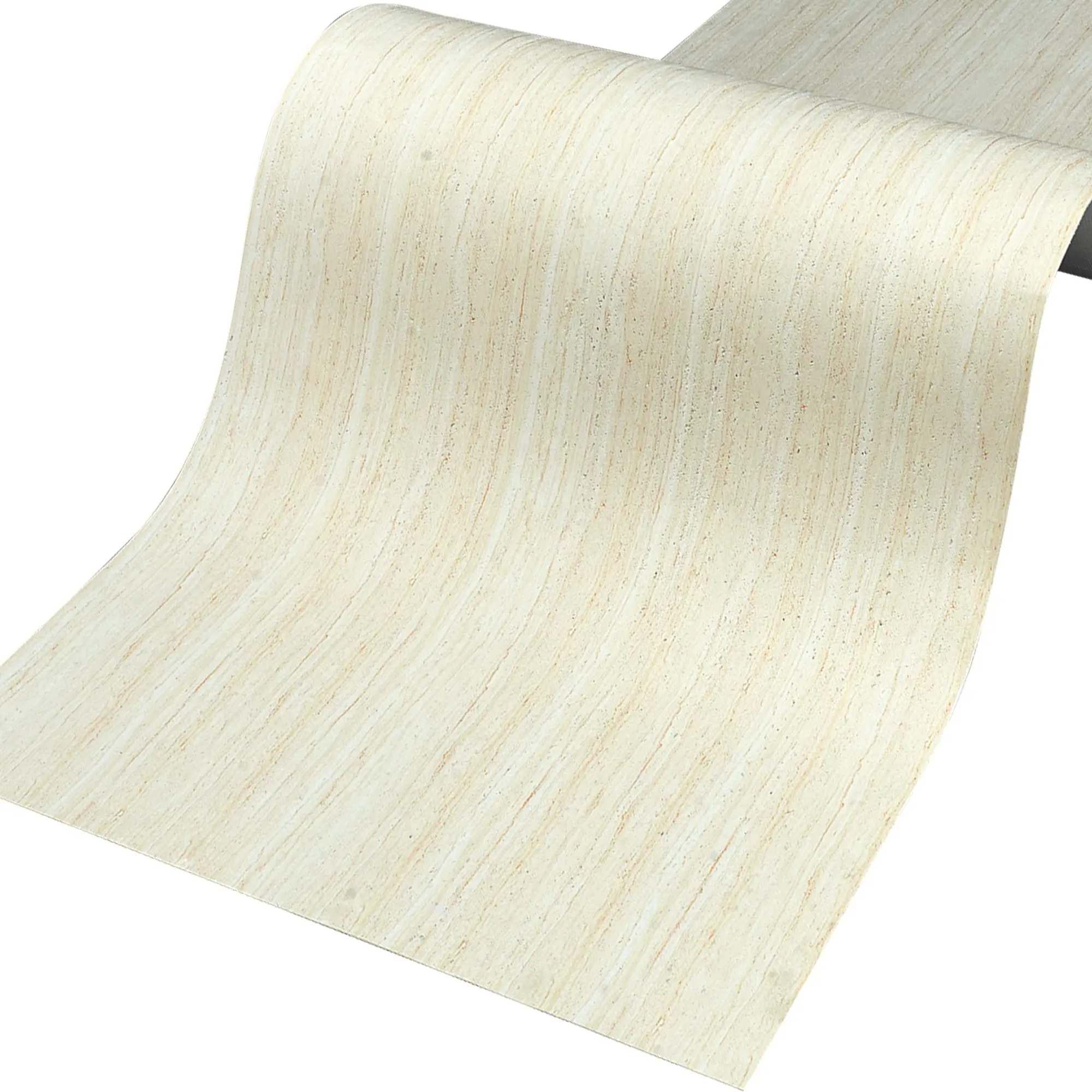
To make it easier to visualize how thread depth impacts both aesthetics and grip, let's compare four common depths side by side. This table breaks down shallow, medium, deep, and ultra-deep threads, highlighting their best uses, aesthetic vibes, and grip performance:
| Thread Depth (mm) | Aesthetic Characteristics | Grip Performance | Ideal Applications | Example MCM Product |
|---|---|---|---|---|
| Shallow (0.5–1mm) | Subtle, smooth texture; diffused light reflection; modern, minimalist look. | Moderate grip; requires precise installation for adhesion; best for low-traffic, dry areas. | Minimalist interiors, high-end retail, contemporary exteriors (low weather exposure). | Modified composite material panels in "lunar peak silvery" |
| Medium (1–2mm) | Balanced texture (fine grain/gentle ridges); versatile style (works with modern, rustic, or industrial designs). | Strong grip; easy to install with standard adhesives; good for moderate foot traffic. | Residential kitchens, office lobbies, outdoor patios (mild climates). | Flexible stone cladding panels in "travertine (starry blue)" |
| Deep (2–3mm) | Bold, sculptural texture; dramatic shadow lines; rustic or industrial aesthetic. | Excellent grip; mechanical bonding with adhesives; ideal for high-traffic or wet areas. | Commercial exteriors, subway stations, pool decks, outdoor walkways. | MCM big slab board series in "rust board granite" |
| Ultra-Deep (3mm+) | Artistic, three-dimensional texture; sharp shadow contrast; statement-making design. | Superior grip; specialized installation may be required; maximum durability. | Museum feature walls, industrial-chic restaurants, artistic facades. | MCM 3D printing series in "gobi panel" |
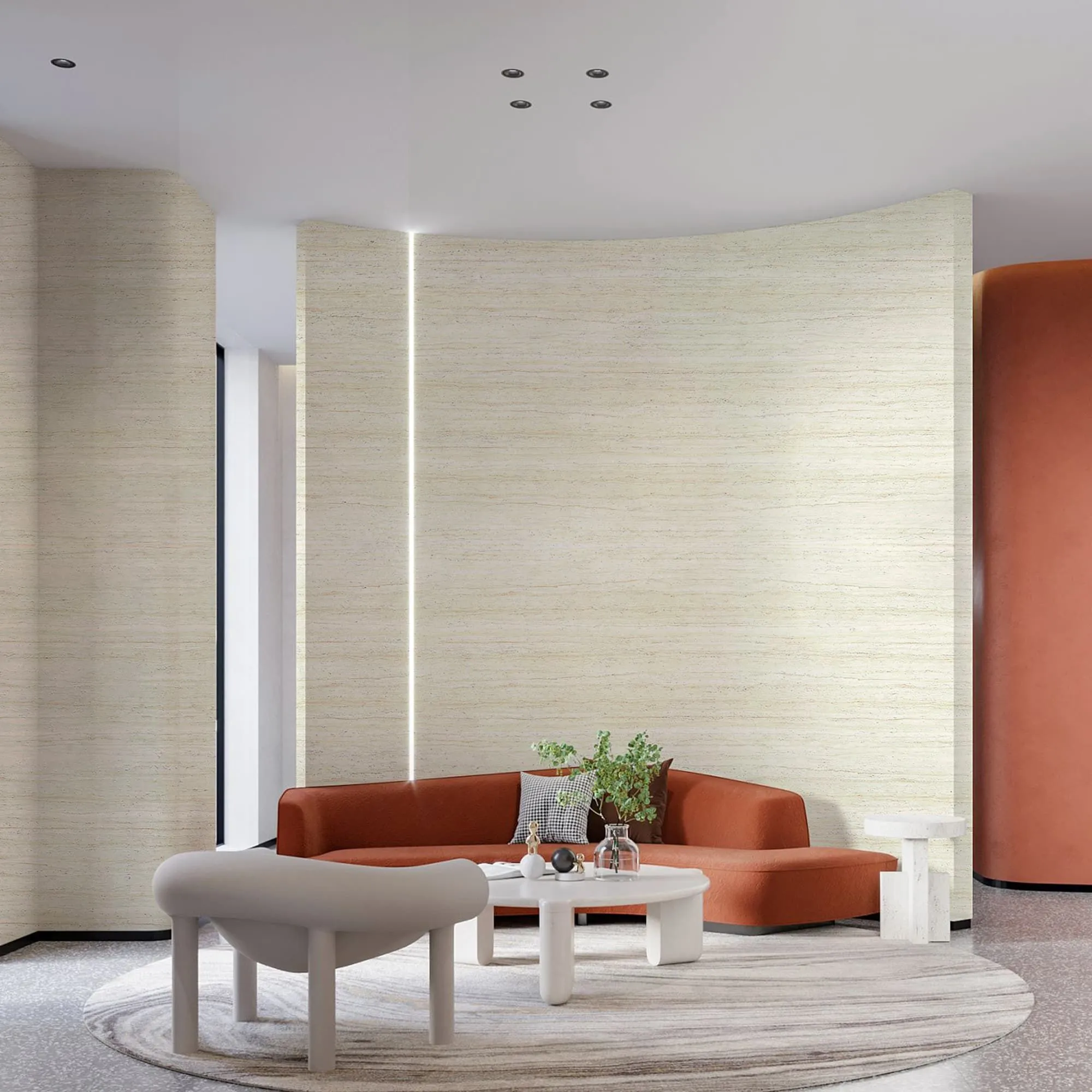
To bring this all to life, let's look at a few real-world examples where thread depth took center stage in design decisions.
The Boutique Hotel with a Secret Texture: A luxury hotel in downtown Portland wanted a facade that felt modern but warm—something that would stand out among the city's glass towers without feeling cold. The architects chose modified composite material panels with a shallow thread depth (0.8mm) in "lunar peak golden." From the street, the panels look like smooth, polished metal, catching the sun and glowing softly. But as guests approach, the shallow threads reveal themselves, creating a subtle, velvety texture that invites touch. The result? A building that's striking from afar and intimate up close—all thanks to a thread depth that balanced sleekness with warmth.
The Community Pool That Prioritizes Safety: A public pool in Miami needed flooring that could handle constant water, chlorine, and foot traffic—without sacrificing style. The designers opted for flexible stone cladding panels with a deep thread depth (2.5mm) in "stream limestone (claybank)." The deep threads channel water away from the surface, while their rough texture provides exceptional grip, even when wet. Parents love that kids can run around without slipping, and the "claybank" color adds a beachy vibe that ties the pool area together. It's a win-win: safety first, with aesthetics that don't feel like an afterthought.
The Office Building That Tells a Story: A tech company in Austin wanted its headquarters to reflect its innovative, forward-thinking brand. The design team chose the MCM 3D printing series with ultra-deep threads (3.2mm) in "starmoon stone"—a custom pattern that mimics the look of constellations. The ultra-deep threads create a 3D effect, with shadows shifting as the sun moves across the sky, turning the facade into a dynamic, ever-changing canvas. Employees often comment on how the building "feels alive," and visitors can't help but stop and trace the patterns with their fingers. Here, thread depth isn't just a detail—it's part of the brand's story.
So, how do you pick the perfect thread depth for your project? Start by asking yourself three questions:
1. What's the vibe? Are you going for modern and sleek (shallow), versatile and balanced (medium), bold and rustic (deep), or artistic and statement-making (ultra-deep)? Let the project's aesthetic guide your initial choice.
2. Where will the panels go? Indoor vs. outdoor? High-traffic vs. low-traffic? Wet vs. dry? For outdoor or wet areas, prioritize grip (medium to deep). For low-traffic interiors, shallow or medium may be enough.
3. How much maintenance are you willing to do? Shallow threads show wear more easily, so they may need more frequent cleaning or touch-ups. Deep threads hide imperfections, making them lower-maintenance for busy spaces.
And don't forget to test samples! Order a few modified composite material panels with different thread depths and see how they look in your space—how they react to natural light, how they feel underfoot, how they complement other materials. Sometimes, the "right" depth is the one that just feels right when you hold it.
Thread depth might seem like a tiny detail, but in the world of MCM panels, it's a design superpower. It's the difference between a space that feels flat and one that feels alive, between a panel that looks good for a year and one that lasts a decade. Whether you're working with flexible stone cladding panels, the MCM big slab board series, or modified composite material panels, taking the time to consider thread depth ensures your project isn't just built—it's crafted.
So the next time you're poring over material samples, lean in. Run your fingers across the surface. Notice how the light plays on the threads. Ask yourself: What story does this depth tell? How will it make people feel? Because in the end, great architecture isn't just about buildings—it's about the experiences they create. And thread depth? It's one of the quiet heroes making those experiences possible.
Recommend Products












