
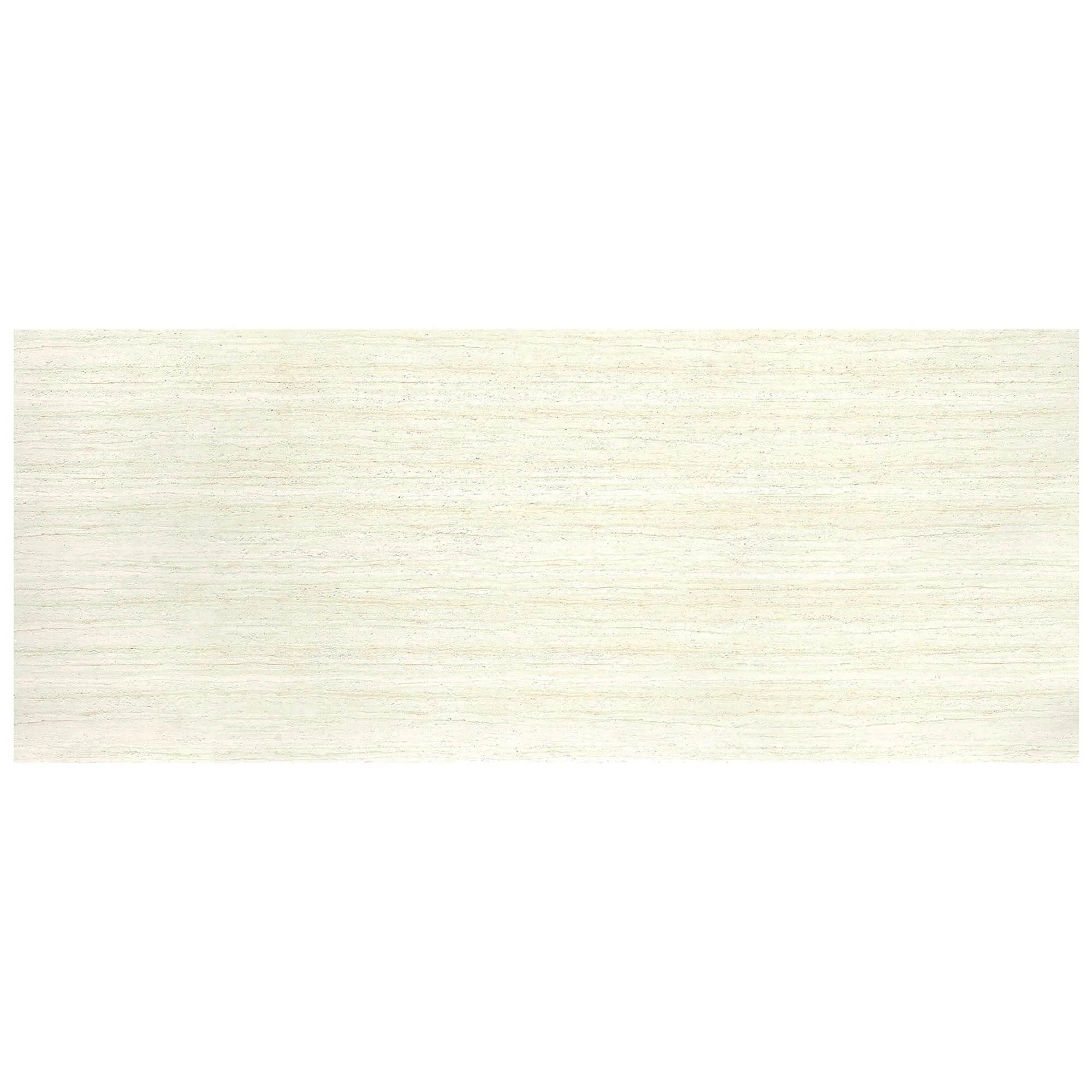
Walk into any space—whether it's a cozy café, a sleek office lobby, or a sunlit home—and what hits you first? It's not just the colors or the furniture. It's the texture. The way light plays on a wall, the feel of a surface under your fingertips, the subtle patterns that draw your eye in. Texture is the unsung hero of design, turning ordinary rooms into stories. And when it comes to modern texture magic, MCM (Modified Composite Material) panels are leading the charge. Today, we're diving into two techniques that make these panels sing: rolled and engraved thread textures. Let's unpack how they differ, where they shine, and how they can transform your next project—no design degree required.
Think of rolled textures as the "hug" of the design world. They're created by pressing a patterned roller over the MCM surface during production, gently embedding textures that feel organic and flowing—like waves on a shore or the weave of a well-loved blanket. This method leans into softness, creating textures that are tactile but not overwhelming, visual but never harsh.
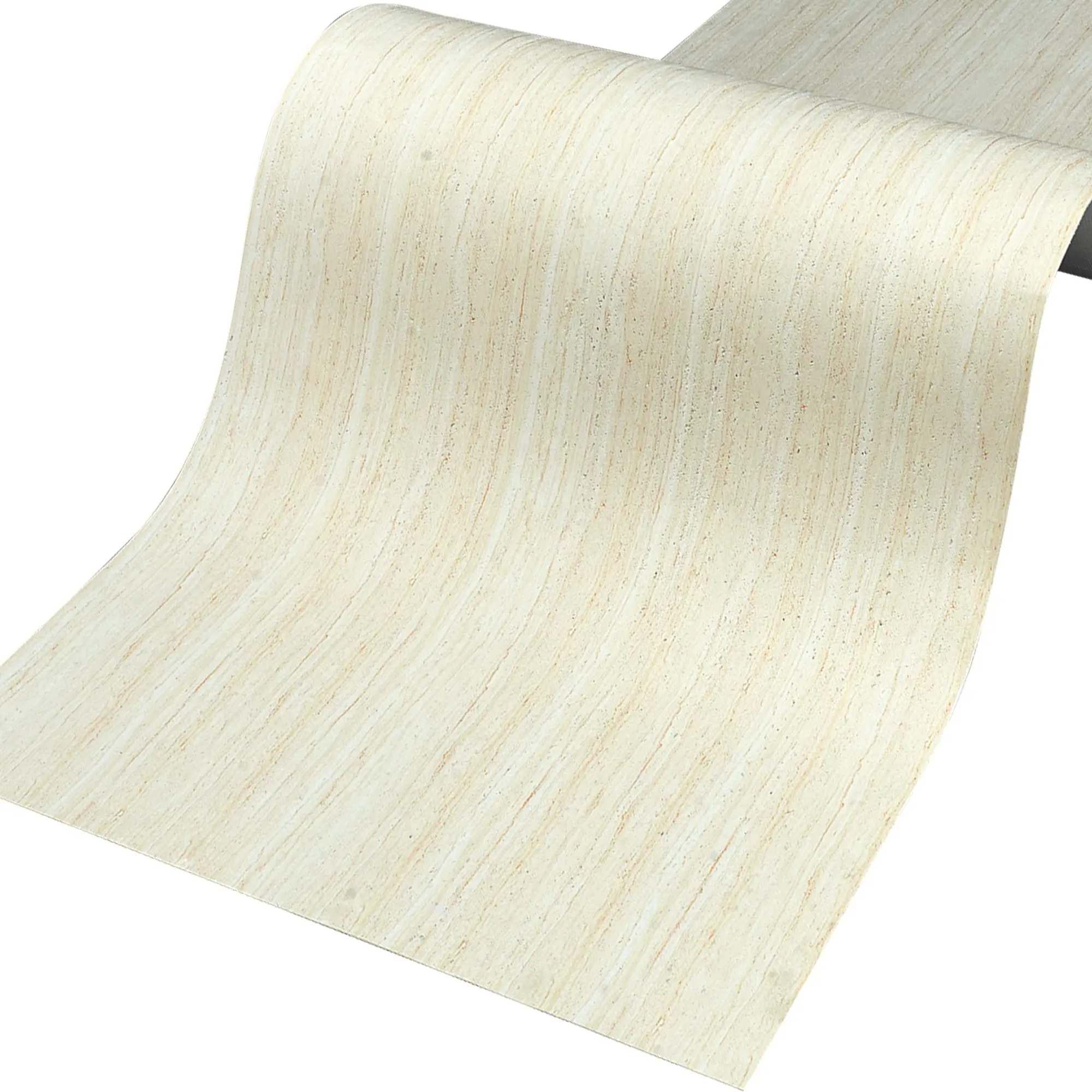
Take the wave panel , for instance. Run your hand over it, and you'll feel the gentle rise and fall of its surface, mimicking ocean swells frozen in time. It's the kind of texture that turns a plain bathroom wall into a serene retreat, or a restaurant accent wall into a conversation starter. Similarly, the weaving (khaki) series uses rolled techniques to replicate the look of handwoven fabric—warm, inviting, and full of that "lived-in" charm that makes a space feel like home. Even MCM flexible stone , a star in the lineup, often uses rolled textures to maintain its bendable, versatile nature while adding depth; imagine wrapping it around a curved fireplace or a spiral staircase, its soft texture softening the edges of modern architecture.
What makes rolled textures special? They're all about movement. They catch light in subtle ways, shifting from matte to slightly glossy as you walk by, creating a dynamic, almost breathing quality in a room. And because the patterns are pressed (not cut), they tend to be more resistant to chipping—great for high-traffic areas like hallways or kid-friendly zones.
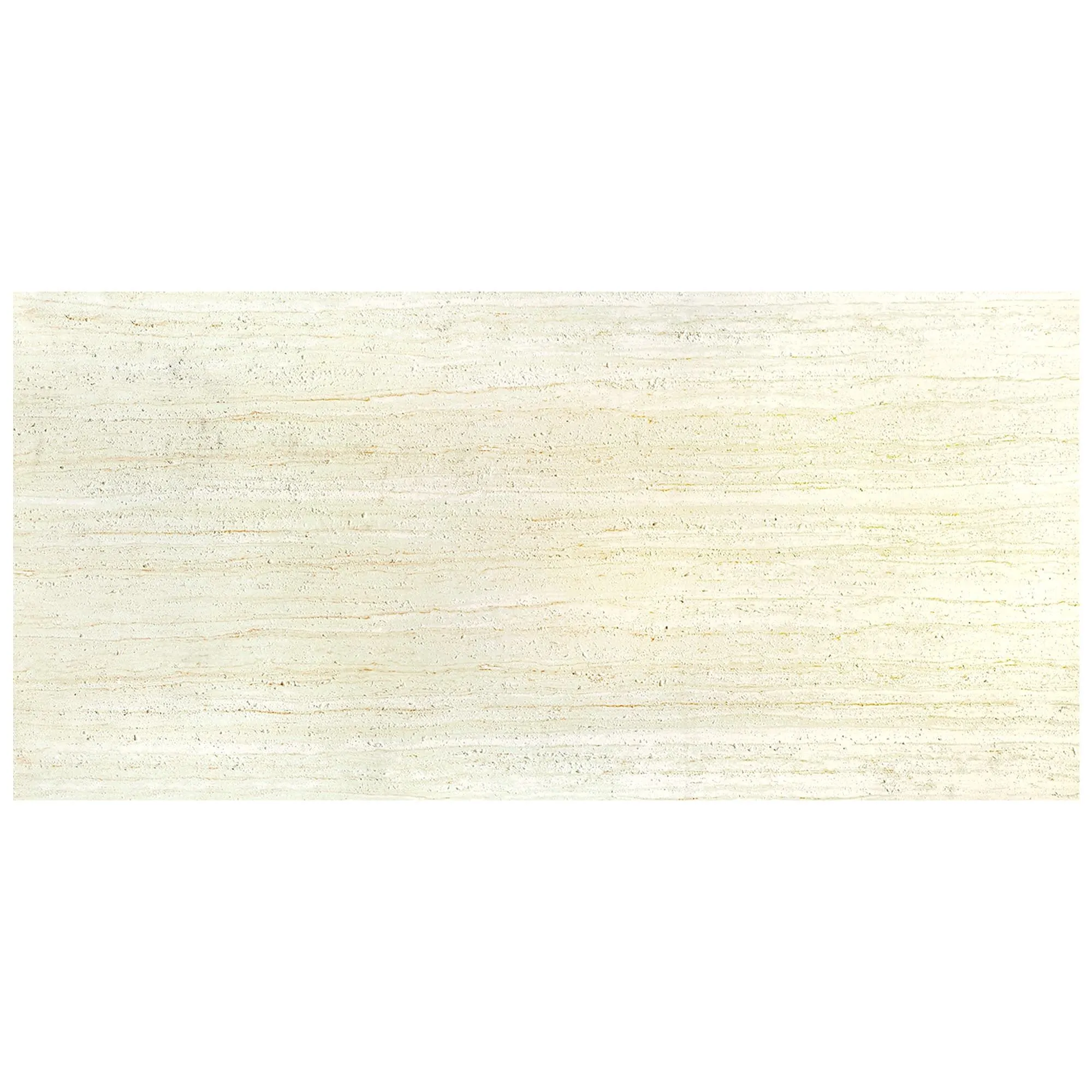
If rolled textures are hugs, engraved textures are handshakes—sharp, intentional, and full of character. This method uses precision tools to carve threads directly into the MCM surface, creating defined lines, grooves, and patterns that feel crisp and deliberate. It's like a sculptor chiseling a masterpiece, but on a material that's built for everyday life.
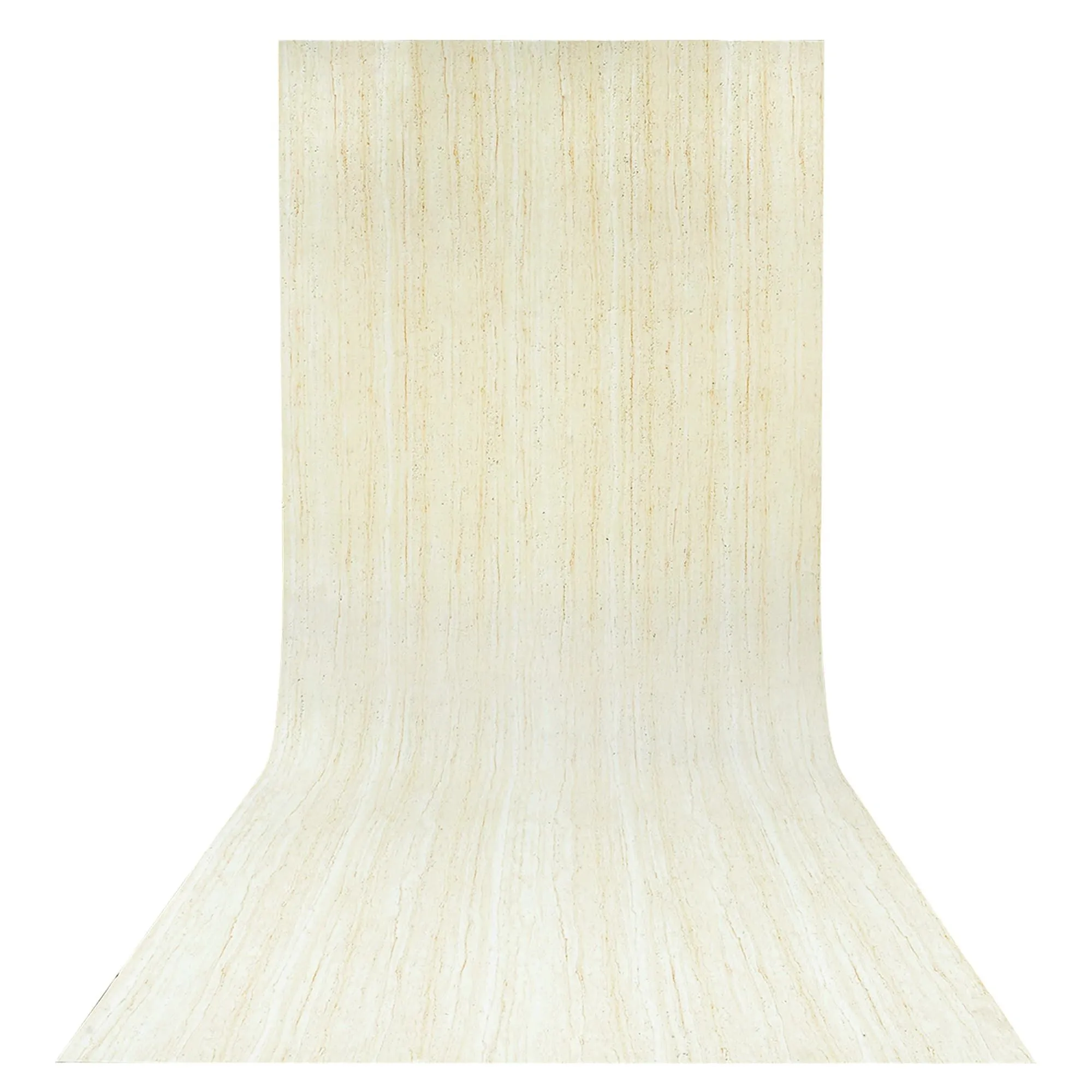
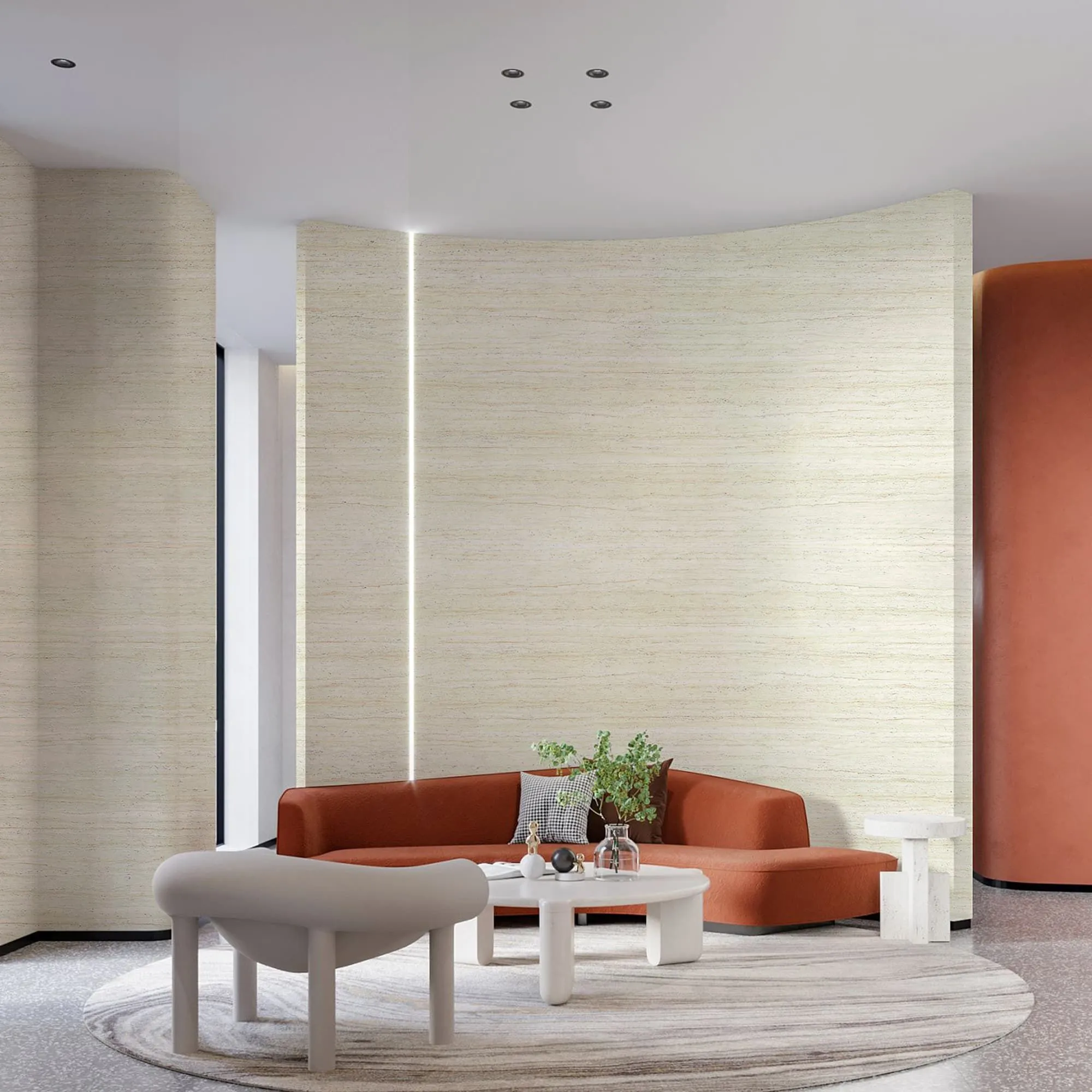
Consider linear travertine (claybank) : its engraved threads are clean, parallel lines that stretch across the panel, evoking the look of natural stone split by time. Run your finger along them, and you'll feel the satisfying "click" of each groove—a tactile reminder of craftsmanship. Then there's fine line stone (grey) , where ultra-thin engraved threads create a delicate, almost lace-like pattern; it's the texture you'd choose for a minimalist home office, adding sophistication without clutter. Even bold options like lunar peak silvery use engraving to mimic the moon's craters—deep, precise indentations that catch shadows and light, turning a wall into a celestial canvas.
Engraved textures thrive on contrast. They pair beautifully with smooth surfaces (like fair-faced concrete ) to create visual tension, or with other engraved panels in complementary colors for a layered look. And because the threads are carved, they hold color differently—darker in the grooves, lighter on the peaks—adding depth that's hard to replicate with any other technique.
| What to Consider | Rolled Thread Textures | Engraved Thread Textures |
|---|---|---|
| Texture Vibe | Soft, flowing, organic (e.g., wave panel, weaving series) | Sharp, defined, precise (e.g., linear travertine, fine line stone) |
| Tactile Feel | Gentle ridges, smooth transitions—like petting a soft blanket | Crisp grooves, distinct edges—like running your hand over a well-carved wooden box |
| Best For | Cozy spaces (bedrooms, cafés), curved surfaces (thanks to MCM flexible stone ) | Modern, sleek areas (offices, lobbies), statement walls (e.g., travertine (starry green) with engraved star patterns) |
| Maintenance | Easier to clean (shallow textures trap less dust) | May need gentle brushing (deeper grooves can collect crumbs in high-traffic zones) |
| Light Play | Soft, diffused glow (great for warm, inviting lighting) | Dramatic shadows and highlights (perfect for spotlighting or mood lighting) |
Numbers and tables tell part of the story, but nothing beats seeing these textures in action. Let's step into a few spaces where rolled and engraved MCM textures stole the show.
Maya, a café owner in a beach town, wanted her space to feel like a "hug by the ocean"—cozy but bright. She chose wave panel (rolled texture) for her back wall, paired with weaving (beige) panels for the banquettes. "The waves catch the morning light and make the whole room glow," she says. "Customers keep touching the walls—they can't help it! It's like bringing the beach indoors without the sand."
For a sleek office in the city, the design team went all-in on engraved textures. They used linear travertine (claybank) for the reception desk front—its clean, carved lines mirror the company's focus on innovation. In the meeting rooms, lunar peak silvery panels with engraved crater patterns add a playful yet professional touch. "It's modern but not cold," says the office manager. "The textures make the space feel dynamic, like our work."
When Raj and Priya renovated their living room, they wanted to balance warmth and sophistication. They used MCM flexible stone (rolled texture) for the fireplace surround—it bends perfectly around the curve and has a soft, stone-like feel. Opposite the fireplace, they installed travertine (starry green) with engraved star patterns as an accent wall. "The rolled stone is grounding, and the engraved stars add a little magic," Priya. "It's our favorite room now—we even moved the couch to face both walls!"
At the end of the day, there's no "better" technique—only what works for your space and style. Here's a quick guide to help you decide:
Pro tip: Order samples! Most MCM suppliers send small swatches—hold them, feel them, and see how they look in your space's natural light. Texture is personal, and what feels "right" in a catalog might feel different at home.
Whether it's the soft roll of a wave or the sharp of a lunar peak, MCM thread textures do more than cover walls—they tell stories. They turn houses into homes, offices into hubs, and cafés into community spots. Rolled or engraved, each technique is a tool to make your space feel uniquely you .
So go ahead—touch the samples, dream up the possibilities, and let texture lead the way. After all, the best designs aren't just seen—they're felt.
Recommend Products












