
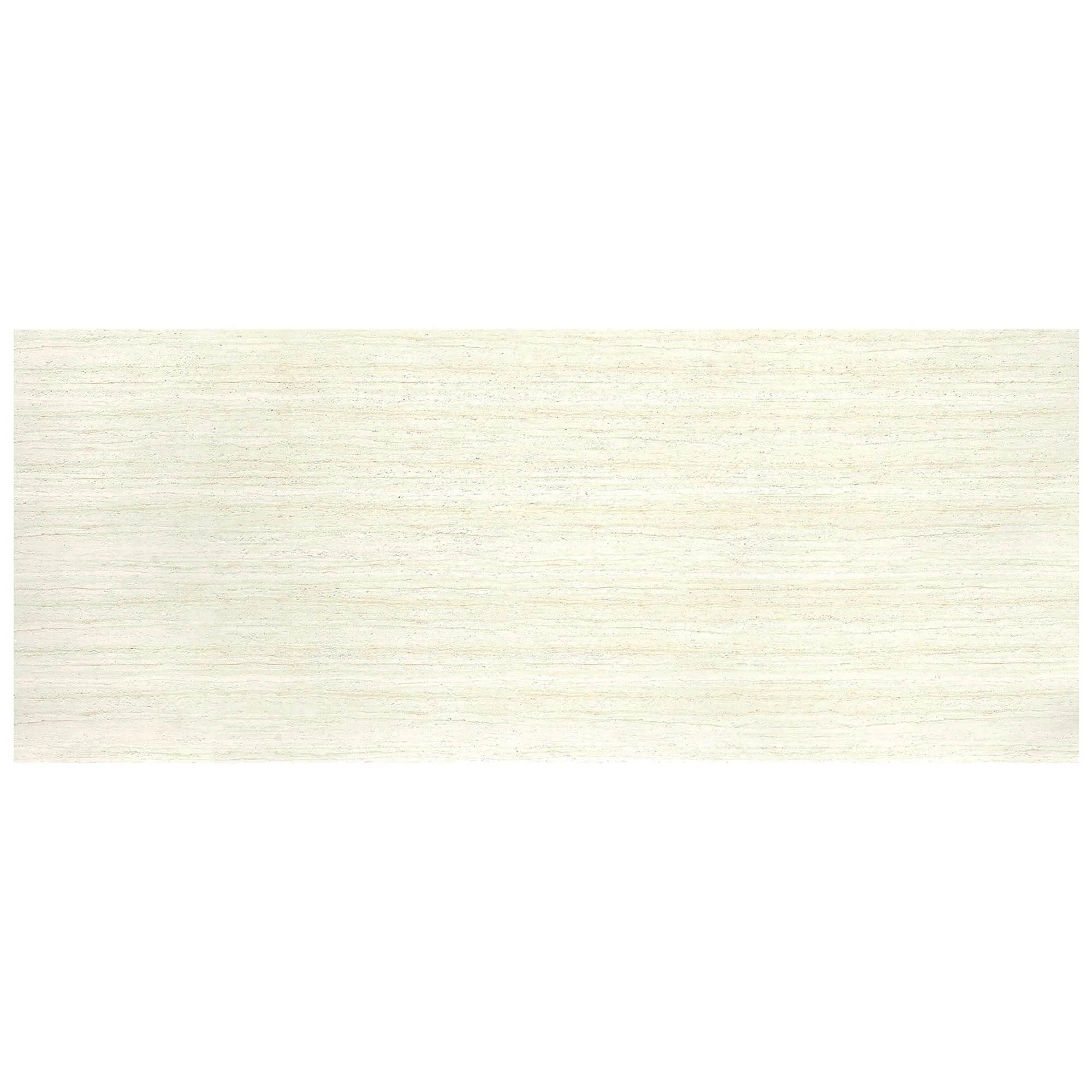
Walk through the cobblestone streets of a historic Italian village, and you'll feel it immediately—the warmth of sun-baked travertine (starry green) walls that have stood for centuries, their pitted surfaces telling tales of rain, wind, and time. Now step into a sleek, glass-wrapped skyscraper in Tokyo, and your gaze is drawn to the facade: panels that shift from matte to metallic as clouds pass overhead, lightweight yet impossibly durable. Both are examples of cladding, the unsung hero of architecture that does more than protect buildings—it shapes how we experience space, tells stories, and bridges the gap between function and beauty. But beneath their visual appeal lies a world of difference: one rooted in age-old craft, the other in cutting-edge material science. Today, we're diving deep into this clash of traditions and innovation, pitting traditional cladding techniques against the rising star of modern construction: MCM panels.
Traditional cladding isn't just about covering walls—it's about legacy. For millennia, humans have used what the earth provided: stone hewn from quarries, bricks fired from clay, wood milled from forests, and even mud shaped into adobe. These materials were chosen not just for their availability, but for their ability to withstand the elements and age gracefully. Take travertine (starry green) , a type of limestone formed in mineral springs, prized for its unique veining and porous texture. In ancient Rome, it clad the Colosseum, its durability ensuring the structure still stands today. In rural Japan, wooden cladding on farmhouses wasn't just decorative; it breathed, allowing the building to expand and contract with humidity, preventing rot.
The beauty of traditional cladding lies in its imperfection. Each stone is unique, each brick bears the fingerprint of the mason who shaped it, and each wooden plank carries the grain of its tree. This "human touch" is why historic districts feel so alive—they're not just buildings, but tapestries of craftsmanship. But this uniqueness comes with trade-offs. Traditional stone cladding, for example, is heavy—often weighing 50-100 pounds per square foot. That means buildings need reinforced structural frames to support the load, driving up construction costs. Installation is also labor-intensive: masons spend hours cutting, fitting, and sealing each piece, a process that can stretch timelines by months. And while materials like fair-faced concrete (a modern take on traditional concrete, left exposed for a raw, industrial look) offer simplicity, they lack the design flexibility of more ornate options.
Maintenance is another hurdle. Traditional cladding demands care. Stone may need periodic sealing to prevent water damage; wood requires staining to fend off pests and rot; even brick mortar crumbles over time, needing repointing. For property owners, this translates to ongoing costs and the stress of preserving a material that's as fragile as it is beautiful. Yet, for all these challenges, traditional cladding endures. Why? Because it connects us to the past. When you run your hand over a travertine (starry green) wall, you're touching the same material that ancient artisans worked with. That emotional resonance is hard to replicate.
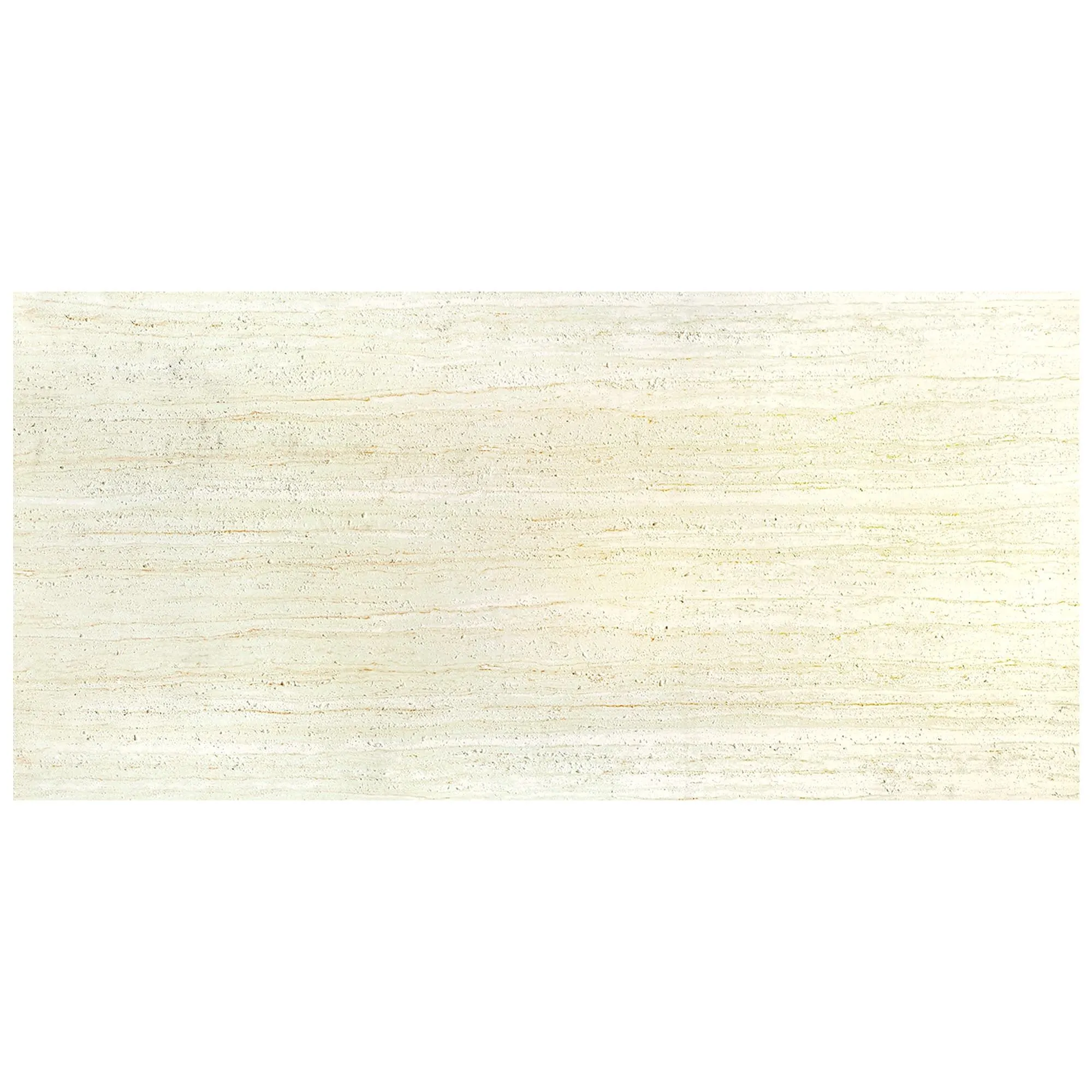
Enter MCM panels—short for Modified Composite Material—a category of cladding that's redefining what's possible in architecture. Born from the need for lighter, more versatile, and sustainable building materials, MCM panels are engineered composites, typically made from a mineral core (like cement or fiberglass) bonded to a thin layer of natural stone, metal, or resin. The result? A material that's strong, flexible, and surprisingly lightweight—often weighing just 3-7 pounds per square foot, a fraction of traditional stone.
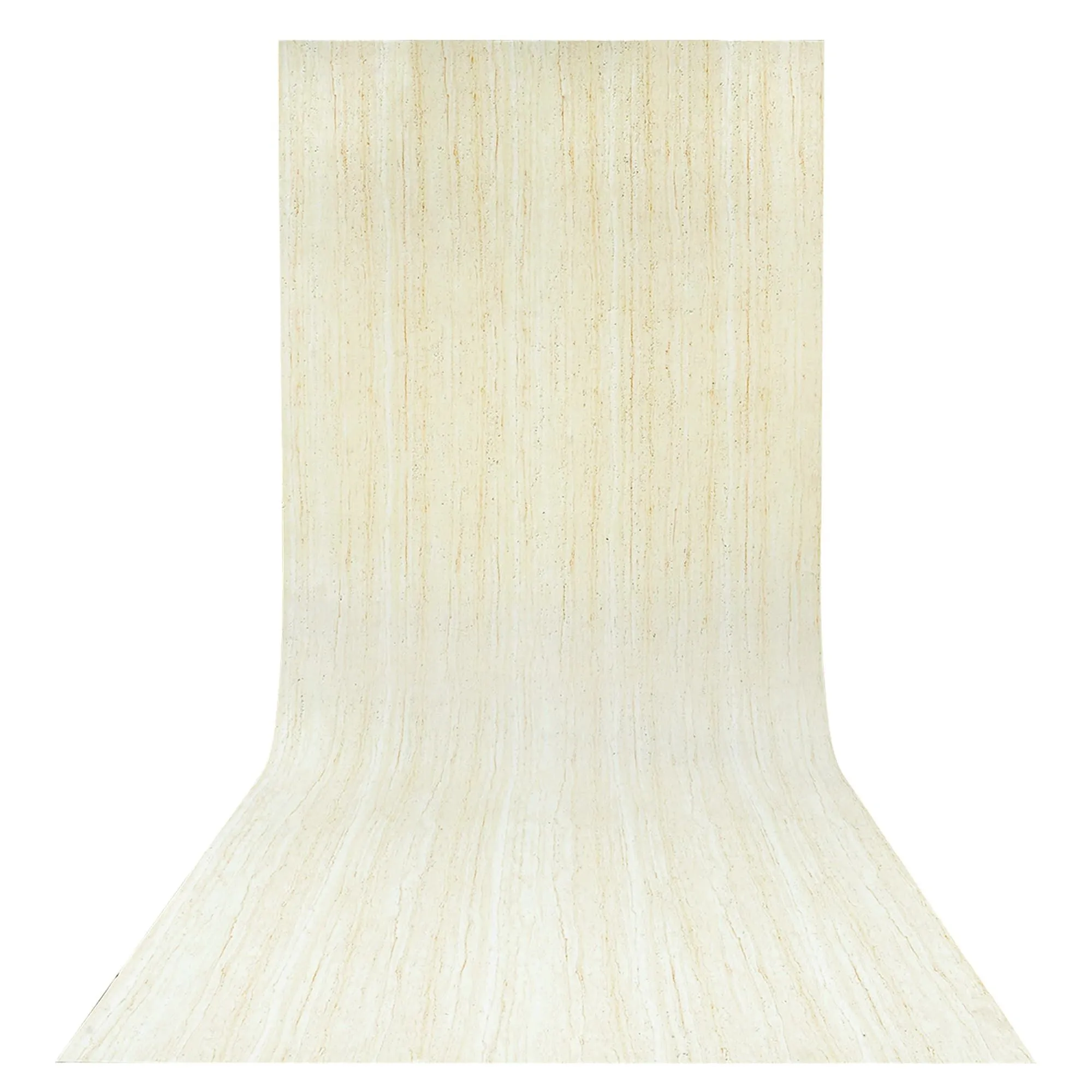
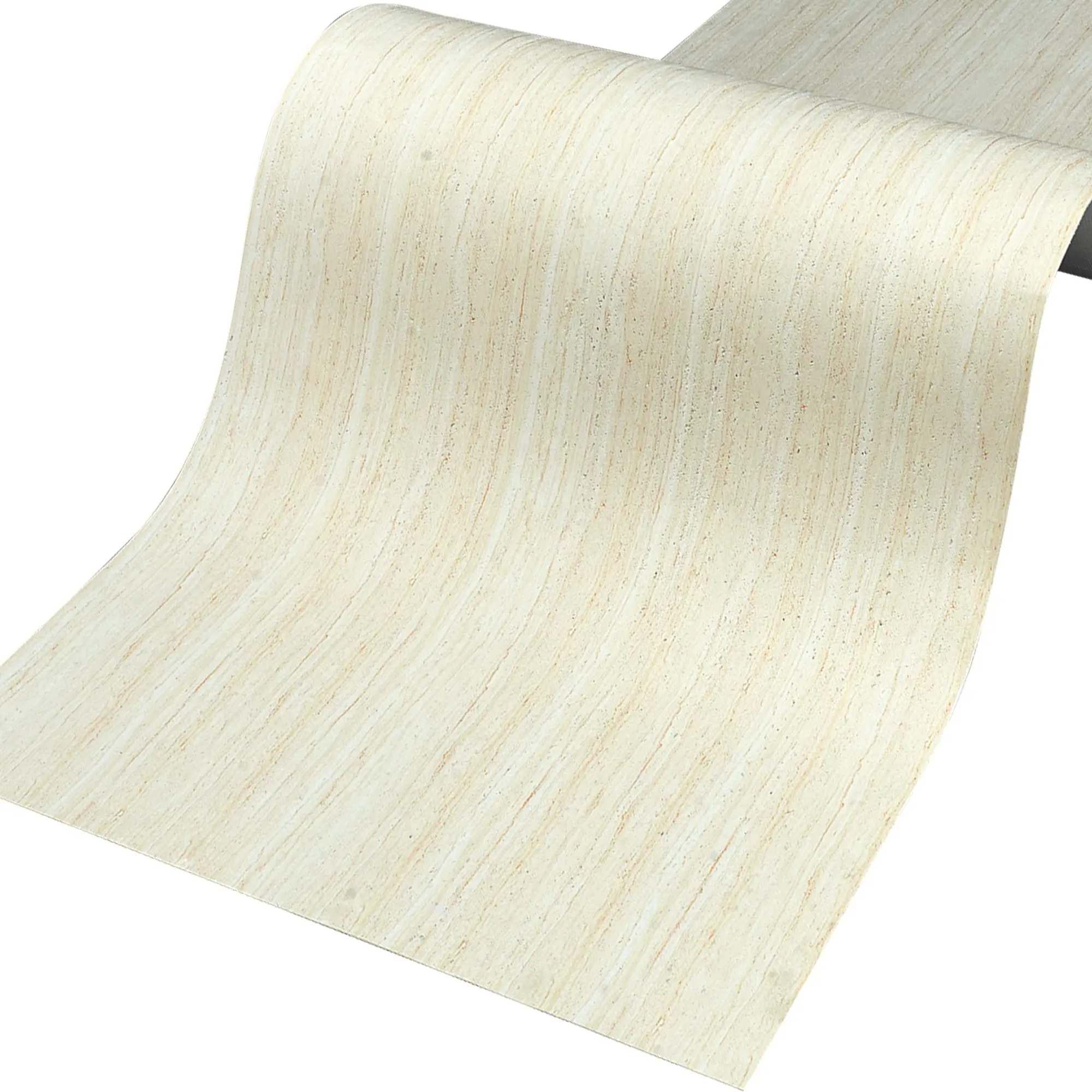
What truly sets MCM panels apart is their adaptability. Take the MCM flexible stone line: these panels can bend and curve, wrapping around columns, arches, or even domed ceilings with ease. Traditional stone, rigid and brittle, would crack under such stress, but MCM's composite structure allows for flexibility without sacrificing strength. Then there's the MCM 3D printing series , which uses advanced 3D printing technology to create panels with intricate, three-dimensional textures—think undulating waves, geometric patterns, or even designs mimicking coral reefs. For architects tired of flat, monotonous facades, this is a game-changer.
But MCM's innovation doesn't stop at flexibility. The MCM big slab board series offers panels up to 5 feet wide and 10 feet long, enabling seamless, joint-free facades that traditional cladding can't match. Imagine a hotel lobby with a single, unbroken wall of travertine (starry green) -inspired MCM panels—no grout lines, no mismatched stones, just a smooth, continuous surface that feels both grand and cohesive. And because MCM panels are factory-manufactured, they offer consistency: every panel in a batch matches in color, texture, and thickness, eliminating the guesswork of traditional material sourcing.
Sustainability is another feather in MCM's cap. Many MCM panels are made with recycled materials—post-consumer plastic, reclaimed stone dust, or even agricultural waste. Their lightweight nature also reduces transportation emissions: a single truck can carry 10 times more MCM panels than traditional stone, cutting down on fuel use. And since they're resistant to fading, staining, and mold, MCM panels last decades with minimal upkeep—no sealing, no repainting, just an occasional rinse with water. For eco-conscious builders, this is a win-win: lower environmental impact without compromising on performance.
| Feature | Traditional Cladding (e.g., Stone, Brick, Wood) | MCM Panels (e.g., Flexible Stone, 3D Printing Series) |
|---|---|---|
| Material Composition | Natural materials (stone, clay, wood) or basic composites (concrete). | Engineered composites: mineral core (cement/fiberglass) + thin decorative layer (stone, metal, resin). |
| Weight | Heavy (50-100 lbs/sq ft); requires reinforced structural support. | Lightweight (3-7 lbs/sq ft); compatible with standard building frames. |
| Installation | Labor-intensive; requires skilled masons/craftsmen. Time-consuming (weeks to months). | Modular and pre-cut; can be installed by general contractors. Fast (days to weeks). |
| Durability | High (centuries for stone/brick), but prone to cracking, rotting (wood), or mortar erosion. | Exceptional (30+ years); resistant to UV rays, moisture, and impact. Doesn't fade or warp. |
| Design Flexibility | Limited by material rigidity (e.g., stone can't bend). Customization is costly. | Unmatched: MCM flexible stone bends; 3D printing series creates complex textures; big slab board series enables seamless surfaces. |
| Sustainability | Resource-intensive (quarrying, logging); high transportation emissions due to weight. | Often uses recycled materials; low transportation emissions; long lifespan reduces replacement needs. |
| Cost | High upfront costs (materials, labor, structural reinforcement). Ongoing maintenance expenses. | Lower upfront costs (materials, faster installation). Minimal maintenance costs over time. |
| Maintenance | Regular upkeep (sealing, repainting, repointing, pest control for wood). | Low-maintenance: occasional cleaning with water; no sealing or repairs needed. |
Let's unpack a few of these differences with real-world examples. Take installation: a 10,000-square-foot commercial building clad in traditional travertine (starry green) might take 3-4 months to install, requiring a team of 6-8 masons. The same project using MCM big slab board series panels? Just 4-6 weeks with a crew of 3-4 general contractors. That's a massive time savings, which translates to lower labor costs and faster project completion—critical for developers eager to start leasing space.
Design flexibility is another area where MCM shines. Consider the MCM 3D printing series : in 2023, a museum in Barcelona used these panels to create a facade that mimics the flow of water, with 3D-printed waves that catch the light differently throughout the day. Traditional stone cladding could never achieve that level of detail without prohibitively high costs. Similarly, MCM flexible stone was used on a curved retail storefront in Paris, where the architect wanted the building to "hug" the street. Traditional stone would have required expensive custom cutting and risked cracking; MCM panels bent to the curve effortlessly.
But traditional cladding still has its place. In historic preservation, for example, authenticity is non-negotiable. When restoring a 19th-century mansion in Boston, architects insisted on using original travertine (starry green) cladding, even though MCM panels would have been cheaper and faster. Why? Because the mansion's value lies in its historical accuracy—the stone walls are part of its identity, and replacing them with modern materials would erase a piece of the past. Similarly, in residential design, some homeowners crave the tactile warmth of real wood cladding, even if it means higher maintenance. For them, the sound of rain on a wooden facade or the smell of cedar in summer is worth the extra work.
At the end of the day, cladding isn't just about buildings—it's about people. How does a material make you feel? Traditional cladding, with its organic textures and imperfections, tends to evoke warmth and nostalgia. A stone-clad cottage feels cozy, like a hug from the past. MCM panels, with their sleekness and innovation, often feel futuristic and dynamic. A building wrapped in MCM 3D printing series panels feels like a piece of art, pushing the boundaries of what's possible.
Architects and designers are increasingly blending the two, creating hybrid facades that honor tradition while embracing innovation. Imagine a restaurant where the lower level uses traditional fair-faced concrete for a rustic, grounded feel, while the upper level features MCM flexible stone panels in a bold, modern pattern. The result? A space that feels both rooted and forward-thinking, appealing to diners who crave both comfort and excitement.
Sustainability is also shaping these choices. As the construction industry moves toward net-zero goals, MCM panels are gaining traction for their low environmental impact. A recent study by the Green Building Council found that MCM-clad buildings have 30% lower carbon footprints than those with traditional stone cladding, thanks to reduced transportation emissions and longer lifespans. For companies prioritizing ESG (Environmental, Social, Governance) goals, this is a compelling selling point.
So, which is better: traditional cladding or MCM panels? The answer, as with most things in architecture, is "it depends." Traditional cladding will always have a place in historic preservation, heritage projects, and designs that prioritize authenticity and tactile warmth. But for modern construction—where speed, cost, sustainability, and design flexibility are key—MCM panels are hard to beat. They're not just a material; they're a tool that empowers architects to dream bigger, builders to work smarter, and communities to enjoy spaces that are both beautiful and built to last.
Whether you're drawn to the timeless charm of travertine (starry green) or the cutting-edge innovation of MCM 3D printing series , one thing is clear: cladding is more than skin deep. It's the language buildings use to speak to us, and in that conversation, both tradition and innovation have vital roles to play.
Recommend Products












