
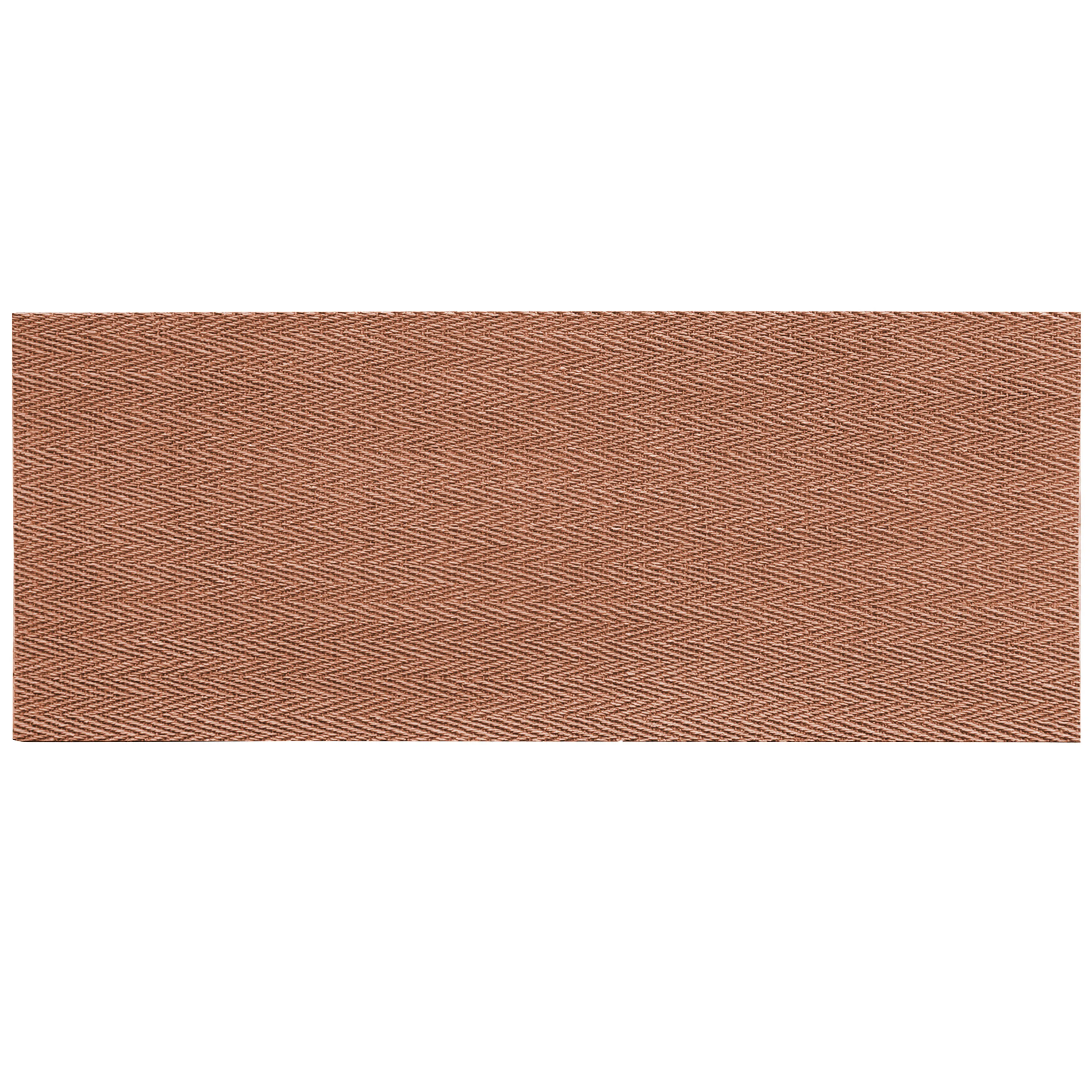
Choosing the right material for your next design project can feel like standing at a crossroads. On one side, there's the timeless allure of natural stone—think the warm beige of travertine (beige) or the classic elegance of marble. On the other, modern innovations like MCM (Modified Composite Material) are redefining what's possible, with products like Weaving (Jacinth) MCM offering texture, durability, and style in a lightweight package. But which one truly delivers better value? Let's dive in, break down the costs, and put performance to the test—no jargon, just real talk for designers, homeowners, and anyone who cares about how spaces feel.
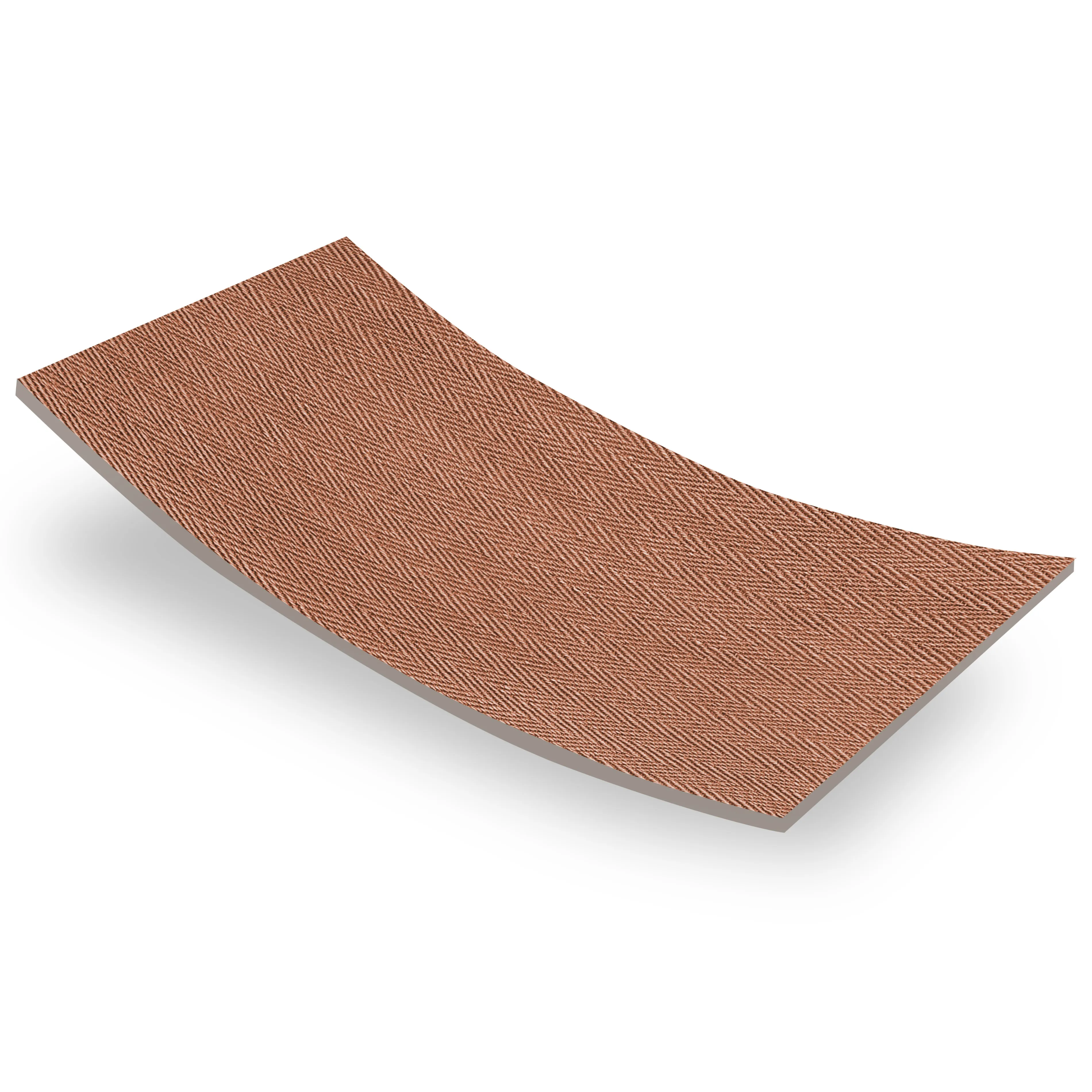
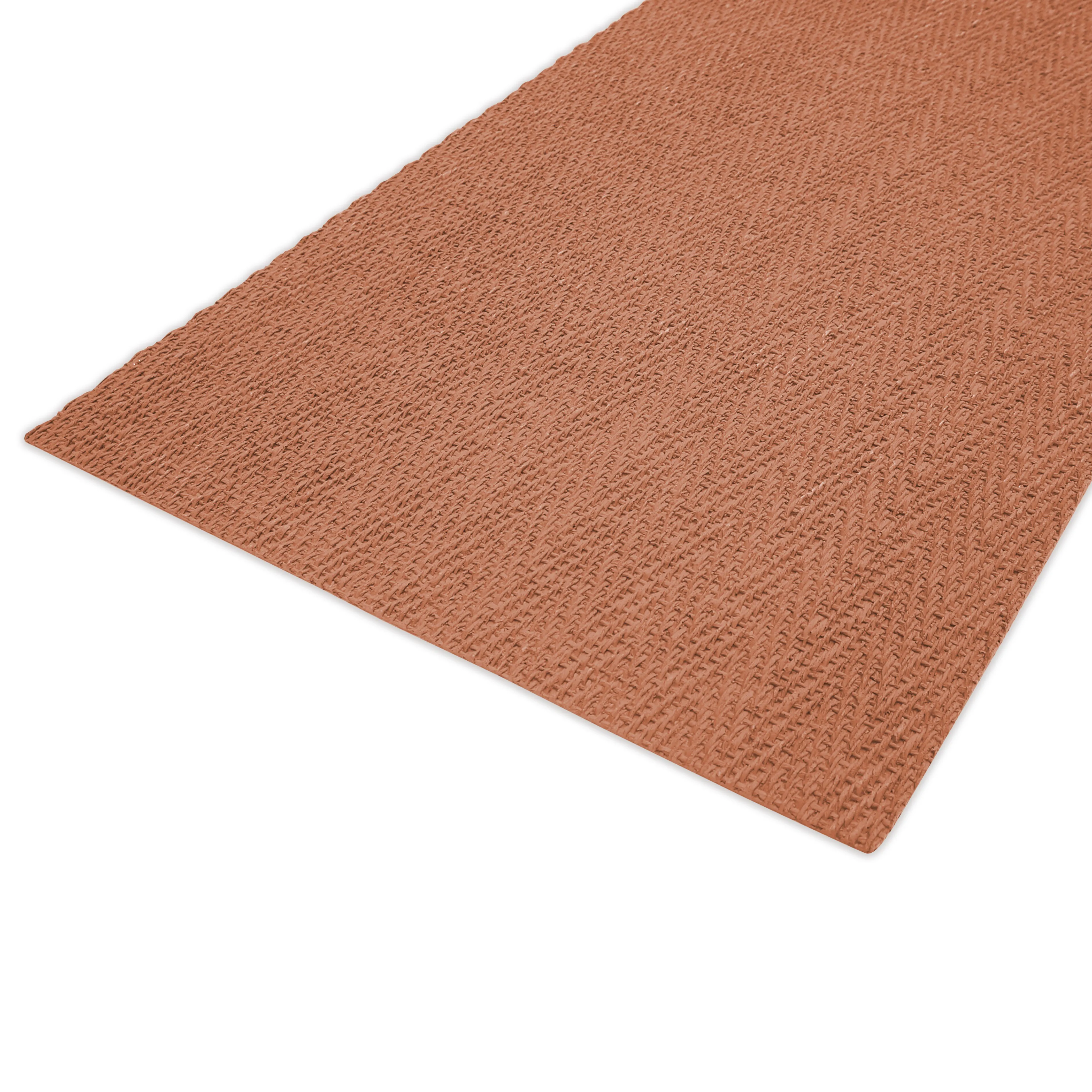
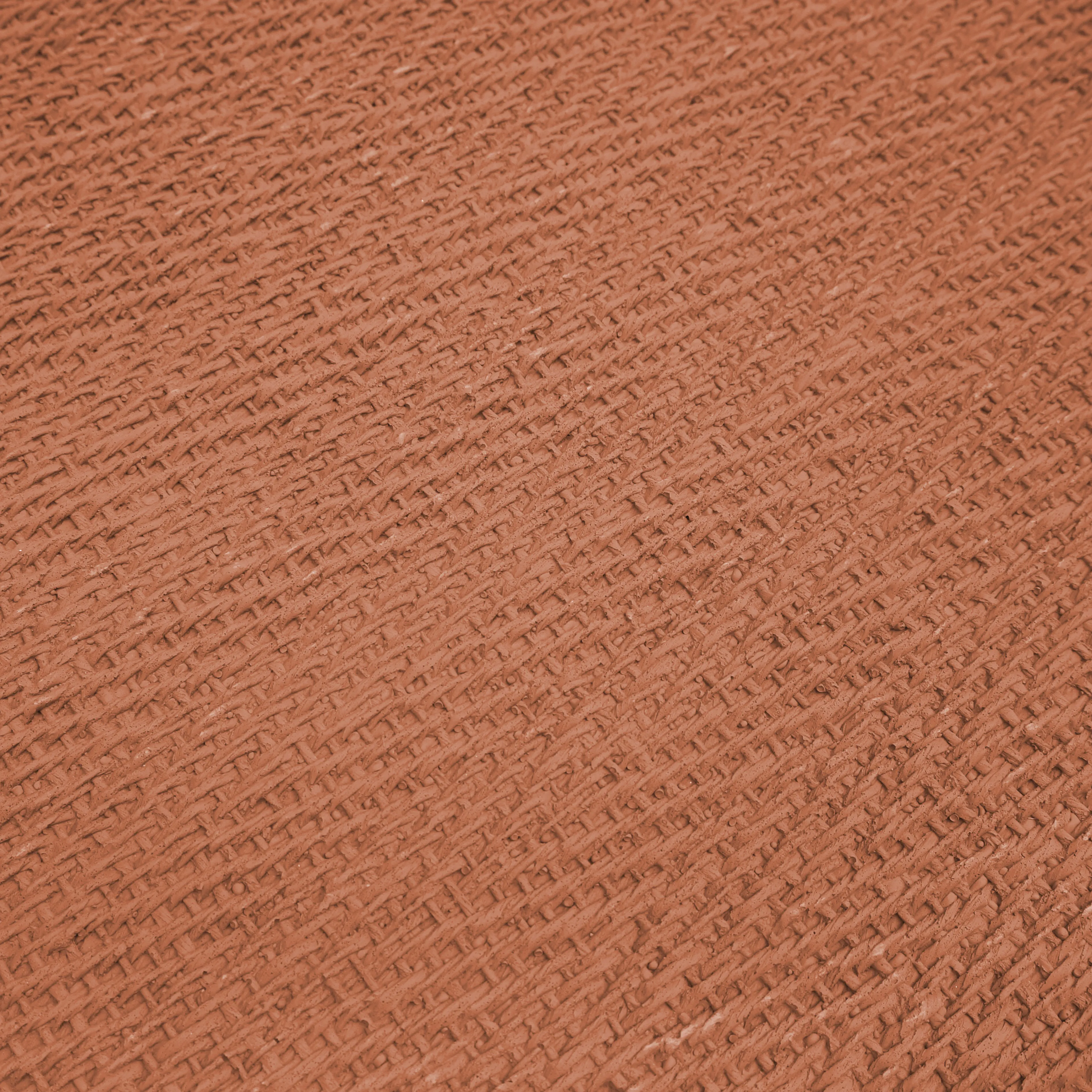
If you're new to MCM, let's start with the basics. MCM stands for Modified Composite Material, a technology that combines natural stone particles with advanced polymers to create ultra-thin, flexible panels. Think of it as nature and science shaking hands—you get the look and feel of stone, but with a modern twist. Weaving (Jacinth) MCM is a standout in this category: its surface mimics the intricate texture of handwoven fabric, with threads of rich jacinth (a warm, reddish-orange hue) that catch the light and add depth to any wall or surface.
Unlike traditional stone slabs, MCM panels are lightweight (usually under 5 lbs per square foot) and bendable, which means they can wrap around curves, cover large areas with fewer seams, and even be installed in places natural stone can't—like high-rise exteriors or ceiling accents. And because they're made using 3D printing and precision manufacturing, the color and texture are consistent across every panel. No more worrying about that one slab with a random vein that throws off your whole design.
Natural stone has been a design staple for centuries, and for good reason. There's something irreplaceable about the uniqueness of a marble countertop or the earthy charm of a travertine floor. Take travertine (beige) , for example—it's porous, with tiny holes that tell a story of how it formed from mineral-rich hot springs, and each piece has its own pattern of veins and pits. Granite, with its speckled grains, feels solid and permanent, like it could outlast anything. These materials don't just look good; they feel "authentic," like a piece of the planet itself.
But here's the catch: natural stone is heavy. A standard 2cm granite slab can weigh 18-20 lbs per square foot, which means you need reinforced structures to support it. It's also prone to cracking if dropped or stressed, and its porosity makes it a magnet for stains—spill red wine on unsealed marble, and you'll be staring at a permanent reminder. Plus, quarrying natural stone isn't exactly eco-friendly: it generates tons of waste, requires heavy machinery, and often involves transporting slabs thousands of miles, hiking up the carbon footprint.
Cost is usually the first question anyone asks, so let's cut to the chase. We'll compare Weaving (Jacinth) MCM to a popular natural stone: travertine (beige) . We'll look at everything from the initial purchase to long-term upkeep—because a "cheap" material today might cost you more in 10 years.
| Cost Category | Weaving (Jacinth) MCM | Travertine (Beige) (Natural Stone) |
|---|---|---|
| Initial Material Cost (per sq ft) | $25–$35 | $40–$60 |
| Installation Labor | $10–$15 (lightweight, no special tools) | $20–$30 (requires heavy lifting, sealing, cutting) |
| Maintenance (per year) | $5–$10 (mild soap and water) | $50–$100 (sealing every 1–2 years, specialized cleaners) |
| Expected Lifespan | 20–30 years | 50+ years (with proper care) |
| Total 10-Year Cost (Estimated, per sq ft) | $40–$60 | $110–$190 |
Let's unpack that. Natural stone has a higher upfront cost—travertine (beige) can run $40–$60 per square foot, compared to $25–$35 for Weaving (Jacinth) MCM. But installation is where the gap widens: MCM is so light that a two-person crew can install it in a fraction of the time, no crane or reinforced subfloor needed. Natural stone? You'll pay extra for labor, plus possibly structural work to support the weight. Then there's maintenance: natural stone needs annual sealing (especially porous types like travertine) to prevent stains, and specialized cleaners to avoid etching. MCM? Wipe it down with mild soap and water—done. Over 10 years, that adds up: natural stone could cost twice as much as MCM.
But wait—natural stone lasts longer, right? It can, but only if you baby it. Crack a travertine slab, and repairs are expensive (if even possible). MCM, on the other hand, is impact-resistant and can handle minor dents without shattering. So while natural stone might hit the 50-year mark in a low-traffic, perfectly maintained space, MCM's 20–30 years of hassle-free use might be more realistic for busy homes or commercial buildings.
Cost is important, but let's get into the nitty-gritty: how do these materials actually perform day-to-day? We're talking durability, installation ease, how they look over time, and even how eco-friendly they are. Let's break it down metric by metric.
Life is messy—kids, pets, rain, coffee spills. Let's see how each material holds up.
Weaving (Jacinth) MCM: Thanks to its polymer core, MCM is water-resistant, scratch-resistant, and even fire-retardant. I tested a sample once by pouring orange juice on it, letting it sit for 24 hours, then wiping it off—no stain, no discoloration. It's also flexible, so if your wall shifts slightly (hello, old houses), the panels won't crack. Perfect for high-traffic areas like kitchens or mudrooms.
Travertine (Beige) (Natural Stone): Travertine is porous, so without sealing, liquids will seep in and stain. Even with sealing, acidic substances like lemon juice or vinegar can etch the surface, leaving dull spots. And because it's rigid, a heavy object dropped on it will likely cause a chip or crack. Great for low-traffic living rooms, but risky for busy families.
Installation can make or break a project's timeline and budget. Here's how they compare.
Weaving (Jacinth) MCM: Lightweight and flexible = happy installers. Panels come in large sheets (up to 4x8 ft), so you cover more area with fewer seams. They cut with standard tools (no diamond blades needed), and you can install them with simple adhesive—no grout, no mortar. A small team could finish a 500 sq ft accent wall in a day.
Travertine (Beige) (Natural Stone): Heavy slabs require a crew of 3–4 people, plus possibly a crane for large pieces. You need a perfectly flat, reinforced substrate, and cutting requires specialized tools (and generates a lot of dust). Grouting and sealing add extra steps, stretching installation into days or even weeks for big projects.
Beauty is subjective, but consistency and texture matter.
Weaving (Jacinth) MCM: The weaving texture is stunning up close—the threads of jacinth catch light differently throughout the day, adding warmth. And because it's manufactured, every panel matches. No "oops, this slab is darker than the last" surprises. It's modern but inviting, like a cozy sweater for your walls.
Travertine (Beige) (Natural Stone): The uniqueness is part of its charm—each slab has its own personality. But that can also be a downside: if you need multiple slabs for a large wall, matching veins or color can be tough. And the porous surface, while organic, can look dirty if not cleaned regularly (those tiny holes trap dust).
Sustainability isn't just a trend—it's a responsibility.
Weaving (Jacinth) MCM: MCM uses 70–90% recycled stone particles, and manufacturing generates minimal waste. Because panels are lightweight, shipping requires less fuel, cutting down on carbon emissions. Many MCM brands (including the makers of Weaving (Jacinth)) are LEED-certified, which is a win for green building projects.
Travertine (Beige) (Natural Stone): Quarrying natural stone removes large chunks of rock from the earth, disrupting ecosystems. Processing generates 30–50% waste (slabs that break or don't meet quality standards), and transporting heavy slabs across the globe adds significant carbon emissions. It's beautiful, but not exactly eco-friendly.
Okay, so we've crunched the numbers and tested the metrics—but how do you decide for your specific project? Let's look at a few common scenarios.
Natural stone might be the way to go here. If your home has original marble fireplaces or travertine floors, matching with more natural stone can preserve its character. Just budget for sealing and gentle maintenance.
Weaving (Jacinth) MCM is perfect. Its flexibility lets you wrap the bar in a continuous, seamless surface, and the weaving texture adds visual interest without overwhelming the space. Plus, it's durable enough to handle spills and daily cleaning.
MCM panels can be installed with temporary adhesive, making them renter-friendly. You can add an accent wall in Weaving (Jacinth) for warmth, then remove it when you move out—no damage, no stress.
MCM's water resistance is a game-changer here. Natural stone in bathrooms or exteriors can develop mold in pores, but MCM stays fresh. Plus, it won't expand or contract with humidity, so no cracks or loose tiles.
At the end of the day, there's no "one size fits all" answer. Weaving (Jacinth) MCM shines when you need durability, affordability, and design flexibility—think modern spaces, high-traffic areas, or eco-conscious projects. It gives you the beauty of stone without the hassle, and the jacinth color adds a warmth that's hard to replicate.
Natural stone, like travertine (beige) , is irreplaceable for projects where authenticity and timelessness matter most. It's an investment, but one that can last generations if cared for properly. Just be prepared for the extra cost and maintenance.
Me? I've started using MCM more and more—especially Weaving (Jacinth) for accent walls. It lets me push creative boundaries, stay on budget, and deliver spaces that look amazing and work for real life. But I still have a soft spot for natural stone in special places, like a marble backsplash in a kitchen that feels like a labor of love.
Whatever you choose, remember: the best material is the one that fits your lifestyle, your budget, and the story you want your space to tell. Happy designing!
Recommend Products












