
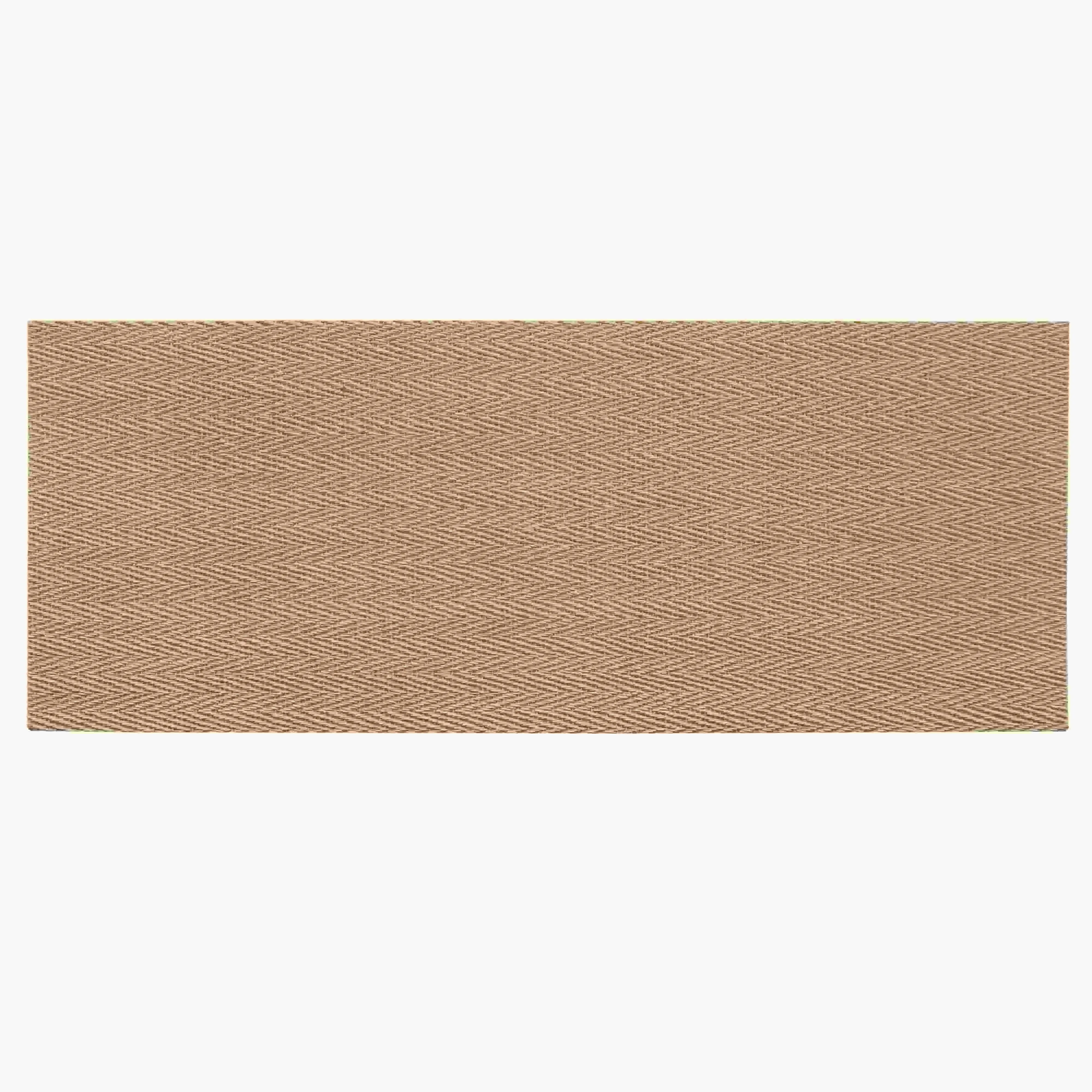
Hey there, fellow design enthusiasts and project dreamers! If you've ever stood in front of a blank wall or an unfinished space and thought, "What material will make this feel like *home*—or *exactly* the vision I have?"—you're not alone. Today, we're diving into a material that's been turning heads in the world of interior and exterior design: MCM flexible stone. And among its many stunning variants, one that's been stealing the spotlight lately is Weaving (Khaki) . But here's the thing: even the most beautiful material can fall flat if you don't get one crucial detail right— thickness . Let's unpack why thickness matters, explore the options for Weaving (Khaki), and help you pick the perfect fit for your project.
First, let's get cozy with the basics. MCM stands for Modified Composite Material, but don't let the technical name fool you—it's basically a design superhero. Imagine a material that's lightweight enough to install on ceilings without straining structures, durable enough to withstand rain, wind, and even the occasional kid's soccer ball, and flexible enough to wrap around curves or adhere to uneven surfaces. That's MCM flexible stone. It's made by blending natural minerals with high-performance polymers, resulting in sheets that mimic the look and texture of real stone, wood, or even metal—like the warm, earthy Weaving (Khaki) we're focusing on today.
But why does thickness matter so much? Think of it like choosing the right fabric for a sweater: a thin cashmere blend is soft and lightweight, perfect for layering, but a thick woolen one is cozy and warm, built for harsh winters. Similarly, MCM thickness affects everything from how easy it is to install, to how the material looks under light, to how well it holds up over time. Too thin, and it might feel flimsy or show dents; too thick, and it could add unnecessary weight or limit where you can use it. So, when it comes to Weaving (Khaki), getting the thickness right is like nailing the perfect sweater—functional *and* fashionable.
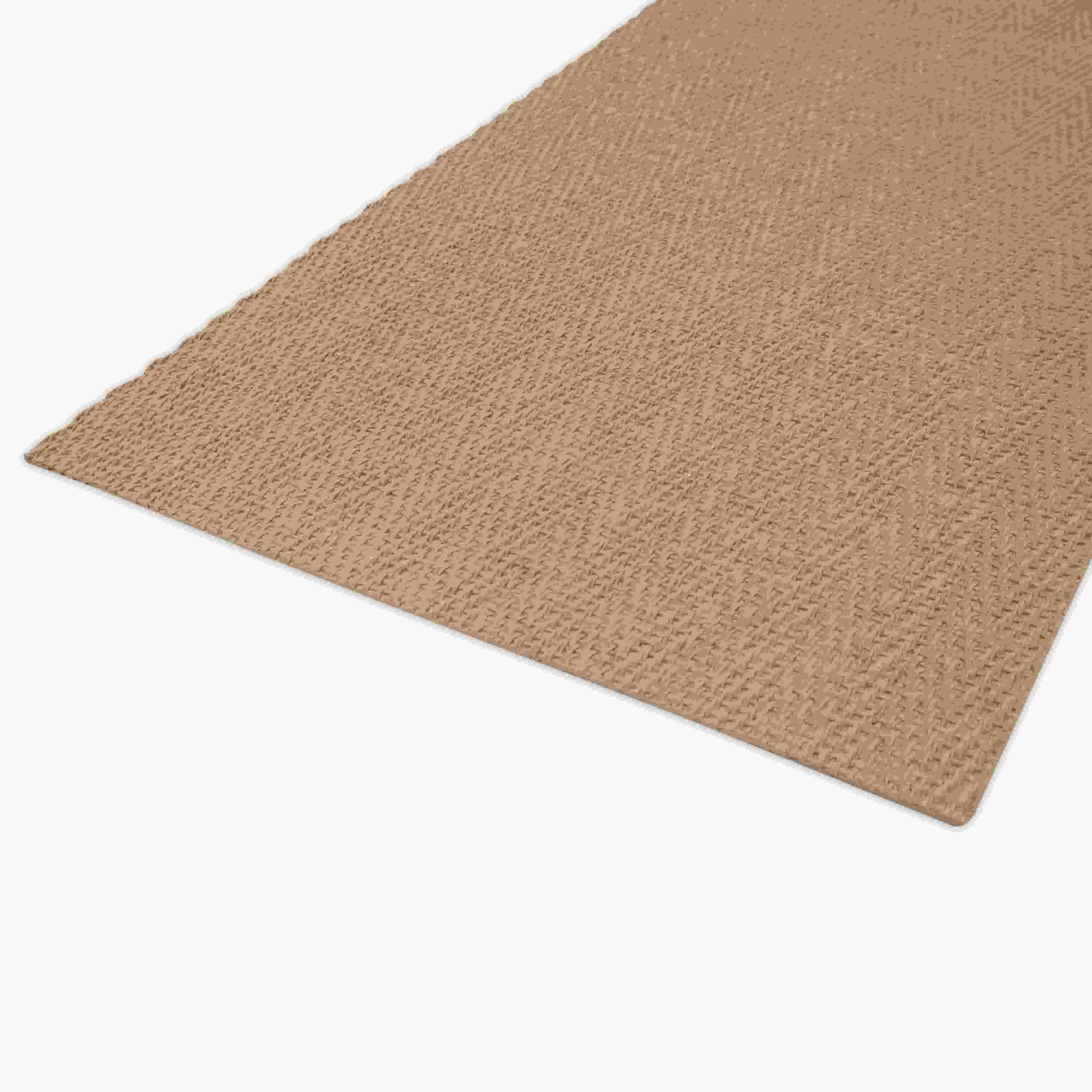
Before we jump into thickness, let's take a second to appreciate why Weaving (Khaki) has become a favorite. Its name says it all: the surface mimics the gentle, interlacing pattern of woven fabric, but with the ruggedness of stone. The khaki hue is warm but neutral—think sunlit sand dunes or aged linen—making it versatile enough to pair with modern minimalism, bohemian warmth, or even industrial edge. Whether you're cladding a feature wall in a living room, adding texture to a restaurant facade, or sprucing up a hotel lobby, Weaving (Khaki) brings a tactile, almost organic feel that invites touch and calm. But to make that texture shine, the thickness of the MCM sheet plays a starring role.
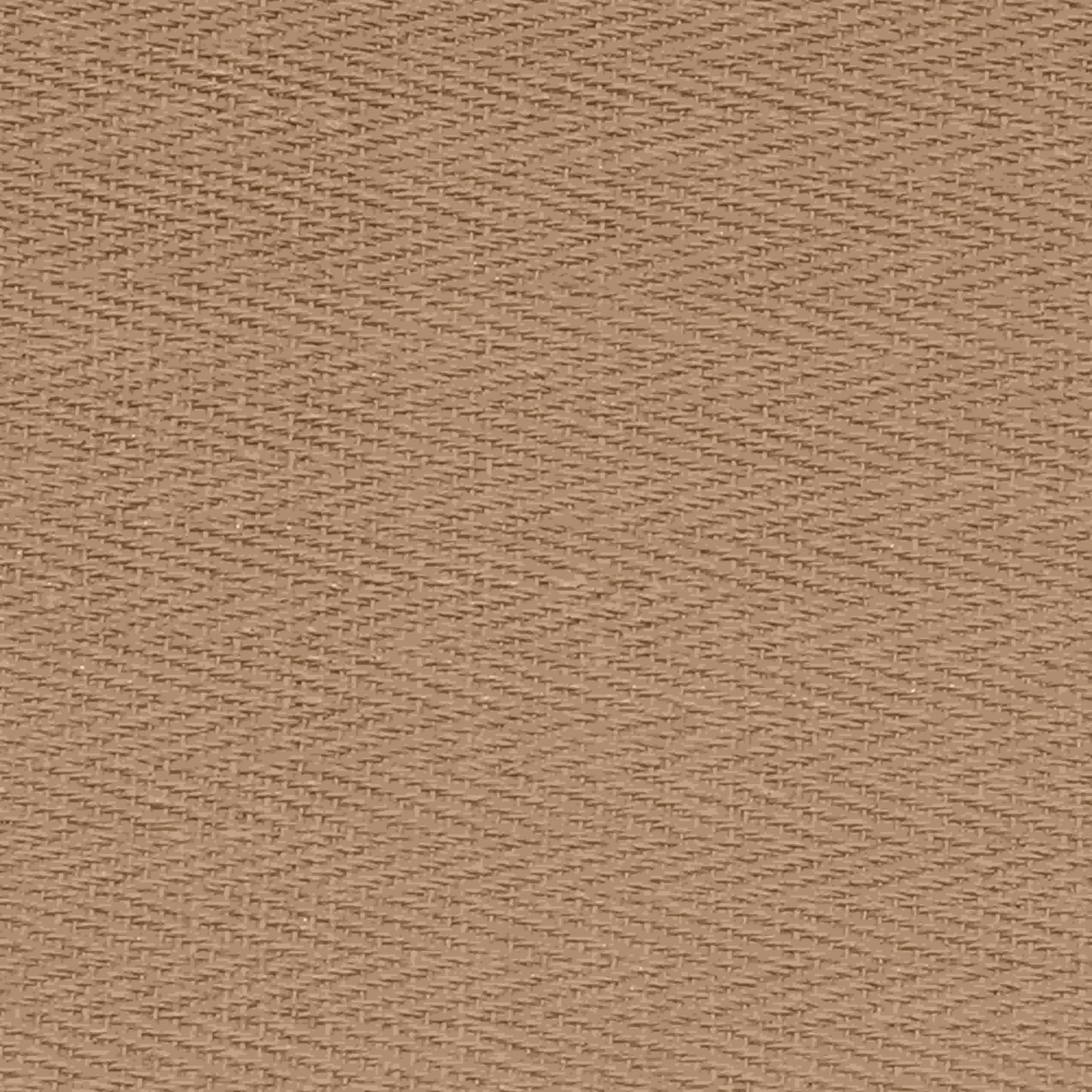
Weaving (Khaki) MCM typically comes in three main thickness ranges, each tailored to different needs. Let's break them down, with real-world scenarios to help you visualize.
| Thickness Range | Best For | Pros | Cons |
|---|---|---|---|
| 3–5mm | Ceilings, accent walls, lightweight partitions, furniture panels | Ultra-lightweight (easy to install overhead), flexible for curves, cost-effective | Less impact-resistant; not ideal for high-traffic exteriors or heavy wear |
| 6–8mm | Interior walls, low-traffic exteriors (e.g., patio walls), backsplashes | Balances durability and flexibility; works for most residential/commercial interiors | Slightly heavier than 3–5mm; may need sturdier adhesive for vertical exteriors |
| 9–12mm | High-traffic exteriors (building facades, walkways), commercial lobbies, outdoor kitchens | Maximum durability; resistant to scratches, weather, and heavy impact | Heavier (requires professional installation); less flexible for intricate curves |
Let's put this in context. Say you're designing a cozy home office with a sloped ceiling. The 3–5mm Weaving (Khaki) would be perfect here—light enough to hang without worrying about ceiling stress, and its woven texture would add warmth without overwhelming the small space. On the flip side, if you're revamping the exterior of a busy café with foot traffic and exposure to rain, the 9–12mm option would stand up to daily bumps and the elements, ensuring that beautiful khaki hue stays vibrant for years.
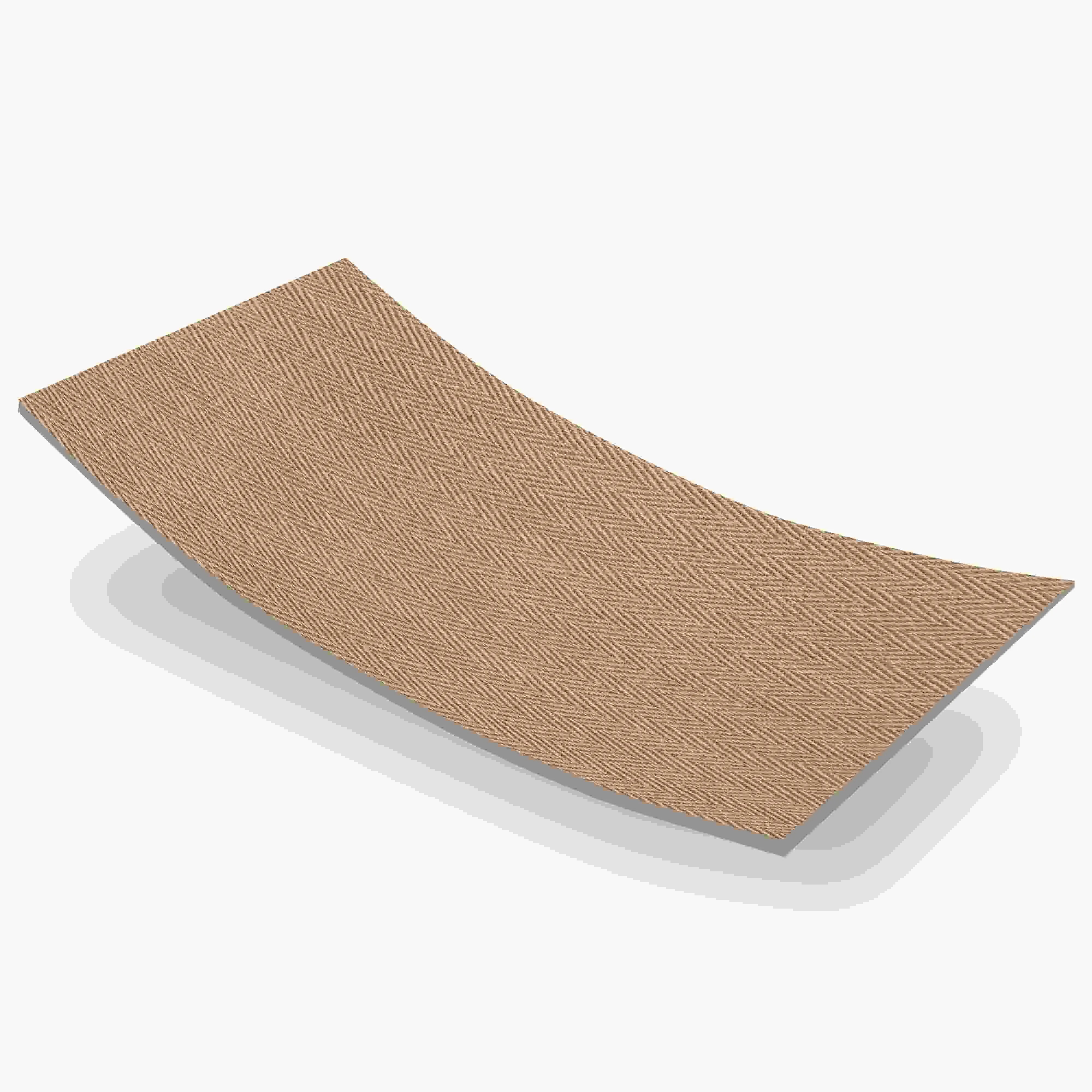
To really understand Weaving (Khaki)'s thickness needs, it helps to compare it to other popular MCM options. Take Wood Grain Board , for example. Wood Grain MCM has a smooth, linear texture that mimics real wood, so it often pairs well with thinner thicknesses (3–5mm) for a sleek, floating effect—think accent walls in a minimalist bedroom. Weaving (Khaki), with its more textured, dimensional weave, can handle slightly thicker sheets (6–8mm) without losing that soft, organic feel. The extra thickness actually enhances the depth of its woven pattern, making it pop more in well-lit spaces.
Then there's Fair-Faced Concrete , a bold, industrial-inspired MCM. It's all about raw, unpolished texture, so it's often used in thicker slabs (9–12mm) for exterior facades or warehouse conversions. Weaving (Khaki), with its warmer tone, can balance that industrial edge when used in 6–8mm on interior walls adjacent to Fair-Faced Concrete elements—creating a space that feels both tough and inviting.
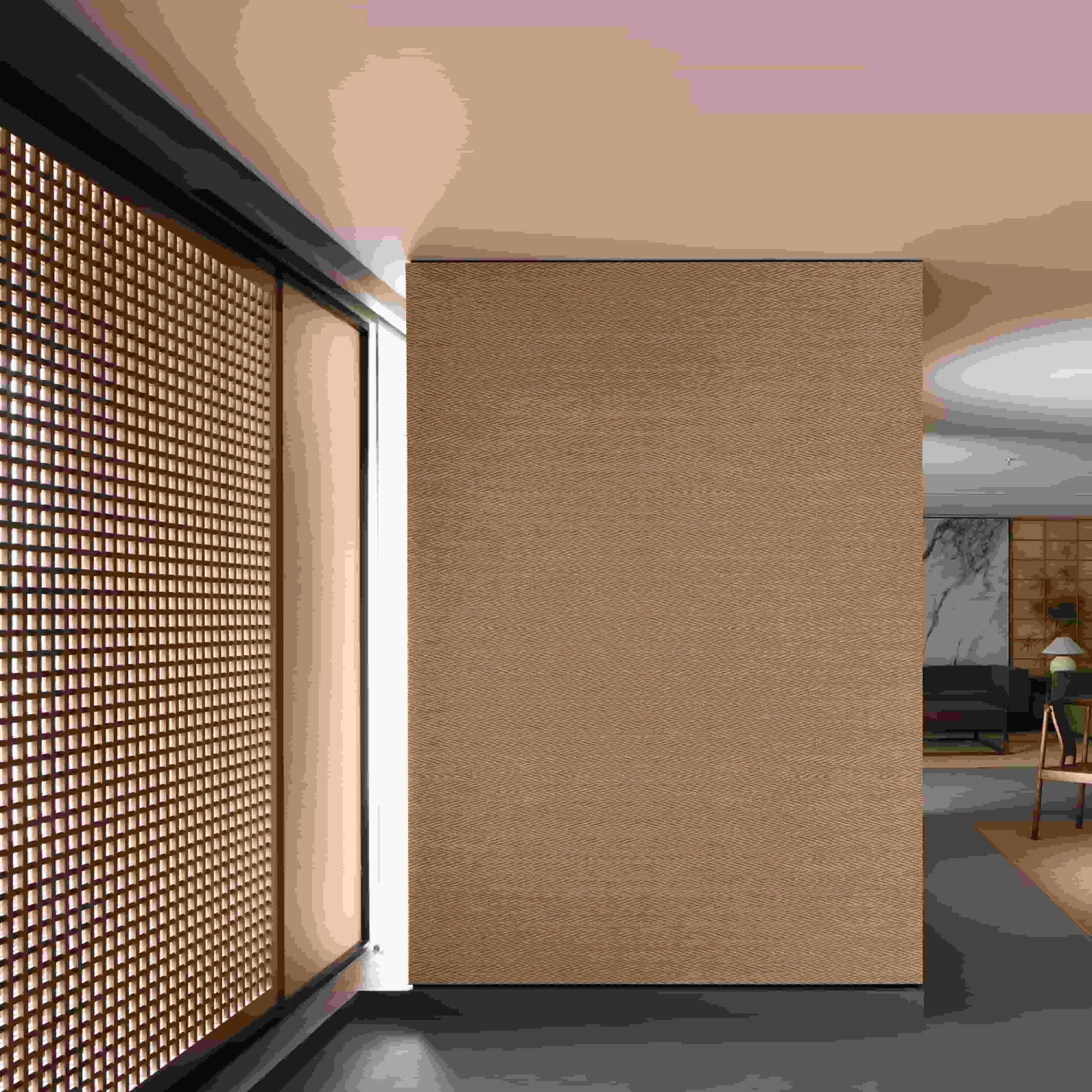
At the end of the day, the "right" thickness depends on *your* project's personality. Let's walk through a few common scenarios:
Choosing the thickness of your Weaving (Khaki) MCM isn't just about numbers—it's about understanding what your space needs to feel like. Do you want it to whisper "welcome" with soft texture, or shout "built to last" with bold durability? Whatever your vision, MCM flexible stone has a thickness that can bring it to life. And remember, you're not alone in this—most suppliers offer samples, so you can hold the different thicknesses, feel their weight, and imagine how they'll look in your space before committing.
So, go ahead—dream big, touch the samples, and let Weaving (Khaki)'s warm, woven texture and the perfect thickness turn your project from ordinary to unforgettable. Your space (and everyone who walks into it) will thank you.
Recommend Products












