
Step into any thriving commercial plaza today, and you'll notice a subtle shift in the air—one that blends the energy of urban life with the calm of nature. Amidst glass skyscrapers and polished concrete walkways, there's a new star of the design world: the contemporary wood fence. It's not just a barrier; it's a storyteller. A wooden fence in a plaza doesn't shout for attention—it whispers, inviting you to slow down, touch its weathered grains, and feel the pulse of a space that's been designed with people, not just profit, in mind. Let's explore how these fences are redefining commercial spaces, one slat at a time.
Commercial plazas are often hailed as the "living rooms" of cities—spaces where strangers become neighbors, and transactions become memories. But for too long, many of these spaces felt more like sterile showrooms than welcoming havens. Enter the wood fence: a material that carries the memory of forests, the patience of growth, and the softness of time. Unlike metal or plastic, wood doesn't just exist in a space—it breathes in it. Its texture, ranging from smooth sanded planks to rough-hewn logs, adds a tactile dimension that makes the plaza feel less like a "place to buy" and more like a "place to be."
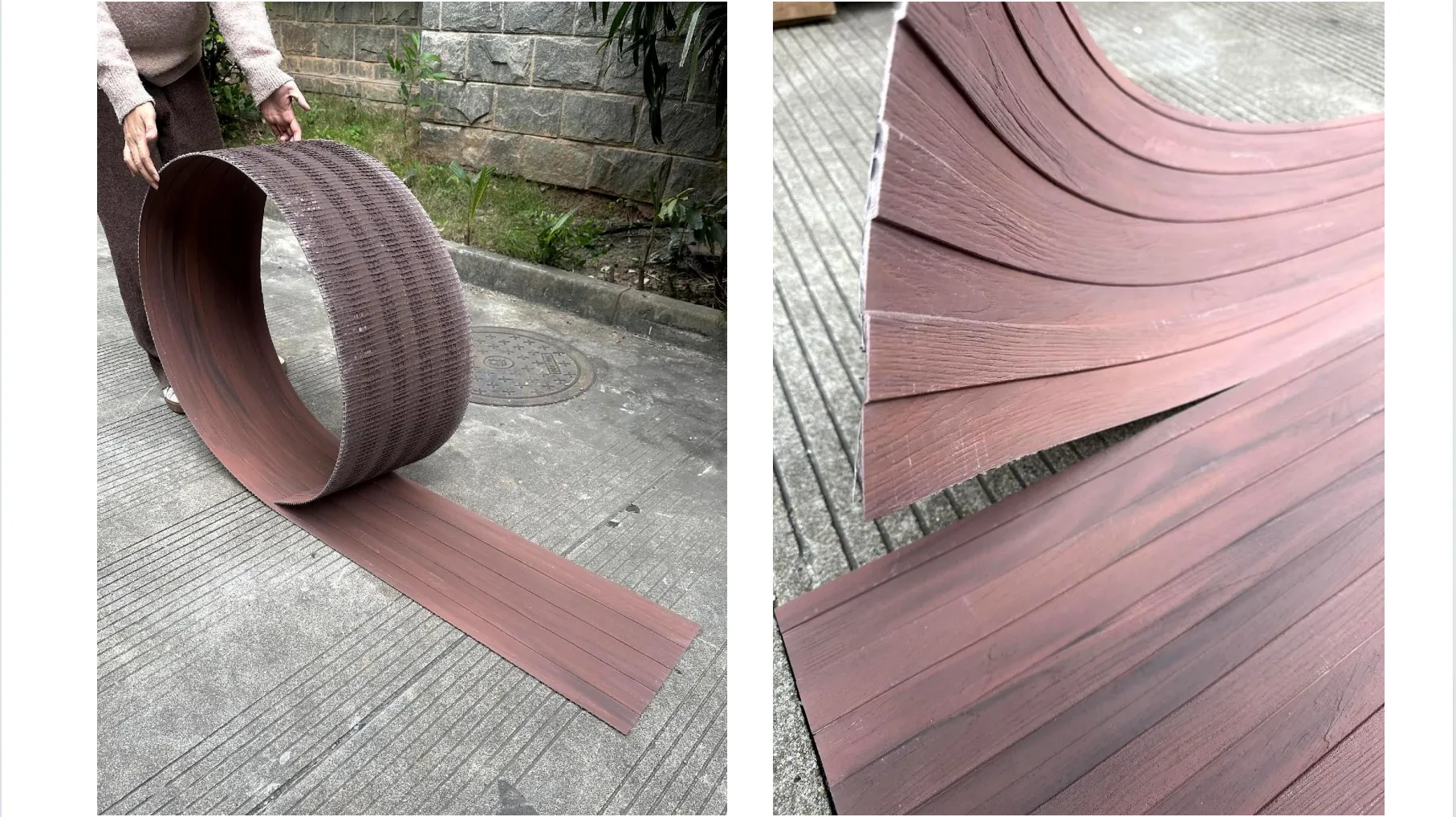
Take, for example, the wood line design—a popular choice for modern plazas. Imagine thin, parallel wooden slats spaced just enough to let light filter through, casting dappled shadows that dance across the pavement as the sun moves. It's a simple trick, but it transforms a static fence into a dynamic part of the plaza's ecosystem. Parents push strollers past, pausing to let their kids trace the wood grain board patterns with tiny fingers. Friends lean against the fence, their laughter mixing with the rustle of leaves caught in the slats. Suddenly, the plaza isn't just a collection of stores—it's a backdrop for life's small, beautiful moments.
The best contemporary wood fences don't stand alone—they harmonize with their surroundings, creating a symphony of textures and tones. Designers today are pairing wood with unexpected materials to strike a balance between nature and modernity, and the results are stunning.
Consider the combination of bamboo mat board and fair-faced concrete . Bamboo, with its fast growth and sustainable profile, brings an eco-conscious edge, while its natural matting pattern adds visual interest. When mounted alongside fair-faced concrete—a material celebrated for its raw, unpolished beauty—the contrast is striking: the warmth of bamboo softens the concrete's coolness, creating a fence that feels both industrial and organic. It's a design language that says, "We care about the planet, and we care about how you feel here."
Another winning pairing? Wood fences with integrated planters. Imagine a fence where wooden slats alternate with small pockets of greenery—succulents, trailing ivy, or even herbs. The wood provides structure, while the plants add pops of color and life. It's a reminder that even in the heart of the city, nature finds a way to thrive—and so do we, when we're surrounded by it.
| Design Concept | Material Blend | Plaza Vibe |
|---|---|---|
| Rustic Retreat | Thick oak planks + weathered metal brackets | Cozy, cabin-like warmth in a busy downtown |
| Modern Minimalist | Slim wood line slats + fair-faced concrete posts | Sleek, uncluttered, and effortlessly chic |
| Tropical Escape | Bamboo mat board + woven rattan accents | A vacation-like oasis in urban settings |
| Industrial Charm | Reclaimed pine + black steel frames | Edgy yet inviting, perfect for art districts |
A great wood fence isn't just pretty—it's practical. In commercial plazas, where foot traffic is heavy and space is precious, fences need to work as hard as they look good. Contemporary designs rise to the challenge, offering solutions that balance privacy, flow, and functionality.
Take "privacy with a view" fences, for instance. Using spaced wood grain board slats at varying heights, designers can create a barrier that shields outdoor dining areas from busy walkways without blocking natural light or the sense of openness. It's a clever trick: the fence feels private enough for an intimate lunch, but not so closed off that it makes the plaza feel cramped. Similarly, curved wood fences are being used to guide foot traffic, gently steering visitors toward shops, entrances, or hidden gems like a tucked-away bookstore or a quiet café. They're like invisible hands, guiding you not with force, but with grace.
Durability is another key factor. Today's wood fences are built to withstand the elements, treated with eco-friendly sealants that protect against rain, sun, and pests without sacrificing their natural look. A well-maintained wood fence can last for decades, aging beautifully—its color deepening, its texture becoming more pronounced—so it grows more charming with time. Unlike plastic fences that fade or metal ones that rust, wood tells a story of resilience, mirroring the plaza itself as it evolves with the community.
At the end of the day, the true magic of contemporary wood fences lies in their ability to bring people together. They're not just design elements—they're community builders. Think about it: a fence with built-in seating, where shoppers can rest their feet and chat. A fence painted with a mural by a local artist, turning a blank wall into a conversation starter. A fence that wraps around a children's play area, giving parents peace of mind while kids laugh and explore. These are the fences that don't just separate spaces—they connect people.
I recently visited a plaza in Portland where the wood fence had become a de facto community bulletin board. Locals tacked up flyers for neighborhood potlucks, lost pet notices, and even handwritten poems. The fence, once just a boundary, had become a shared canvas—a testament to how a simple design choice can foster belonging. It made me realize: great commercial spaces aren't just about selling products. They're about selling connection . And wood fences? They're the ultimate connectors.
As we walk through the plazas of tomorrow, let's take a moment to appreciate the wood fences that line our paths. They're more than wood and nails—they're reminders that even in the busiest cities, we can create spaces that feel warm, alive, and human. Whether it's the rough texture of a wood grain board , the sustainability of bamboo mat board , or the industrial chic of wood paired with fair-faced concrete , these fences are redefining what a commercial plaza can be: not just a place to shop, but a place to live , if only for a little while.
So the next time you pass a wood fence in a plaza, reach out and touch it. Feel its grain, its warmth, its story. And remember: in a world that's always rushing, sometimes the most powerful design statement is the one that says, "Stay awhile. You're welcome here."
Recommend Products












