
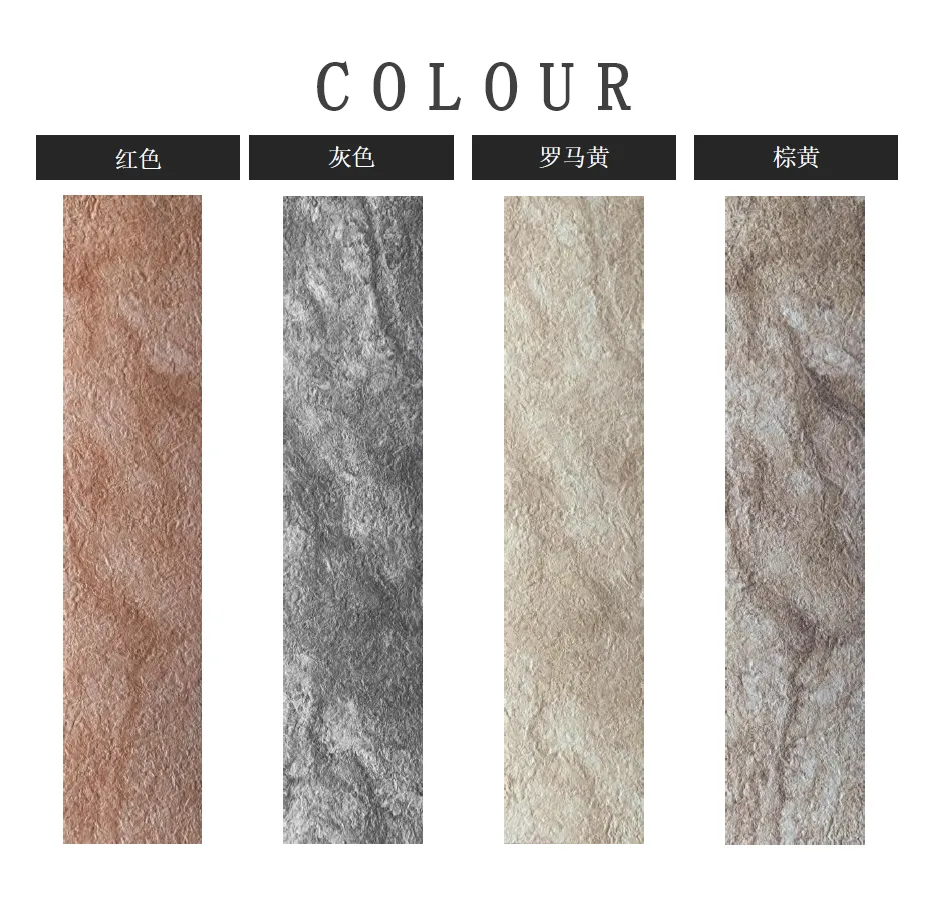
Let's face it—when it comes to designing or renovating your home, few decisions feel as high-stakes as choosing the right materials. You want something that looks stunning, holds up to daily life (hello, kids, pets, and the occasional coffee spill), and doesn't leave your bank account gasping for air. Two materials that often top the list for interiors are Rock Cut Dolomitic Stone and engineered stone. Both bring unique charm to spaces, but they couldn't be more different when it comes to cost, care, and character. Today, we're diving deep into the numbers, the nuances, and the real-world scenarios where one might outshine the other. Whether you're dreaming of a rustic kitchen backsplash or a sleek bathroom countertop, let's break down which material makes sense for your project—and your wallet.
First things first: Rock Cut Dolomitic Stone is the "wild child" of the stone world. It's a natural stone, quarried from the earth, and formed over millions of years by geological processes. Think of it as nature's artwork—each slab has unique veining, color variations, and textures, thanks to the minerals and pressure it endured underground. Dolomitic stone itself is a type of limestone rich in magnesium, which gives it a harder, more durable composition than regular limestone. When "rock cut," it's extracted using traditional methods (think chisels and saws) that preserve its rough, organic texture—hence the name.
Aesthetically, it's all about warmth and authenticity. You'll find it in earthy tones: deep grays (like the aptly named dolomitic travertine (dark grey) ), soft claybanks, and even hints of gold or rust. Run your hand over it, and you'll feel the grooves and ridges left by the quarrying process—a tactile quality that engineered materials struggle to replicate. It's the kind of stone that makes a room feel grounded, like it has a story to tell.
But here's the catch: being natural means it's not easy to come by. Quarrying Rock Cut Dolomitic Stone is labor-intensive. Workers have to locate viable deposits, extract large blocks without cracking them, and then transport them to processing facilities. From there, each slab is cut, shaped, and sometimes polished (though many prefer the raw "rock cut" finish) to fit specific project needs. All that effort adds up—and we'll get to the cost of that in a minute.
If Rock Cut Dolomitic Stone is nature's art, engineered stone is a human masterpiece of consistency. Also known as quartz composite (though not all engineered stone is quartz), it's made by mixing crushed natural stone aggregates (like marble, granite, or even dolomite) with resins, polymers, and pigments. The mixture is pressed into slabs under high heat and pressure, resulting in a material that's non-porous, ultra-durable, and—most importantly—predictable.
Walk into a showroom, and you'll notice engineered stone slabs look nearly identical. No random veining, no unexpected color splotches—just uniform patterns and shades, from crisp whites to bold blacks and everything in between. That consistency is a huge draw for designers and homeowners who want a cohesive look across large surfaces, like kitchen countertops or floor tiles. It's also highly customizable: manufacturers can mimic rare stones (think Italian marble or exotic granite) at a fraction of the cost.
Engineered stone's claim to fame, though, is its practicality. Unlike natural stone, it's non-porous, so you don't have to worry about wine, oil, or juice seeping in and staining it. It's also resistant to scratches, heat, and bacteria—making it a favorite for busy kitchens and bathrooms. For families with young kids or anyone who hates high-maintenance materials, this is a game-changer.
Let's talk numbers. When it comes to upfront cost, these two materials are in different leagues.
Rock Cut Dolomitic Stone isn't cheap. The average cost per square foot ranges from $80 to $150, and that's just for the material itself. Why so steep? Let's break it down:
For example, a standard 30-square-foot kitchen countertop in Rock Cut Dolomitic Stone could set you back $2,400 to $4,500 before installation. Ouch, right? But remember, this is a natural material with centuries of history—some might call it an investment in timelessness.
Engineered stone, on the other hand, is the budget-friendly cousin—at least initially. Prices typically range from $40 to $80 per square foot. The difference? It's mass-produced. Manufacturers can create large batches of the same color and pattern using automated processes, which drives down costs. The resin and stone aggregate mixture is also easier to mold and cut, reducing waste and labor time.
Let's do the math again: that same 30-square-foot kitchen countertop in engineered stone would cost $1,200 to $2,400—half the price of Rock Cut Dolomitic Stone . For homeowners on a tight budget, that's a huge selling point. Plus, since it's man-made, you won't pay extra for "uniqueness"—every slab is the same, so you know exactly what you're getting.
Here's where many people get blindsided: the material cost is just the start. Installation can add 30% to 50% to your total bill, and the gap between Rock Cut Dolomitic Stone and engineered stone widens here.
Natural stone is heavy—like, "needs two people to carry a small slab" heavy. Rock Cut Dolomitic Stone slabs can weigh 15–20 pounds per square foot, which means installing them requires specialized labor. You'll need experienced stonemasons who know how to handle the weight without damaging the slab or your home's structure. They'll also need diamond-tipped saws to cut the stone (regular tools won't work) and precision adhesives to secure it.
Installation costs for Rock Cut Dolomitic Stone average $20 to $40 per square foot. For that 30-square-foot countertop, you're looking at an extra $600 to $1,200—bringing the total to $3,000 to $5,700. If you're installing it on walls or floors, costs go up even more because of the added complexity of securing heavy slabs vertically or ensuring a level surface.
Engineered stone is a breeze by comparison. It's lighter (around 10–12 pounds per square foot) and more uniform in thickness, so installers can handle it with standard tools. Many slabs come with interlocking edges or pre-cut dimensions, speeding up the process. Labor costs here average $10 to $20 per square foot. For that same countertop, installation would add $300 to $600—total cost $1,500 to $3,000. That's nearly half the price of Rock Cut Dolomitic Stone when all is said and done.
Pro tip: If you're considering a more modern, lightweight alternative, materials like MCM flexible stone (a thin, bendable composite) can cut installation costs even further. It's designed to adhere to walls or backsplashes with minimal labor, making it a favorite for accent walls or DIY projects. But we'll circle back to that later!
So, you've installed your stone—now what? Maintenance costs can make or break a material's long-term value. Let's see how our two contenders stack up.
Natural stone is porous, which means it can absorb liquids and stains if not properly sealed. Rock Cut Dolomitic Stone is no exception. To keep it looking fresh, you'll need to seal it every 1–3 years. A good stone sealer costs $10–$20 per bottle (enough for 50–100 square feet), and if you hire a pro to do it, add another $0.50–$1 per square foot. For a 30-square-foot countertop, that's $15–$30 per year in maintenance.
Daily care is straightforward: wipe spills immediately, avoid harsh cleaners (stick to pH-neutral soap and water), and use trivets for hot pans (though dolomitic stone is heat-resistant, extreme temps can still damage the sealant). Scratches? They're rare, but if they happen, a professional can often buff them out. Cracks? Unlikely, thanks to its durability, but repairs can be pricey if the damage is severe.
The upside? With proper care, Rock Cut Dolomitic Stone can last 100+ years. It's not uncommon to find it in historic homes or ancient buildings—proof that this stuff is built to stand the test of time.
Engineered stone is a maintenance dream—at first. Its resin binding makes it non-porous, so no sealing is needed. Spills? Wipe them up with a damp cloth. Stains from coffee or wine? No problem. It's also scratch-resistant (though not scratch-proof—avoid dragging heavy pots across it).
But here's the trade-off: resin can degrade over time. Prolonged exposure to sunlight can cause fading, and extreme heat (like a hot pan directly from the oven) can melt the resin, leaving permanent marks. Repairs are tricky too—since the color is uniform, patching a chip or crack often results in a visible "scar."
Most engineered stone has a lifespan of 20–30 years with good care. After that, you might need to replace it entirely. So while annual maintenance costs are low (maybe $5–$10 for gentle cleaners), the long-term replacement cost is a factor to consider.
| Factor | Rock Cut Dolomitic Stone | Engineered Stone |
|---|---|---|
| Initial Material Cost (per sq ft) | $80–$150 | $40–$80 |
| Installation Cost (per sq ft) | $20–$40 | $10–$20 |
| Annual Maintenance Cost | $0.50–$1 per sq ft (sealing) | $0.10–$0.30 per sq ft (cleaners) |
| Expected Lifespan | 100+ years | 20–30 years |
| Aesthetic Appeal | Unique, organic, natural texture; color variations | Consistent, uniform; mimics natural stone |
| Sustainability | Natural, recyclable; quarrying has environmental impact | Man-made; resin content raises concerns; some brands use recycled aggregates |
Numbers are helpful, but let's put this into context. Here are two common projects and how Rock Cut Dolomitic Stone and engineered stone stack up:
Maria and Raj are renovating their kitchen, and they plan to live in this house for 40+ years. They want a countertop that's beautiful, durable, and adds value to their home. They love the warmth of natural stone and don't mind investing upfront. For them, Rock Cut Dolomitic Stone makes sense. Yes, the initial cost is higher ($3,000–$5,700 for countertops), but over 40 years, that averages out to $75–$142 per year—less than a cup of coffee a week. Plus, its timeless look will appeal to future buyers, boosting resale value.
Jake owns a rental apartment and wants to update the bathroom on a budget. He needs something durable, easy to clean, and affordable—since tenants might not treat it with kid gloves. Engineered stone is the way to go. At $1,500–$3,000 for a vanity top, it's cost-effective, and its low maintenance means Jake won't have to pay for frequent repairs. If it gets damaged after 10 years, replacing it won't break the bank.
What if you love the look of natural stone but can't stomach the cost of Rock Cut Dolomitic Stone ? Enter MCM flexible stone . This innovative material is a thin, lightweight composite that mimics the texture of natural stone but costs a fraction of the price (around $15–$30 per square foot). It's flexible, so it can be applied to curved surfaces, and installation is a DIY-friendly project (no heavy lifting required). It's perfect for accent walls in living rooms or bedrooms, adding that organic vibe without the premium price tag.
For those who prefer a minimalist, industrial look, fair-faced concrete is another budget-friendly alternative. At $10–$25 per square foot, it's even cheaper than engineered stone and offers a sleek, raw aesthetic. It's durable, low maintenance, and works well in modern kitchens or loft spaces. While it lacks the warmth of Rock Cut Dolomitic Stone , it's a great choice for homeowners prioritizing function and style on a budget.
In 2025, sustainability matters more than ever. Let's see how these materials measure up:
Rock Cut Dolomitic Stone is natural and fully recyclable. When a slab reaches the end of its life, it can be crushed and used as aggregate for roads or landscaping. However, quarrying has environmental impacts: deforestation, soil erosion, and carbon emissions from transportation. That said, many quarries now follow eco-friendly practices, like replanting mined areas and using electric equipment to reduce carbon footprints.
Engineered stone, on the other hand, contains synthetic resins derived from fossil fuels, which are non-renewable. While some brands use recycled stone aggregates (reducing waste), the resin component makes it hard to recycle—most ends up in landfills. If sustainability is a top priority, Rock Cut Dolomitic Stone (from responsible quarries) or fair-faced concrete (often made with recycled materials) are better bets.
At the end of the day, there's no "one size fits all" answer. It depends on your priorities:
Remember, the best material is the one that aligns with your lifestyle, your design vision, and your long-term goals. Whether you go with the organic charm of Rock Cut Dolomitic Stone or the practicality of engineered stone, what matters most is that your space feels like yours —and that you don't end up stressing over the bill every time you walk in the room.
So go ahead, touch the samples, compare the costs, and imagine how each material would feel in your home. After all, great design is about more than just numbers—it's about creating spaces that make you happy, every single day.
Recommend Products












