
Let's be real—whether you're a contractor overseeing a commercial project, a homeowner sprucing up your space, or an architect balancing client demands, one question always looms large: How do I get the best bang for my buck? Building materials aren't just about looks; they're about longevity, ease of use, and yes, cost. Today, we're diving into two popular options that often end up on the shortlist: Rona Yellow MCM (Modified Composite Material) and traditional ceramic tiles. By the end, you'll see why one might just be the smarter, more cost-effective choice for your next project.
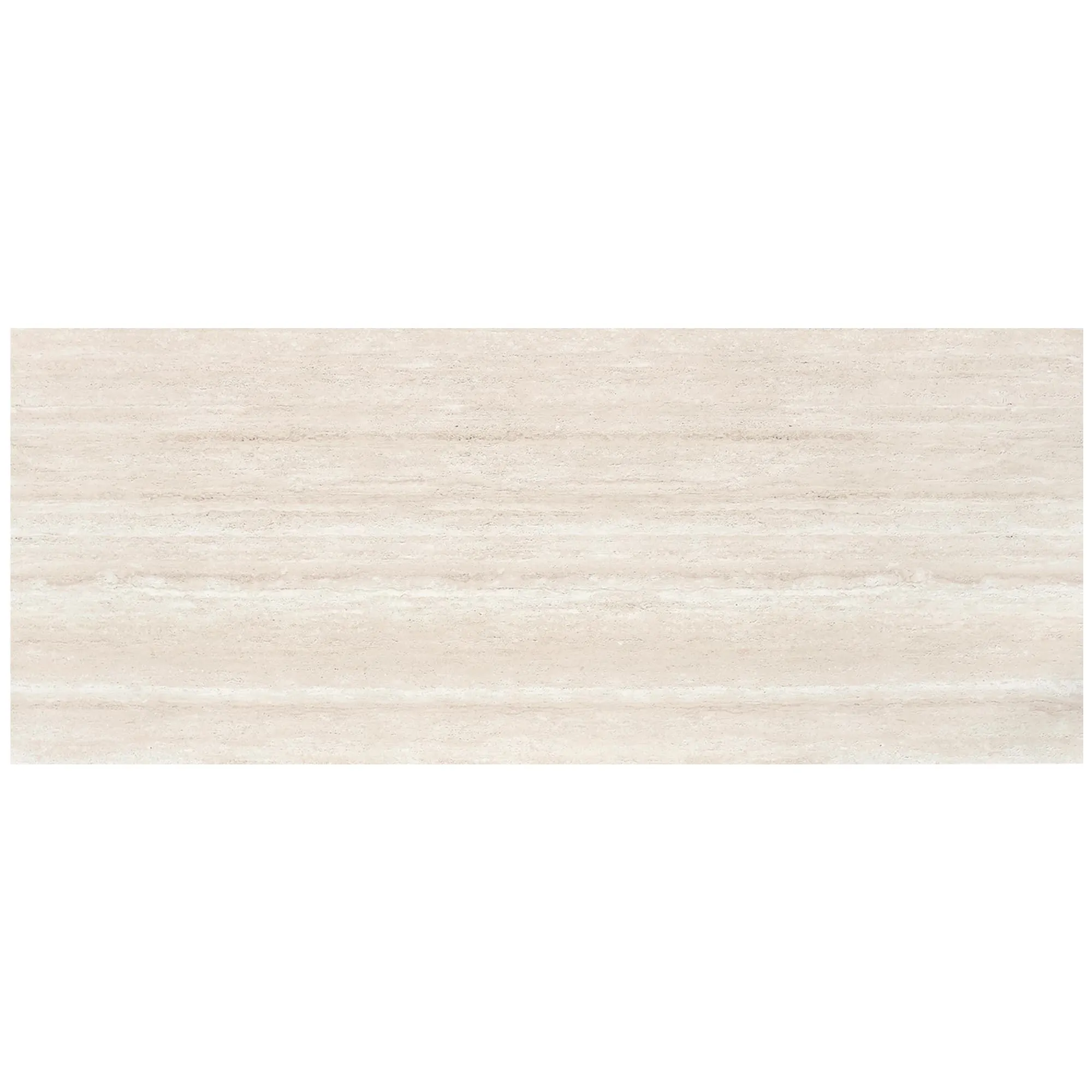
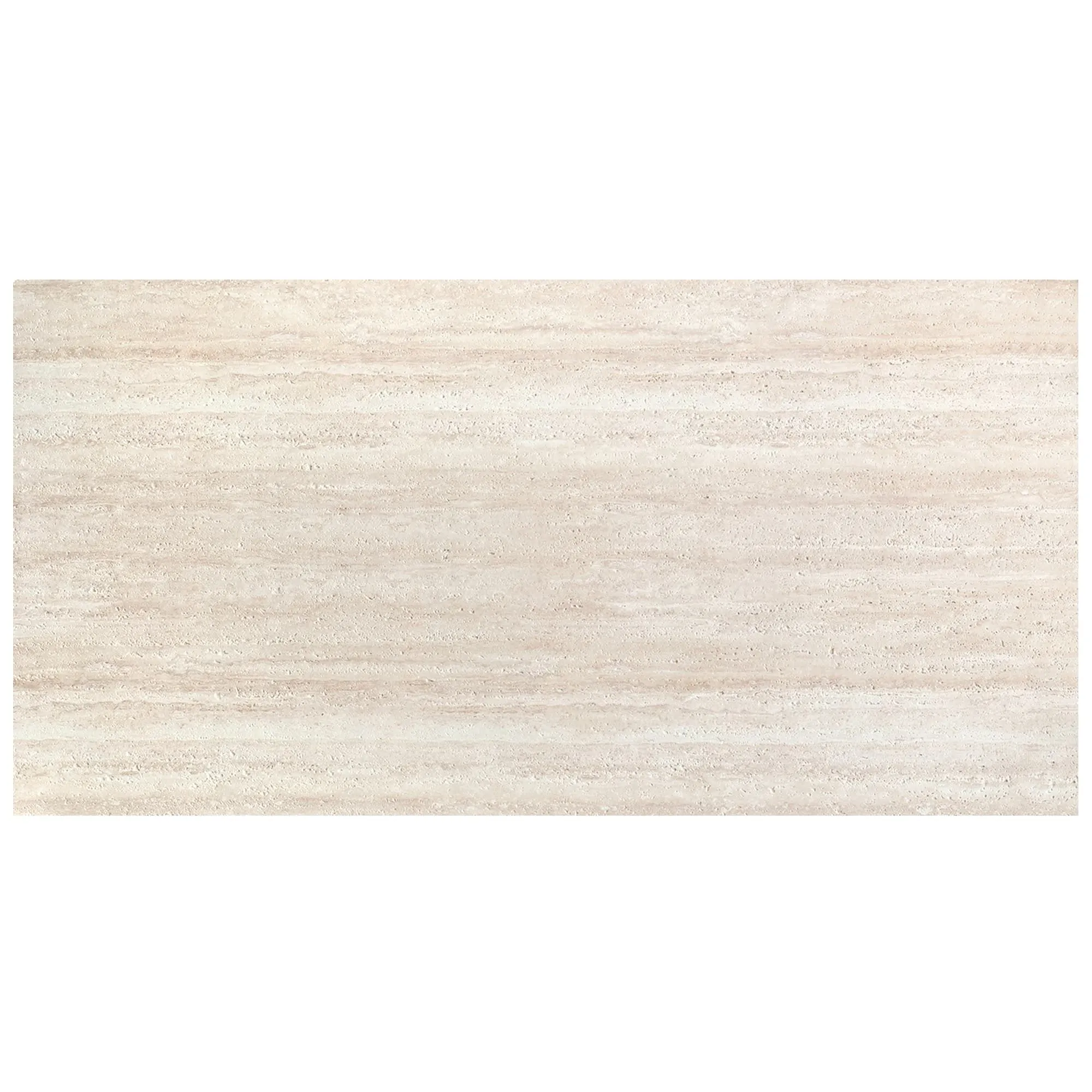
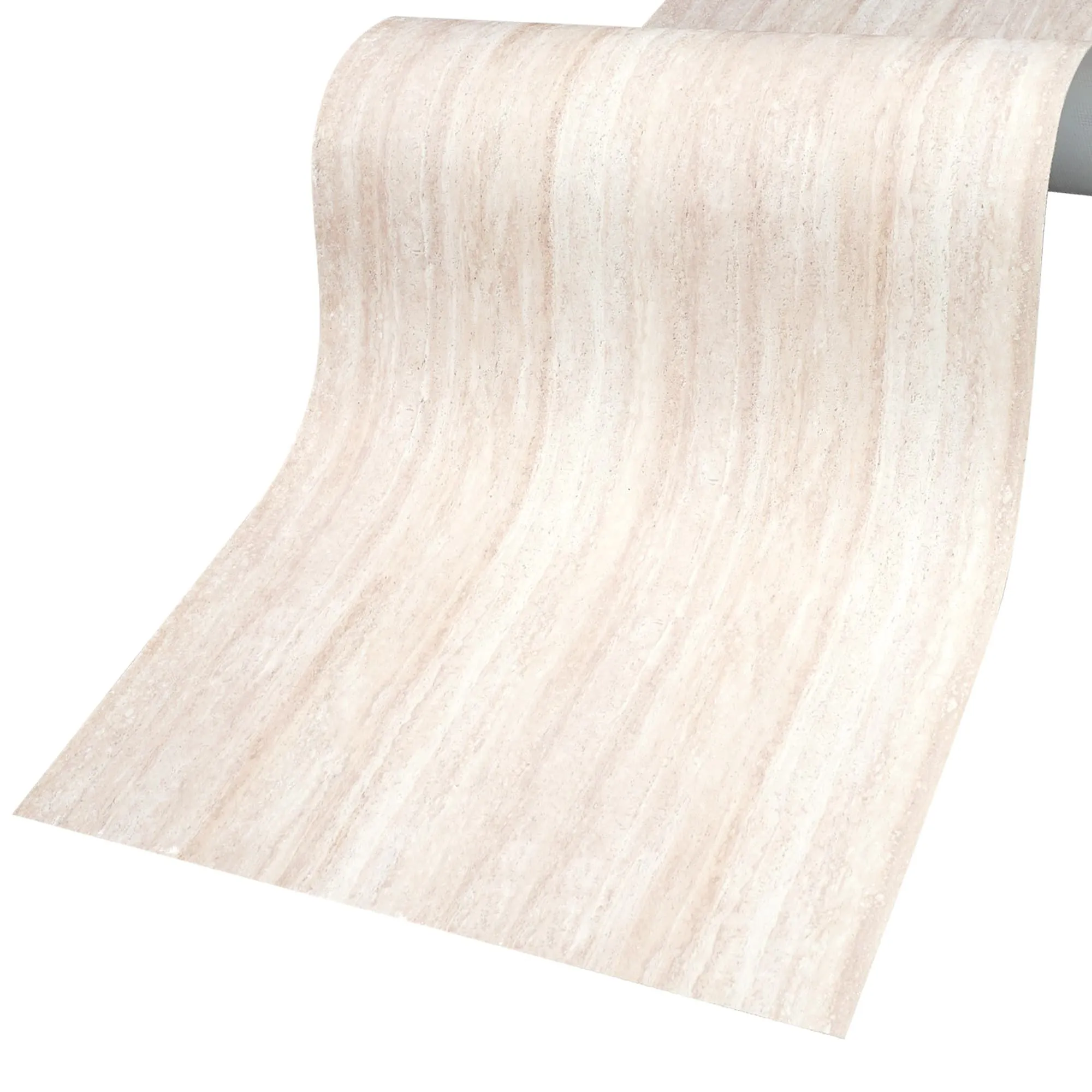
First, let's get to know our two competitors. Ceramic tiles have been a staple in construction for decades—think kitchen backsplashes, bathroom floors, or even outdoor patios. They're made from clay, fired at high temperatures, and known for their hard, glossy finish. Rona Yellow MCM, on the other hand, is part of the next generation of building materials. It's a lightweight, flexible stone panel crafted from modified composite materials, designed to mimic the look of natural stone (like travertine or marble) without the heft or price tag. Oh, and did we mention it's part of the lightweight flexible stone sheets family? That's a key detail we'll circle back to.
Let's start with the number that makes everyone sit up: cost. At first glance, ceramic tiles might seem like the budget-friendly option. You can find basic ceramic tiles for as low as $3–$5 per square foot, while Rona Yellow MCM typically starts around $6–$8 per square foot. But here's the thing: initial cost isn't the whole story. Let's break it down like you're sitting with a calculator, planning a 1,000-square-foot project.
Ceramic Tiles: $3/sq ft x 1,000 sq ft = $3,000 for materials. But then you need grout, adhesives, and labor. Ceramic tiles are heavy (we're talking 15–20 kg per square meter), so you'll pay more to ship them. Installers charge extra for lifting and placing them, especially if you're working on walls or upper floors. Plus, ceramic tiles crack easily—drop a tool, or even a heavy pot, and you're looking at replacing a tile (or a whole section if the crack spreads). Over 10 years, you might replace 10–15% of your tiles, adding another $300–$750. And don't forget grout maintenance: sealing every 1–2 years, scrubbing mold, or regrouting entirely every 5–7 years. That's another $200–$500 in upkeep.
Rona Yellow MCM: $6/sq ft x 1,000 sq ft = $6,000 for materials. But here's the kicker: MCM panels are lightweight (3–5 kg per square meter), so shipping costs are cut in half. Installation is faster, too—no need for heavy lifting equipment, and larger panels (some up to 4x8 feet) mean fewer cuts and seams. Labor costs drop by 30–40% compared to ceramic tiles. And because MCM is flexible and impact-resistant, it rarely cracks. Most manufacturers offer a 20-year warranty, so you're unlikely to replace any panels in that time. No grout means zero sealing or scrubbing. Over 10 years, your total cost for MCM? Maybe $6,000 + $1,000 labor + $0 maintenance = $7,000. For ceramic tiles? $3,000 materials + $3,000 labor (due to weight) + $1,000 maintenance = $7,000. Same total over 10 years —but MCM keeps going strong for another decade, while ceramic tiles will need a full replacement. Suddenly, that initial price gap doesn't look so big.
Imagine this: You're a restaurant owner, and your kitchen floor takes a beating—spills, dropped pans, constant foot traffic. Ceramic tiles here would be a nightmare. The glaze chips off, grout lines trap grease, and a single crack can lead to water seeping under the tiles, rotting subfloors. Rona Yellow MCM, though? It's designed for high-traffic areas. Its composite core resists moisture, so even if something spills, there's no mold or warping. drop a cast-iron skillet? The panel might scratch, but it won't shatter. We've seen MCM panels in busy lobbies and outdoor walkways that still look brand-new after 15 years. Ceramic tiles? They start showing wear and tear after 5–7 years, especially in high-moisture areas like bathrooms or pools.
Another test: temperature extremes. If you're building in a place with freezing winters and hot summers (looking at you, New England or the Midwest), ceramic tiles expand and contract, leading to cracks. MCM, with its flexible core, moves with temperature changes—no cracks, no gaps. That's why contractors in harsh climates are swapping ceramic for MCM; it's one less thing to worry about during inspections.
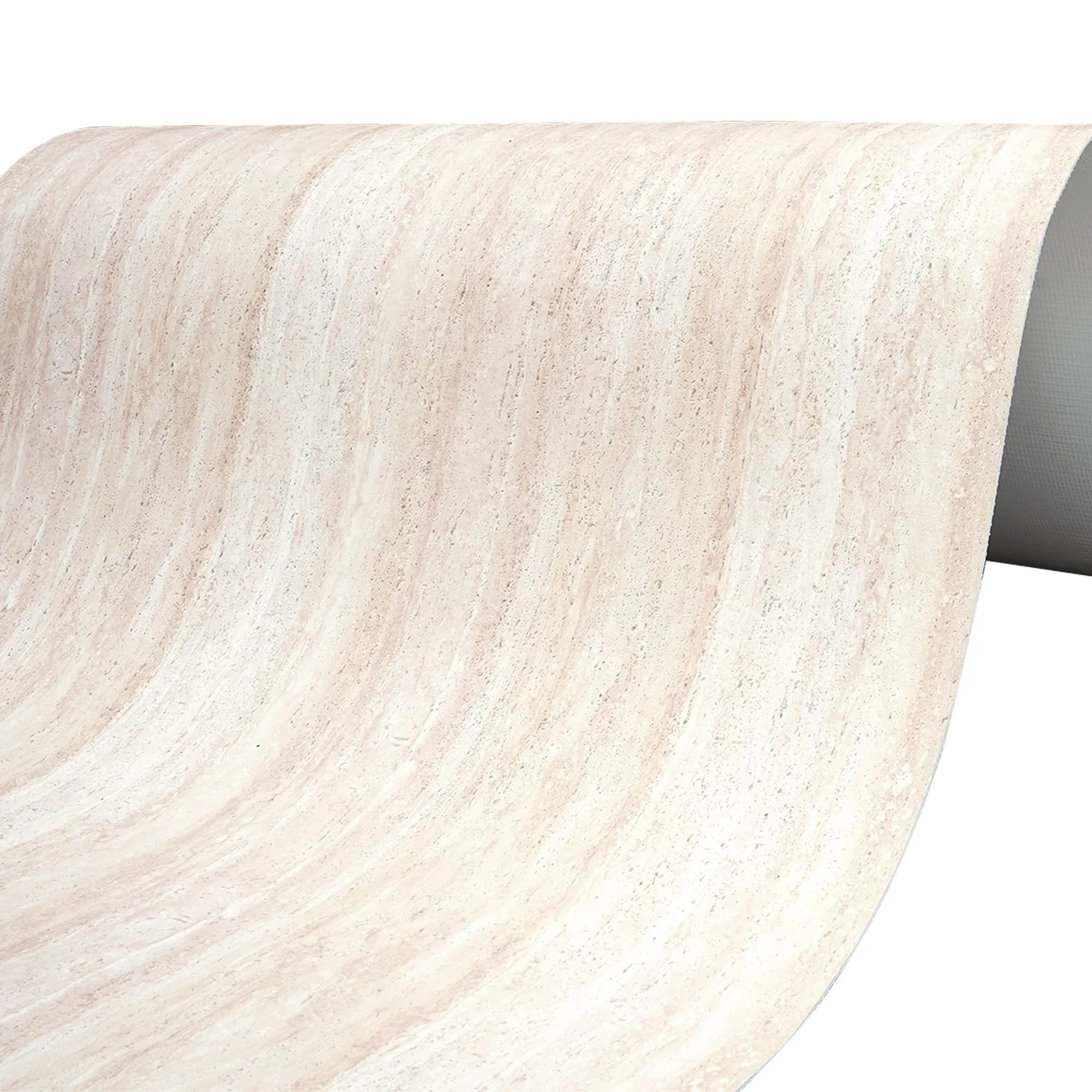
Let's talk installation day. Ceramic tile installers will tell you: prep work is everything. The substrate (the surface you're tiling) has to be perfectly flat—even a tiny bump can cause a tile to crack later. That means hours of leveling, patching, and priming. Then, laying tiles one by one, spacing them with spacers, cutting around corners or outlets… it's tedious. A 500-square-foot bathroom might take 3–4 days with a team of two. Rona Yellow MCM? Panels are large (4x8 feet is standard) and flexible, so they conform to slightly uneven surfaces. No spacers, no tiny cuts—just measure, trim with a utility knife, and stick. That same 500-square-foot bathroom? Done in 1–2 days with one installer. Less time means less labor cost, and your project finishes faster (hello, earlier opening for that restaurant or rental property).
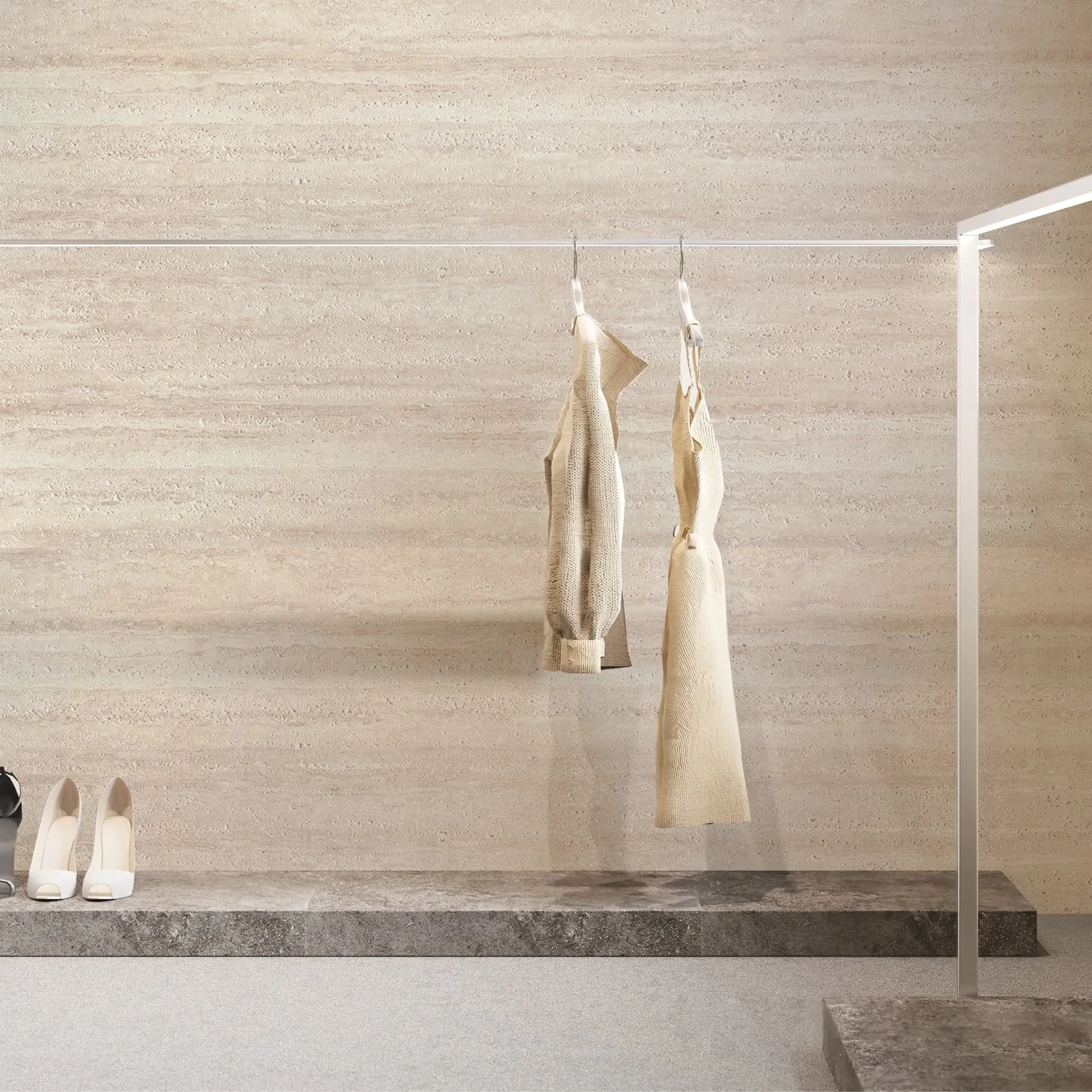
Sure, cost and durability matter, but let's be honest—you want your space to look great, too. Ceramic tiles have come a long way, but they're still limited by their size and texture. Most are small (12x12 inches or smaller), so you end up with a grid of grout lines that break up the design. Rona Yellow MCM, though, is all about versatility. Its warm, golden-yellow hue with subtle veining mimics natural travertine, but you can also find it in matte, glossy, or even textured finishes (think: rough-hewn stone or smooth concrete). Want a feature wall with a 3D pattern? MCM panels can be bent or curved to create waves or geometric shapes—something ceramic tiles can't do without looking choppy.
And if Rona Yellow isn't your vibe? MCM comes in a range of styles, from the industrial chic of fair-faced concrete to the sleekness of marble. But Rona Yellow stands out for its ability to warm up a space—perfect for kitchens, living rooms, or even outdoor patios where you want that "sunny day" feel year-round. Ceramic tiles, by comparison, often look flat or artificial, especially in cheaper options. You'll pay a premium for "natural stone-look" ceramic tiles, and they still won't have the depth or texture of MCM.
These days, sustainability isn't just a buzzword—it's a requirement for many projects, especially commercial ones. Ceramic tile production is energy-intensive: mining clay, firing kilns at 1,200°C, and shipping heavy materials all leave a big carbon footprint. MCM, on the other hand, is made from recycled stone aggregates and polymers, cutting down on raw material use. Its lightweight design reduces transportation emissions by 50%, and since it lasts longer, there's less waste from replacements. Some MCM manufacturers even use solar power in production, making Rona Yellow MCM a green choice that checks boxes for LEED certifications or eco-friendly building standards.
| Criteria | Rona Yellow MCM | Ceramic Tiles |
|---|---|---|
| Initial Cost | $6–$8/sq ft | $3–$5/sq ft |
| Long-Term Maintenance | Low ($0–$200/10 years) | High ($500–$1,000/10 years) |
| Durability | 20+ years (resistant to cracks, moisture, temperature changes) | 10–15 years (prone to chipping, cracking, and mold) |
| Installation Time | 1–2 days (500 sq ft) | 3–4 days (500 sq ft) |
| Weight | 3–5 kg/sq m (lightweight) | 15–20 kg/sq m (heavy) |
| Aesthetic Versatility | High (custom shapes, textures, and colors) | Low (limited to small sizes and basic patterns) |
| Sustainability | Eco-friendly (recycled materials, low carbon footprint) | High energy use (firing kilns, heavy shipping) |
At the end of the day, "cost-effective" isn't just about saving money today—it's about investing in something that will save you time, stress, and cash down the line. Rona Yellow MCM might have a higher initial price tag, but its durability, easy installation, and low maintenance make it the smarter choice for anyone planning to stay in their space for more than a few years. Whether you're a contractor looking to impress clients with a durable, good-looking finish, or a homeowner tired of replacing cracked tiles, MCM delivers on all fronts.
And let's not forget the little things: no more scrubbing grout, no more stressing over dropped objects, and a space that looks as good in year 10 as it did in year one. Ceramic tiles have their place, but when it comes to balancing cost, durability, and beauty, Rona Yellow MCM is in a league of its own. So next time you're staring at material samples, remember: the best deal isn't always the cheapest one. Sometimes, it's the one that keeps giving—for decades.
Recommend Products












