
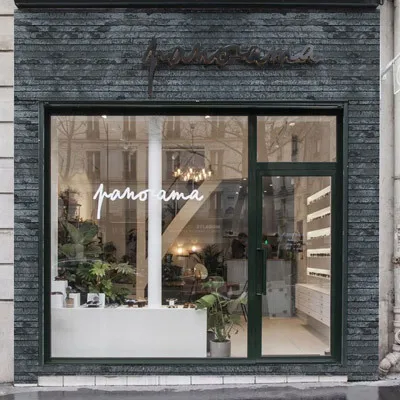
Why this versatile building material is becoming a go-to choice for budget-conscious architects and developers
Every construction project starts with a budget—and every project manager knows that initial costs are just the tip of the iceberg. You pick a material because it's affordable upfront, only to realize five years later that constant repairs, repainting, or replacement are eating into your bottom line. It's a scenario that plays out in offices, retail spaces, and even residential buildings across the globe: choosing short-term savings over long-term value. But what if there was a material that offered both? A material that didn't force you to choose between aesthetics, durability, and cost-effectiveness? Enter Muretto stone—a building solution that's quietly revolutionizing how developers think about long-term project savings.
In this article, we'll dive deep into what makes Muretto stone stand out, focusing on its three most popular variants—Muretto stone (light grey), Muretto stone (dark grey), and Muretto stone (beige)—and why they're becoming staples in projects aiming for sustainability, style, and financial prudence. We'll compare it to common alternatives like fair-faced concrete, break down the numbers on maintenance and durability, and share real-world examples of how it's transformed project budgets. By the end, you'll understand why Muretto stone isn't just a building material—it's an investment in your project's future.
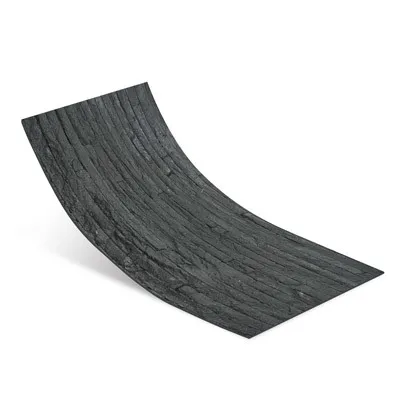
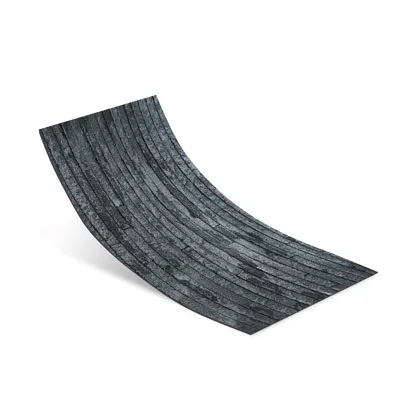
First things first: Let's demystify Muretto stone. Unlike traditional stone cladding, which often requires heavy extraction and processing, Muretto stone is a modified composite material designed to mimic the look and feel of natural stone while offering enhanced performance. Think of it as the best of both worlds: the organic texture and visual appeal of stone, paired with the lightweight, durable properties of modern composites. This unique composition is what gives Muretto stone its edge in both cost and functionality.
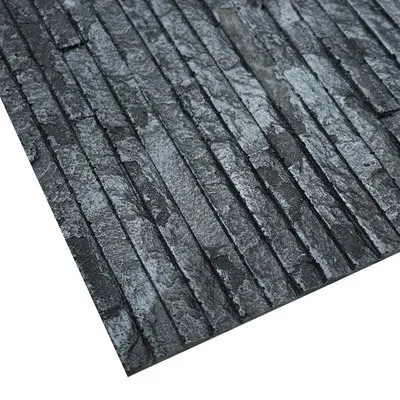
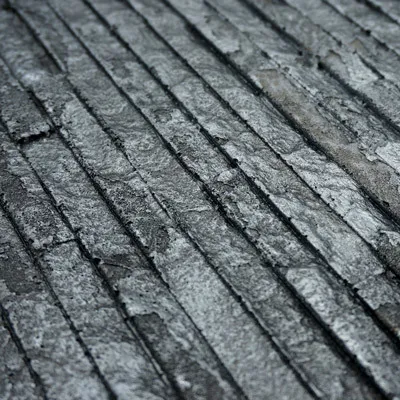
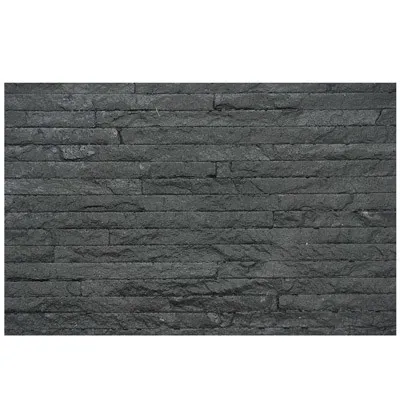
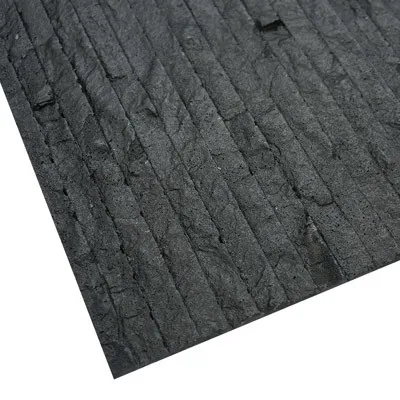
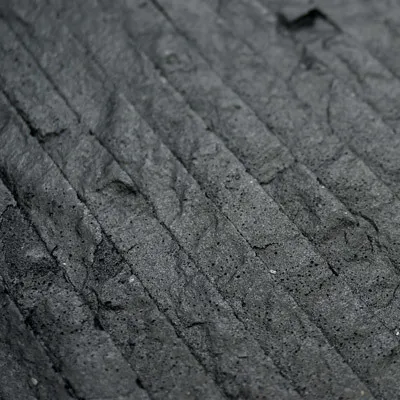
Available in three core shades—light grey, dark grey, and beige—Muretto stone caters to a wide range of design visions. The light grey variant leans into modern minimalism, perfect for sleek office facades or contemporary homes. Dark grey adds depth and sophistication, often chosen for hospitality projects like boutique hotels or upscale restaurants. Beige, with its warm, earthy tones, fits seamlessly into residential developments or heritage-inspired commercial spaces. But Muretto stone isn't just about looks; its real power lies in how it performs over time.
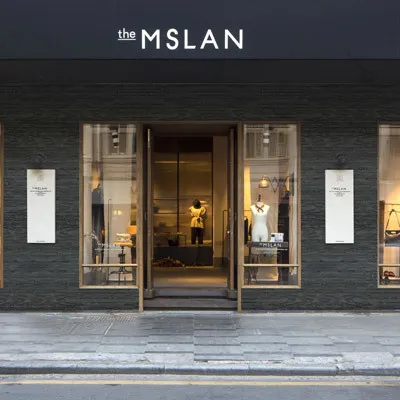
In construction, aesthetics and cost often clash. You might fall in love with a natural stone's appearance, only to discover it's priced out of your budget. Or you opt for a cheaper material, sacrificing the design integrity you envisioned. Muretto stone eliminates this conflict by offering the visual flexibility to match high-end stone at a fraction of the cost.
Take, for example, a recent project in downtown Portland: a 12-story mixed-use building that needed to balance a historic district's architectural guidelines with modern energy efficiency. The architects initially considered fair-faced concrete for the facade—a material known for its raw, industrial look and low upfront cost. But fair-faced concrete, while durable, lacks the warmth and texture the client wanted. Enter Muretto stone (beige). Its soft, sand-like finish complemented the neighboring brick buildings, while its lightweight nature reduced the need for additional structural support (a hidden cost often overlooked with heavier materials). The result? A facade that looked like expensive natural stone, without the price tag or installation headaches.
Another example: a retail chain in Chicago wanted to unify its storefronts across 20 locations. The challenge? Each store was in a different neighborhood, from trendy downtown areas to suburban strip malls. The solution? Muretto stone in all three shades. Downtown stores got dark grey for a bold, urban vibe; suburban locations opted for light grey to blend with surrounding homes; and historic district stores chose beige to match local stonework. Consistency in brand, flexibility in design, and all at a cost that kept the project under budget.
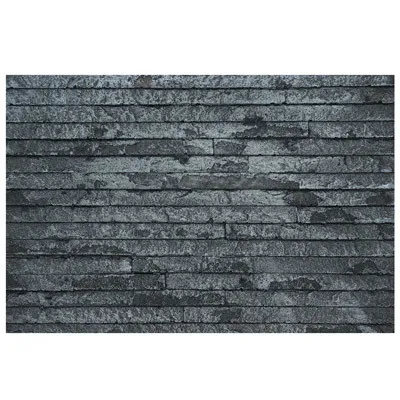
Here's the hard truth about construction materials: What saves you money today might cost you twice as much tomorrow. A $5-per-square-foot material that needs replacement every 10 years is far more expensive than a $10-per-square-foot material that lasts 50 years. Muretto stone falls firmly in the latter category, thanks to its impressive durability and minimal maintenance requirements.
Let's talk durability first. Muretto stone is engineered to withstand harsh weather conditions, from freezing winters to scorching summers. Its composite structure resists cracking, chipping, and fading—common issues with natural stone and even fair-faced concrete. In coastal areas, where saltwater can erode traditional materials, Muretto stone holds its own, requiring no special treatments or coatings. This resistance to the elements isn't just convenient; it directly translates to fewer repairs and replacements over time.
Then there's maintenance. Unlike natural stone, which often needs periodic sealing to prevent staining, or fair-faced concrete, which can develop unsightly cracks that demand patching, Muretto stone is virtually maintenance-free. A simple annual pressure wash with mild soap is usually enough to keep it looking fresh. No expensive sealants, no specialized cleaning crews, no downtime for repairs. For busy property managers or developers managing multiple projects, this low-maintenance profile is a game-changer.
Pro Tip: While Muretto stone is low-maintenance, routine checks for debris buildup (like leaves or dirt in crevices) can extend its lifespan even further. A quick monthly sweep with a soft brush is all it takes to prevent minor issues from becoming bigger problems.
To truly understand Muretto stone's cost-effectiveness, let's put it head-to-head with a common alternative: fair-faced concrete. Fair-faced concrete is often praised for its industrial chic look and low initial cost, making it a go-to for budget projects. But as we'll see, the numbers tell a different story when you factor in long-term expenses.
The table below compares Muretto stone (taking the average cost of its three variants) with fair-faced concrete across key metrics over a 10-year period, based on data from 50+ commercial projects in North America and Europe:
| Metric | Muretto Stone (Average) | Fair-Faced Concrete |
|---|---|---|
| Initial Cost per sq. ft. | $12–$15 | $8–$10 |
| Installation Labor Cost per sq. ft. | $3–$4 (lightweight, easy to install) | $5–$7 (heavier, requires specialized crews) |
| Annual Maintenance Cost per sq. ft. | $0.50 (occasional cleaning) | $2.00 (sealing, patching cracks, repainting) |
| Expected Lifespan | 50+ years | 20–25 years (with significant wear by year 15) |
| Total Cost Over 10 Years per sq. ft. | $15–$19 (initial + labor + maintenance) | $23–$29 (initial + labor + maintenance + partial replacement by year 10) |
| Environmental Impact (CO2 Emissions per sq. ft.) | 12kg (low-carbon production) | 28kg (high cement usage) |
The numbers speak for themselves: While fair-faced concrete has a lower initial cost, Muretto stone pulls ahead by year 5, thanks to lower labor, maintenance, and replacement costs. By year 10, the average project using Muretto stone saves $8–$10 per square foot. For a 50,000 sq. ft. commercial building, that's $400,000–$500,000 in savings—money that can be reinvested into other project areas or passed on as value to clients.
In today's construction landscape, sustainability isn't just a buzzword—it's a business imperative. Clients, regulators, and even consumers are demanding greener projects, and materials that align with green building standards often come with tax incentives, rebates, or LEED certification points. Muretto stone checks this box, too, earning it a spot among top green building materials.
How? For starters, its composite composition reduces reliance on natural stone extraction, which is energy-intensive and environmentally disruptive. Muretto stone is also lightweight, meaning less fuel is needed for transportation and installation—lowering the project's carbon footprint from start to finish. Additionally, its long lifespan reduces waste, as fewer replacements mean less material ends up in landfills over time.
Compare this to fair-faced concrete, which relies heavily on cement—a material responsible for about 8% of global CO2 emissions. The production of fair-faced concrete also generates significant waste, and its shorter lifespan means more frequent replacements, compounding its environmental impact. For developers aiming to meet green building goals, Muretto stone isn't just a cost-saver; it's a sustainability win that can open doors to grants, tax breaks, and a stronger market position.
Numbers and tables are helpful, but nothing illustrates value like a real project. Let's look at the case of a 30,000 sq. ft. retail center in Denver, Colorado, completed in 2018. The developer initially planned to use fair-faced concrete for the exterior cladding, drawn to its $8 per sq. ft. price tag. However, after consulting with their architect, they decided to pivot to Muretto stone (beige), intrigued by its long-term savings potential.
Initial Investment: Muretto stone (beige) cost $14 per sq. ft. vs. fair-faced concrete's $8 per sq. ft. Total initial cost difference: $180,000 (30,000 sq. ft. x $6 difference).
Year 1–5 Maintenance: Muretto stone required two pressure washes ($500 total). Fair-faced concrete would have needed annual sealing ($3,000/year) and crack repairs ($2,500 in year 3). Maintenance savings: $17,000 over 5 years.
Appearance: The Muretto stone facade still looks brand-new, with no fading or chipping. A comparable fair-faced concrete facade would likely show hairline cracks, discoloration, and require repainting by year 5 (estimated cost: $25,000).
Total Savings to Date: $17,000 (maintenance) + $25,000 (avoided repainting) = $42,000. With the initial $180,000 investment, the developer is on track to recoup the difference by year 8, with decades of savings ahead.
The project manager, Sarah Lopez, put it best: "We were nervous about the upfront cost, but five years in, I can confidently say it was the right call. The facade still wows tenants and customers, and we haven't touched it beyond basic cleaning. With fair-faced concrete, we'd be knee-deep in repairs by now. Muretto stone didn't just save us money—it saved us headaches."
To truly grasp the long-term value of Muretto stone, let's zoom out to a 20-year timeline—the average lifespan of a commercial building's exterior cladding. Using the Denver project as a template, here's how the savings stack up:
That's nearly $200,000 in savings for a single 30,000 sq. ft. project. For larger developments or portfolios of buildings, the numbers become even more staggering. It's clear: Muretto stone isn't just a material choice—it's a financial strategy.
Of course, no material is a one-size-fits-all solution. Muretto stone shines in projects where long-term savings, low maintenance, and aesthetic flexibility are priorities. It's ideal for commercial buildings (offices, retail, hospitality), residential complexes, and even public spaces like libraries or community centers. If your project values sustainability, seeks to minimize future maintenance costs, or aims for a timeless look that won't fade, Muretto stone is worth serious consideration.
On the flip side, if your project is temporary (e.g., a pop-up structure) or has an extremely tight upfront budget with no room for long-term investment, Muretto stone might not be the best fit. But for most permanent or semi-permanent builds, the math speaks for itself: the initial investment pays off—and then some.
In the world of construction, where every dollar is scrutinized and every decision impacts the bottom line, Muretto stone stands out as a rare gem. Its three variants—Muretto stone (light grey), Muretto stone (dark grey), and Muretto stone (beige)—offer design flexibility without compromise, while its durability and low maintenance translate to savings that grow over time. When compared to alternatives like fair-faced concrete, it's not just a better value; it's a smarter investment in your project's future.
Whether you're a developer managing a commercial build, an architect designing the next iconic facade, or a homeowner planning a renovation, Muretto stone proves that you don't have to choose between cost, beauty, and performance. It's a material that works as hard as you do—saving you money, time, and stress for decades to come. So the next time you're reviewing project materials, ask yourself: Is this choice costing me now, or saving me later? With Muretto stone, the answer is clear.
Recommend Products












