
In the world of architecture and interior design, few materials carry the same weight—both literally and metaphorically—as natural stone. It's a material that tells stories: of ancient quarries, of geological time, of the hands that shape it into something that turns houses into homes and buildings into landmarks. Among the many stones that have captured designers' imaginations in recent years, rock cut dolomitic stone stands out for its rugged charm, versatility, and ability to bridge rustic warmth with modern minimalism. As we step into 2025, many are wondering: What does the price tag look like for this coveted material? And what factors are shaping its cost this year? Let's dive in.
First, let's get to know the star of the show. Rock cut dolomitic stone isn't your average slab. Formed from dolomite—a carbonate mineral that's harder and more resistant to weathering than traditional limestone—it gets its name from the "rock cut" finish: a rough, textured surface that mimics the look of stone hewn directly from a cliff. Unlike polished marble or sleek granite, this stone wears its character on its sleeve: think uneven edges, subtle color variations, and a tactile quality that invites touch. It's the kind of material that feels alive, as if it still holds the echoes of the mountains it came from.
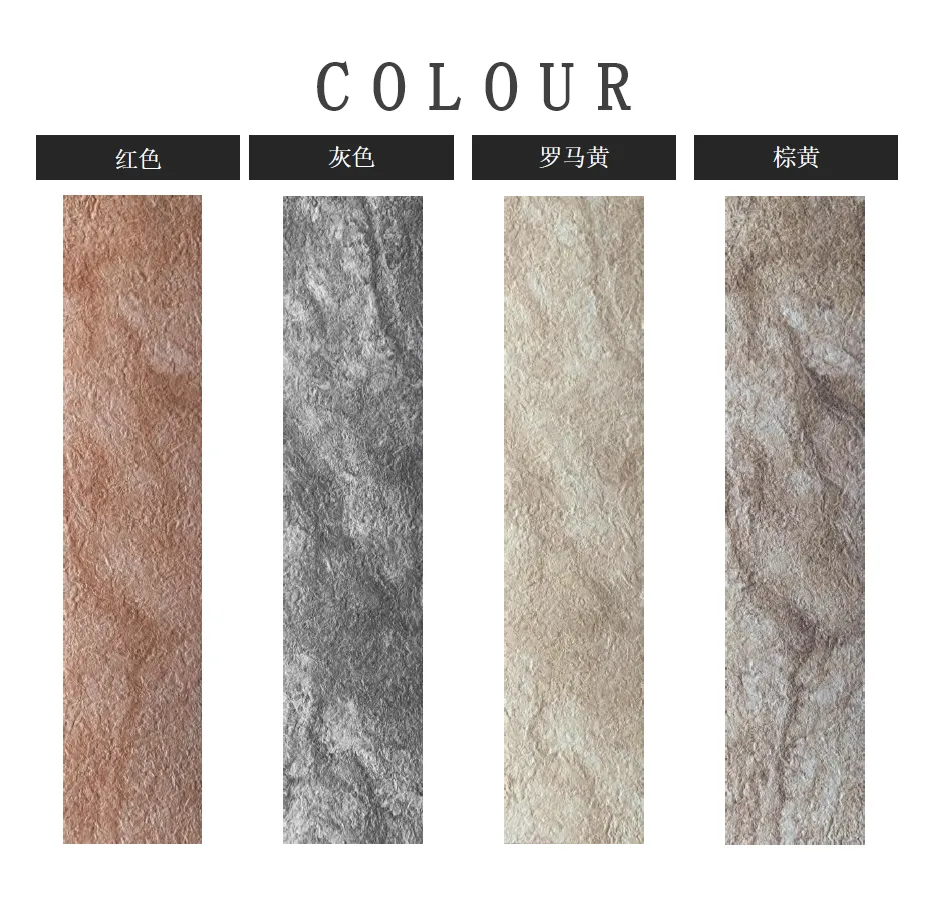
What makes it so popular? For starters, its durability. Dolomite's density makes it resistant to scratches, stains, and moisture, making it suitable for both indoor and outdoor use—from kitchen backsplashes to exterior facades. Then there's its aesthetic flexibility. Available in earthy tones like dolomitic travertine (claybank) and moody grays like dolomitic travertine (dark grey) , it pairs effortlessly with everything from warm wood accents to industrial metal fixtures. Designers love it for creating spaces that feel grounded yet contemporary—think a cozy cabin retreat or a chic urban loft with a touch of raw nature.
If you're considering rock cut dolomitic stone for your next project, you're probably wondering: How much will it set me back in 2025? Prices vary, but industry insiders estimate the average cost per square meter ranges from $85 to $150, depending on factors like finish, thickness, and sourcing. Let's break down what's influencing these numbers this year.
Like many natural stones, rock cut dolomitic stone is tied to global supply chains, and 2025 is no exception. Major quarries in Italy, Turkey, and parts of Southeast Asia have faced disruptions—from labor shortages to stricter environmental regulations—slowing down extraction. For example, a key dolomite quarry in northern Italy, known for producing the rich dolomitic travertine (claybank) variant, temporarily shut down earlier this year for sustainability audits, causing a short-term spike in regional prices. These supply chain hiccups mean that stones sourced from premium quarries (think rare colorways or dense blocks) are costing 10–15% more than in 2024.
On the flip side, innovations in material science are softening the blow. Many manufacturers are now blending rock cut dolomitic stone with MCM flexible stone —a lightweight, durable composite—to reduce raw material usage without sacrificing aesthetics. MCM (Modified Composite Material) technology allows for thinner slabs (as low as 4mm) that are easier to transport and install, trimming costs by up to 20% for large-scale projects like commercial facades.
Gone are the days of one-size-fits-all stone slabs. In 2025, designers crave uniqueness, and MCM 3D printing series is answering the call. This technology lets manufacturers carve intricate patterns into rock cut dolomitic stone—think geometric textures or even custom logos—without the need for manual labor. While basic rock cut finishes remain affordable, 3D-printed variants can add $30–$50 per square meter to the price tag. A boutique hotel in Barcelona, for instance, recently commissioned 3D-printed rock cut dolomitic stone panels with a wave-like texture (reminiscent of the wave panel trend) for its lobby walls, paying $145 per sqm for the custom design.
But it's not just about looks: 3D printing also improves efficiency. Traditional stone cutting wastes up to 30% of raw material; 3D printing slashes that waste to under 5%, making it a greener (and eventually more cost-effective) option for eco-conscious buyers. Over time, as the technology scales, we may see these premium customization costs drop—but for 2025, they're still a notable factor in pricing.
Rock cut dolomitic stone is having a moment, and demand is driving prices upward. Homeowners are leaning into "biophilic design"—bringing nature indoors—and rock cut dolomitic stone's earthy, unpolished look fits the bill perfectly. A recent survey by the Interior Designers Association found that 68% of high-end residential projects now include at least one natural stone feature wall, with rock cut dolomitic stone overtaking marble as the top choice for its "lived-in luxury" vibe.
Commercial projects are jumping on the trend too. Cafés, boutique hotels, and even tech offices are using rock cut dolomitic stone to create warm, inviting spaces. Take the new headquarters of a Silicon Valley startup, which clad its lobby in rock cut stone (dark grey) paired with foamed aluminium alloy board (vintage silver) for a blend of industrial edge and organic warmth. This surge in demand has led suppliers to prioritize bulk orders, meaning smaller projects (like a home kitchen backsplash) may pay a premium for smaller slab sizes—up to $20 more per sqm than larger commercial orders.
To put rock cut dolomitic stone's price in perspective, let's compare it to other trending materials this year. The table below breaks down average costs, key features, and best-use cases:
| Stone Type | 2025 Price per sqm | Key Features | Best For |
|---|---|---|---|
| Rock Cut Dolomitic Stone (Claybank) | $95–$120 | Rustic texture, warm terracotta hues, durable | Feature walls, outdoor patios |
| Lunar Peak Golden | $180–$220 | Metallic gold veining, high-gloss finish | Luxury hotel lobbies, statement floors |
| Century Stone | $70–$90 | Smooth concrete-like texture, budget-friendly | Modern apartments, commercial floors |
| Fair-Faced Concrete | $60–$85 | Industrial look, low maintenance | Warehouse conversions, minimalist interiors |
| Dolomitic Travertine (Dark Grey) | $110–$140 | Deep charcoal tones, porous surface | Fireplaces, accent walls |
| Foamed Aluminium Alloy Board (Vintage Silver) | $140–$170 | Lightweight, recyclable, metallic sheen | Facade cladding, ceiling panels |
As you can see, rock cut dolomitic stone sits in the mid-range—more affordable than luxury options like Lunar Peak Golden but pricier than budget picks like Century Stone . Its sweet spot? Projects that want high-end texture without the sticker shock of rare marbles or metals.
Rock cut dolomitic stone isn't just a pretty material—it's versatile. Here are a few ways designers and homeowners are using it to elevate spaces this year:
Application 1: Rustic-Chic Residential Feature Walls
Imagine walking into a living room where one wall is clad in rock cut dolomitic stone (claybank) , its rough surface catching the light to reveal subtle layers of beige and terracotta. Below it, a sleek oak floor and a wood grain board bookshelf add warmth, while a modern sofa in muted gray keeps the look grounded. This is the "rustic modern" aesthetic taking over 2025 homes—and rock cut dolomitic stone is the star. Homeowners love it for its ability to turn a plain wall into a focal point without feeling overwhelming.
Application 2: Commercial Facades with MCM Project Board Series
For businesses, first impressions matter, and MCM project board series paired with rock cut dolomitic stone is a game-changer. A new boutique hotel in Lisbon, for example, used large-format rock cut dolomitic slabs (up to 120x60cm) for its exterior, combined with MCM big slab board series panels in travertine (starry blue) for a striking contrast. The result? A facade that looks both ancient and futuristic, drawing in guests and Instagrammers alike. Best of all, MCM's lightweight nature cut installation time by 30% compared to traditional stone, saving the hotel $15,000 on labor costs.
Application 3: Outdoor Spaces with Enduring Appeal
Rock cut dolomitic stone isn't just for indoors. Its weather resistance makes it ideal for patios, pool surrounds, and garden paths. In 2025, homeowners are pairing it with stream limestone (dark grey) for a "natural creek bed" look in outdoor kitchens or using it to clad fire pits, where its heat-resistant properties shine. One Arizona homeowner even used rock cut dolomitic stone (dark grey) to build a desert-inspired retaining wall, blending seamlessly with the arid landscape.
At $85–$150 per square meter, rock cut dolomitic stone isn't the cheapest option, but for many, it's worth every penny. Its durability means it will last decades (no need for costly replacements), and its timeless look won't go out of style—unlike trendy synthetics that may feel dated in five years. Plus, as sustainability becomes a bigger priority, natural stones like dolomite are increasingly viewed as eco-friendly choices, as they require minimal processing compared to materials like polish concrete or foamed aluminium alloy board (gold) .
That said, it's not for everyone. If you're on a tight budget, fair-faced concrete ($60–$85/sqm) or century stone ($70–$90/sqm) offer similar industrial vibes at a lower cost. And if you crave bold color, travertine (starry red) or rust square line stone might be better fits—though they come with higher price tags ($140–$180/sqm).
In a world of fleeting trends, rock cut dolomitic stone stands out as a material with staying power. Its 2025 price tag reflects both global challenges (supply chain snags, labor costs) and exciting innovations (MCM tech, 3D printing), but at its core, it's still about the beauty of nature—raw, unfiltered, and full of character. Whether you're designing a cozy home or a statement-making commercial space, this stone offers a rare blend of durability, versatility, and emotional resonance.
So, will rock cut dolomitic stone fit your project? If you value texture, sustainability, and a look that tells a story, the answer is likely yes. Just remember: invest in quality sourcing (ask suppliers about quarry practices!) and consider pairing it with MCM flexible stone or 3D-printed accents to balance cost and creativity. After all, great design isn't just about materials—it's about how they make us feel. And rock cut dolomitic stone? It makes us feel right at home.
Recommend Products












