With so many options in the MCM lineup, it's hard to pick favorites—but these five stand out for their ability to blend story, texture, and functionality. Let's dive in:
Lunar Peak Silvery: Where Moonlight Meets Modern Design
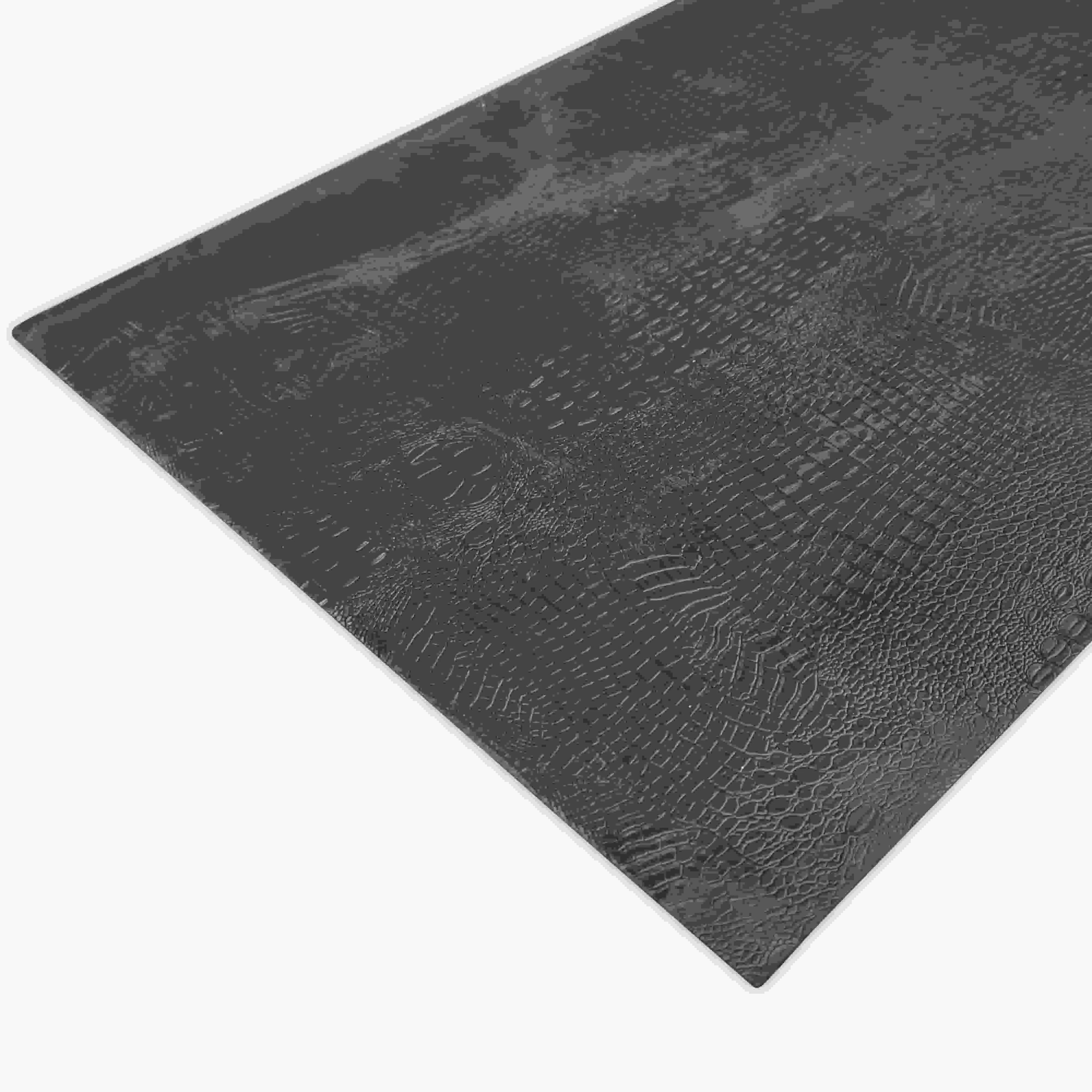
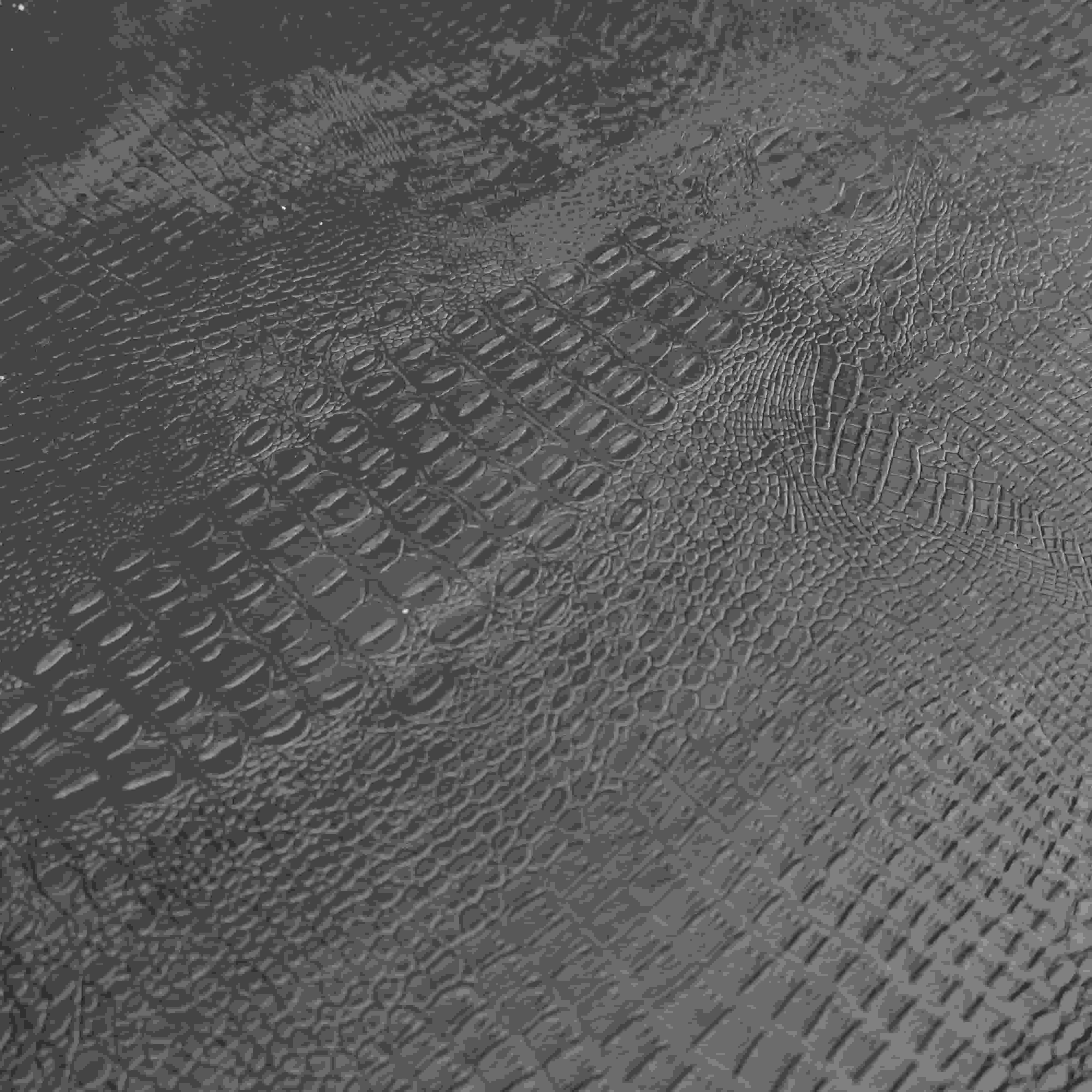
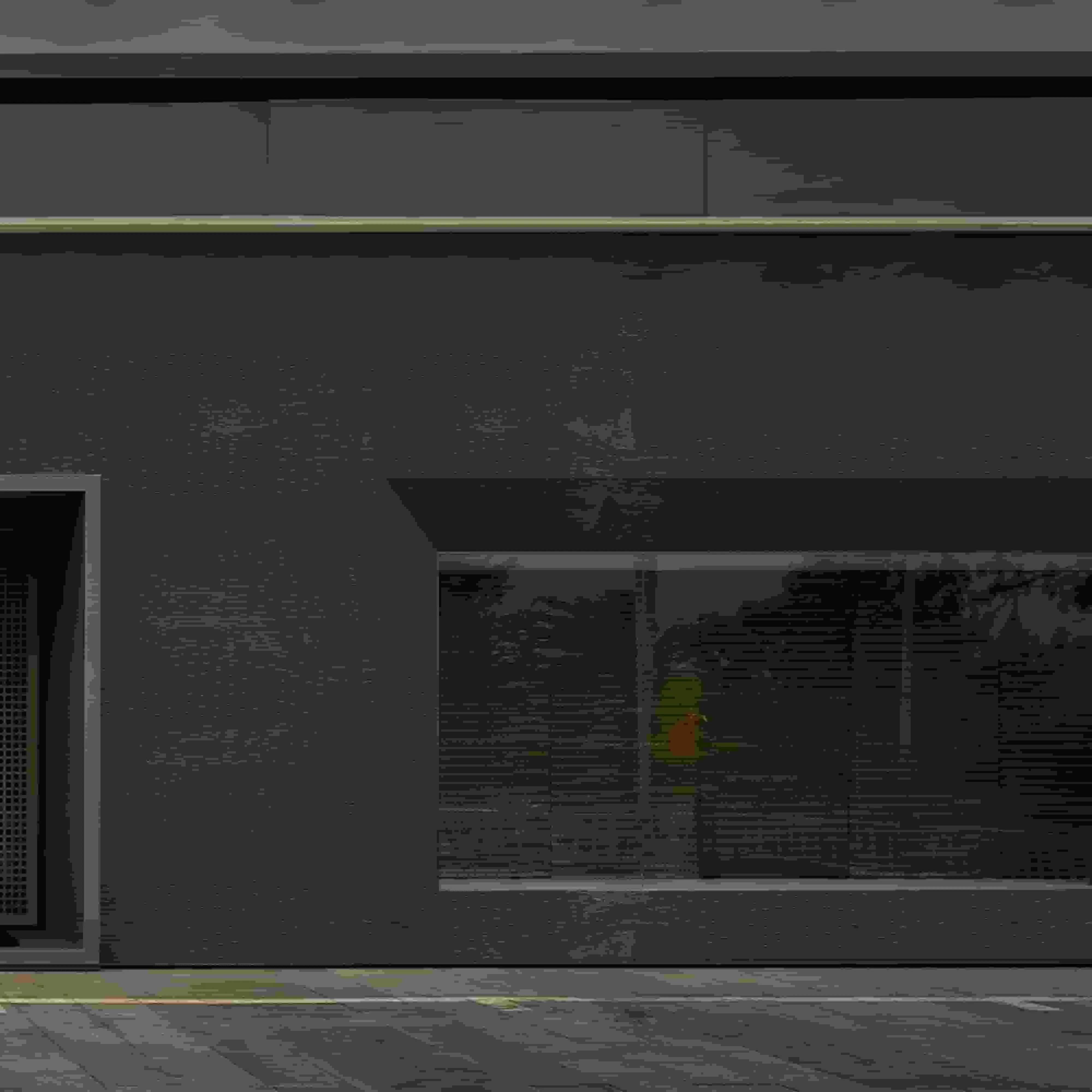
If "quiet elegance" had a texture, it would be Lunar Peak Silvery. Inspired by the surface of the moon (yes, really—Croco's design team studied NASA photos of lunar craters), this panel has a soft, matte finish with tiny, irregular indentations that catch light like moonlight on rock. It's not shiny, but it glows—subtly, like a secret. Architects love it for exteriors because it changes with the time of day: cool and silvery at noon, warm and golden at sunset, and almost ethereal under streetlights at night.
A boutique office building in Portland used it for their facade, and now employees say they "look forward to walking in the door" because the building "greets them like a friend." One even mentioned it reminds her of her childhood summers, camping under the stars. That's the emotional punch—Lunar Peak Silvery doesn't just
look
like the moon; it
feels
like a memory.
Travertine (Starry Blue): The Night Sky, Captured in Stone
Travertine is a classic, but Starry Blue? It's a rebel with a cause. Traditional travertine has earthy tones and natural pits, but 3D printing lets Croco inject color and sparkle without losing that organic feel. The base is a deep, oceanic blue, and embedded within are microscopic glass particles that reflect light—like someone scattered stardust into the stone. It's bold, but not overwhelming—perfect for making a statement without screaming.
A restaurant in Barcelona used it for their bar front, and now customers take more photos of the bar than their food. "People come in, see the wall, and their phones come out immediately," the owner laughed. "But it's not just about Instagram. The blue is calming, so even on busy nights, the bar area feels like a little oasis. Guests stay longer, and they come back."
Concrete gets a bad rap—dull, gray, industrial. But Fair-Faced Concrete from the MCM 3D series? It's concrete with a soul. 3D printing lets Croco control the texture down to the millimeter: smooth as polished stone in some areas, rough with intentional "imperfections" (air bubbles, tiny ridges) in others. It's like a sculptor's sketch—raw, honest, and full of character.
A residential developer in Copenhagen used it for a row of townhouses, and the feedback was surprising. "Homebuyers kept talking about how 'warm' the concrete felt," the developer said. "They compared it to a hand-carved wooden table—something that feels human, not machine-made. We sold out in three months." Fair-Faced Concrete proves that even the most "basic" materials can be elevated when you add a little intention.
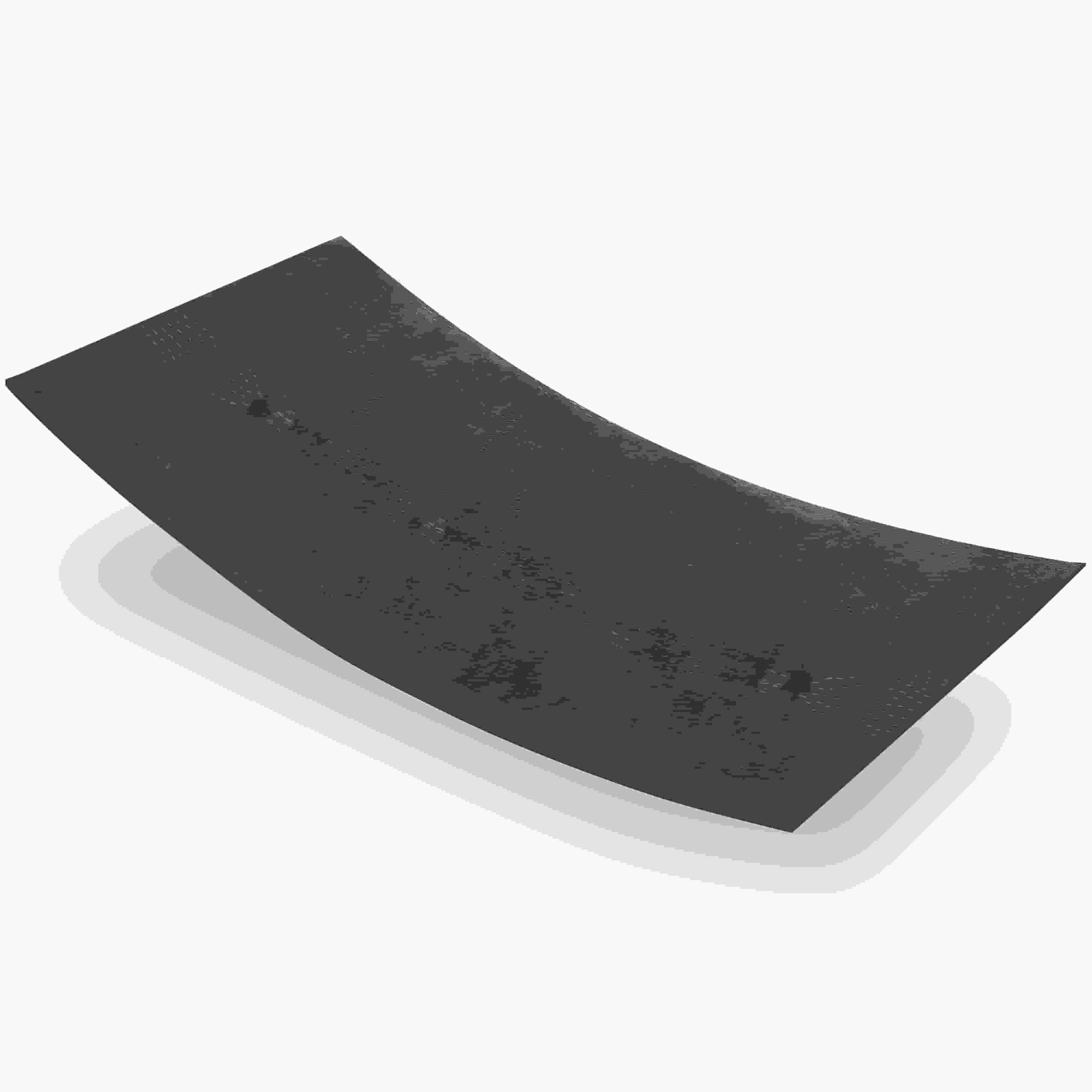
Flexibility is the name of the game here. MCM Flexible Stone can curve, twist, and wrap around corners that would break traditional stone into pieces. But it's not just about shape—it's about movement. A shopping mall in Singapore used it for their atrium ceiling, creating a wave-like pattern that "flows" over visitors. "Kids run under it, pointing and laughing, like they're standing under a cloud," a mall manager said. "Adults stop to take photos, and some even reach up to touch it. It turned a boring ceiling into a destination."
And durability? It's no slouch. After a typhoon hit Singapore last year, the mall's Flexible Stone ceiling was unscathed. "We expected some damage, but it held up like it was nothing," the manager added. "It's tough, but it doesn't feel tough—it feels alive."
Travertine (Vintage Gold): Old-World Charm, New-World Tech
Vintage Gold Travertine is a love letter to history. It mimics the warm, honeyed tones of ancient Roman travertine (think the Colosseum's weathered walls), but with a modern twist: 3D printing ensures the texture is consistent across panels, so you get that "antique" look without the hassle of sourcing rare, uneven stone. A winery in Napa Valley used it for their tasting room walls, and visitors say it "feels like stepping into a 100-year-old cellar, but cleaner, brighter, and somehow more welcoming."
"We wanted that old-world charm, but we also needed something easy to maintain," the winemaker explained. "Traditional travertine is porous—you spill wine, and it stains. Vintage Gold? Wipe it off, and it looks brand new. It's the best of both worlds: history you can touch, without the headaches of history."