
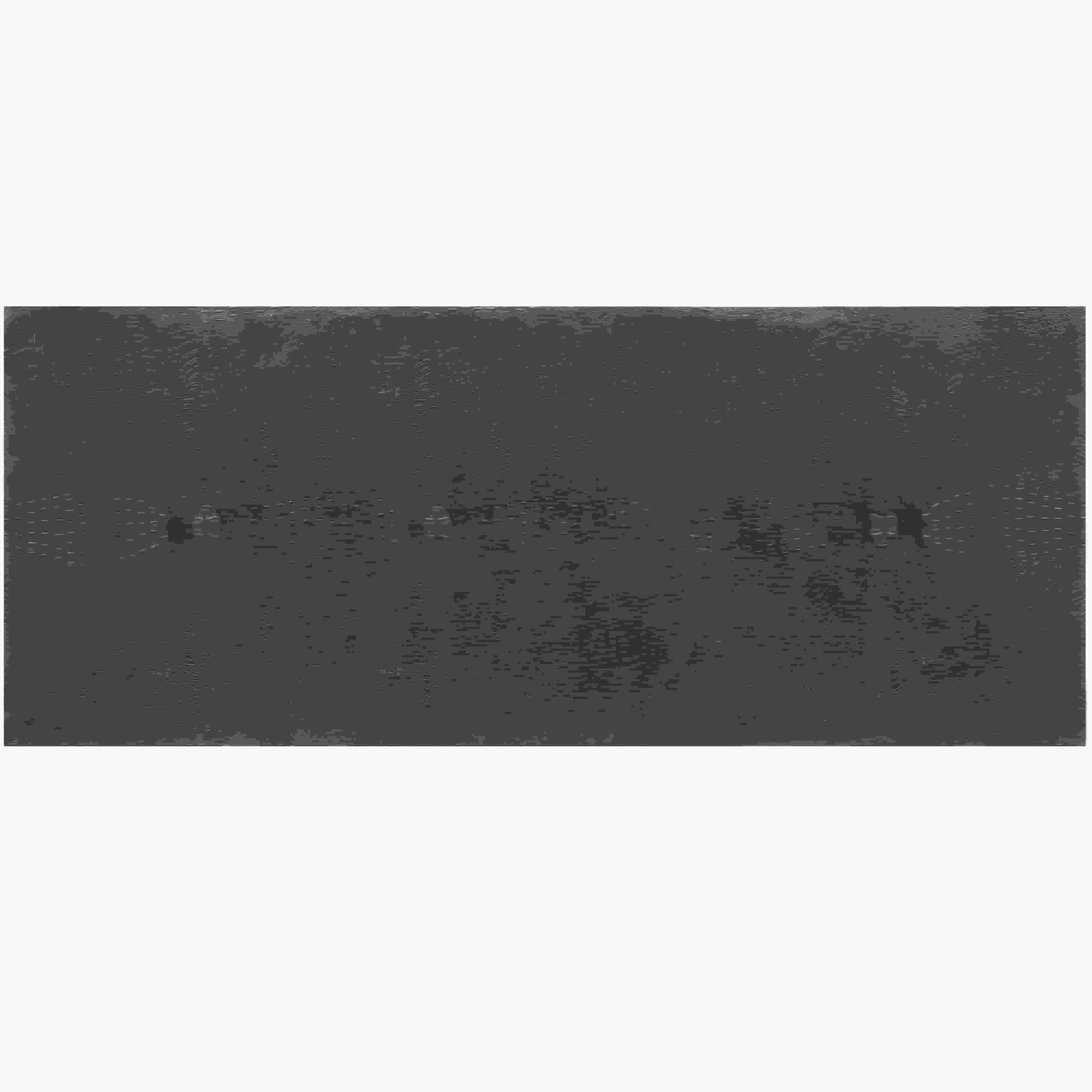
Walk into any contemporary architectural project these days, and you'll sense a quiet shift—one where beauty no longer comes at the expense of the planet. Architects, designers, and builders are increasingly asking: How can we create spaces that inspire, while also honoring our responsibility to sustainability? It's a question that's reshaping the industry, and at the forefront of the answer is Croco MCM—a line of building materials that marries cutting-edge design with eco-conscious engineering. For those chasing LEED certification, these materials aren't just options; they're strategic allies, helping turn green goals into tangible points and memorable spaces.
LEED (Leadership in Energy and Environmental Design) isn't just a certification—it's a promise. Administered by the U.S. Green Building Council (USGBC), it rewards projects that prioritize sustainability across five core areas: Energy and Atmosphere, Materials and Resources, Indoor Environmental Quality, Water Efficiency, and Sustainable Sites. Every credit counts, and for many teams, the difference between a LEED Silver and Gold rating often lies in the materials chosen. That's where Croco MCM shines: its products are engineered to tick multiple LEED boxes, from reducing construction waste to improving indoor air quality, all while offering the kind of visual appeal that makes buildings stand out.
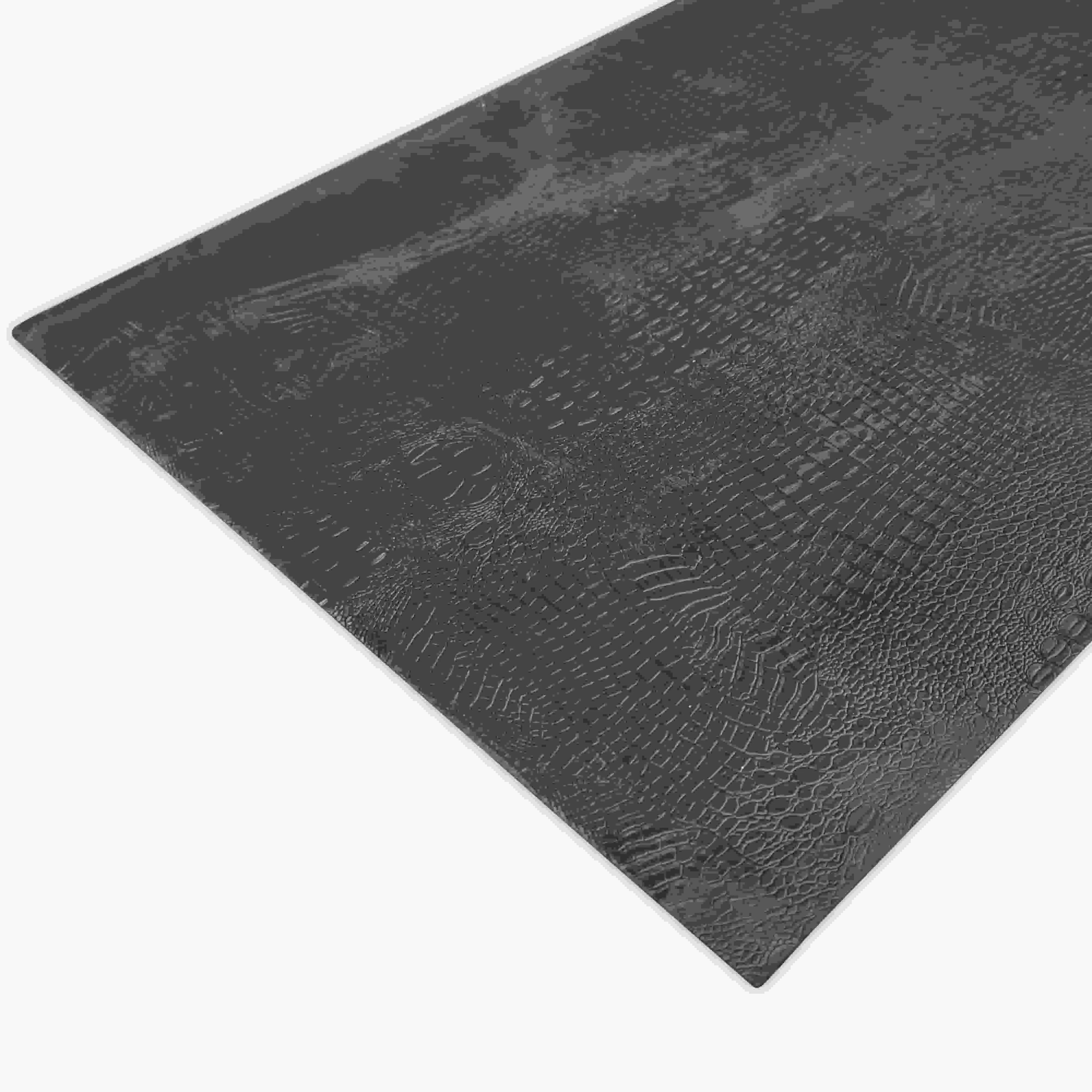
What sets Croco MCM apart is its ability to blend sustainability with versatility. Whether you're designing a sleek urban high-rise or a cozy boutique hotel, there's a material in the lineup that fits—without forcing you to compromise on eco-friendliness. Let's dive into some standout options and how they contribute to LEED points.
If there's one material that embodies Croco MCM's ethos, it's MCM flexible stone . Imagine a stone cladding that bends like fabric yet withstands decades of weather—sounds too good to be true, right? But that's exactly what this innovation delivers. Traditional stone cladding is heavy, often requiring reinforced structures and guzzling fuel during transportation. MCM flexible stone, by contrast, is up to 80% lighter, thanks to its composite construction. This isn't just a design win; it's a sustainability slam dunk.
Think about it: lighter materials mean fewer trucks on the road, cutting down on transportation emissions. A 2023 study by the Green Building Research Institute found that using MCM flexible stone reduced carbon emissions from material transport by an average of 35% on mid-rise projects. That directly contributes to LEED's Materials and Resources (MR) Credit 2: Construction Waste Management , which rewards projects that minimize waste and lower environmental impact during construction.
But the benefits don't stop at transportation. MCM flexible stone is also remarkably durable. Its resistance to fading, cracking, and moisture means buildings stay vibrant for years, reducing the need for frequent replacements. Less replacement equals less waste—a key factor for MR Credit 3: Materials Reuse . And when the time does come to retire it, the material is fully recyclable, closing the loop on its lifecycle.
Aesthetically, it's a dream. With finishes ranging from lunar peak silvery to travertine (starry blue) , designers can mimic the look of natural stone—think the warmth of travertine (beige) or the drama of lunar peak black —without stripping quarries. It's sustainability that doesn't ask you to sacrifice style.
For projects that crave a touch of metallic elegance, foamed aluminium alloy boards are a game-changer. Available in vintage silver , vintage gold , and gold finishes, these boards add a sleek, modern edge to facades, interiors, and accent walls. But what makes them a LEED favorite? Their commitment to circularity.
Unlike solid aluminium, foamed aluminium is created by injecting gas into molten aluminium, resulting in a porous, lightweight structure. This process uses 60% less raw material than traditional aluminium panels, reducing embodied carbon—the total emissions generated during a material's production. But the real star here is recyclability: Croco MCM's foamed aluminium boards contain at least 35% post-consumer recycled content, which directly contributes to MR Credit 4: Recycled Content . LEED awards points based on the percentage of recycled material, and with 35%, these boards can help projects earn up to 2 credits in this category alone.
Beyond sustainability, these boards offer practical perks. Their lightweight nature eases installation, cutting down on labor time and costs. They also boast excellent thermal insulation properties, helping buildings stay cooler in summer and warmer in winter. This reduces reliance on heating and cooling systems, supporting Energy and Atmosphere (EA) Credit 1: Optimize Energy Performance —a major category for LEED points.
There's a quiet confidence to fair-faced concrete —the kind of material that lets its natural texture and color take center stage. Unlike traditional concrete, which often hides behind paint or cladding, fair-faced concrete is left exposed, showcasing the unique patterns of its formwork and the subtle variations in its mix. For sustainability-minded designers, this "less is more" approach is a secret weapon.
By eliminating the need for additional cladding or coatings, fair-faced concrete reduces material waste—a key contributor to MR Credit 2: Construction Waste Management . Croco MCM takes it a step further by formulating their fair-faced concrete with low-carbon cement and locally sourced aggregates, slashing embodied carbon by up to 20% compared to standard mixes. This aligns with LEED's MR Credit 5: Regional Materials , which rewards using materials extracted or manufactured within 500 miles of the project site, reducing transportation emissions.
Indoor air quality is another area where fair-faced concrete shines. Unlike painted surfaces, which can off-gas volatile organic compounds (VOCs), Croco MCM's fair-faced concrete is free of harmful chemicals, supporting Indoor Environmental Quality (EQ) Credit 1: Indoor Air Quality . It's a material that's as kind to the planet as it is to the people inside the building.
For projects that call for a rustic, earthy vibe, the boulder slab series delivers—without the environmental cost of quarried stone. Available in vintage silver , vintage gold , and vintage black , these slabs mimic the rugged beauty of natural boulders, complete with subtle texture and depth. But instead of being hewn from mountains, they're crafted using recycled stone aggregates and a low-carbon binding agent, making them a LEED-friendly alternative.
The recycled content in boulder slabs (up to 40%) helps earn MR Credit 4: Recycled Content , while their durability reduces long-term maintenance needs. A recent project in Colorado used boulder slabs for an outdoor patio, and the client reported zero cracking or fading after three harsh winters—proof that sustainability doesn't mean sacrificing resilience.
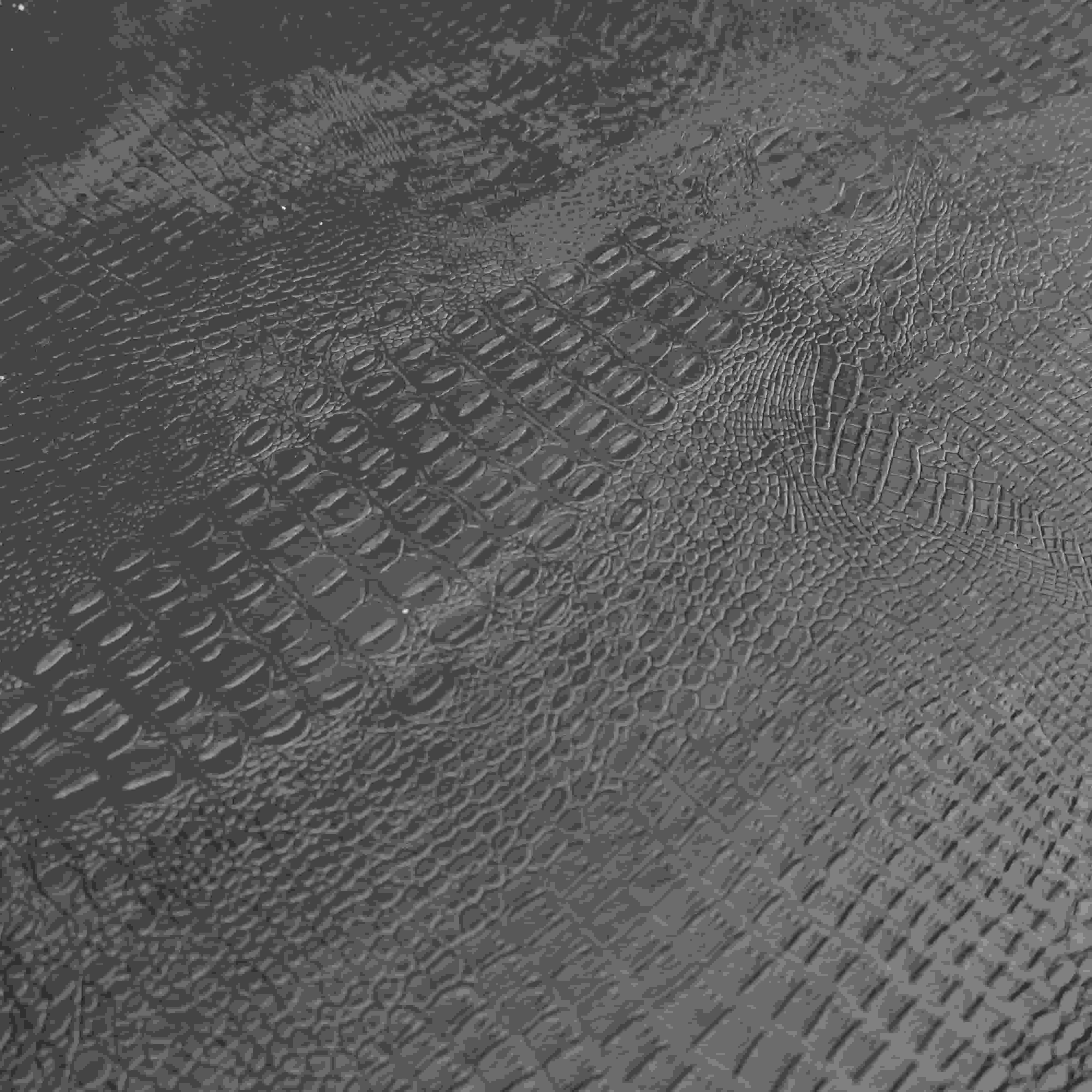
To see how these materials translate to real LEED points, let's break it down. The table below highlights key Croco MCM products, their sustainable features, and the LEED credits they support:
| Product | Sustainable Features | LEED Credit Category | Potential Points |
|---|---|---|---|
| MCM Flexible Stone | Lightweight (80% lighter than traditional stone), recyclable, durable | MR Credit 2 (Construction Waste), MR Credit 3 (Materials Reuse) | 2–3 points |
| Foamed Aluminium Alloy Boards | 35% post-consumer recycled content, thermal insulation | MR Credit 4 (Recycled Content), EA Credit 1 (Energy Performance) | 2–4 points |
| Fair-Faced Concrete | Low-carbon cement, local aggregates, zero VOCs | MR Credit 5 (Regional Materials), EQ Credit 1 (Indoor Air Quality) | 2–3 points |
| Boulder Slab Series | 40% recycled stone aggregates, low maintenance | MR Credit 4 (Recycled Content), MR Credit 3 (Materials Reuse) | 2–3 points |
As you can see, combining even a few Croco MCM products can contribute 8–13 LEED points—no small feat, considering that LEED Gold requires just 60 points total. For projects aiming for Platinum (80+ points), these materials are invaluable.
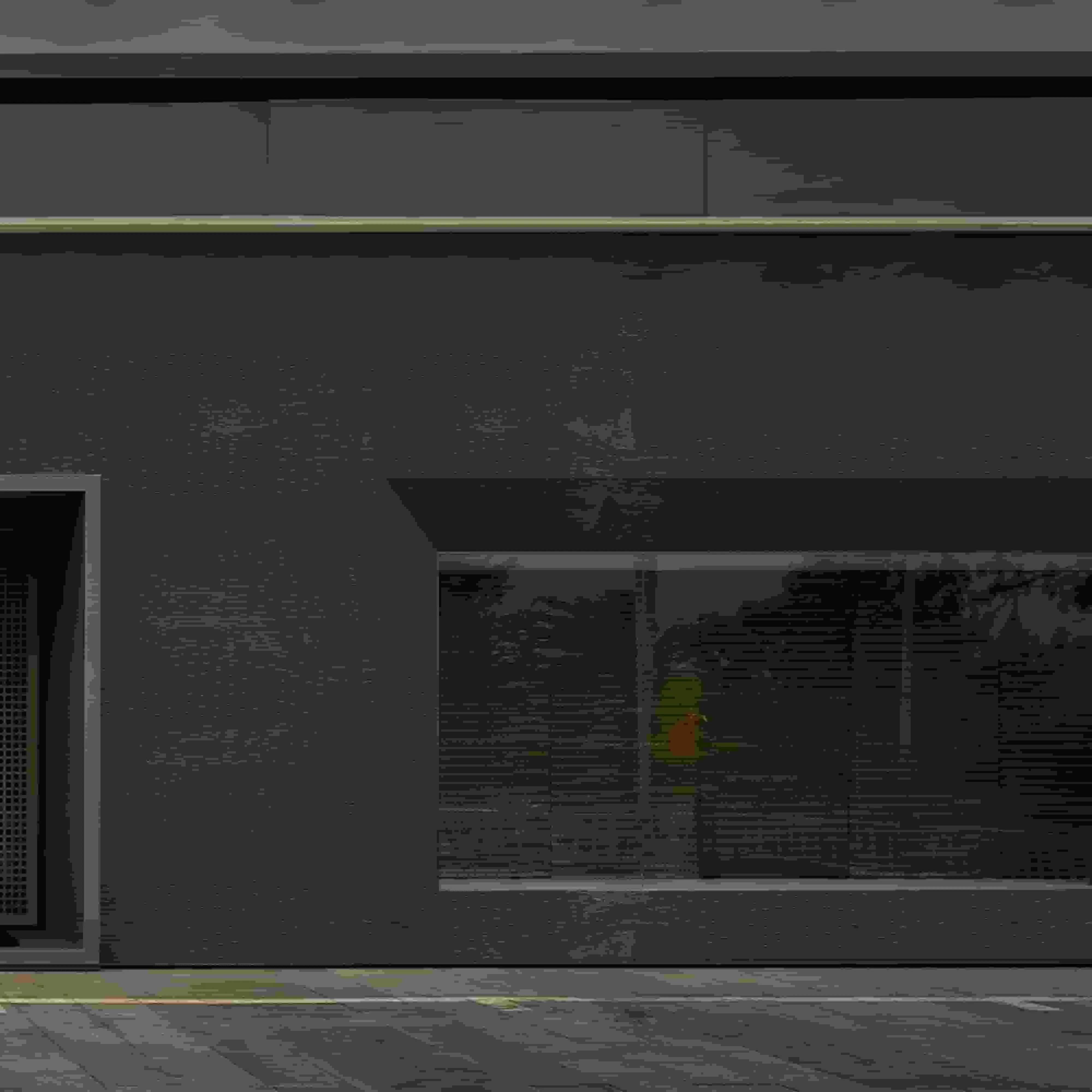
To put this in perspective, let's look at the Evergreen Community Center in Seattle, which earned LEED Gold certification in 2024. The design team chose Croco MCM's MCM flexible stone (in travertine (starry green) and lunar peak golden ), foamed aluminium alloy boards (vintage silver), and fair-faced concrete for the project. Here's how it played out:
In total, these materials contributed 8 LEED points—critical in pushing the project from "likely Silver" to "solid Gold." Today, the center is not only a hub for community events but also a showcase for how sustainability and design can coexist beautifully. "We didn't have to choose between a building that looks amazing and one that's good for the planet," says lead architect Maria Gonzalez. "Croco MCM made that choice irrelevant."
At the end of the day, LEED points are a means to an end—not the end itself. The real goal is to create buildings that enhance lives, minimize environmental harm, and stand the test of time. Croco MCM's materials excel here because they're designed with people in mind: the architect seeking inspiration, the builder aiming for efficiency, the occupant craving comfort, and the planet needing care.
Whether it's the warm glow of travertine (vintage gold) , the industrial chic of fair-faced concrete , or the modern edge of boulder slab (vintage black) , these materials don't just check boxes—they tell stories. Stories of innovation, of respect for nature, and of a future where every building is a little kinder to the world we share.
"Sustainability isn't about sacrifice. It's about reimagining what's possible—and Croco MCM is leading that reimagining." — James Chen, Sustainability Director, Global Architecture Forum
Recommend Products












