

Where Innovation Meets Timeless Beauty in Modern Architecture
Exterior design is more than just a building's outer layer—it's the first conversation a structure has with the world. It's the impression that lingers, the story that unfolds before anyone steps inside. For architects, designers, and homeowners alike, the quest to balance aesthetics with functionality has long been a dance between tradition and innovation. Heavy stone that cracks under weather, vinyl siding that fades within years, brick that limits creative expression—these are the old narratives. Today, a new chapter is being written, and at its heart lies the MCM Big Slab Board Series . Among its many standout textures, the Croco finish has emerged as a symbol of bold, organic elegance, proving that exterior cladding can be both striking and practical. In this deep dive, we'll explore how MCM Big Slab is redefining seamless exterior design, with a spotlight on Croco texture and a journey through the diverse materials that make this series a game-changer for modern architecture.
To appreciate the revolution of MCM Big Slab, it's helpful to step back and trace the evolution of exterior cladding. For centuries, builders relied on materials pulled from the earth: rough-hewn stone, fired brick, and later, wood planks. These materials told stories of locality—cobblestone in European villages, adobe in desert climates, red brick in industrial cities. But they came with trade-offs. Stone was durable but heavy, requiring massive structural support. Brick was uniform but rigid, leaving little room for curves or custom patterns. Wood, while warm, demanded constant maintenance to fend off rot and pests.
As cities grew taller and design ambitions expanded, the limitations of traditional cladding became impossible to ignore. The mid-20th century saw the rise of synthetic materials: vinyl siding, aluminum panels, and fiber cement. Vinyl promised affordability and low maintenance but often felt cheap, with a plastic-like sheen that clashed with natural surroundings. Aluminum, while lightweight, dented easily and lacked the depth of natural textures. Fiber cement improved on durability but remained heavy and difficult to install in large sheets, limiting design flexibility.
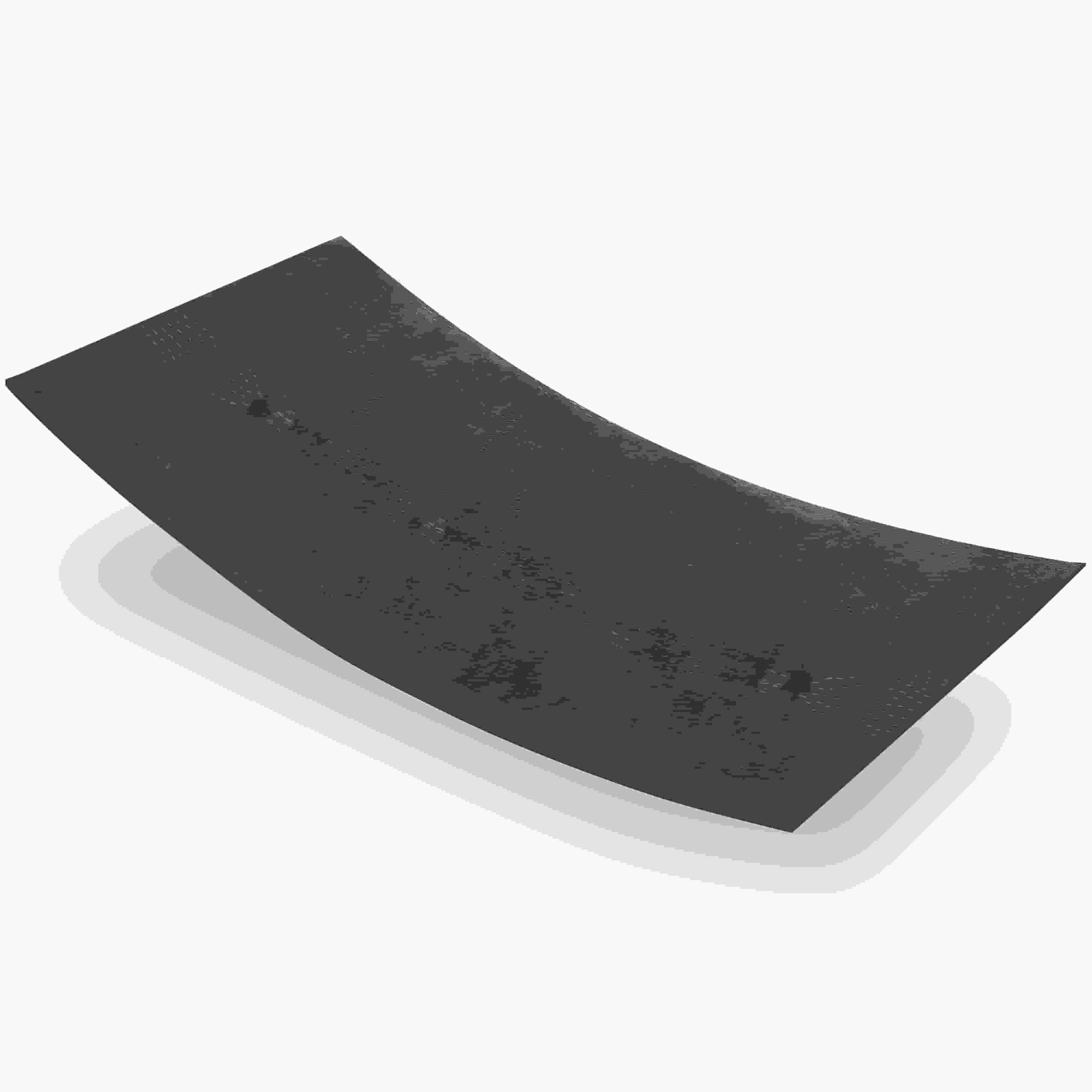
Enter modified composite material (MCM) —a technology that would bridge the gap between nature's beauty and modern engineering. MCM, at its core, is a blend of natural minerals (like stone or wood fibers) and polymers, fused into thin, lightweight panels. The result? A material that mimics the look and feel of traditional stone or wood but with the strength to withstand harsh weather, the flexibility to bend around curves, and the lightness to reduce structural load. And within the MCM family, the MCM Big Slab Board Series stands out for its large-format panels, which eliminate the need for unsightly seams, creating a smooth, uninterrupted canvas for design.
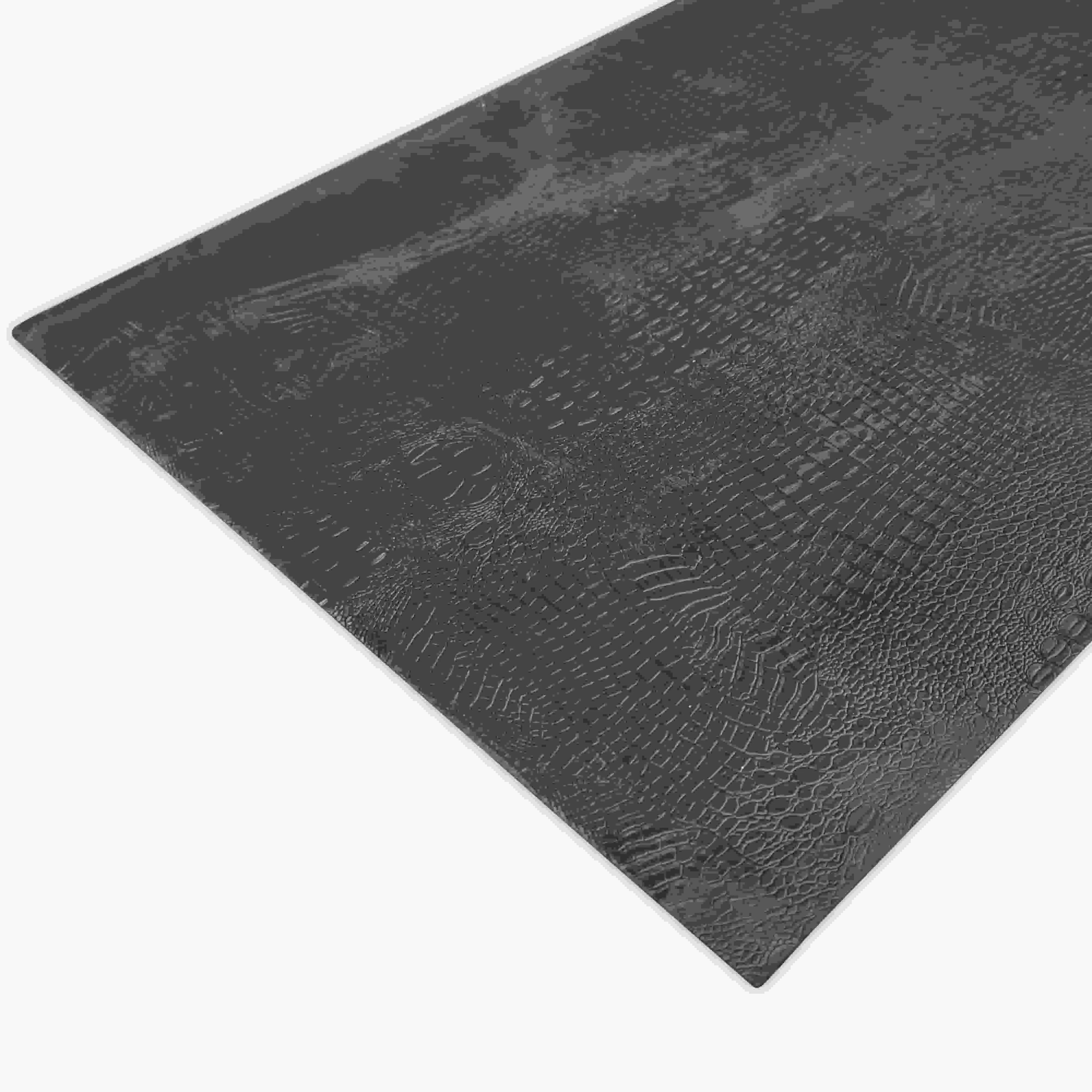
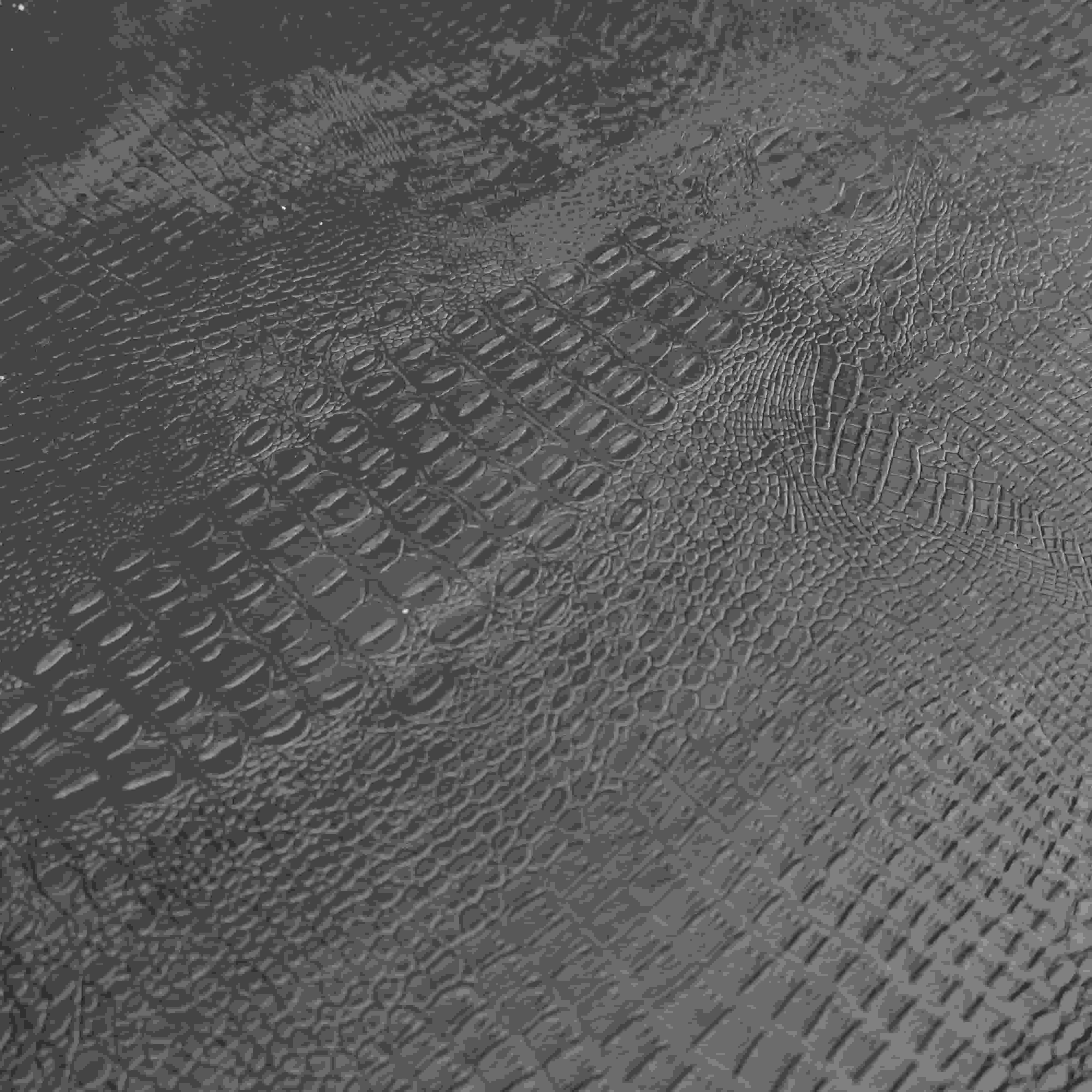
Among the many textures in the MCM Big Slab lineup, Croco has captured the imagination of designers worldwide. Inspired by the rugged yet sophisticated pattern of crocodile skin, this texture marries organic irregularity with controlled precision—a balance that feels both wild and intentional. Unlike flat, uniform surfaces that can read as monotonous, Croco adds depth through its raised, interlocking scales. When light hits the panel, shadows play across the ridges, creating a dynamic, ever-changing appearance that shifts with the sun's angle. It's a texture that demands attention without overwhelming, making it ideal for both statement facades and subtle accents.
What makes Croco truly special is its versatility. In residential settings, a home clad in Croco-textured MCM Big Slab exudes warmth and character. Imagine a modern cottage with a neutral-toned Croco facade: the texture softens the sharp lines of contemporary architecture, adding a touch of nature's chaos to an otherwise ordered space. In commercial projects, Croco takes on a more dramatic role. A boutique hotel, for example, might use deep charcoal Croco panels to create a sense of luxury and exclusivity, evoking the richness of leather or exotic materials without the environmental cost. Even in public spaces—like a community center or art gallery—Croco can serve as a focal point, turning a plain wall into a canvas that invites touch and exploration.
But Croco isn't just about looks. Its textured surface also offers practical benefits. The raised pattern helps hide minor scratches or wear, a boon for high-traffic areas. And because it's part of the MCM Big Slab Series, it inherits the line's signature durability: resistance to UV rays, moisture, and temperature fluctuations. This means a Croco-clad building will retain its beauty for decades, without the need for frequent repainting or repairs—a relief for property owners tired of constant maintenance.
While Croco texture steals the spotlight, the MCM Big Slab Series is far from a one-trick pony. Its strength lies in diversity, offering a spectrum of materials that cater to every design vision. Let's explore a few standout options that, like Croco, are redefining exterior aesthetics.
Flexible stone is perhaps the most poetic of MCM's offerings. It starts with real stone—quarried, crushed, and then reborn as a lightweight, bendable panel. The result is a material that carries the authentic veining, color variations, and tactile warmth of natural stone, but without the weight or brittleness. Traditional stone cladding, while stunning, often requires thick, heavy slabs that strain a building's foundation. Flexible stone, by contrast, weighs a fraction of the cost, making it possible to clad entire facades, curved walls, or even ceilings with stone-like beauty.
Take, for example, a home designed with travertine (starry blue) flexible stone panels. Travertine is known for its porous, honeycomb-like structure, which in natural form often features warm beiges or creams. But MCM's starry blue variant reimagines this classic stone, infusing it with deep, celestial hues that evoke night skies or ocean depths. The flexibility of the material allows it to wrap around architectural details—like a rounded entryway or a curved balcony—creating a seamless flow that traditional stone could never achieve. For homeowners who crave the elegance of stone but want to break free from rectangular rigidity, flexible stone is a revelation.
For designers leaning into industrial or futuristic aesthetics, foamed aluminium alloy board (vintage gold) is a showstopper. Foamed aluminium is created by injecting gas into molten aluminium, resulting in a lightweight, porous material that's both strong and surprisingly insulating. When finished in vintage gold, it takes on a warm, aged patina that feels both retro and forward-thinking—like a nod to mid-century modern design with a contemporary twist.
A commercial building clad in vintage gold foamed aluminium makes a bold statement. Imagine a tech startup's headquarters with a facade of these panels: the metallic sheen reflects sunlight, giving the building an almost otherworldly glow at dawn and dusk. The material's light weight also allows for larger spans, reducing the need for visible support structures and keeping the design clean and uncluttered. And unlike solid aluminium, foamed aluminium is naturally resistant to corrosion, ensuring that the vintage gold finish won't fade or tarnish over time. It's a material that says innovation, confidence, and a touch of luxury—perfect for brands looking to stand out in a crowded skyline.
Travertine has long been a favorite in architecture for its soft, earthy tones, but travertine (starry red) takes this classic material to new heights. Part of MCM's starry series, this variant features a deep red base dotted with iridescent flecks that catch the light, mimicking a starry night sky. It's a dramatic, almost mystical material that adds a sense of wonder to any facade. A restaurant with a starry red travertine exterior becomes more than just a place to eat—it becomes a destination, where the building itself tells a story of magic and intrigue. Even in residential use, a starry red accent wall can transform a home, turning a plain garage or outdoor kitchen into a focal point that sparks conversation.
In a world of sleek, modern materials, rammed earth board (gradient) offers a return to roots—literally. Rammed earth is an ancient building technique, where soil, clay, and other natural materials are compressed into walls. MCM's gradient rammed earth board reimagines this tradition, blending layers of earthy tones (think terracotta, sand, and khaki) into a single panel. The result is a material that looks like it was carved from the earth itself, with soft, blurred transitions between colors that evoke desert landscapes or layered rock formations.
A home clad in gradient rammed earth feels grounded, connected to the land it sits on. It's a material that works beautifully in rural settings, where it harmonizes with nature, but it also adds warmth to urban environments, softening the concrete and steel of cityscapes. And because it's made from natural materials, it aligns with the growing demand for sustainable building practices. For eco-conscious designers and homeowners, gradient rammed earth is more than a cladding choice—it's a statement about living in harmony with the planet.
| Material | Texture/Finish | Color Range | Best For | Key Benefit |
|---|---|---|---|---|
| Croco MCM Big Slab | Raised, interlocking scales (inspired by crocodile skin) | Neutrals (beige, grey, charcoal), bold hues (navy, forest green) | Residential facades, boutique commercial, accent walls | Dynamic shadow play; hides minor wear |
| Flexible Stone | Authentic stone veining, smooth to slightly textured | Earth tones (ivory, sand, terracotta), starry variants (blue, red) | Historic renovations, curved surfaces, nature-inspired designs | Lightweight; mimics real stone without the weight |
| Foamed Aluminium Alloy (Vintage Gold) | Metallic, slightly porous with a warm, aged finish | Vintage gold, silver, copper; metallic sheens | Modern commercial, tech offices, statement facades | Lightweight, corrosion-resistant, energy-efficient |
| Travertine (Starry Red) | Smooth base with iridescent "star" flecks | Deep red, burgundy, with gold/silver star accents | Restaurants, hotels, accent walls | Dramatic, mystical appearance; UV-resistant |
| Rammed Earth Board (Gradient) | Soft, layered, matte finish with blurred color transitions | Terracotta, sand, khaki, matcha green; gradient blends | Eco-friendly homes, rural retreats, community centers | Sustainable, natural aesthetic, excellent insulation |
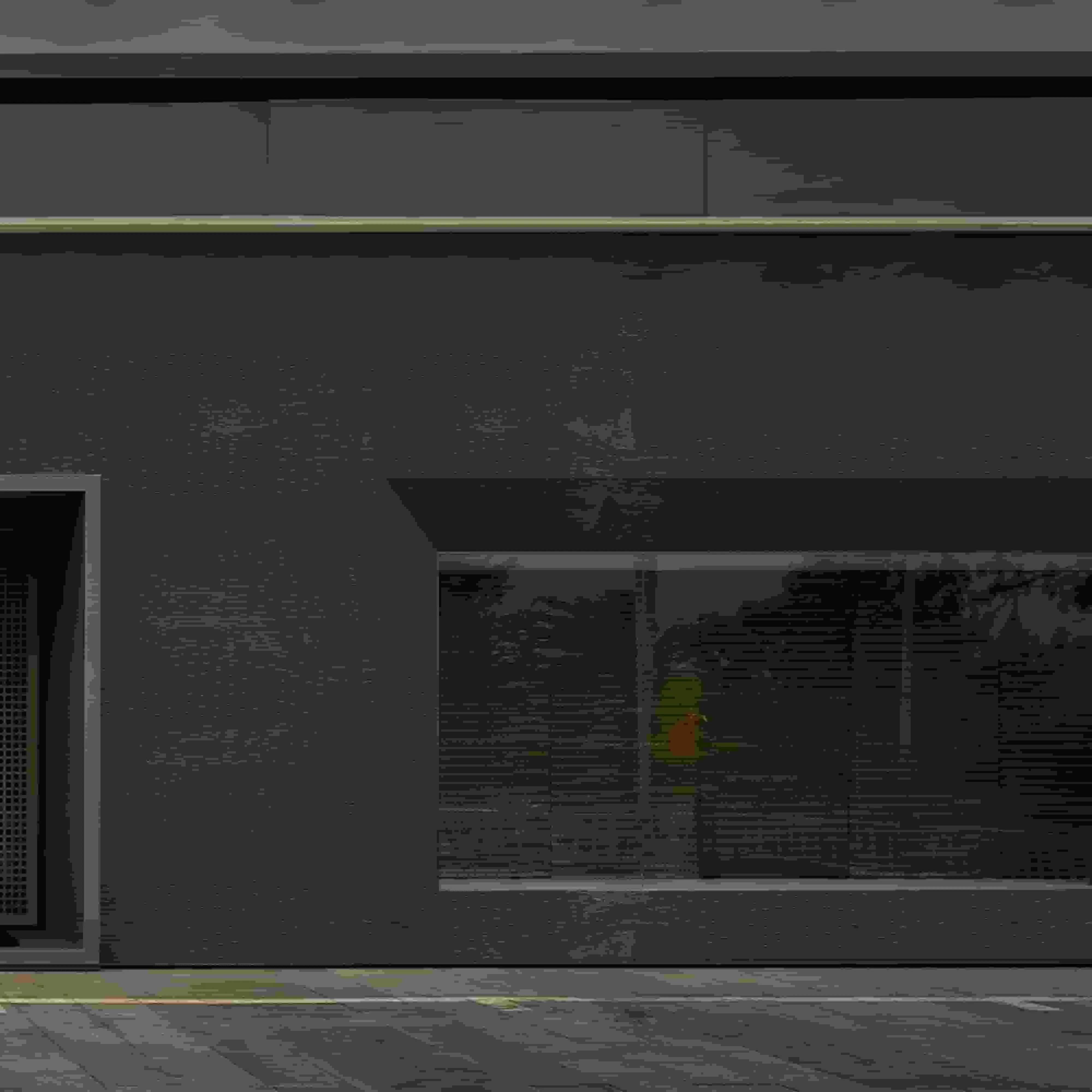
Behind the beauty of MCM Big Slab lies a foundation of engineering excellence. What sets these materials apart isn't just their looks—it's how they solve the age-old problems of exterior cladding. Let's break down the technical benefits that make MCM Big Slab a favorite among architects and builders.
Traditional stone cladding can weigh upwards of 150 pounds per square foot, putting immense strain on a building's structure. MCM Big Slab, by contrast, weighs just 8–12 pounds per square foot. This drastic reduction in weight opens up possibilities: buildings with weaker foundations can now enjoy the look of stone or metal; designers can use larger panels without worrying about support beams; and installation becomes faster and safer, as fewer workers are needed to handle the materials. Don't let the light weight fool you, though—MCM panels are reinforced with fiberglass mesh and high-quality polymers, making them resistant to impact, bending, and cracking. In fact, they often outperform traditional materials in durability tests, withstanding everything from hailstorms to extreme temperature swings.
One of the biggest frustrations with traditional cladding is its rigidity. Stone and brick can't bend, which limits design to straight lines and simple shapes. MCM Big Slab changes that. Thanks to its composite structure, it can flex up to 30 degrees without breaking, making it ideal for curved walls, domes, or irregularly shaped facades. Imagine a museum with a sweeping, organic silhouette—MCM panels can follow every curve, creating a seamless, sculptural effect that would be nearly impossible with stone. This flexibility also makes installation easier, as panels can be cut on-site to fit unique angles or openings, reducing waste and ensuring a perfect fit.
For homeowners and property managers, maintenance is often the biggest headache of exterior cladding. Wood needs painting, vinyl fades, stone cracks, and brick can mortar. MCM Big Slab eliminates most of these worries. Its non-porous surface resists moisture, preventing mold and mildew growth. UV-resistant pigments mean colors won't fade, even in harsh sunlight. And because the material is so durable, it rarely needs repairs—scratching is minimal, and minor damage can often be patched without replacing entire panels. A simple hose-down with water is usually enough to keep MCM facades looking fresh. Over time, this translates to significant cost savings, as the initial investment in MCM is offset by years of reduced maintenance expenses.
Sustainability is no longer a trend in architecture—it's a necessity. MCM Big Slab aligns with this mission in several ways. First, many of its materials, like flexible stone and rammed earth, use recycled or reclaimed components, reducing the need for new quarrying or mining. Foamed aluminium alloy, too, is highly recyclable, and its lightweight nature reduces transportation emissions. Second, MCM's insulation properties can improve a building's energy efficiency. Panels like foamed aluminium or rammed earth act as natural insulators, reducing heat transfer and lowering heating and cooling costs. Finally, MCM's longevity means less waste over time—unlike vinyl or wood siding, which may need replacement every 10–15 years, MCM panels can last 50 years or more, reducing the environmental impact of frequent renovations.
MCM Big Slab's versatility isn't just theoretical—it's proven in projects around the world, from cozy homes to iconic commercial buildings. Let's explore how different sectors are leveraging this innovative cladding to transform their exteriors.
In residential design, MCM Big Slab helps homeowners strike a balance between personal style and practicality. Take the case of a family in Portland, Oregon, who wanted a modern home that blended with the Pacific Northwest's natural beauty. They chose travertine (beige) MCM panels for the main facade, paired with wood grain board accents. The travertine's soft, earthy tone echoes the region's forests, while the wood grain adds warmth and texture. The large slabs eliminated the need for visible seams, giving the home a sleek, cohesive look. And because MCM is lightweight, the home's foundation didn't require extra reinforcement, saving on construction costs. Today, the family enjoys a home that turns heads for its beauty and requires almost no upkeep—even in Oregon's rainy climate.
For urban dwellers, MCM Big Slab offers a way to stand out in a sea of concrete. A townhouse in Chicago's West Loop neighborhood used rust square line stone MCM panels to create a bold, industrial-inspired facade. The rusty red hue contrasts with the surrounding grey buildings, making the home instantly recognizable, while the square line texture adds depth and visual interest. Inside, the homeowners appreciate the material's insulation properties—their heating bills are significantly lower than neighbors with traditional siding, thanks to MCM's ability to trap warmth in winter.
Commercial buildings have a unique challenge: their exteriors must reflect their brand's identity while welcoming customers. MCM Big Slab excels here, offering customization that helps businesses tell their story. A boutique coffee chain in Seattle, for example, wanted to convey a sense of warmth and craftsmanship. They opted for weaving (khaki) MCM panels, which mimic the texture of handwoven textiles. The soft, neutral color and tactile surface invite customers to linger, while the material's durability stands up to the heavy foot traffic of a busy cafe. Even the outdoor patio, clad in the same weaving panels, feels like an extension of the brand—cozy, inviting, and uniquely "them."
For luxury brands, MCM Big Slab adds a touch of exclusivity. A high-end jewelry store in Beverly Hills used marble interstellar gray panels for its facade. The marble's subtle veining, paired with iridescent flecks, creates a sense of opulence that aligns with the store's premium products. The large slabs give the building a seamless, monolithic appearance, making it feel like a work of art rather than a retail space. Passersby often stop to take photos, turning the facade into a marketing tool in itself.
Public buildings—libraries, community centers, parks—have a responsibility to serve and inspire. MCM Big Slab helps them do both by creating spaces that are beautiful, durable, and inclusive. A new community center in Austin, Texas, aimed to reflect the city's vibrant, creative spirit. The design team chose gradient color rammed earth board for the exterior, blending warm terracotta, soft yellow, and deep khaki to mimic the region's desert landscapes. The gradient effect changes with the light, creating a building that feels alive and connected to its surroundings. Inside, large windows frame views of the facade, bringing the exterior's warmth into the space. Local residents now refer to the center as "the earth building," a nickname that speaks to its ability to resonate with the community.
Even historic preservation projects are embracing MCM Big Slab. A renovation of a 1920s theater in Boston needed to preserve the building's classic architecture while updating its functionality. The team used lime stone (beige) MCM panels to replicate the theater's original limestone facade. The panels matched the color and texture of the historic stone so closely that most visitors can't tell the difference—but unlike the original stone, the MCM panels are lightweight, moisture-resistant, and easy to maintain. The theater now looks as grand as it did a century ago, but with the durability to last another hundred years.
As architecture continues to evolve, one thing is clear: the demand for exterior cladding that balances beauty, functionality, and sustainability will only grow. MCM Big Slab is not just keeping up with this demand—it's setting the pace. Looking ahead, we can expect to see even more innovation from the series, from new textures inspired by global cultures to advanced materials that push the boundaries of what's possible.
One emerging trend is customization. As technology improves, MCM manufacturers are offering more ways to tailor panels to specific projects. Imagine a school that uses student artwork to create a custom texture, or a hotel that incorporates local cultural motifs into its MCM facade. With digital printing and 3D modeling, the possibilities are endless, allowing buildings to become even more personal and meaningful.
Another area of growth is smart integration. While MCM panels themselves are not "smart," their lightweight, flexible nature makes them ideal for pairing with IoT (Internet of Things) technology. Solar panels could be integrated into MCM facades, turning buildings into energy generators. Sensors embedded in the panels could monitor temperature, moisture, or even air quality, sending data to building management systems for optimal efficiency. The future of exterior design isn't just about how buildings look—it's about how they perform, and MCM Big Slab is poised to be at the center of that integration.
Perhaps most importantly, MCM Big Slab is helping to shift the conversation around sustainability. As more architects and homeowners choose materials that reduce environmental impact, the construction industry is taking notice. MCM's use of recycled materials, low maintenance requirements, and energy efficiency are setting new standards for what it means to build "green." In the years to come, we'll likely see MCM Big Slab become the default choice for projects aiming for LEED certification or other sustainability credentials, proving that beauty and responsibility can go hand in hand.
At the end of the day, MCM Big Slab is more than just a building material—it's a new language of design. It speaks to the desire for beauty without sacrifice, for innovation that honors tradition, for buildings that tell stories and connect with people. Whether through the bold texture of Croco, the celestial drama of starry travertine, or the earthy warmth of rammed earth, MCM Big Slab gives designers the tools to create exteriors that are not just seen but felt.
For homeowners, it's the freedom to love their home's exterior as much as its interior. For businesses, it's the ability to turn a building into a brand ambassador. For communities, it's the gift of public spaces that inspire pride and connection. And for the planet, it's a step toward more sustainable, thoughtful construction.
So the next time you pass a building that makes you stop and stare—whether it's a cozy home with a textured facade, a gleaming commercial tower, or a community center that feels like part of the landscape—take a closer look. Chances are, it's clad in MCM Big Slab. And in that moment, you'll understand: this isn't just cladding. It's the future of exterior design, one seamless, stunning panel at a time.
Recommend Products












