

Large-scale construction projects—whether shopping malls, corporate headquarters, or cultural centers—come with a unique set of challenges. Tight deadlines, labor-intensive installations, and the struggle to maintain design consistency across vast surfaces often leave architects and contractors feeling like they're balancing on a knife's edge. Traditional building materials, with their small panel sizes and heavyweight composition, only add to the pressure. But what if there was a way to cut through the chaos? Enter Croco MCM Big Slab, a game-changer in the world of construction materials. Designed specifically to address the pain points of large installations, these oversized panels are redefining what's possible in terms of efficiency, design freedom, and sustainability. Let's dive into how Croco MCM Big Slab sizes are transforming the industry, one project at a time.
To understand why Croco MCM Big Slab matters, let's start with the status quo. Walk into any large commercial project, and you'll likely see walls or facades covered in small to medium-sized panels—think 600x600mm tiles or 1000x1000mm slabs. On the surface, they seem manageable, but dig deeper, and the drawbacks become clear. First, there are the seams. Hundreds (or thousands) of panel edges mean more grout lines, more potential for uneven alignment, and a finished look that can feel fragmented, not cohesive. For architects aiming for a sleek, modern aesthetic, those seams are a constant battle.
Then there's labor. Smaller panels require more time to transport, handle, and install. A team might spend hours aligning each tile, ensuring spacing is consistent, and cleaning up excess mortar. On a 10,000 sqm project, those hours add up to weeks of extra work—and higher labor costs. Weight is another issue. Traditional stone or concrete panels are heavy, requiring specialized equipment to lift and position. This not only slows down installation but also adds stress to the building's structure, limiting design possibilities for high-rise or lightweight frames.
Perhaps the biggest frustration? Consistency. With small panels sourced from multiple batches, color variations or texture mismatches are common. What should look like a seamless stone facade can end up with patchy spots, forcing designers to compromise on their vision. It's no wonder contractors often joke that "small panels mean big headaches."
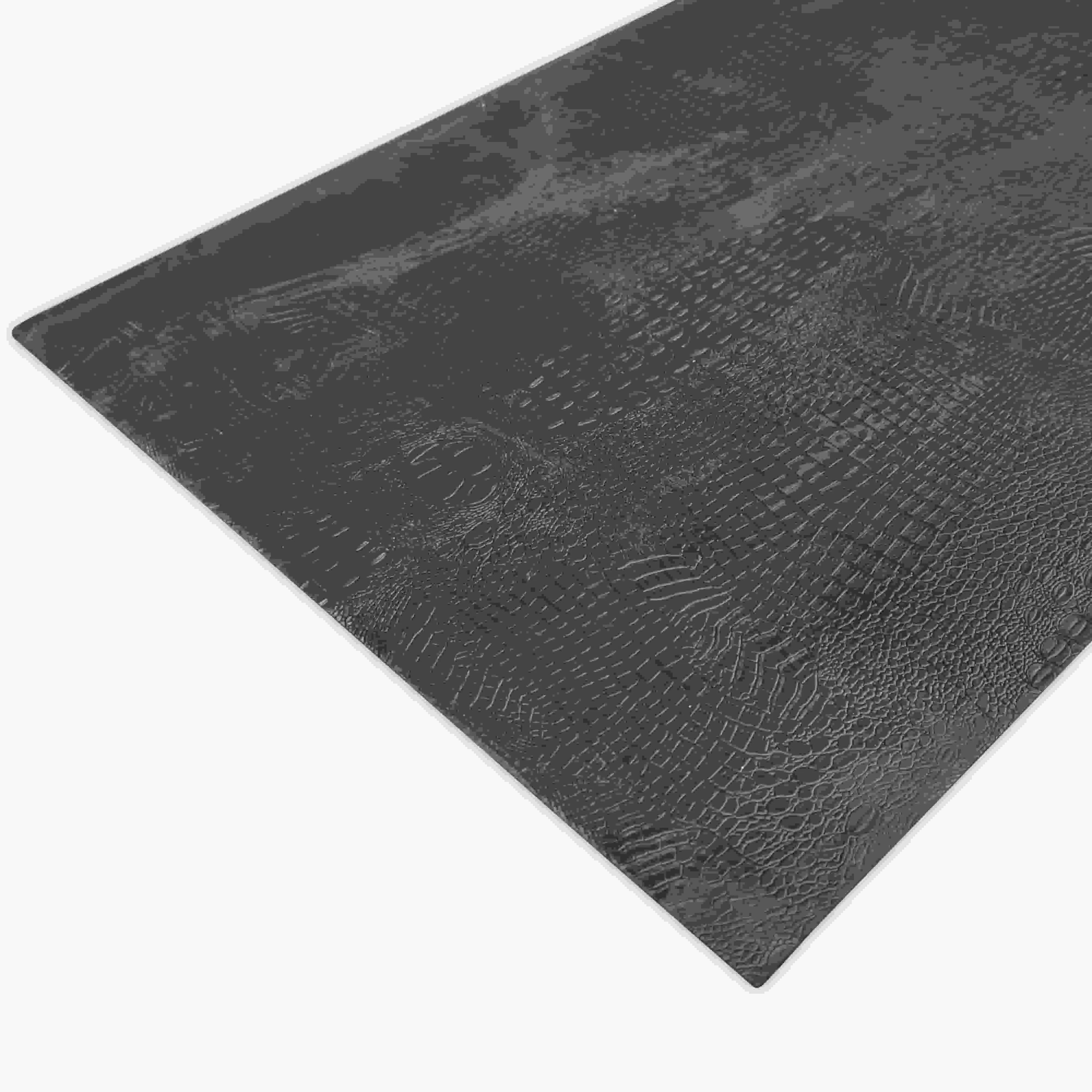
Croco MCM Big Slab doesn't just scale up panel dimensions—it reimagines them. Available in sizes ranging from 1200x2400mm up to an impressive 1500x3000mm, these panels are engineered to cover more surface area with fewer pieces. Let's put that in perspective: a 1500x3000mm slab covers 4.5 square meters in a single piece. Compare that to a standard 600x600mm tile, which covers just 0.36 square meters. To cover 100 square meters, you'd need 278 small tiles versus only 23 Croco MCM Big Slabs. That's a 92% reduction in the number of panels—and a world of difference in installation speed.
But size alone isn't the selling point. These slabs are made possible by Croco's innovative
flexible stone
technology, a proprietary material that combines the look and feel of natural stone with the lightweight flexibility of modern composites. Unlike traditional stone, which can crack under its own weight in large sizes, flexible stone is durable yet pliable, making it easy to transport and install without specialized lifting gear. This combination of size and material science is what sets Croco MCM apart: it's not just bigger panels—it's smarter panels.
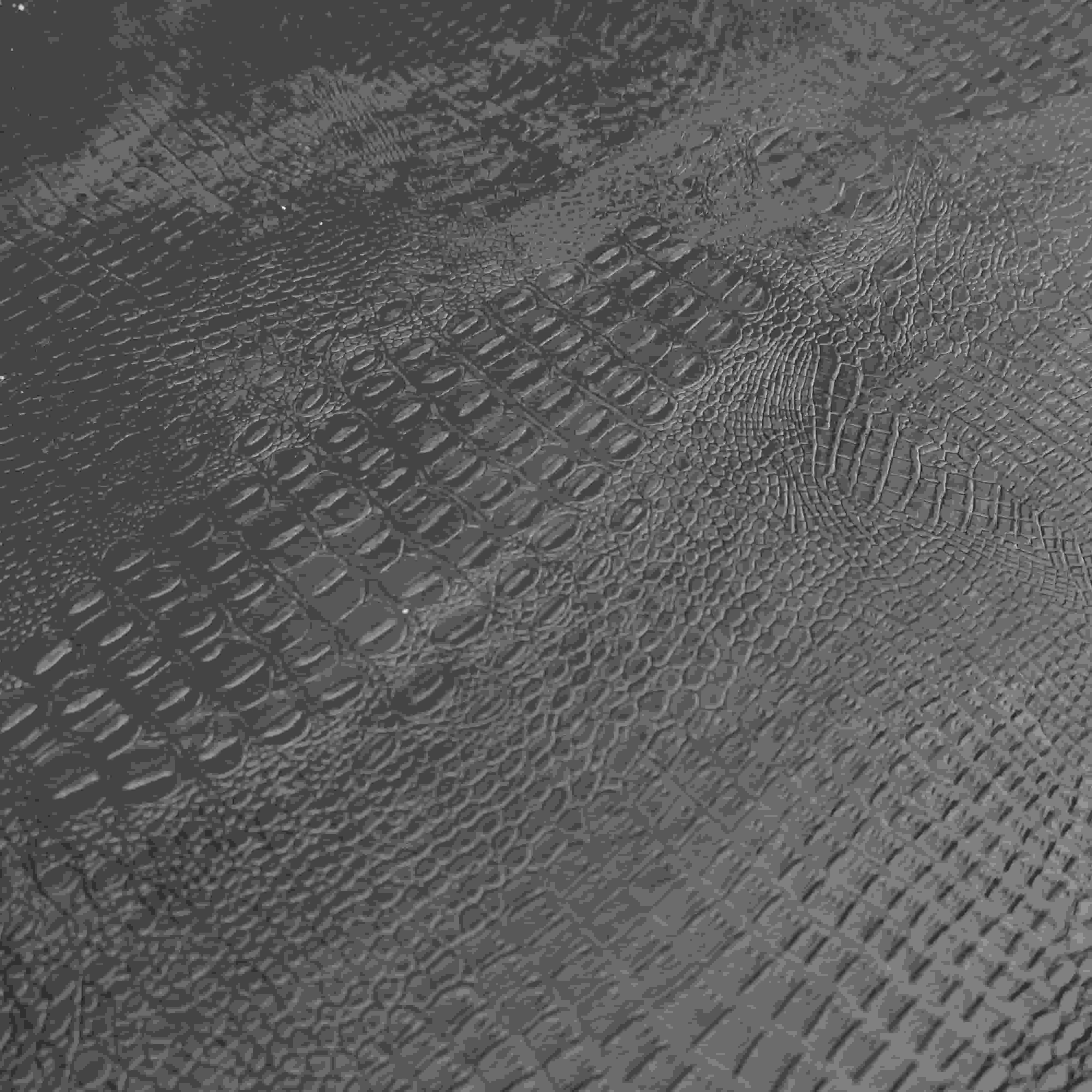
Croco MCM Big Slab isn't a one-trick pony. Behind those large panels lies a suite of cutting-edge technologies, including Croco's
3D printing series
and advanced material blends. The 3D printing process ensures precision in every slab, with consistent thickness, texture, and color across batches—eliminating the "patchy" problem of traditional materials. This level of control is a game-changer for large projects, where maintaining a uniform look is critical.
For projects that demand a metallic finish, Croco offers
foamed aluminium alloy board
options in vintage silver, gold, and black. These lightweight, corrosion-resistant panels pair seamlessly with the Big Slab series, adding a modern industrial edge to facades or interior accent walls. And for those who love the raw, organic look of concrete, the Big Slab line includes
fair-faced concrete
finishes that mimic the texture of poured concrete without the weight or cracking risks.
What's most impressive is how these materials work together. Imagine a commercial lobby with 1500x3000mm fair-faced concrete Big Slabs as the main wall, accented with foamed aluminium alloy panels for a pop of metallic contrast. Or a museum facade combining flexible stone travertine (starry blue) Big Slabs with 3D-printed geometric details. The possibilities are limited only by design imagination—not material constraints.
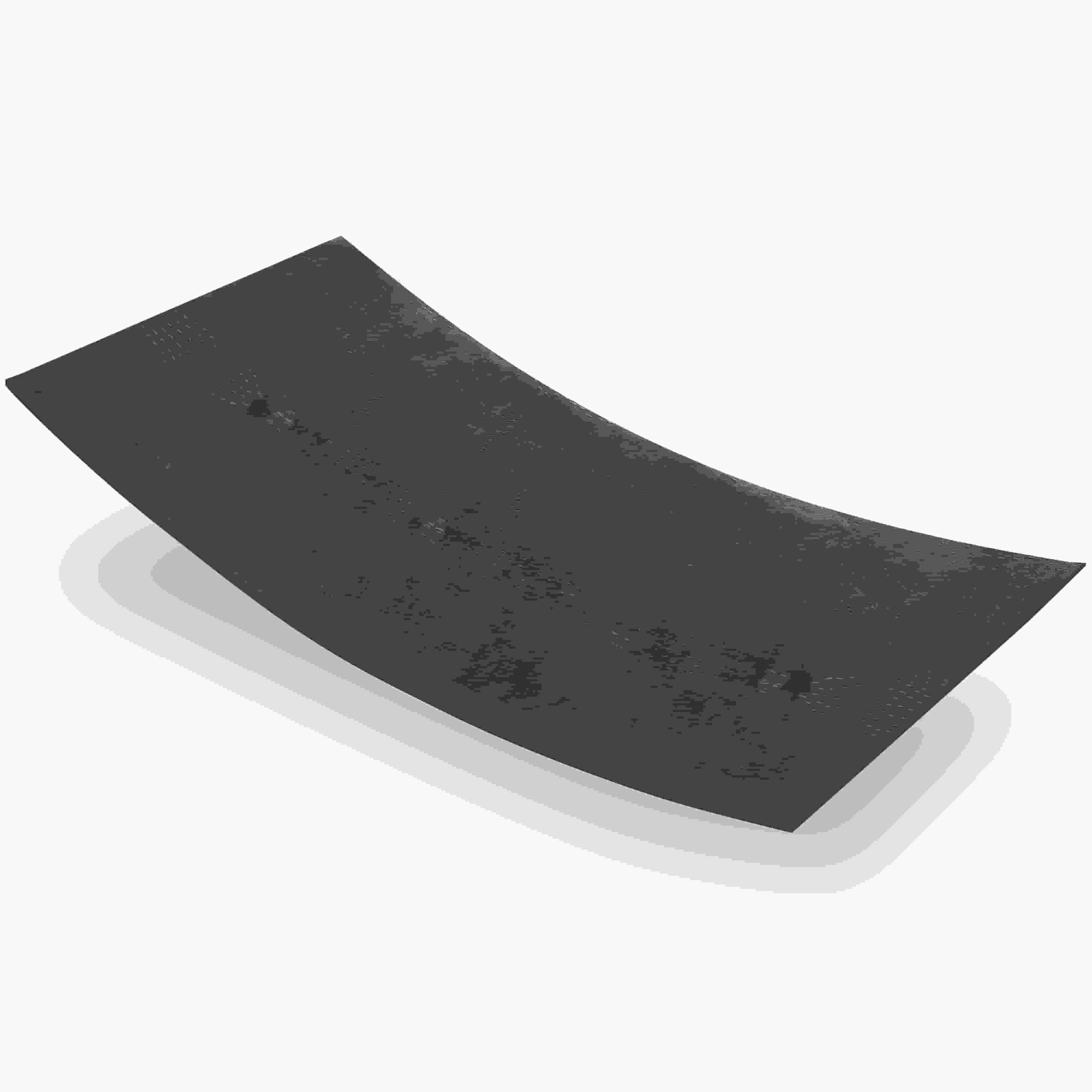
Talk is cheap—let's look at the data. To illustrate the impact of Croco MCM Big Slab on installation efficiency, we've compared it to traditional small panels in a side-by-side analysis:
| Aspect | Traditional Small Panels (600x600mm) | Croco MCM Big Slab (1500x3000mm) |
|---|---|---|
| Size per Panel | 0.36 sqm | 4.5 sqm |
| Panels Needed for 100 sqm | 278 panels | 23 panels |
| Installation Time (per 100 sqm)* | 80–100 labor hours | 20–25 labor hours |
| Weight per Panel | 25–30 kg | 18–22 kg |
| Seam Count per 100 sqm | ~550 linear meters | ~45 linear meters |
| Est. Labor Cost (per 100 sqm)** | $4,000–$5,000 | $1,000–$1,250 |
*Based on average commercial installation rates. **Estimated at $50/hour labor cost.
The numbers speak for themselves. Croco MCM Big Slab cuts installation time by 75% and labor costs by up to 80% compared to traditional panels. And with fewer seams, projects require less grout and finishing work, further reducing time and material waste. For contractors, this translates to faster project turnarounds and happier clients. For architects, it means more time to focus on design and less time troubleshooting installation issues.
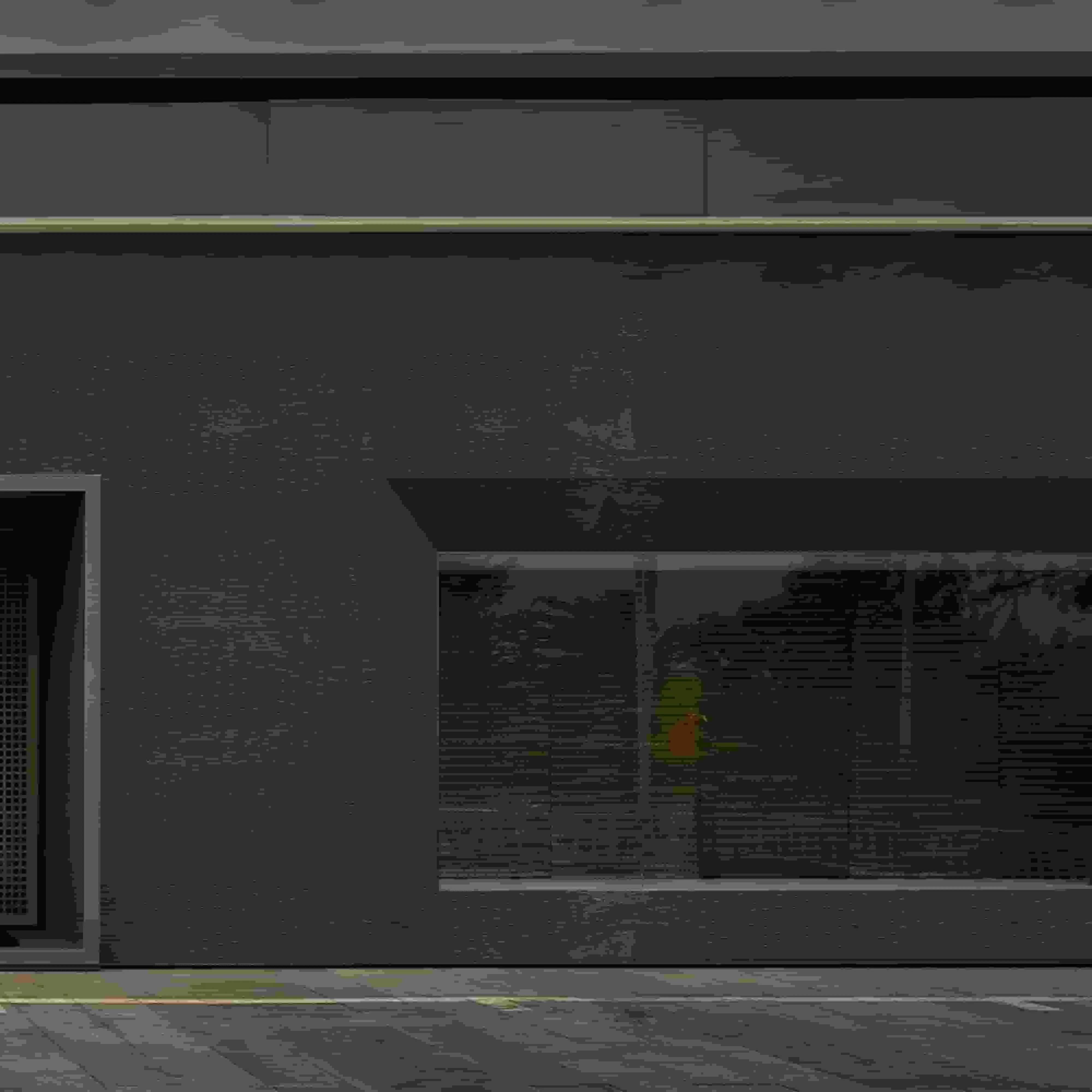
Efficiency is critical, but large-scale projects also demand design versatility. Croco MCM Big Slab delivers here, too, with a range of finishes and textures that cater to every aesthetic—from rustic to futuristic. Love the warm, earthy look of travertine? The Big Slab line includes options like
travertine (starry green)
and
travertine (vintage gold)
, with 3D-printed details that mimic the natural pitting and veining of stone. Prefer a sleek, modern vibe?
Fair-faced concrete
or
foamed aluminium alloy board (vintage silver)
panels offer a clean, industrial look that pairs perfectly with glass and steel.
The oversized format also opens up new design possibilities. Imagine a hotel lobby with a single 1500x3000mm
lunar peak golden
slab as a feature wall, its iridescent finish catching light from all angles. Or a retail facade wrapped in
gobi panel
Big Slabs, their textured surface evoking the rugged beauty of desert landscapes. With fewer seams, designers can create bold, uninterrupted patterns—think gradient color transitions or large-scale murals printed directly onto the panels using Croco's 3D printing technology. The result? Spaces that feel cohesive, intentional, and truly one-of-a-kind.
Still skeptical? Let's look at how Croco MCM Big Slab has performed in real projects. Take the New Horizon Mall in Dubai, a 50,000 sqm retail complex with a facade that originally called for traditional limestone panels. The contractor estimated the installation would take 12 weeks, using over 130,000 small tiles. By switching to 1500x3000mm Croco MCM Big Slabs in lunar peak silvery , the team reduced the panel count to just 11,112 and cut installation time to 4 weeks—a 67% time savings. The result? A sleek, seamless facade that became the mall's signature feature, with zero color variation and minimal maintenance needs.
The Riverfront Museum wanted a facade that reflected the city's industrial heritage while maintaining a modern look. The design called for a mix of foamed aluminium alloy board (vintage gold) and fair-faced concrete panels. Using 1200x2400mm Big Slabs, the construction team installed the entire 8,000 sqm facade in 6 weeks—half the time of the original estimate. The oversized panels allowed for large, uninterrupted sections of gold and concrete, creating a striking visual contrast that has become a landmark along the Chicago River.
These aren't isolated success stories. From airports in Singapore to office towers in London, Croco MCM Big Slab is proving that bigger panels mean better results—for both contractors and clients.
In today's construction landscape, sustainability isn't just a buzzword—it's a requirement. Croco MCM Big Slab checks this box, too, thanks to its lightweight design and eco-friendly materials. Traditional stone panels, which can weigh 30–40 kg per sqm, require more fuel to transport and heavier building structures to support—both of which increase a project's carbon footprint. Croco's flexible stone panels, by contrast, weigh just 8–12 kg per sqm, reducing transportation emissions by up to 60%.
The 3D printing manufacturing process also minimizes waste, as material is applied precisely where needed, unlike traditional cutting methods that generate excess stone or concrete dust. Many of Croco's materials, including
foamed aluminium alloy board
, are fully recyclable, ensuring that panels can be repurposed at the end of their lifecycle. For developers aiming for LEED or BREEAM certifications, these sustainability benefits are a significant advantage.
At the end of the day, the shift to Croco MCM Big Slab comes down to one thing: value. These panels save time, reduce labor costs, and open up new design possibilities—all while being more sustainable than traditional materials. Contractors appreciate the faster installation times and reduced labor headaches. Architects love the design freedom and consistent finishes. Developers benefit from lower overall project costs and higher-quality results.
As one project manager put it after using Croco MCM Big Slab on a recent hospital build: "We used to dread facade installations—endless tiles, endless seams, endless delays. Now, with these big slabs, we're in and out in weeks, not months. And the best part? The client couldn't stop talking about how 'clean' and 'modern' the walls look. It's a win-win."
As construction projects grow larger and more complex, the demand for efficient, versatile materials will only increase. Croco MCM Big Slab is at the forefront of this trend, with ongoing innovations in size, material science, and manufacturing. The company's
3D printing series
is already pushing the boundaries of what's possible, with custom textures and patterns that can be printed directly onto Big Slabs—eliminating the need for secondary finishing. And with research into even larger panel sizes (rumors of a 2000x4000mm slab are circulating), the future looks big—literally.
For architects, contractors, and developers willing to embrace innovation, Croco MCM Big Slab isn't just a material—it's a competitive advantage. It's the difference between meeting deadlines and missing them, between compromising on design and bringing bold visions to life, between a project that blends in and one that stands out.
Large-scale installations don't have to be a source of stress. With Croco MCM Big Slab, the days of wrestling with small panels, endless seams, and skyrocketing labor costs are over. These oversized, lightweight, and beautifully designed panels are more than just a building material—they're a solution that addresses the real-world challenges of modern construction. Whether you're working on a commercial plaza, a cultural center, or a high-rise facade, Croco MCM Big Slab sizes prove that sometimes, bigger really is better.
So, the next time you're planning a large project, ask yourself: Why settle for small panels when you could have big results?
Recommend Products












