
How MCM Materials Are Redefining Architectural Storytelling Through Vibrancy and Tactility
Gone are the days when building facades were mere backdrops. In 2025, they're protagonists—telling stories of innovation, culture, and emotion through every curve, hue, and texture. At the heart of this transformation lies MCM (Modified Composite Material), a category of cladding solutions that blends durability with artistic freedom. This year, designers are leaning into bold colors and tactile contrasts, turning ordinary exteriors into unforgettable experiences. From the celestial glow of lunar-inspired panels to the star-studded allure of travertine, 2025 is shaping up to be the year building facades truly come alive.
For years, architectural palettes leaned on safe neutrals—beige, gray, white. 2025 is flipping the script, with designers embracing colors that evoke mood, memory, and meaning. Warm golds, deep blacks, and iridescent silvers are dominating, often paired in unexpected combinations to create depth and dynamism. Let's dive into the shades making waves this year:
If there's one color story capturing imaginations, it's the Lunar Peak series. Inspired by the moon's ever-changing phases, this collection offers three distinct finishes that bring celestial magic to terrestrial spaces:
| Finish | Visual Appeal | Best For |
|---|---|---|
| Lunar Peak Silvery | A soft, frosted sheen that mimics moonlight on water | Modern offices, coastal homes, or spaces aiming for calm sophistication |
| Lunar Peak Golden | Warm, honeyed tones with subtle metallic flecks—like sunlight on moon dust | Hospitality venues (cafés, hotels), retail storefronts, or community centers |
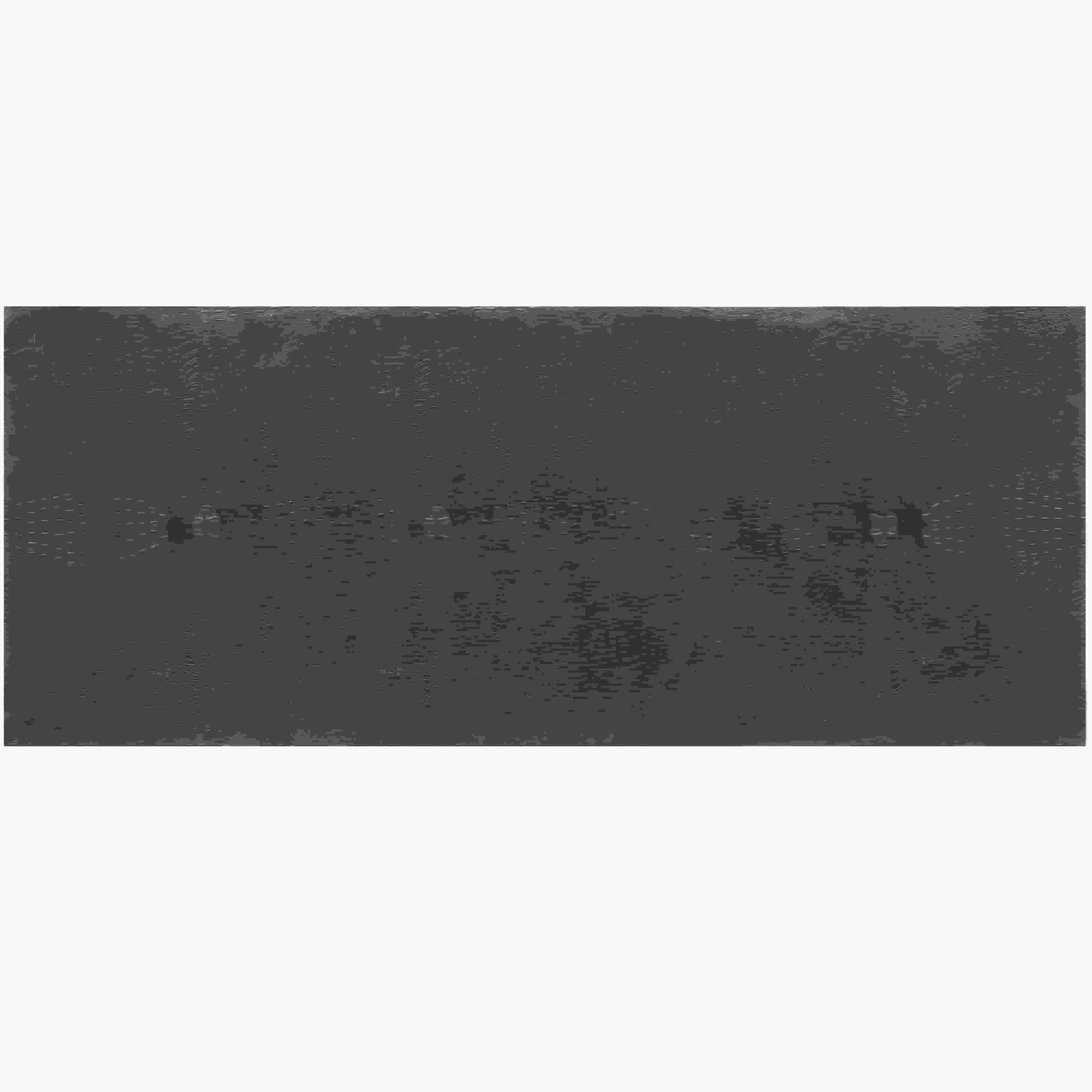
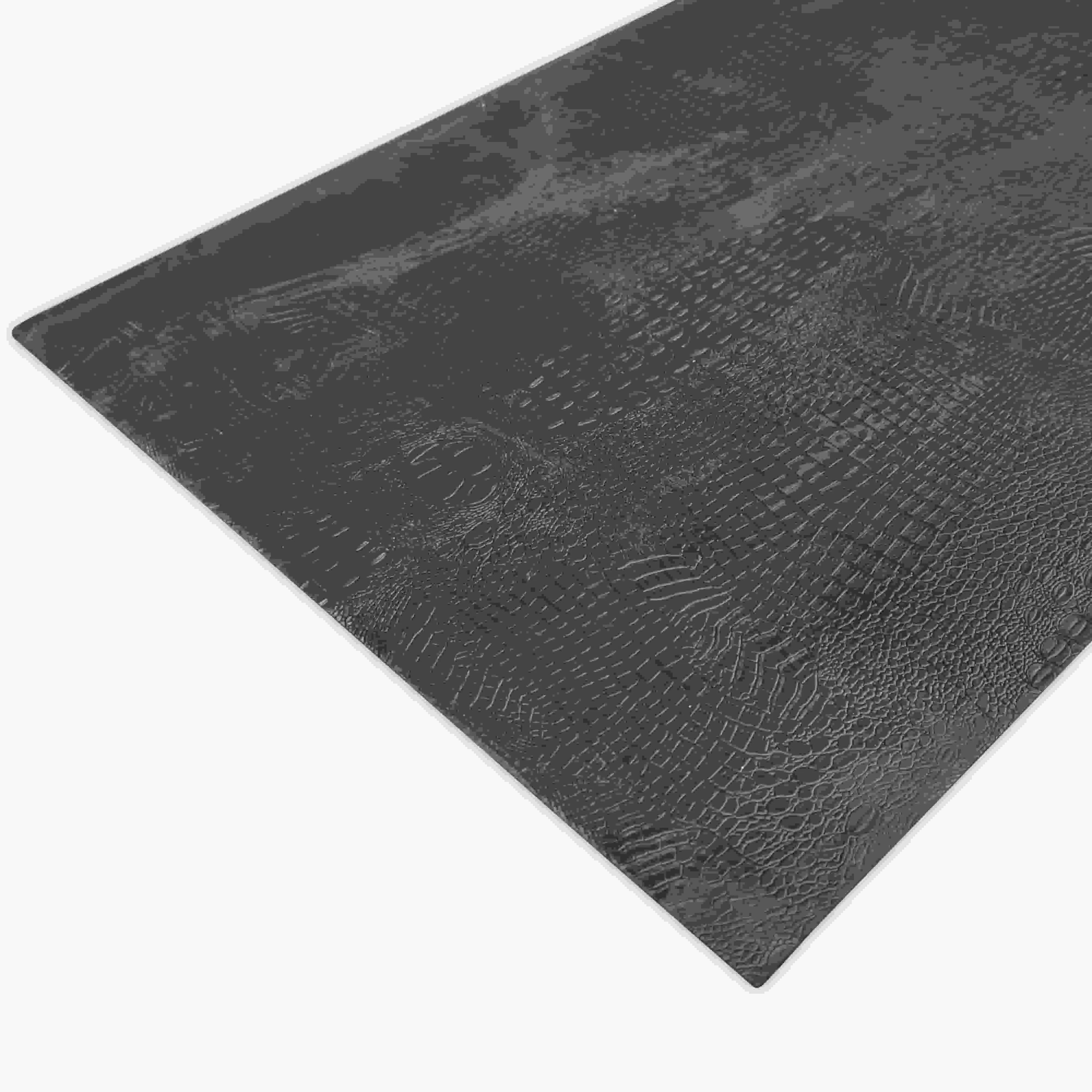
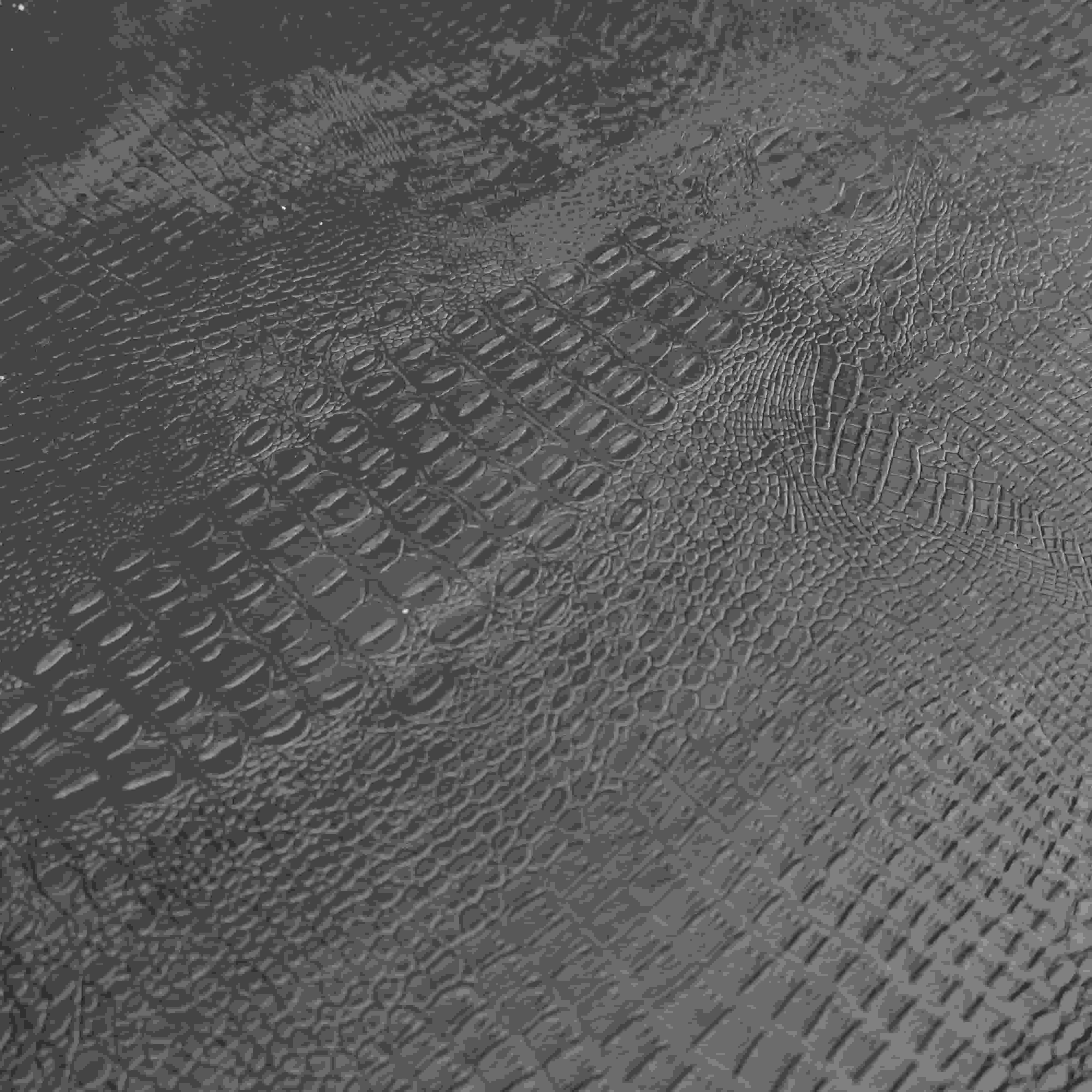
| Lunar Peak Black | Deep, inky black with a matte finish that absorbs light, creating dramatic contrast | High-end boutiques, art galleries, or urban lofts seeking bold minimalism |
Take, for example, the new Stellar Café in downtown Portland. Its facade combines Lunar Peak Golden panels with floor-to-ceiling glass, creating a space that feels both cozy and futuristic. Patrons often remark on how the golden hue shifts with the time of day—warmer at sunrise, softer at dusk—making every visit feel unique.
Travertine has long been loved for its earthy charm, but 2025's starry travertine variants are taking it to new heights. These stones are embedded with tiny, iridescent particles that catch light, mimicking a starry night sky. From starry green (evoking lush forests under constellations) to starry red (reminiscent of desert sunsets), and even starry blue (channeling deep ocean depths), each shade tells a different story.
A recent project in Barcelona—a boutique hotel named Estrella —used starry orange travertine on its exterior. The result? A building that glows like a harvest moon at night, drawing guests in with its warmth and whimsy. "We wanted the hotel to feel like a place where you could 'sleep under the stars,' even in the heart of the city," says lead architect Marina López. "Starry travertine made that dream tangible."
Color is only half the story—texture is what turns a facade from "seen" to "felt." 2025 is all about mixing rough and smooth, matte and glossy, to create surfaces that invite touch and spark curiosity. Here's how designers are using texture to elevate spaces:
At the forefront of texture innovation is MCM flexible stone . Unlike traditional stone, which is heavy and rigid, this material is lightweight, durable, and—true to its name—flexible. It can be curved, folded, or layered to create 3D textures that mimic natural rock formations, tree bark, or even flowing water. Imagine a retail store with a facade that ripples like a stream, or a museum wall that undulates like sand dunes—all made possible by MCM flexible stone's adaptability.
What makes it even more appealing? It retains the look and feel of natural stone, from the rough-hewn charm of masonry stone to the smooth polish of marble. For eco-conscious designers, it's a win-win: it uses fewer resources than quarried stone and reduces installation time, cutting down on labor costs and carbon footprints.
Metals are back, but not in the cold, industrial way of the past. Foamed aluminium alloy boards are trending for their soft, porous texture and vintage-inspired finishes. Available in vintage silver , vintage gold , and classic gold , these panels add a touch of retro glamour without feeling dated. The foam-like texture diffuses light, creating a warm, diffused glow that's perfect for evening spaces—think restaurant exteriors or boutique hotels looking to set a romantic mood.
A standout example is The Retro Rouge , a 1950s-themed diner in Chicago. Its facade combines vintage gold foamed aluminium panels with red neon signage, transporting visitors to a bygone era while maintaining modern durability. "The texture of the aluminium is key," says owner Jake Martinez. "It doesn't just look old—it feels old, in the best way. Customers run their hands over it; kids press their palms against it. It's interactive."
Beyond color and texture, certain materials are stealing the show this year for their versatility, sustainability, and sheer visual impact. Let's shine a light on three that are reshaping facades:
Travertine has been a staple in architecture for centuries, but 2025 is seeing it reimagined. Alongside the starry variants we mentioned, vintage travertine (in silver, gold, and black) is gaining traction for its weathered, timeworn look. It's perfect for spaces aiming to tell a story of history and resilience—like heritage centers or boutique hotels in old city districts.
For those craving boldness, there's travertine (starry green) —a deep emerald hue with flecks of silver that mimic sunlight filtering through forest canopies. It's being used in everything from eco-resorts to urban parks, bringing a touch of nature to concrete jungles. One project, GreenHaven Apartments in Seattle, used starry green travertine panels alongside living walls, creating a "vertical forest" that changes with the seasons.
Don't sleep on fair-faced concrete —it's making a comeback as the ultimate "blank canvas" for bold accents. With its raw, unpolished finish and subtle gray tones, it lets brighter colors and textures take center stage. Pair it with Lunar Peak golden panels for a warm-cool contrast, or layer it with starry red travertine for drama. What's new? Designers are adding aggregates like crushed glass or colored sand to fair-faced concrete, creating subtle texture that catches the light.
A prime example is The Minimalist Gallery in Berlin. Its exterior is clad in fair-faced concrete, with large panels of starry blue travertine inserted like "windows to the cosmos." The result is a space that feels both grounded and otherworldly—a balance that fair-faced concrete makes possible.
Let's take a closer look at two projects that embody 2025's facade trends, showing how color, texture, and material choice can transform a building from ordinary to extraordinary.
Located in Dubai's Design District, Celestial Heights is a 20-story office building that merges futuristic design with biophilic principles. Its facade features a mix of Lunar Peak silvery panels and travertine (starry green) accents, arranged to mimic constellations. The silvery panels reflect sunlight during the day, reducing heat absorption and lowering energy costs, while the starry green travertine adds pops of color that echo the city's palm tree-lined streets.
The crown jewel? A 3D-printed MCM panel installation (part of the MCM 3D printing series ) at the building's entrance, shaped like a spiral galaxy. Made from MCM flexible stone, it curves 12 feet high, inviting employees and visitors to walk "through the stars" as they enter. "We wanted the building to feel like a bridge between earth and sky," says architect Zara Hassan. "The materials do the talking—silvery for the sky, green for the earth, and 3D printing for the infinite possibilities in between."
In Bali, where nature reigns supreme, Oasis Retreat uses local-inspired materials to blend in with its surroundings—while still making a statement. The resort's villas feature rammed earth boards in warm terracotta hues, paired with Balinese stone accents and wood grain board detailing. For common areas, designers opted for foamed aluminium alloy (vintage gold) panels, which complement the resort's thatched roofs and lush gardens.
The result? A space that feels both luxurious and laid-back, where every texture tells a story of Bali's landscape. "Guests often comment on how the gold aluminium shimmers like sunlight on rice fields," says resort manager Ketut Arya. "And the rammed earth? It's cool to the touch, even in Bali's heat. It's not just beautiful—it's functional."
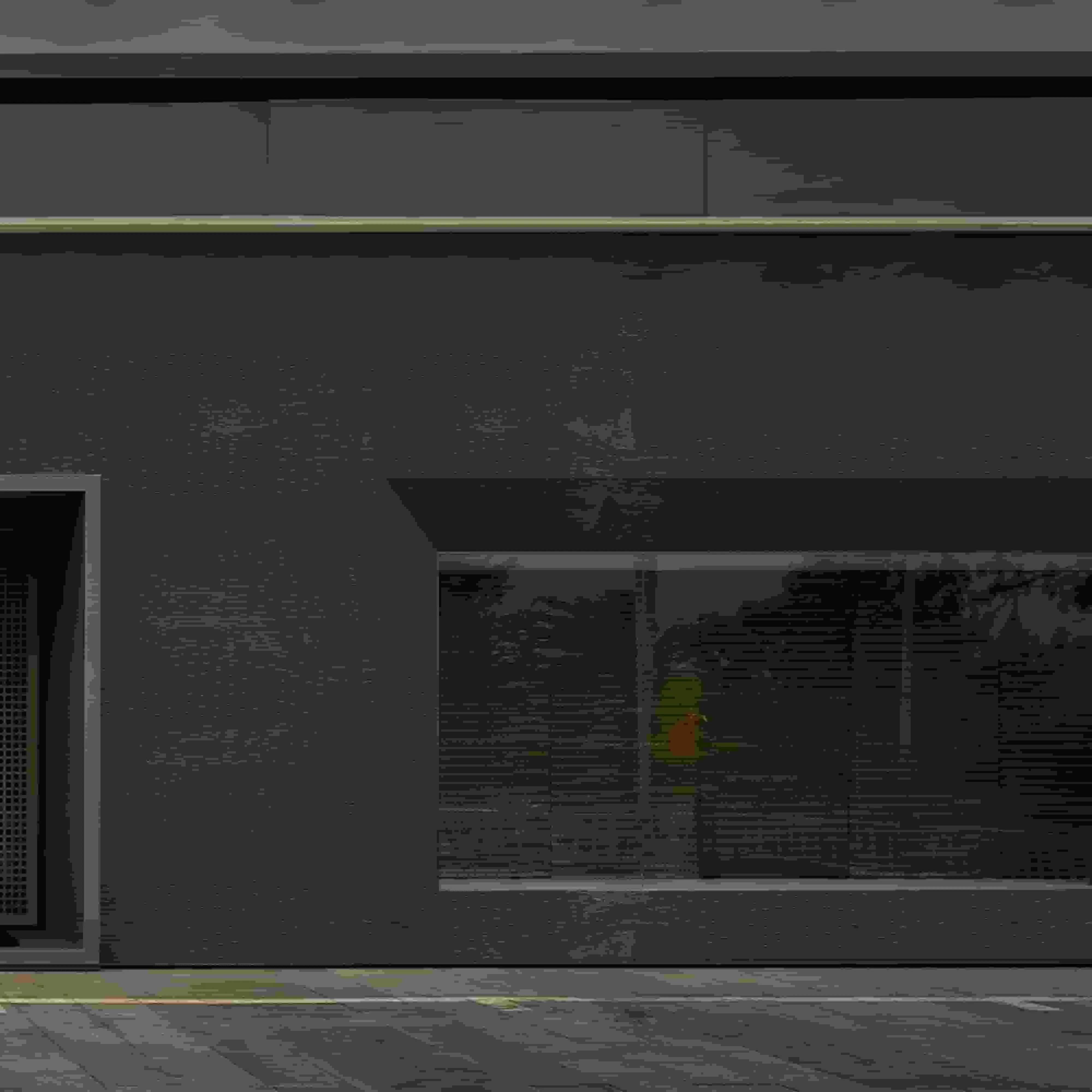
2025 is proving that building facades are more than just walls—they're storytellers. With bold colors like the Lunar Peak series, tactile textures from MCM flexible stone and foamed aluminium, and innovative materials like starry travertine, designers are creating spaces that engage, delight, and connect with people on a deeper level. Whether it's a corporate tower reaching for the stars or a cozy café evoking retro charm, the future of facades is bright, bold, and full of heart.
As we move forward, one thing is clear: MCM materials are leading the charge, offering the perfect blend of beauty, durability, and sustainability. So the next time you pass a building that makes you stop, stare, or even reach out to touch its surface, chances are it's not just stone or metal—it's MCM, redefining what's possible, one facade at a time.
Recommend Products












