
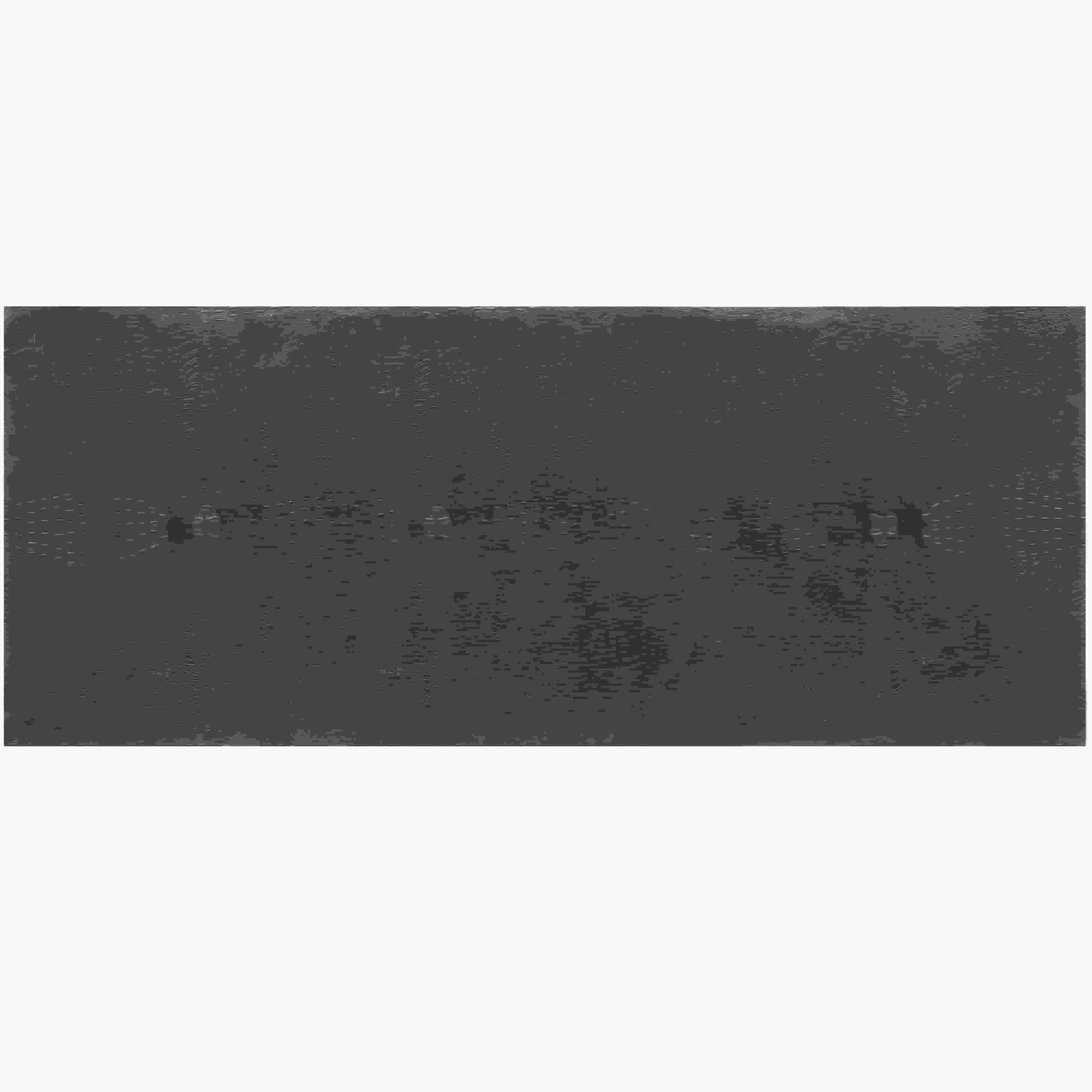
Walk into any modern commercial space—a sleek downtown office, a bustling shopping mall, or a boutique hotel—and you'll likely be struck by the design: the textures on the walls, the finish of the floors, the way light plays off the cladding. But behind those aesthetics lies a silent, non-negotiable priority: safety. In commercial construction, where hundreds of people gather daily, the materials chosen aren't just about looks. They're about protecting lives, preserving property, and ensuring compliance with strict safety codes. And when it comes to safety, few factors matter more than fire resistance. This is where Croco MCM steps in, redefining what it means for building materials to be both beautiful and brawny—especially when flames are a concern.
Let's start with the basics: commercial buildings are high-stakes environments. Think about a hotel with 200 rooms, each occupied by guests who may not know the exit routes. Or a retail mall during the holiday season, packed with shoppers and employees. In these spaces, a small electrical spark or a malfunctioning heating unit can escalate quickly. Fire-resistant materials act as the first line of defense, slowing the spread of flames, reducing smoke production, and buying critical time for evacuation and firefighting.
But it's not just about emergencies. Building codes—from local regulations to international standards like ASTM E84 (the Standard Test Method for Surface Burning Characteristics of Building Materials)—mandate specific fire performance levels for interior and exterior cladding, flooring, and wall systems. Non-compliance can lead to project delays, fines, or even the shutdown of a space before it ever opens. Insurance companies, too, often offer lower premiums for buildings using certified fire-resistant materials, recognizing that they reduce risk. For developers and architects, fire resistance isn't an afterthought; it's a foundational requirement that shapes every material choice.
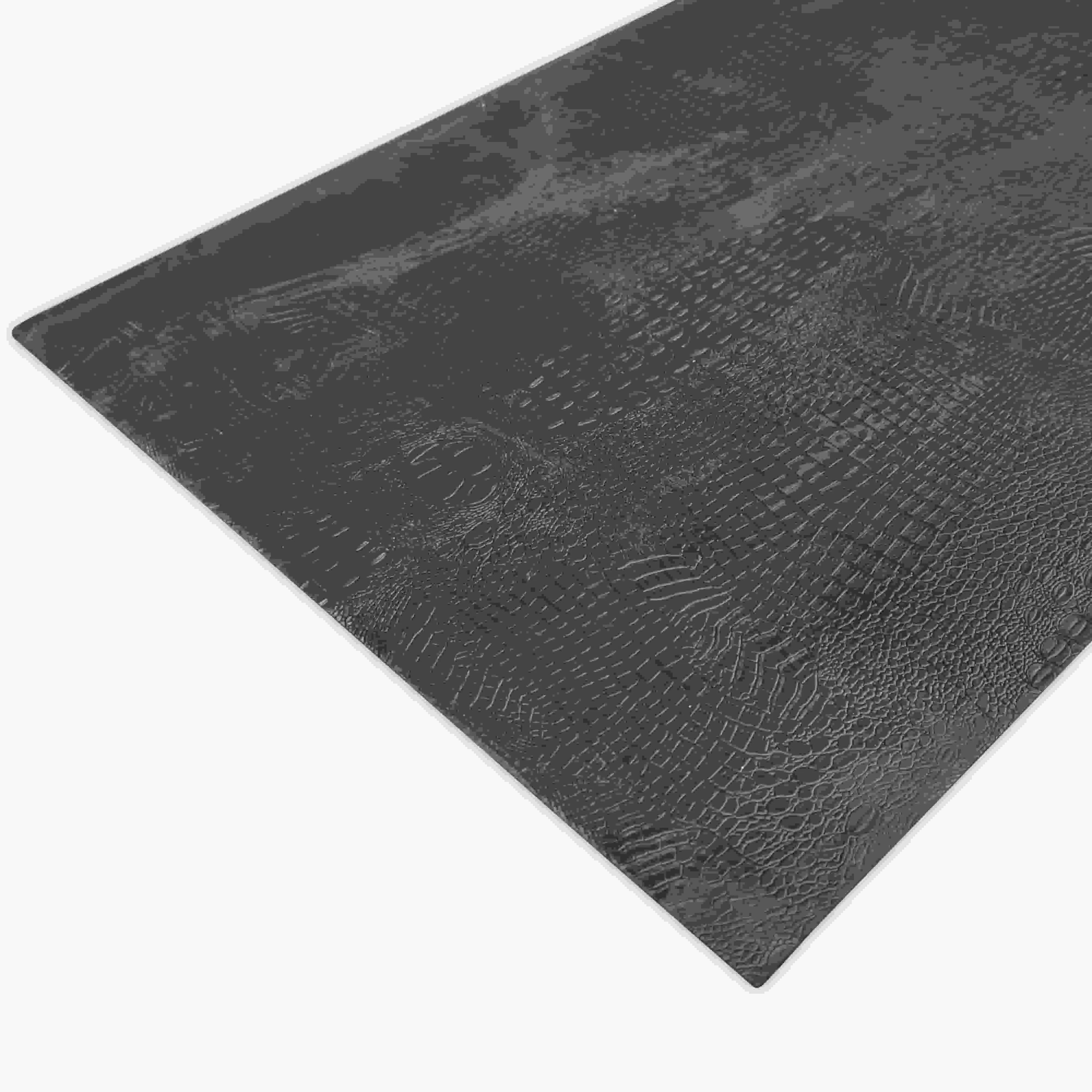
Enter Modified Composite Materials (MCM)—a category of building products that has taken the construction world by storm. MCMs are engineered to combine the best of multiple materials: the durability of stone, the flexibility of plastic, the lightweight nature of composites. Traditional building materials often force a trade-off: stone is durable but heavy, wood is warm but flammable, metal is strong but can overheat. MCMs, however, are designed to break that mold. And when it comes to fire resistance, Croco's MCM lineup goes a step further, proving that you don't have to sacrifice design for safety.
At its core, MCM is made by bonding a thin layer of decorative material (like stone, metal, or wood grain) to a rigid, fire-retardant core. This core is often infused with additives that resist ignition and slow flame spread. The result? A material that's not only lightweight (reducing structural load) and easy to install but also engineered to meet or exceed the most stringent fire safety standards. For commercial projects, this is a win-win: materials that look like natural stone or aged metal but perform like fire barriers.
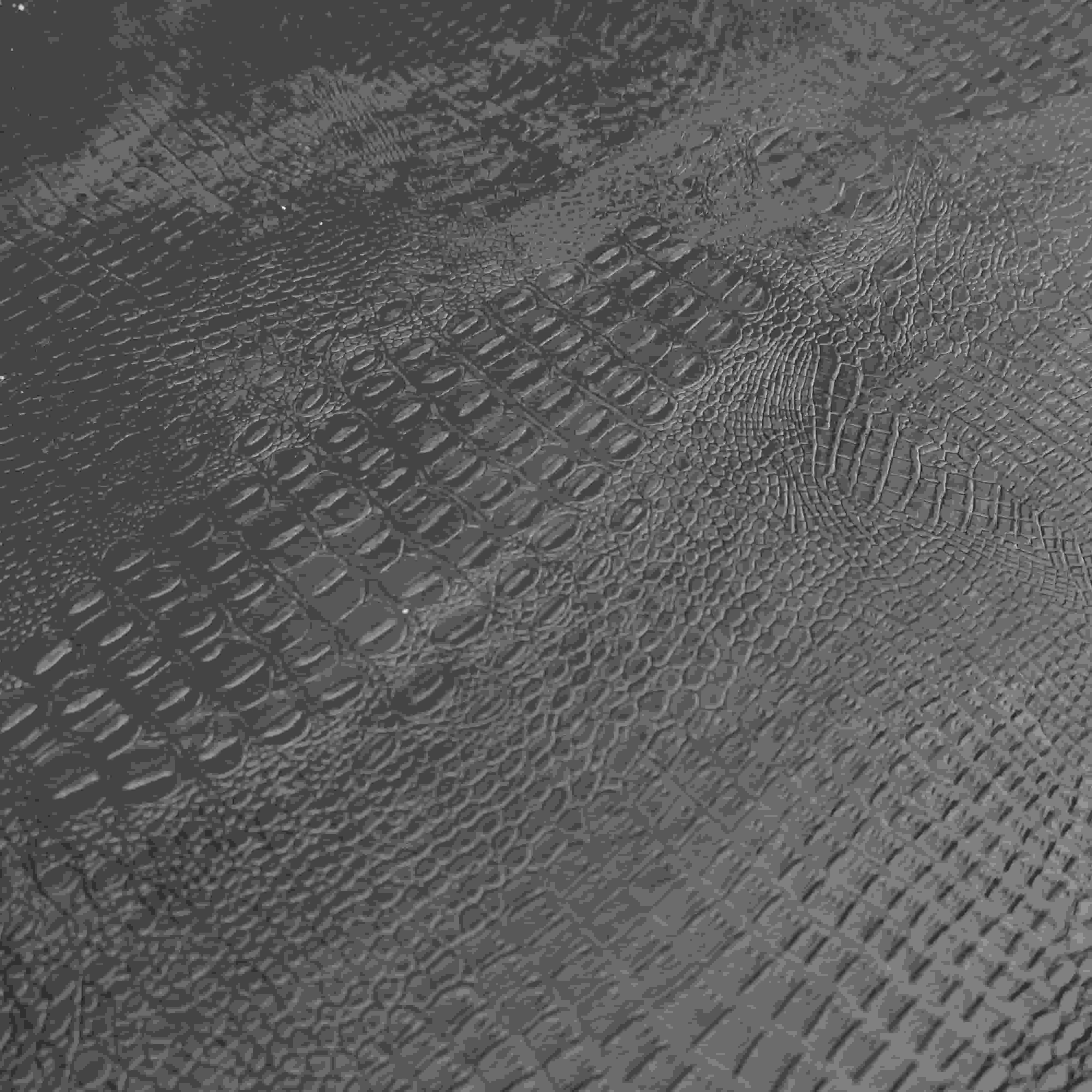
Croco's MCM portfolio is vast, with options ranging from earthy, natural textures to sleek, modern metallics. But among its many offerings, several stand out for their exceptional fire resistance—without skimping on aesthetics. Let's take a closer look at a few:
If you've ever wished for the look of natural stone without the weight or brittleness, MCM flexible stone is the answer. Croco's version mimics the texture of quarried stone—think rough-hewn edges, subtle color variations, and a tactile surface— but it's thin, lightweight, and surprisingly flexible. This flexibility makes it ideal for curved walls, accent panels, or even ceiling treatments, where rigid stone would crack or require custom cutting.
But here's the kicker: beneath that stone-like exterior is a fire-retardant core. During testing, Croco's MCM flexible stone has consistently scored a Class A rating under ASTM E84, meaning it has a flame spread index (FSI) of 0–25 and a smoke development index (SDI) of 0–450—numbers that put it in the top tier of fire-resistant materials. For a hotel lobby using flexible stone on feature walls, this means peace of mind: even in a fire, the material won't fuel the flames or release toxic smoke quickly. It's beauty with a backbone.
Metallic finishes are having a moment in commercial design—think of the warm glow of brass in a restaurant or the cool sheen of silver in a tech startup's office. Croco's foamed aluminium alloy board (vintage silver) and its counterparts (vintage gold, gold) tap into this trend, offering the look of polished metal with a unique, lightweight structure. Foamed aluminium is created by injecting gas into molten aluminium, resulting in a material that's 70% lighter than solid aluminium but just as strong.
What makes these boards fire-resistant? Aluminium itself has a high melting point (660°C/1220°F), and the foamed structure slows heat transfer. In fire tests, Croco's foamed aluminium boards have shown minimal flame spread and low smoke production, making them ideal for interior cladding in high-traffic areas like airports or convention centers. Imagine a retail store with vintage silver foamed aluminium panels lining the walls—eye-catching, modern, and quietly protecting shoppers if the worst happens.
Travertine has long been a favorite in luxury construction, prized for its porous, organic texture and warm earth tones. But Croco's travertine (starry blue) reimagines this classic material with a twist: tiny, iridescent flecks that catch the light like stars in a night sky. It's a bold choice for statement walls in hotels, spas, or high-end boutiques—spaces where ambiance is everything.
But don't let the sparkle fool you. Croco's starry blue travertine is more than just a pretty face. As an MCM product, it's backed by a fire-retardant core that ensures it meets ASTM E84 Class A standards. This is a game-changer for designers who want the luxury of travertine without the fire risk of some natural stones (which can crack or spall under high heat). In a boutique hotel's lobby, for example, starry blue travertine panels can create a serene, otherworldly atmosphere—while quietly ensuring that if a fire breaks out, the walls won't contribute to the danger.
Industrial chic isn't going anywhere, and fair-faced concrete is its poster child. With its raw, unpolished finish, visible aggregates, and subtle color variations, fair-faced concrete adds a rugged, authentic vibe to spaces like coffee shops, art galleries, or co-working offices. But beyond its aesthetic appeal, concrete is inherently fire-resistant—and Croco's fair-faced concrete MCM panels take that a step further.
Croco's version is engineered to be thinner and lighter than traditional poured concrete, making it easier to install on walls and ceilings. But its fire performance remains top-tier: concrete is non-combustible, meaning it won't ignite, and it retains its structural integrity even at high temperatures. For a tech office with exposed ceilings and concrete accent walls, this means the industrial look doesn't come with a fire safety compromise. It's design that works as hard as the people in the space.
Rammed earth is one of the oldest building materials on the planet, used for centuries in arid climates for its thermal mass and durability. Croco's rammed earth board (gradient) brings this ancient technique into the modern age, with panels that feature soft, blended color transitions—think warm terracottas fading into muted greens or sandy beiges melting into deep browns. It's a material that feels grounded, organic, and perfect for wellness centers, eco-resorts, or spaces aiming for a connection to nature.
But ancient doesn't mean outdated. Rammed earth is naturally fire-resistant, and Croco's gradient boards are no exception. The dense, compacted structure of the material slows heat transfer, and when combined with MCM's fire-retardant core, it becomes a powerful tool for fire safety. Imagine a yoga studio with gradient rammed earth walls: the space feels calm and connected to nature, and practitioners can focus on their practice knowing the walls around them are built to resist flames.
Claims about fire resistance are only as good as the testing behind them. Croco doesn't just say its MCM products are fire-resistant; it proves it. All Croco fire-resistant MCM products undergo rigorous third-party testing to meet or exceed industry standards. Let's break down what that looks like:
To put this in perspective: a Class A rating under ASTM E84 means these materials are as fire-resistant as brick or concrete—two of the most trusted fire barriers in construction. For architects and developers, this isn't just a box to check; it's proof that Croco's materials can be relied on when it matters most.
Numbers and tests are important, but real-world applications tell the true story. Let's look at a few examples of how Croco's fire-resistant MCM products have made a difference in commercial spaces:
The Azure Hotel Renovation (Miami, FL): When the Azure Hotel decided to update its lobby and guest corridors, the design team wanted a fresh, coastal vibe. They chose Croco's travertine (starry blue) for the lobby feature wall, pairing it with foamed aluminium alloy board (vintage silver) for the ceiling accents. During the renovation, the local fire marshal praised the choice of materials, noting that the Class A fire ratings would help the hotel meet Miami's strict safety codes for high-rise buildings. Today, guests admire the "starry night" wall, unaware that it's working overtime to keep them safe.
TechHub Co-Working Space (Austin, TX): TechHub wanted an industrial, open-concept space for its members. The design called for exposed ceilings, raw textures, and minimal finishes. The team selected Croco's fair-faced concrete panels for the walls and rammed earth board (gradient) for the breakout areas. During construction, the general contractor noted that the lightweight MCM panels were easier to install than traditional concrete, saving time and labor costs. Post-opening, the space has become a hit—not just for its design, but for the peace of mind it offers members and staff.
Metro Mall Expansion (Chicago, IL): The Metro Mall added a new wing with 15 retail stores, a food court, and a children's play area. For the food court, which has a higher fire risk due to cooking equipment, the architects specified Croco's MCM flexible stone for the walls. The stone-like texture adds warmth to the space, while its fire resistance ensures that in the event of a kitchen fire, the walls won't fuel the flames. The mall's insurance provider even reduced the property insurance premium by 12% after reviewing the material choices.
What sets Croco apart isn't just that its MCM products are fire-resistant—it's that they don't force designers to choose between safety and style. Too often, fire-resistant materials are seen as "boring" or "industrial," limiting creative expression. Croco flips that script, offering a palette of textures, colors, and finishes that let architects and designers bring their visions to life without compromise.
Want a hotel lobby that feels like a luxury resort? Use travertine (starry blue) with its celestial sparkle. Need a retail space that screams modern edge? Foamed aluminium alloy board (vintage gold) adds metallic flair. Dream of a co-working space that feels warm and earthy? Rammed earth board (gradient) brings nature indoors. All of these options come with the same fire-resistant core, ensuring that beauty and safety go hand in hand.
In commercial construction, every decision matters. The materials chosen today will shape how a space looks, feels, and performs for decades to come. When it comes to fire resistance, there's no room for cutting corners. Croco's MCM lineup—from MCM flexible stone to foamed aluminium alloy boards, travertine (starry blue) to fair-faced concrete—proves that safety and style can coexist. These aren't just building materials; they're investments in peace of mind. For developers, architects, and ultimately, the people who use these spaces, that's invaluable.
So the next time you walk into a commercial space and admire the walls or cladding, take a moment to think about what's beneath the surface. If it's Croco MCM, you can bet it's not just beautiful—it's built to protect. And in the world of commercial construction, that's the most important design feature of all.
| Product Name | Key Aesthetic Features | Fire Rating (ASTM E84) | Ideal Applications |
|---|---|---|---|
| MCM Flexible Stone | Stone-like texture, flexible for curved surfaces | Class A (FSI ≤25, SDI ≤450) | Accent walls, lobby cladding, retail interiors |
| Foamed Aluminium Alloy Board (Vintage Silver) | Metallic sheen, lightweight, vintage finish | Class A (FSI ≤20, SDI ≤300) | Ceiling panels, exterior cladding, hotel lobbies |
| Travertine (Starry Blue) | Iridescent star-like flecks, porous texture | Class A (FSI ≤25, SDI ≤400) | Spa interiors, luxury hotel walls, high-end retail |
| Fair-Faced Concrete | Raw, industrial look, visible aggregates | Class A (FSI ≤10, SDI ≤200) | Co-working spaces, art galleries, coffee shops |
| Rammed Earth Board (Gradient) | Blended earth tones, natural, tactile surface | Class A (FSI ≤25, SDI ≤450) | Wellness centers, eco-resorts, breakout areas |
Recommend Products












