
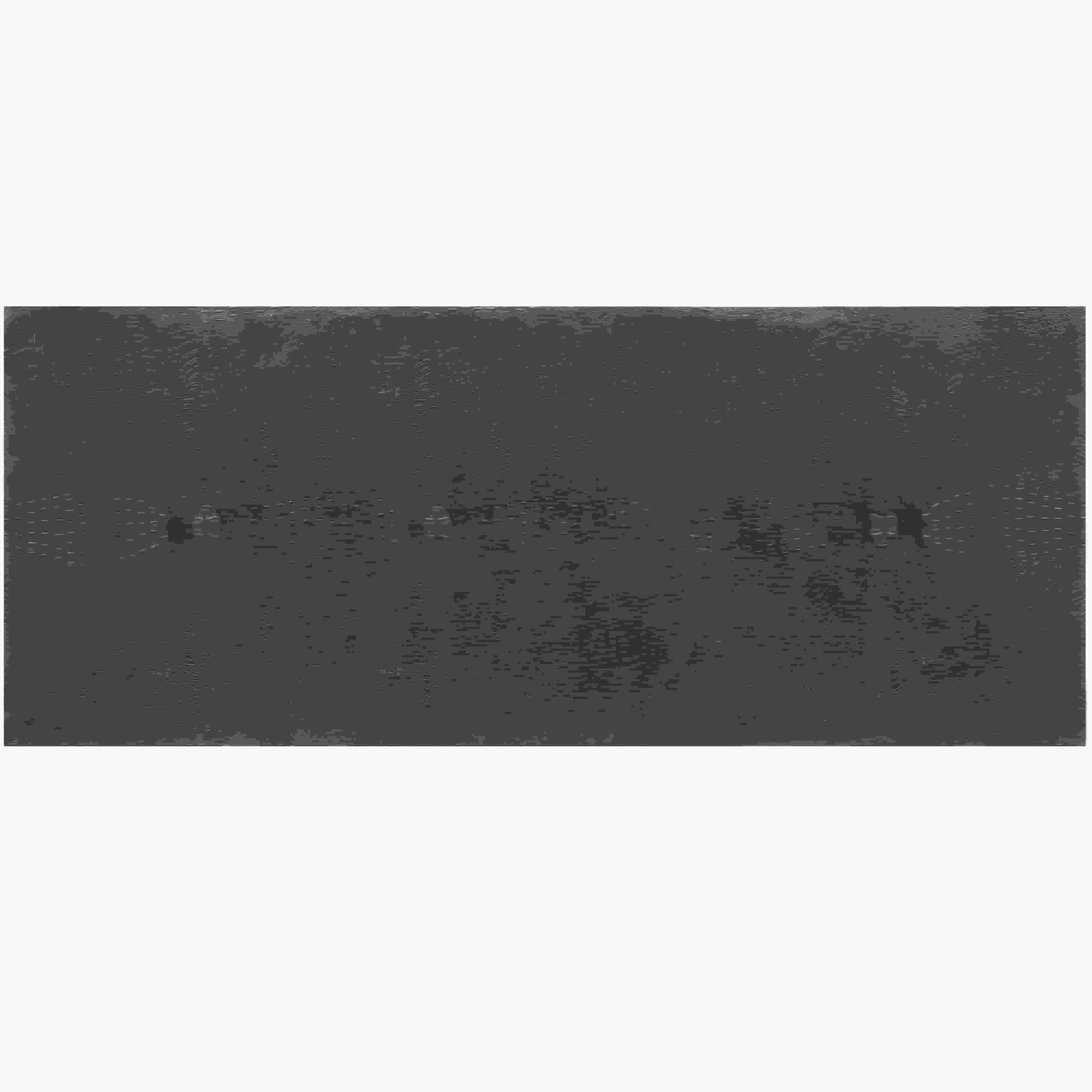
Imagine standing before a wall that bends like a wave, its surface rippling with texture and color, yet feeling as solid and timeless as natural stone. For architects and designers, this vision has long been a challenge—traditional building materials, with their rigidity and weight, often clash with the fluidity of modern, organic design. Enter Croco MCM Flexible Stone: a game-changer in the world of cladding that marries the beauty of natural stone with the adaptability of a flexible material. Part of the innovative MCM project board series, Croco isn't just a product; it's a bridge between ambition and possibility, letting creators shape spaces that feel alive, not constrained.
For years, designers have faced a familiar dilemma: curved or irregular walls demand materials that can "hug" their contours, but most natural stones—marble, granite, even limestone—are unforgiving. They crack under pressure, sag under their own weight, or require excessive cutting that erodes their natural character. "I once worked on a residential project with a client who dreamed of a curved accent wall in their living room," recalls Maya, an interior designer with 15 years of experience. "We tried traditional travertine first, but it kept chipping at the bends. By the third attempt, we almost gave up—until we discovered Croco MCM Flexible Stone."
Traditional stone's rigidity isn't just a practical headache; it stifles creativity. Irregular surfaces, whether they're the gentle curve of a home's entryway or the jagged angles of a modern art gallery, deserve materials that enhance their uniqueness, not fight against it. Croco MCM, born from the MCM project board series' commitment to innovation, was crafted to solve this very problem.
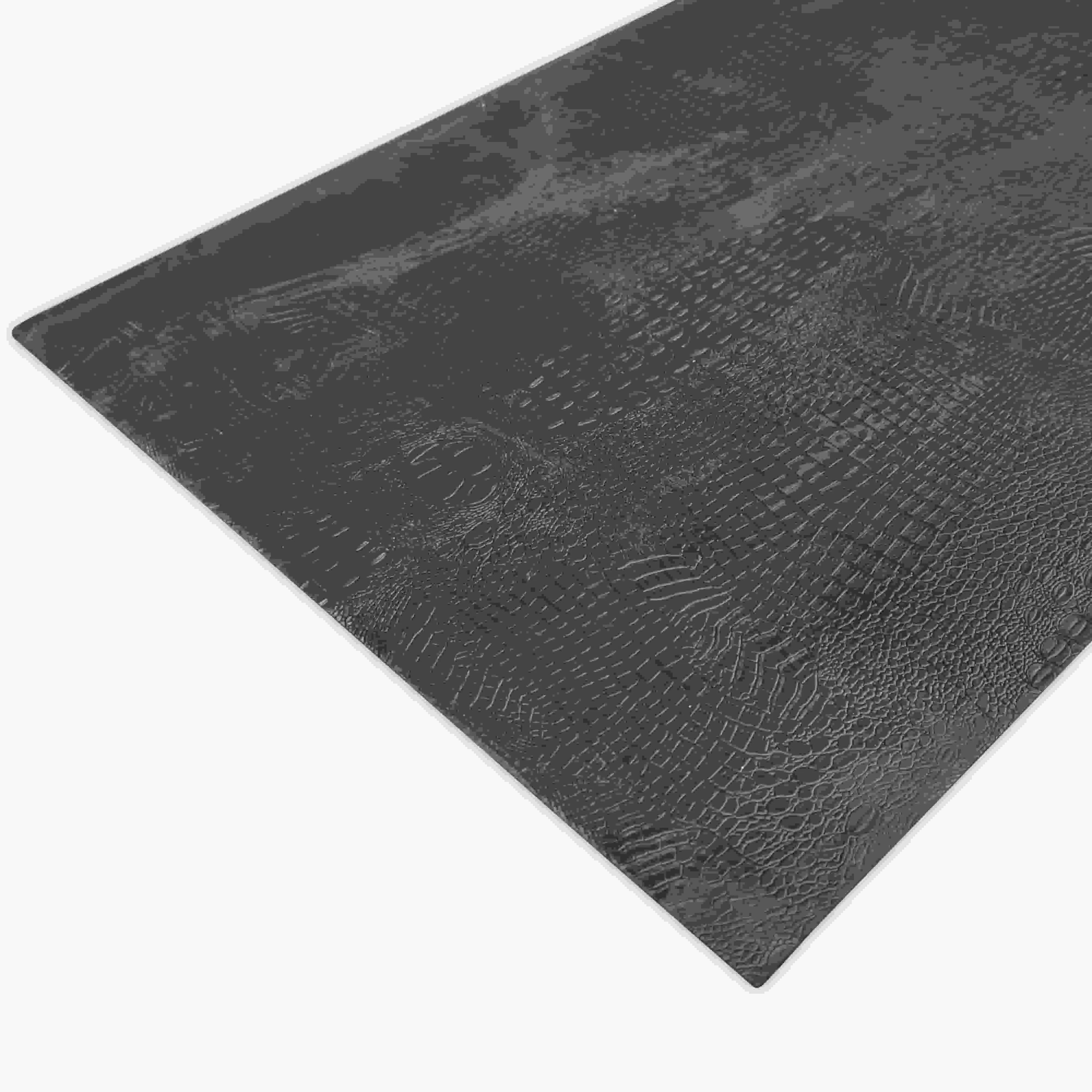
At its core, Croco MCM Flexible Stone is a marvel of engineering, but its true magic lies in how it feels—both to the touch and to the eye. Unlike rigid stone slabs, it bends and flexes without losing structural integrity, thanks to a composite design that blends natural stone particles with a lightweight, durable backing. This means it can wrap around curves as tight as 30cm in radius, cling to uneven surfaces, and even follow the organic lines of heritage building facades without compromising their original structure.
Let's break down its standout features:
| Feature | Benefit for Curved/Irregular Walls |
|---|---|
| Exceptional Flexibility | Bends up to 120 degrees without cracking, perfect for waves, arches, or uneven surfaces. |
| Lightweight Design | Weighs 60% less than natural stone, reducing stress on walls and simplifying installation. |
| Textural Versatility | Mimics finishes like travertine (starry blue), lunar peak silvery, and even wood grain board—no two panels look identical. |
| Weather & Wear Resistance | Withstands rain, UV rays, and daily scuffs, making it ideal for both indoor accent walls and outdoor facades. |
| Easy Installation | Can be cut on-site with standard tools, adapting to last-minute design tweaks or unexpected wall irregularities. |
One of the most striking things about Croco MCM is how it doesn't just "cover" a wall—it transforms it into a canvas. Take, for example, the travertine (starry blue) finish: tiny flecks of metallic blue glint like stars against a warm, earthy base, turning a curved bedroom wall into a night sky you can reach out and touch. Or the lunar peak silvery option, with its cool, smooth texture that shimmers subtly, perfect for a modern lobby with a sweeping, curved reception desk. These finishes aren't just "printed"—they're crafted to capture the depth and nuance of natural materials, so even up close, Croco feels authentic.
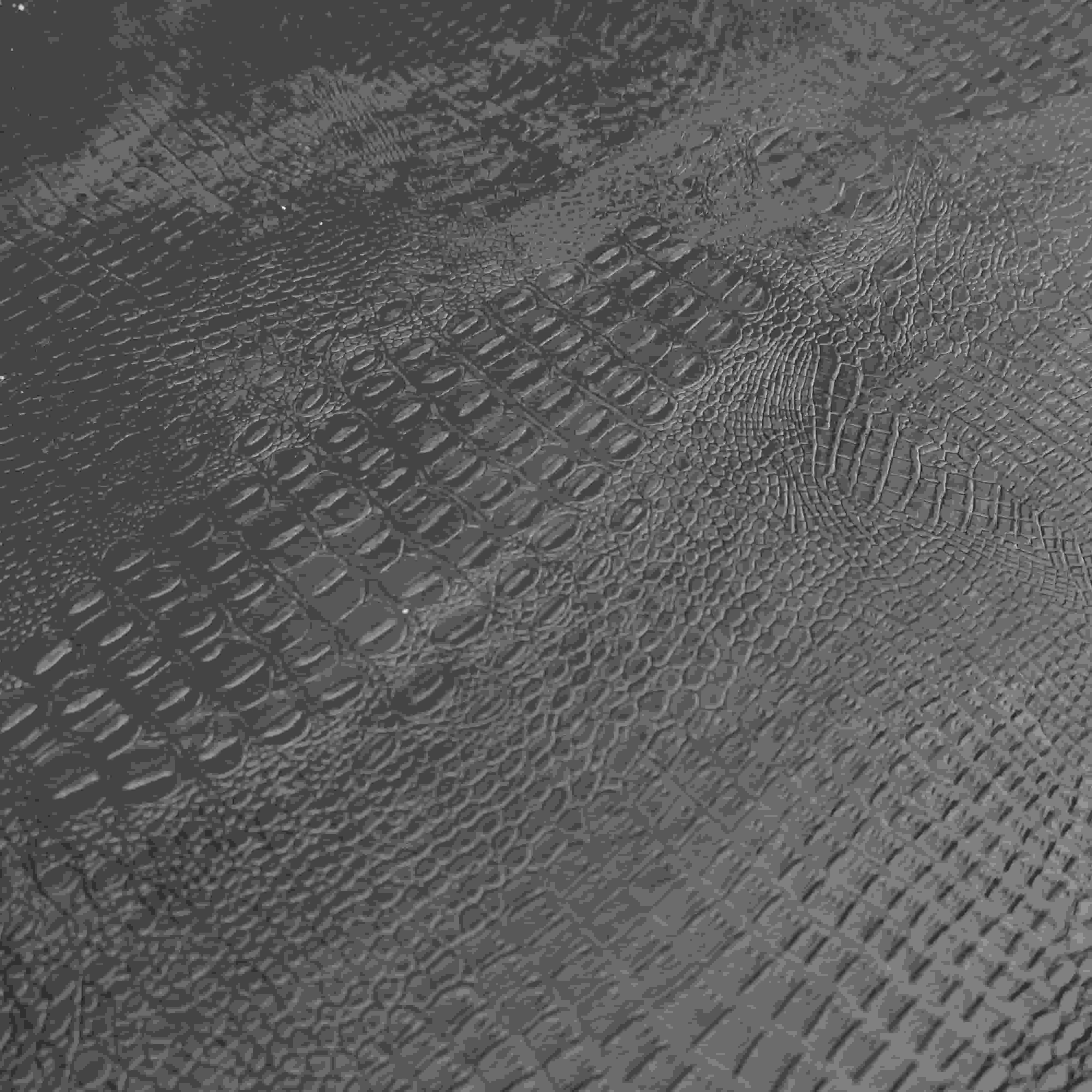
Croco MCM Flexible Stone isn't just a solution for "difficult" walls—it's a tool for reimagining what walls can be. Let's explore how designers and architects are using it to turn bold ideas into tangible spaces:
In a recent home renovation in Barcelona, designer Carlos wanted to soften the sharp angles of a modernist living room with a curved wall that felt "like a hug." He chose Croco MCM in travertine (starry orange) —a warm, terracotta hue with golden flecks that echo the city's historic tile roofs. "The wall curves from the ceiling to the floor, and with Croco, we didn't have to sacrifice texture for flexibility," Carlos explains. "Guests walk in and immediately run their hands over it—they can't believe it's not real travertine." The lightweight material also meant no structural reinforcements were needed, keeping the project on budget and on time.
A boutique hotel in Bali wanted its exterior to reflect the island's famous beaches—so the design team dreamed up a facade that undulates like ocean waves. Traditional stone was out of the question (too heavy, too brittle), but Croco MCM in bali stone proved perfect. The material's flexibility allowed the waves to rise and fall seamlessly, while its weather-resistant properties stand up to Bali's tropical rains. "We paired it with foamed aluminium alloy board (vintage gold) for the hotel's signage," says lead architect Lila. "The contrast between the warm, textured Croco and the sleek, metallic aluminium creates this beautiful dialogue—like sand meeting sunlight."
Restoring a 19th-century townhouse in Prague, the team faced a unique challenge: the original stone walls were uneven, with bulges and indentations from decades of wear. Replacing them would erase the building's character, but leaving them exposed risked further decay. Enter Croco MCM in historical pathfinders stone —a finish that mimics the weathered, earthy look of the original stone. "We wrapped Croco over the irregular surfaces, preserving every dip and curve," says restoration expert Pavel. "It's like giving the walls a second skin—strong enough to protect, but gentle enough to honor their history."
"Croco MCM doesn't just solve problems—it creates opportunities. I've stopped asking, 'Can we do this?' and started asking, 'What if we try this?'" — Raj, architect specializing in organic design
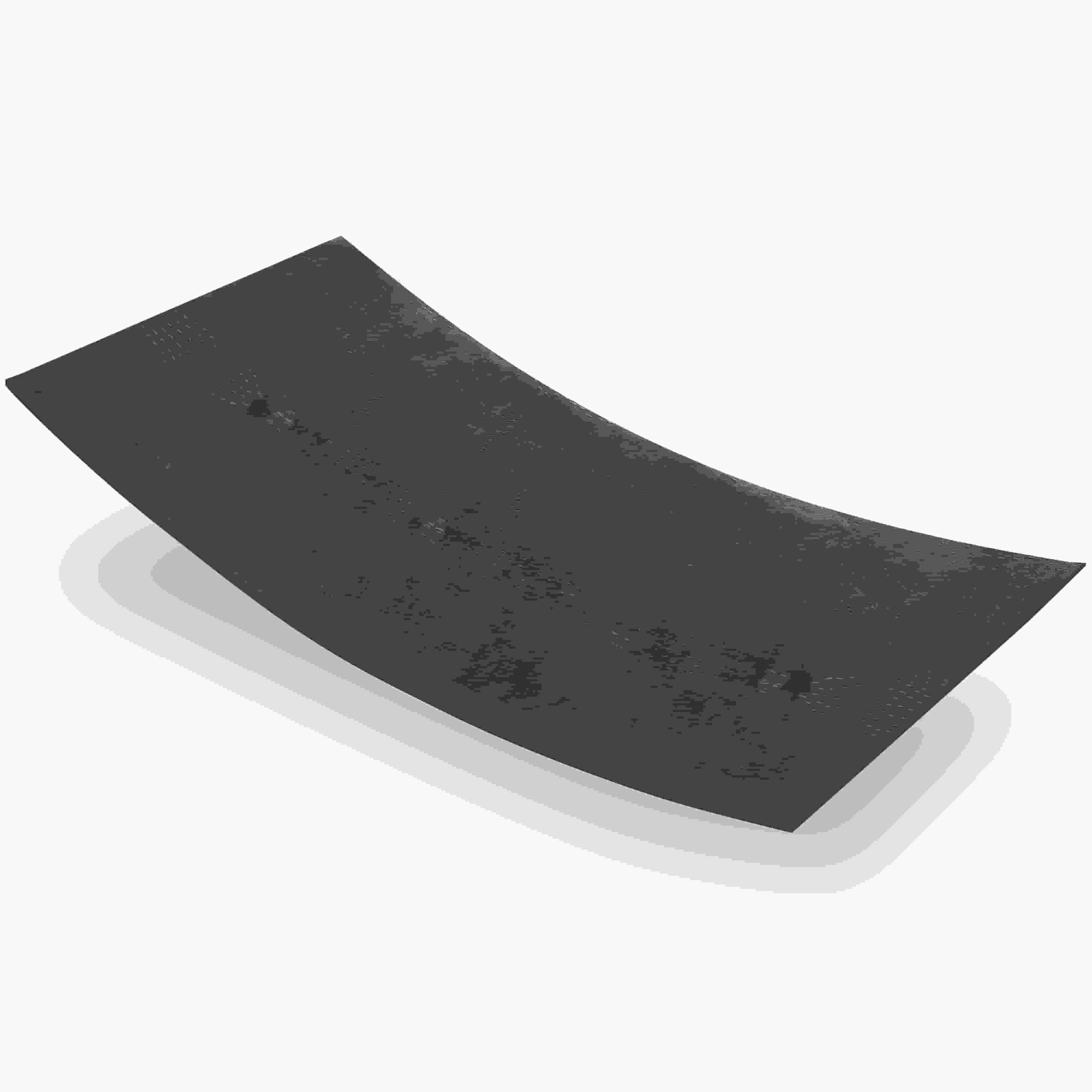
While flexibility is Croco's headline feature, it's the little things that make designers loyal. For one, it's low-maintenance: unlike natural stone, it doesn't require sealing or special cleaners—just a quick wipe with a damp cloth to keep it looking fresh. It's also eco-friendly: part of the MCM 3D printing series, Croco uses recycled stone particles and minimal water in production, aligning with the growing demand for sustainable building materials.
Then there's the design freedom. Whether you're aiming for the industrial edge of fair-faced concrete , the rustic charm of wood grain board , or the futuristic shimmer of lunar peak black , Croco offers over 50 finishes to match any vision. And because it's part of the MCM big slab board series, it can be ordered in large panels (up to 1200x2400mm), minimizing seams and creating a seamless look—even on curved surfaces.
"I recently used Croco in a yoga studio where the walls slope gently inward, creating a cocoon-like space," says designer Mia. "I chose lunar peak silvery for its soft, reflective quality—it catches the morning light and makes the room feel like it's glowing. Clients tell me it's their favorite part of the studio."
At the end of the day, walls aren't just boundaries—they're storytellers. They shape how we feel in a space, how we move through it, and how we remember it. Croco MCM Flexible Stone doesn't just cover walls; it helps them tell better stories. Whether you're designing a home that feels like a sanctuary, a hotel that wows guests, or a heritage building that bridges past and present, Croco bends to your vision—not the other way around.
So the next time you're staring at a curved blueprint or an irregular wall, remember: with Croco MCM, flexibility doesn't mean compromise. It means possibility. It means turning "I can't" into "Watch this." And isn't that what great design is all about?
Recommend Products












