
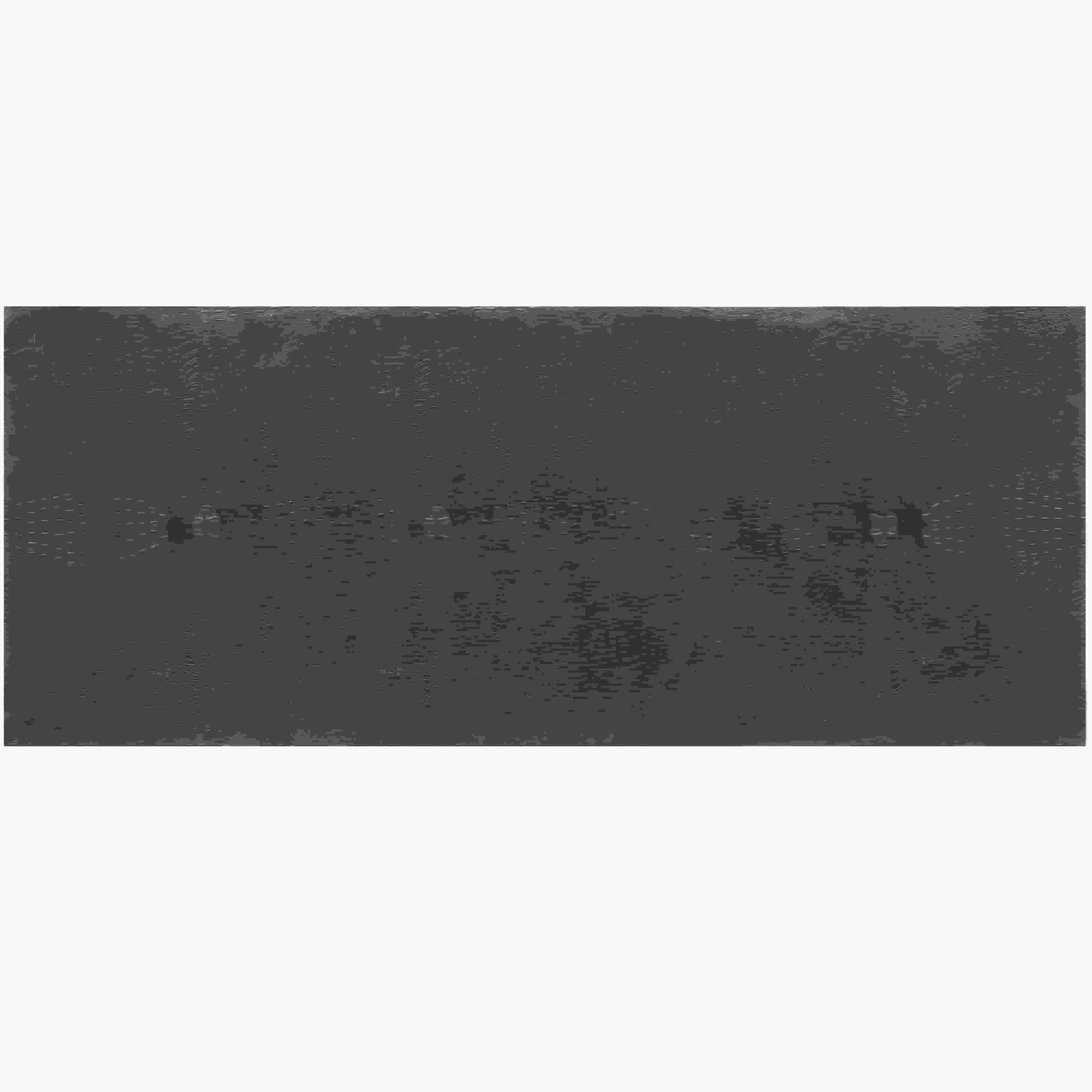
For decades, natural stone has been the go-to for anyone wanting to add texture, elegance, or rugged charm to a space. Walk into a high-end restaurant, and you'll likely see marble floors or granite countertops. Visit a historic home, and travertine walls might greet you. But here's the thing: natural stone comes with a laundry list of drawbacks that architects, contractors, and homeowners have quietly grumbled about for years.
First off, weight . A single square meter of marble can weigh upwards of 25 kilograms. That's like lugging around a small dog—per square meter. For high-rise buildings, that added weight means reinforcing walls and foundations, driving up construction costs. For homeowners, it often means hiring a team of professionals just to install a simple accent wall, because even a few slabs can be too heavy for DIY. Then there's fragility . Natural stone is rigid, so if your wall has a curve or your backsplash needs to wrap around a corner, good luck. It cracks easily during installation, and once it's up, even a small impact can chip it. And let's not forget sustainability . Quarrying natural stone disrupts ecosystems, uses massive amounts of water, and leaves behind scars on the landscape. It's a beautiful material, but is it worth the environmental cost?
And then there's the alternative that many turn to when stone feels too pricey or heavy: fair-faced concrete . It's durable, industrial-chic, and more affordable. But fair-faced concrete lacks the warmth and organic texture of stone. It's flat, monochromatic, and unless you're going for a stark, minimalist look, it can feel cold. So what's the middle ground? A material that's lightweight, flexible, durable, eco-friendly, and—most importantly—looks and feels like the real deal. That's where MCM flexible stone comes in.
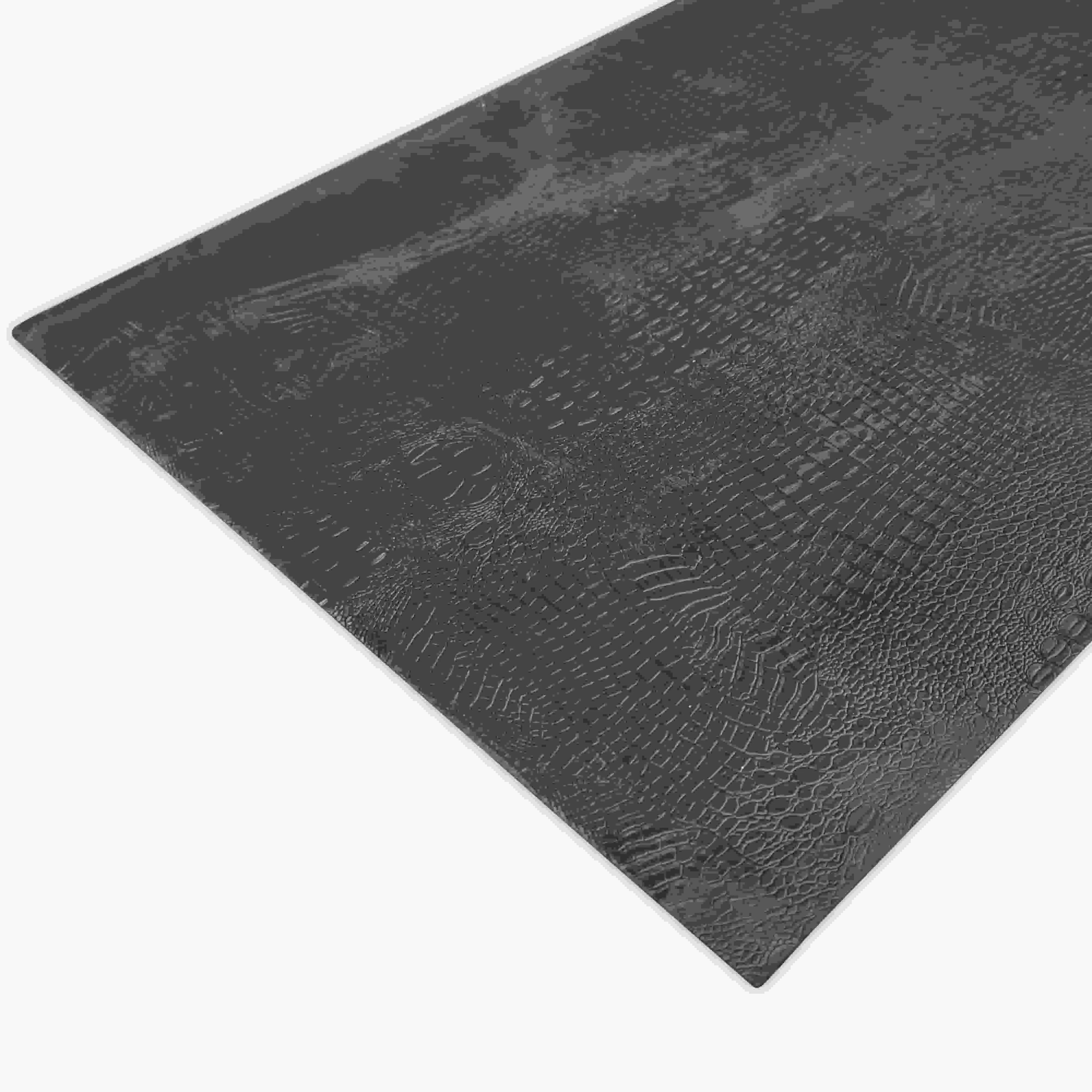
Let's start with the basics: MCM stands for Modified Composite Material. Think of it as stone, but reimagined. Croco MCM Flexible Stone is a cutting-edge material made by blending natural minerals (like marble dust, limestone, and quartz), high-performance polymers, and reinforcing fibers. The result? A thin, lightweight sheet—usually just 3-5mm thick—that's flexible enough to bend around curves, yet tough enough to withstand the elements. It's like if stone and fabric had a baby: strong, but surprisingly adaptable.
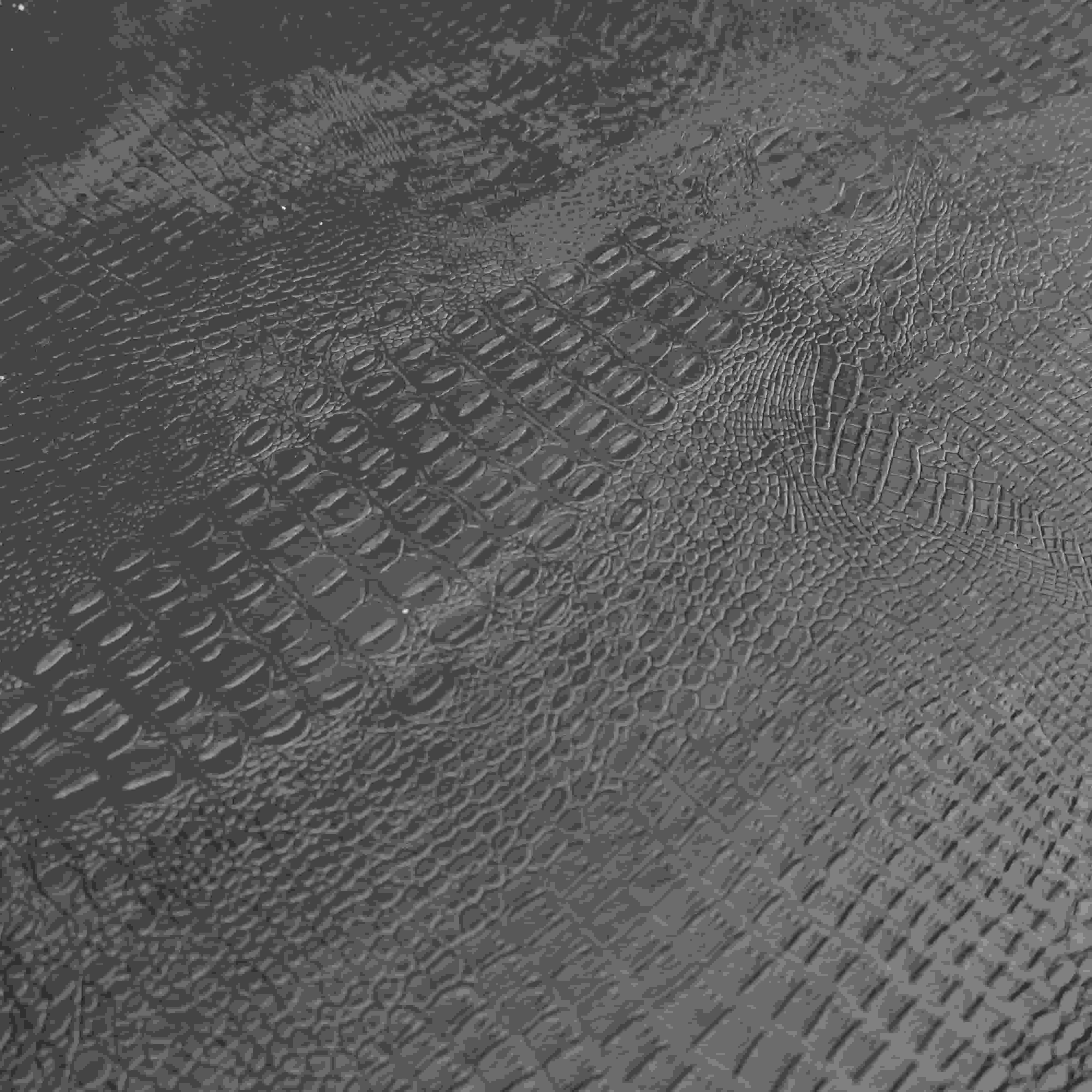
But here's what really sets Croco apart: it's designed to mimic the look and texture of natural stone so closely that you'd swear it was quarried from the earth. Run your hand over it, and you'll feel the same pockmarks of travertine, the grain of granite, or the smoothness of marble. It's not a cheap "faux stone" sticker—this is a high-quality composite that's built to last. And because it's made in sheets (typically 1200x600mm or larger), installation is a breeze compared to traditional stone slabs.
Let's break down why Croco isn't just another building material—it's a solution to the headaches that have plagued stone lovers for years. Here are the top reasons architects, contractors, and homeowners are making the switch:
Remember that 25kg per square meter of marble? Croco weighs in at just 4-6kg per square meter. That's less than a bag of potatoes! For contractors, this means fewer workers needed on installation day. For high-rises, it means no need to beef up structural supports. For homeowners, it opens up possibilities: want a stone accent wall in your upstairs bedroom? No problem—your floor can handle it. Even DIYers can tackle small projects without hiring pros, saving thousands on labor costs.
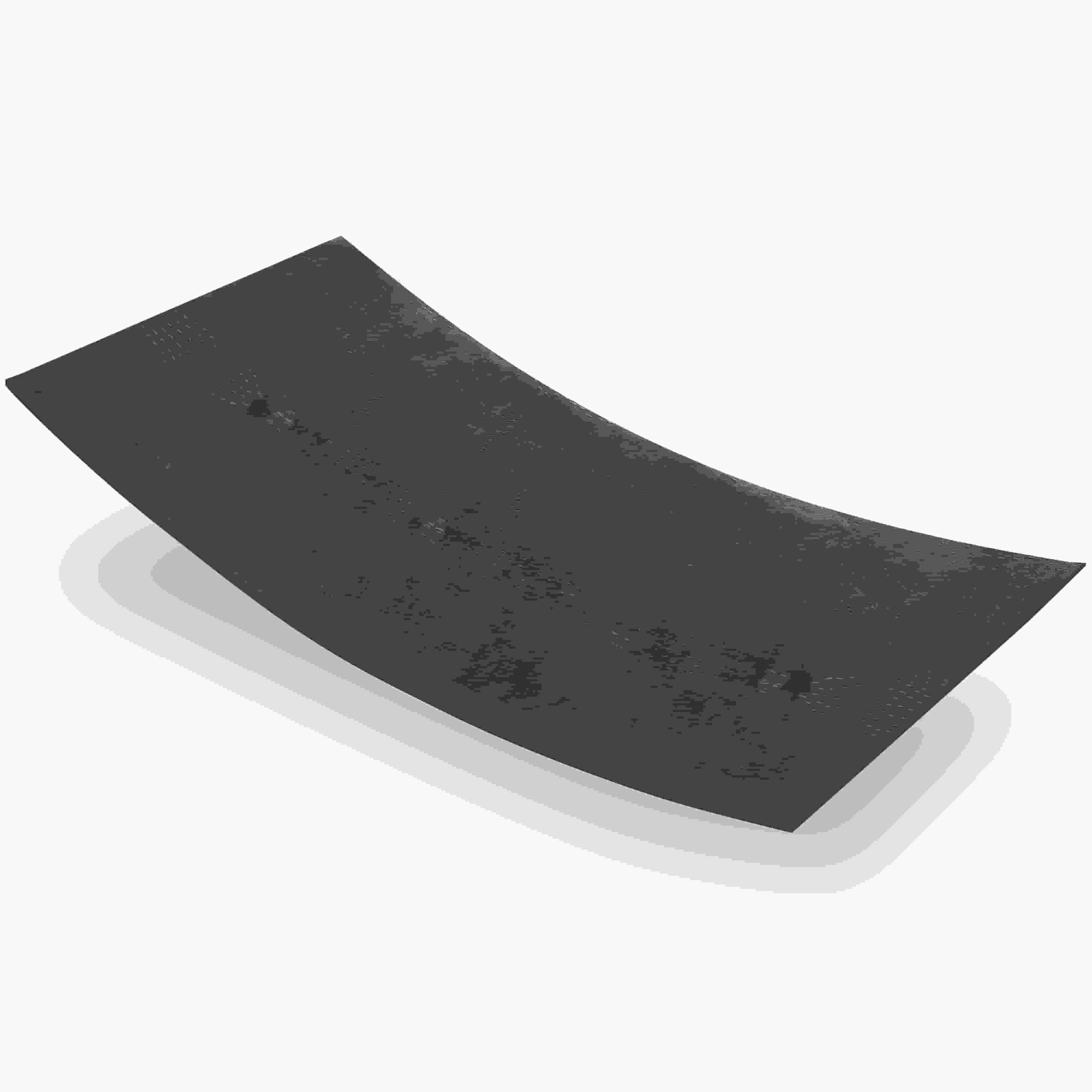
Natural stone is rigid. Try to bend it, and it shatters. Croco, on the other hand, can flex up to 30 degrees without cracking. That means it's perfect for curved walls, rounded columns, or even vaulted ceilings. Imagine a boutique hotel with a sweeping, curved facade that looks like it's wrapped in travertine (starry green) —with traditional stone, that would require custom-cutting dozens of small pieces and hoping they line up. With Croco, you can wrap the sheet around the curve in one go. It's design freedom, unlocked.
You might be thinking, "If it's that light and flexible, it must be flimsy, right?" Wrong. Croco is engineered to stand up to the elements. It's water-resistant, so rain and humidity won't make it warp or mold. It's UV-resistant, so sunlight won't fade its color (unlike some paints or wallpapers). It's scratch-resistant, too—so if you have kids or pets, that accent wall will stay looking sharp. We've tested it in extreme conditions: from the freezing winters of Canada to the scorching heat of Dubai, and it holds up. Indoors, it's even better—no need to seal it like natural stone, and it's easy to clean with just soap and water.
Let's talk sustainability. Quarrying natural stone is resource-intensive: it requires heavy machinery, disrupts habitats, and generates tons of waste. Croco, on the other hand, uses recycled natural stone dust and aggregates, reducing the need for new quarrying. It also has a lower carbon footprint during transportation because it's lighter—less fuel is needed to ship it. And since it's so durable, it lasts for decades, reducing the need for replacement. For architects and homeowners who care about the planet, this is a huge win.
Here's where Croco really shines: it's not limited to one "look." MCM technology allows manufacturers to replicate almost any natural material—from the starry sparkle of travertine (starry green) to the rustic texture of rust square line stone . Want the warmth of wood? There's a wood grain option. Craving the industrial edge of metal? Foamed aluminium alloy boards are part of the MCM family too. And with Croco, you can mix and match. Imagine a kitchen backsplash with bamboo mat board (another MCM favorite) paired with Croco in a travertine finish—natural textures that complement each other without the hassle of sourcing multiple materials.
Still not convinced? Let's put Croco head-to-head with two common alternatives: natural stone (like marble) and fair-faced concrete. The results might surprise you.
| Feature | Natural Stone (e.g., Marble) | Fair-Faced Concrete | Croco MCM Flexible Stone |
|---|---|---|---|
| Weight (per sqm) | 20-30 kg | 15-20 kg | 4-6 kg |
| Installation Time (per sqm) | 2-3 hours (requires cutting, sealing, grouting) | 1-2 hours (needs formwork, curing time) | 30-45 minutes (peel-and-stick or simple adhesive) |
| Cost (approx. per sqm) | $150-$300+ | $80-$120 | $60-$100 |
| Durability (expected lifespan) | 50+ years (but prone to chipping, staining) | 30-40 years (can crack, stains hard to remove) | 30+ years (resistant to chipping, staining, fading) |
| Design Options | Limited by natural variation (unique but inconsistent) | Basic gray; can be stained but limited texture | 100+ designs: stone, wood, metal, custom colors/textures |
| Maintenance | Annual sealing, regular cleaning with special products | Sealing every 2-3 years, stains hard to remove | No sealing needed; wipe clean with soap and water |
| Flexibility (curved surfaces) | Not possible (rigid, cracks when bent) | Difficult (requires custom formwork) | Easy (bends up to 30 degrees without damage) |
When you look at the numbers, Croco isn't just a "good alternative"—it's often the better choice. It's lighter than fair-faced concrete, cheaper than natural stone, and more versatile than both. And that installation time? Cutting it from hours to minutes means projects finish faster, saving contractors money and homeowners stress.
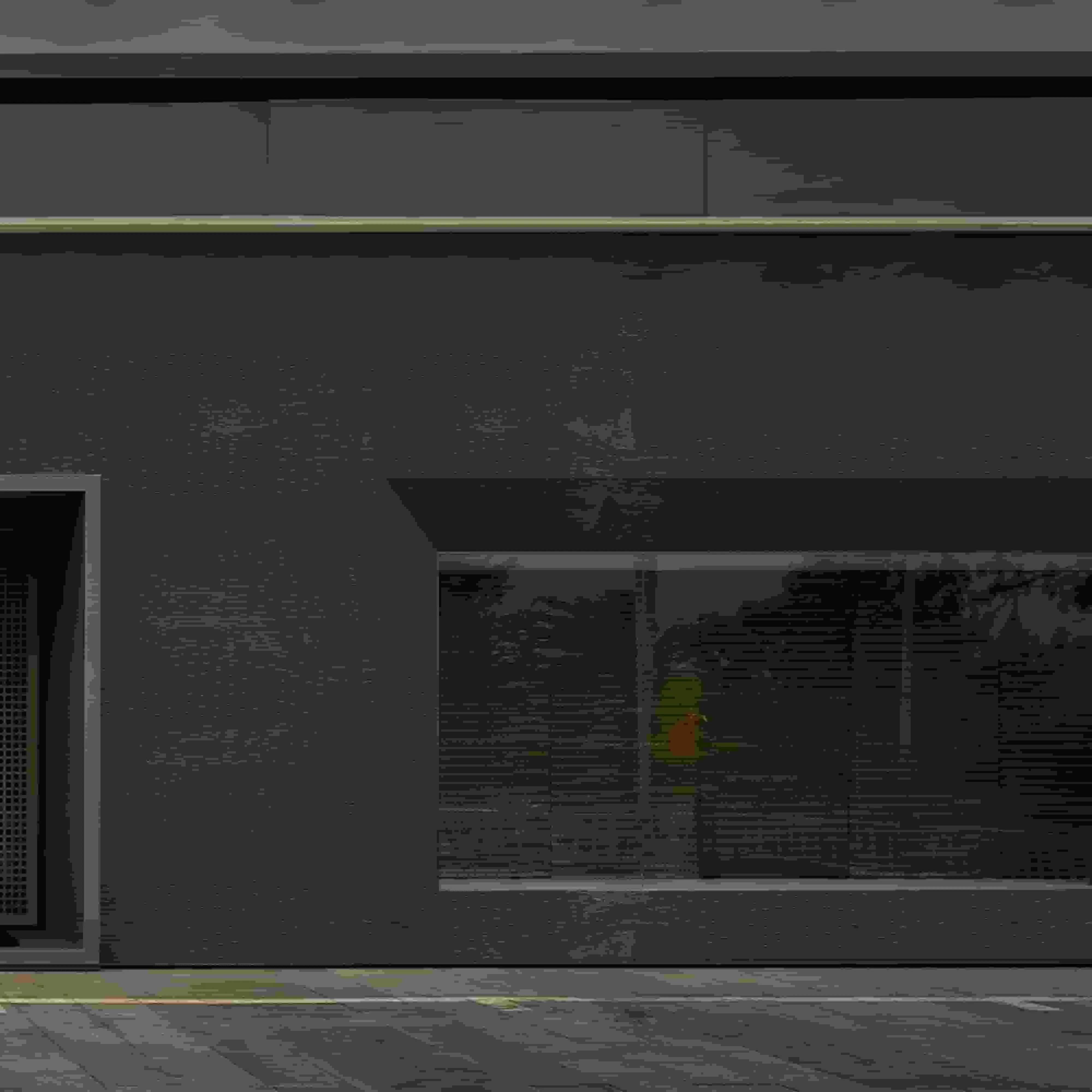
Croco isn't just for one type of project. Its versatility means it works in almost any space, indoors or out. Here are some of the most popular applications we've seen (and loved):
One of the best things about Croco is how well it plays with others. MCM technology offers a whole family of products, so you can mix and match textures to create a layered, cohesive look. Let's say you're designing a living room with a modern-rustic aesthetic. Start with Croco in a travertine (beige) finish for the accent wall—warm, neutral, and full of natural texture. Then, add bamboo mat board for the coffee table top, bringing in organic, earthy vibes. For the fireplace surround, throw in some rust square line stone —the rough, weathered texture contrasts beautifully with the smooth travertine and bamboo. The result? A space that feels curated, not chaotic, with every element complementing the others.
Or maybe you're going for a futuristic, industrial look. Pair Croco in fair-faced concrete finish (yes, it can mimic concrete too!) with foamed aluminium alloy boards in vintage silver for a sleek, metallic contrast. Add in some linear lighting, and you've got a space that looks like it belongs in a design magazine. The key is that Croco isn't a one-trick pony—it adapts to your vision, not the other way around.
At the end of the day, Croco MCM Flexible Stone isn't just a "lightweight alternative" to natural stone—it's a better alternative. It solves the problems that have made natural stone a hassle (weight, fragility, cost) while keeping the things we love (texture, beauty, durability). It's eco-friendly, versatile, and designed with real people in mind—architects who want to push design boundaries, contractors who want to save time and labor, and homeowners who want their spaces to feel special without the stress.
So whether you're building a new home, renovating a commercial space, or just sprucing up a room, don't sleep on Croco. It's not just a material—it's a tool to turn your design dreams into reality. And in a world where we're all looking for smarter, more sustainable solutions, Croco MCM Flexible Stone is leading the way. The future of stone? It's flexible. It's lightweight. And it's here.
Recommend Products












