

Let's be honest—when we dream about our ideal home, the last thing we're thinking about is wall material. We're picturing sunlit kitchens with warm countertops, spa-like bathrooms with sleek tiles, and spaces that feel both beautiful and lived-in. But here's the catch: those "perfect" walls? They often turn into a nightmare in wet areas like bathrooms and kitchens. Marble stains, travertine soaks up water like a sponge, and even fair-faced concrete can start to show wear after years of splashes and humidity. If you've ever scrubbed a stubborn water spot off a bathroom wall or cringed at a permanent oil stain in your kitchen, you know exactly what I'm talking about. But what if there was a material that looked like natural stone, felt luxurious, and actually repelled water? Enter Croco MCM Flexible Stone—a game-changer for anyone tired of sacrificing beauty for functionality in their home's wettest spaces.
Before we dive into its water-resistant superpowers, let's get clear on what Croco MCM Flexible Stone actually is. At its core, it's a modified composite material panel—fancy terms for a blend of natural minerals, polymers, and reinforcing fibers that's been engineered to be both flexible and incredibly durable. Unlike traditional stone slabs that are heavy, brittle, and porous, this stuff is lightweight (think: easy to install without needing a team of), bendable (so it can hug curves or uneven surfaces), and—most importantly for our conversation—designed to stand up to water like a pro. It's part of the larger family of flexible stone cladding panels, but Croco takes it a step further with a focus on real-world performance, especially in spaces where moisture is the norm.
Picture this: You're renovating your bathroom, and you fall in love with the look of travertine (starry blue)—those soft, pitted textures that feel like they've been pulled straight from a mountain stream. But then your contractor warns you: "Travertine is porous. In a bathroom with all that steam, it'll stain, grow mold, and need sealing every six months." Cue the disappointment. With Croco MCM, though, you can get that same travertine (starry blue) aesthetic—down to the subtle color variations and texture—without the porousness. It's like having your cake and eating it too, but for walls.
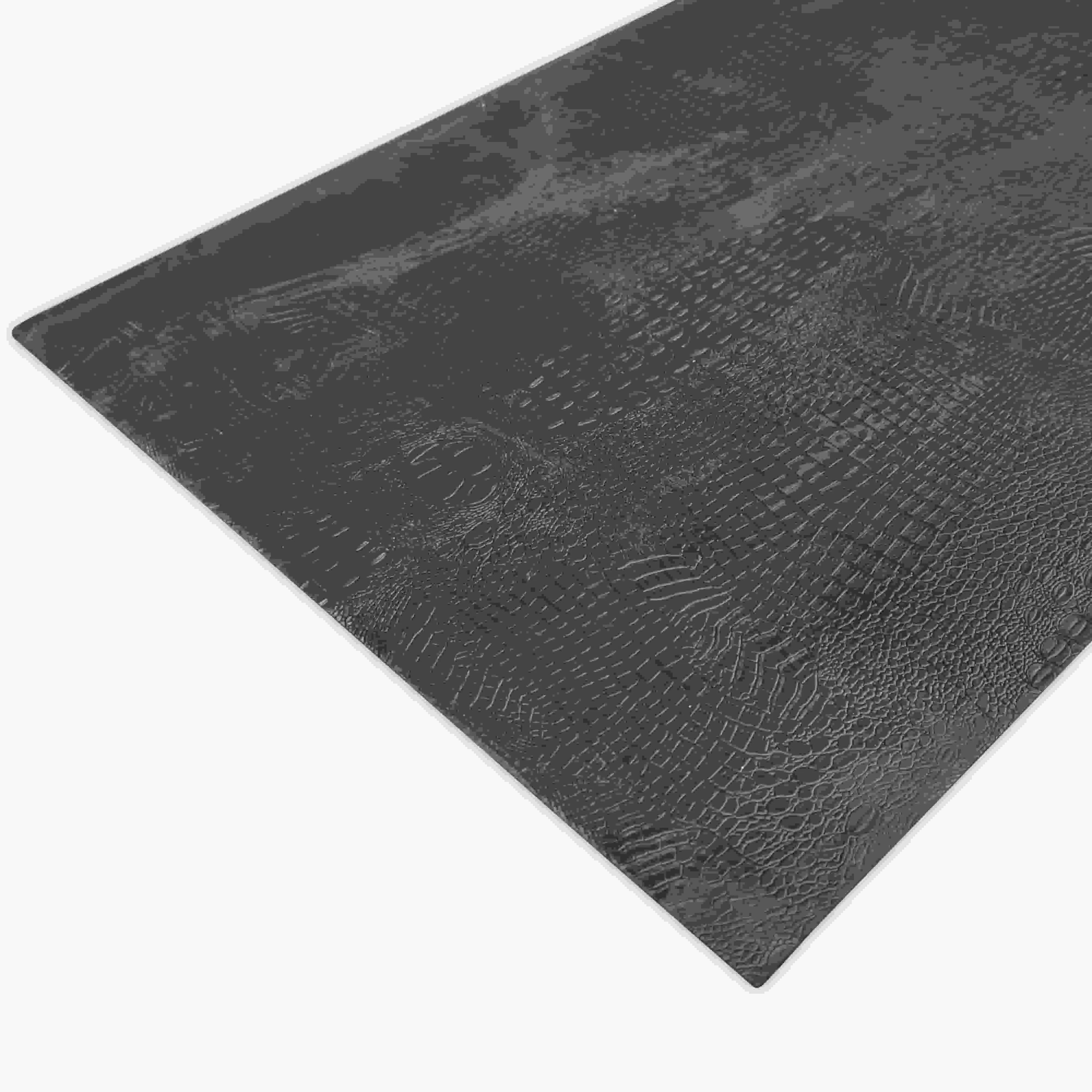
Okay, let's get a little technical— but I promise to keep it simple. The secret to Croco MCM's water resistance lies in its unique composition and manufacturing process. Traditional natural stones like marble or travertine have tiny pores all over their surface. These pores are like tiny cups waiting to catch water, soap scum, or oil, which over time leads to staining, discoloration, or even structural damage. Croco MCM, on the other hand, is made by compressing and bonding its composite materials under high pressure, which eliminates those pesky pores. The result? A surface that's not just water-resistant, but water-repellent .
Here's how it works: When water hits a Croco MCM wall, it beads up and rolls off—similar to how water beads on a newly waxed car. That's because the material's surface tension is lower than the water's, so the water can't "stick" to it. Even better, unlike some synthetic materials that feel plasticky or cheap, Croco MCM's top layer is designed to mimic the texture of natural stone, so it doesn't look or feel like a waterproof sheet. It's the best of both worlds: the beauty of stone, the practicality of a material that laughs in the face of moisture.
To put it to the test, let's compare it to a common alternative: fair-faced concrete. Now, fair-faced concrete is trendy—minimalist, industrial, and sleek. But while it's durable, it's still porous. Spill a glass of water on it, and if you don't wipe it up right away, it might leave a dark spot as the water seeps in. Over time, in a bathroom with steam, that can lead to mildew in the tiny cracks. Croco MCM? I've seen tests where they sprayed it with a hose for 30 minutes straight, and the wall behind it stayed bone dry. No seepage, no discoloration, just a surface that dried off in minutes. That's the kind of performance that matters when you're dealing with daily showers, sink splashes, or the occasional kitchen mishap.
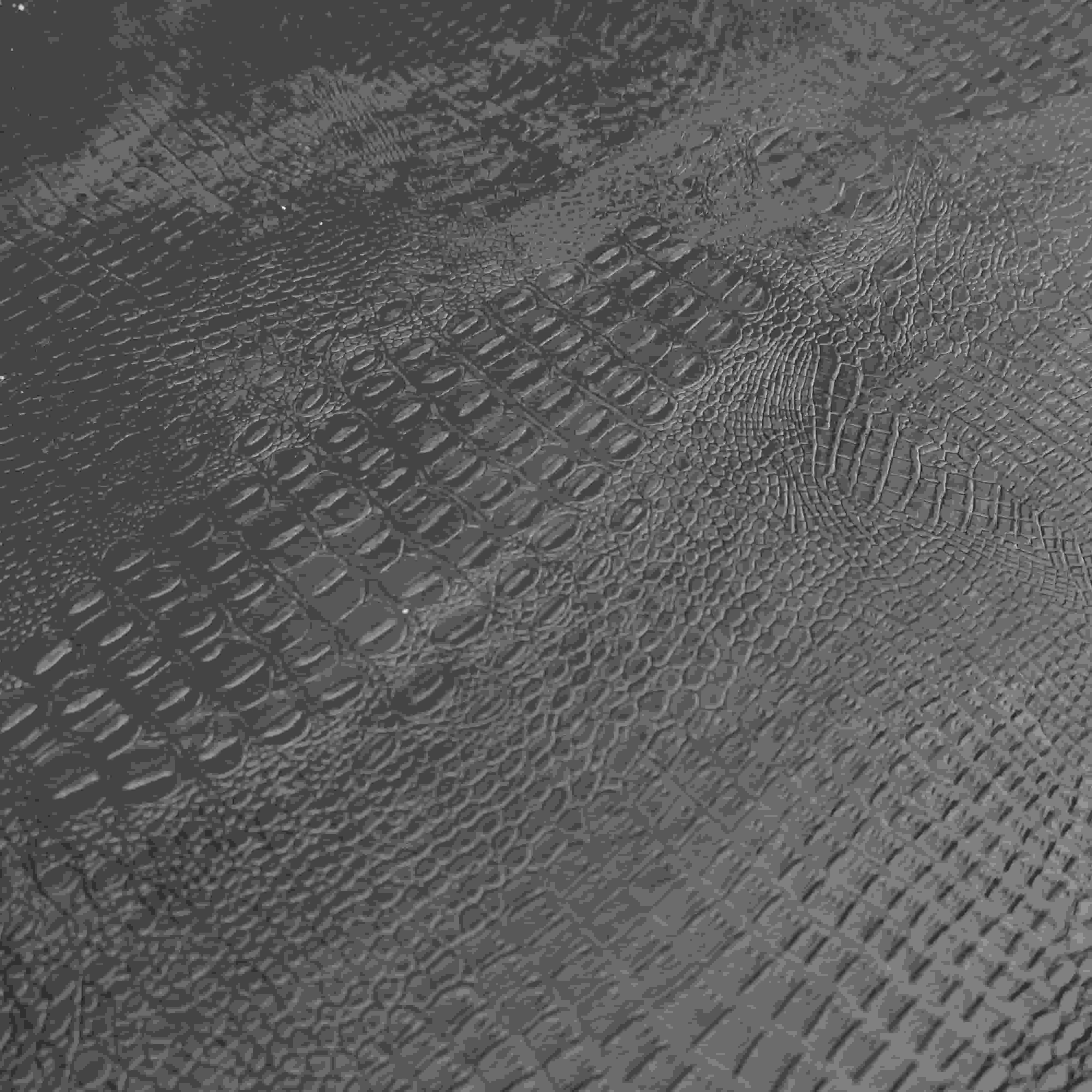
Let's talk bathrooms first—because if there's a space in your home that's a humidity battlefield, it's this one. Think about it: hot showers that fog up mirrors, steam that clings to walls, and cleaning products that range from harsh bleach to citrus-scented sprays. Traditional wall materials don't stand a chance here. Marble etches with acid-based cleaners, travertine absorbs moisture and breeds mold, and even painted drywall starts to peel or bubble after a few years. So what makes Croco MCM different in this chaos?
Take my friend Sarah, for example. She renovated her bathroom last year and insisted on using "natural materials" for that "organic vibe." She went with travertine (beige) on the walls, thinking it would look warm and earthy. Fast forward six months: the walls around her shower had developed dark, splotchy water stains that wouldn't come off, and there was a faint musty smell in the corners. Her contractor told her she needed to seal the stone every three months, which meant hiring a professional each time—costing her time and money. Frustrated, she switched to Croco MCM Flexible Stone in a similar travertine (beige) finish. A year later, she texts me photos of her bathroom walls: still looking brand-new, no stains, no mold, and she cleans them with nothing more than a damp cloth and mild soap. "I can't believe I wasted so much time stressing over those travertine walls," she says. "This stuff just works."
The key here is that Croco MCM isn't just resistant to standing water—it handles humidity, too. In a bathroom, even if you don't have direct splashes, the air is thick with moisture. Over time, that moisture can seep into porous materials and cause all sorts of issues. Croco MCM's non-porous surface means it doesn't absorb that humidity, so it won't warp, crack, or grow mold. And because it's flexible, it can handle the slight expansion and contraction that comes with temperature changes (hello, hot showers followed by cold tile floors) without cracking—something rigid materials like ceramic tile often struggle with.
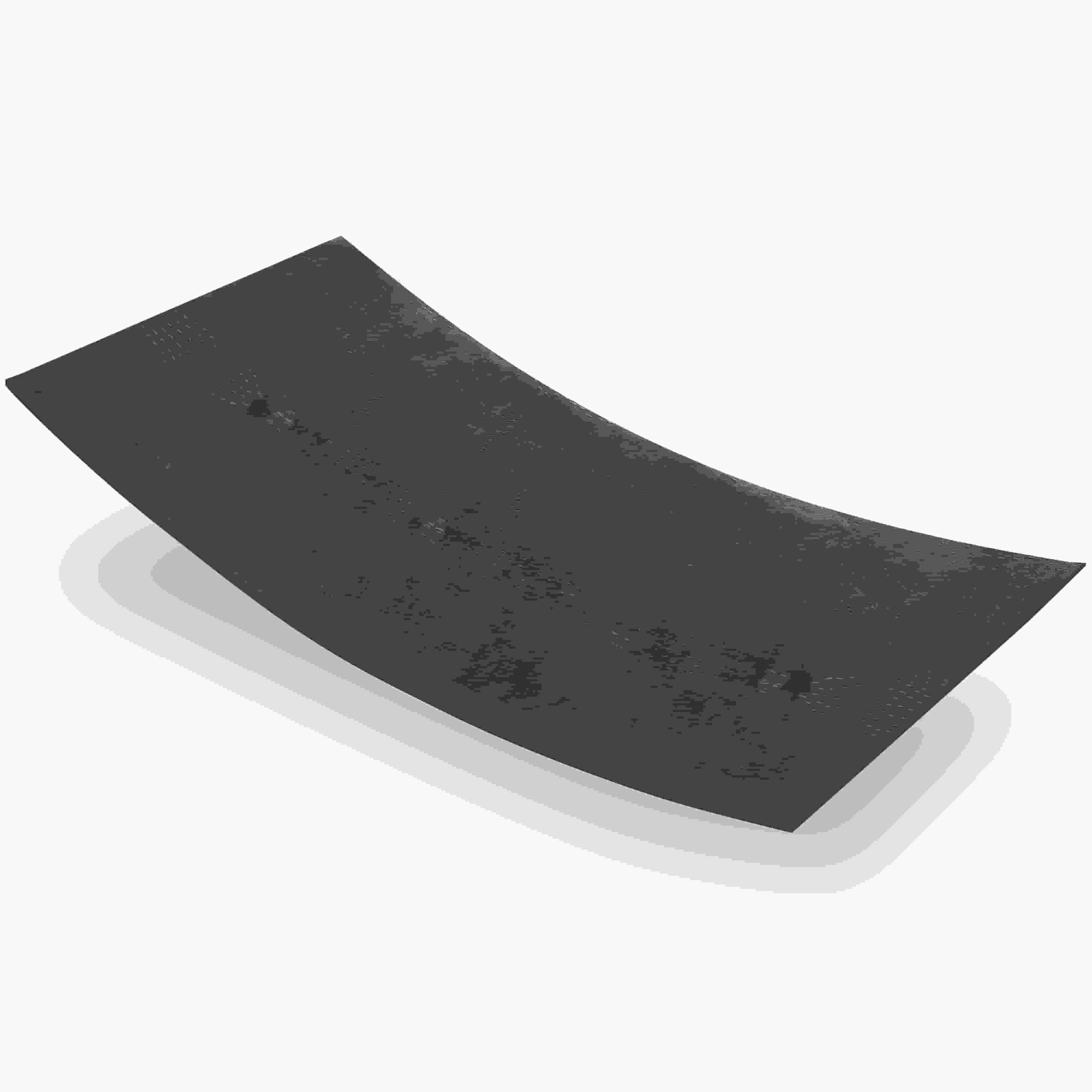
Now, let's move to the kitchen—the heart of the home, and a place where walls take a beating in a whole different way. We're talking oil splatters from frying pans, water from boiling pasta, tomato sauce that splashes when you stir too vigorously, and even heat from ovens and stovetops. A kitchen wall needs to be tough enough to handle all of that, plus look good doing it. Traditional options? They fall short here, too. Marble stains with oil, painted walls need repainting every few years, and even tile grout lines can trap food particles and get gross over time.
Imagine this: You're hosting a dinner party, and you're making your famous spaghetti sauce. You're multitasking, stirring the pot while chatting with guests, and—oops!—the spoon slips, sending a red splatter across your kitchen wall. If that wall is painted, you're probably looking at a permanent stain. If it's travertine, that sauce is seeping into the pores before you can even grab a paper towel. But with Croco MCM? You grab a damp cloth, wipe it off, and the wall looks like nothing happened. No scrubbing, no harsh chemicals, no panic. That's the reality of cooking in a kitchen with Croco MCM walls.
But it's not just about splashes. Kitchens are also prone to grease buildup, especially near the stovetop. Grease can be tricky because it's sticky and can attract dust, leading to a grimy film over time. Croco MCM's smooth, non-porous surface makes grease cleanup a breeze—just a little soapy water and a sponge, and it's gone. Compare that to fair-faced concrete, which, while durable, has a rough texture that can trap grease in its tiny crevices, making it almost impossible to get truly clean. And let's not forget heat: if you've ever had a wall near a stove that's discolored from years of heat exposure, you know the struggle. Croco MCM is heat-resistant up to 120°C (that's 248°F), so even if your pot boils over and steam hits the wall, or your oven door is left open, it won't warp or discolor.

Still on the fence? Let's break it down with a side-by-side comparison of Croco MCM Flexible Stone and some common alternatives. This should help you see why it's becoming a go-to for homeowners and designers alike:
| Material | Water Resistance | Durability | Maintenance | Aesthetic | Sustainability |
|---|---|---|---|---|---|
| Croco MCM Flexible Stone | Excellent (non-porous, water-repellent) | High (flexible, resistant to cracks/impact) | Low (wipe with damp cloth; no sealing needed) | Mimics natural stone (travertine, marble, etc.) with varied textures/colors | Good (uses recycled materials; low VOCs; green building materials certified) |
| Natural Travertine | Poor (porous; absorbs water/stains) | Medium (brittle; prone to chipping) | High (seal every 3-6 months; professional cleaning recommended) | Authentic natural beauty; unique veining/textures | Medium (quarrying can impact environment) |
| Fair-Faced Concrete | Medium (porous; may stain if not sealed) | High (strong, but rigid; prone to cracking over time) | Medium (seal annually; hard to clean grease/stains) | Industrial, minimalist look; limited color options | Medium (high carbon footprint in production) |
| Marble | Poor (porous; etches with acid; stains easily) | Low (soft; scratches/chips easily) | Very High (seal every 2-3 months; avoid acidic cleaners) | Luxurious, timeless; classic veining | Low (quarrying, high water usage in production) |
As you can see, Croco MCM pulls ahead in the areas that matter most for wet spaces: water resistance, durability, and low maintenance. And while natural stone like marble or travertine wins points for "authenticity," the trade-off in upkeep is often not worth it for busy homeowners. Plus, with Croco MCM's ability to mimic those natural looks, you're not sacrificing aesthetics—you're just getting a smarter version.
Okay, so we've established that Croco MCM is a rockstar when it comes to water resistance. But there's more to love here. Let's talk about flexibility—literally. Traditional stone slabs are heavy and rigid, which means they can only be installed on perfectly flat, structurally sound walls. If your home has old walls with slight curves or uneven surfaces, you're out of luck. Croco MCM, though, is flexible (hence the name), so it can conform to those irregularities without cracking. This makes installation easier, faster, and cheaper—no need to hire a structural engineer to reinforce your walls first.
Then there's the weight. A standard marble slab can weigh 100+ pounds per square foot, which means you need specialized equipment and extra labor to install it. Croco MCM? It weighs in at around 5-8 pounds per square foot. That's light enough for a couple of people to carry and install without heavy machinery. For homeowners doing a DIY renovation or working with a tight budget, that's a huge win.
And let's not forget design versatility. Croco MCM comes in a mind-boggling array of styles, colors, and textures—from the subtle elegance of travertine (starry red) to the industrial edge of foamed aluminium alloy board (vintage silver), and even the warm, earthy look of rammed earth board (matcha green). Whether you want a modern, minimalist kitchen with fair-faced concrete vibes or a bohemian bathroom with the look of bali stone, there's a Croco MCM finish for you. And because it's manufactured, the color and texture are consistent across panels—no more worrying about getting a "bad batch" of natural stone with weird discoloration.
Pro Tip: Designing with Croco MCM
Want to make a statement? Mix and match textures! For example, use a smooth travertine (vintage gold) finish on most of your bathroom walls, then add an accent wall with wave panel texture in the same color family. The water resistance means you don't have to worry about grout lines between different textures, either—just seamless, beautiful walls that can handle whatever your day throws at them.
In today's world, we're all trying to make more eco-friendly choices, and home materials are no exception. So how does Croco MCM stack up in the sustainability department? Pretty well, as it turns out. Since it's a modified composite material panel, it uses a blend of natural minerals and recycled polymers, which reduces the need for quarrying virgin stone. Quarrying natural stone is energy-intensive and can have a negative impact on local ecosystems, so using a material that minimizes that is a win for the planet.
Additionally, Croco MCM is considered a green building material, meaning it meets strict standards for low volatile organic compounds (VOCs)—no harmful fumes off-gassing into your home. It's also lightweight, which reduces transportation emissions compared to hauling heavy stone slabs. And because it's so durable, it has a long lifespan—you won't need to replace it every 5-10 years like you might with painted walls or even some tile. Less replacement means less waste, which is always good for the environment.
Compare that to natural travertine or marble, which often requires long-distance shipping (hello, carbon footprint) and significant water usage in processing. Or fair-faced concrete, which has a high carbon footprint due to cement production. If sustainability is a priority for you, Croco MCM checks that box, too.
At the end of the day, choosing wall materials for your bathroom or kitchen comes down to balancing beauty, functionality, and budget. If you want walls that look like high-end natural stone but don't require constant maintenance, can handle water, humidity, and daily wear and tear, and won't break the bank in installation or upkeep—then yes, Croco MCM Flexible Stone is absolutely worth considering.
It's not just a material—it's a solution for people who want to enjoy their homes without stressing over stains, mold, or expensive repairs. It's for the busy parent who doesn't have time to seal stone every few months, the home cook who loves experimenting (and occasionally splattering) in the kitchen, and anyone who believes their home should be both beautiful and practical.
So, the next time you're planning a bathroom or kitchen renovation, don't just settle for "the usual" materials. Ask your contractor about Croco MCM Flexible Stone. Trust me—your future self (and your walls) will thank you.
Recommend Products












