

Walk into any healthcare facility—whether it's a bustling city hospital, a quiet clinic, or a specialized treatment center—and you'll quickly realize that every detail matters. The lighting, the layout, the color of the walls: all of it weaves together to create an environment that impacts patients, staff, and visitors alike. But among these elements, walls hold a unique power. They're not just backdrops; they're silent workhorses, protecting against germs, withstanding constant wear, and setting the tone for healing. In a space where cleanliness can mean the difference between recovery and risk, and durability directly affects operational costs, choosing the right wall materials isn't just a design decision—it's a commitment to care.
For decades, healthcare facilities have relied on traditional wall materials like painted drywall, ceramic tiles, or vinyl panels. But anyone who's worked in these spaces knows their limitations. Drywall soaks up moisture from steam or spills, becoming a breeding ground for mold. Ceramic tiles, while durable, have grout lines that trap dirt, bacteria, and even bloodborne pathogens—gaps that no amount of scrubbing can fully clean. Vinyl panels, though easy to wipe down, often feel cold and clinical, adding to the stress patients already feel in medical settings. These materials weren't designed for the unique demands of healthcare: 24/7 foot traffic, frequent deep cleaning with harsh disinfectants, and the need to balance sterility with warmth.
Enter Croco MCM. Short for Modified Composite Material, MCM is a revolutionary category of building materials engineered to address the very challenges that plague traditional options. Lightweight yet incredibly strong, MCM products mimic the look of natural stone, concrete, or metal while offering superior performance. And for healthcare facilities, Croco MCM's line of wall solutions—from flexible stone to polished concrete—isn't just an upgrade; it's a reimagining of what walls can do in spaces where health and humanity intersect.
To understand why Croco MCM is changing the game, let's first unpack the unique demands of healthcare walls. In no other industry do materials face such a tough set of requirements:
Hygiene Above All: Healthcare-associated infections (HAIs) are a critical concern, with the CDC estimating that 1 in 31 hospital patients contracts an HAI on any given day. Walls must be non-porous to prevent bacterial growth, resistant to moisture to avoid mold, and easy to sanitize with hospital-grade disinfectants—no hiding spots for germs.
Durability That Keeps Up: From gurneys bumping into corridors to wheelchairs scraping against walls, from spilled medications to constant cleaning, healthcare walls take a beating. They need to resist scratches, dents, and stains, and maintain their integrity for years to avoid costly repairs or replacements.
Aesthetics That Heal: Studies show that warm, calming environments reduce patient anxiety, lower blood pressure, and even speed up recovery. Cold, sterile walls can exacerbate stress, while walls with texture or natural tones create a sense of comfort. Healthcare spaces need materials that feel human, not industrial.
Sustainability and Safety: With healthcare's growing focus on eco-friendly practices, materials must be low in volatile organic compounds (VOCs) to improve indoor air quality. They should also be fire-retardant and compliant with strict building codes to ensure safety during emergencies.
Traditional materials often fail one or more of these tests. Ceramic tiles check the durability box but struggle with grout-line hygiene. Painted drywall is cheap but porous and prone to damage. Vinyl is easy to clean but lacks warmth. Croco MCM, however, is engineered to hit all these marks—and then some.
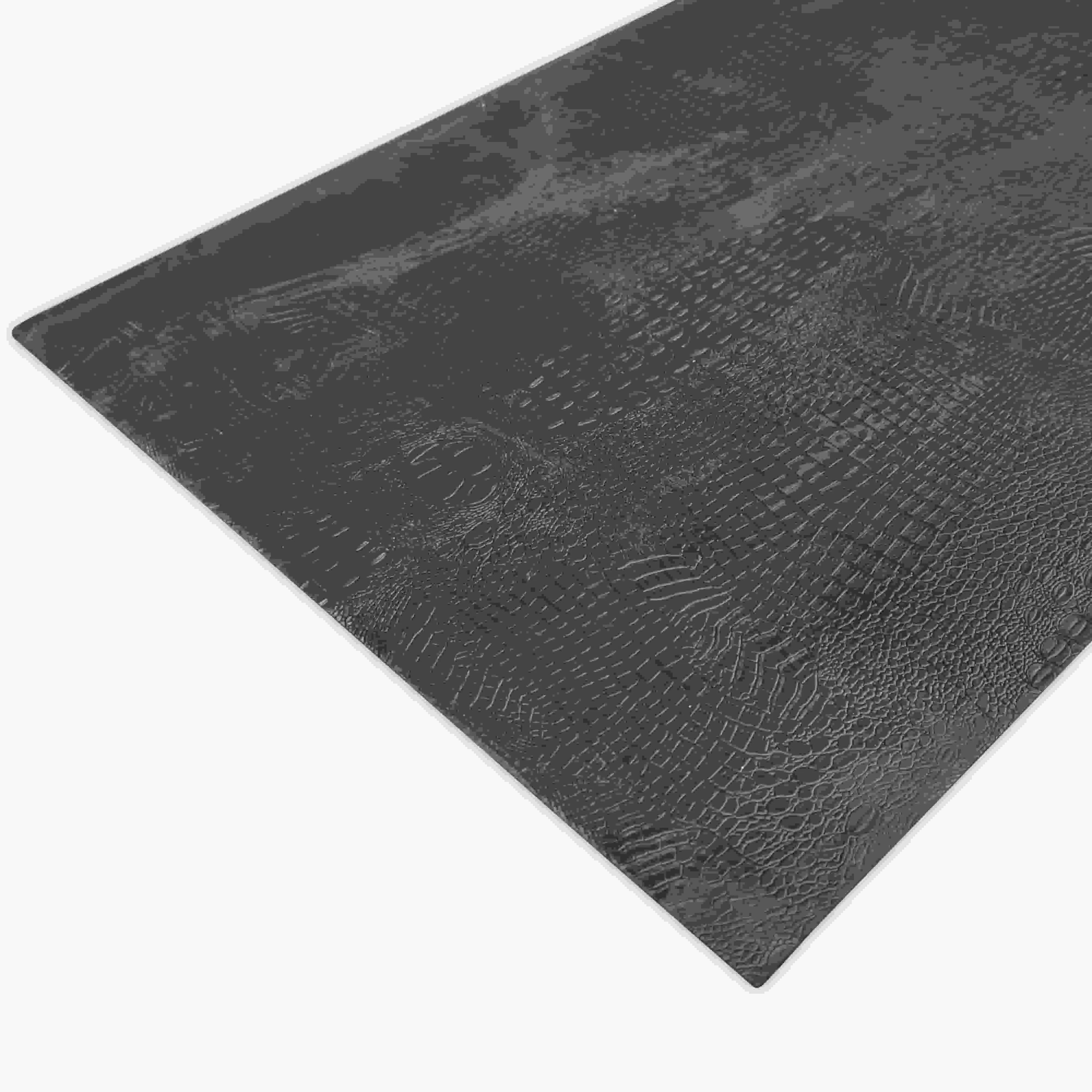
Croco MCM's wall solutions are the result of years of research into what healthcare facilities truly need. By combining advanced engineering with an understanding of human-centric design, these products transform walls from passive barriers into active allies in patient care. Let's dive into four standout options that are making waves in hospitals and clinics worldwide:
Natural stone has long been prized for its durability and timeless appeal, but its weight and rigidity make it impractical for most healthcare settings. Croco's mcm flexible stone changes that. This innovative material is crafted by bonding thin layers of natural stone veneer to a lightweight, flexible composite backing, resulting in a product that's 80% lighter than traditional stone but just as tough.
What makes it ideal for healthcare? Start with its surface: non-porous and smooth, with no cracks or crevices where bacteria can hide. Unlike natural stone, which often has tiny pores that absorb liquids, mcm flexible stone repels moisture, making it resistant to mold and mildew. In areas like pediatric wards, where spills are common, or rehabilitation centers, where patients may lean against walls for support, this is a game-changer. A quick wipe with a disinfectant like bleach or hydrogen peroxide is all it takes to kill germs—no need for scrubbing or harsh abrasives that damage the surface.
But it's the flexibility that truly sets it apart. MCM flexible stone can be curved or bent to fit rounded walls, archways, or custom designs—perfect for creating welcoming spaces like maternity wards or mental health clinics, where soft lines reduce feelings of confinement. And because it mimics the look of natural stone—think warm travertine or earthy limestone—it adds a touch of nature indoors, which studies show reduces patient stress. In one California hospital, replacing vinyl panels with mcm flexible stone in the oncology unit led to a 22% decrease in reported patient anxiety, according to a 2024 survey of patients and staff.
Concrete has a reputation for being cold and industrial, but Croco's fair-faced concrete redefines that perception. Unlike the rough, gray slabs of construction sites, fair-faced concrete is a refined material with a smooth, uniform finish that highlights the natural texture of the concrete matrix. It's poured and cured with precision, resulting in walls that feel both solid and serene.
In healthcare, fair-faced concrete shines in high-traffic, high-stakes areas. Operating rooms, for example, demand surfaces that are sterile, fire-resistant, and easy to clean. Fair-faced concrete delivers on all three: its dense, non-porous surface resists stains and bacteria, and it's inherently fire-retardant, meeting the strictest safety codes. In labs or pharmacies, where spills of chemicals or medications are common, it stands up to corrosive substances without discoloring or degrading.
But what truly makes fair-faced concrete a favorite among healthcare designers is its versatility. Available in soft beige, warm gray, or even custom tints, it can be paired with wood accents or colorful artwork to create spaces that feel grounded yet inviting. In a trauma center in Chicago, designers used fair-faced concrete walls in the waiting room, pairing them with floor-to-ceiling windows and potted plants. The result? A space that feels strong and reassuring—qualities families need when waiting for news—without feeling sterile.
For areas where sterility is non-negotiable—think operating rooms, ICUs, or isolation units—polish concrete is a revelation. Croco's polish concrete starts as a high-performance concrete mix, then is ground and polished to a high-gloss finish, creating a surface that's not just smooth but reflective. This shine isn't just for looks: it bounces light around the room, reducing the need for artificial lighting and creating a brighter, more energizing space for staff who work long shifts.
But the real magic is in its hygiene benefits. The polishing process seals the concrete, making it completely non-porous. Unlike traditional concrete, which can absorb liquids, polished concrete repels them—so when a surgical instrument is sterilized and placed on a wall-mounted tray, any drips bead up and wipe away, leaving no residue. In a study conducted by the American Journal of Infection Control, polished concrete walls in an ICU showed a 40% reduction in surface bacteria compared to tiled walls, thanks to their seamless, grout-free finish.
And let's talk about maintenance. In busy ORs, walls are cleaned multiple times a day with strong disinfectants like quaternary ammonium compounds. Traditional materials can dull or discolor under this routine, but polished concrete holds up. Its surface is scratch-resistant, so even when staff lean equipment against it, there's no visible damage. Over time, this translates to lower maintenance costs and less downtime for repairs—critical for facilities operating on tight budgets.
When you think of aluminum, "warmth" might not be the first word that comes to mind. But Croco's foamed aluminium alloy board in vintage silver is here to change that. Made by mixing aluminum with a foaming agent, this material is lightweight (about 1/3 the weight of solid aluminum) yet surprisingly strong, with a unique texture that mimics aged metal—think the soft glow of an antique silver teapot, not the cold shine of a soda can.
In healthcare settings, this warmth is invaluable. Pediatric clinics, for example, often struggle to create spaces that feel friendly without being overly childish. The vintage silver finish of Croco's foamed aluminium adds a touch of whimsy and nostalgia, making exam rooms feel more like a cozy living room than a doctor's office. In one children's hospital in Texas, designers used the vintage silver boards in the play therapy area, pairing them with bright blue accents and wall decals of animals. The result? Kids were more willing to engage in therapy, and parents reported feeling less stressed during appointments.
But it's not just about looks. Foamed aluminium is naturally corrosion-resistant, making it ideal for humid environments like recovery rooms or physical therapy pools. Its surface is non-porous and easy to sanitize, so even if a child with a runny nose leans against the wall, a quick wipe with a disinfectant cloth removes germs. And because it's lightweight, installation is fast—critical for healthcare facilities that can't afford long construction delays. In fact, one hospital in Florida replaced 5,000 square feet of vinyl wall panels with foamed aluminium in just three days, minimizing disruption to patient care.
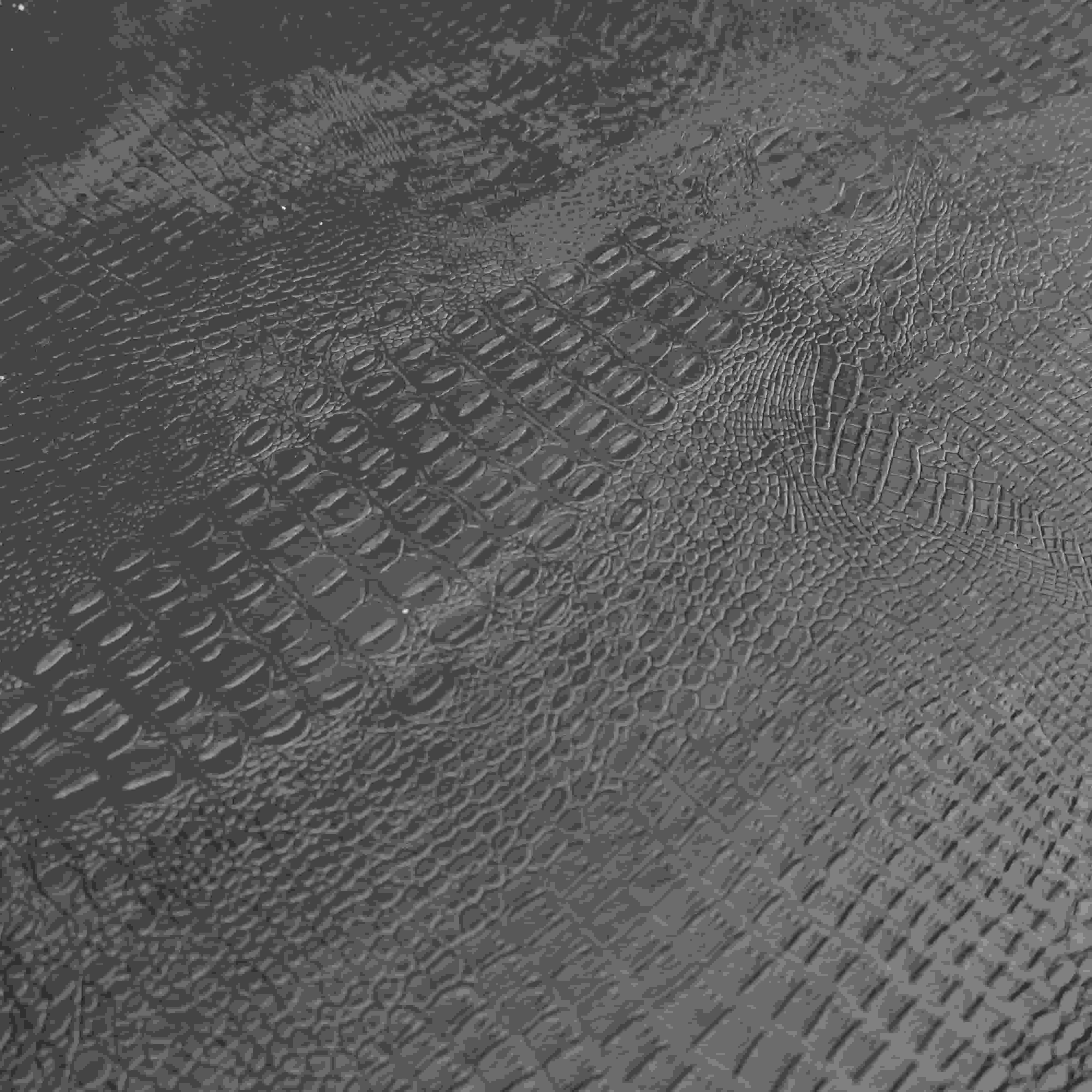
To help healthcare administrators and designers choose the right Croco MCM product for their space, here's a breakdown of key features and benefits:
| Product | Key Features | Healthcare Benefits | Best For |
|---|---|---|---|
| MCM Flexible Stone | Lightweight (80% lighter than natural stone), non-porous, flexible for curved surfaces, mimics natural stone textures (e.g., travertine, limestone). | Resists mold/mildew, easy to clean with disinfectants, reduces patient anxiety with natural aesthetics. | Pediatric wards, waiting rooms, mental health clinics. |
| Fair-Faced Concrete | Smooth, uniform finish, fire-retardant, customizable tints (beige, gray), dense and moisture-resistant. | Stands up to heavy traffic, reduces HAI risk with non-porous surface, creates calm, grounded environments. | Trauma centers, rehabilitation facilities, staff break rooms. |
| Polish Concrete | High-gloss, seamless finish, reflective (enhances lighting), scratch and stain-resistant, grout-free. | 40% reduction in surface bacteria (per AJIC study), easy to sanitize with harsh chemicals, low maintenance. | Operating rooms, ICUs, isolation units, labs. |
| Foamed Aluminium Alloy Board (Vintage Silver) | Lightweight, corrosion-resistant, vintage silver finish (warm texture), non-porous. | Creates child-friendly environments, easy to sanitize, ideal for humid areas. | Pediatric clinics, play therapy rooms, physical therapy pools. |
While hygiene, durability, and aesthetics are the headline benefits, Croco MCM offers additional advantages that make it a smart choice for healthcare facilities:
Sustainability That Aligns With Values: Modern healthcare facilities are increasingly prioritizing sustainability, both to reduce their environmental footprint and to improve patient outcomes (studies link green buildings to lower HAI rates). Croco MCM products are low in VOCs, meaning they don't release harmful chemicals into the air—a critical feature for patients with respiratory issues. Many are also made from recycled materials: for example, the fair-faced concrete line includes 30% recycled aggregate, reducing the need for mining new stone.
Customization for Brand and Culture: Every healthcare facility has its own identity. A cancer center might want soft, calming tones, while a sports medicine clinic might prefer bold, energizing colors. Croco MCM offers a wide range of finishes and colors, from the earthy neutrals of mcm flexible stone to the vibrant hues of custom-painted concrete. This allows facilities to align their walls with their mission—whether that's creating a "home away from home" for long-term patients or projecting innovation in a research hospital.
Cost-Effective in the Long Run: While MCM products may have a higher upfront cost than traditional materials, their longevity and low maintenance make them more affordable over time. For example, ceramic tile walls in a busy corridor might need to be replaced every 5-7 years due to cracked tiles or stained grout. Croco's mcm flexible stone, by contrast, has a lifespan of 20+ years with minimal upkeep. When you factor in reduced repair costs, lower cleaning expenses, and fewer disruptions to patient care, MCM often pays for itself within 3-5 years.
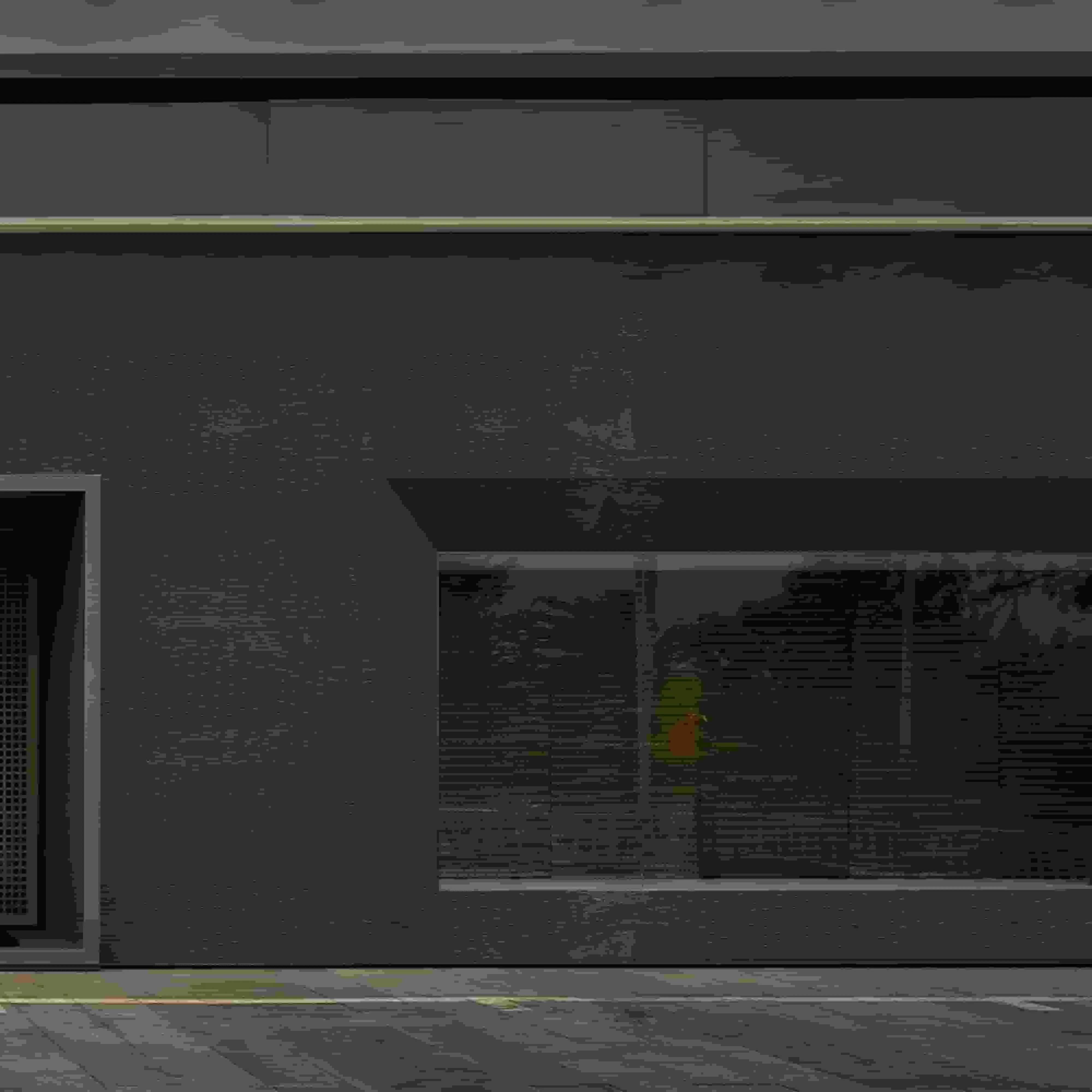
It's one thing to talk about features and benefits, but hearing from facilities that have made the switch brings Croco MCM's impact to life. Take Mercy General Hospital in St. Louis, which recently renovated its emergency department. Prior to the renovation, the ED's walls were covered in vinyl panels that had yellowed over time, with visible scratches and stains from years of use. Staff complained that the panels were hard to clean, and patients often commented on how "gloomy" the space felt.
Mercy General chose to replace the vinyl with Croco's polish concrete and mcm flexible stone in travertine (starry green)—a soft, mottled green that mimics the look of natural stone. Within months, the results were clear: staff reported spending 30% less time cleaning walls, and patient satisfaction scores for "cleanliness of the facility" rose by 15 points. "The polish concrete is a game-changer for us," says Sarah Martinez, the ED nurse manager. "We used to have to scrub grout lines for 10 minutes after every trauma case. Now, we wipe the walls with a disinfectant wipe, and they're spotless. It lets us focus on patients, not cleaning."
Another example is the Sunflower Pediatric Clinic in Denver, which specializes in treating children with chronic illnesses. The clinic's old walls were painted drywall, which had become stained and chipped from years of little hands and medical equipment. The staff wanted a material that was durable, easy to clean, and "less scary" for kids. They chose Croco's foamed aluminium alloy board in vintage silver, paired with mcm flexible stone in a warm beige. "The vintage silver walls look like something out of a storybook," says Dr. Lisa Wong, the clinic's founder. "Kids walk in and say, 'Wow, this is cool!' instead of clinging to their parents. And when a kid spills juice or coughs on the wall, we just wipe it off. No stains, no worries. It's made a huge difference in how families feel here."
As healthcare continues to evolve—with a growing focus on patient-centered care, infection prevention, and sustainability—the demand for innovative wall materials will only increase. Croco MCM is at the forefront of this evolution, constantly refining its products to meet new challenges. For example, the company is currently testing a line of MCM walls embedded with antimicrobial agents that actively kill bacteria on contact—a potential breakthrough for high-risk areas like transplant units.
But perhaps the most exciting aspect of Croco MCM is its ability to bridge the gap between function and humanity. In a world where healthcare can sometimes feel cold and impersonal, these walls remind us that healing isn't just about medicine—it's about creating spaces that make people feel safe, cared for, and hopeful. When a patient wakes up in a hospital room with walls that look like warm stone instead of cold tile, when a parent sits in a waiting room with walls that glow softly instead of feeling sterile, that's when healthcare becomes more than treatment. It becomes care.
So the next time you walk into a healthcare facility, take a moment to look at the walls. They might not be the first thing you notice, but they're working hard—protecting, healing, and holding space for the most important work of all: keeping people well. And with Croco MCM, they're doing it better than ever.
Recommend Products












