

Where the Past Whispers and the Present Speaks—Crafting Spaces That Breathe History, Built to Last Today
There's a quiet magic in stepping into a building that's stood for centuries. The creak of wooden floors that remember generations of footsteps, the weathered stone walls that have sheltered stories of love and loss, the arched doorways that frame views unchanged by time—historic architecture isn't just about bricks and mortar. It's about preserving the soul of a place. But here's the challenge: those same buildings, so rich with history, often struggle to keep up with modern life. Cracks in the masonry, outdated insulation, materials that are heavy and hard to replace—these aren't just practical problems. They're threats to the very stories we're trying to protect.
This is where Croco MCM steps in. Short for Modified Composite Material, MCM isn't just a new type of building material—it's a bridge between eras. Designed to mimic the look and feel of natural stone, wood, and metal, but with the durability and flexibility modern construction demands, MCM products like the project board series , 3D printing series , and flexible stone are redefining how we approach historic renovation. They let us honor the past without being trapped by it, turning crumbling courtyards into vibrant community spaces and drafty manors into cozy, energy-efficient homes.
Let's say you're restoring a 1920s art deco theater. The facade, once gleaming with terracotta tiles and gold leaf, is now chipped and faded. The original tiles are impossible to source—they were made by a factory that closed in 1950. You could replace them with modern ceramic tiles, but they'd look too shiny, too new, like a bad costume on a classic character. Or you could try to replicate the original tiles by hand, but that would cost a fortune and take months, delaying the project. And even then, the new tiles might not stand up to the elements as well as the old ones did. This is the tightrope walk of historic renovation: how do you repair, replace, or add to a building without erasing its identity?
Weight is another invisible enemy. Many historic structures weren't built to handle heavy modern materials. Adding thick, solid stone cladding to a 17th-century cottage with fragile wooden beams could lead to structural damage, even collapse. Then there's sustainability—ripping out old materials and carting them to landfills contradicts the "preservation" mission. We want to keep history alive, but we also want to build for a future where resources matter.
And let's not forget the emotional side. A community's connection to a historic building isn't just about its looks; it's about how it feels. Run your hand along a weathered limestone wall, and you can almost feel the years in its texture. Swap that out for a smooth, generic panel, and something intangible is lost. The building stops feeling "lived-in" and starts feeling like a museum exhibit—beautiful, but not quite alive.
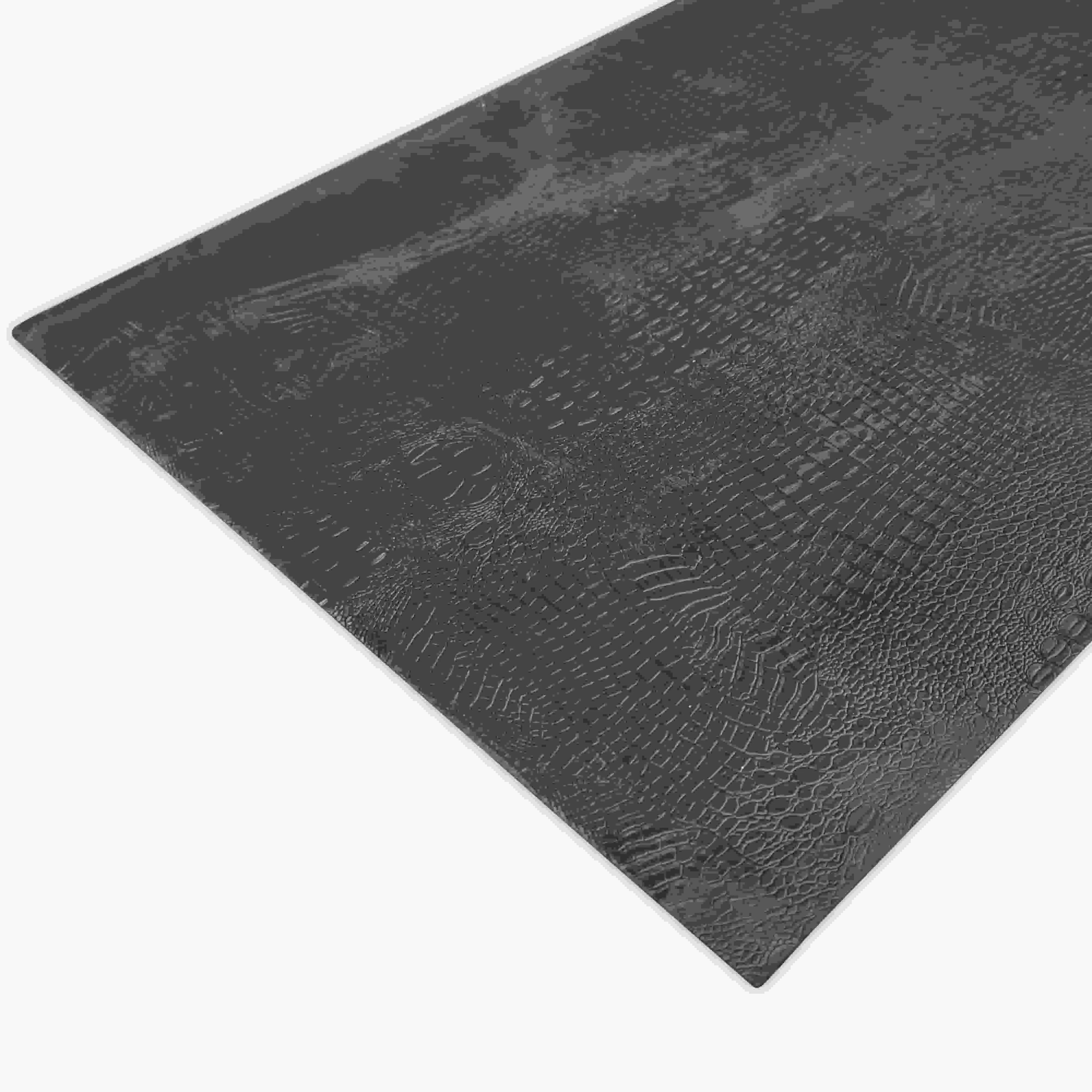
Enter MCM flexible stone, the unsung hero of historic renovation. At first glance, you'd swear it's real stone. Run your fingers over it, and you'll feel the same rough-hewn texture as a centuries-old travertine block or the smooth coolness of marble. But here's the secret: MCM flexible stone is just 3-5mm thick, weighing a fraction of natural stone. That means you can clad a 200-year-old brick wall without adding stress to its foundations. It's also durable—resistant to moisture, UV rays, and temperature swings—so it won't crack or fade like the original materials might have.
Take travertine (starry green) , part of Croco's travertine series. Travertine has been used in architecture for millennia, from the Colosseum to the Roman Forum. Its porous surface, with tiny holes and veins, tells a story of slow formation, layer by layer, over centuries. Croco's MCM version captures that same organic, time-worn look, but with a twist: the "starry" finish adds subtle flecks of color that catch the light, like stars twinkling in a night sky. Imagine using this on the exterior of a 19th-century townhouse in Paris—suddenly, the building feels both rooted in its past and ready for the future.
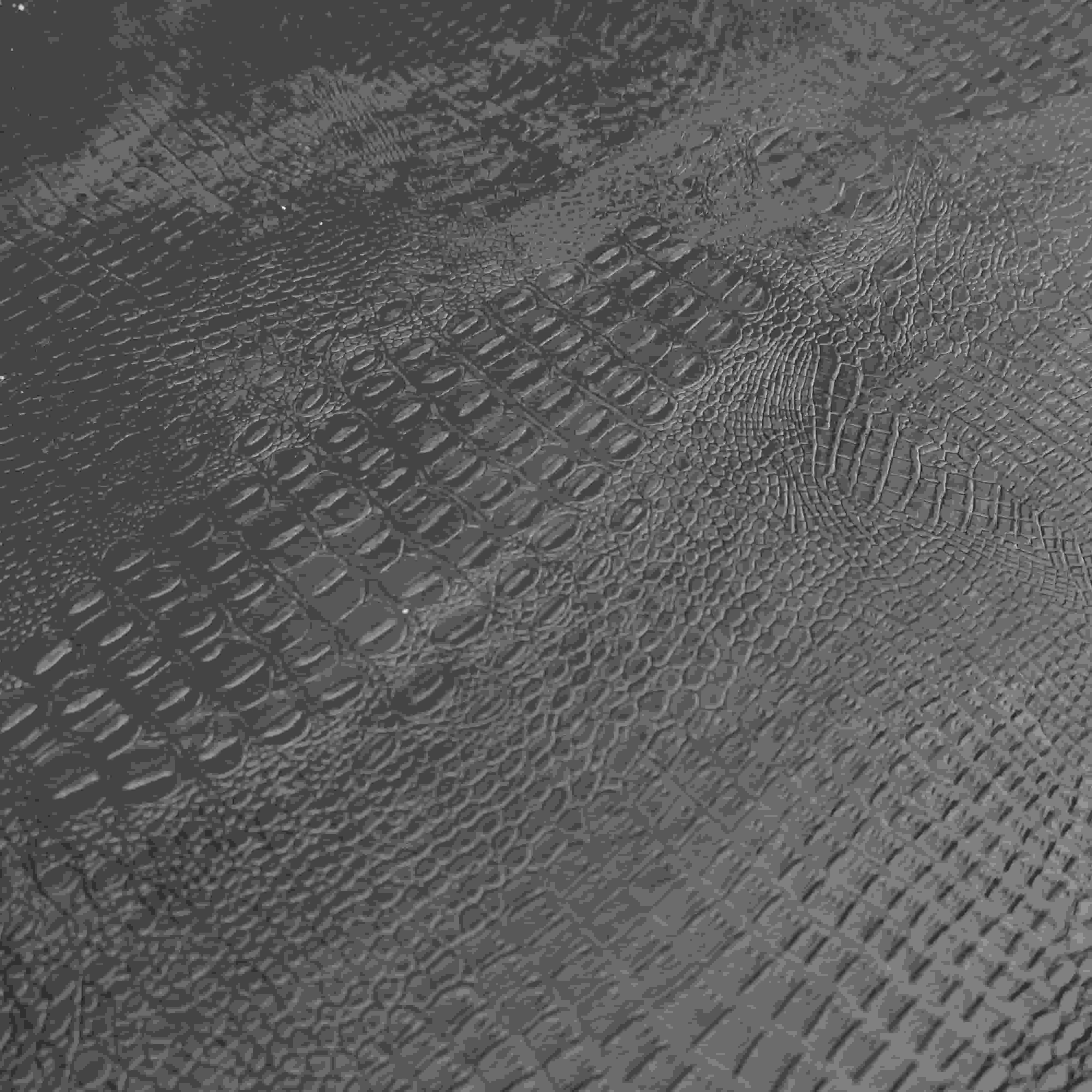
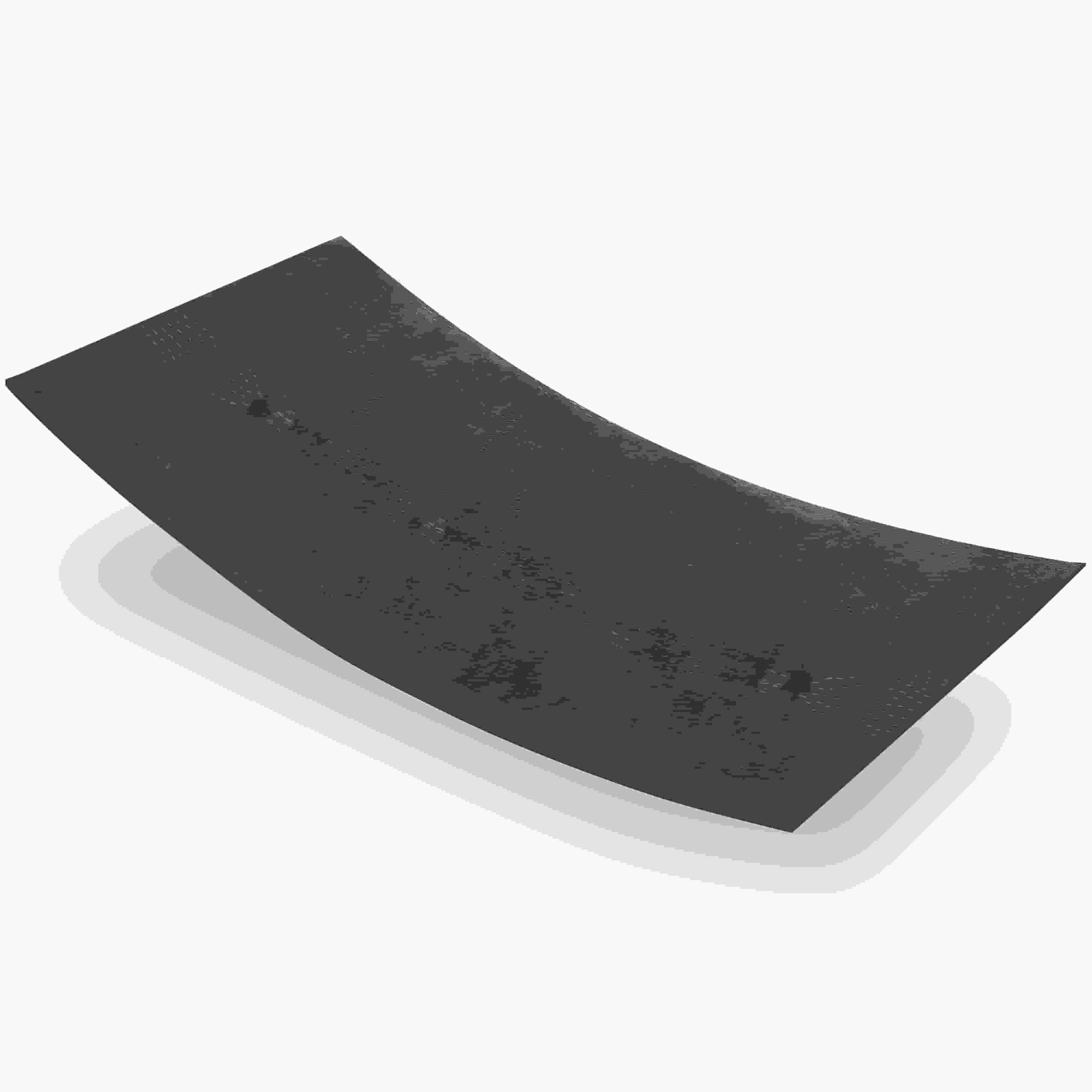
But MCM isn't just about stone. The lunar peak series — silvery , golden , and black —draws inspiration from the moon's cratered surface, with a texture that mimics aged metalwork. Think of a medieval castle's iron gates, now rusted and pitted with time. Lunar peak silvery captures that weathered elegance, but in a lightweight, corrosion-resistant panel that can be used to restore a gate or add accents to a heritage hotel's lobby. It's history, but with a modern backbone.
| Challenge | Traditional Solution | MCM Solution |
|---|---|---|
| Heavy Materials Threatening Structural Integrity | Solid natural stone (e.g., marble, granite) weighing 20-30kg per sq.m | MCM flexible stone (3-5mm thick, 3-5kg per sq.m) – same look, 1/5th the weight |
| Limited Availability of Historic Materials | Custom-carved replicas (expensive, time-consuming) or generic modern substitutes | Travertine (starry green) and epoch stone – digitally scanned from original historic samples, mass-produced with precision |
| Need for Low-Maintenance, Long-Lasting Surfaces | Paint or sealants that require reapplication every 2-3 years | Fair-faced concrete and lunar peak silvery – UV-resistant, moisture-proof, with 50+ year lifespan |
| Balancing Historic Aesthetics with Modern Functionality | Sacrificing either look (too modern) or function (poor insulation, outdated design) | 3D printing series – customizable textures (e.g., wave panel , thread ) that blend historic motifs with modern acoustic/insulation needs |
*Data sourced from Croco MCM Material Testing Lab, 2024. Compared to industry standards for traditional building materials.
Travertine has been a staple of architecture since ancient Rome, prized for its warm, earthy tones and unique pitted texture. But the travertine (starry green) from Croco's MCM lineup isn't just a copy—it's a love letter to history with a modern twist. The base color mimics the soft, weathered green of travertine quarried in Tuscany in the 1800s, while the "starry" flecks of silver and gold add a subtle shimmer, like sunlight filtering through old glass windows. It's perfect for restoring a historic café's exterior, where you want to honor the building's 1920s roots but also make it stand out in today's streetscape.
The lunar peak silvery , golden , and black panels take inspiration from something even older than human history: the moon. Their surface is textured with tiny, crater-like indentations that mimic the wear and tear of centuries-old metal gates and railings. Imagine a 17th-century courtyard with rusted iron fences—replacing those with lunar peak golden panels would keep the weathered look but eliminate the need for constant repainting. The golden hue, with its subtle patina, even looks better as it ages, just like the original metalwork.
Epoch stone is for the purists. Designed to replicate the look of stone that's been exposed to wind, rain, and sun for decades—think of the weathered limestone on a medieval church—epoch stone has a rough, uneven surface that feels like it's been carved by time itself. But unlike real weathered stone, it's consistent in quality and easy to install. A recent project in Prague used epoch stone to restore the facade of a 15th-century townhouse, and locals swear they can't tell the difference between the original stone and the new MCM panels.
Fair-faced concrete isn't about flash—it's about honesty. With its raw, unpolished surface and visible aggregate, it looks like the kind of material a 19th-century engineer would have admired for its simplicity and strength. In historic renovations, it's often used for interior walls, where it complements original wooden beams and stone fireplaces. A converted 18th-century barn in the English countryside used fair-faced concrete for its kitchen backsplash, pairing the industrial-chic look with reclaimed wooden shelves and vintage brass fixtures. The result? A space that feels both old and new, like history and modernity shaking hands.
For larger surfaces—like the floor of a historic ballroom or the exterior of a grand theater—the big slab board series is a game-changer. These panels come in sizes up to 1200x2400mm, meaning fewer seams and a more seamless look that mimics the grandeur of original stone slabs. A recent renovation of a 1930s movie palace in Barcelona used big slab boards in travertine (vintage gold) for the lobby floors. The warm, golden tone echoes the theater's original art deco design, while the large slabs make the space feel open and expansive—perfect for modern audiences, but still true to the building's roots.
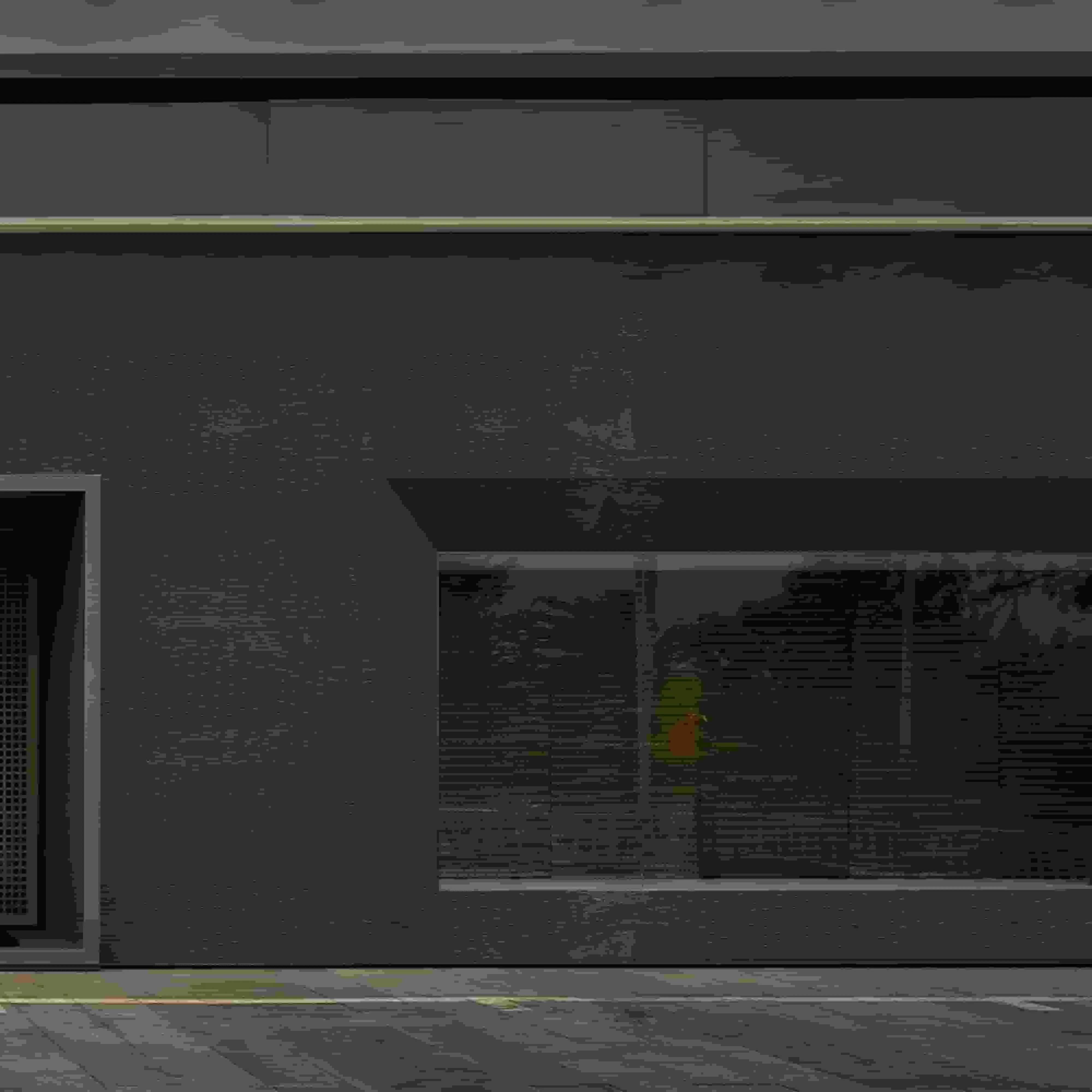
Let's walk through a real example. The Lincoln Street School in Portland, Oregon, was built in 1892. For decades, it served as the heart of the neighborhood, educating generations of kids. But by 2020, it was abandoned—windows broken, roof leaking, walls covered in graffiti. The local community wanted to save it, but converting it into a community center meant addressing structural issues, updating the layout, and making it energy-efficient. The biggest problem? The original exterior was clad in thick sandstone blocks, many of which were cracked or loose. Adding new sandstone would have been too heavy for the aging foundation. Using generic vinyl siding would have erased the school's historic character.
Enter Croco MCM's travertine (starry red) and lunar peak black panels. The architects scanned the original sandstone blocks to create a digital template, then used MCM flexible stone to replicate their texture and color. The starry red panels, with their subtle red and gold flecks, matched the warm tones of the original sandstone, while the lunar peak black panels were used for the window frames, mimicking the school's original cast-iron details. Because the MCM panels were lightweight, workers could install them without reinforcing the foundation. And because they're moisture-resistant, the new exterior would stand up to Oregon's rainy winters better than the original sandstone ever did.
Inside, the team used fair-faced concrete for the walls and wood grain board for the floors. The concrete added a modern, industrial edge, while the wood grain board—designed to look like the school's original oak floors—kept the space feeling warm and nostalgic. Today, the Lincoln Street Community Center is bustling again. Kids take art classes in the old classrooms, seniors play chess in the restored auditorium, and neighbors gather in the courtyard. The building still looks like it did in 1892, but now it works for 2024. That's the power of MCM: it doesn't just preserve history—it lets it evolve.
At the end of the day, historic renovation isn't about bricks and panels. It's about people. It's about a grandmother walking her granddaughter through the same school she attended, pointing out the same stone walls (now MCM) and telling stories of her childhood. It's about a small business owner restoring a 100-year-old storefront, not just to make money, but to keep her town's history alive. It's about communities refusing to let their past be bulldozed for parking lots and generic high-rises.
Croco MCM's products—from travertine (starry green) to epoch stone —are tools for these stories. They're not here to replace history; they're here to carry it forward. They let us say, "This place matters. Its stories matter. And we're going to make sure they're still being told 100 years from now."
Recommend Products












