
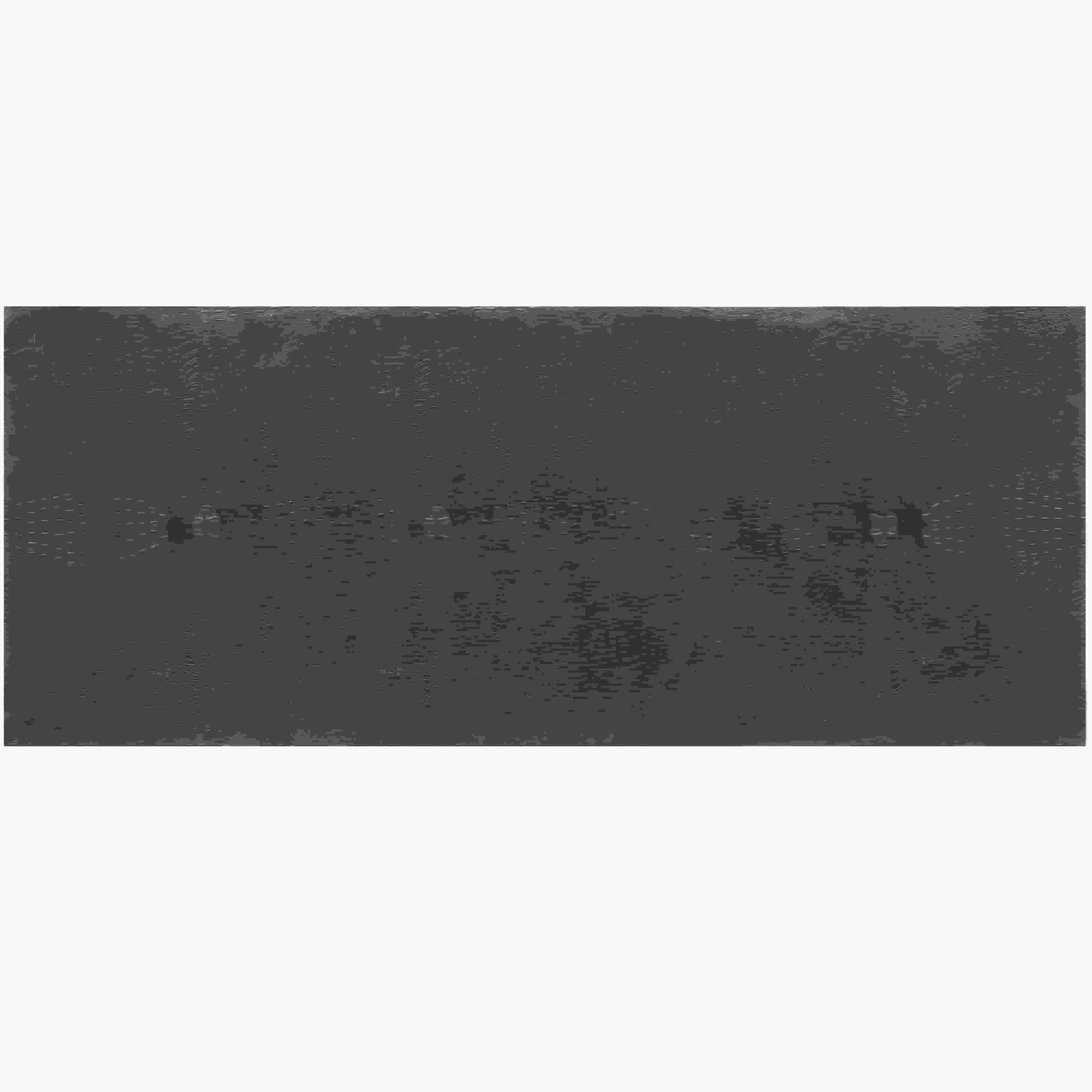
There's something magical about coastal living—the endless horizon where sky meets sea, the sound of waves lulling you to sleep, and the fresh, salty breeze that carries the promise of adventure. But for anyone who's ever owned a home, designed a building, or even just admired coastal architecture, there's a less romantic side to this beauty: the relentless battle against saltwater. It's invisible, but it's there—eating away at wood, staining concrete, and turning once-vibrant exteriors into faded, weathered shadows of their former selves. For decades, architects and homeowners alike have searched for a material that can stand up to the ocean's harsh kiss without sacrificing style. Enter mcm flexible stone —and more specifically, the Croco MCM series. This isn't just another building material; it's a love letter to coastal living, blending durability with design in a way that feels almost too good to be true.
Let's start with the basics: why is saltwater so destructive? It's simple chemistry. Salt (sodium chloride) is highly corrosive, especially when combined with moisture and oxygen. When saltwater mist settles on building exteriors, it seeps into tiny cracks, accelerates rust on metal fixtures, and breaks down organic materials like wood. Even concrete—long hailed as a "tough" material—can fall victim. Traditional concrete absorbs saltwater, leading to spalling (those unsightly flakes that chip off) and discoloration over time. Natural stone, while beautiful, is porous; salt crystals grow inside its pores, expanding and weakening the structure until it crumbles. And wood? Don't even get us started. A beachfront deck might look stunning on day one, but without constant sealing and maintenance, it'll warp, rot, or turn gray within a few short years.
For coastal homeowners, this means one thing: endless upkeep. Repainting every 2-3 years. Replacing rotted wood siding. Power-washing salt stains that seem to reappear overnight. It's not just expensive—it's exhausting. "I used to spend every weekend maintaining my beach house exterior," says Maria, a homeowner in Cape Cod. "By the time I was done, I was too tired to enjoy the ocean. It felt like the house was owning me, not the other way around."
"Saltwater doesn't just damage materials—it steals the joy of coastal living. When your home's exterior is constantly in need of repair, you're not savoring sunsets; you're stressing about scrapers and sealants." — James Rivera, Coastal Architect with 15+ years in beachfront design
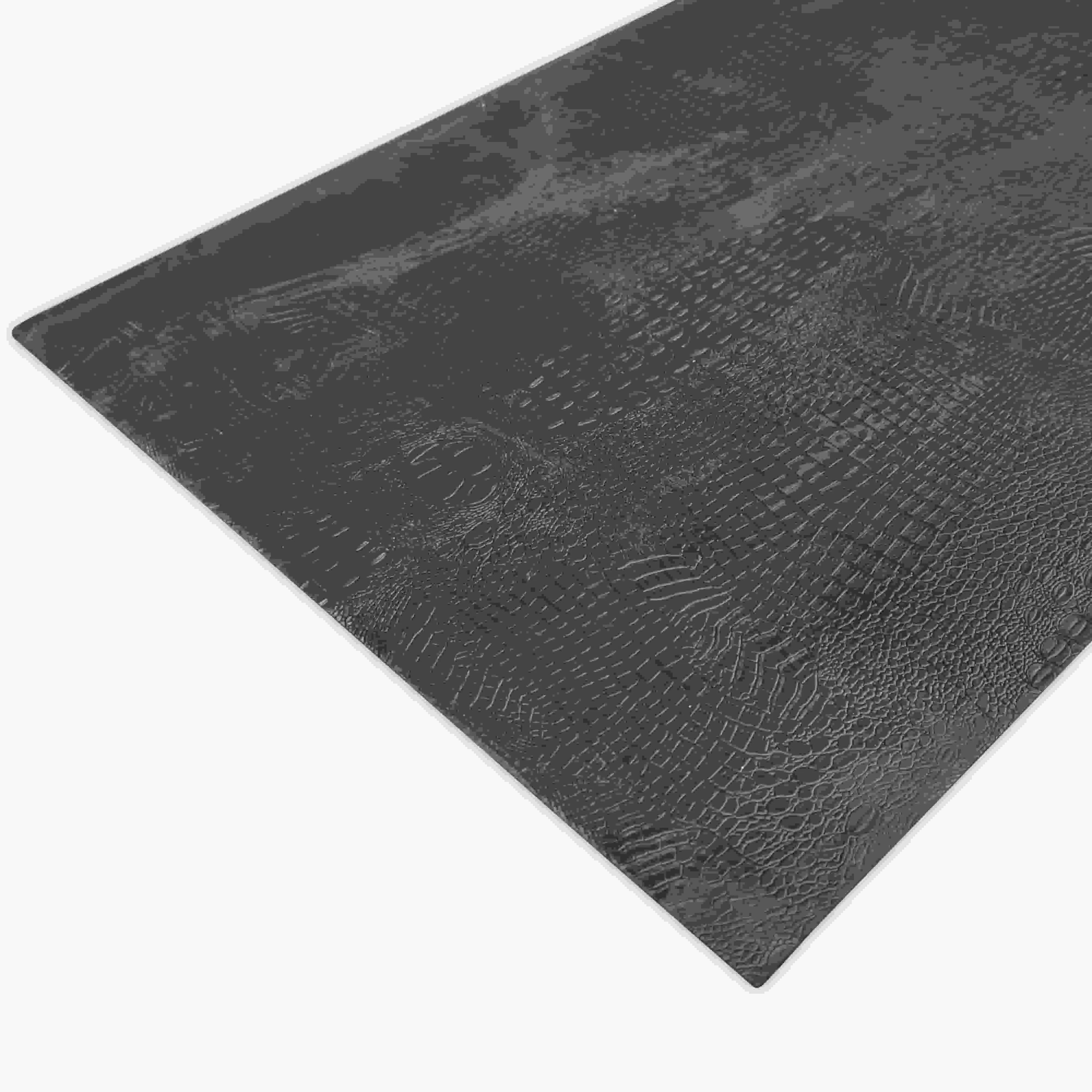
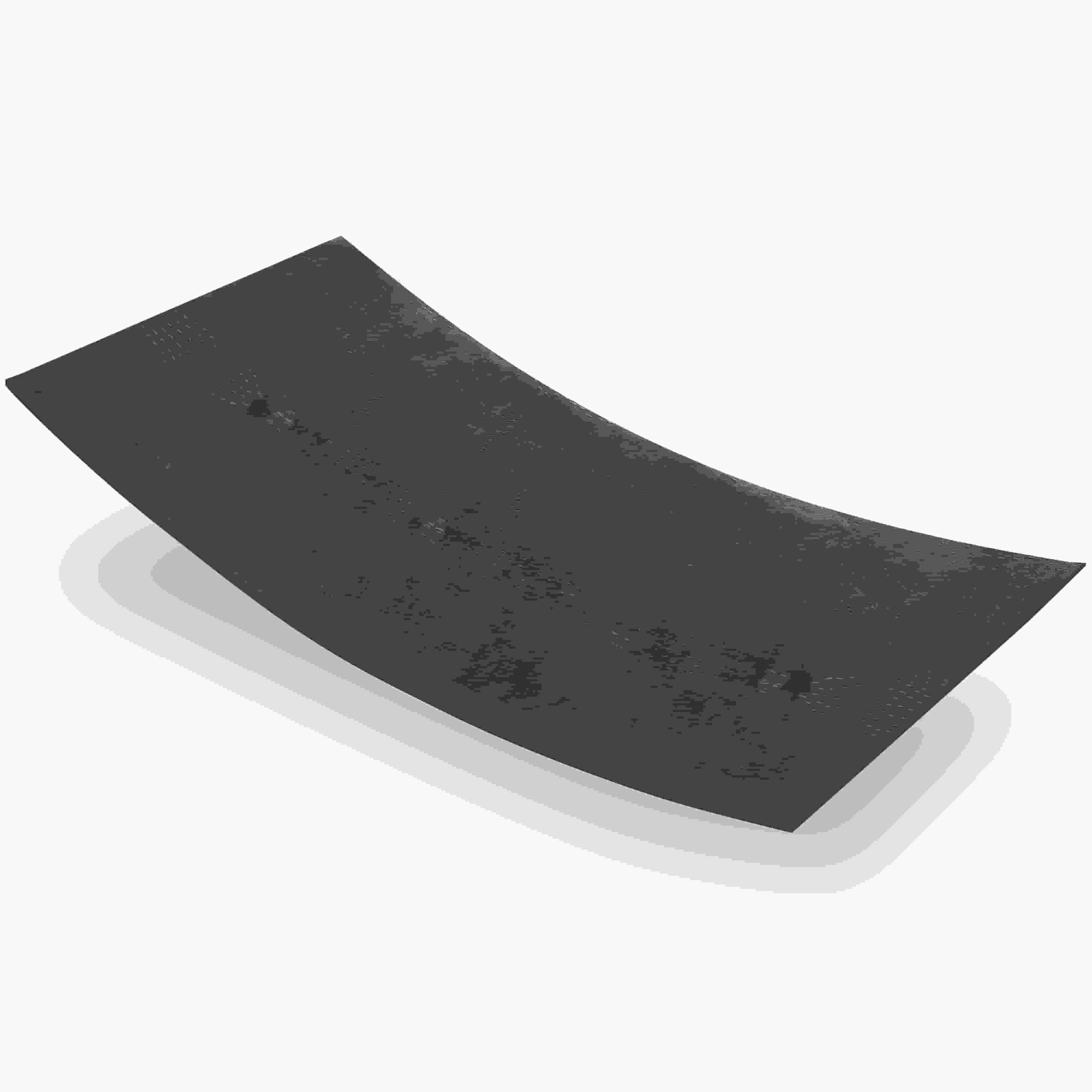
If you're not familiar with MCM, let's fix that. MCM stands for Modified Composite Material—a blend of natural minerals, polymers, and reinforcing fibers that's engineered to be lightweight, flexible, and incredibly durable. Unlike traditional rigid cladding materials, MCM can bend without breaking, making it ideal for buildings in areas with high winds or seismic activity (hello, coastal regions!). But what really sets MCM apart—especially mcm flexible stone —is its resistance to the elements. These materials are designed to repel water, resist UV rays, and yes, stand up to saltwater like a seasoned sailor facing a storm.
Now, within the vast world of MCM, there are standout stars. The Croco series is one of them. Named for its textured, almost reptilian surface (think the subtle, organic patterns of crocodile skin, but softer and more elegant), Croco MCM isn't just about looks. It's a workhorse, specifically formulated to thrive in harsh environments. Let's break down why it's become the go-to choice for coastal architects and designers.
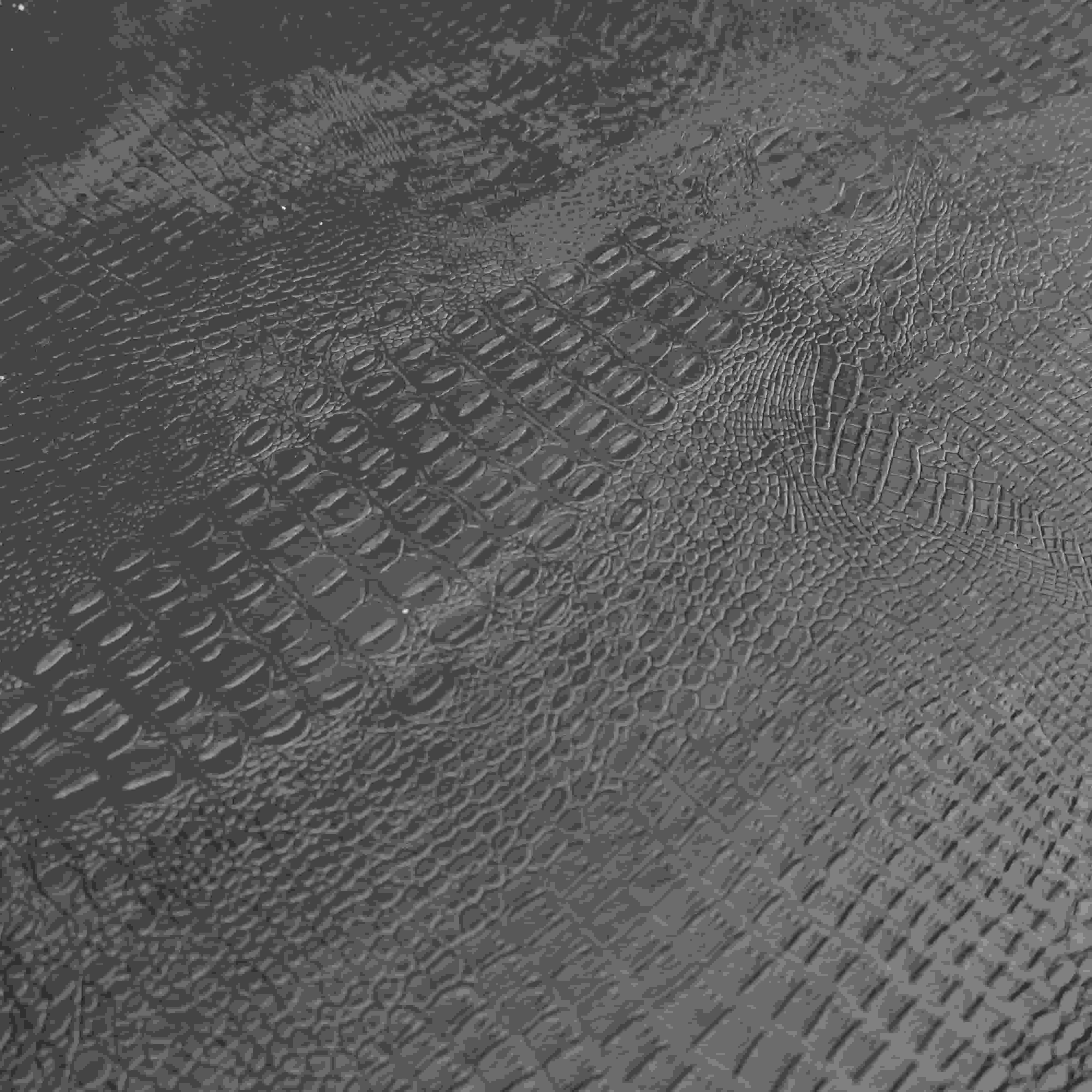
At the heart of Croco MCM's appeal is its saltwater resistance. How does it do it? Let's get a little technical (but don't worry—we'll keep it simple). Croco MCM is made with a dense, non-porous outer layer that acts like a shield. Unlike natural stone or wood, it doesn't absorb moisture or salt. Instead, saltwater beads up and rolls off, like water on a waxed car. Even better, the material's polymer base is impervious to corrosion. There's no metal to rust, no organic fibers to rot, and no pores for salt crystals to grow in. It's like wrapping your building in a suit of armor—one that's also surprisingly stylish.
But don't just take our word for it. Independent lab tests have shown that Croco MCM can withstand continuous exposure to salt spray for over 5,000 hours without signs of degradation. To put that in perspective: the average coastal home might see salt spray exposure for a few hours a day, depending on wind patterns. At that rate, Croco MCM could last decades without needing replacement. Compare that to wood siding, which might need replacing every 5-7 years in coastal areas, or traditional concrete, which starts showing spalling after 10-15 years. The difference is staggering.
Still on the fence? Let's see how Croco MCM measures up against other common exterior cladding materials when it comes to coastal performance. The table below breaks down key factors like saltwater resistance, durability, weight, and aesthetics—because in coastal design, beauty matters just as much as brawn.
| Material | Saltwater Resistance | Durability (Coastal Lifespan) | Weight (Per Square Foot) | Installation Ease | Aesthetics |
|---|---|---|---|---|---|
| Croco MCM | Excellent (repels salt, non-porous) | 30+ years | 1.5 lbs (lightweight) | Easy (flexible, can be cut on-site) | High (textured, natural look; available in 20+ finishes) |
| Natural Wood Siding | Poor (absorbs salt, prone to rot/warping) | 5-7 years (with annual sealing) | 2.5-4 lbs | Moderate (requires precise cutting, sealing) | High (warm, organic look but fades quickly) |
| Traditional Concrete | Fair (porous, prone to spalling) | 10-15 years | 15-20 lbs (heavy!) | Difficult (requires forms, heavy equipment) | Moderate (industrial look, stains easily) |
| Natural Stone (Marble/Granite) | Fair (porous, salt crystal damage) | 15-20 years (with annual sealing) | 25-30 lbs (very heavy) | Very Difficult (requires structural support, professional install) | Very High (luxurious, but color fades over time) |
| Fair-faced concrete | Moderate (less porous than traditional concrete) | 15-20 years | 12-18 lbs | Moderate (requires skilled labor for smooth finish) | Moderate (minimalist, but prone to staining) |
As you can see, Croco MCM outperforms traditional materials across the board—especially in saltwater resistance and lifespan. Its lightweight nature is another huge plus for coastal areas, where building structures often need to withstand high winds. Heavy materials like natural stone or traditional concrete add extra load to roofs and walls, increasing the risk of damage during storms. Croco MCM, at just 1.5 lbs per square foot, reduces that risk significantly.
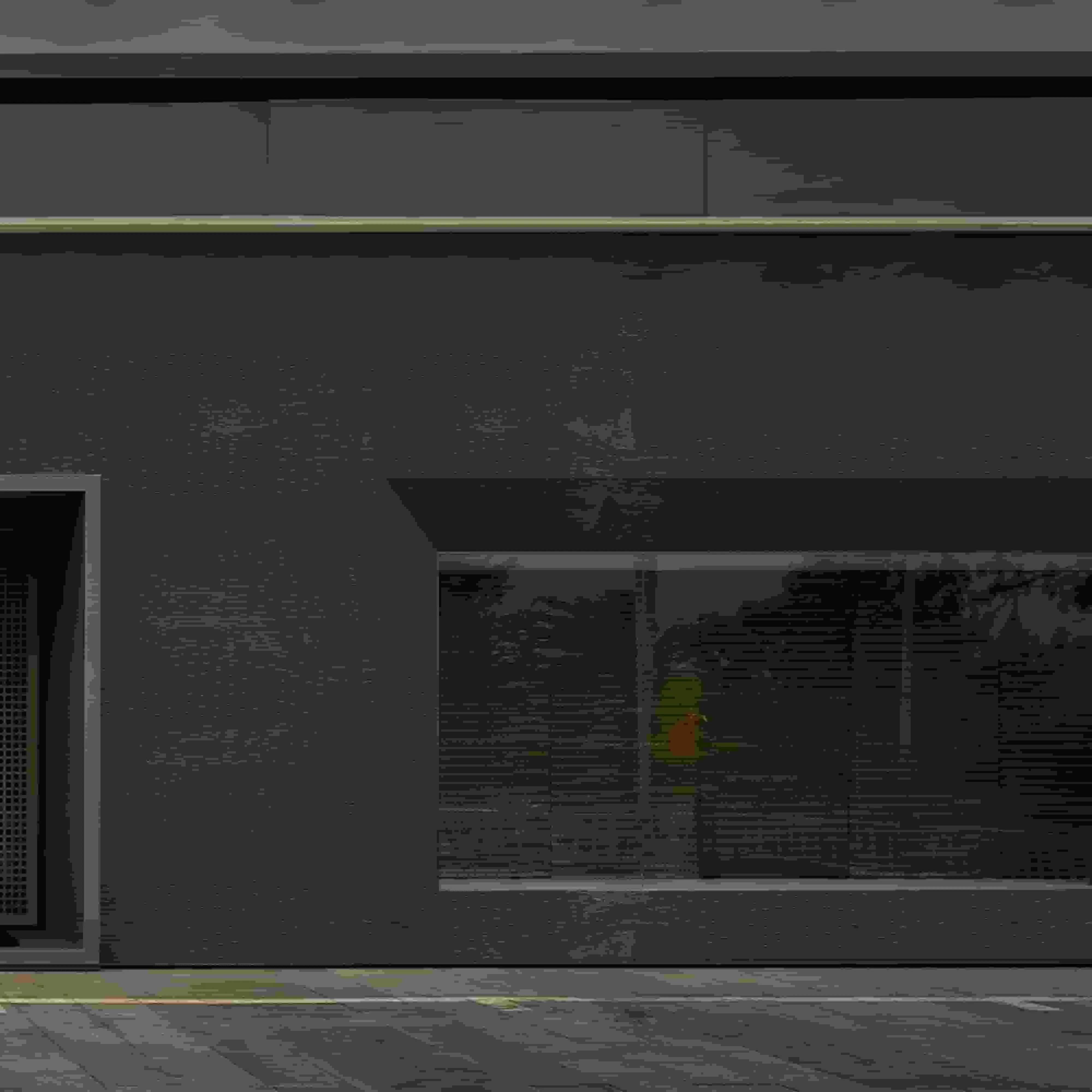
Saltwater resistance is Croco MCM's superpower, but it's not its only trick. Let's talk about wind resistance. Coastal areas are no strangers to hurricanes, nor'easters, and tropical storms. Croco MCM's flexibility is a game-changer here. Unlike rigid materials that crack under pressure, Croco MCM can flex with high winds, reducing the risk of damage. It's also fire-resistant, which is a huge bonus for coastal communities prone to wildfires (looking at you, California and the Pacific Northwest).
And let's not forget about aesthetics. Croco MCM isn't just durable—it's beautiful. With finishes that mimic everything from weathered stone to driftwood to modern concrete, it fits seamlessly into any coastal design style. Love the look of Lunar Peak silvery ? There's a Croco finish that shimmers like moonlight on water, perfect for a contemporary beach house. Prefer something more rustic? Opt for a finish that resembles weathered Fair-faced concrete , adding industrial charm without the maintenance headaches.
Still need convincing? Let's dive into a few real-world examples of Croco MCM making waves (pun intended) in coastal architecture.
Take the Seaside Breeze Café in Charleston, South Carolina. Perched right on the waterfront, this popular spot serves up seafood and sunset views—but a few years ago, its exterior was a disaster. The original wood siding was rotting, the paint was peeling, and the owners were spending thousands annually on repairs. "We were at the point where we thought we might have to close," says owner Lisa Chen. "Then our architect suggested Croco MCM. We went with the Lunar Peak silvery finish, and it was a game-changer. That was five years ago, and the exterior still looks brand new. We haven't spent a dime on maintenance since installation. Our customers even comment on how 'fresh' the café looks—they have no idea it's because the material just doesn't age!"
Then there's the Wilson family home in Cape May, New Jersey. After Hurricane Sandy destroyed their original beach house, they wanted something that could withstand future storms—without sacrificing the cozy, beachy vibe they loved. "We worked with an architect who recommended Croco MCM in a driftwood-inspired finish," says homeowner Tom Wilson. "The house has been through three nor'easters since we built it, and the exterior hasn't so much as chipped. And the best part? When friends come over, they swear it's real wood. They're shocked when we tell them it's MCM. It looks that good."
Croco MCM isn't limited to residential properties. Commercial and public spaces are catching on, too. Coastal hotels, boardwalk pavilions, and even lighthouses are swapping out traditional materials for Croco MCM. Why? Because it's not just about durability—it's about cost savings. For businesses, less maintenance means lower operating costs and fewer disruptions (no closing for siding repairs!). For public spaces, it means tax dollars go further, with structures that last longer and look better.
The City of Miami Beach recently renovated its iconic South Pointe Park, using Croco MCM for the exterior cladding of the new visitor center. "We needed something that could handle the salt, the sun, and the thousands of visitors who pass through each year," says project manager Juan Rodriguez. "Croco MCM checked all the boxes. It's held up beautifully, even through Miami's brutal summer heat and occasional tropical storms. And the Lunar Peak silvery finish ties in perfectly with the park's ocean views—it's become a backdrop for hundreds of Instagram photos!"
At the end of the day, coastal living should be about joy—the joy of watching a sunrise over the ocean, the joy of walking barefoot in the sand, the joy of coming home to a space that feels like a retreat. Croco MCM doesn't just protect your building; it protects that joy. It frees you from the endless cycle of maintenance, from the worry of saltwater damage, and from the frustration of watching your hard-earned investment deteriorate. It lets you focus on what matters: living.
So if you're designing a coastal home, renovating a beachfront business, or just dreaming of your future ocean getaway, consider Croco MCM. It's not just a material—it's a promise. A promise that your building will stand strong against the sea, look beautiful for decades, and let you fall in love with coastal living all over again, every single day.
After all, the ocean is meant to be enjoyed—not fought. With Croco MCM, you can have both: a home that's as tough as the tides and as beautiful as the beach itself.
Recommend Products












