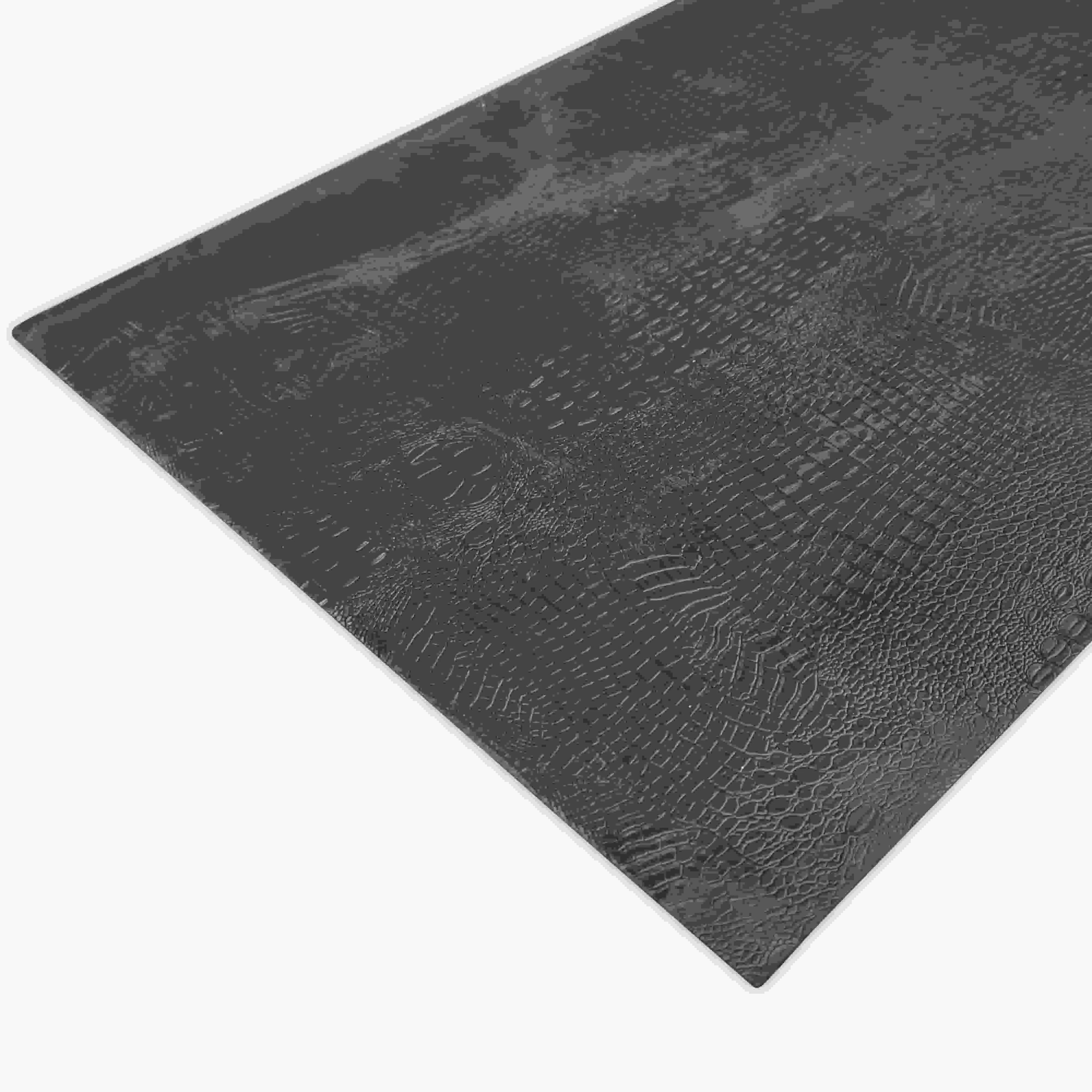
Now that you know what to watch for, let's turn that knowledge into action. Here's how to create a budget that's realistic, flexible, and (dare we say) stress-free:
1. Get 3+ Quotes—And Ask the Right Questions
Don't settle for the first contractor who knocks on your door. Get quotes from at least three companies, and ask:
"What's included in this price?"
(labor, materials, delivery?),
"How long have you worked with Croco MCM products?"
(experience matters!), and
"Can you provide a itemized breakdown?"
A vague quote is a red flag—you want line-by-line costs for materials, labor, and extras.
2. Prioritize High-Impact Areas
Not every wall needs
foamed aluminium alloy board (vintage gold)
. Save premium materials for focal points—like a restaurant's host stand or a home's fireplace surround—and use budget-friendly options (hello,
mcm flexible stone
!) for less visible areas like utility rooms or hallways.
3. Buy in Bulk (But Not Too Much)
Suppliers often offer discounts when you buy 500+ sq ft of material. If you're tackling a large project, ask about bulk pricing for
wood grain board
or
fair-faced concrete
. Just don't overdo it—excess material takes up storage space, and returns can be a hassle (especially if it's custom-cut).
4. Plan for the Long Haul
It's tempting to go for the cheapest option, but ask:
How long will this material last?
Foamed aluminium alloy board (vintage gold)
might cost more upfront, but it's scratch-resistant and fade-proof, meaning you won't replace it in 10 years.
Wood grain board
needs occasional refinishing, but it's still cheaper than solid hardwood over time. Balance upfront cost with durability.
5. Use a Budget Tracker (Yes, Even for Small Projects)
Apps like Excel, Mint, or Houzz's budget tool let you log every expense—from that $15 tube of sealant to the $200 delivery fee. update it weekly, and if you notice costs creeping over budget, adjust: maybe swap that
foamed aluminium
accent for
mcm flexible stone
, or do some prep work yourself (like removing old tiles) to cut labor fees.