

Why smart material choices today save you time, money, and stress tomorrow
Ask any property owner what keeps them up at night, and "maintenance costs" will likely top the list. Whether you own a small apartment building, a commercial office space, or a sprawling residential complex, the materials you choose for exteriors, interiors, and high-traffic areas quietly shape your budget for decades. Marble might look stunning on day one, but by year five, those stains and cracks start eating into your profits. Fair-faced concrete? It sounds durable until you're shelling out for annual patching and sealing. And travertine (beige), with its porous surface, becomes a magnet for mold and mildew if not tended to constantly.
But what if there was a material that flipped the script? One that didn't just look good, but kept looking good—without draining your wallet year after year? Enter Croco MCM, a line of modified composite material panels that's redefining how property owners think about long-term value. In this article, we'll break down why Croco MCM isn't just a surface-level choice, but a strategic investment in your property's future—starting with the numbers that matter most: maintenance costs.
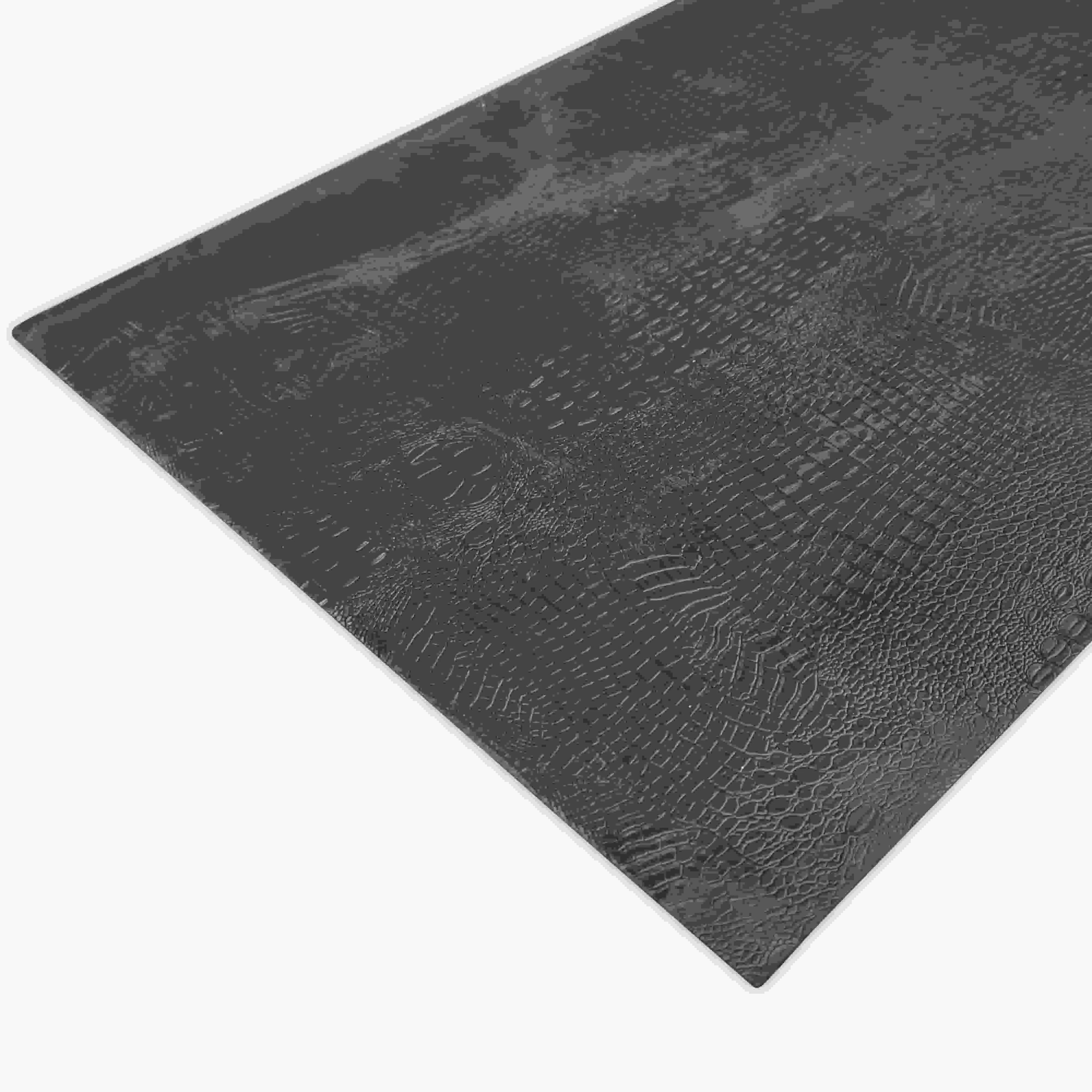
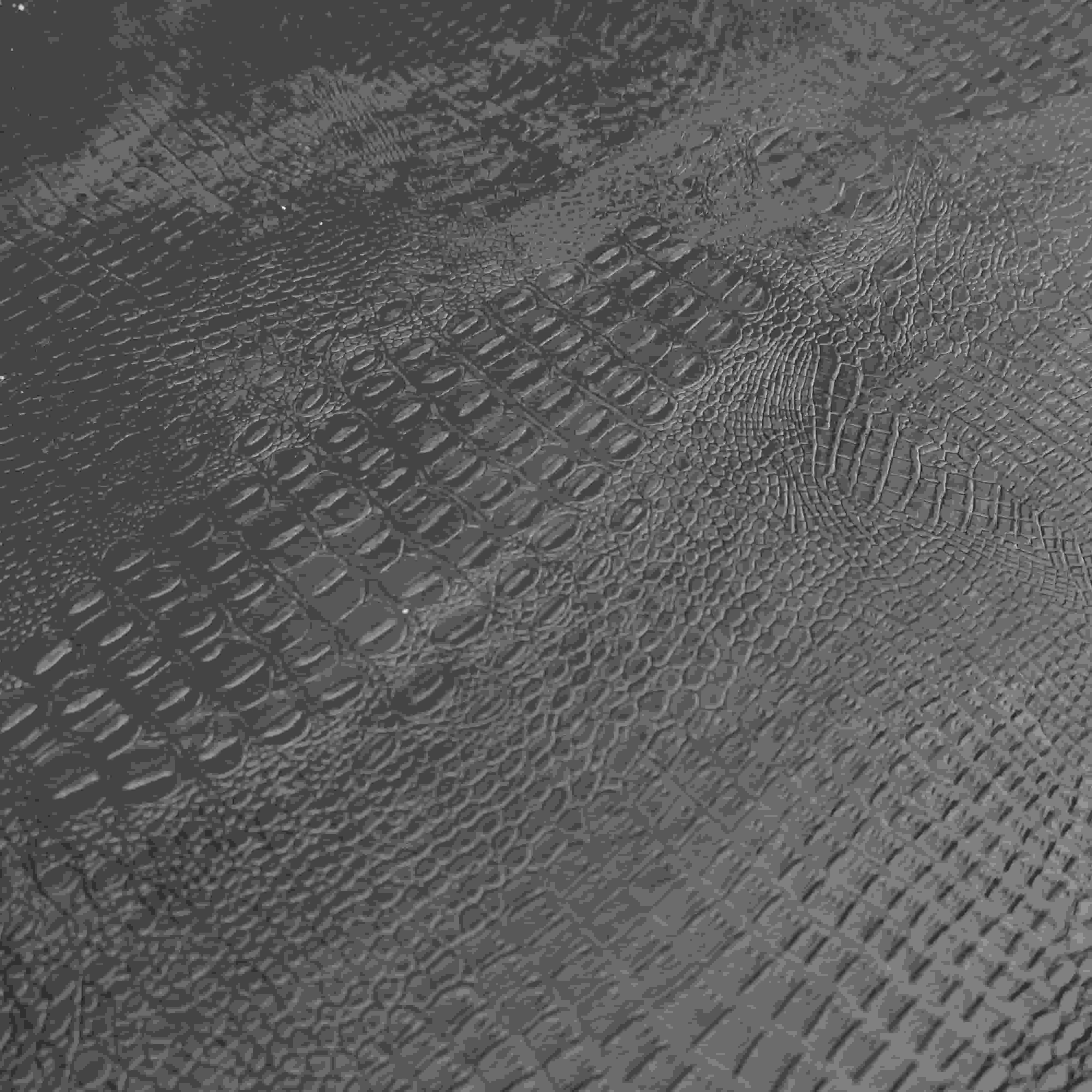
First, let's clear the air: MCM stands for "Modified Composite Material," but Croco MCM isn't just another buzzword in the construction industry. At its core, it's a blend of natural minerals, polymers, and fibers engineered to address the biggest pain points of traditional building materials. Think of it as the "Swiss Army knife" of cladding and surfacing—lightweight, flexible, and tough as nails.
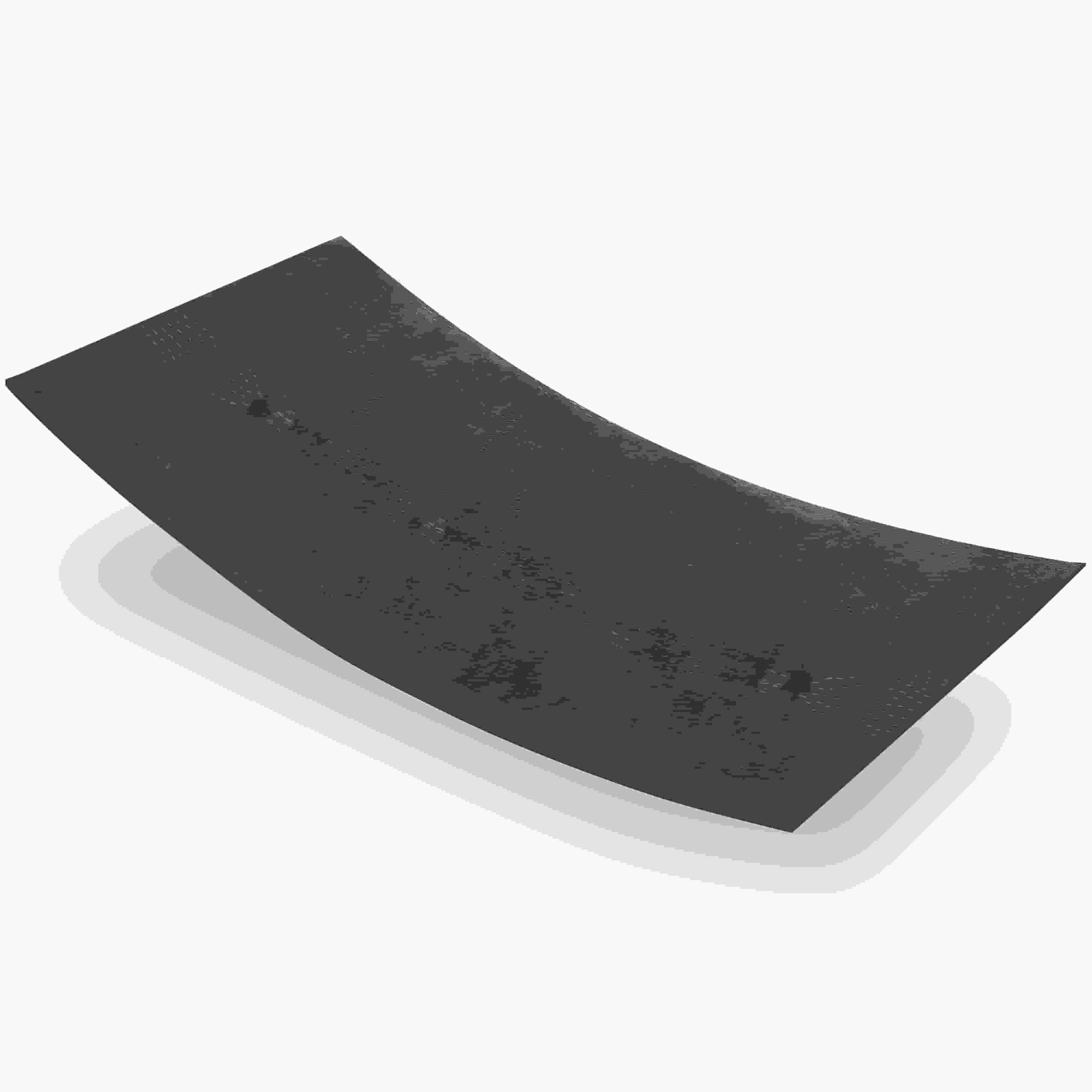
One of its star features is MCM flexible stone , a variant that bends without breaking, making it ideal for curved surfaces or buildings in seismic zones. Unlike rigid marble or concrete, it won't crack under stress or temperature fluctuations. But flexibility is just the start. Croco MCM panels are also designed to resist the elements: rain, UV rays, salt spray, and even the occasional coffee spill in a busy lobby. That resistance translates directly to lower maintenance—and lower costs.
Let's be real: No material is "maintenance-free." But Croco MCM comes close. Traditional materials demand constant attention—marble needs sealing every 6–12 months, fair-faced concrete requires patching cracks, and travertine (beige) soaks up stains like a sponge. Croco MCM? Its non-porous surface and durable finish mean most issues can be solved with a quick wipe-down. No special cleaners, no expensive sealing, no weekends spent coordinating repairs.
It's easy to fall for the allure of low upfront costs. "Why pay more for MCM when fair-faced concrete is half the price?" you might wonder. But here's the problem: Maintenance costs compound over time, turning that "cheap" initial choice into a money pit. Let's break down the hidden expenses of three common traditional materials:
These numbers don't include the "hidden hidden costs": downtime during repairs (losing rental income or customer traffic), the hassle of coordinating contractors, and the gradual degradation of your property's aesthetic value. A cracked concrete wall or stained marble floor doesn't just cost money—it makes your property look neglected, driving down tenant retention and resale value.
Now, let's talk about Croco MCM. Its upfront cost is higher than fair-faced concrete or travertine (beige)—typically $15–$30 per square foot, vs. $5–$15 for concrete or $10–$20 for travertine. But when you factor in maintenance, the tables turn. Here's how Croco MCM's costs stack up over 20 years for a 1,000 sq. ft. surface:
Compare that to marble's 20-year total of $35,000–$80,000 (initial + maintenance) or travertine's $25,000–$50,000. Suddenly, that higher upfront cost for Croco MCM looks like a steal.
To make this even clearer, let's put it all in a table. The following compares Croco MCM to three traditional materials over a 20-year period for a 1,000 sq. ft. surface:
| Material | Initial Cost (1,000 sq. ft.) | Annual Maintenance Cost | 20-Year Maintenance Total | 20-Year Total Cost (Initial + Maintenance) | Key Maintenance Tasks |
|---|---|---|---|---|---|
| Croco MCM | $15,000–$30,000 | $100–$300 | $2,000–$6,000 | $17,000–$36,000 | Occasional cleaning with soap/water; pressure washing every 3–5 years |
| Marble | $20,000–$50,000 | $2,000–$5,000 | $40,000–$100,000 | $60,000–$150,000 | Sealing every 6–12 months; polishing/stain removal as needed |
| Fair-Faced Concrete | $5,000–$15,000 | $500–$1,500 | $10,000–$30,000 | $15,000–$45,000 | Crack patching; acid cleaning for efflorescence; resurfacing every 5–10 years |
| Travertine (Beige) | $10,000–$20,000 | $1,000–$3,000 | $20,000–$60,000 | $30,000–$80,000 | Sealing every 3–6 months; honing/stain removal; grout cleaning |
Even when compared to fair-faced concrete (the "budget" option), Croco MCM holds its own. Over 20 years, concrete's total cost ($15k–$45k) overlaps with MCM's ($17k–$36k)—but MCM offers better durability, aesthetics, and zero downtime for repairs. For property owners, that's a no-brainer.
Maintenance costs are important, but Croco MCM's value goes beyond the bottom line. Let's talk about the intangibles that make it a smart investment:
Numbers on a page are one thing—real stories are another. Let's look at two hypothetical (but realistic) case studies of property owners who switched to Croco MCM:
A 50-room boutique hotel in Miami had struggled with its marble lobby floors for years. Stains from beachgoers' sunscreen, saltwater, and spilled drinks required monthly polishing, costing $1,200 per month. After 8 years, the total maintenance bill topped $115,000. In 2020, they replaced the marble with Croco MCM's travertine (vintage gold) finish (a warm, luxurious alternative to traditional travertine). Three years later, they've spent $600 total on maintenance (occasional pressure washing). They estimate saving $36,000 over 10 years—and guests regularly comment that the lobby still looks "brand new."
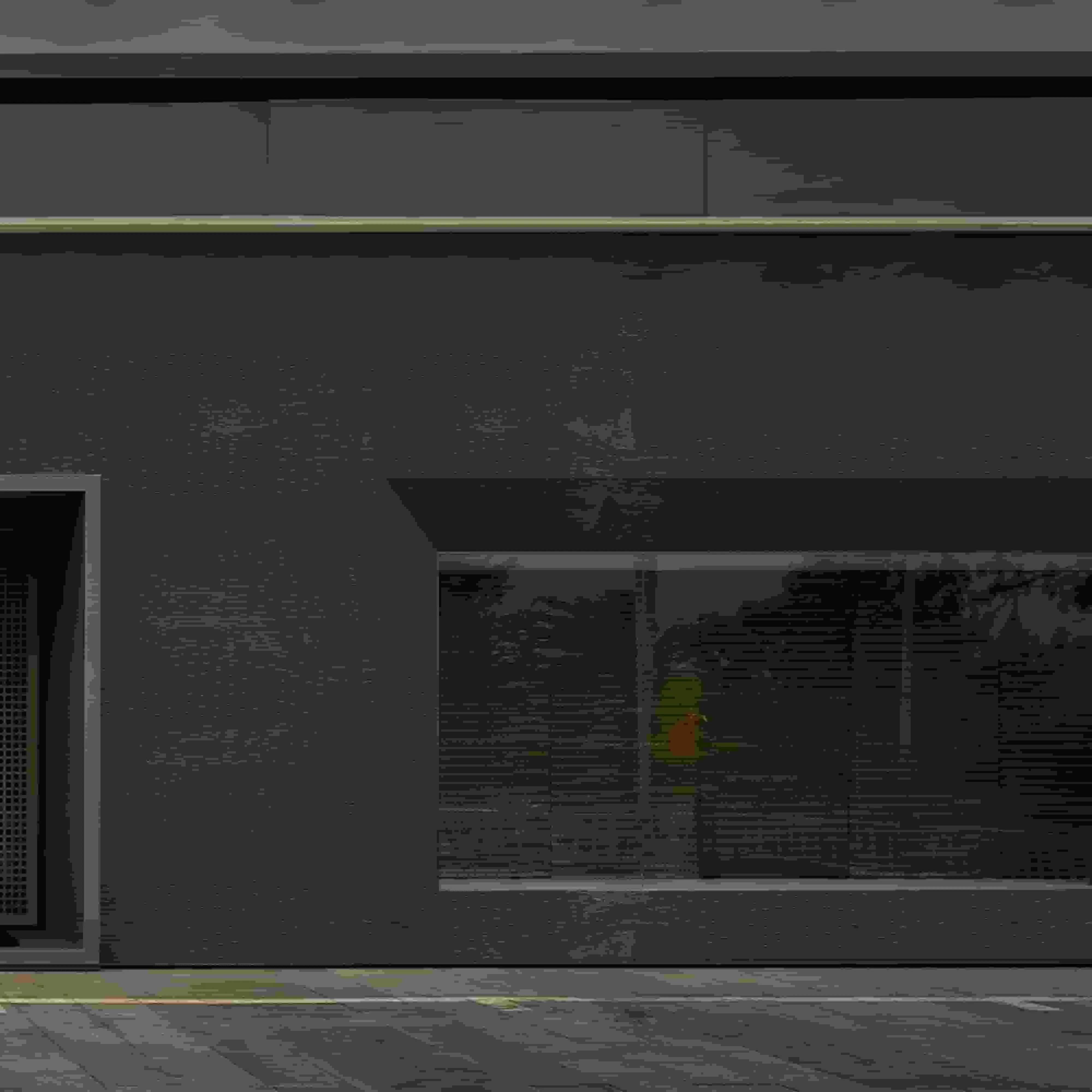
A 10-story office building in Chicago had fair-faced concrete exterior walls that cracked annually due to freeze-thaw cycles. Repairs cost $5,000–$8,000 per year, and the cracked walls made it hard to attract high-paying tenants. In 2019, they reclad the building with Croco MCM flexible stone panels. Since then, they've had zero cracks or repairs. Tenant retention increased by 20%, and they've raised rents by 15% due to the improved aesthetics. Over 10 years, the savings from repairs and increased rental income will exceed $500,000.
At the end of the day, property ownership is about balancing costs, aesthetics, and long-term value. Croco MCM checks all three boxes:
Property maintenance isn't just a necessary evil—it's an investment in your asset's future. Choosing traditional materials like marble, fair-faced concrete, or travertine (beige) might seem like a safe bet, but their hidden costs and constant upkeep can derail your budget and your peace of mind.
Croco MCM, with its MCM flexible stone technology, low maintenance needs, and long-term durability, is more than a building material—it's a strategic choice for property owners who want to save money, time, and stress. It's proof that "investing in quality" doesn't have to mean overspending; sometimes, it means spending wisely.
So, the next time you're planning a renovation or new build, ask yourself: "Am I paying for upfront savings, or long-term value?" For most property owners, the answer is clear. Croco MCM isn't just a material—it's an investment in your property's future.
Recommend Products












