

Let's start with a familiar scene: You're standing in your backyard, coffee in hand, admiring the exterior walls of your home. They were stunning when installed—rich textures, vibrant hues, that "just-finished" glow that made the neighbors stop and ask. But lately, something's off. Maybe there's a faint film of dust dulling the surface, or a water stain near the gutter that won't budge, or perhaps the once-sharp edges of your wood grain board panels look a little fuzzy. Sound familiar? If you've invested in Croco MCM products—whether it's the sleek durability of fair-faced concrete, the earthy warmth of travertine (beige), or the rustic charm of rammed earth board—you know these materials aren't just building supplies; they're part of your home's personality. And like any valued possession, they need a little TLC to stay looking their best.
Exterior walls take a beating. Sun, rain, wind, bird droppings, pollen, even the occasional stray soccer ball—they're all working against that initial beauty. But here's the good news: With the right maintenance routine, your Croco MCM walls can retain their allure for decades. I've spent years helping homeowners and contractors care for these materials, and I'm here to share the tricks that actually work. No fancy tools, no confusing jargon—just practical, actionable steps tailored to the specific needs of MCM products like flexible stone, travertine, and more. Let's dive in.
First, let's get one thing straight: Maintaining your exterior walls isn't just about keeping them Instagram-worthy (though that's a nice bonus). It's about protecting your investment. Croco MCM products—from the lightweight strength of MCM flexible stone to the industrial chic of fair-faced concrete—are designed to be durable, but they're not invincible. Dirt, moisture, and UV rays can slowly degrade even the toughest materials, leading to cracks, discoloration, or loss of texture over time. A little care now prevents costly repairs later.
Take it from Maria, a homeowner in Portland I worked with last year. Her home featured travertine (beige) panels—gorgeous, with subtle veining that mimicked natural stone. But after two rainy seasons without proper cleaning, mold had started to creep into the porous surface. "I thought travertine was 'low-maintenance,'" she told me. "I just hosed it down occasionally and figured that was enough." Spoiler: It wasn't. By the time she called, we had to use a gentle mold remover and re-seal the panels to stop further damage. The walls looked great afterward, but the lesson stuck: Even "durable" materials need attention.
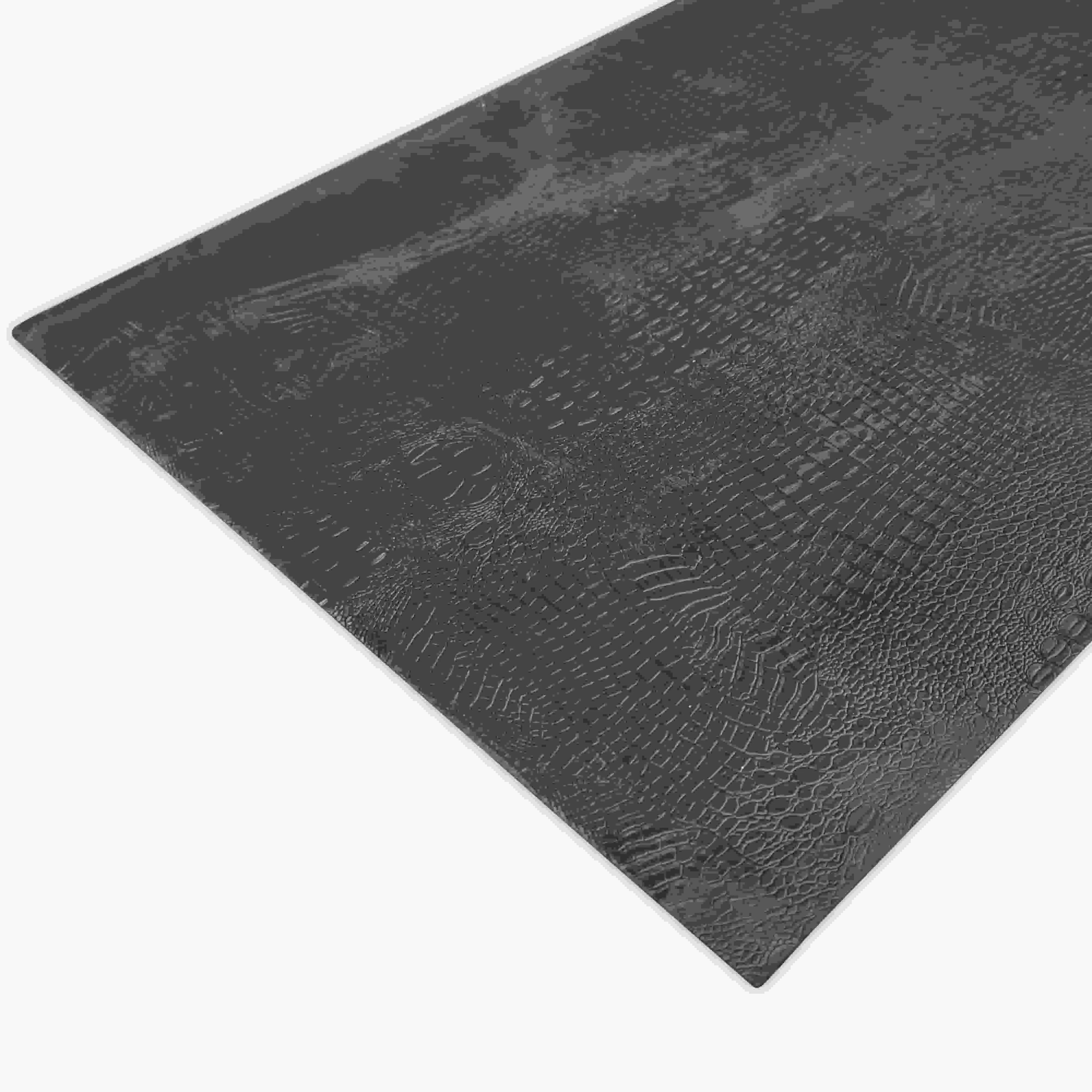
You don't need to spend hours each week tending to your walls. A simple, consistent routine is far more effective. Let's break it down by material—because MCM products like wood grain board and rammed earth board have different needs. Here's a quick guide to what works:
| Material Type | Weekly Cleaning Method | Tools Needed | Pro Tip |
|---|---|---|---|
| MCM Flexible Stone | Soft-bristle brush + mild soap + water | Bucket, microfiber cloth, soft brush (like a car wash brush) | Brush in the direction of the texture to avoid pushing dirt into crevices |
| Fair-Faced Concrete | Low-pressure hose rinse + dry with a cloth | Garden hose with adjustable nozzle, lint-free cloth | Avoid high pressure—concrete can absorb water if the sealant is worn |
| Travertine (Beige) | Dust with a feather duster + damp cloth wipe | Feather duster, microfiber cloth (slightly damp, not wet) | Travertine is porous—too much water can cause discoloration |
| Wood Grain Board | Vacuum with a soft brush attachment + dry cloth | Handheld vacuum, soft-bristle attachment, dry microfiber cloth | Dust builds up in the "grain"—vacuuming prevents scratching when wiping |
| Rammed Earth Board | Light sweeping with a straw broom + spot wipe with water | Straw broom (no plastic bristles!), small bowl of water, sponge | Avoid metal tools—they can scratch the earthy surface |
*Frequency assumes average weather conditions (mild sun, occasional rain). Adjust to twice weekly if you live in a dusty area or near a busy road.
Let's talk about the "why" behind these methods. MCM flexible stone, for example, has a textured surface with tiny grooves that trap dust. A soft brush dislodges that dust without scratching the finish, while mild soap (think dish soap diluted in water) cuts through grime without stripping the protective coating. For fair-faced concrete, high-pressure washing might seem like a time-saver, but I've seen it blast away the top layer of sealant, leaving the concrete vulnerable to water damage. Stick to low pressure—imagine rinsing a delicate sweater, not power-washing a driveway.
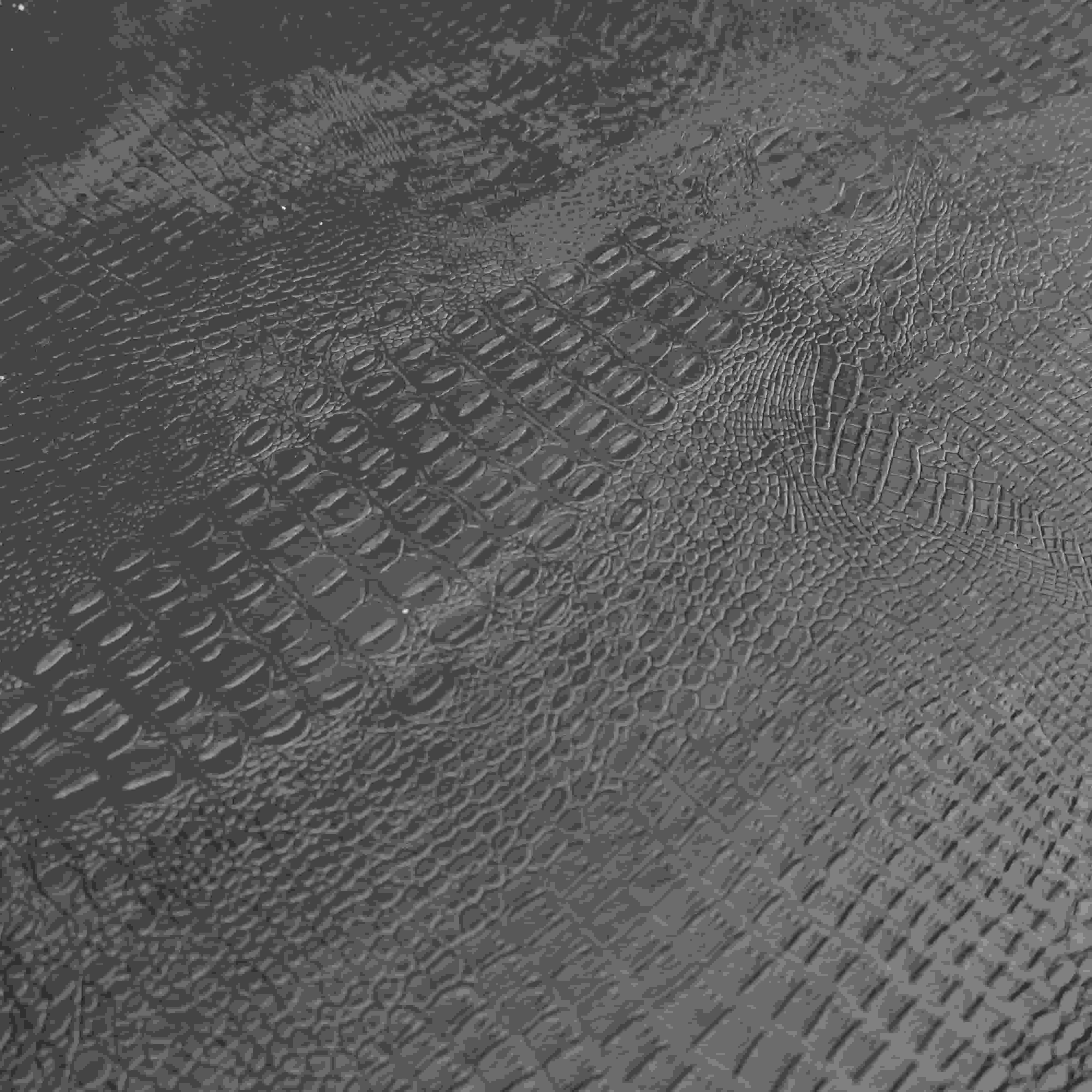
Even with weekly care, your walls will need a deeper clean every 3–6 months. This is when you tackle built-up grime, stubborn stains, or areas that the weekly routine misses (like under eaves or near downspouts). Let's walk through the process step by step, with tips for common materials:
Clear the perimeter—move potted plants, patio furniture, or kids' toys away from the walls. Cover any nearby plants with plastic sheeting (some cleaning solutions can harm foliage). Fill a bucket with warm water and add a mild, pH-neutral cleaner (I recommend dish soap like Dawn or a specialized stone cleaner for travertine and flexible stone). Avoid anything with bleach, ammonia, or acidic ingredients (like vinegar)—these can eat away at finishes, especially on travertine (beige) or rammed earth board.
Find an inconspicuous spot (like behind a bush or near the foundation) and test your cleaner. Apply a small amount, let it sit for 5 minutes, then rinse. If the color fades or the texture feels sticky, dilute the cleaner further or switch to plain water. I learned this the hard way with a client's wood grain board—they used a citrus-based cleaner that left a sticky residue, attracting more dust. Testing saves time (and heartache).
Work from the bottom up to avoid streaks (dirt from the top will drip onto clean areas otherwise). Use a soft sponge or microfiber cloth to apply the cleaning solution, gently scrubbing in circular motions. For textured materials like MCM flexible stone, a soft-bristle brush helps reach into crevices. Rinse each section immediately with clean water—don't let the cleaner dry on the surface, as it can leave spots.
Use a clean, dry microfiber cloth to wipe down the walls. This is especially important for porous materials like travertine (beige) and rammed earth board—lingering moisture can lead to mold or mildew. For large areas, a leaf blower on the lowest setting works too (just make sure it's clean—you don't want to blast dust back onto the walls).
Pro move: After deep cleaning, take a step back and inspect for areas you missed. I once spent 20 minutes cleaning a client's rammed earth board only to notice a small oil stain near the garage door that I'd overlooked. Catching these early makes stain removal easier (more on that next).
Even with the best care, stains happen. Bird droppings, sap from trees, oil from a leaky grill, or mold from a rainy season—they're all part of owning a home. The key is to act fast and use the right method for the stain and material. Let's break down the most common culprits:
These are acidic and can etch surfaces if left too long. For MCM flexible stone or travertine (beige), mix equal parts water and hydrogen peroxide (3% concentration—nothing stronger!) in a spray bottle. Spray the stain, let it sit for 10 minutes, then gently scrub with a soft brush and rinse. For fair-faced concrete, a paste of baking soda and water works wonders—apply, let dry, then brush off and rinse. Avoid peroxide on wood grain board, though—it can lighten the color; instead, use a solution of white vinegar and water (1:4 ratio) and rinse immediately.
Think grill splatters or a dripping car. For non-porous materials like fair-faced concrete, sprinkle cornstarch or talcum powder on the stain and let it sit overnight—it absorbs the oil. Sweep it away, then clean with dish soap and water. For porous materials like rammed earth board or travertine (beige), act fast: Blot the oil with a paper towel (don't rub!), then apply a degreaser like Dawn dish soap directly to the stain, scrub gently, and rinse. If it's set in, mix baking soda with a few drops of water to make a paste, apply, let sit for an hour, then rinse.
From metal furniture or rainwater running off a rusty gutter. These are tricky, but oxalic acid (found in products like Bar Keepers Friend) works on most MCM materials—except wood grain board (it can discolor the wood-like finish). Mix a small amount with water to make a paste, apply to the stain, let sit 5 minutes, then rinse thoroughly. Test first on an inconspicuous spot!
A quick story: Last summer, a client called me in a panic—their wood grain board walls had a huge oil stain from a Fourth of July grill mishap. They'd tried scrubbing with bleach, which only made it worse (bleach breaks down oil, but also fades wood tones). We spent an afternoon using the cornstarch method followed by a gentle wood cleaner, and you'd never know the stain was there. The takeaway? Bleach is rarely the answer—always check the material first.

Your walls face different challenges each season, and your maintenance routine should adapt. Let's break it down by season, with tips tailored to Croco MCM materials:
Pollen is everywhere, and it sticks to walls like glue—especially textured surfaces like MCM flexible stone and rammed earth board. Increase your weekly cleaning to twice a week, using a slightly damp cloth to wipe away pollen (dry wiping just spreads it). After heavy rains, check for standing water near the base of walls—if water pools, it can seep into porous materials. Use a hose to redirect runoff, and consider adding gravel around the foundation to improve drainage.
Intense sun can fade colors over time, especially for wood grain board and lighter travertine (beige). If your walls get direct sunlight for 6+ hours a day, apply a UV-protective sealer every 2 years (look for products labeled "for exterior stone/wood composites"). For fair-faced concrete, a clear acrylic sealer helps prevent color fading and repels water. Also, avoid cleaning walls in the middle of the day—heat can make cleaners dry too fast, leaving streaks; aim for early morning or evening.
Leaves, twigs, and pine needles can trap moisture against walls, leading to mold. Sweep or blow debris away from walls weekly. If leaves get wet and stick to travertine (beige) or rammed earth board, don't scrape them—soak a cloth in warm, soapy water, lay it over the leaves for 5 minutes to loosen, then gently wipe away. For wood grain board, check for cracks where debris might hide—use a soft brush to dislodge anything stuck in the "grain."
In cold climates, water trapped in porous materials can freeze and expand, causing cracks. Before the first freeze, give walls a deep clean and apply a water-repellent sealer (silicone-based sealers work well for MCM flexible stone and fair-faced concrete). If you live in an area that uses salt on roads, rinse walls with clean water after snow melts—salt residue can discolor travertine (beige) and wood grain board. Avoid using salt near walls to melt ice; opt for sand instead.
Most maintenance you can handle yourself, but there are times when a professional's expertise is worth the investment. Here's how to decide:
I once had a client who tried to re-seal their fair-faced concrete walls with a product meant for indoor floors. It left a sticky, yellowish film that was impossible to remove without professional stripping. The lesson? When in doubt, ask! Croco MCM has a customer service team that can help identify your material and recommend products—save yourself the hassle (and cost) of DIY mistakes.
Maintenance isn't just about "fixing" things—it's about preserving the character and value of your home. Think of it like caring for a favorite piece of furniture: A little dusting, occasional polishing, and it stays beautiful for years. Croco MCM materials are designed to be durable, but they're not maintenance-free. The good news? With the routine we've covered—weekly cleaning, prompt stain removal, seasonal adjustments, and smart long-term protection—your walls will age like fine wine, not like forgotten leftovers in the fridge.
So, grab that soft brush, mix up some soapy water, and give your walls a little love this weekend. I promise—standing back to admire their restored glow will be worth every minute. And if you ever hit a snag? You've got this. And if you don't, there's no shame in calling a pro. After all, your home deserves to look as amazing as the day you fell in love with it.
Here's to walls that turn heads—for years to come.
Recommend Products












