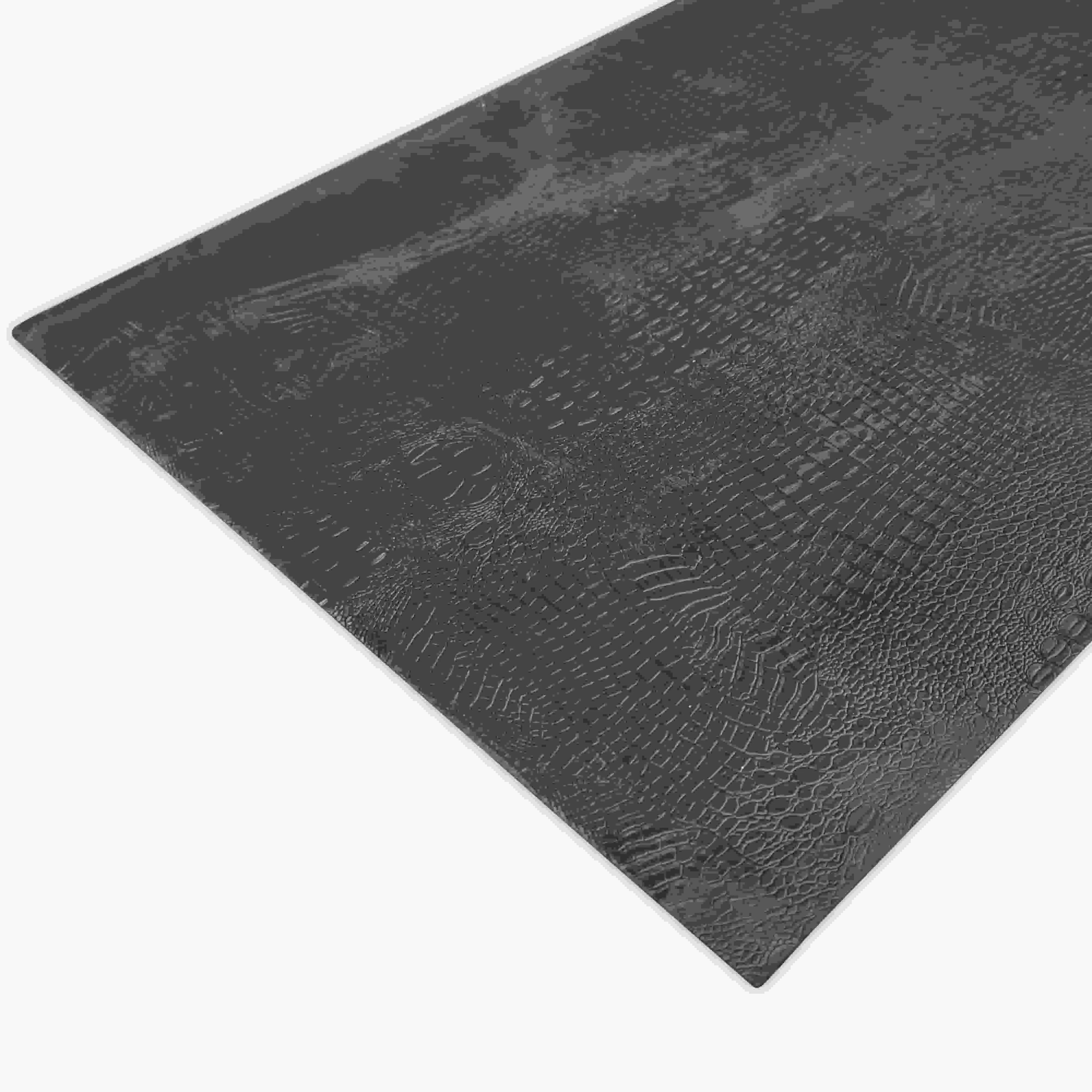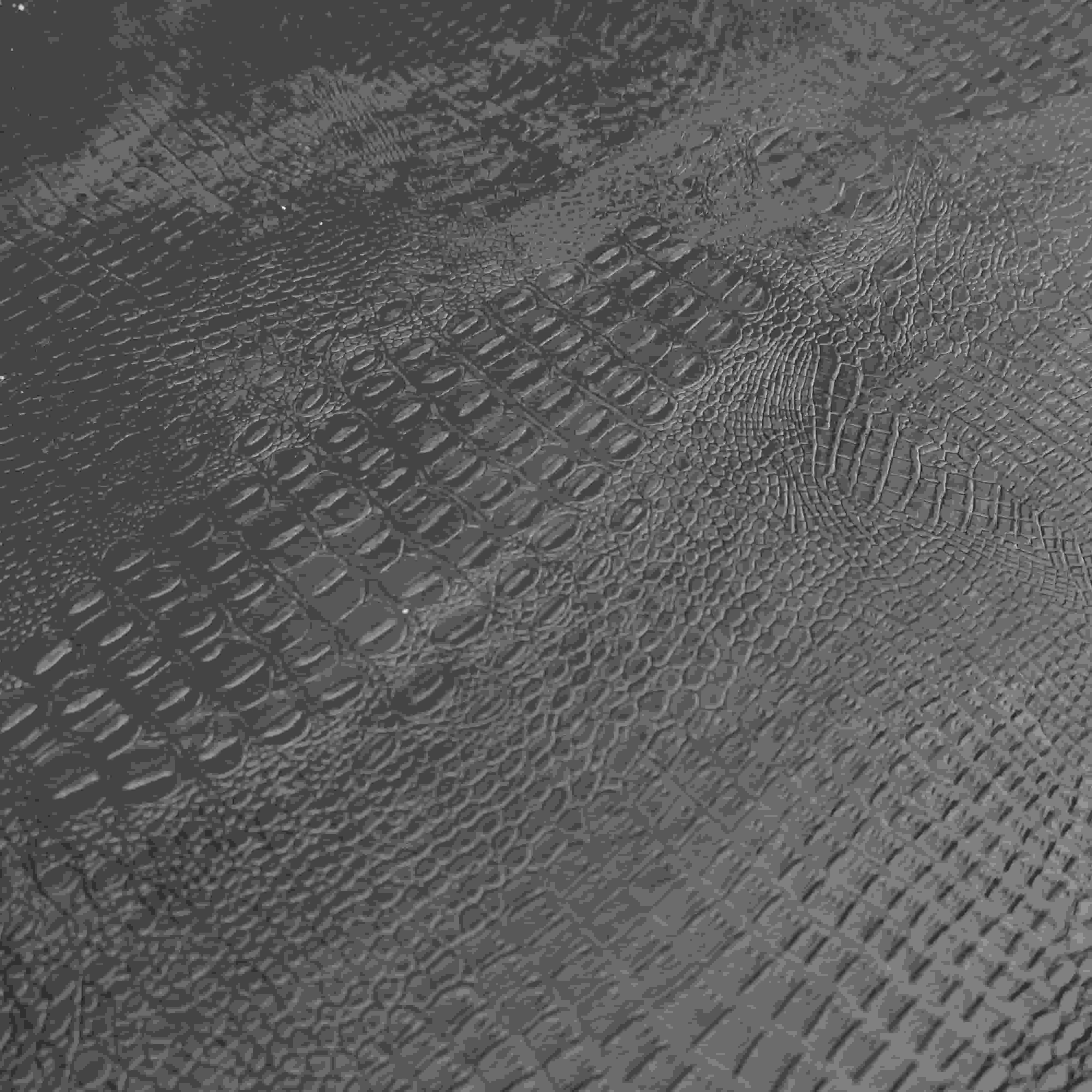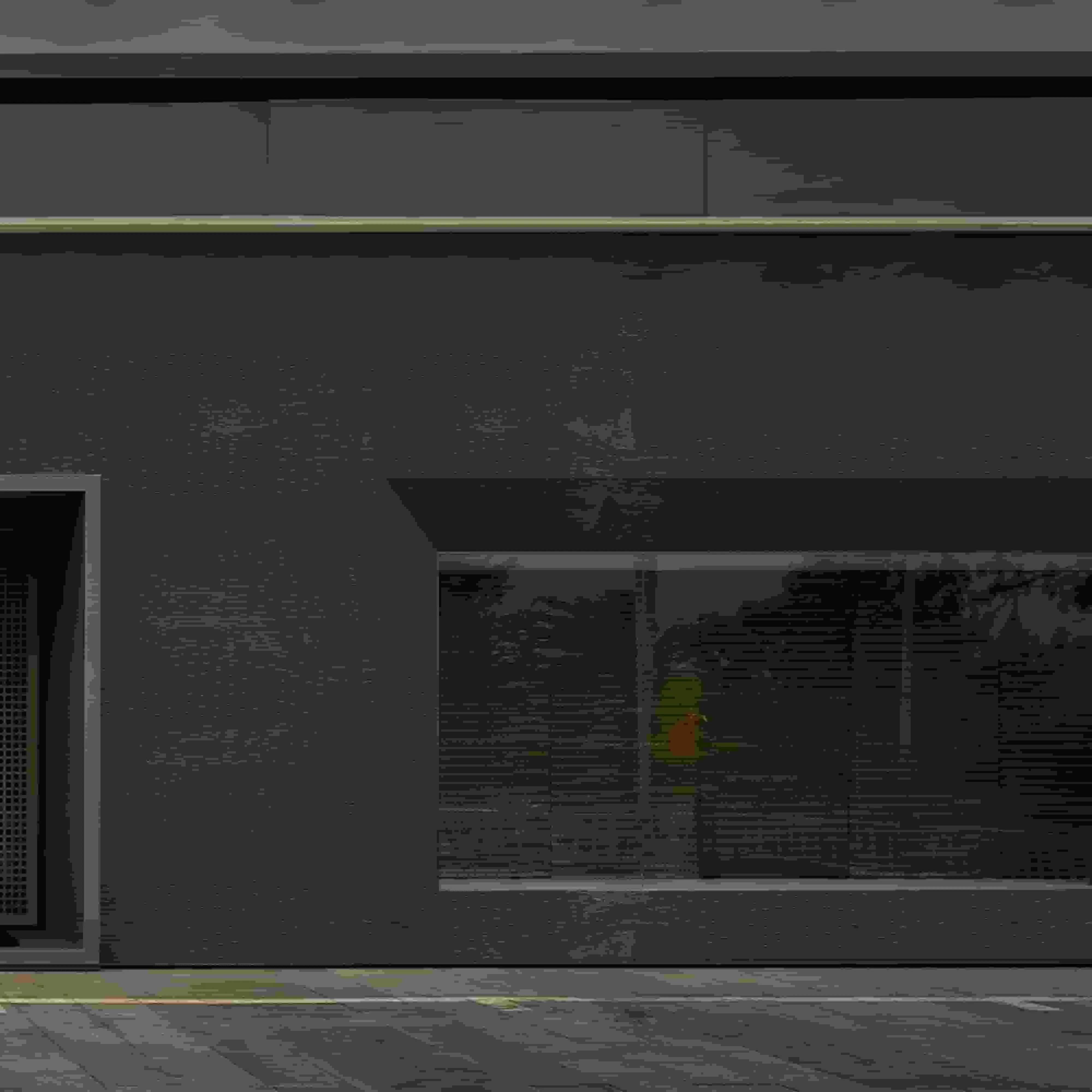
It's 6:30 AM on a Tuesday, and Maria, the lead architect on the Riverfront Cultural Center, is staring at her laptop screen with a half-empty coffee cup in hand. The project deadline is six weeks away, but the stone supplier just called—their shipment of traditional travertine slabs is delayed by three weeks. "We can't wait that long," she mutters, scrolling through photos of the partially built facade. The client envisioned a warm, earthy exterior with hints of green, something that feels both timeless and alive. But traditional stone is heavy, slow to install, and now, impossible to source on time.
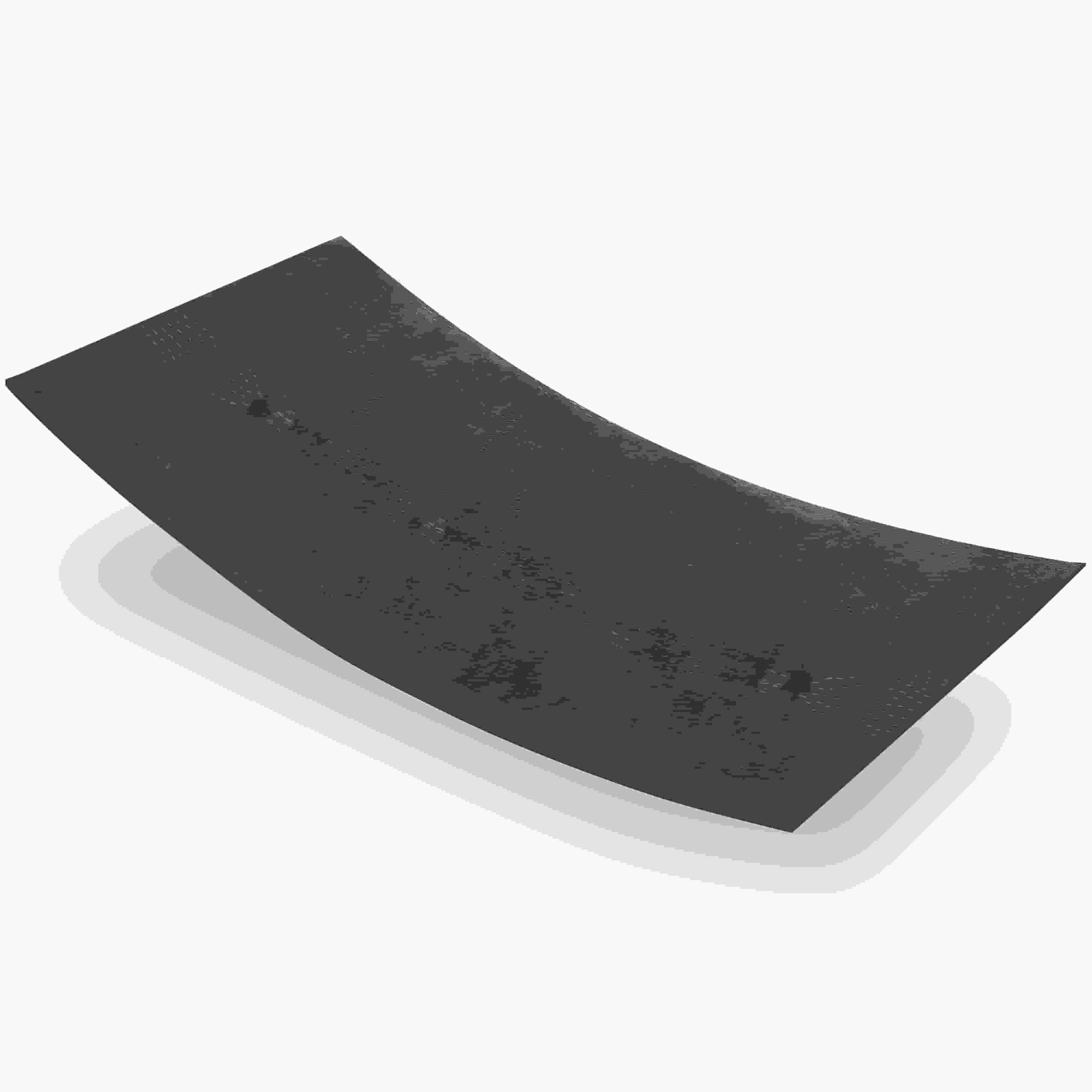
Across town, Raj, a contractor working on a boutique hotel renovation, is dealing with another headache: the vintage-inspired lobby wall. The original plan called for foamed aluminium panels, but the ones they ordered are too rigid to curve around the reception desk's organic shape. "We need something that bends without breaking," he tells his team, kicking a discarded sample panel across the floor. "And it has to look like it's been there for decades, not days."
Sound familiar? For anyone in construction—architects, contractors, project managers—the balance between speed, durability, and design is a daily tightrope walk. Traditional materials like marble, concrete, or natural stone have their charm, but they're often heavy, slow to install, and unforgiving when schedules shift. What if there was a material that didn't force you to choose between "on time," "on budget," and "on brand"?