In the heart of Riyadh, where modern skyscrapers pierce the sky like silver needles and ancient traditions whisper through the winds of the Najd Plateau, a new landmark has risen. The Al-Riyadh Innovation Tower, a 32-story commercial office building developed by Al-Majd Real Estate, isn't just another addition to the city's skyline—it's a story of transformation. A story of how the right materials can turn a functional structure into a symbol of innovation, durability, and cultural pride. At the center of this transformation?
Croco's MCM (Modified Composite Material) solutions, carefully selected to meet the unique challenges of Saudi Arabia's climate and the client's vision of blending cutting-edge design with local heritage. This is the story of how the Al-Riyadh Innovation Tower's exterior went from concept to reality, one panel at a time.
Project Overview: A Vision Born from Desert and Design
When Al-Majd Real Estate first approached architectural firm Dar Al-Jawad in 2023, their brief was clear: design an office tower that would stand out in Riyadh's competitive skyline, reflect the company's ethos of "innovation rooted in tradition," and withstand the harsh realities of Saudi Arabia's climate. Located in the King Abdullah Financial District (KAFD), a hub for global businesses and modern architecture, the tower needed to balance aesthetics with functionality. "We wanted a building that felt both forward-thinking and connected to our roots," says Lina Al-Saud, Al-Majd's Chief Development Officer. "Riyadh's skyline is full of glass and steel—we wanted something with more warmth, more texture, something that spoke to the desert landscapes and the resilience of our people."
The tower itself stands 145 meters tall, with a mix of office spaces, a ground-floor retail arcade, and a rooftop terrace offering panoramic views of the city. Its design features gently curved facades that mimic the rolling dunes of the Rub' al Khali desert, paired with angular accents that nod to modernity. But the real challenge lay in the exterior cladding: how to achieve the desired aesthetic while ensuring the building could endure scorching summers (temperatures often exceeding 45°C), sudden sandstorms, and the occasional winter chill. Traditional materials like natural stone were too heavy, glass too heat-absorbent, and concrete too monotonous. Enter
Croco's MCM product line—a range of lightweight, durable, and design-flexible materials that would become the project's secret weapon.
The Challenges: When Desert Meets Design
Saudi Arabia's climate is unforgiving, and any exterior material used in Riyadh must pass a rigorous "desert test." For the Al-Riyadh Innovation Tower, the team faced three primary challenges:
Extreme Temperature Fluctuations:
Daytime highs of 45°C+ cause materials to expand, while nighttime lows (sometimes dropping to 10°C in winter) lead to contraction. This thermal stress can crack rigid materials like natural stone or cause paint to peel on metal surfaces.
Sand and Wind Erosion:
Riyadh's frequent sandstorms carry abrasive particles that can scratch or degrade surfaces over time. The exterior needed to resist wear without requiring constant maintenance.
Aesthetic Cohesion:
The design called for a mix of textures—smooth, rough, metallic, and stone-like—to create depth. Finding materials that could work together visually while meeting performance standards was no small feat.
"We initially considered traditional
travertine and aluminum panels, but both had drawbacks," recalls architect Kareem Hassan of Dar Al-Jawad. "Natural
travertine is beautiful, but it's heavy—we would have needed to reinforce the building's structure, adding costs. Aluminum dents easily and fades in the sun. We needed something that could do it all: look like stone, act like metal, and last like concrete."
The Solution: Croco MCM—Where Flexibility Meets Fortitude
After months of testing samples and consulting with material experts, the team turned to
Croco's MCM product line. MCM, a composite of natural minerals and polymer resins, offered the lightweight durability the project needed, with the added bonus of design versatility. "
Croco's MCM panels are 70% lighter than natural stone but just as strong," explains Ahmed Khalid,
Croco's Regional Sales Director for the Middle East. "They're also flexible, which means they can handle thermal expansion without cracking. For a tower with curved facades, that was a game-changer."
Five key
Croco products emerged as the stars of the project, each chosen for a specific role in bringing the design to life:
1. MCM Flexible Stone: The Curved Facade Champion
The tower's most striking feature is its southern facade, which curves gently upward like a wave. To achieve this seamless, flowing look, the team needed a material that could bend without breaking. Enter
MCM flexible stone
. Unlike rigid natural stone,
Croco's flexible stone panels can be curved to radii as tight as 30cm, making them ideal for the facade's organic shape. "We tested three different flexible materials, but
Croco's was the only one that maintained its texture and color after bending," says Hassan. "It felt like working with a thick, durable fabric—strong but supple." The panels were finished in a warm beige tone, evoking the desert sand, and installed using a hidden clip system to eliminate visible hardware, enhancing the smooth, wave-like effect.
2. MCM Big Slab Board Series: The Seamless Workhorse
For the tower's northern and eastern facades—more angular and suited to a sleek, modern look—the team opted for
MCM big slab board series
in a 1200x3000mm size. These large-format panels minimized the number of joints, reducing maintenance (fewer gaps for sand to collect) and creating a clean, monolithic appearance. "With traditional stone, you're limited to smaller slabs—maybe 600x600mm—because of weight," Khalid notes. "
Croco's big slabs meant we could cover more area with fewer panels, which sped up installation and gave the facade a more cohesive look." The slabs were finished in a matte light grey, chosen to reflect sunlight and reduce heat absorption, a critical factor in lowering the building's HVAC costs.
3. Travertine (Starry Green): A Nod to Saudi Landscapes
To add a touch of color and pay homage to Saudi Arabia's diverse geography—from the Asir Mountains' green valleys to the starry night skies—the team selected
travertine (starry green)
for accent panels on the tower's lower floors and retail arcade. These panels feature tiny, iridescent flecks that catch the light, mimicking the sparkle of stars or the glint of minerals in desert rock. "We wanted something that would make people pause and look closer," says Al-Saud. "The starry green
travertine does that—it shimmers in the morning sun and glows at dusk. It's a subtle nod to our natural heritage without being cliché." Installed around the building's entrance and along the retail walkways, the panels have become a favorite among visitors, with many stopping to take photos of the "sparkling stone."
4. Fair-Faced Concrete: The Textured Contrast
For the tower's service cores and mechanical floors, the team chose
fair-faced concrete
panels, supplied by
Croco in a precast, textured finish. Unlike smooth concrete,
fair-faced concrete has a raw, tactile quality that adds depth to the facade, creating visual interest where the building steps back at certain floors. "We wanted to balance the smoothness of the MCM big slabs with something more rugged," Hassan explains. "
Fair-faced concrete has a honesty to it—it looks like what it is, and that aligns with our 'rooted in tradition' theme. Plus, it's incredibly durable in sandstorms—no need to repaint or refinish." The concrete panels were dyed a soft terracotta, complementing the desert-inspired beige of the flexible stone.
5. Foamed Aluminium Alloy Board (Vintage Silver): The Modern Accent
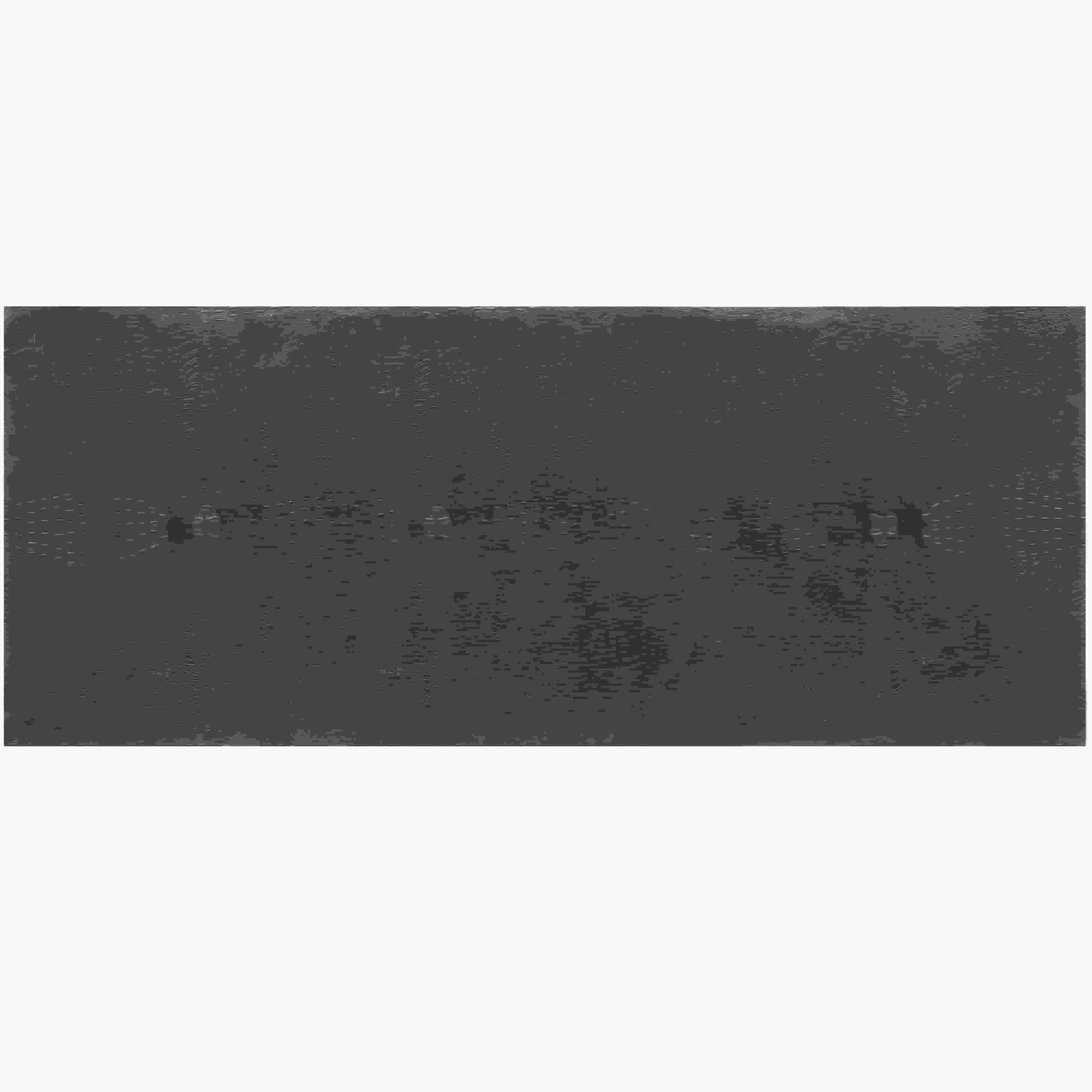
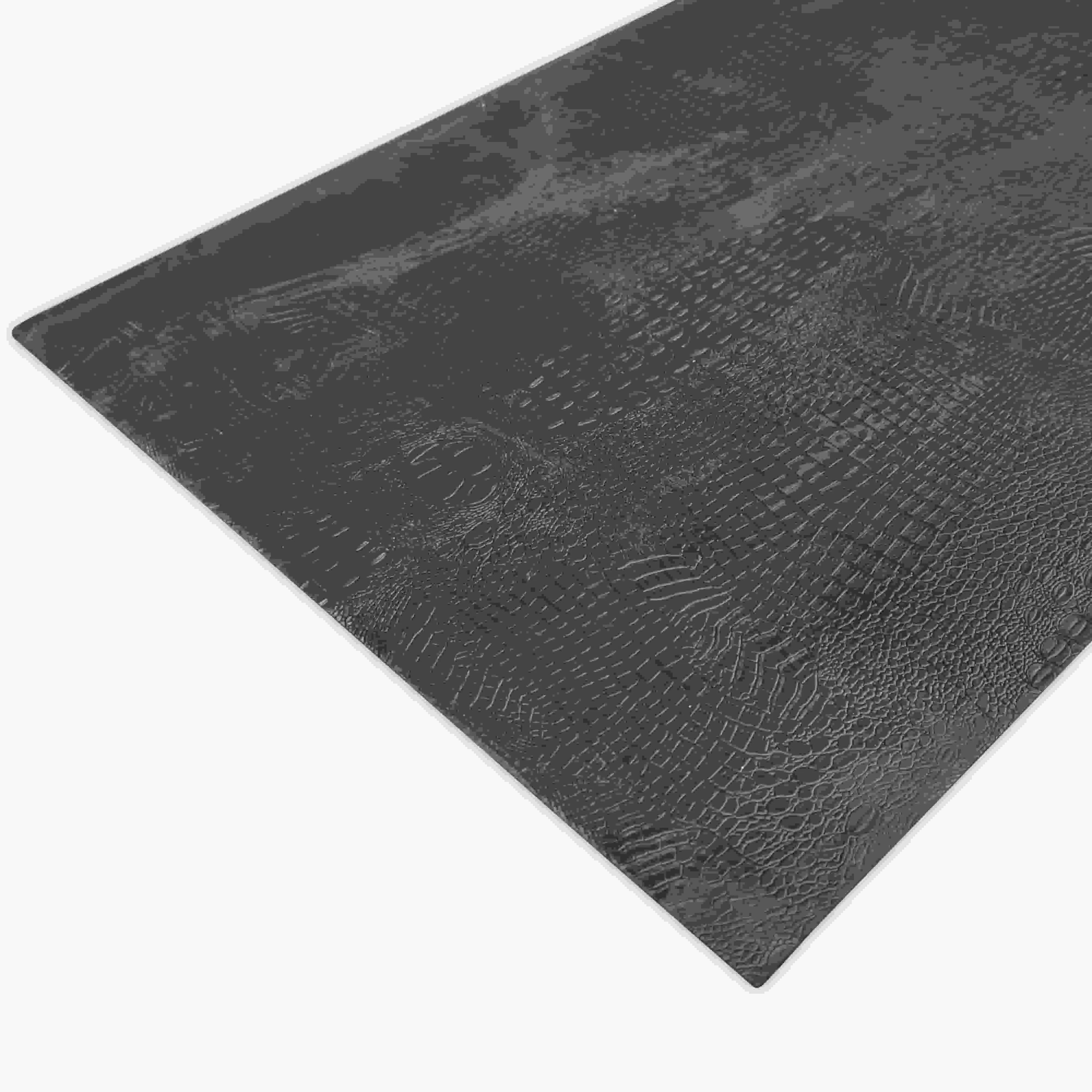
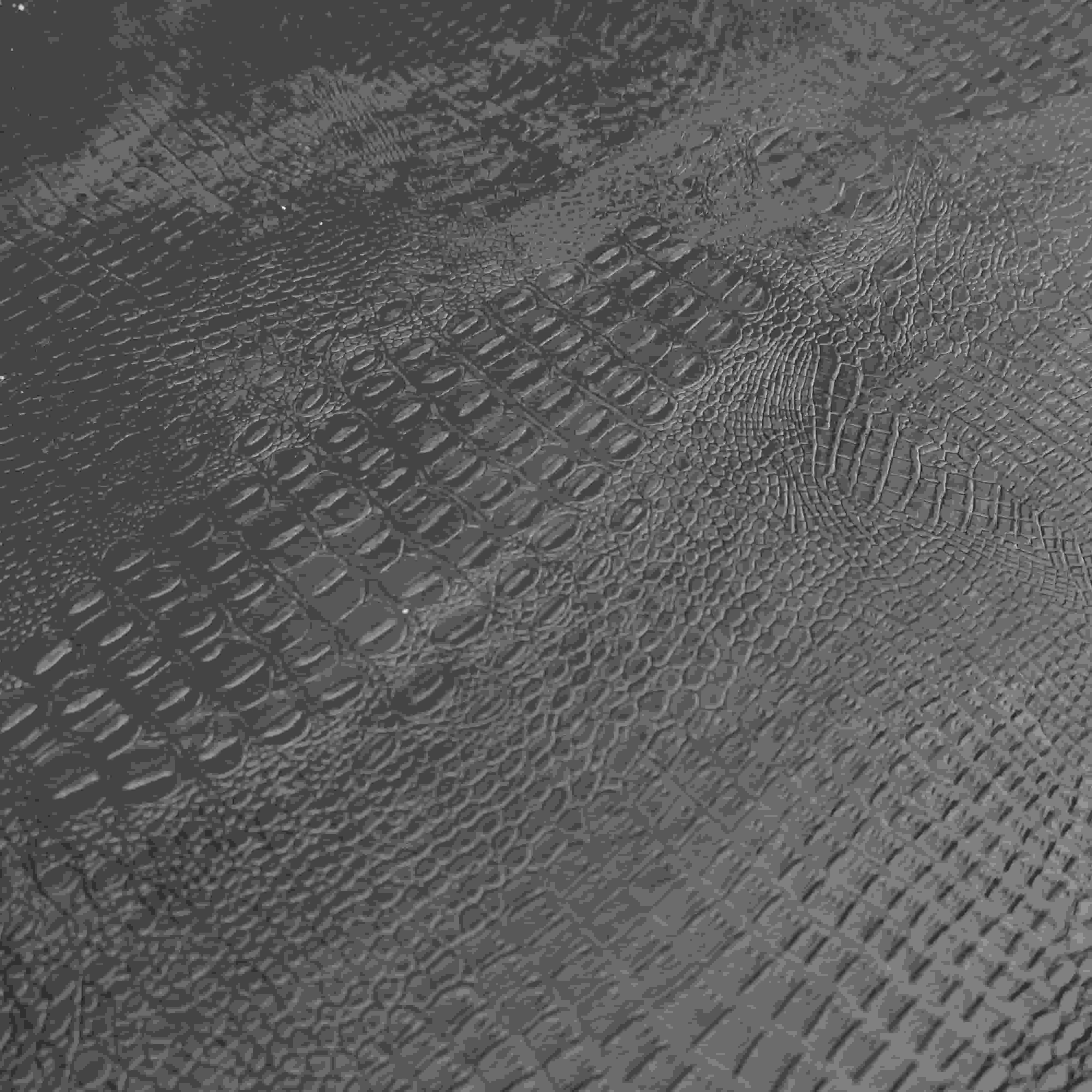
To add a touch of modernity and reflect the tower's "innovation" theme, the team used
foamed aluminium alloy board (vintage silver)
for the rooftop terrace railings and the entrance canopy. Foamed aluminium is lightweight, corrosion-resistant, and has excellent thermal insulation properties—key for a rooftop exposed to direct sunlight. The vintage silver finish, with its subtle brushed texture, contrasts beautifully with the warm tones of the stone and concrete, creating a striking first impression at the entrance. "The entrance is where visitors form their first opinion," says Al-Saud. "We wanted it to feel welcoming but also bold—like walking into the future. The vintage silver panels catch the light in the afternoon, making the entrance glow. It's become a bit of a landmark for Instagrammers!"
From Blueprint to Building: The Installation Journey
Installing the exterior cladding was no small task. With a tight deadline of 18 months from groundbreaking to completion, the construction team needed to work efficiently, even in Riyadh's summer heat. "We scheduled most of the panel installation for early mornings and evenings, when temperatures were cooler," says project manager Ali Ibrahim. "But
Croco's panels made the process easier than we expected. The
MCM flexible stone was lightweight enough for two workers to carry, and the big slabs could be lifted with standard cranes—no need for special equipment."
Quality control was another priority. Each panel was inspected at
Croco's factory in Dubai before shipping to Riyadh, ensuring color consistency and structural integrity. On-site, a team from
Croco provided training to the installation crew, teaching them how to handle the flexible stone without damaging it and how to secure the big slabs to the building's substrate. "We had a few nervous moments with the curved facade," Ibrahim admits. "But once the first flexible stone panel was in place and we saw how perfectly it hugged the curve, we knew we'd made the right choice."
"The biggest surprise was how little waste there was," adds Ibrahim. "With natural stone, you often have breakage during cutting and installation—maybe 10-15% waste. With
Croco's MCM panels, it was less than 2%. That saved us time, money, and reduced our environmental footprint. For a project focused on sustainability, that was a huge win."
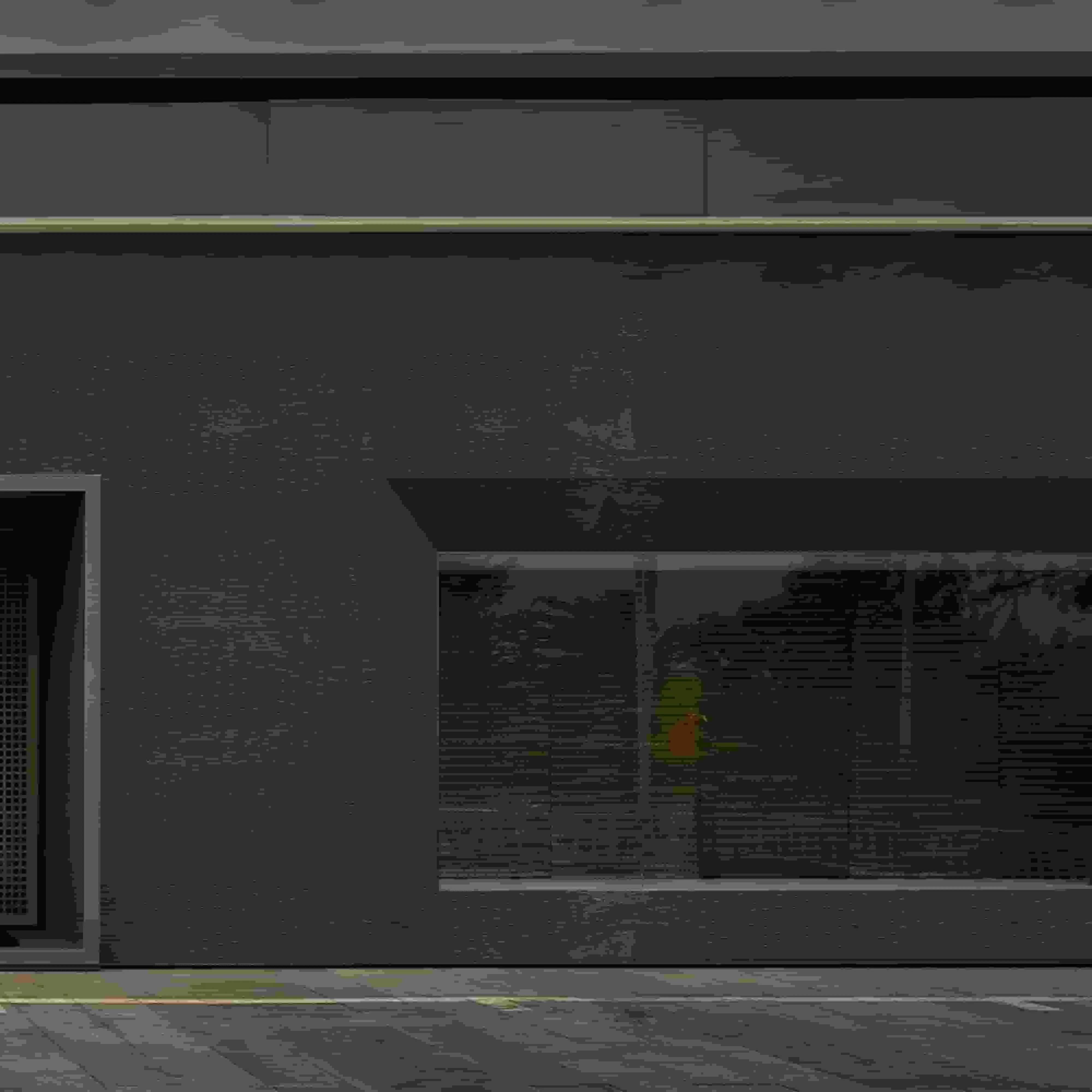
Results: A Tower That Stands Tall (and Cool)
When the Al-Riyadh Innovation Tower opened its doors in early 2025, the reaction was immediate. "People keep asking, 'What is that material?'" laughs Al-Saud. "They're used to seeing glass and steel—this feels different, more human. Employees love working here because the building feels welcoming, not sterile. And clients comment on the exterior all the time—it's become a talking point."
Beyond aesthetics, the performance results have been equally impressive. Thermographic scans conducted six months post-occupancy showed that the MCM panels reduced heat absorption by 35% compared to a similar glass-clad tower nearby, translating to a 20% reduction in HVAC costs. The flexible stone panels have withstood two major sandstorms without visible damage, and the vintage silver aluminium panels still shine like new. "We expected durability, but the thermal performance exceeded our projections," says Hassan. "That's the hidden benefit of MCM—it's not just about looks; it's about making the building work smarter."
To quantify the impact, the team compiled a comparison of key metrics between traditional materials and the
Croco MCM solutions used:
|
Metric
|
Traditional Materials (Stone/Aluminum)
|
Croco MCM Solutions
|
Improvement
|
|
Weight (kg/m²)
|
45-60
|
8-12
|
75-80% lighter
|
|
Installation Time
|
12 weeks (facade only)
|
6 weeks (facade only)
|
50% faster
|
|
Heat Absorption
|
High (glass/aluminum)
|
Low (reflective finishes)
|
35% reduction
|
|
Maintenance Cost (Annual)
|
$15,000 (cleaning, repairs)
|
$3,000 (minimal cleaning)
|
80% lower
|
|
Waste During Installation
|
10-15%
|
<2%
|
87% reduction
|
Perhaps the most rewarding result, though, is the tower's impact on Riyadh's skyline. "It's not just a building anymore—it's a symbol," says Al-Saud. "Young architects come to study it. School groups visit to learn about sustainable design. That's the legacy we wanted: to show that you can build something beautiful, durable, and true to your culture, even in a desert."
Conclusion: Building for the Future, Rooted in the Past
The Al-Riyadh Innovation Tower's exterior transformation is more than a success story for Al-Majd Real Estate or Dar Al-Jawad—it's a testament to the power of materials innovation.
Croco's MCM solutions didn't just solve technical challenges; they brought a vision to life, blending modern design with the resilience and warmth of Saudi Arabia's heritage. "At the end of the day, a building is about people," says Hassan. "It's about how it makes them feel, how it performs for them, how it fits into their city. With
Croco's MCM panels, we built a tower that does all three."
As Riyadh continues to grow, projects like the Al-Riyadh Innovation Tower set a new standard for what's possible. They prove that with the right materials, even the harshest climates can be home to buildings that are both beautiful and practical, innovative and rooted in place. And for
Croco, this project is more than a case study—it's a promise: that MCM isn't just a material, but a partner in building the skylines of tomorrow. One flexible, durable, stunning panel at a time.