
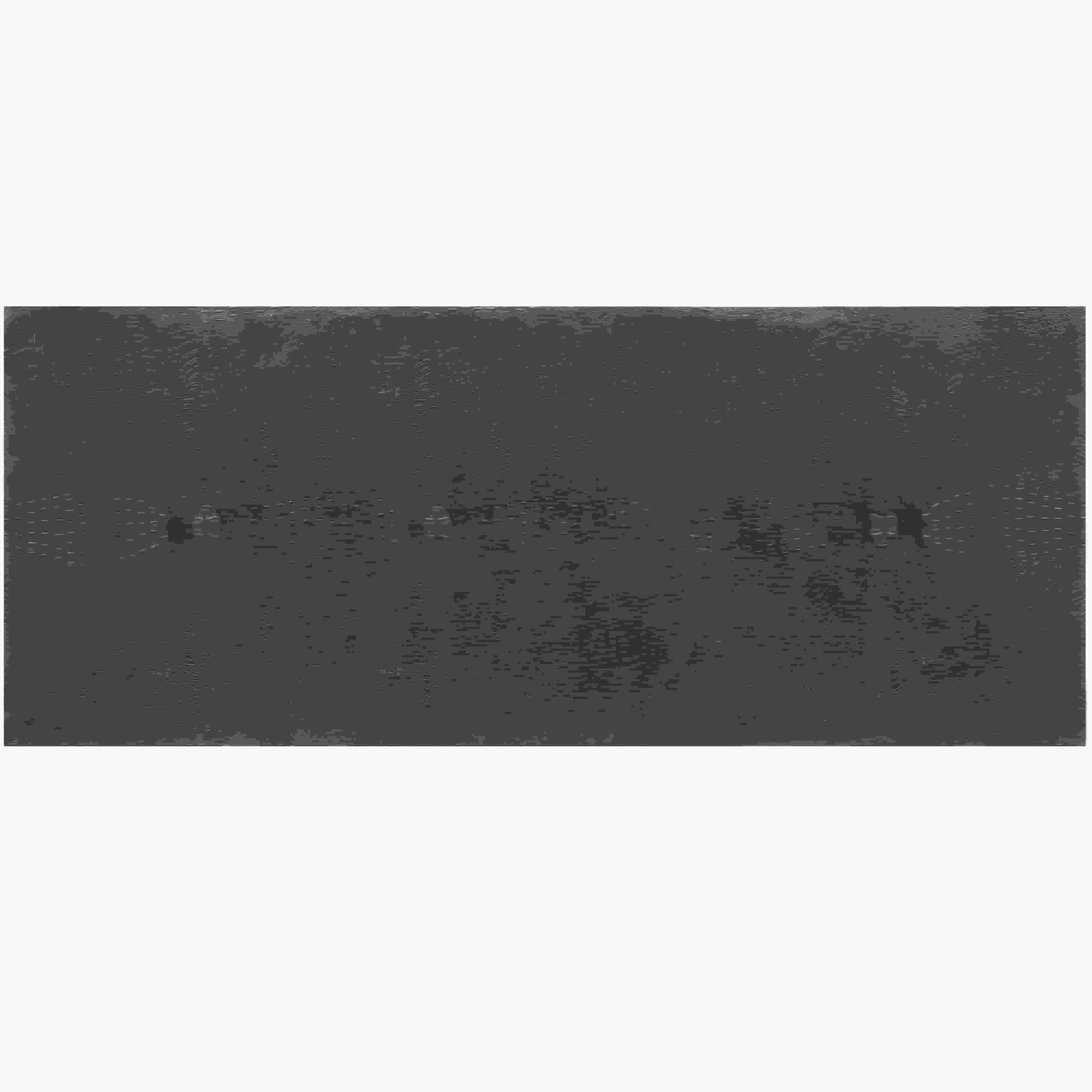
Let's face it: construction projects have a reputation for dragging on. Missed deadlines, weather delays, material shortages—these are the headaches that keep project managers up at night. But what if the materials themselves could be the solution? Enter the Croco MCM Project Board Series, a lineup of innovative building materials designed not just to build better, but to build faster. In a world where time is money and every day counts, MCM's approach to construction materials is changing the game. This isn't just about new products; it's about reimagining how we bring buildings to life—from the ground up, one efficient panel, slab, and 3D-printed component at a time.
Before we dive into how MCM is revolutionizing schedules, let's talk about the problem. Traditional construction materials come with hidden costs—time costs. Take natural stone, for example: beautiful, but heavy. Transporting large slabs requires specialized equipment, and installing them demands skilled labor and careful cutting to fit irregular spaces. Tilework? Countless hours spent laying small pieces, grouting, and sealing. Even concrete, a staple, often needs weeks to cure properly, and finishing work (like cladding or painting) adds another layer of delay.
Then there's customization. Architects dream up unique designs—curved walls, intricate facades, one-of-a-kind textures—but traditional materials struggle to keep up. Custom cuts mean more time on-site, more waste, and more room for error. And let's not forget logistics: waiting for materials to ship, dealing with supply chain gaps, or discovering that a batch of tiles doesn't match the sample. It's a domino effect, where one delay triggers another, pushing deadlines further and further out.
For contractors and developers, this isn't just frustrating—it's costly. Labor costs rise, client satisfaction drops, and opportunities to take on new projects shrink. The industry needed a shift: materials that are lightweight, easy to install, customizable, and durable enough to stand the test of time. That's where MCM's Project Board Series steps in.
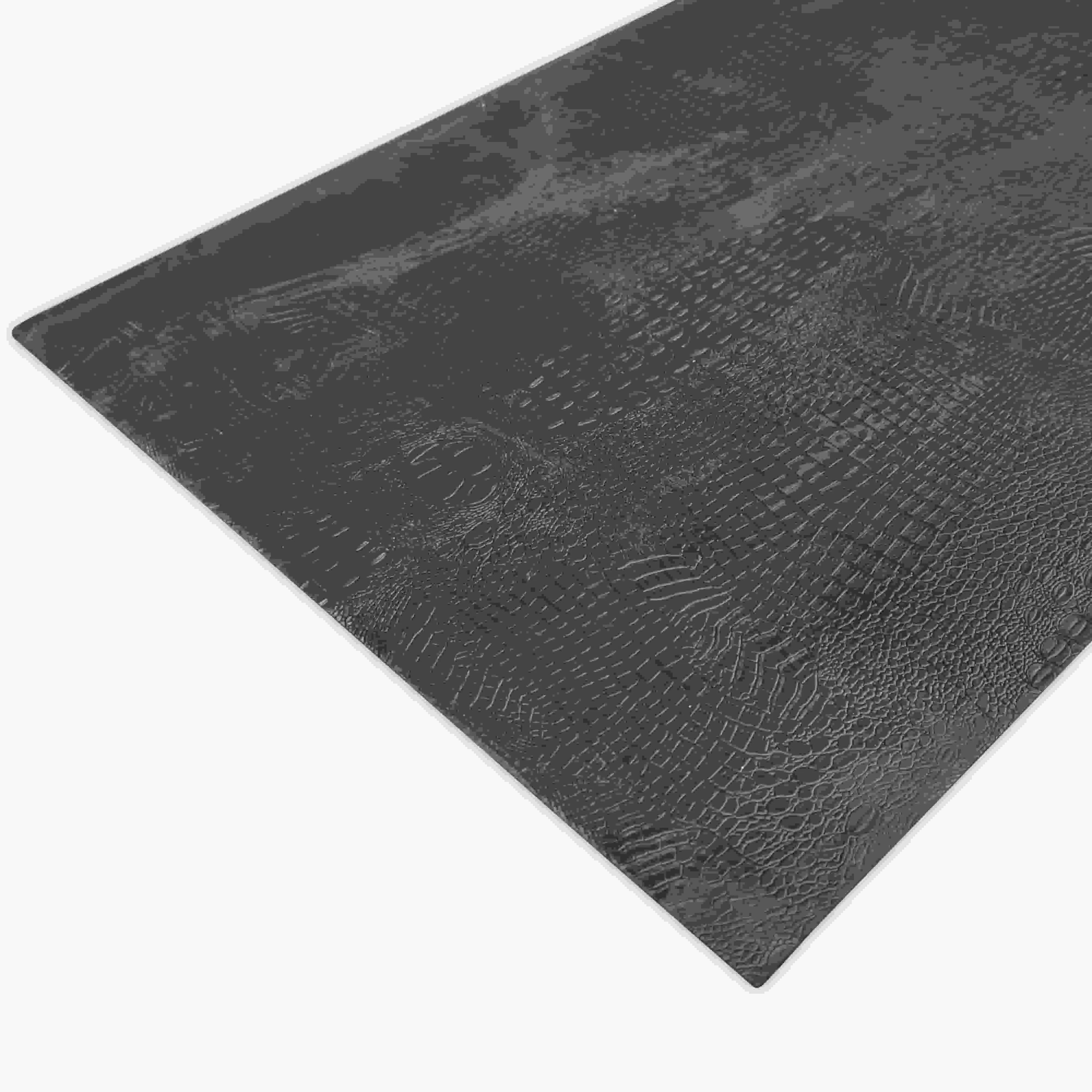
MCM (Modified Composite Material) isn't a single product—it's a philosophy. By blending advanced engineering with sustainable practices, MCM creates materials that address the root causes of construction delays. The Project Board Series brings this philosophy to life through a range of solutions, each designed to tackle a specific pain point in the building process. From 3D-printed precision to flexible stone that bends to your design, these materials aren't just "better"—they're smarter. Let's break down the stars of the series and how they're turning slow, stressful projects into smooth, on-time successes.
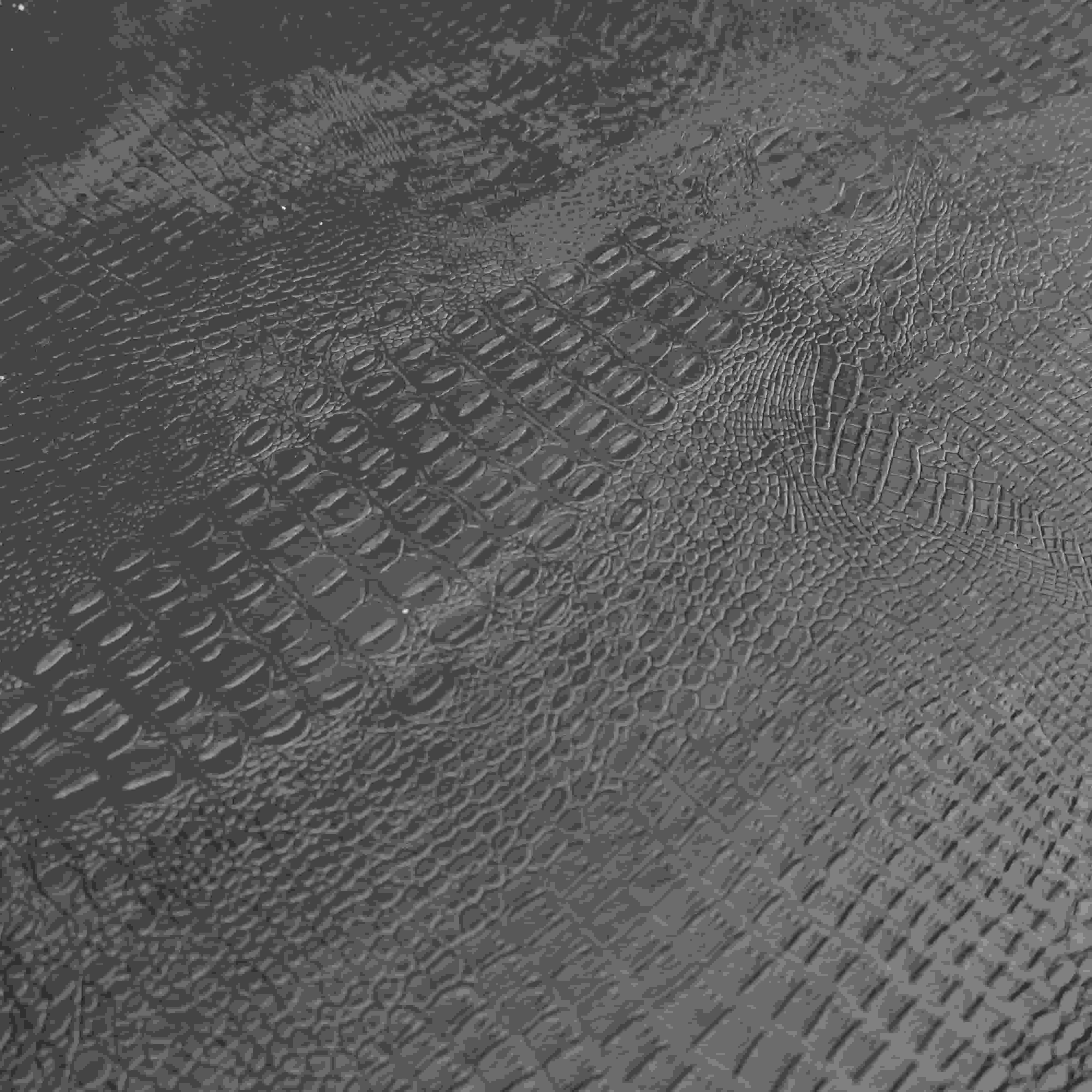
Imagine needing a unique decorative panel for a hotel lobby or a custom bracket for a curved staircase. Traditionally, that would mean weeks of back-and-forth with a manufacturer, expensive tooling, and the risk of miscommunication. With MCM's 3D Printing Series, that timeline collapses. Using industrial-grade 3D printers, MCM can produce custom components—from intricate facades to structural supports—in days, not weeks.
The magic here is precision and speed. 3D printing eliminates the need for molds, reducing waste and allowing for rapid prototyping. If a design needs tweaking, it's as simple as adjusting a digital file and hitting "print." For projects with tight deadlines or unique architectural features, this is a game-changer. A recent boutique hotel project in Barcelona, for example, used MCM's 3D Printing Series to create custom wave-shaped panels for their exterior. What would have taken 6 weeks with traditional manufacturing took just 10 days—letting the project open its doors a full month early.
When it comes to flooring, walls, or countertops, size matters—and bigger is often better. MCM's Big Slab Board Series offers slabs up to 3 meters long and 1.5 meters wide, far larger than standard tiles or stone slabs. Why does this matter? Fewer pieces mean fewer seams, less cutting, and faster installation. A traditional tile installer might lay 50 square meters of 60cm x 60cm tiles in a day; with MCM's Big Slabs, that same team can lay 150 square meters or more.
Take a retail mall renovation, for instance. Covering 10,000 square meters of floor with standard tiles would require over 27,000 individual pieces, each needing to be cut, spaced, and grouted. With MCM's Big Slabs, that number drops to just 2,222 slabs—cutting installation time by more than half. And because the slabs are engineered for consistency, there's no mismatched coloring or texture, so the finished look is seamless. It's not just faster; it's more beautiful, too.
Stone is strong, but it's not known for flexibility—until now. MCM's Flexible Stone is a breakthrough: a thin, lightweight material that looks and feels like natural stone but can bend up to 90 degrees without cracking. This is a game-changer for curved walls, rounded columns, or any design that deviates from straight lines.
Traditional stone requires custom cutting and shaping for curved surfaces, a time-consuming process that often results in waste. With Flexible Stone, installers can roll out the material like a sheet, trimming it to fit on-site in minutes. A recent museum project in Tokyo used Flexible Stone for a 50-meter-long curved facade. What would have taken 3 weeks to install with traditional stone took just 3 days. The material's flexibility also reduces transportation costs—no need for heavy crates or specialized handling—making it easier to get to remote job sites, too. It's stone that works with your schedule, not against it.
When it comes to cladding or structural panels, weight is a major factor in installation time. Heavier materials require more workers, bigger equipment, and slower lifting—all of which add days to a project. MCM's Foamed Aluminium Alloy Board solves this with a material that's 70% lighter than traditional aluminium but just as strong.
Imagine installing cladding on a 20-story office building. With standard aluminium panels, each weighing 25kg, a team of 4 might install 10 panels a day. With Foamed Aluminium Alloy Boards (weighing just 7.5kg each), that same team can install 30 panels a day—tripling productivity. And because the boards come in finishes like vintage silver, gold, and metal, there's no need for painting or coating after installation. It's a one-and-done solution that shaves weeks off the cladding phase of a project.
A recent residential tower in Dubai used Foamed Aluminium Alloy Board for its exterior, finishing the cladding in 6 weeks instead of the projected 16. The result? The building was ready for occupancy 2 months early, generating rental income sooner and delighting investors.
Concrete is a staple, but traditional concrete often needs finishing—painting, tiling, or cladding—to look presentable. MCM's Fair-Faced Concrete skips the middleman: it's engineered to have a smooth, uniform finish right out of the mold, so once it's poured, it's ready to be seen. No sanding, no painting, no additional steps.
For a warehouse conversion into loft apartments, this is a lifesaver. Pouring 5,000 square meters of Fair-Faced Concrete walls means the structural and aesthetic work happens in one step. Traditional concrete would require 2 weeks of curing, followed by 2 weeks of painting or cladding. With Fair-Faced Concrete, the walls are done in 2 weeks flat. It's not just faster; it's also more sustainable—no extra materials mean less waste, and the natural concrete finish adds a modern, industrial charm that tenants love.
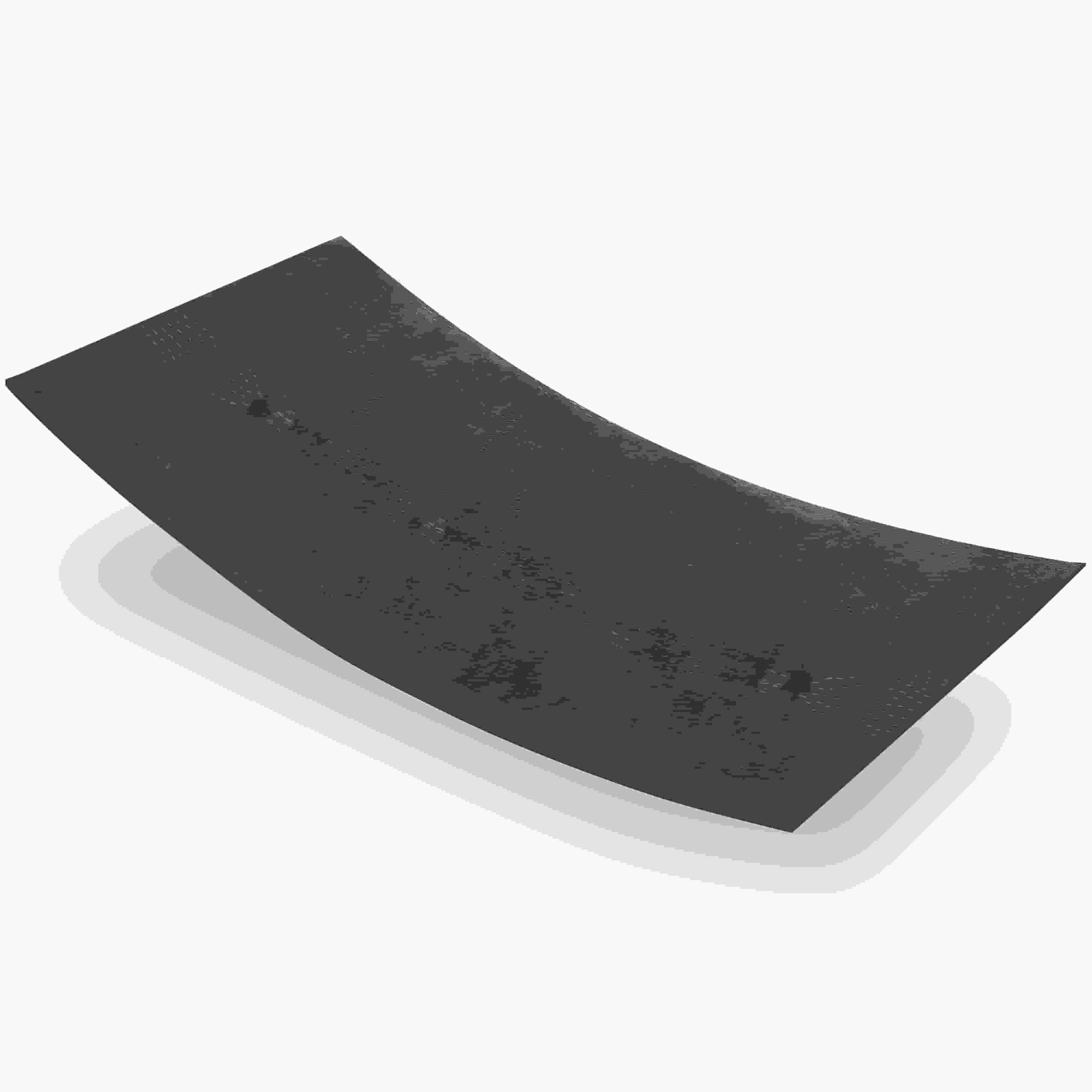
Numbers tell the story best. Let's compare a mid-sized commercial project (10,000 square meters) using traditional materials versus MCM's Project Board Series. The results speak for themselves:
| Project Phase | Traditional Materials (Time) | MCM Project Board Series (Time) | Time Saved |
|---|---|---|---|
| Flooring Installation | 45 days (standard tiles) | 15 days (Big Slab Board Series) | 30 days |
| Facade Cladding | 60 days (traditional stone/aluminium) | 20 days (Foamed Aluminium + Flexible Stone) | 40 days |
| Custom Architectural Elements | 30 days (molded/manufactured parts) | 7 days (3D Printing Series) | 23 days |
| Wall Finishing | 20 days (concrete + painting) | 5 days (Fair-Faced Concrete) | 15 days |
| Total Project Time (Key Phases) | 155 days | 47 days | 108 days (69%) |
That's over 3 months saved on just the key phases of the project. For a developer, that means opening for business sooner, generating revenue faster, and reducing carrying costs like loans and insurance. For a contractor, it means freeing up crews to take on more projects. It's a win-win that ripples through the entire industry.
You might be wondering: if these materials are so fast to install, do they skimp on quality? The answer is a resounding no. MCM's Project Board Series is engineered to last. Take Flexible Stone, for example: it's tested to withstand 50 years of weathering, with no fading or cracking. Foamed Aluminium Alloy Board has a fire rating of A1 (non-combustible) and resists corrosion, making it ideal for coastal areas. And the 3D Printing Series uses high-strength composites that meet or exceed industry standards for structural integrity.
Sustainability is another bonus. MCM's materials are designed to minimize waste: 3D printing uses only the material needed, reducing scrap by up to 90%. Flexible Stone and Big Slabs are made from recycled content, and Foamed Aluminium is 100% recyclable at the end of its life. Even Fair-Faced Concrete reduces the need for paint or cladding, cutting down on volatile organic compounds (VOCs) and harmful emissions. It's speed with a conscience—a rare combination in construction.
A 15,000-square-meter retail center in downtown Chicago was struggling to meet its grand opening deadline. With just 3 months left, the flooring and facade were behind schedule. The project switched to MCM's Big Slab Board Series for flooring and Foamed Aluminium Alloy Board for cladding. The result? Flooring installation went from 6 weeks to 2, and cladding from 8 weeks to 3. The center opened on time, welcoming 50,000 visitors in its first weekend. "We thought we'd have to push the opening," said the project manager. "MCM didn't just save us time—they saved our reputation."
A boutique resort in Bali wanted to create a curved, open-air lobby with a stone facade that blended with the island's natural beauty. Traditional stone was too rigid and slow; MCM's Flexible Stone was the solution. The 200-meter curved wall was installed in 4 days, and the 3D Printing Series created custom decorative panels that mimicked local Balinese patterns. The resort opened 2 months early, capitalizing on peak tourist season and boosting revenue by $1.2 million. "The design was ambitious, but MCM made it possible," said the architect. "We didn't have to compromise on vision or timeline."
Construction doesn't have to be slow. With MCM's Project Board Series—from the precision of 3D Printing to the flexibility of Flexible Stone, the speed of Big Slabs, and the efficiency of Foamed Aluminium and Fair-Faced Concrete—projects can move faster, cost less, and look better than ever before. This isn't just about materials; it's about empowering builders, architects, and developers to dream bigger and deliver sooner.
So the next time you walk into a building that feels ahead of its time, take a closer look. Chances are, it was built with MCM. Because in the world of construction, time waits for no one—but with MCM, you might just outrun it.
Recommend Products












