

When it comes to designing the interior of a home, office, or commercial space, few elements have as much impact as the walls. They're not just boundaries—they're the canvas that sets the mood, reflects personality, and transforms a room from ordinary to extraordinary. In recent years, the world of wall cladding has exploded with innovative materials, each promising to deliver durability, beauty, and functionality. Among the top contenders in this arena are two heavyweights: MCM Flexible Stone (a star product from the Croco MCM lineup) and traditional Ceramic Tiles. But how do they stack up? Is the modern flexibility of MCM worth the investment, or does the tried-and-true reliability of ceramic tiles still hold sway? Let's dive in, explore their nuances, and help you decide which is better for your next project.
Before we pit them against each other, let's get to know each material individually. Think of this as a "meet the contestants" round—where we'll uncover what makes each unique, their origins, and the magic they bring to interior spaces.
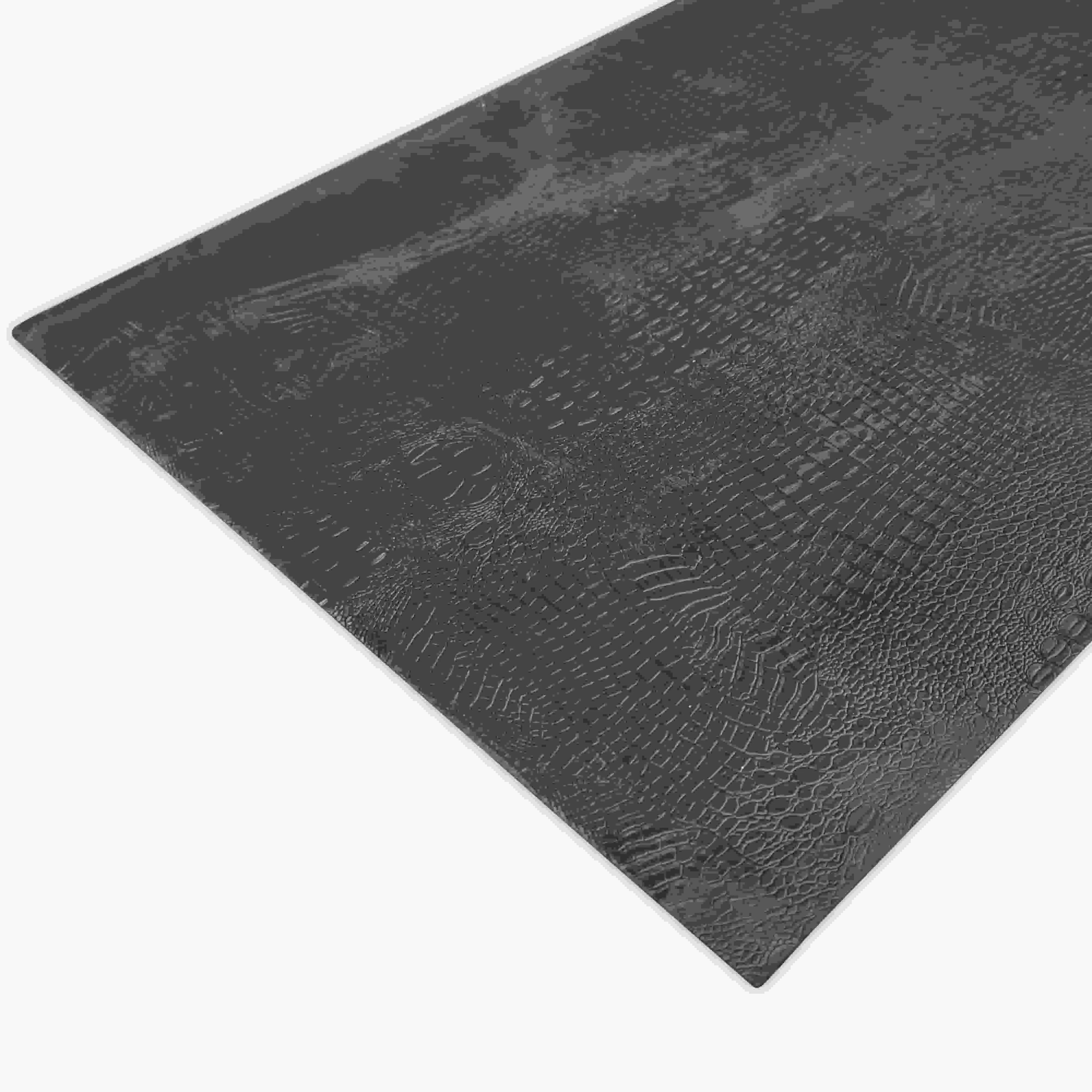
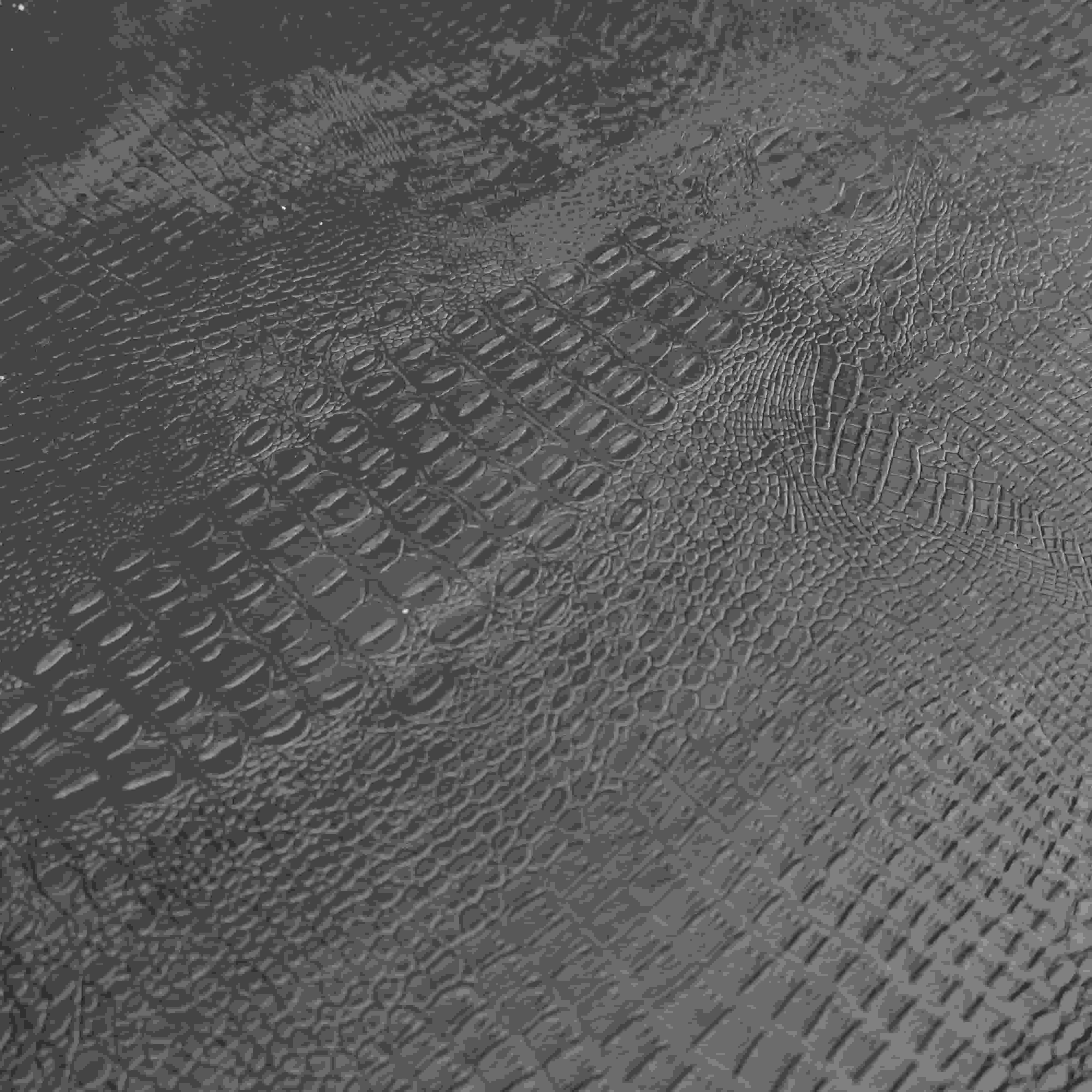
MCM, or Modified Composite Material, is a revolutionary category of building materials designed to mimic the look and feel of natural stone, wood, or metal—without the bulk, weight, or environmental impact of their traditional counterparts. At the heart of this lineup is MCM Flexible Stone , a thin, lightweight cladding option that's taking the design world by storm. Unlike rigid natural stone slabs or heavy ceramic tiles, MCM Flexible Stone is engineered to bend, curve, and conform to uneven surfaces, making it a versatile choice for both flat walls and architectural features like arches or columns.
But what exactly is it made of? MCM Flexible Stone typically combines recycled stone aggregates, polymer resins, and fiberglass mesh, creating a material that's both strong and supple. Its thickness ranges from a mere 2-5mm, and it weighs a fraction of natural stone—often less than 5kg per square meter. This lightweight nature isn't just about ease of handling; it also reduces the structural load on buildings, making it ideal for retrofits or spaces where weight is a concern.
One of the most exciting aspects of MCM Flexible Stone is its aesthetic versatility. Croco, a leading manufacturer in this space, offers an astonishing range of finishes, from the subtle shimmer of Travertine (Starry Blue) —which mimics the look of natural travertine with tiny, star-like flecks of blue—to the warm, organic texture of Wood Grain Board , which replicates the grain of aged oak or teak. There's even Foamed Aluminium Alloy Board (Vintage Silver) for a sleek, industrial vibe, or Fair-Faced Concrete for that raw, minimalist charm. In short, MCM Flexible Stone doesn't just "look like" natural materials—it elevates them, offering textures and colors that are often hard to find in nature itself.
Ceramic tiles, on the other hand, are the veterans of the cladding world. For centuries, humans have been firing clay into tiles to decorate homes, temples, and public spaces—and for good reason. Made from natural clay, sand, and water, ceramic tiles are shaped, glazed (or left unglazed), and fired at high temperatures (up to 1200°C) to create a hard, dense material. They come in two main types: glazed ceramic tiles, which have a protective layer of glass-like glaze that adds color and pattern, and unglazed ceramic tiles (often called quarry tiles), which are denser and more slip-resistant but less varied in appearance.
Ceramic tiles are beloved for their classic appeal. Think of the white subway tiles in a 1950s kitchen, the intricate mosaic tiles in a Moroccan riad, or the glossy, bold-colored tiles in a retro bathroom. They're available in sizes ranging from tiny 1x1-inch mosaics to large 24x24-inch slabs, and their glaze can be matte, glossy, or textured. For decades, they've been the go-to for spaces where durability and moisture resistance are key—like bathrooms, kitchens, and entryways.
But ceramic tiles aren't without their limitations. They're rigid, which means they can crack or chip if a heavy object is dropped on them. They're also heavy—typically 15-20kg per square meter—making installation more labor-intensive. And while their glaze offers some protection, deep scratches can expose the underlying clay, leading to discoloration over time. Still, for many homeowners and designers, their affordability, familiarity, and timeless look make them a staple.
Now that we know the basics, let's compare MCM Flexible Stone and Ceramic Tiles across key categories that matter most to homeowners, designers, and builders. From durability to aesthetics, installation to sustainability, we'll break down how each performs.
| Category | MCM Flexible Stone | Ceramic Tiles |
|---|---|---|
| Material Composition | Recycled stone aggregates, polymer resins, fiberglass mesh | Fired clay, silica, glaze (optional) |
| Thickness | 2-5mm | 8-12mm (standard), up to 20mm (heavy-duty) |
| Weight | 3-5kg per sq.m | 15-20kg per sq.m |
| Durability | High impact resistance; flexible, so less prone to cracking; resistant to scratches and moisture | Moderate impact resistance; rigid, so can crack under heavy impact; glaze resists moisture but can chip |
| Aesthetic Options | Extensive: natural stone (travertine, marble), wood, metal, concrete, 3D textures, custom colors (e.g., Starry Blue, Vintage Silver) | Classic: glazed solid colors, mosaics, basic stone/wood looks; limited 3D or natural texture depth |
| Installation Ease | Lightweight, easy to cut on-site with standard tools; can adhere to most surfaces (drywall, concrete, metal); suitable for curved walls | Heavy, requires sturdy substrate; cutting often needs wet saws; rigid, so limited to flat surfaces; grout required |
| Maintenance | Low: wipe with mild soap and water; no grout lines to clean; resistant to stains | Moderate: grout lines trap dirt and mold; glaze can stain if spills aren't cleaned promptly; may require regrouting every 5-10 years |
| Sustainability | High: uses recycled materials; low-temperature production reduces carbon footprint; lightweight design lowers transportation emissions | Moderate: clay is abundant but firing requires high heat (fossil fuels); heavy weight increases transportation emissions |
| Cost Range | $30-80 per sq.m (material); $15-30 per sq.m (installation) | $10-40 per sq.m (material); $25-50 per sq.m (installation) |
When it comes to durability, the battle between MCM Flexible Stone and ceramic tiles boils down to flexibility versus rigidity. Ceramic tiles are hard and dense, which makes them resistant to scratches (thanks to their glaze) and moisture. But that hardness is a double-edged sword: they're brittle. drop a heavy pot on a ceramic tile floor, and there's a good chance you'll end up with a cracked tile. Similarly, if the substrate (like a wall) shifts slightly over time—due to settling or temperature changes—ceramic tiles can crack or loosen.
MCM Flexible Stone, by contrast, is designed to bend. Its fiberglass mesh core gives it tensile strength, allowing it to absorb impact without breaking. "I installed MCM Wood Grain Board in my kid's playroom two years ago, and despite countless toy trucks slamming into the walls, there's not a single scratch or dent," says Mark Chen, a homeowner in Chicago. "We even had a shelf mount come loose and fall—hit the wall, and the MCM just flexed and popped back. With ceramic tiles, that would have been a shattered mess."
Moisture resistance is another key factor. Both materials perform well in humid environments like bathrooms, but MCM has an edge here too. Since it's a solid sheet (no grout lines), there's nowhere for water to seep in and cause mold or mildew. Ceramic tiles, on the other hand, rely on grout to hold them in place—and grout, even sealed grout, can degrade over time, leading to water damage behind the tiles.
Design is subjective, but there's no denying that MCM Flexible Stone offers a level of aesthetic versatility that's hard to match. Let's start with texture. Natural stone is beautiful, but it's often uneven, porous, or prone to variation. MCM Flexible Stone replicates those textures with precision—whether it's the pitted surface of travertine, the grain of reclaimed wood, or the smooth, metallic sheen of Foamed Aluminium Alloy Board (Vintage Silver) . What's more, Croco's 3D printing technology allows for textures that are impossible to achieve with natural materials, like the undulating waves of the "Gobi Panel" or the starry flecks in Travertine (Starry Blue) .
Ceramic tiles, while lovely, tend to have a more uniform look. Glazed tiles can mimic stone or wood, but the patterns are often repetitive, and the texture is usually flat or slightly raised (think "textured" subway tiles). Mosaics add visual interest, but they're labor-intensive to install and can feel busy in large spaces. For homeowners who crave a "bespoke" look—walls that feel unique and curated—MCM Flexible Stone has the upper hand.
Color is another area where MCM shines. Traditional ceramic tiles are limited by the pigments that can withstand high firing temperatures. MCM, however, uses polymer-based dyes that offer a wider range of hues, from the soft pastels of Lime Stone (Beige) to the bold drama of Red Travertine . The "Starry" series—like Starry Blue, Starry Red, or Starry Orange—adds a playful, almost magical element, with flecks of color that catch the light and change throughout the day.
Installation is where the weight difference between MCM Flexible Stone and ceramic tiles becomes a game-changer. Let's do the math: a standard 100-square-meter wall would require 500kg of MCM Flexible Stone (at 5kg per sq.m) versus 2000kg of ceramic tiles (at 20kg per sq.m). That's a difference of 1500kg—about the weight of a small car! For installers, this means less lifting, fewer trips to the job site, and a lower risk of injury.
MCM Flexible Stone is also easier to cut and shape. Unlike ceramic tiles, which often require a wet saw to avoid chipping, MCM can be cut with a utility knife or jigsaw on-site. This makes it ideal for custom projects, like cutting around outlets, windows, or decorative niches. It also adheres to almost any surface—drywall, concrete, metal, even existing tile—with a standard construction adhesive. No need for a thick mortar bed, which saves time and materials.
Ceramic tile installation, by contrast, is a more involved process. The substrate must be perfectly flat and level; otherwise, tiles will crack or pop loose. Installers often use a cement backer board to create a stable base, which adds time and cost. Then there's the mortar application, tile setting, grouting, and sealing—each step requiring precision and patience. Grout lines, while functional, also add visual breaks in the design, which some homeowners find distracting.
Curved walls or architectural features? MCM Flexible Stone is the clear winner here. Its flexibility allows it to wrap around columns, arches, or curved niches without cracking. Ceramic tiles, being rigid, can only be installed on flat surfaces unless you use small, mosaic tiles—which again, are more labor-intensive.
In an era where sustainability is a top priority, the environmental impact of building materials matters more than ever. Let's start with MCM Flexible Stone. Croco's manufacturing process uses recycled stone dust and aggregates from quarry waste, diverting tons of material from landfills each year. The production also requires far less energy than firing ceramic tiles: MCM is cured at low temperatures (around 80-120°C), while ceramic tiles are fired at 1000-1200°C, a process that relies heavily on fossil fuels.
Transportation is another green win for MCM. Its lightweight design reduces fuel consumption during shipping, and because it's thin, more material can fit on a truck—lowering the number of trips needed. Once installed, MCM Flexible Stone is long-lasting (50+ years with proper care), reducing the need for replacement and the waste that comes with it.
Ceramic tiles, while made from abundant clay, have a higher carbon footprint. The firing process emits CO2, and the heavy weight increases transportation emissions. That said, ceramic tiles are inert and don't off-gas VOCs (volatile organic compounds), which is a plus for indoor air quality. Some manufacturers also offer recycled ceramic tiles, made from post-consumer waste, which helps offset their environmental impact.
Let's talk numbers. MCM Flexible Stone typically costs more upfront than ceramic tiles: $30-80 per square meter for materials, compared to $10-40 per square meter for ceramic. But installation costs tell a different story. MCM is lighter and easier to install, so labor costs are lower—around $15-30 per square meter. Ceramic tiles, with their heavier weight and more complex installation, can cost $25-50 per square meter in labor. When you add it all up, the total cost (material + labor) for MCM and ceramic tiles often ends up being similar—$45-110 per square meter for MCM, vs. $35-90 per square meter for ceramic.
But cost isn't just about the initial investment; it's about long-term value. MCM Flexible Stone requires minimal maintenance: no grout to seal, no tiles to replace if they crack. Over 20 years, the savings on maintenance and repairs can add up. Ceramic tiles, on the other hand, may need regrouting every 5-10 years (costing $10-20 per square meter), and cracked tiles will need to be replaced—often requiring a professional to match the color and texture, which can be pricey.
Resale value is another consideration. Homes with unique, high-quality finishes like MCM Flexible Stone often appeal to buyers willing to pay a premium. "I've seen MCM-clad spaces sell 5-10% faster than comparable homes with standard ceramic tiles," says real estate agent James Wilson. "Buyers love that it's low-maintenance and looks luxurious without the hassle of natural stone."
To make this more concrete, let's look at three real-world scenarios where one material might be better than the other.
Imagine you're renovating your living room, a space where you spend evenings with family, host friends, and want walls that feel warm and inviting. You love the look of natural wood but worry about scratches from kids or pets. MCM Flexible Stone in Wood Grain Board is the perfect solution. It mimics the look of reclaimed oak—complete with knots and grain— but is scratch-resistant and easy to clean. Plus, its lightweight nature means you can install it yourself over a weekend, saving on labor costs. Ceramic tiles, while durable, would feel cold and hard in this space, and the grout lines would disrupt the seamless wood-look aesthetic.
Now, picture a busy restaurant lobby, where walls take a beating from luggage, chairs, and constant foot traffic. You need something durable, easy to clean, and visually striking. Foamed Aluminium Alloy Board (Vintage Silver) checks all the boxes. Its metallic finish adds a modern, upscale vibe, and its impact-resistant surface can withstand bumps and scrapes. MCM's lightweight design also means it can be installed quickly, minimizing downtime for the restaurant. Ceramic tiles could work here, but their weight would require reinforcing the walls, and grout lines would trap food particles and bacteria— a hygiene nightmare in a food service setting.
Finally, consider a small bathroom renovation on a tight budget. You need moisture-resistant walls but don't want to splurge on high-end materials. Ceramic tiles might be the way to go here. Basic white subway tiles cost as little as $10 per square meter, and while installation is more labor-intensive, the total cost will be lower than MCM. Plus, ceramic tiles have a proven track record in wet environments, so you can trust they'll hold up over time. That said, if you have a little extra budget and want a more unique look, MCM Flexible Stone in Travertine (Starry Blue) could turn your bathroom into a spa-like retreat—without the maintenance headaches of natural stone.
At the end of the day, the choice between MCM Flexible Stone and ceramic tiles depends on your priorities. If you value flexibility, aesthetic variety, easy installation, and long-term sustainability, MCM Flexible Stone is the clear winner. Its ability to mimic (and enhance) natural materials, combined with its durability and low maintenance, makes it a standout choice for modern homes and commercial spaces. Whether you're drawn to the starry allure of Travertine (Starry Blue) , the warmth of Wood Grain Board , or the sleekness of Foamed Aluminium Alloy Board (Vintage Silver) , MCM offers a level of customization that's hard to beat.
Ceramic tiles, however, still have their place. They're affordable, familiar, and perfect for budget projects or spaces where a classic look is desired. If you're renovating a bathroom on a tight timeline or love the retro charm of subway tiles, ceramic is a reliable option.
But for those who want to elevate their space— to create walls that tell a story, adapt to their lifestyle, and stand the test of time—MCM Flexible Stone is more than a material. It's a design tool, one that empowers you to turn ordinary walls into extraordinary works of art. So go ahead—dream big. With MCM Flexible Stone, your walls can be as unique as you are.
Recommend Products












