
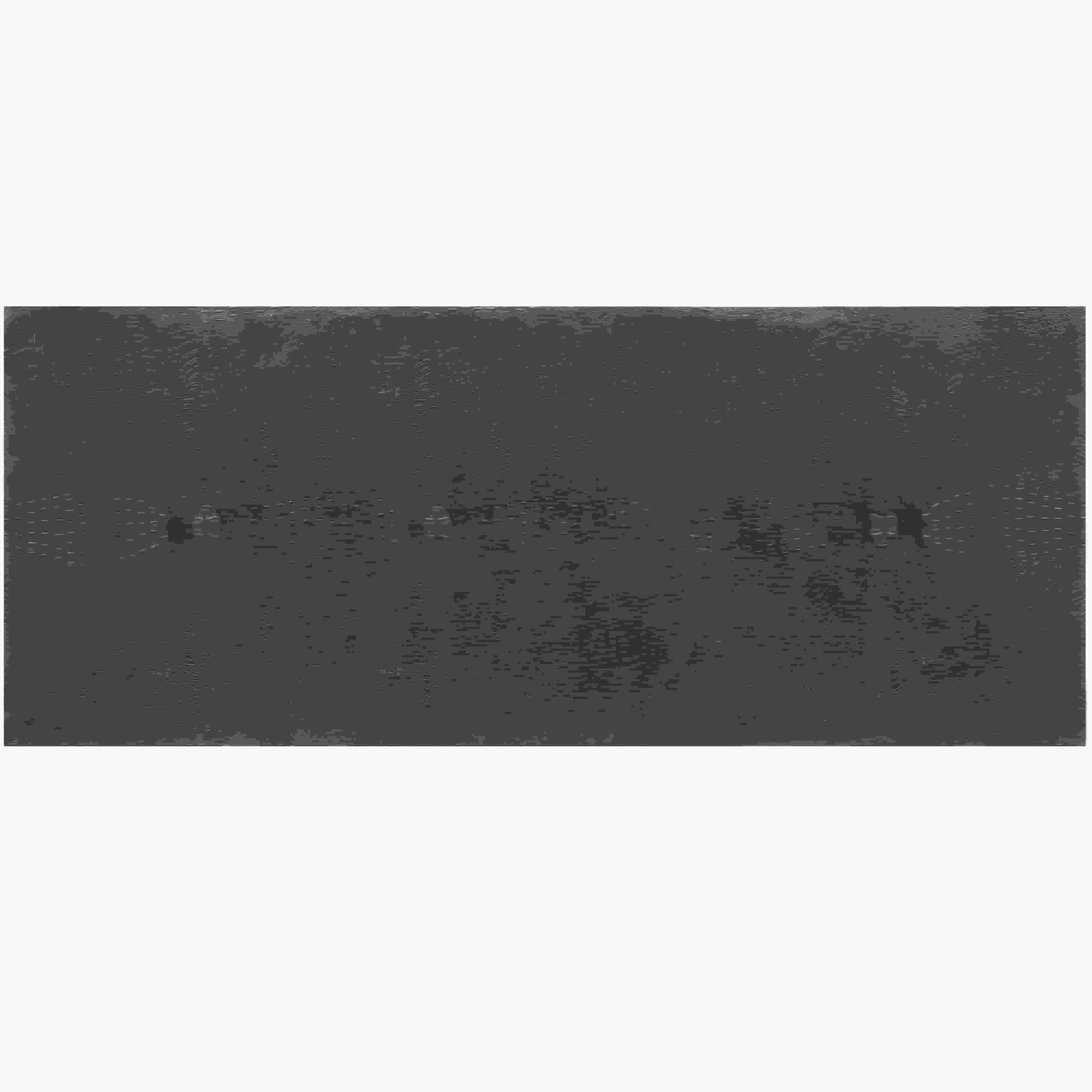
In the world of architecture, some stories are told in decades—not days. The materials we choose don't just shape a building's look; they write its legacy. Today, we're diving into two heavyweights of cladding: Croco MCM and Fiber Cement. Which one stands the test of time?
Think about your favorite old building. Maybe it's a weathered coastal cottage or a grand urban landmark. What makes it feel "alive" after all these years? Chances are, it's the materials. They've borne rain, sun, and storms, yet still hold their character. Longevity in building materials isn't just about durability—it's about preserving beauty, reducing waste, and honoring the vision of the designers who brought them to life.
For architects, homeowners, and developers, the choice between Croco MCM (Modified Composite Material) and Fiber Cement often comes down to this: Which will still look and perform like new in 20, 30, even 50 years? Let's unpack their stories, starting with what makes each unique.
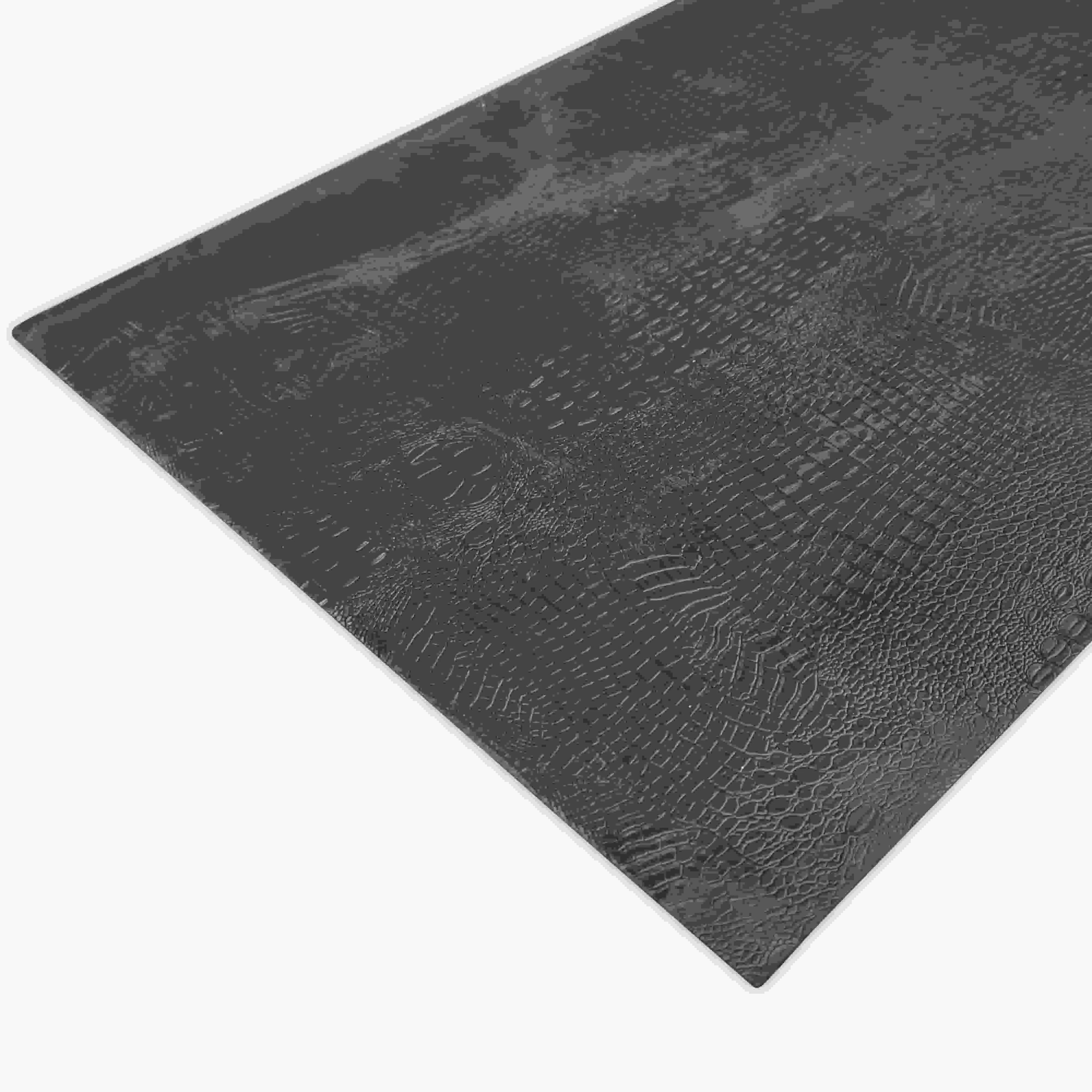
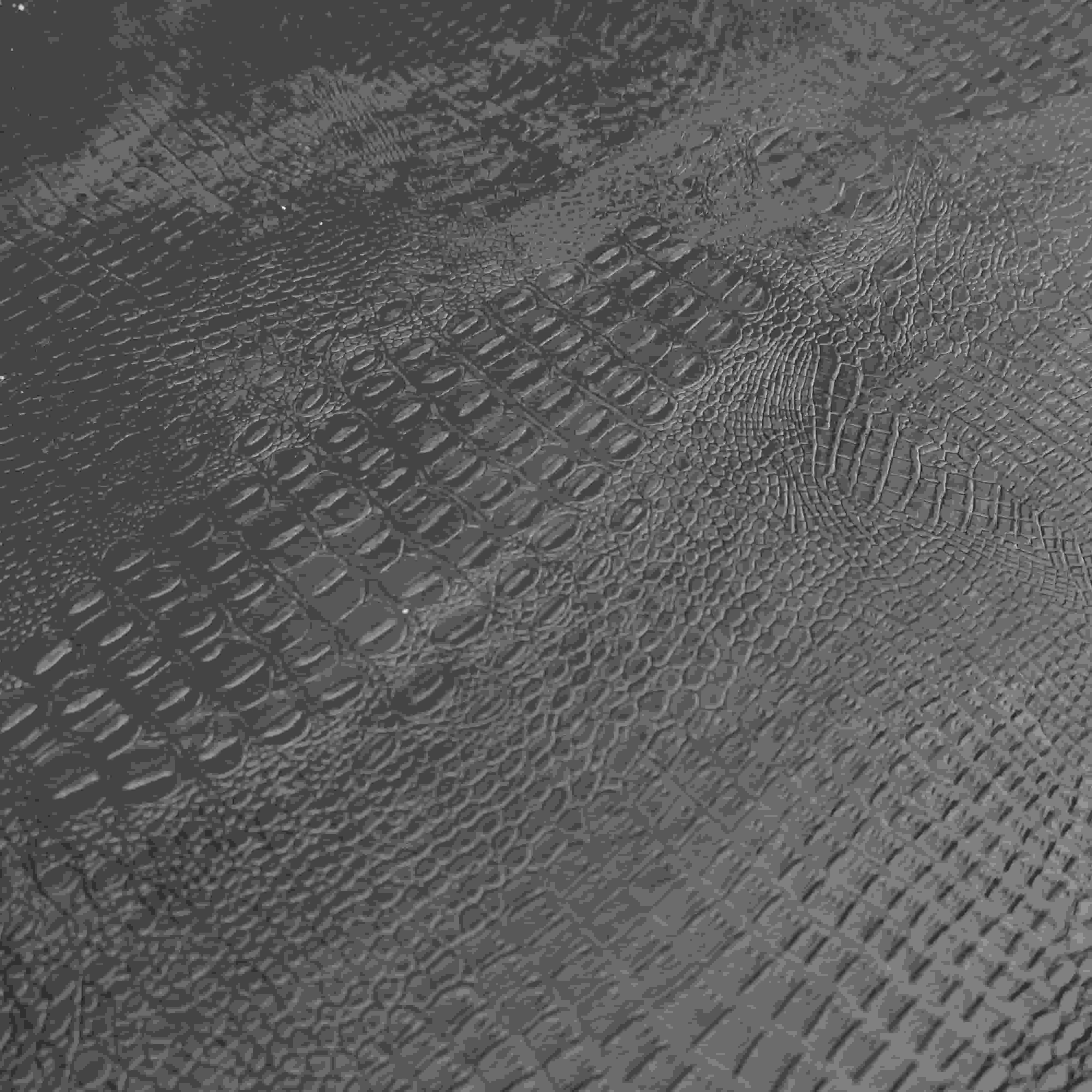
If building materials had personalities, Croco MCM would be the adaptable artist. Short for Modified Composite Material, it's a blend of innovation and aesthetics, designed to mimic natural textures while outperforming them in resilience. What sets it apart? Its flexibility—both literal and creative.
Walk through a Croco MCM showroom, and you'll find yourself lost in a gallery of possibilities: travertine (starry green) panels that sparkle like a forest at night, rammed earth board (gradient) that flows from soft terracotta to deep ochre, and even foamed aluminium alloy board (vintage silver) that adds a sleek, industrial edge without the weight of solid metal. These aren't just "look-alikes"—they're engineered to capture the essence of natural materials while fixing their flaws.
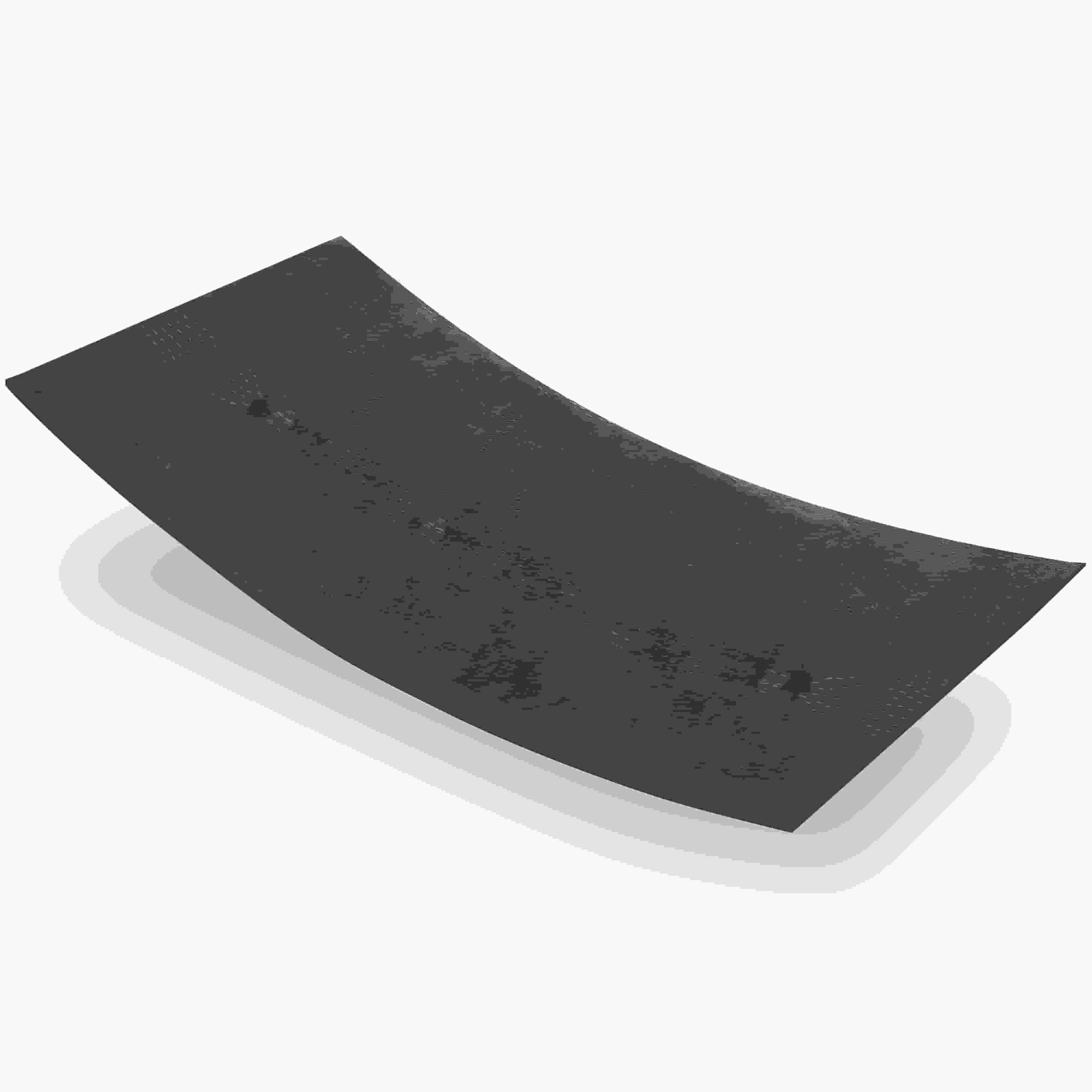
At its core, Croco MCM combines a lightweight substrate (often recycled materials or high-performance alloys like that vintage silver foamed aluminium) with a protective finish that repels the elements. It's thin, flexible, and surprisingly tough—qualities that make it a favorite for buildings that demand both beauty and endurance.
Fiber Cement, on the other hand, is the trusted veteran of the construction world. For decades, it's been the go-to for homeowners and builders who prioritize affordability and fire resistance. Made from a mix of cellulose fibers, cement, sand, and water, it's dense, rigid, and has a no-nonsense durability that's hard to ignore.
You've probably seen it on suburban homes, commercial buildings, or even historic renovations—it's the material that quietly gets the job done. Available in siding, shingles, or cladding panels, it often mimics wood or stone, offering a classic look without the upkeep of the real thing. But here's the catch: that reliability comes with trade-offs, especially when it comes to long-term wear and tear.
Fiber Cement is heavy, which can put stress on a building's structure over time. And while it resists fire and pests, it's porous by nature—meaning without regular sealing, moisture can seep in, leading to cracks, warping, or even mold. It's the dependable friend, but like any friend, it needs a little care to stay in top shape.
Longevity isn't just about "toughness"—it's a dance between material science and the elements. Let's break down the key players that determine how well a cladding material ages:
From scorching desert sun to freezing mountain winds, a building's cladding takes the brunt of Mother Nature's mood swings. UV rays fade colors, rainwater seeps into cracks, and temperature extremes cause materials to expand and contract—all enemies of longevity.
Hailstorms, wayward baseballs, or even pressure washing can chip, dent, or scratch cladding. A material's ability to bounce back from these small assaults predicts how it'll hold up over decades.
Some materials demand constant attention: repainting every 5 years, resealing annually, or replacing damaged panels. Others? They're low-maintenance rebels, asking for little more than an occasional rinse. Over time, that difference adds up—both in cost and the risk of "out of sight, out of mind" neglect.
A material that thrives in dry Arizona might crumble in humid Florida. Salt air near the coast, high humidity in the tropics, or heavy pollution in cities—each environment tests a cladding's mettle differently.
Now, let's pit these two materials against each other in the ultimate longevity face-off. We'll grade them on the factors above, plus a few extras, to see which one earns the "future-proof" badge.
| Factor | Croco MCM (e.g., boulder slab variant) | Fiber Cement |
|---|---|---|
| Weather Resistance | ⭐⭐⭐⭐⭐: UV-stable finishes (no fading for 30+ years); flexible core resists cracking from temperature swings. Example: travertine (starry green) retains its sparkle even in harsh sun. | ⭐⭐⭐: Resists fire and pests but fades over time; rigid structure prone to cracking in extreme temps unless sealed. |
| Impact Resistance | ⭐⭐⭐⭐: Lightweight yet tough; foamed aluminium alloy board (vintage silver) variant bends rather than dents under impact. | ⭐⭐⭐: Dense but brittle—prone to chipping if hit hard (e.g., hail, falling branches). |
| Maintenance Needs | ⭐⭐⭐⭐⭐: Virtually none. A quick hose-down yearly; no sealing, painting, or repairs needed. Perfect for busy homeowners or remote buildings. | ⭐⭐: Requires sealing every 5–7 years; repainting every 10–15 years to prevent moisture damage. |
| Environmental Adaptability | ⭐⭐⭐⭐⭐: Thrives in all climates—coastal salt air (resists corrosion), humid tropics (mold-resistant), dry deserts (no warping). Even rammed earth board (gradient) holds up in rain. | ⭐⭐: Struggles in high humidity without regular sealing (risk of mold); heavy weight can strain structures in seismic zones. |
| Lifespan (Estimated) | 50+ years with minimal signs of aging. | 20–30 years with proper maintenance; 10–15 without. |
Numbers on a page tell one story—but real buildings tell another. Let's look at two projects that put these materials to the test:
In 2005, a community center in coastal Oregon chose boulder slab (vintage black) Croco MCM for its exterior. Facing relentless rain, salt spray, and 70+ mph winds, the building was a lab for longevity. Fifteen years later, the panels still look new—no fading, no cracks, and only one minor repair (after a fallen tree branch, which the flexible MCM absorbed with minimal damage). "We expected to replace siding by year 10," says the facility manager. "Instead, we're planning a 20-year anniversary party with the same cladding."
A 2010 housing development in the Midwest used fiber cement siding for 50+ homes. By 2020, homeowners reported widespread issues: fading colors, cracks from freeze-thaw cycles, and even mold in humid basements. The HOA mandated a full siding replacement by 2025—a $15,000 per home cost. "We chose fiber cement for its low upfront price," says one homeowner. "But 15 years later, we're paying twice as much to fix it."
We asked three industry pros for their take on longevity—and their answers were clear:
"I specify Croco MCM for projects where clients want a building that ages gracefully. The rammed earth board (gradient) panels on a mountain lodge I designed 12 years ago still look like they were installed yesterday. Fiber Cement? I've seen it need repairs in under a decade if maintenance slips." — Maria Gonzalez, Architect, Sustainable Design Studio
"As a builder, I've installed both. Fiber Cement is familiar, but Croco MCM's light weight saves on labor and structural costs upfront. And over time? Clients call me less for repairs. One restaurant owner with foamed aluminium alloy board (vintage silver) cladding told me, 'I haven't touched it in 8 years—and it still wows customers.'" — James Chen, General Contractor
Fiber Cement has earned its place as a budget-friendly, fire-resistant option—but when it comes to longevity, Croco MCM pulls ahead. Its blend of flexibility, weather resistance, and low maintenance makes it a material that doesn't just last—it endures beautifully .
Whether you're drawn to the cosmic allure of travertine (starry green) , the industrial chic of foamed aluminium alloy board (vintage silver) , or the earthy flow of rammed earth board (gradient) , Croco MCM offers more than just cladding. It offers peace of mind—the kind that comes from knowing your building's story will be told for decades to come.
In the end, longevity isn't just about materials. It's about legacy. And Croco MCM? It's built to leave one.
Recommend Products












