
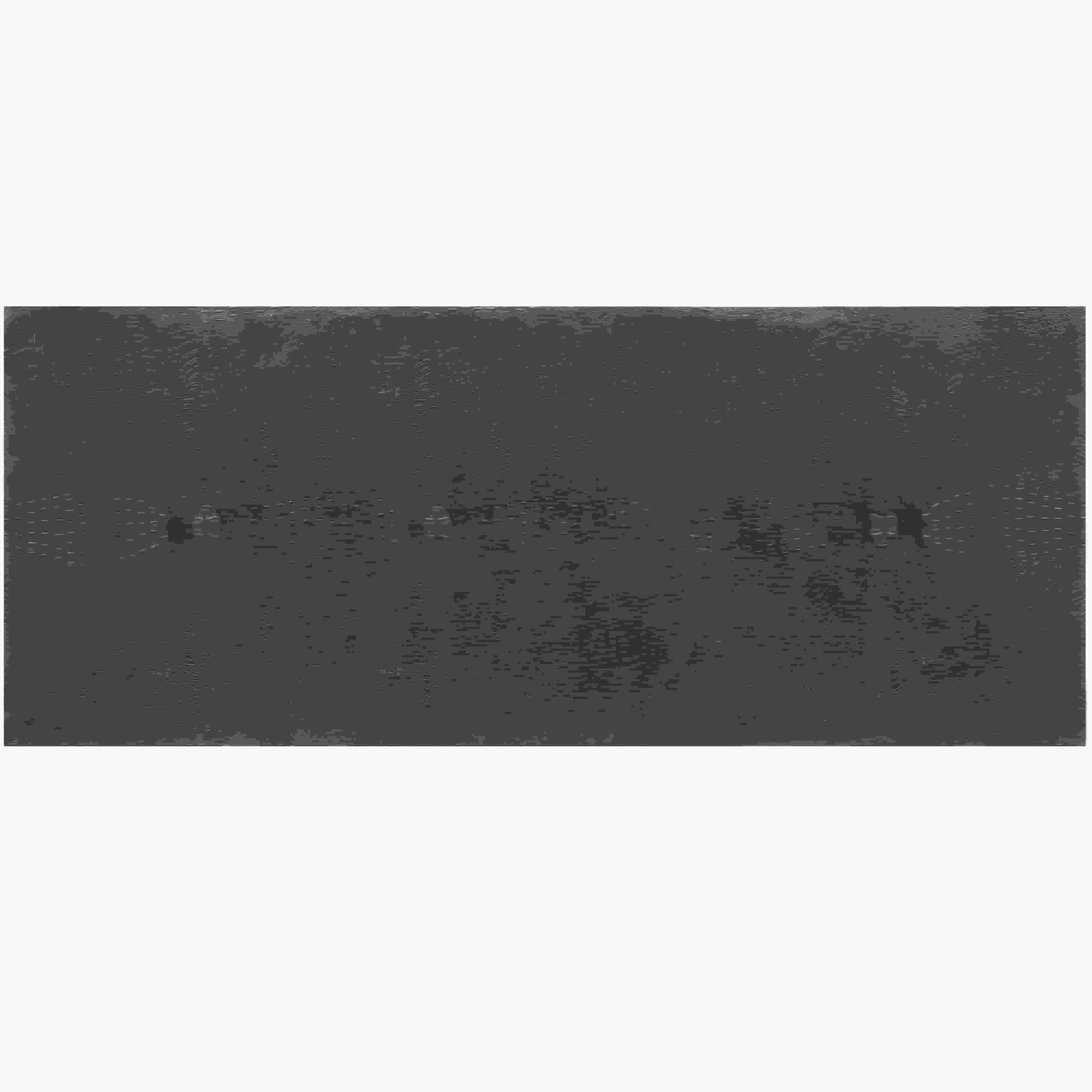
Walk up to any building, and its exterior isn't just a barrier between the indoors and outdoors—it's a first impression. It whispers clues about the structure's purpose, its personality, and even the era it belongs to. For architects, builders, and property owners, choosing the right exterior cladding is a balancing act: it needs to turn heads, stand up to the elements, and make practical sense for budgets and timelines. In recent years, a new contender has emerged to challenge the reign of traditional stones like travertine and marble: Croco MCM (Modified Composite Material). Today, we're diving into this showdown, exploring how Croco MCM—with innovations like mcm flexible stone , lunar peak series, and boulder slab —stacks up against time-tested materials like travertine and even modern classics like fair-faced concrete .
First, let's set the stage. Traditional stone cladding includes natural materials like travertine (with its signature pitted texture and earthy tones), marble, and granite—materials that have adorned buildings for centuries, from ancient Roman amphitheaters to modern luxury hotels. Then there's fair-faced concrete, a more industrial traditional option prized for its raw, unpolished aesthetic.
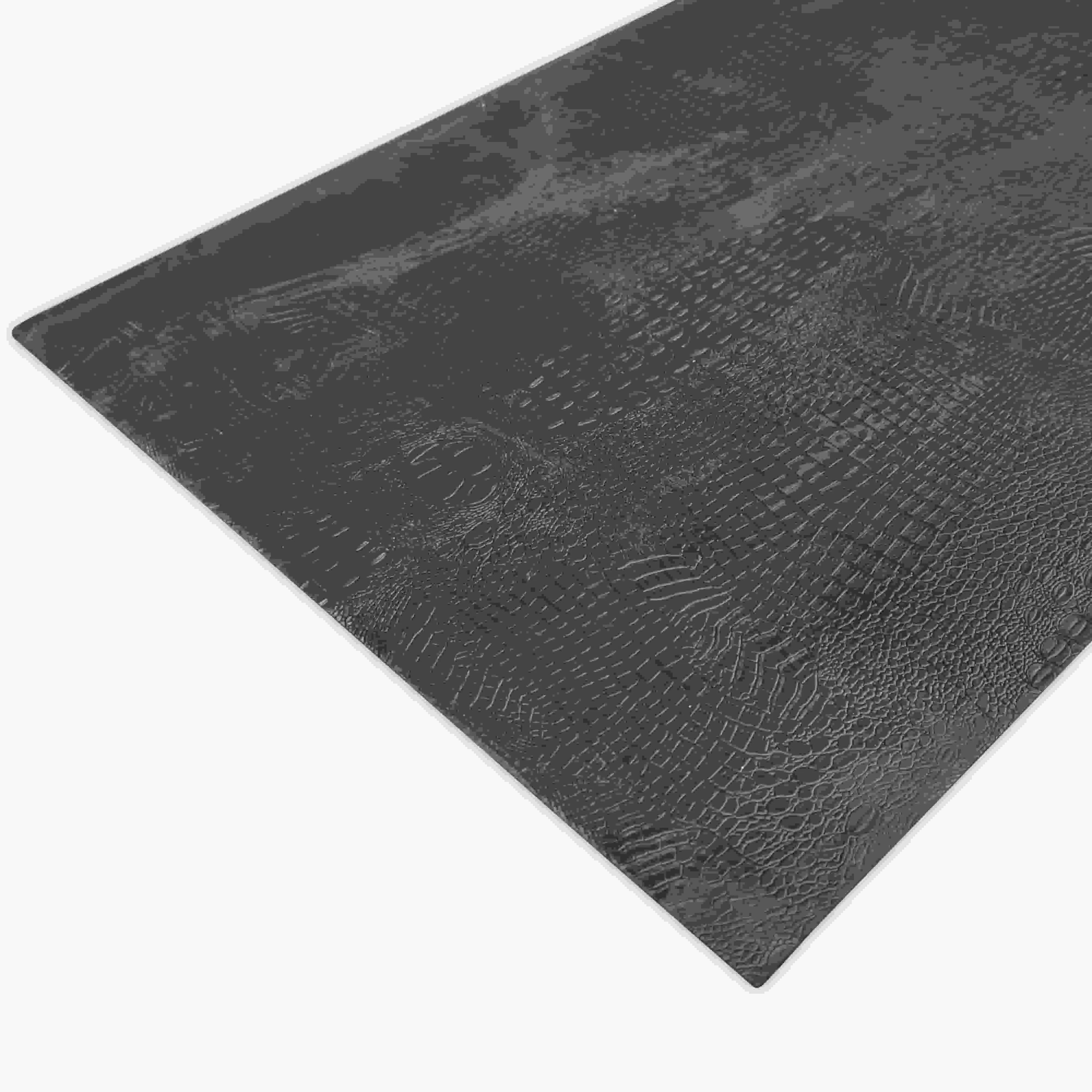
Croco MCM, on the other hand, is an engineered material. Think of it as nature's beauty meets human ingenuity: it's designed to mimic the look and feel of natural stone but with a twist. Made from a blend of mineral aggregates, polymers, and recycled materials, MCM is lightweight, flexible, and built to solve many of the headaches traditional stones bring. Key players in the Croco MCM lineup include mcm flexible stone (as the name suggests, it bends and conforms to curved surfaces), the celestial-inspired lunar peak series (Lunar Peak Silvery, Golden, Black), and the rugged-yet-refined boulder slab (like Boulder Slab Vintage Silver and Vintage Gold).
At the heart of any cladding choice is aesthetics. Traditional stones like travertine have earned their fame for a reason: they're timeless. Travertine's warm beige and ivory hues, accented by subtle veining and natural pits, exude a sense of understated luxury. It's the material of choice for spaces aiming for classic elegance—think Tuscan villas or high-end spas. Even its imperfections, like the small holes formed by mineral deposits, add character, telling a story of millions of years of geological formation.
But here's where Croco MCM shines: it doesn't just mimic natural beauty—it expands on it. Take the lunar peak series, for example. Lunar Peak Golden isn't just "golden"; it captures the soft, diffused glow of sunlight hitting a mountain at dawn, with a metallic sheen that shifts subtly as the light changes. Lunar Peak Black, on the other hand, has a depth that feels almost endless, like a night sky minus the stars—bold yet sophisticated. These aren't just colors; they're moods.
Boulder slab takes a different approach, channeling vintage charm with a modern edge. Boulder Slab Vintage Silver, with its weathered metallic finish, looks like it's been plucked from a 1920s factory floor but polished to perfection. Pair that with the organic texture of mcm flexible stone, which can replicate the rough-hewn look of a mountain face or the smooth flow of river rock, and suddenly, design possibilities explode. Unlike travertine, which is limited by what nature provides, MCM lets architects mix and match textures, colors, and patterns—even creating custom designs that would be impossible with natural stone.
Fair-faced concrete, while undeniably striking in its industrial minimalism, can feel cold and one-note compared to MCM's versatility. It's a statement, but it's a narrow one. Croco MCM, by contrast, speaks in a range of dialects: from the rustic warmth of boulder slab to the futuristic cool of lunar peak, it adapts to the building's narrative, not the other way around.
Looks matter, but a pretty exterior that cracks, stains, or fades after a few years is a disappointment. Traditional stones like travertine are durable—there's a reason ancient Roman structures still stand—but they're not invincible. Travertine is porous, which means it soaks up water, oil, and dirt like a sponge. Left unsealed, a single rainstorm can leave permanent water spots; a spilled drink on a travertine-clad wall might turn into a stubborn stain. Freeze-thaw cycles? They expand the water trapped in those pores, leading to cracks over time. Even with regular sealing, maintenance is a constant battle.
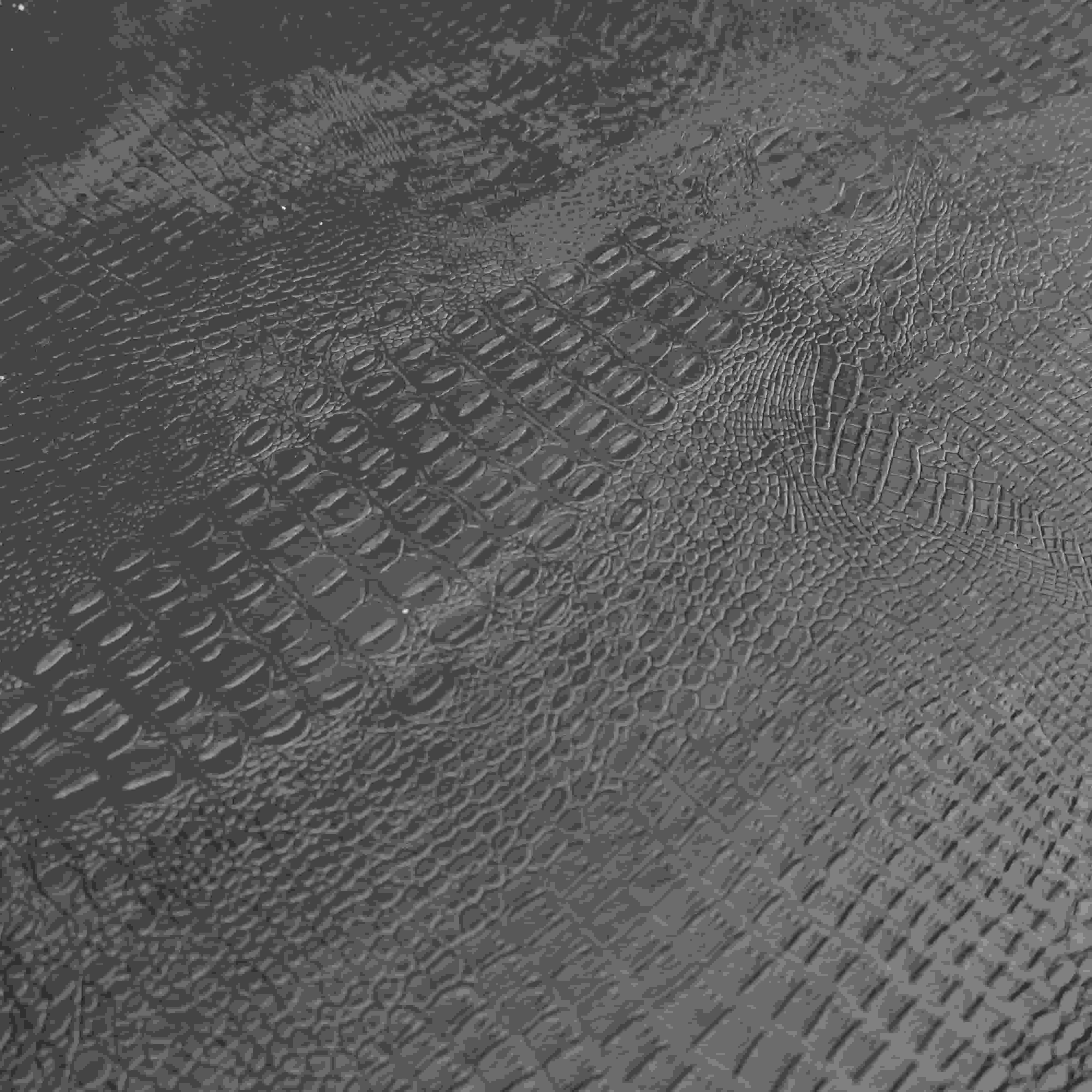
Croco MCM, engineered to resist the elements, flips the script. Mcm flexible stone, for starters, isn't just flexible in shape—it's flexible in resilience. Its polymer core acts as a barrier, repelling moisture, UV rays, and even harsh chemicals. Spill coffee on a Lunar Peak Silvery panel? Wipe it off with a cloth, no stain left behind. Pressure wash a Boulder Slab Vintage Gold facade after a dusty summer? It'll shine like new. Unlike travertine, which weakens with age, MCM's color runs through the material, not just on the surface—so scratches or chips are far less noticeable.
Take Lunar Peak Black, for example. Traditional black stones like granite can fade under intense sunlight, turning a rich ebony into a dull gray over time. Lunar Peak Black, however, is treated with UV inhibitors that lock in its depth, ensuring it stays "night-sky dark" for decades. Similarly, fair-faced concrete, while strong, is prone to efflorescence—the white, powdery deposits that form when water seeps through and leaves mineral salts behind. MCM panels, with their non-porous surface, avoid this issue entirely.
In coastal areas, where saltwater spray eats away at traditional stone, MCM is a game-changer. Its resistance to corrosion means buildings clad in Boulder Slab Vintage Silver or Lunar Peak Golden can stand tall against the ocean's wrath without losing their luster. For architects designing in harsh climates, this isn't just a perk—it's a necessity.
Imagine trying to hang a 100-pound painting on a drywall—you'd need extra studs, heavy-duty brackets, and maybe a friend to help. Now multiply that by hundreds of "paintings," and you get a sense of installing traditional stone like travertine. Travertine slabs are heavy—often 20-30 pounds per square foot. That means the building's structure needs to be reinforced to support the weight, adding time and cost to the project. Installation crews need specialized equipment, like cranes and lifts, to hoist the slabs into place, and each piece has to be carefully aligned to avoid gaps or unevenness. A single mistake can mean starting over, dragging out timelines and driving up labor costs.
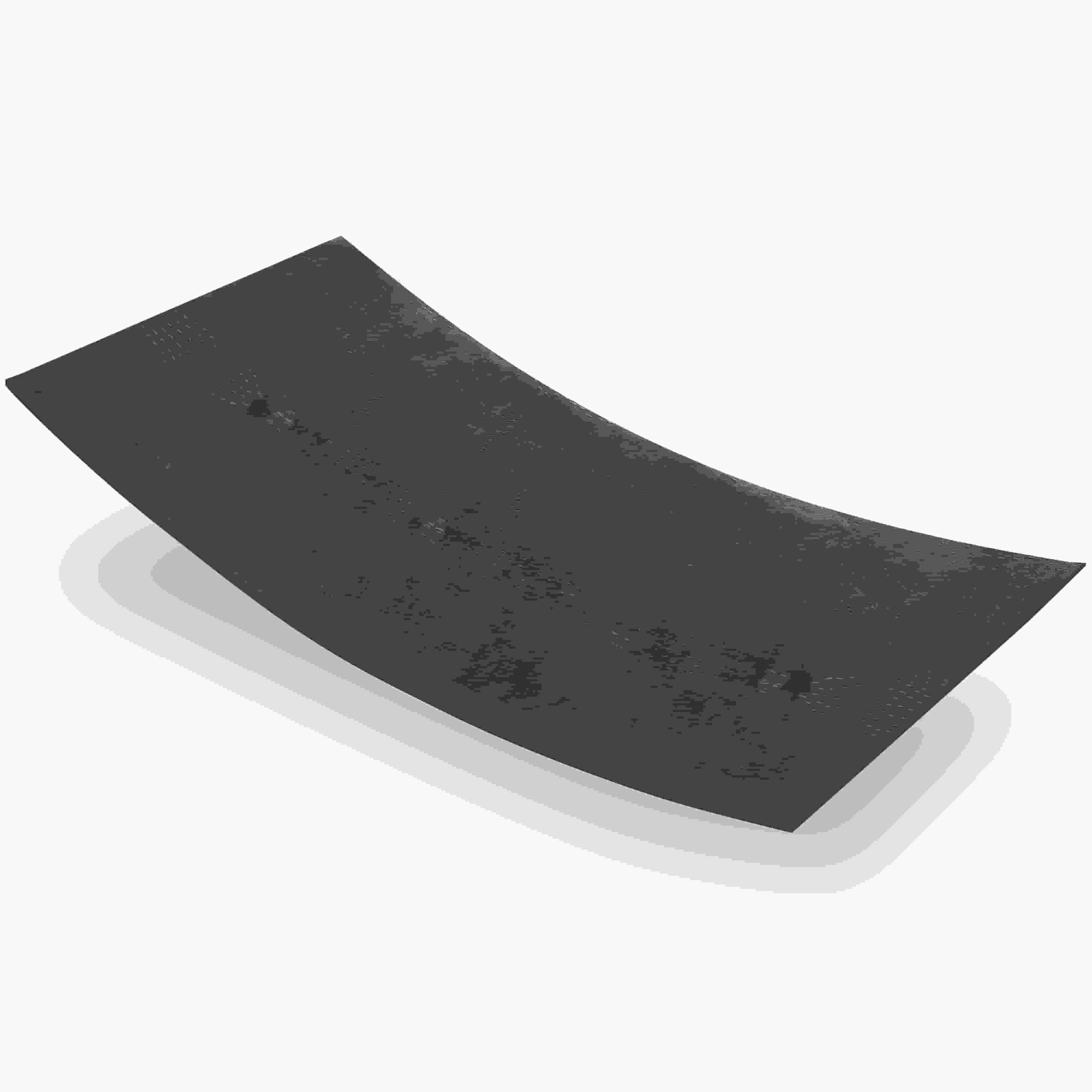
Croco MCM, by comparison, is a lightweight champion. Most MCM panels weigh just 3-5 pounds per square foot—so light that two workers can carry a stack of panels without breaking a sweat. No need for reinforced structures or heavy machinery; installation is as simple as mounting the panels to a lightweight frame, using basic tools. This cuts installation time by up to 50% compared to travertine, which is a lifesaver for tight construction schedules.
Mcm flexible stone adds another layer of ease. Traditional stone is rigid—if the wall isn't perfectly flat, you're out of luck. But mcm flexible stone bends and conforms, hugging curved surfaces, arches, and even irregular shapes without cracking. Want a building with a rounded facade that mimics the flow of a river? With MCM, it's doable. With travertine? Practically impossible without custom-cutting (and wasting) tons of stone.
Fair-faced concrete, while lighter than travertine, still requires formwork—temporary molds that shape the concrete as it sets. This is time-consuming and messy, and any mistake in the formwork leads to uneven surfaces that are hard to fix. MCM panels, pre-fabricated in a factory, arrive on-site ready to install, with consistent quality and zero mess. It's like comparing assembling IKEA furniture (with clear instructions) to building a bookshelf from scratch—both get the job done, but one is clearly more efficient.
These days, every building decision comes with a question: "What's the impact on the planet?" Traditional stone mining—whether for travertine, marble, or granite—can be resource-heavy. Quarrying involves blasting rock from mountainsides, which disrupts ecosystems and releases dust and pollutants into the air. Transporting those heavy slabs? That's a lot of diesel fuel burned, adding to carbon emissions. And if a travertine slab cracks during installation? It's wasted, ending up in a landfill.
Croco MCM takes a greener path. Many MCM panels, including boulder slab and lunar peak, are made with recycled materials—think crushed stone from construction sites, reclaimed polymers, even recycled metal. This reduces the need for new mining and keeps waste out of landfills. Its lightweight design also slashes transportation emissions: a truck that can carry 100 travertine slabs can carry 500 MCM panels, meaning fewer trips and less fuel.
Installation waste is minimal too. MCM panels are precision-cut in factories, so there's little to no on-site cutting (and thus, no debris). And because they're so durable, they last longer—reducing the need for replacement and the associated waste. Even at the end of their life, many MCM materials are recyclable, closing the loop.
Fair-faced concrete, while made from abundant materials like cement and gravel, has a high carbon footprint: cement production alone accounts for about 8% of global CO2 emissions. Croco MCM, by contrast, is engineered to minimize environmental impact without sacrificing performance. It's not just a building material; it's a choice to build smarter, not harder, for the planet.
Let's talk numbers. Traditional stone like travertine isn't cheap. High-quality travertine slabs can cost $20-$40 per square foot, and that's before installation. Factor in the need for structural reinforcement, specialized labor, and heavy machinery, and suddenly, the price tag jumps to $50-$80 per square foot. Maintenance adds more over time: sealing every 1-2 years, repairs for cracks or stains, and eventual replacement of damaged panels. It's a long-term investment, but it's a costly one.
Croco MCM, while initially pricier than fair-faced concrete, often ends up being more affordable than travertine when you add up all the costs. MCM panels range from $15-$30 per square foot, and installation is cheaper (thanks to lightweight materials and faster labor). No structural reinforcement needed, no expensive sealing, no frequent repairs. Over 10 years, the total cost of ownership for MCM can be 30-40% lower than travertine—a huge difference for commercial projects with tight budgets.
Fair-faced concrete, at $10-$20 per square foot, seems like a steal upfront, but its lack of versatility can cost you in the long run. If a client wants to update the building's look in 5 years, fair-faced concrete can't be repainted or retextured easily—it's a permanent choice. MCM, however, can be replaced panel by panel, letting buildings evolve with trends without a full overhaul. It's not just cheaper; it's smarter.
| Feature | Croco MCM (e.g., Lunar Peak, Boulder Slab, Mcm Flexible Stone) | Traditional Stone (e.g., Travertine) | Fair-Faced Concrete |
|---|---|---|---|
| Material Composition | Engineered blend of mineral aggregates, polymers, recycled materials | Natural sedimentary rock (calcium carbonate) | Cement, water, aggregates (sand, gravel) |
| Weight (per sq ft) | 3-5 lbs | 20-30 lbs | 15-20 lbs |
| Installation Time | Fast (50% quicker than travertine) | Slow (requires heavy machinery, precision cutting) | Moderate (requires formwork and curing time) |
| Durability | Moisture/UV/chemical resistant; no staining or cracking | Porous; prone to staining, cracking, and fading | Strong but prone to efflorescence and surface damage |
| Aesthetic Range | Wide (custom colors, textures, patterns; e.g., Lunar Peak's metallic sheen, Boulder Slab's vintage look) | Limited (depends on natural deposits; e.g., travertine's beige/ivory tones) | Narrow (raw, industrial; limited color options) |
| Sustainability | High (recycled materials, low transport emissions, recyclable) | Low (resource-intensive mining, high transport emissions, wasteful installation) | Medium (abundant materials but high carbon from cement) |
| Total Cost (10-Year Projection) | $30-$50 per sq ft (installation + maintenance) | $70-$100 per sq ft (installation + reinforcement + maintenance) | $40-$60 per sq ft (installation + limited adaptability) |
The Azure Hotel, a boutique property in Miami, wanted an exterior that felt both tropical and modern—something that would stand out among the city's Art Deco buildings. Initially, the architects considered travertine, drawn to its warm tones. But they quickly hit a wall: travertine's weight would require reinforcing the hotel's facade, adding $200,000 to the budget. Plus, Miami's humidity and salt air would mean constant sealing and maintenance.
Enter Croco MCM. The team opted for Lunar Peak Golden panels (to evoke sunlight on sand) paired with Boulder Slab Vintage Silver accents (for a touch of retro glamour). The result? A building that shimmers in the day and glows at night, with zero maintenance headaches. Installation took 3 weeks instead of 6, and the total cost was $150,000 less than travertine. Today, guests rave about the "vibe" of the exterior—and the hotel's owners love that they haven't touched the facade since it was installed 5 years ago.
Traditional stones like travertine have earned their place in architectural history—they're beautiful, they're timeless, and they carry the weight of centuries of craftsmanship. But in a world that demands more: more design freedom, more durability, more sustainability, and more value—Croco MCM is the clear choice.
With innovations like mcm flexible stone, which bends to the architect's vision; lunar peak, which paints with light and shadow; and boulder slab, which blends vintage charm with modern resilience, MCM isn't just a material—it's a collaborator. It doesn't just cover buildings; it tells their stories, adapts to their needs, and grows with them.
So, the next time you're standing in front of a building, take a closer look. Is it wearing travertine, noble but high-maintenance? Fair-faced concrete, bold but unyielding? Or is it wearing Croco MCM—light, bright, and unapologetically versatile? Chances are, the ones that make you stop and stare are the latter. Because in the end, great architecture isn't just about standing still—it's about moving forward. And with Croco MCM, the future of exterior cladding has never looked brighter.
Recommend Products












