
Let's face it—tackling a large-scale project, whether it's a sprawling commercial complex, a university campus renovation, or a public plaza, comes with a unique set of headaches. You're balancing budgets that never seem to stretch far enough, timelines that feel impossible to meet, and the pressure to create something that looks stunning *and* stands the test of time. Throw in the challenge of sourcing materials that check all those boxes—affordable, durable, and aesthetically versatile—and it's enough to make even the most seasoned project manager want to pull their hair out. But what if there was a material that didn't force you to choose between cost, quality, and style? Enter Crossare Mushroom Stone043. This unsung hero of the building materials world is quietly revolutionizing how we approach large-scale builds, and today, we're diving into why it deserves a spot at the top of your material list.
Before we get into what makes Crossare Mushroom Stone043 so special, let's talk about the elephant in the room: the hidden costs of using "tried-and-true" materials for big projects. Take natural travertine or granite, for example. Sure, they look luxurious, but have you ever crunched the numbers? A single slab of traditional travertine (even the more common beige variety) can weigh upwards of 200 pounds. That means you're not just paying for the stone itself—you're paying for reinforced transport trucks, extra labor to haul it up scaffolding, and even structural modifications to the building to support the weight. And don't get me started on installation time: cutting, fitting, and sealing those heavy slabs can drag out a project by weeks, if not months, eating into your budget with overtime and delayed opening dates.
Then there's maintenance. Natural stone is porous, so it stains easily. Spills, weather, even foot traffic can leave permanent marks, requiring regular sealing (which isn't cheap) and occasional replacement of damaged tiles. For a large-scale project—say, a shopping mall with thousands of square feet of flooring or cladding—that upkeep adds up fast. Suddenly, that "affordable" initial quote becomes a long-term financial drain.
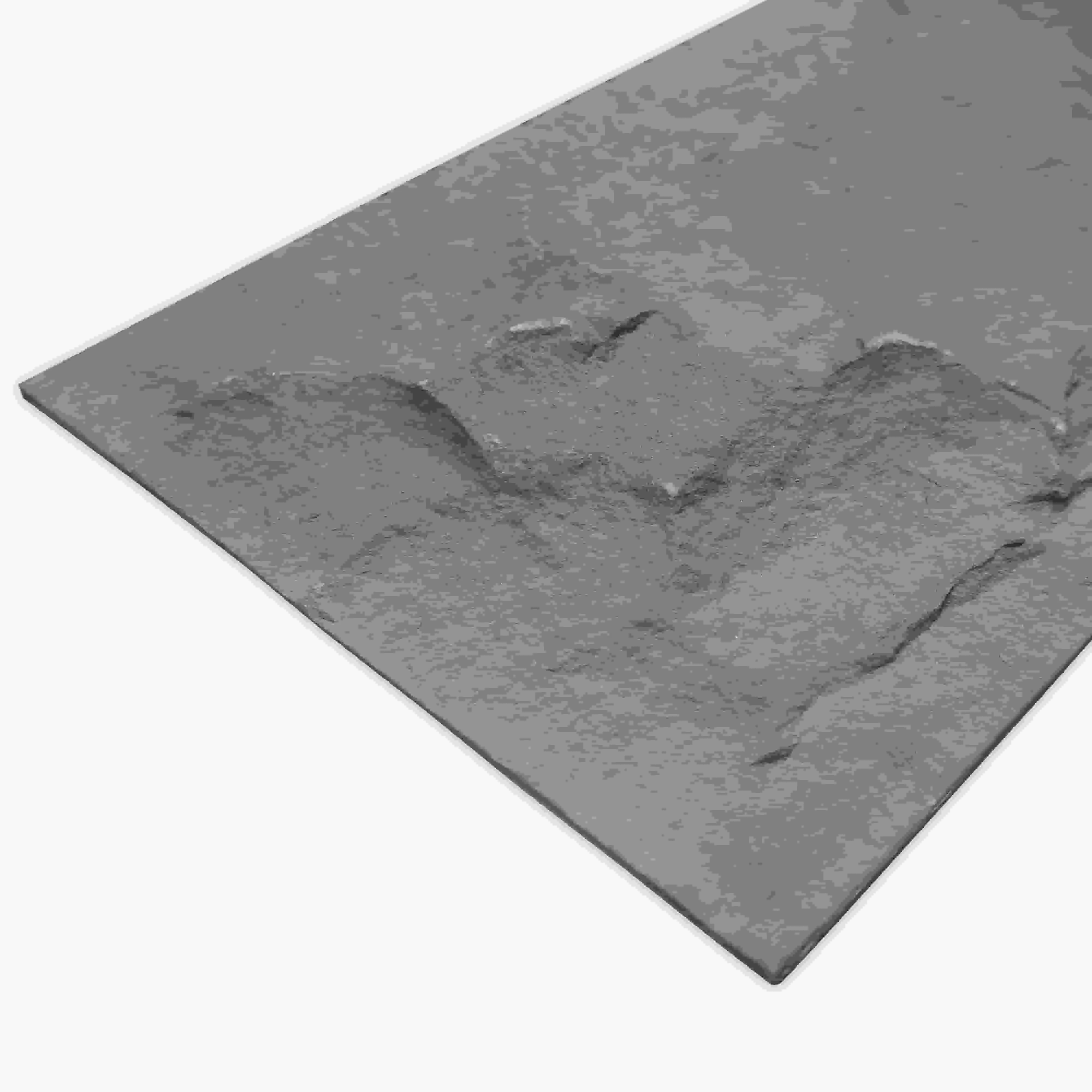
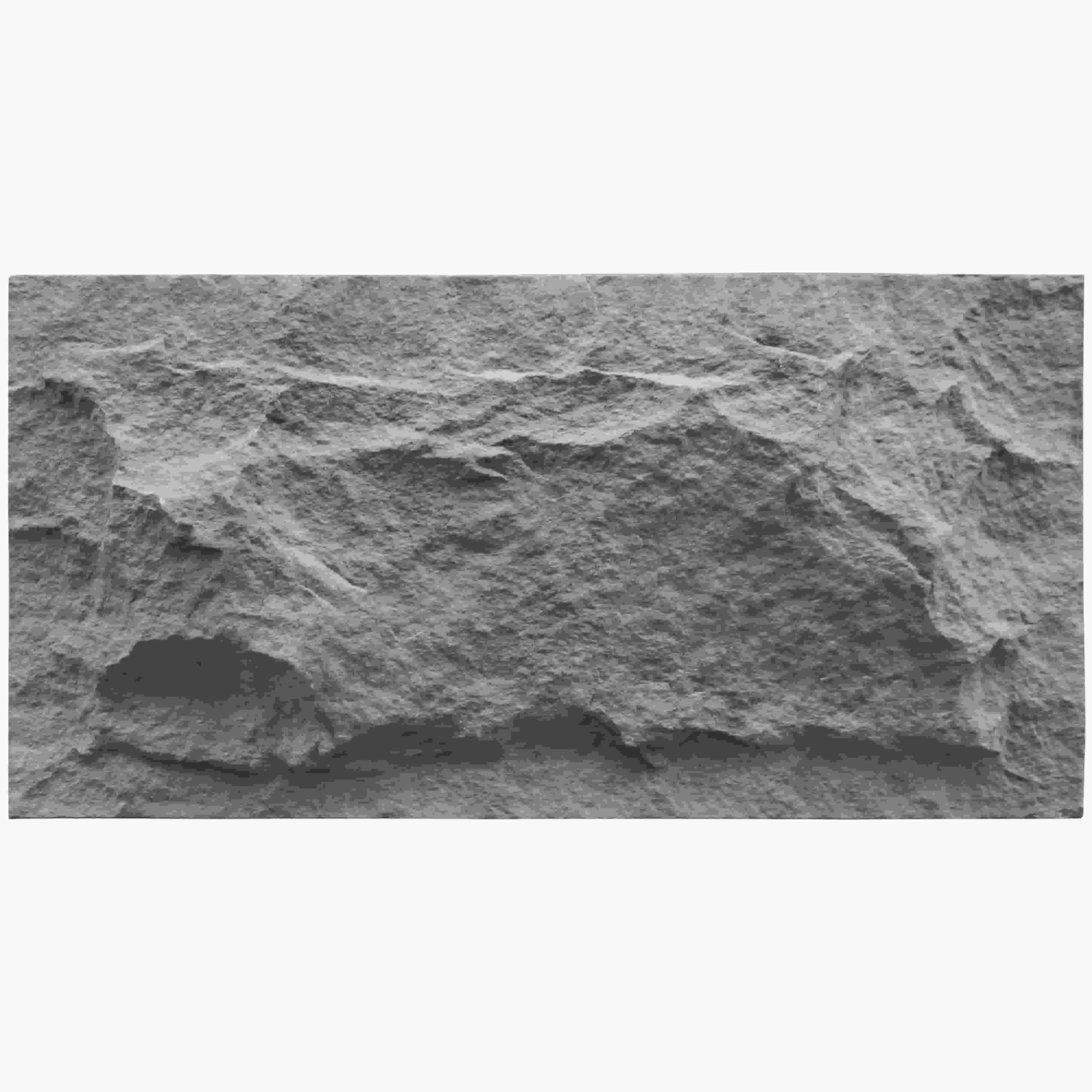
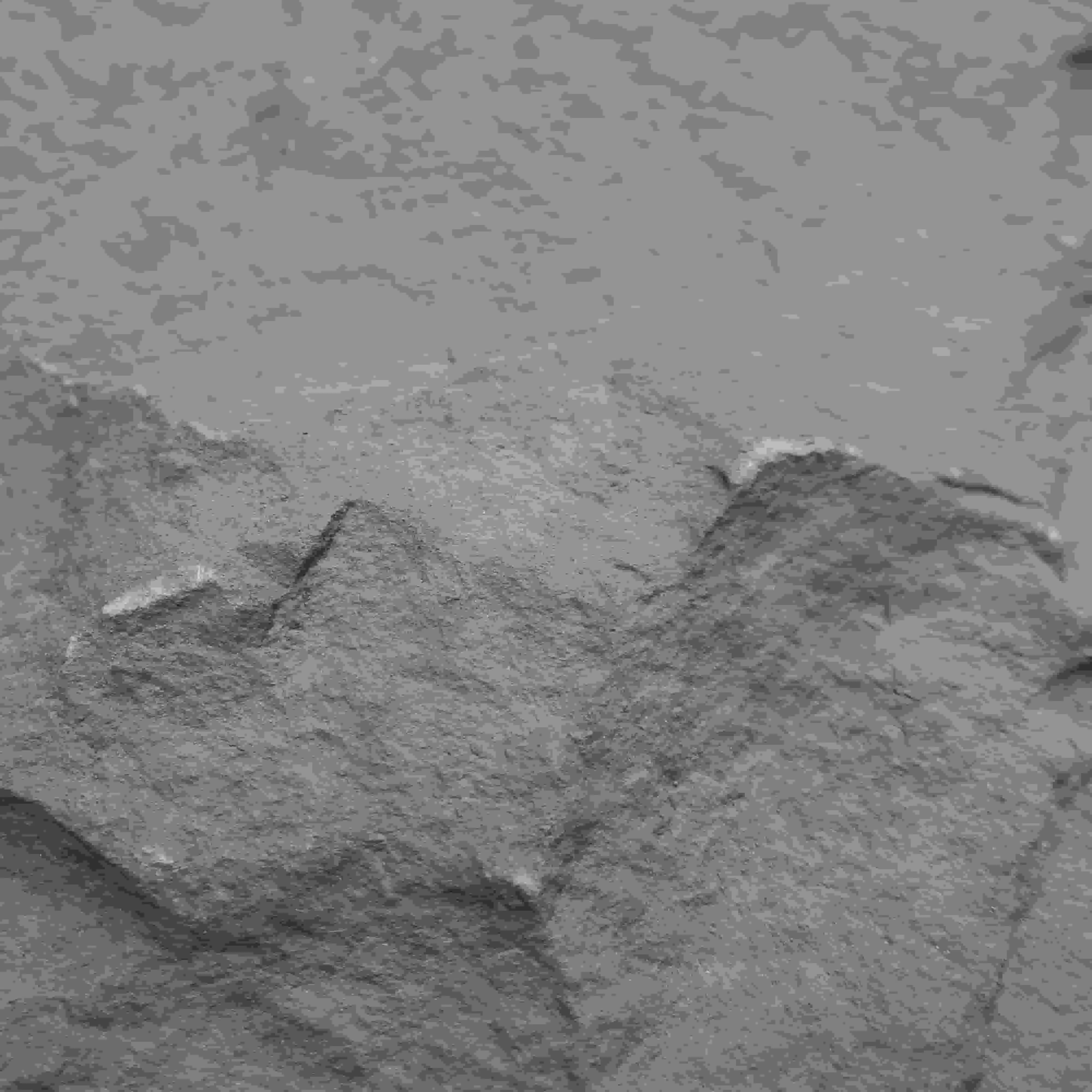
If you're not familiar with Crossare Mushroom Stone043, let's break it down. It's part of the broader MCM (Modified Composite Material) family, which includes innovative products like MCM flexible stone and the MCM 3D printing series. But what makes this particular stone stand out? Think of it as nature's beauty meets modern engineering. It's designed to mimic the rugged, organic texture of traditional mushroom stone—you know, that classic, time-worn look that adds warmth and character to any space—but without the bulk, fragility, or price tag.
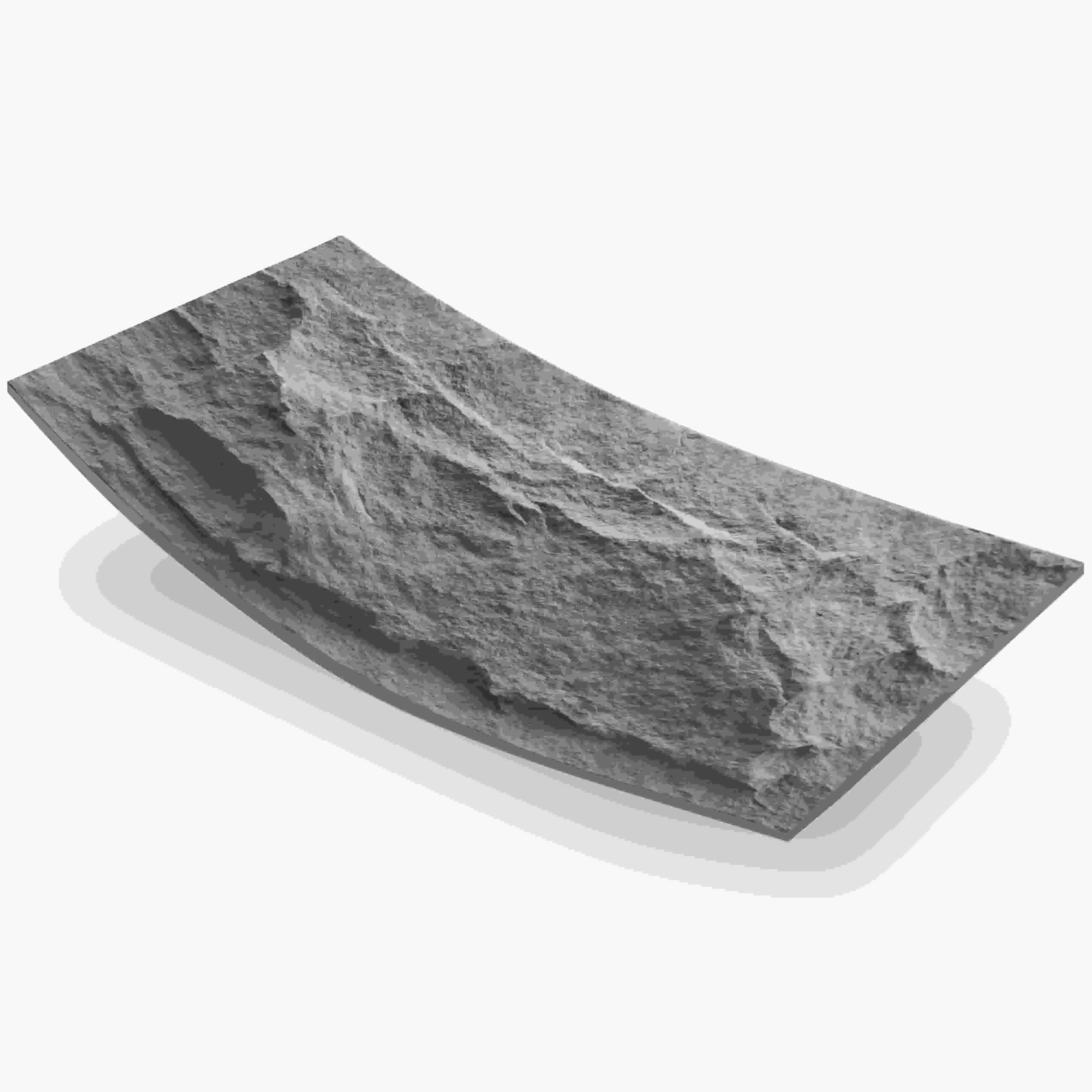
The secret lies in its composition. Crossare Mushroom Stone043 is made from a blend of natural stone aggregates, high-performance polymers, and reinforcing fibers. This combo creates a material that's lightweight (we're talking a fraction of the weight of natural stone), flexible (so it can bend slightly without cracking), and incredibly durable. It's like having the best of both worlds: the aesthetic appeal of natural stone and the practicality of a modern composite.
Let's start with the obvious: weight. A standard panel of Crossare Mushroom Stone043 weighs about 8-10 pounds per square foot, compared to 25-30 pounds for natural travertine (beige) or rough granite stone (medium grey). That might not sound like a big difference until you multiply it by thousands of square feet. Suddenly, you're using smaller trucks for transport, fewer workers to carry the panels, and no need for heavy-duty cranes on-site. One contractor I spoke to recently mentioned that switching to Crossare Mushroom Stone043 for a 50,000 sq. ft. office complex cladding project cut their transportation costs by 40% and reduced installation time by three weeks. "We went from needing a crew of 10 to 6 people," he said. "That's not just time saved—it's labor costs slashed."
But cost-effectiveness isn't just about upfront savings—it's about longevity. Crossare Mushroom Stone043 is built to last. It's resistant to water, UV rays, and temperature extremes, so it won't fade, crack, or warp in harsh weather. Unlike natural stone, it's non-porous, which means stains from coffee spills, rain, or even graffiti can be wiped away with a damp cloth. No need for expensive sealants every year. And because it's flexible, it can handle minor shifts in the building's structure without cracking—something that would require costly repairs with rigid materials like fair-faced concrete or traditional marble.
I recently visited a hotel in Dubai that used Crossare Mushroom Stone043 on its exterior facade five years ago. The hotel overlooks the Persian Gulf, so it's exposed to saltwater, intense sun, and sandstorms. You'd expect some wear and tear, right? But the panels looked as good as the day they were installed. The maintenance manager told me they'd spent less than $500 total on upkeep in five years. Compare that to a neighboring hotel with natural limestone (beige) cladding, which had to replace 20% of its panels due to weather damage and spends over $10,000 annually on sealing. That's a no-brainer.
Here's where Crossare Mushroom Stone043 really flexes its muscles (pun intended): it's incredibly versatile. It comes in a range of finishes and textures, but what's even better is how easily it pairs with other materials. Let's say you're designing a public square that needs a mix of classic and modern elements. You could use Crossare Mushroom Stone043 for the main cladding to keep costs low, then add accents of foamed aluminium alloy board (vintage silver) for a sleek, contemporary touch. The best part? Because both materials are lightweight and easy to install, you're not adding extra costs by mixing them. It's design flexibility without the financial penalty.
Or maybe you're going for a more historical vibe. Crossare Mushroom Stone043 pairs beautifully with historical pathfinders stone, a finish that mimics the weathered look of ancient cobblestones. One university I worked with used this combo for their campus quad renovation—Crossare for the main walkways and historical pathfinders stone for the accent borders. The result? A space that feels timeless but cost 30% less than using all-natural historical stone. "We wanted that old-world charm without the old-world price tag," the campus architect told me. "Crossare delivered."
Let's get concrete (pun absolutely intended) with some examples. Take the Gobi Panel Retail Center in Arizona, a 120,000 sq. ft. shopping mall that opened in 2023. The design team wanted a desert-inspired aesthetic, so they chose Crossare Mushroom Stone043 for the exterior cladding and paired it with gobi panel accents (another MCM product that mimics desert stone). The total material cost came in at $1.2 million, compared to an estimated $2.1 million if they'd used natural sandstone cloude or oasis stone regular. Installation took 8 weeks instead of the projected 14, and the mall opened ahead of schedule, generating revenue earlier than expected. Two years later, the cladding still looks brand-new, with zero maintenance costs beyond routine cleaning.
Then there's the Riverside Community Center in Portland, a public project with a tight budget. The center needed durable, low-maintenance flooring for its gymnasium and lobby, which sees heavy foot traffic daily. The team chose Crossare Mushroom Stone043 for the lobby and thread (a textured MCM variant) for the gym floors. Total cost? $85,000, compared to $140,000 for traditional polished concrete. "We were skeptical at first—how could something so lightweight hold up to kids running around and basketball games?" the center's director admitted. "But two years later, there's not a scratch. We're already planning to use it for our next expansion."
| Material | Material Cost | Installation Cost | Annual Maintenance | 10-Year Total Cost |
|---|---|---|---|---|
| Crossare Mushroom Stone043 | $4,500 | $3,000 | $200 | $9,500 |
| Natural Travertine (Beige) | $8,000 | $6,500 | $1,200 | $26,500 |
| Rough Granite Stone (Medium Grey) | $9,200 | $7,800 | $1,500 | $32,000 |
| Fair-Faced Concrete | $3,800 | $4,200 | $800 | $16,000 |
*Estimates based on average industry costs, 2024 data. Installation costs include labor and equipment. Maintenance includes cleaning, sealing, and minor repairs.
Let's not overlook the elephant in the sustainability room. Today's clients—whether they're commercial developers or public institutions—care about the environmental impact of their projects. Crossare Mushroom Stone043 checks that box, too. Unlike traditional stone quarrying, which can be destructive to ecosystems, MCM materials like Crossare use recycled stone aggregates and require less energy to produce. Plus, because it's lightweight, transporting it reduces carbon emissions compared to hauling heavy natural stone. And since it lasts longer, there's less waste from replacement over time.
One city government in California recently chose Crossare Mushroom Stone043 for a public park renovation specifically for its eco-friendly credentials. "We wanted to reduce our carbon footprint without sacrificing quality," the project manager explained. "Crossare helped us meet our sustainability goals and qualify for a green building grant, which offset 15% of the material costs. It was a win-win." And let's not forget the PR angle: highlighting sustainable choices in your project can boost community support and attract eco-conscious tenants or visitors—another indirect cost saver.
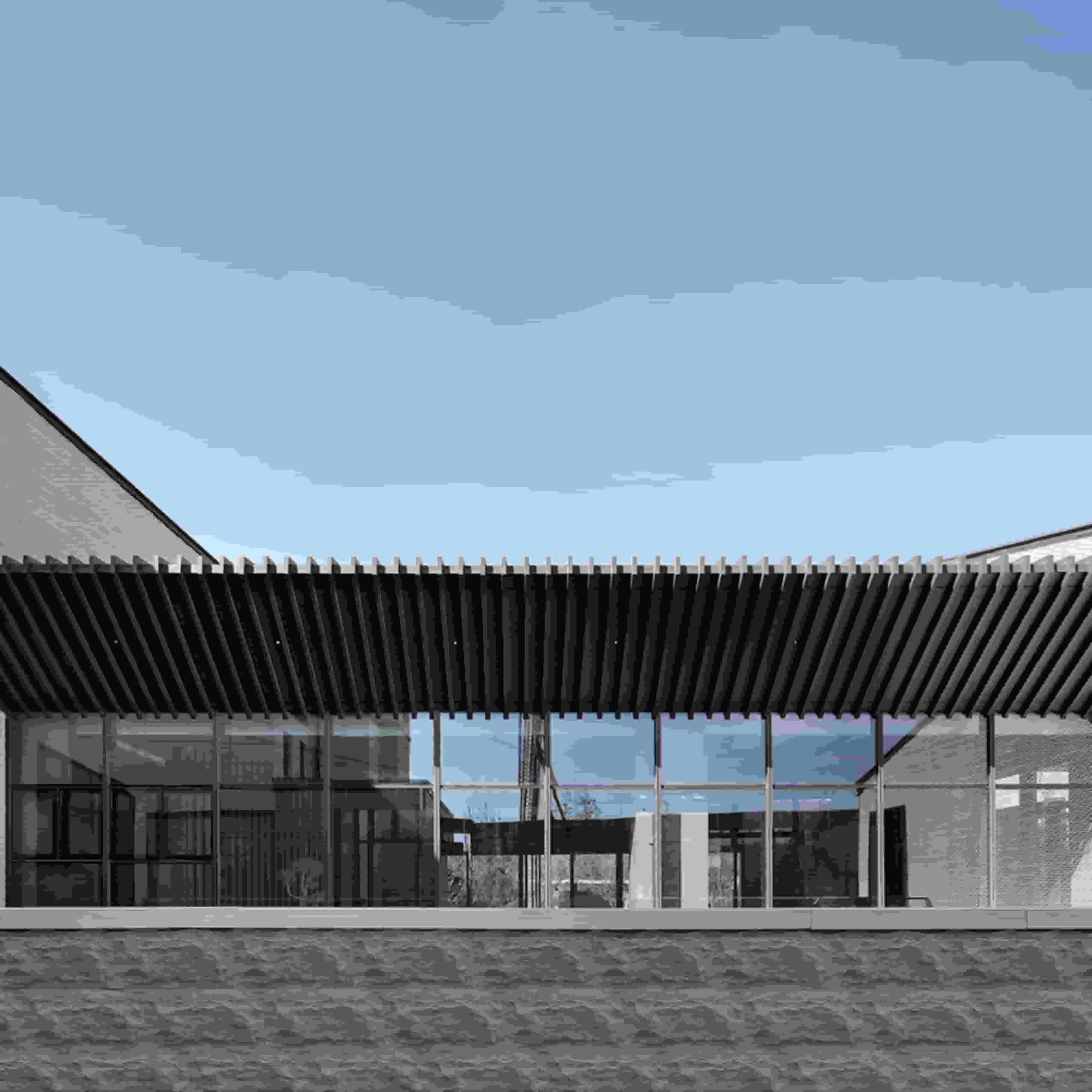
At the end of the day, large-scale projects are about balancing priorities: staying on budget, meeting deadlines, and creating something that looks great and lasts. Crossare Mushroom Stone043 doesn't just help with one of these—it nails all three. It's affordable upfront, saves money on installation and maintenance, and gives you the design flexibility to create spaces that stand out. And when you pair it with complementary materials like foamed aluminium alloy board (vintage silver) or historical pathfinders stone, you're not just building a project—you're building something that feels intentional, unique, and timeless.
I'll leave you with this: the next time you're planning a large-scale build, ask yourself: Do I want to pay more now *and* later for traditional materials, or invest in a solution that saves me money upfront, speeds up my timeline, and keeps on giving for years to come? For me—and for the dozens of contractors, architects, and developers I've worked with—the answer is clear. Crossare Mushroom Stone043 isn't just a material; it's a smart business decision.
Large-scale projects don't have to be a financial nightmare. With materials like Crossare Mushroom Stone043, you can have it all: beauty, durability, and affordability. It's time to stop letting traditional materials drain your budget and start embracing solutions that work *with* you, not against you. Whether you're cladding a skyscraper, flooring a mall, or revamping a public space, Crossare Mushroom Stone043 is the cost-effective partner you've been looking for.
So go ahead—reach out to your supplier, request a sample, and see for yourself. I think you'll be surprised by how much difference a lightweight, durable, and stunningly versatile stone can make. Your budget (and your project timeline) will thank you.
Recommend Products












