
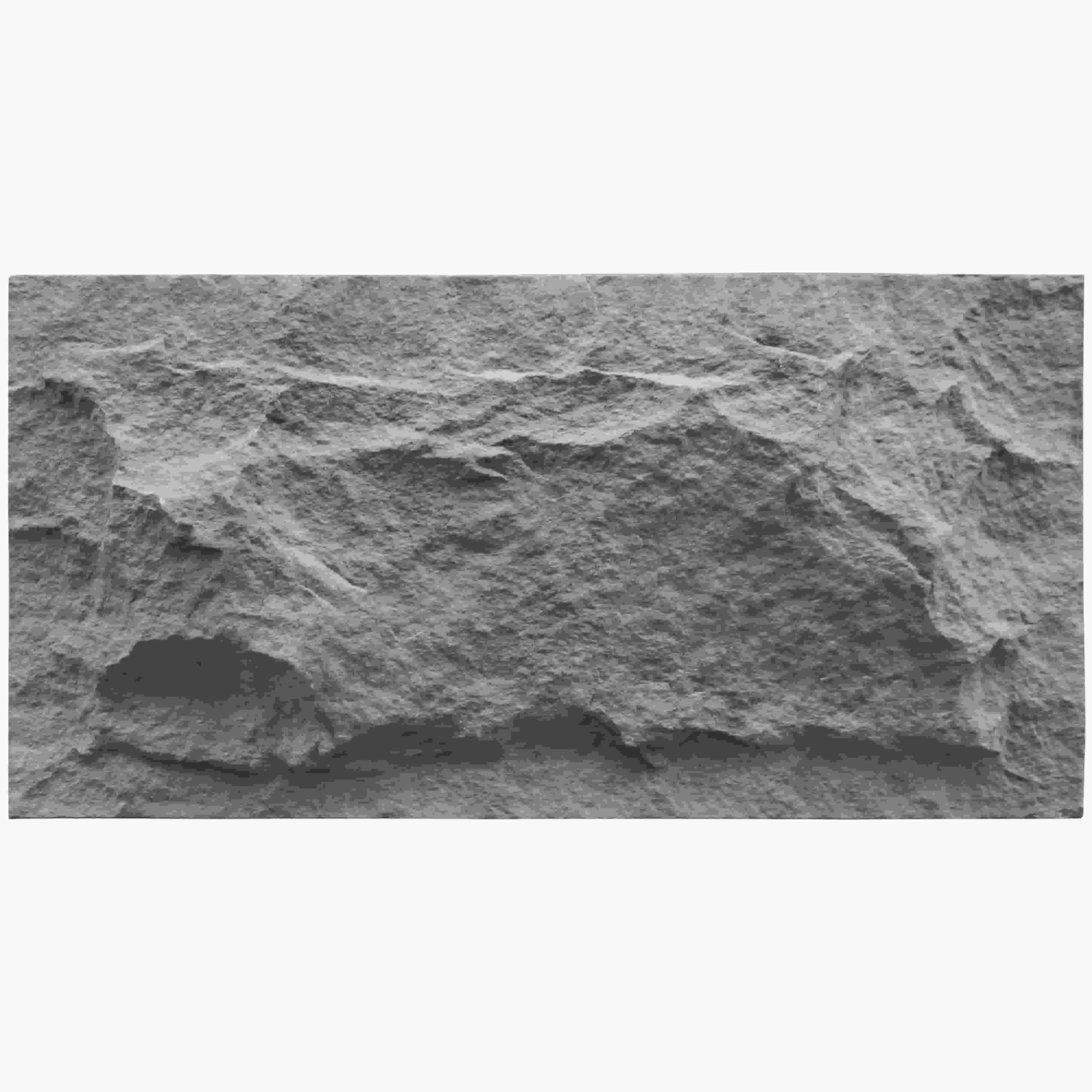
In the world of architecture and design, every material tells a story. It's the silent language that shapes how we experience space—whether we're lingering in a hotel lobby, rushing through a commercial plaza, or unwinding at home. For architects and designers, the hunt for materials that balance beauty, functionality, and sustainability is endless. Enter Crossare Mushroom Stone043—a cladding solution that's been turning heads in recent years, not just for its striking aesthetic, but for its ability to bridge the gap between nature-inspired texture and modern performance. In this guide, we'll dive deep into what makes this material unique, how it stacks up against alternatives like MCM Flexible Stone and Lunar Peak Silvery, and why it might just be the missing piece in your next project.
Let's start with the basics: What exactly is Crossare Mushroom Stone043? At first glance, the name might evoke images of forest floors carpeted in fungi, but its inspiration runs deeper. The "mushroom" moniker comes from its distinctive texture—subtle, organic undulations that mimic the gill-like patterns of mushroom caps, paired with a matte, earthy finish that feels both ancient and contemporary. Unlike uniform synthetic panels or overly polished natural stones, this material has a tactile quality that invites touch, making spaces feel more alive and less sterile.
Technically, Crossare Mushroom Stone043 is a modified composite cladding material, blending natural mineral aggregates with a polymer binder to enhance durability without sacrificing its connection to nature. It's part of a new wave of "hybrid" materials that leverage the best of both worlds: the visual warmth of natural stone and the practical benefits of engineered products. Think of it as nature's texture, reimagined for the demands of modern construction.
But what truly sets it apart is its versatility. Whether you're designing a cozy mountain retreat, a sleek urban café, or a cultural center that demands historical gravitas, Crossare Mushroom Stone043 adapts. It's available in a range of earthy tones—from soft beiges and warm terracottas to deeper grays and muted greens—each with its own unique veining and speckling. This variability means no two installations are identical, giving projects a one-of-a-kind character that's hard to replicate with mass-produced materials.
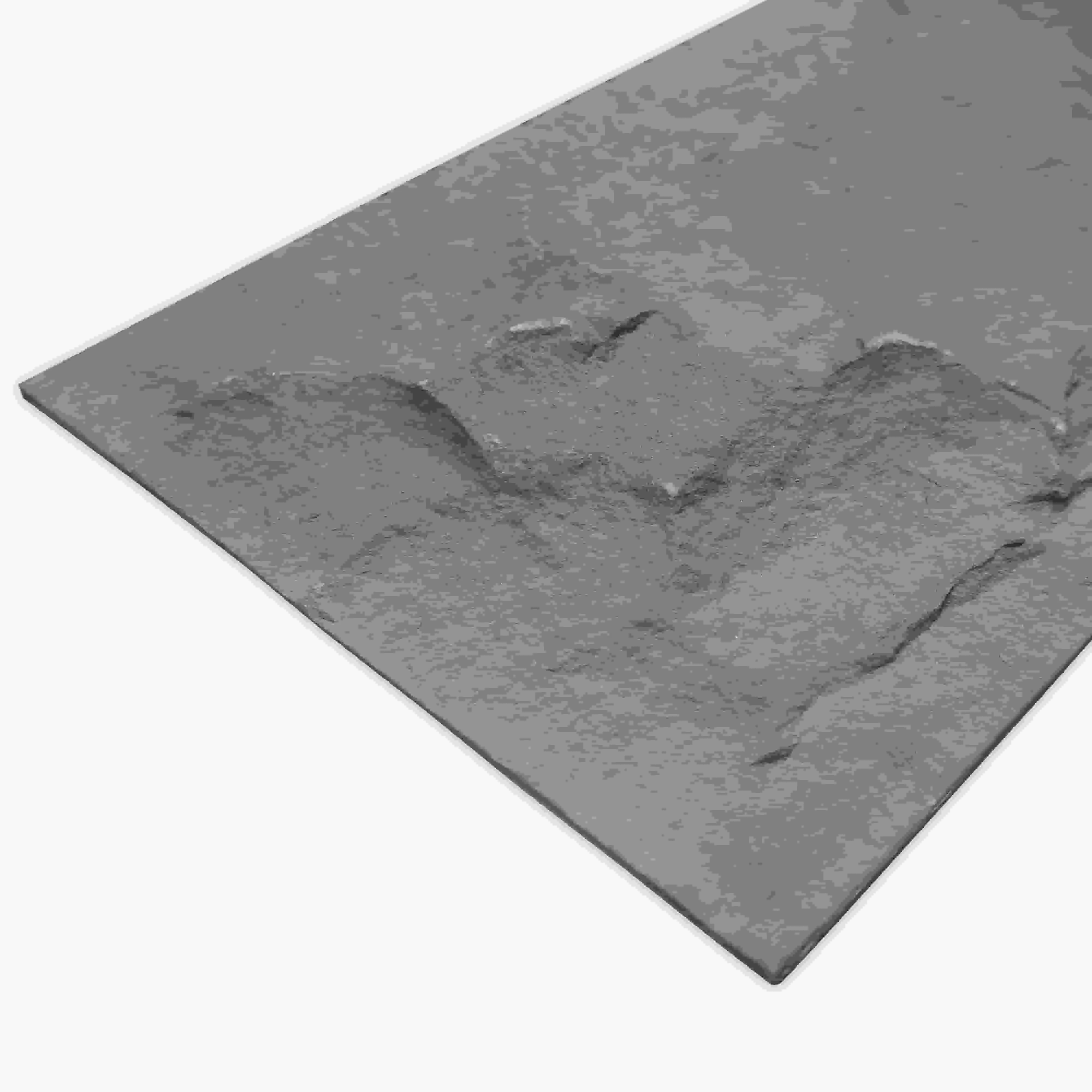
Great design is about evoking emotion, and Crossare Mushroom Stone043 does that in spades. Let's break down its aesthetic strengths:
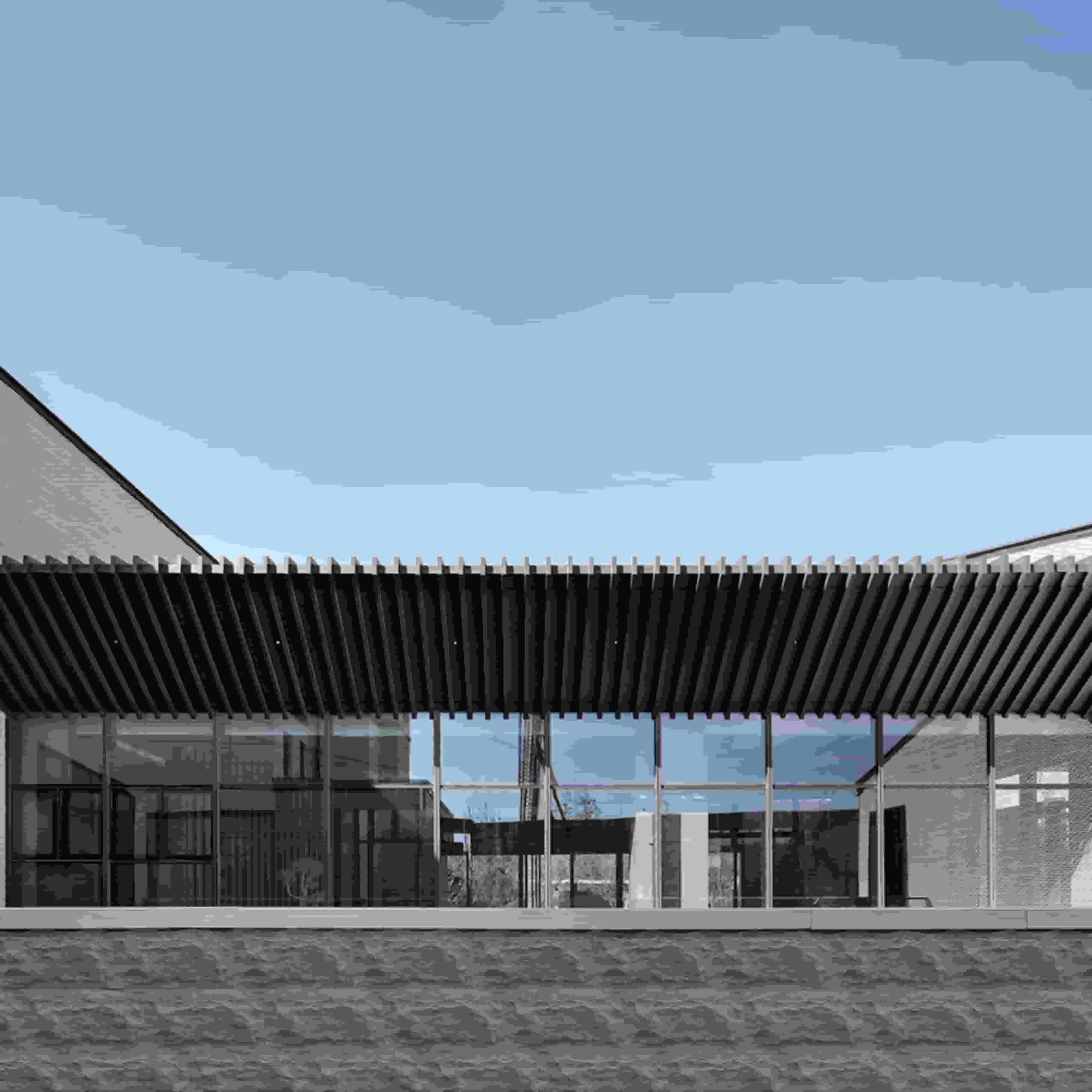
Walk up to a wall clad in Crossare Mushroom Stone043, and you'll notice the texture immediately. It's not rough or abrasive—instead, it's a gentle, undulating surface that catches light in unexpected ways. Morning sunlight brings out warm, golden undertones, while twilight softens it into a moody, shadowy canvas. This play of light and shadow adds depth to flat surfaces, turning a plain wall into a dynamic focal point. Compare that to, say, fair-faced concrete—a material beloved for its industrial chic— which, while striking, can feel cold and one-dimensional. Crossare Mushroom Stone043, by contrast, feels like a piece of the earth itself, grounding a space in natural beauty.
While some natural stones lock you into limited color options, Crossare Mushroom Stone043 offers flexibility. Its base tones skew neutral—think "driftwood beige," "riverbed gray," and "clay red"—but each batch has subtle variations that keep things interesting. For designers leaning into biophilic design, the earthy hues complement wood, greenery, and natural textiles seamlessly. For those aiming for a more contemporary look, pairing it with metallic accents (like Foamed Aluminium Alloy Board in Vintage Silver) creates a striking contrast between organic and industrial.
Whether you're working on a small accent wall or an entire building facade, Crossare Mushroom Stone043 scales beautifully. Its standard panel size is 600x1200mm, but it can be custom-cut to fit unique geometries—arches, curves, or even intricate patterns. Unlike large-format slabs that can feel overwhelming, these panels have a human-centric scale that feels approachable. And because they're lightweight (more on that later), they're suitable for both interior and exterior use, from residential fireplaces to commercial high-rises.
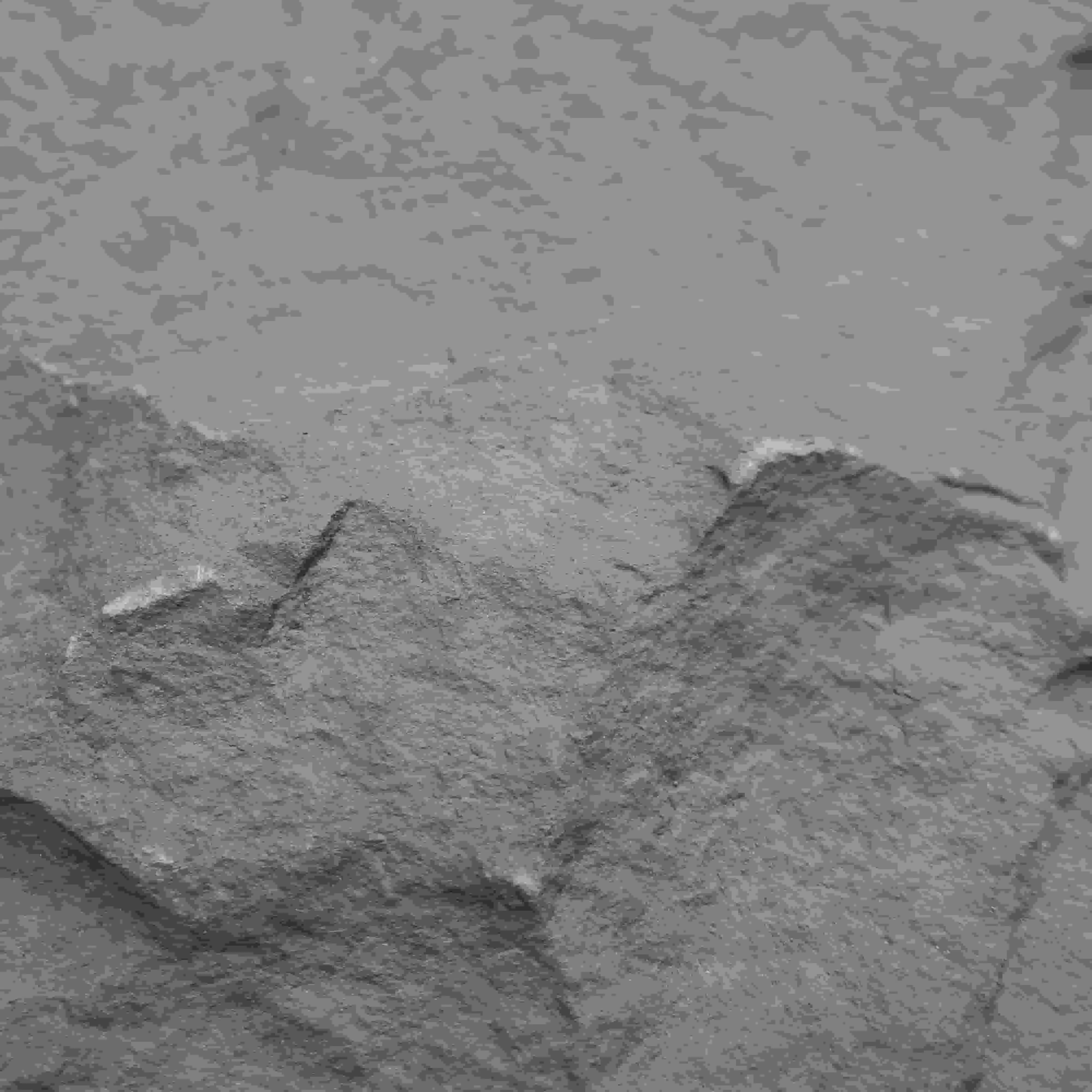
Beauty is nothing without brains, and Crossare Mushroom Stone043 delivers on performance, too. Let's compare it to two popular alternatives: MCM Flexible Stone (a staple in modern cladding) and Lunar Peak Silvery (known for its metallic, otherworldly finish). The table below breaks down key technical features to help you make an informed choice:
| Feature | Crossare Mushroom Stone043 | MCM Flexible Stone | Lunar Peak Silvery |
|---|---|---|---|
| Material Composition | Natural mineral aggregates + polymer binder | Modified composite resin + stone powder | Engineered stone with metallic oxide additives |
| Thickness | 8-12mm | 3-5mm | 10-15mm |
| Weight per sqm | 18-22kg | 8-10kg | 25-30kg |
| Fire Rating | Class A1 (Non-combustible) | Class A2 (Limited combustibility) | Class A1 (Non-combustible) |
| Water Absorption | <0.5% | <0.3% | <0.8% |
| Installation Method | Dry hanging or adhesive | Adhesive (flexible substrate required) | Dry hanging (heavy-duty brackets) |
| Aesthetic Appeal | Organic, mushroom-textured, earthy | Smooth, customizable patterns, lightweight look | Metallic sheen, linear texture, futuristic |
Let's unpack what this means. For starters, Crossare Mushroom Stone043's Class A1 fire rating is a big win for commercial and high-rise projects, where safety regulations are strict. Its water absorption rate (<0.5%) is lower than Lunar Peak Silvery, making it more resistant to mold, mildew, and freeze-thaw damage—critical for exterior use in humid or cold climates. While MCM Flexible Stone is lighter, Crossare Mushroom Stone043's slightly heftier weight gives it a more substantial feel, which many designers prefer for creating a sense of permanence.
Another standout feature is its impact resistance. Unlike brittle natural stones like marble or travertine (Starry Blue, for example), which can chip easily, the polymer binder in Crossare Mushroom Stone043 adds flexibility, reducing the risk of damage during installation or from accidental knocks. This durability translates to lower maintenance costs over time—a key selling point for clients focused on long-term value.
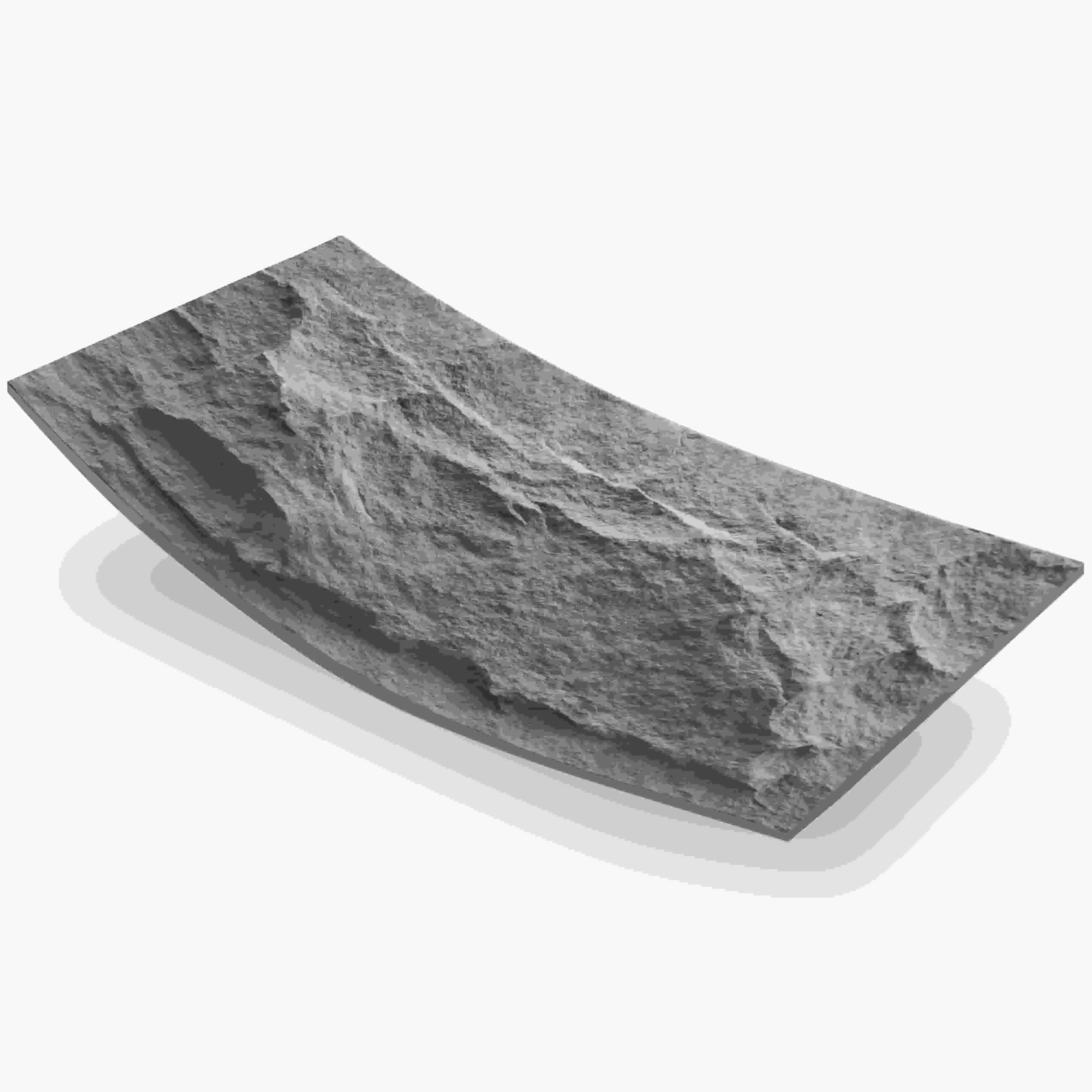
So, where does this material work best? Let's explore real-world scenarios where Crossare Mushroom Stone043 has made a difference.
Imagine a suburban home with a facade that feels both inviting and resilient. That's what a recent project in Portland achieved using Crossare Mushroom Stone043 in "driftwood beige." The architects wanted to avoid the cookie-cutter look of vinyl siding or stucco, opting instead for a material that would age gracefully. The result? A home that blends into the Pacific Northwest's lush landscape, with the stone's texture softening the angular lines of the modern design. Even after two rainy seasons, the cladding shows no signs of discoloration or water damage—a testament to its low water absorption.
Cultural centers and museums often require materials that evoke a sense of heritage. A recent renovation of a 1920s theater in Chicago used Crossare Mushroom Stone043 in "clay red" for its exterior facade, pairing it with Wood Grain Board accents to pay homage to the building's art deco roots. The stone's organic texture contrasts beautifully with the Wood Grain Board's linear pattern, creating a visual dialogue between past and present. Inside, the lobby features a feature wall clad in the same stone, where its undulating surface reflects light from vintage chandeliers, creating a warm, intimate atmosphere.
Commercial spaces thrive on creating memorable experiences, and Crossare Mushroom Stone043 is a pro at that. A trendy coffee chain in Austin used "riverbed gray" panels for its back bar, pairing them with brass fixtures and living plant walls. The stone's neutral tone lets the vibrant coffee hues and greenery pop, while its texture adds visual interest without overwhelming the space. Customers often comment on how "grounded" the café feels—a stark contrast to the sleek, sterile coffee shops of yore.
Boutique hotels are always on the hunt for materials that feel exclusive but not pretentious. A resort in Sedona, Arizona, chose Crossare Mushroom Stone043 for its guestroom fireplaces and outdoor patios. The "clay red" variant complements the desert landscape, while its heat resistance (thanks to that Class A1 fire rating) makes it safe for use around fire features. Guests love the way the stone absorbs warmth from the fire, radiating heat long after the flames die down—adding a cozy touch to cool desert nights.
In today's design world, sustainability isn't optional—it's a priority. So, how does Crossare Mushroom Stone043 measure up?
First, its composition: The natural mineral aggregates used are sourced from quarries with strict environmental standards, minimizing habitat disruption. The polymer binder is low-VOC (volatile organic compound), reducing off-gassing and improving indoor air quality—a must for projects aiming for LEED or WELL certification. Unlike natural stone, which requires heavy machinery to extract and transport, Crossare Mushroom Stone043's composite nature means less waste during production, as it can be molded into panels with minimal cutting.
Durability also plays a role in sustainability. A material that lasts 50 years instead of 20 reduces the need for frequent replacements, cutting down on resource consumption and landfill waste. Crossare Mushroom Stone043's resistance to fading (even in direct sunlight) and weathering means it won't require repainting or refinishing, further lowering its environmental footprint.
Finally, its lightweight design reduces transportation emissions. Compared to solid stone slabs, which require heavy trucks and cranes, Crossare Mushroom Stone043 panels can be transported in larger quantities with less fuel—good news for projects aiming to reduce their carbon footprint.
Even the most beautiful material is useless if it's a nightmare to install. Fortunately, Crossare Mushroom Stone043 is contractor-friendly, with a few key considerations to keep in mind.
Like any cladding material, Crossare Mushroom Stone043 requires a smooth, stable substrate. For exteriors, this means ensuring the wall is plumb and free of cracks or moisture issues. For interiors, drywall or cement boards work well, though it's important to prime porous surfaces to prevent adhesive failure. Unlike Lunar Peak Silvery, which often requires specialized brackets for dry hanging, Crossare Mushroom Stone043 can be installed with standard construction adhesives or mechanical fasteners, depending on the application.
Thanks to its composite nature, Crossare Mushroom Stone043 cuts cleanly with standard masonry tools—a circular saw with a diamond blade works best. This is a big advantage over brittle stones like travertine (Starry Blue), which can splinter if not cut carefully. For intricate designs, water jet cutting is an option, though most projects can be handled with basic tools on-site.
One of the biggest perks of Crossare Mushroom Stone043 is its low maintenance. For exteriors, an annual rinse with a garden hose is usually enough to remove dirt and grime. For interiors, a damp cloth or mild soap solution works—avoid harsh chemicals, which can strip the stone's finish. Unlike natural travertine, which requires regular sealing to prevent staining, Crossare Mushroom Stone043's low porosity means sealing is optional (though recommended for high-traffic areas like commercial lobbies).
We've touched on this earlier, but let's dive deeper into how Crossare Mushroom Stone043 stacks up against two popular alternatives: MCM Flexible Stone and Lunar Peak Silvery.
MCM Flexible Stone is beloved for its ultra-lightweight design (8-10kg per sqm) and flexibility, making it ideal for curved surfaces. However, its smooth, often printed patterns can feel less authentic compared to Crossare Mushroom Stone043's tactile texture. MCM also has a lower fire rating (Class A2), which may disqualify it from certain commercial projects. If your priority is a lightweight, budget-friendly option with customizable prints, MCM is a strong contender. But if you want a material with depth, durability, and a more organic feel, Crossare Mushroom Stone043 edges it out.
Lunar Peak Silvery is all about futuristic, metallic aesthetics—think spaceship-inspired facades with a sleek, reflective finish. It's durable and fire-resistant (Class A1), but its heavy weight (25-30kg per sqm) requires reinforced structures and specialized installation, driving up costs. Lunar Peak also lacks the warmth of Crossare Mushroom Stone043; it's better suited for high-tech, minimalist designs where "cold" is a desired aesthetic. For projects aiming for biophilic design or a connection to nature, Crossare Mushroom Stone043 is the clear choice.
To bring this all to life, let's look at a real project: the Green Valley Community Center in Denver, Colorado. The architects wanted a building that would serve as a hub for the neighborhood—warm, welcoming, and built to last. They chose Crossare Mushroom Stone043 in "riverbed gray" for the exterior, paired with Foamed Aluminium Alloy Board (Vintage Gold) for accents, and Wood Grain Board for the interior lobby.
The result is a space that feels both modern and rooted in nature. The stone's texture softens the building's geometric shape, making it approachable for families and seniors alike. Inside, the Wood Grain Board adds warmth, while the Foamed Aluminium Alloy accents add a touch of sophistication. Since opening, the center has become a beloved spot, with locals often commenting on how "inviting" the exterior feels compared to the cold concrete of other public buildings.
From a practical standpoint, the stone has held up beautifully against Denver's harsh winters and hot summers. A year after installation, there's no sign of fading or weathering, and maintenance has been minimal—just a quarterly hose-down to keep the exterior looking fresh.
At the end of the day, no single material is perfect for every project. But Crossare Mushroom Stone043 comes close for architects and designers seeking a balance of beauty, durability, and sustainability. Its organic texture adds depth to spaces, its technical specs check the boxes for safety and performance, and its versatility makes it suitable for everything from residential homes to cultural landmarks.
Whether you're designing a cozy cabin in the woods or a cutting-edge commercial complex, Crossare Mushroom Stone043 offers something that many modern materials lack: soul. It's a material that doesn't just cover walls—it tells a story, connects people to nature, and stands the test of time. And in a world where so much of our built environment feels disposable, that's a quality worth investing in.
So, the next time you're stuck in the material selection phase, ask yourself: Does this material evoke emotion? Will it age gracefully? Does it align with my client's values? If the answer to all three is yes, you might just have found your match. And if you're still on the fence, order a sample of Crossare Mushroom Stone043. Run your hand over its texture, watch how it interacts with light, and imagine it transforming your next project. Chances are, you'll be hooked.
Recommend Products












