
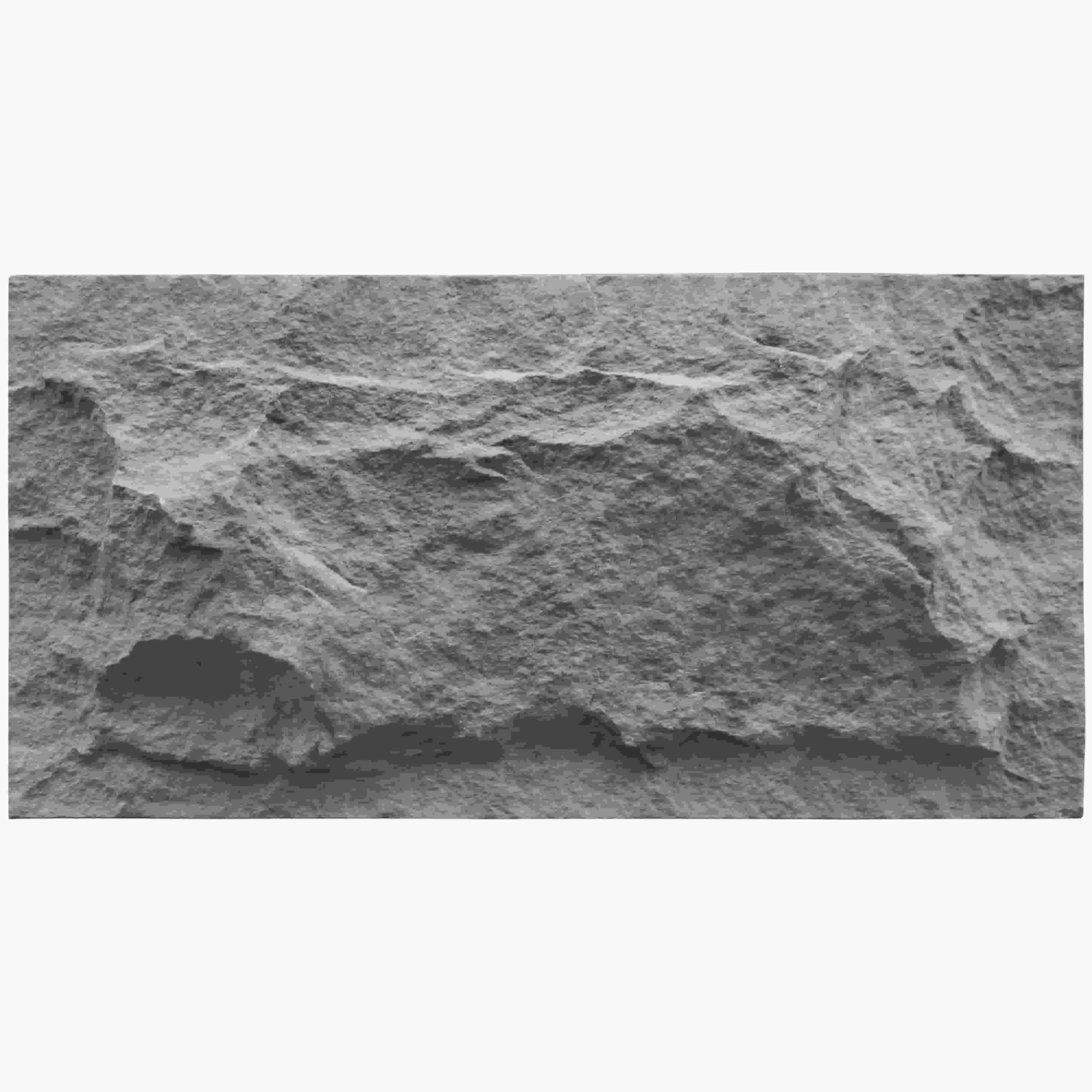
Walk through the sunlit streets of Riyadh, the coastal avenues of Jeddah, or the emerging skyline of NEOM, and you'll notice something striking: Saudi Arabia's construction landscape is in the midst of a quiet revolution. Driven by Vision 2030, the Kingdom is not just building skyscrapers and infrastructure—it's redefining what modern architecture means in a land where tradition and innovation dance in delicate balance. Amidst this transformation, one material has been turning heads among architects, builders, and developers alike: Crossare Mushroom Stone043. More than just a building material, it's a bridge between the past and future, a solution that addresses the unique challenges of Saudi construction while honoring the region's rich aesthetic heritage. Let's dive into why this stone has become a preferred choice in the Saudi market.
Saudi Arabia's construction sector is booming, and for good reason. Vision 2030, the Kingdom's ambitious roadmap for diversification, has spurred a wave of projects—from the futuristic city of NEOM to the restoration of historical districts in Riyadh and Mecca. These projects aren't just about adding square footage; they're about creating spaces that reflect Saudi identity: bold, resilient, and deeply rooted in culture. Architects and developers here face a unique set of priorities: materials must withstand extreme heat (temperatures often soar above 45°C in summer), resist sandstorms, require minimal maintenance, and—perhaps most importantly—blend modern functionality with the warm, earthy tones and textures that define Saudi architecture. Traditional materials like limestone and sandstone have long been staples, but they come with drawbacks: weight, fragility, and limited design flexibility. Enter Crossare Mushroom Stone043, a material that seems tailor-made for this dynamic market.
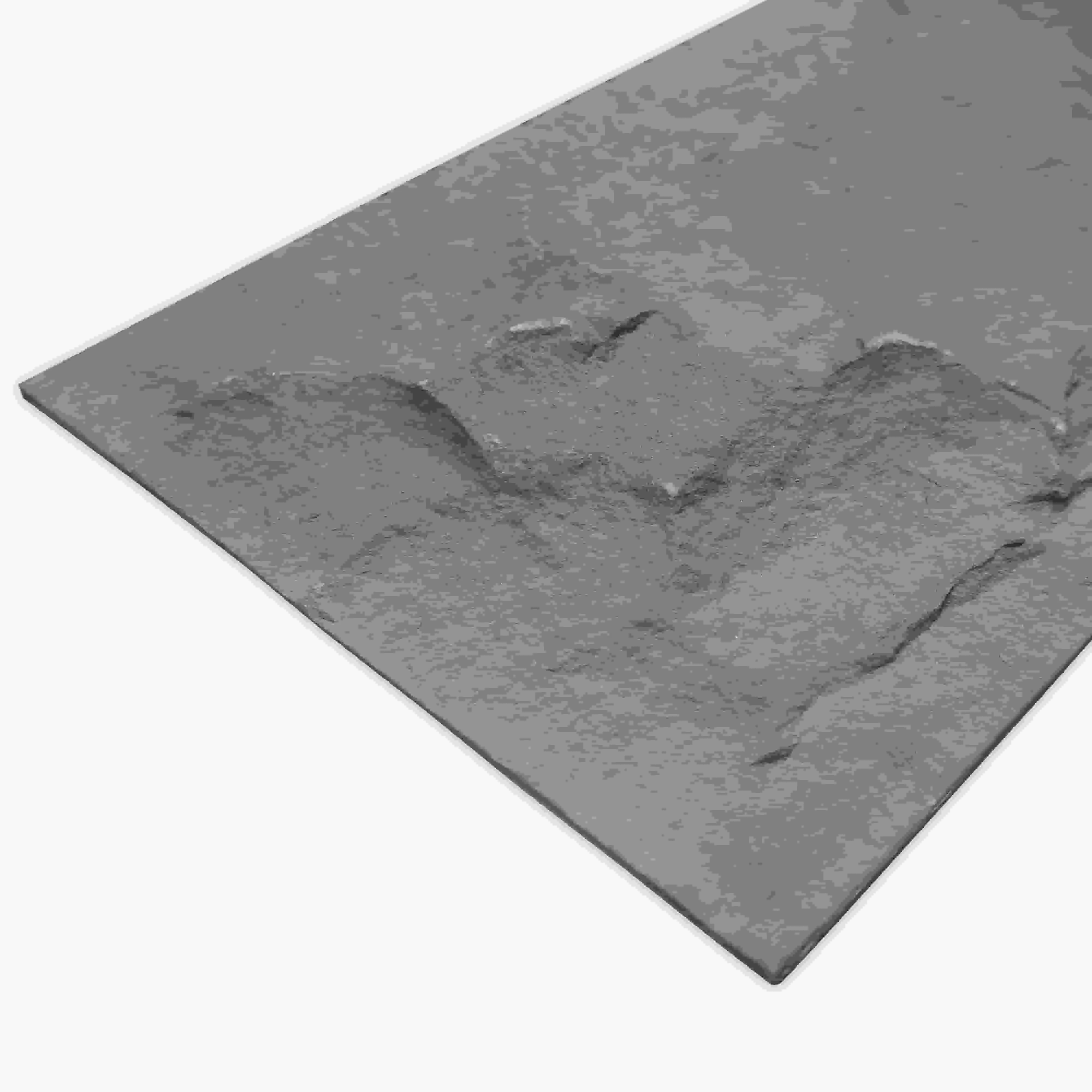
To understand why Crossare Mushroom Stone043 stands out, let's first unpack the challenges facing Saudi builders. Extreme weather is the first hurdle. The harsh sun and frequent sandstorms can degrade even the sturdiest materials, leading to cracks, discoloration, and costly repairs. Then there's the demand for sustainability. As the world shifts toward green building practices, Saudi Arabia is no exception—developers are increasingly prioritizing materials with low carbon footprints, energy efficiency, and recyclability. Finally, there's the aesthetic challenge: modern projects need to feel contemporary while paying homage to the Kingdom's heritage. Think of the mud-brick walls of traditional Najdi architecture, the warm reds and golds of desert landscapes, and the intricate patterns of Islamic art. Any new material must complement these elements, not clash with them. For years, many turned to options like fair-faced concrete for its durability, but its cold, industrial look often felt out of place in projects aiming for warmth and cultural resonance. Crossare Mushroom Stone043, however, checks all these boxes—and more.
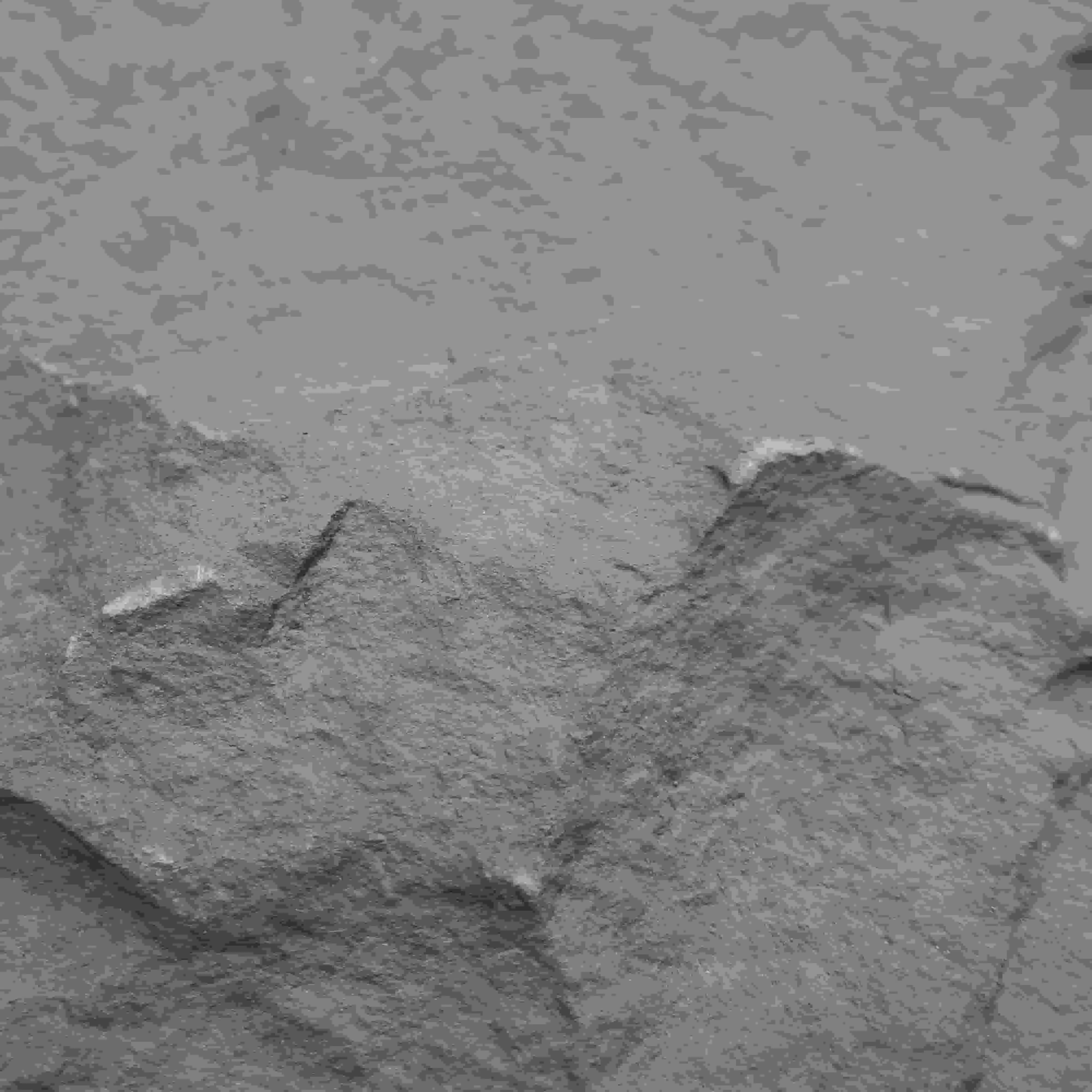
Crossare Mushroom Stone043 isn't just another stone cladding option—it's part of the broader MCM flexible stone family, a category of materials that has been revolutionizing the construction industry globally. MCM, or Modified Composite Material, is known for its unique composition: a blend of natural stone aggregates, polymers, and reinforcing fibers that results in a material that's lightweight, flexible, and incredibly durable. Crossare Mushroom Stone043 takes this technology a step further, with a design inspired by the rugged, organic texture of mushroom stone—a classic element in traditional architecture, reimagined for the modern age. What makes it particularly appealing for Saudi Arabia? Let's break down its key features.
One of the biggest advantages of Crossare Mushroom Stone043 is its weight—or lack thereof. Traditional stone cladding can weigh upwards of 50 kg per square meter, putting strain on building structures and increasing installation time and costs. Crossare Mushroom Stone043, by contrast, weighs just 8-12 kg per square meter, making it easy to transport, handle, and install. Its flexibility is another game-changer. Unlike rigid materials that crack under stress (a common issue in areas with temperature fluctuations), this stone can bend slightly without breaking, adapting to the natural movement of buildings. This is especially crucial in Saudi Arabia, where thermal expansion and contraction are daily realities. Builders in Riyadh and Jeddah have reported significant time savings during installation—up to 30% compared to traditional stone—thanks to its lightweight nature and easy cutting. For large-scale projects like shopping malls or hotel facades, this translates to lower labor costs and faster project timelines.
But lightweight doesn't mean flimsy. Crossare Mushroom Stone043 is engineered to thrive in harsh conditions. Its composite structure resists UV radiation, so it won't fade under the Saudi sun, and its surface is treated to repel dust and moisture, making it easy to clean even after a sandstorm. Unlike natural stone, which can absorb water and develop mold in humid coastal areas like Jeddah, this stone is non-porous, preventing water damage and bacterial growth. In independent lab tests, it's proven to withstand temperatures from -20°C to 80°C—well beyond the range of Saudi weather—and resist impact from flying debris (a common concern during sandstorms). For developers, this means peace of mind: a cladding material that looks good today and will still look good in 20 years, with minimal maintenance.
While durability is critical, aesthetics often seal the deal—and Crossare Mushroom Stone043 delivers here in spades. Its name gives a hint: the surface mimics the rough, organic texture of mushroom stone, with irregular edges and a tactile quality that adds depth to any facade. But what truly sets it apart is its color palette, which includes options that feel right at home in Saudi Arabia. Take, for example, its rusty red variant—a warm, earthy tone that echoes the hues of the desert at sunset, blending seamlessly with traditional architecture. It also comes in neutral shades like beige and grey, which complement modern designs, and even options inspired by historical pathfinders stone, a material used in ancient Saudi settlements. This versatility means it works everywhere: from the sleek glass towers of Riyadh's financial district to the restoration of a 200-year-old madrasa in Medina. Architects love it because it allows them to play with texture and color without sacrificing durability. One local architect, speaking about a recent project in Jeddah, noted, "We wanted the building to feel rooted in the desert, but also modern. Crossare Mushroom Stone043's rusty red panels gave us that warmth, while its clean lines kept it contemporary. It was like bringing the desert indoors, but in a way that's low-maintenance and sustainable."
In an era where sustainability is no longer optional, Crossare Mushroom Stone043 shines as a green building material. Its production process is energy-efficient, using 60% less energy than traditional stone quarrying and processing. The MCM base is also recyclable, and because it's lightweight, transportation requires less fuel, reducing carbon emissions. Additionally, its thermal insulation properties help regulate building temperatures, lowering the need for air conditioning—a significant energy saver in a country where cooling costs can account for up to 70% of a building's energy use. For developers aiming to achieve LEED or Estidama certifications (Saudi Arabia's green building standard), Crossare Mushroom Stone043 is a valuable asset. It's a material that doesn't just meet sustainability requirements; it exceeds them, proving that durability and eco-friendliness can go hand in hand.
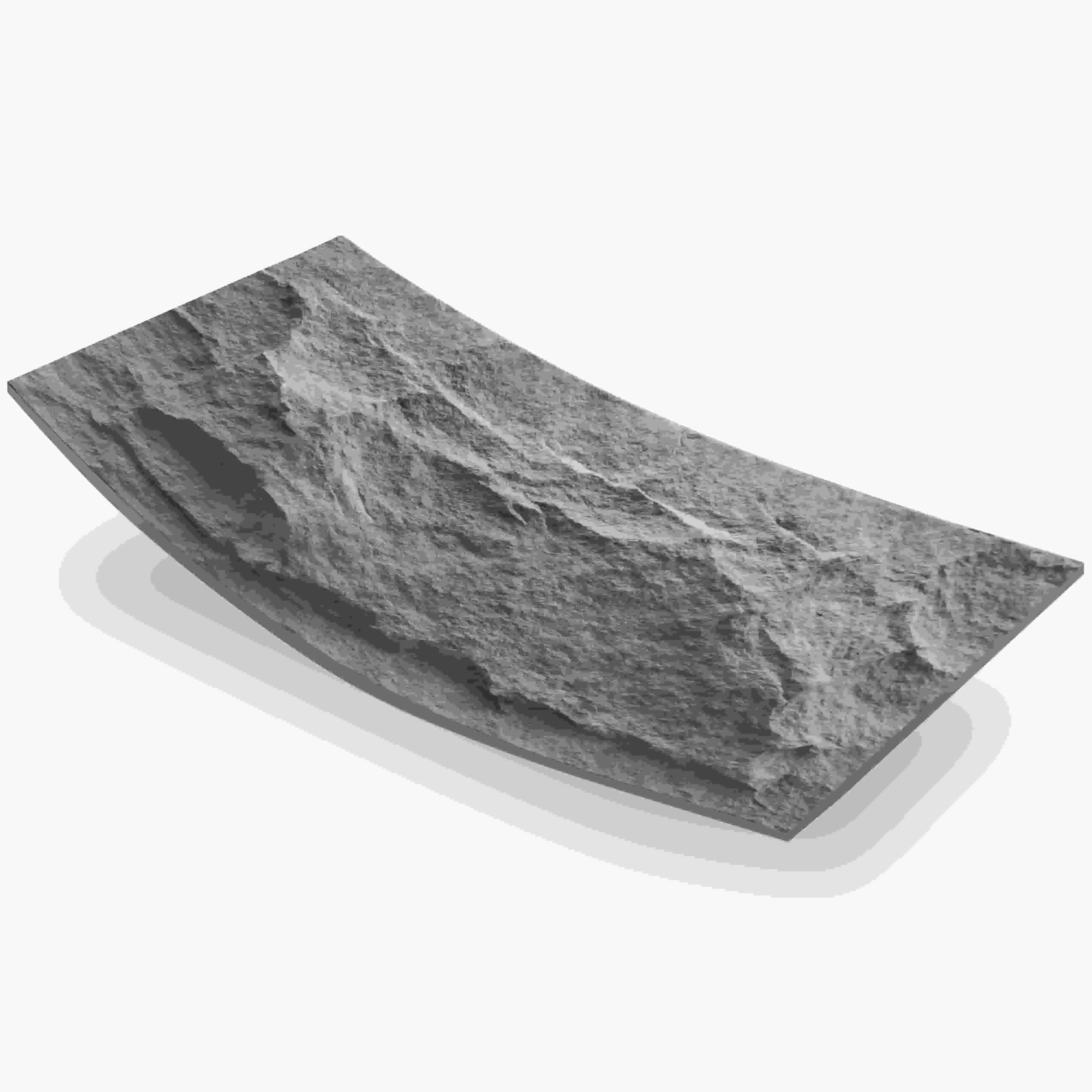
To truly appreciate Crossare Mushroom Stone043's, let's compare it to two common alternatives: traditional natural stone and fair-faced concrete. The table below breaks down key factors like weight, durability, aesthetics, and sustainability:
| Feature | Crossare Mushroom Stone043 | Traditional Natural Stone (e.g., Limestone) | Fair-Faced Concrete |
|---|---|---|---|
| Weight (kg/m²) | 8-12 | 40-60 | 20-25 |
| Heat Resistance | Withstands up to 80°C; no discoloration | Prone to fading and cracking in extreme heat | Can absorb heat, leading to thermal expansion |
| Aesthetic Options | Multiple colors (rusty red, beige, etc.); textured, organic finish | Limited by natural variations; often uniform | Industrial, uniform look; limited color options |
| Sustainability | Low carbon footprint; recyclable; energy-efficient production | High quarrying impact; heavy transportation emissions | High cement production emissions; not easily recyclable |
| Maintenance | Minimal; resistant to dust, moisture, and UV damage | Requires regular sealing; prone to staining | Prone to cracking; may require patching |
As the table shows, Crossare Mushroom Stone043 outperforms traditional options in nearly every category. It's lighter than both natural stone and concrete, more resistant to heat and wear, more aesthetically versatile, and far more sustainable. For Saudi builders, this isn't just a marginal improvement—it's a paradigm shift.
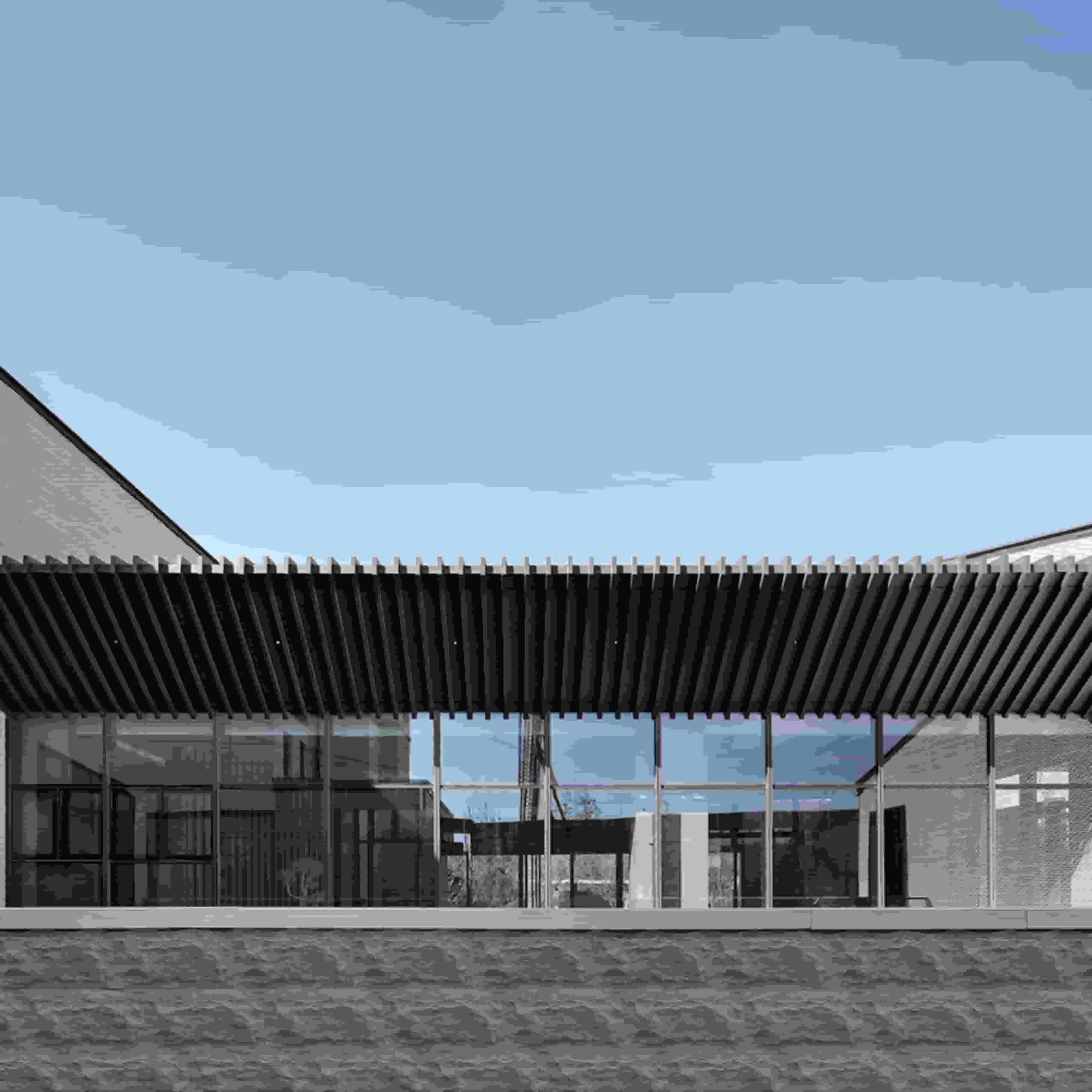
Crossare Mushroom Stone043's versatility makes it suitable for a wide range of applications. Let's explore some of the most common uses in the Saudi market:
From luxury hotels on the Corniche in Jeddah to office towers in Riyadh's King Abdullah Financial District, commercial buildings demand materials that make a statement while standing up to heavy foot traffic and exposure. Crossare Mushroom Stone043's durability and aesthetic appeal make it ideal for facades, lobby walls, and even accent panels. Imagine a hotel entrance clad in rusty red Crossare Mushroom Stone043, with its textured surface catching the sunlight and evoking the warmth of the desert—immediately welcoming guests and setting the tone for a Saudi-inspired experience.
In residential developments, homeowners and developers prioritize comfort, low maintenance, and curb appeal. Crossare Mushroom Stone043 works beautifully for exterior cladding, garden walls, and even interior accent walls. Its thermal insulation properties help keep homes cooler in summer, reducing energy bills, while its resistance to moisture makes it perfect for pool areas or outdoor patios. In gated communities outside Riyadh, developers have used it to create a cohesive, upscale look that feels both modern and rooted in local culture.
Saudi Arabia is investing heavily in restoring historical sites, from the ancient mud-brick structures of Diriyah to the old souks of Jeddah. Here, materials must match the original architecture while offering modern durability. Crossare Mushroom Stone043's historical pathfinders stone-inspired textures and earthy tones make it a favorite for these projects. Unlike traditional stone, which can be hard to source and fragile, Crossare Mushroom Stone043 can replicate the look of ancient materials without the risk of damage, ensuring these heritage sites stand for generations to come.
Public spaces like parks, museums, and transportation hubs see constant use, so materials must be tough. Crossare Mushroom Stone043's impact resistance and easy cleaning make it perfect for flooring, benches, and outdoor pavilions. In Riyadh's King Salman Park, set to be one of the largest urban parks in the world, planners are considering it for walkways and seating areas—materials that can handle thousands of visitors daily without showing wear.
At the end of the day, the proof is in the projects. Across Saudi Arabia, architects and developers are increasingly specifying Crossare Mushroom Stone043, and for good reason. It's not just a material—it's a solution that addresses their most pressing needs: durability in harsh weather, sustainability for green certifications, and aesthetics that honor Saudi culture. One developer, who used it in a recent residential complex in Dammam, put it this way: "We tested multiple materials, but Crossare Mushroom Stone043 was the only one that checked all our boxes. It's lightweight, so we saved on structural costs; it's durable, so we won't have to replace it in 10 years; and the rusty red color looks stunning against the desert backdrop. Our buyers love it, and so do we."
Another factor is cost-effectiveness. While the initial price of Crossare Mushroom Stone043 may be slightly higher than fair-faced concrete, its long-term savings—lower installation costs, minimal maintenance, and energy efficiency—make it a smarter investment. Over the lifespan of a building, the total cost of ownership is significantly lower, a key consideration for developers working within tight budgets.
We can't overstate the importance of sustainability in today's market. Saudi Arabia's commitment to Vision 2030 includes ambitious environmental goals, such as generating 50% of its energy from renewable sources by 2030. Green building materials like Crossare Mushroom Stone043 are critical to achieving these targets. Its production process uses recycled stone aggregates, reducing the need for new quarrying, and its lightweight design cuts down on transportation emissions. Additionally, because it's so durable, buildings clad in Crossare Mushroom Stone043 require fewer repairs and replacements, reducing waste over time. For developers looking to market their projects as eco-friendly—a major selling point for both local and international investors—this material is a powerful tool.
Saudi Arabia's construction market is at a crossroads: balancing tradition and innovation, durability and sustainability, function and beauty. In Crossare Mushroom Stone043, builders have found more than a material—they've found a partner in shaping the Kingdom's future. Its blend of lightweight flexibility, extreme durability, rich aesthetics, and green credentials make it uniquely suited to the Saudi context. Whether used in a futuristic skyscraper in NEOM or a restored heritage site in Diriyah, it brings warmth, resilience, and a touch of local identity to every project. As the Kingdom continues to build toward Vision 2030, materials like Crossare Mushroom Stone043 will play a starring role—not just as components of buildings, but as symbols of Saudi Arabia's ability to honor its past while embracing a sustainable, innovative future. For architects, developers, and homeowners alike, the choice is clear: when it comes to building in Saudi Arabia, Crossare Mushroom Stone043 isn't just a preferred option—it's the future.
Recommend Products












